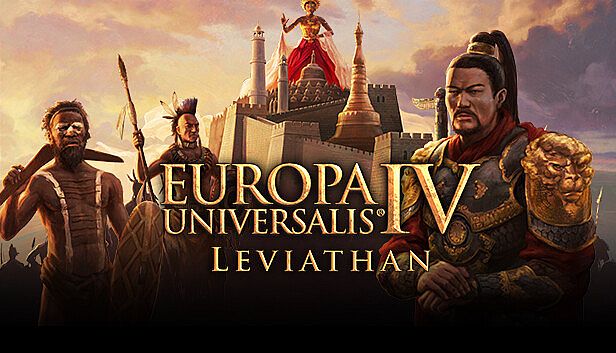







Europa Universalis IV: Leviathan serves as a strategy and simulation expansion that focuses on centralizing authority and building economic strength within existing borders. It introduces diplomatic and economic tools designed to help nations compete against larger rivals while developing vassal networks that funnel resources toward a primary capital. The expansion builds on the grand strategy foundation of managing empires across centuries through careful planning of government reforms and territorial control.
Gameplay
Core gameplay revolves around accumulating power through new diplomatic interactions and economic adjustments rather than constant territorial expansion. Players can request favors from other nations to influence negotiations and secure advantages in alliances or conflicts. Regency councils gain the ability to represent dominant estates and extend their duration to postpone the rule of unsuitable heirs.
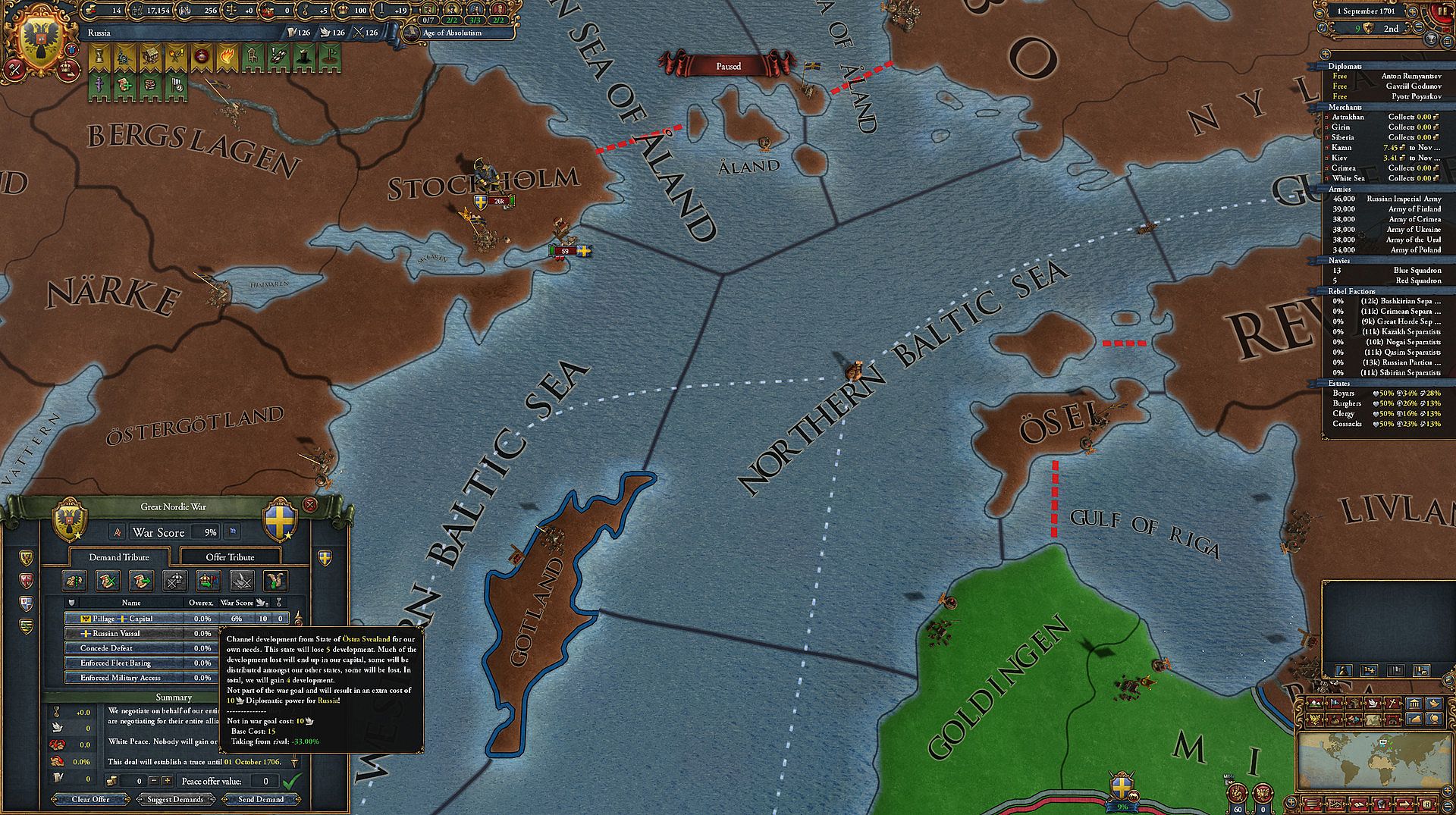
Development mechanics receive direct upgrades with options to concentrate progress from vassals or provinces into the capital city. Enemy capitals can be pillaged during peace deals to transfer development points back home. Provinces gain expanded infrastructure capacity, enabling smaller states to construct additional buildings and manufactories at lower overall expense.
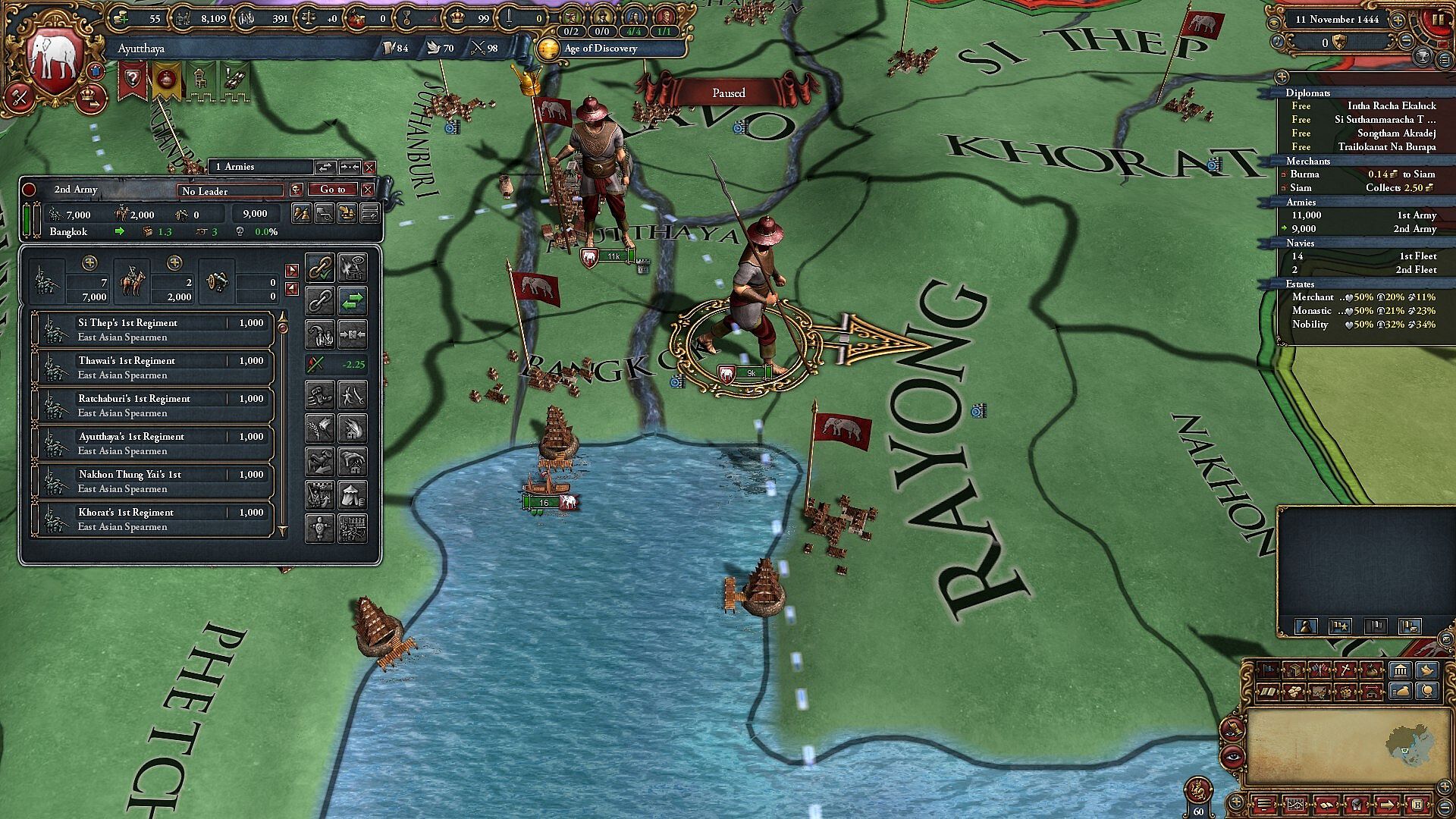
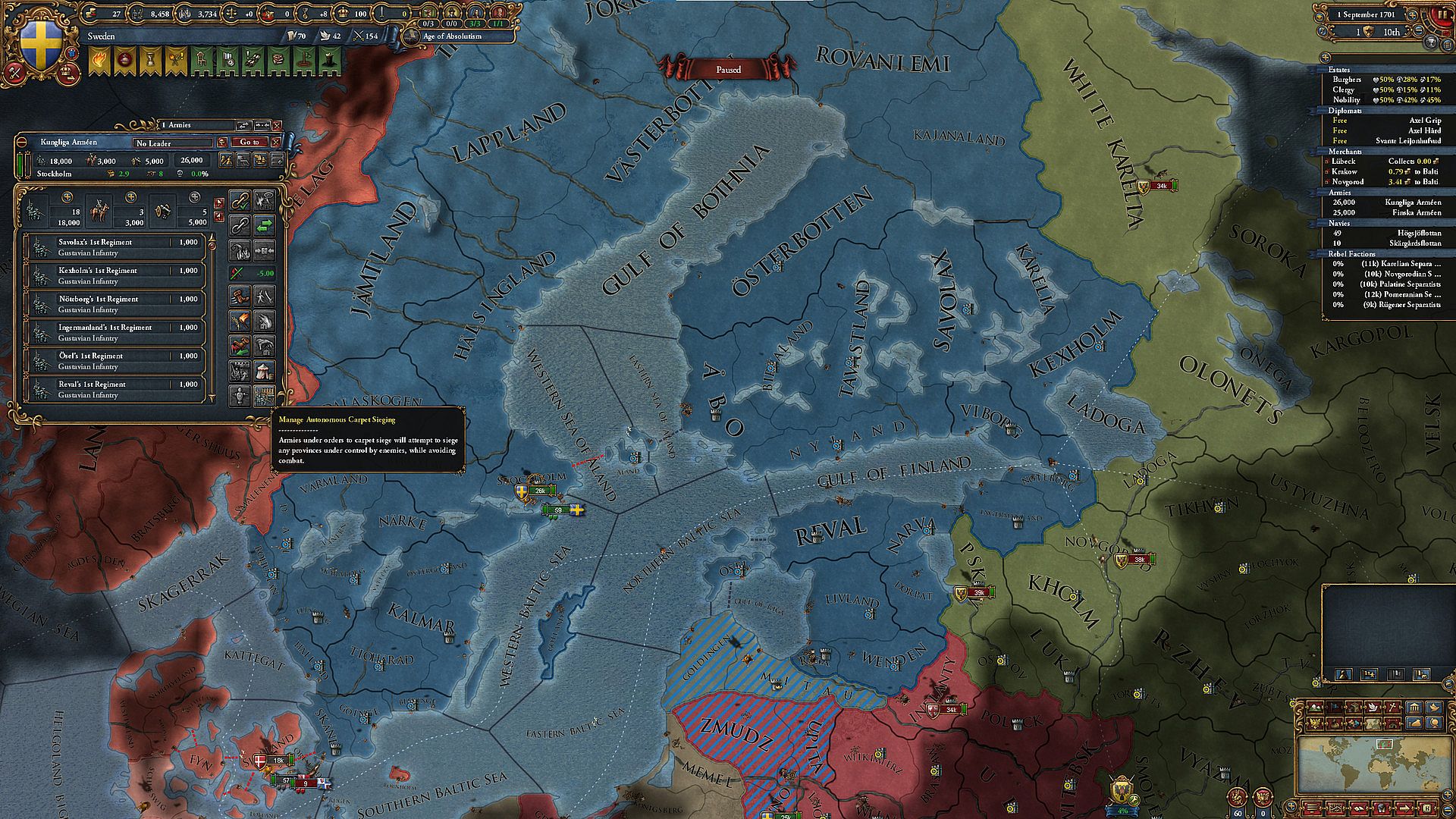
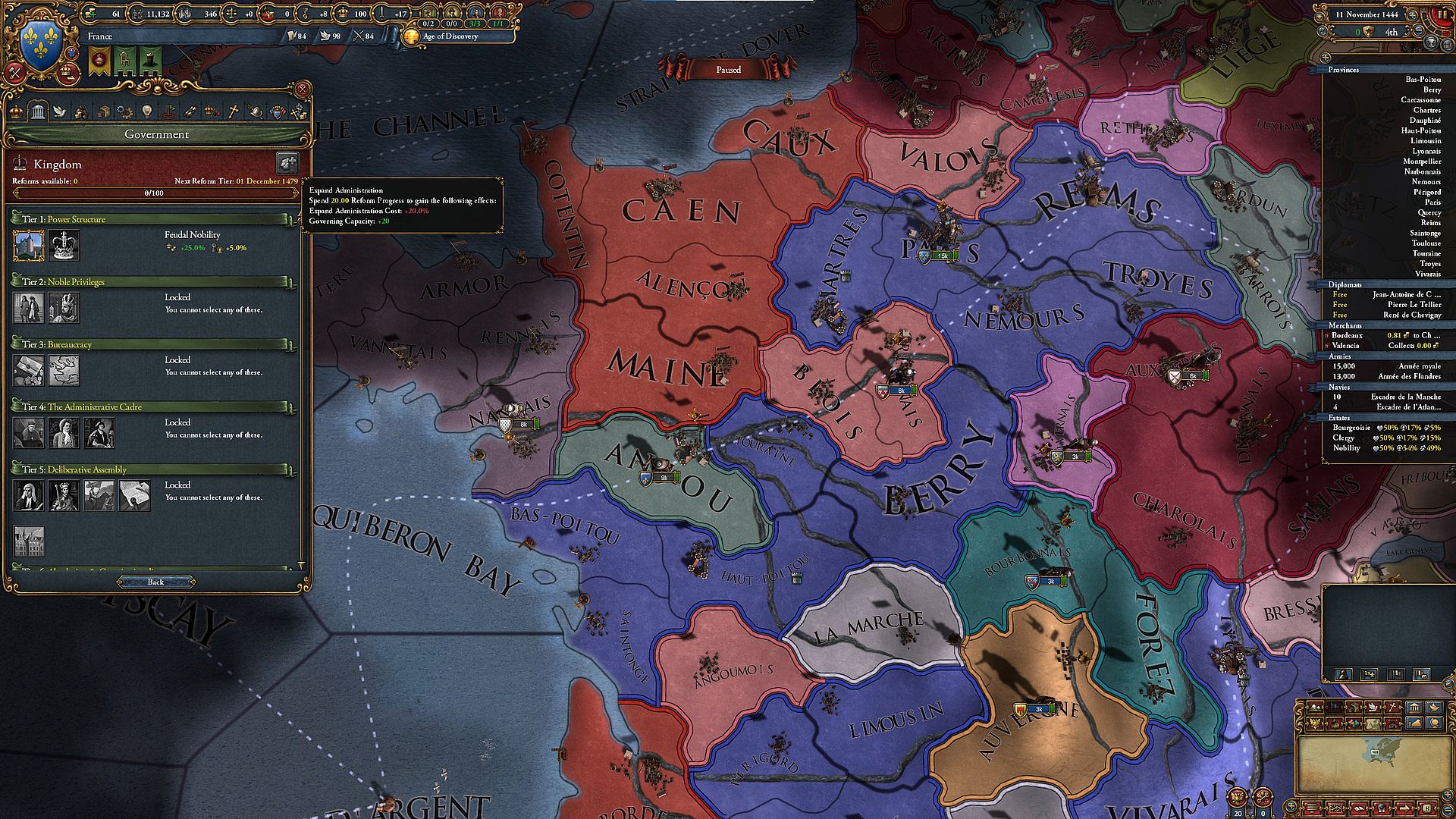
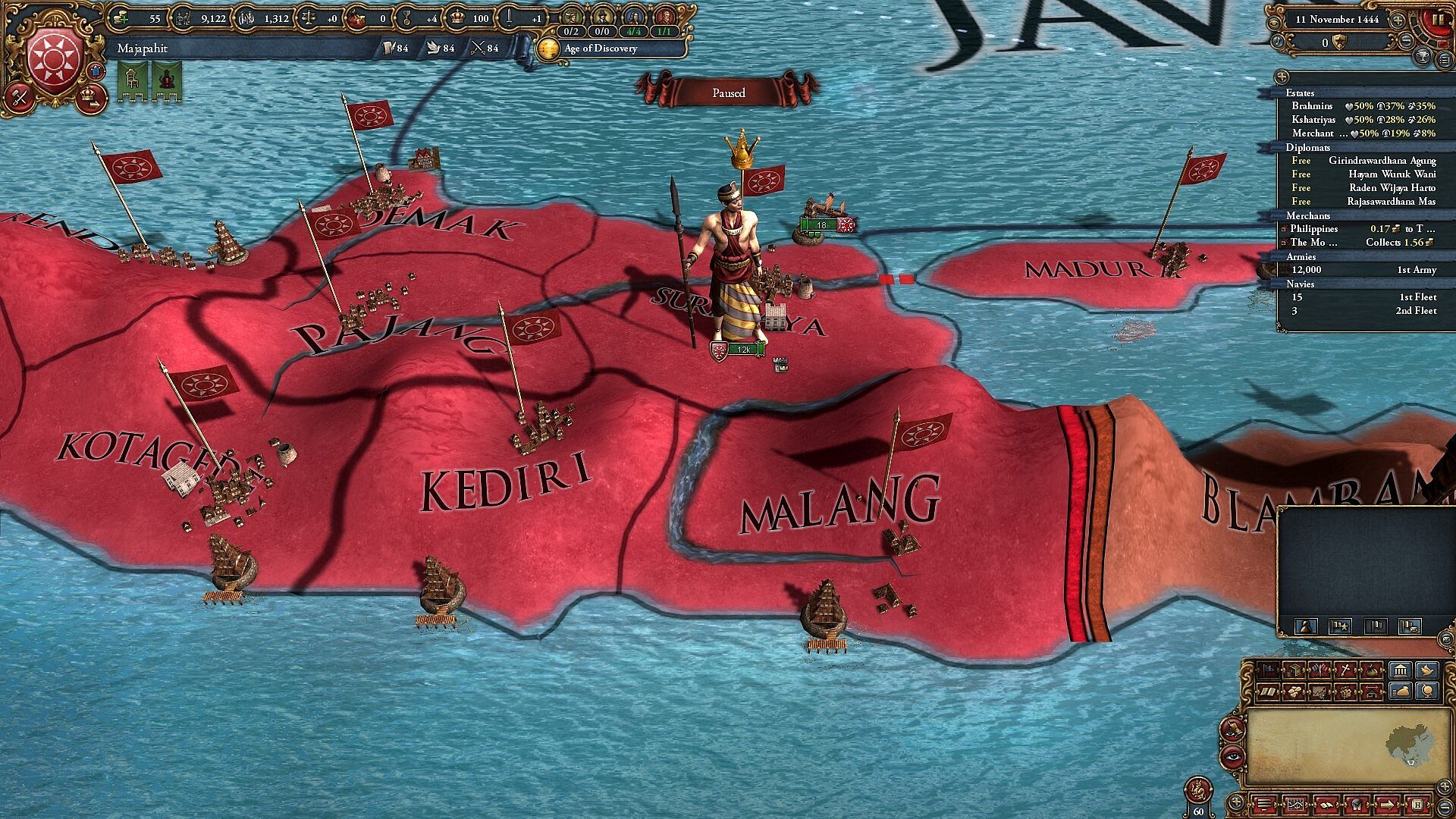
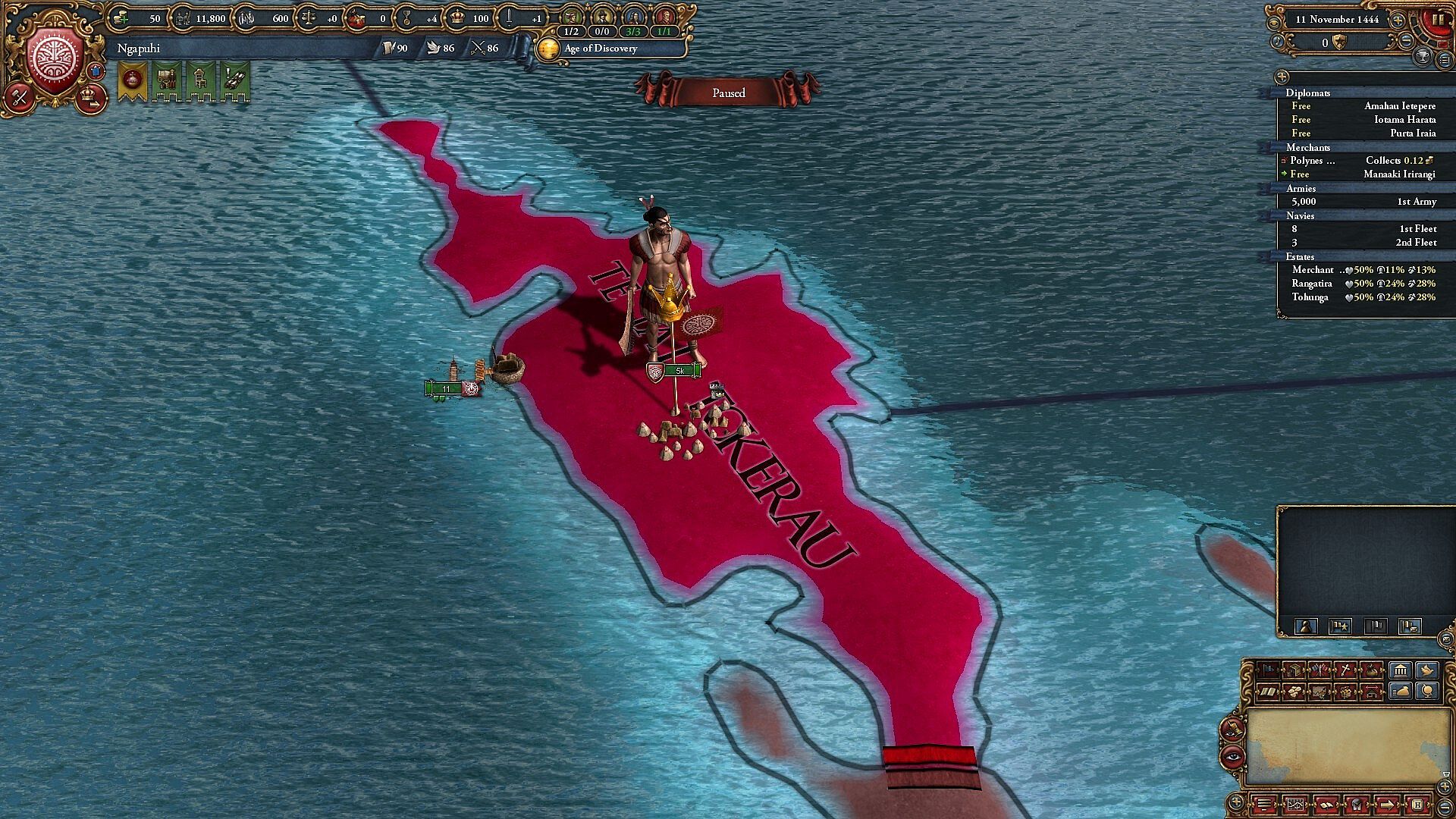
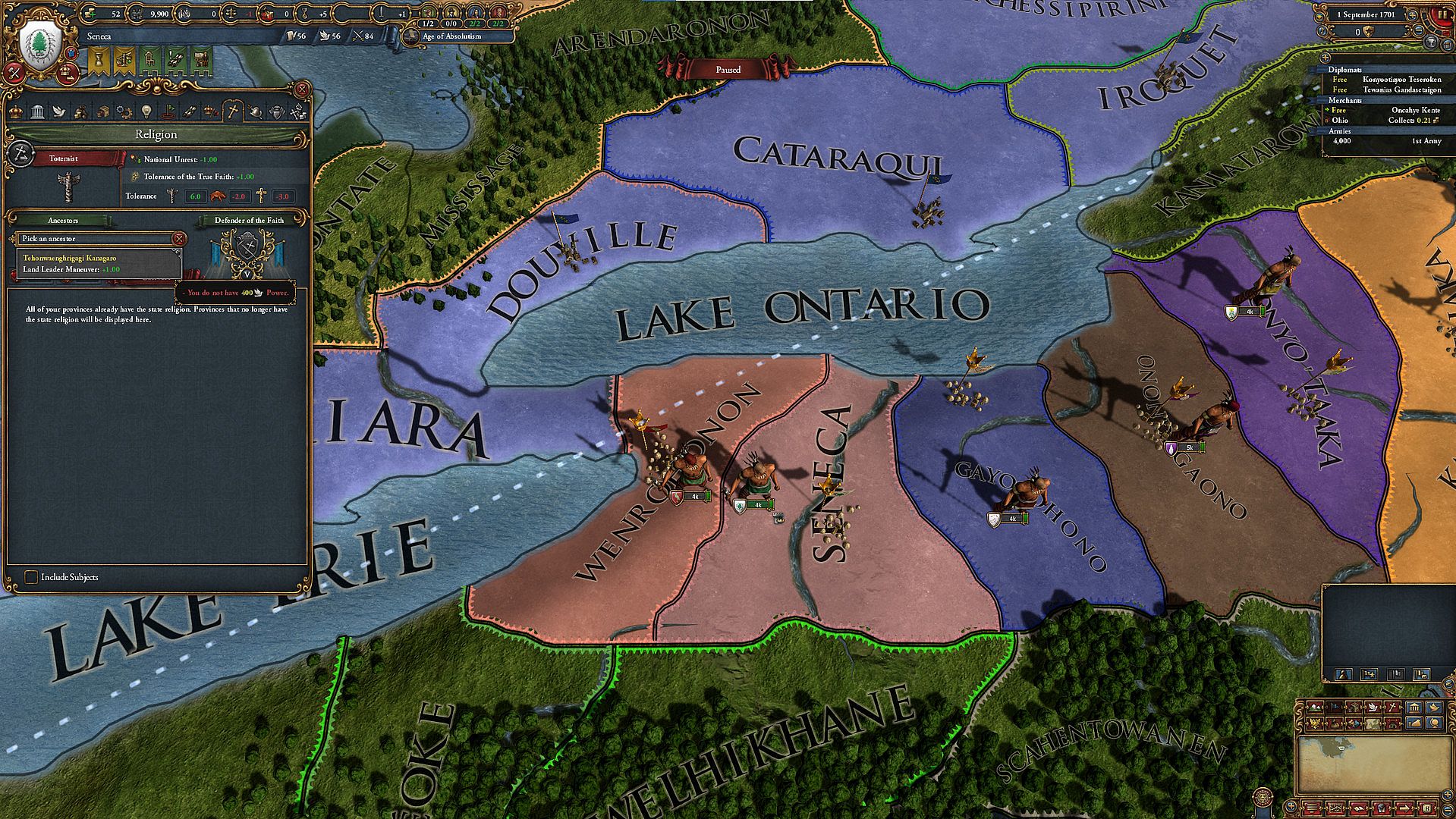
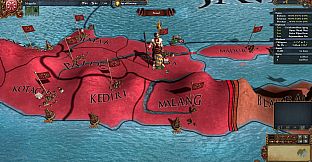
State centralization reduces government costs by expending unused reform points. Totemist nations access a system of revering historical leaders for skill-based bonuses. Great projects known as monuments can be expanded for empire-wide effects. Southeast Asian nations receive updated army unit models, and additional adjustments include carpet sieging of provinces along with drafting transports under plutocratic governments.
Game Modes
Leviathan integrates into the established single-player campaign structure where players guide one nation through historical periods with ironman options for added challenge. Multiplayer sessions support the same diplomatic and economic features for coordinated or competitive play among multiple participants.
No separate standalone modes appear in the expansion. All additions apply directly to ongoing campaigns, allowing focus on internal development and vassal management alongside traditional conquest or trade routes.
Colonial and Regency Enhancements
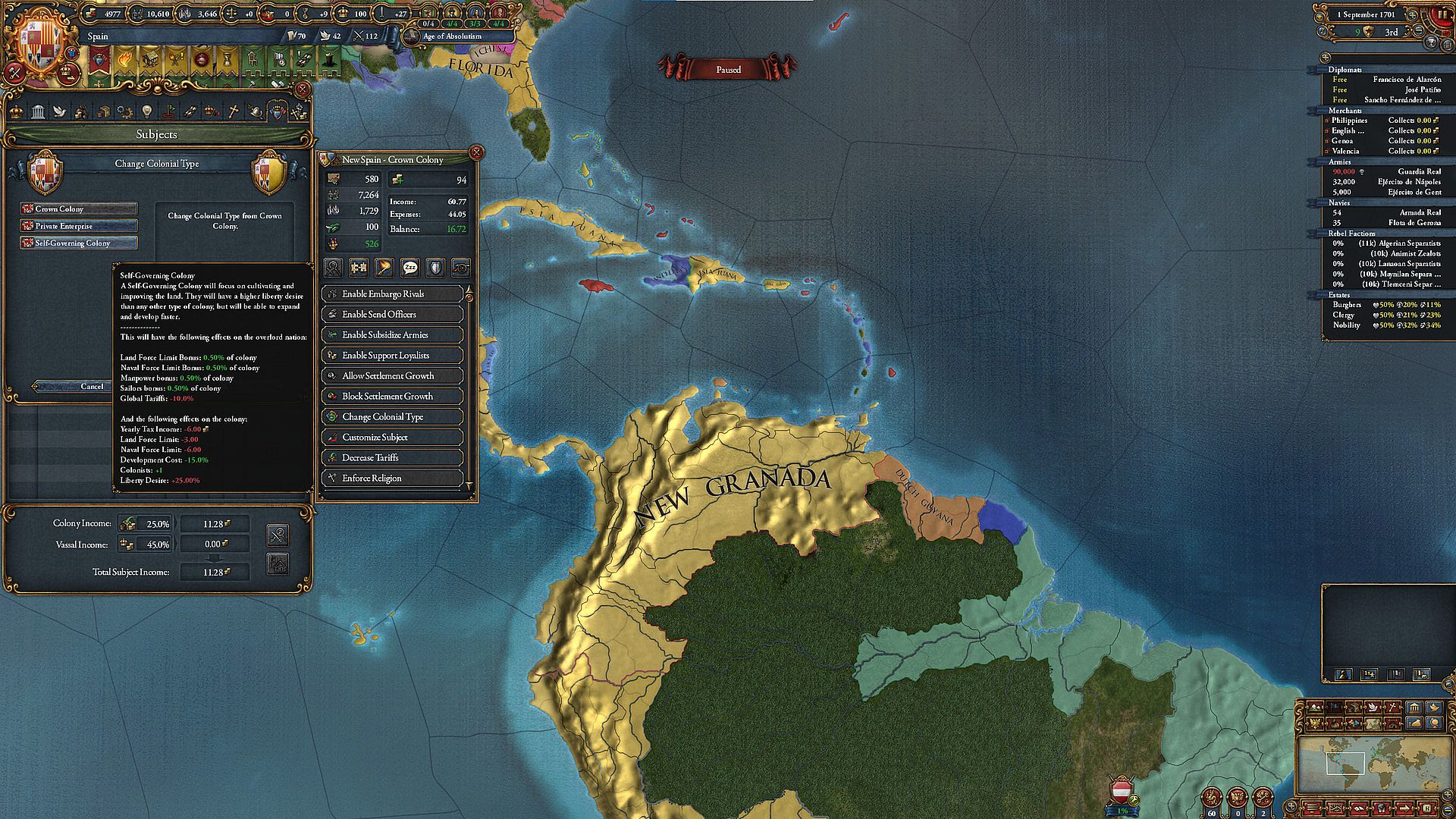
Colonial nations can be specialized toward military support, increased trade power, or greater self-governance. This allows tailored contributions from overseas territories without requiring constant direct oversight from the mother country.
Regency systems expand to balance estate interests more explicitly, providing tools to stabilize rule during transitional periods. These changes encourage strategic timing around monarch successions and estate influence.
Is It Worth Playing?
Leviathan suits players who enjoy detailed grand strategy simulations centered on internal power consolidation and diplomatic maneuvering. The listed features provide concrete options for building tall empires through development transfers and infrastructure growth.
Those seeking new ways to interact with vassals or optimize colonial output will find targeted additions here. The expansion works best when combined with interest in long-term campaign planning rather than rapid map painting.
Reception at launch highlighted technical issues that affected stability for some users. Later patches addressed several problems, though the overall player response remained divided. Individuals already invested in the base game and comfortable with its complexity stand to gain the most from the new centralization and favor systems.