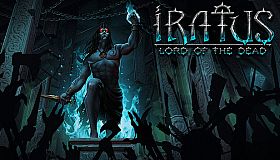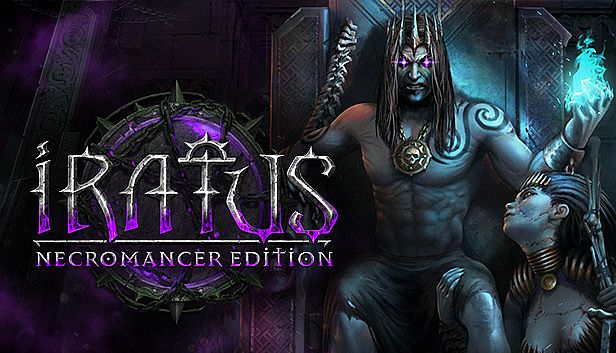



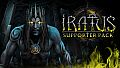
Iratus: Necromancer Edition is a turn-based strategy RPG that places players in the role of a powerful necromancer seeking freedom and revenge in a dark fantasy world. The experience centers on building and commanding an army of undead minions while navigating procedural dungeon environments filled with tactical challenges.
Gameplay
The core loop revolves around descending through dungeon floors, engaging in turn-based combat, and managing resources between battles. Players collect body parts from defeated enemies to assemble and customize minions such as skeletons, zombies, banshees, and more advanced types including reapers and abominations. Each minion comes with a set of talents that can be enhanced through alchemy and item crafting in the central hub area.
Combat involves directing up to four minions at once against varied foes, from miners and alchemists to paladins and spellcasters. Success depends on exploiting enemy weaknesses, managing sanity mechanics that can cause foes to flee or perish from fear, and adapting to the unique abilities of both allies and opponents. Between fights, the underground lair serves as a base for upgrades, potion creation, and passive improvements via a graveyard system that consumes collected souls.
Roguelike elements shape progression through branching paths and random encounters, where every run presents new combinations of battles, artifacts, and hazards. The necromancer himself stays out of direct combat, relying entirely on minions while providing support through his abilities. This setup rewards careful planning and experimentation with minion compositions across multiple runs.
Game Modes
The primary experience consists of roguelike dungeon runs that emphasize repeated attempts to reach deeper floors and achieve victory conditions tied to the story of Iratus's escape and domination. Players select difficulty settings that alter enemy strength and resource availability, allowing for tailored challenges without altering the fundamental structure.
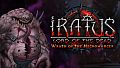
The included expansion content integrates seamlessly by adding new floors, bosses, enemies, and minion options that expand the available strategies during runs. These additions introduce fresh tactical layers, such as new potion crafting recipes and additional story segments, while maintaining the same turn-based combat and minion assembly systems. No separate multiplayer or alternative formats exist; the focus remains on single-player progression through increasingly demanding procedural content.
Key Mechanics and Progression
Minion creation draws from a library of over fifty talents distributed across various undead types, encouraging players to experiment with synergies like fear-inducing screams from banshees or curse-spreading touches from mummies. Alchemy allows for targeted enhancements that can shift a minion's role mid-campaign, while artifact finds provide temporary or permanent boosts during a run.
The hub area expands over time as players invest resources, unlocking better crafting stations and lair defenses that indirectly support longer expeditions. Enemy variety spans multiple factions with distinct behaviors, forcing adaptation rather than reliance on a single winning formula. This depth suits players who enjoy dissecting combat systems and refining strategies across successive attempts.
Is It Worth Playing?
Iratus: Necromancer Edition appeals to those who enjoy tactical roguelikes with a villainous twist and heavy emphasis on army management rather than direct character control. The challenging combat and procedural variety provide substantial replay value for fans of similar titles, particularly those comfortable with high difficulty and the need to learn from repeated failures.
Support for the game continues through anniversary acknowledgments and bundled content that delivers a complete package of base mechanics plus expansion features. Availability on PC makes it accessible for strategy and indie RPG enthusiasts seeking a focused, dark-themed experience without extraneous elements. Those drawn to undead themes, turn-based decision-making, and building from defeat will find the systems rewarding, while players preferring lighter or more narrative-driven adventures may prefer alternatives.