

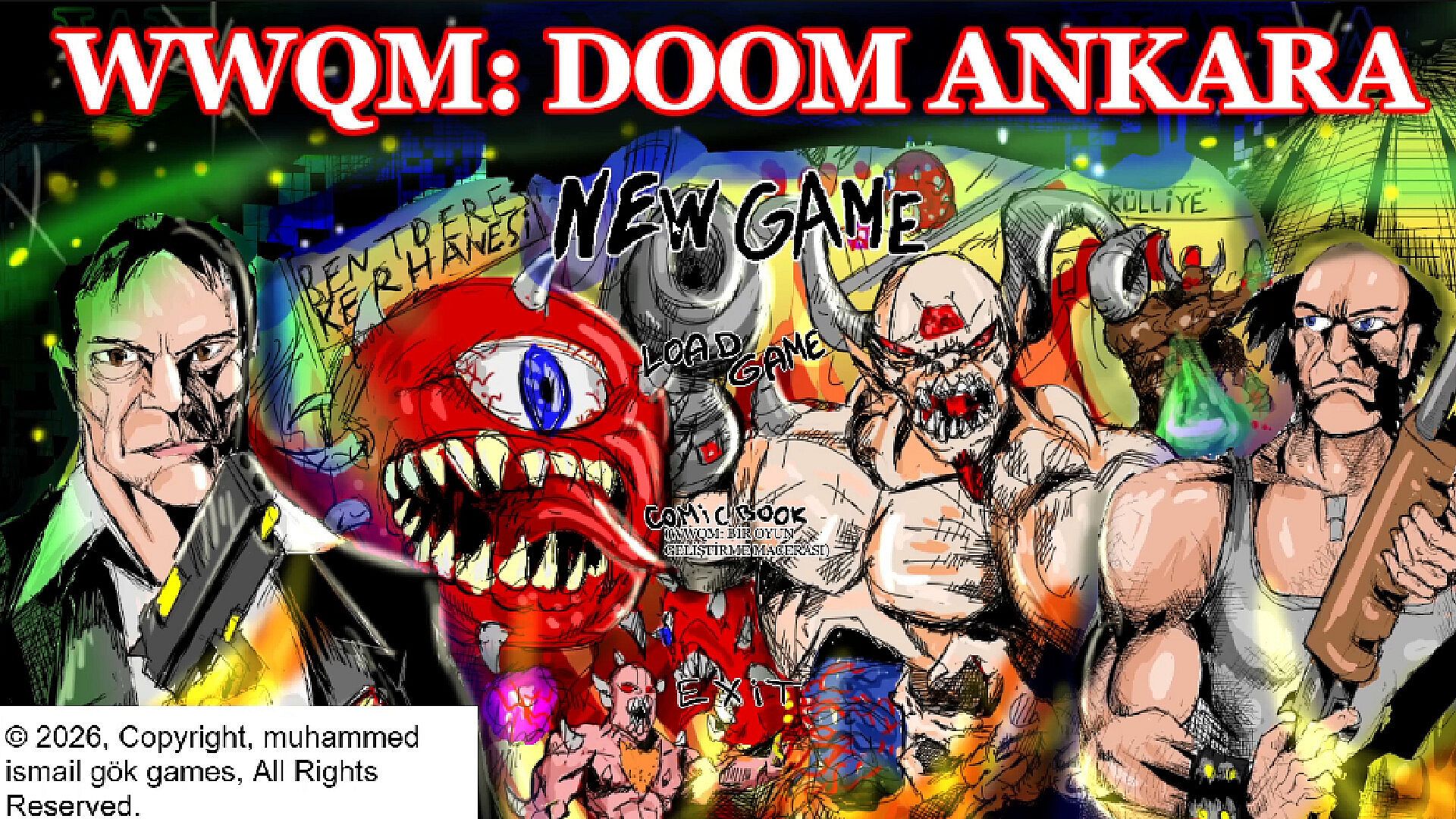
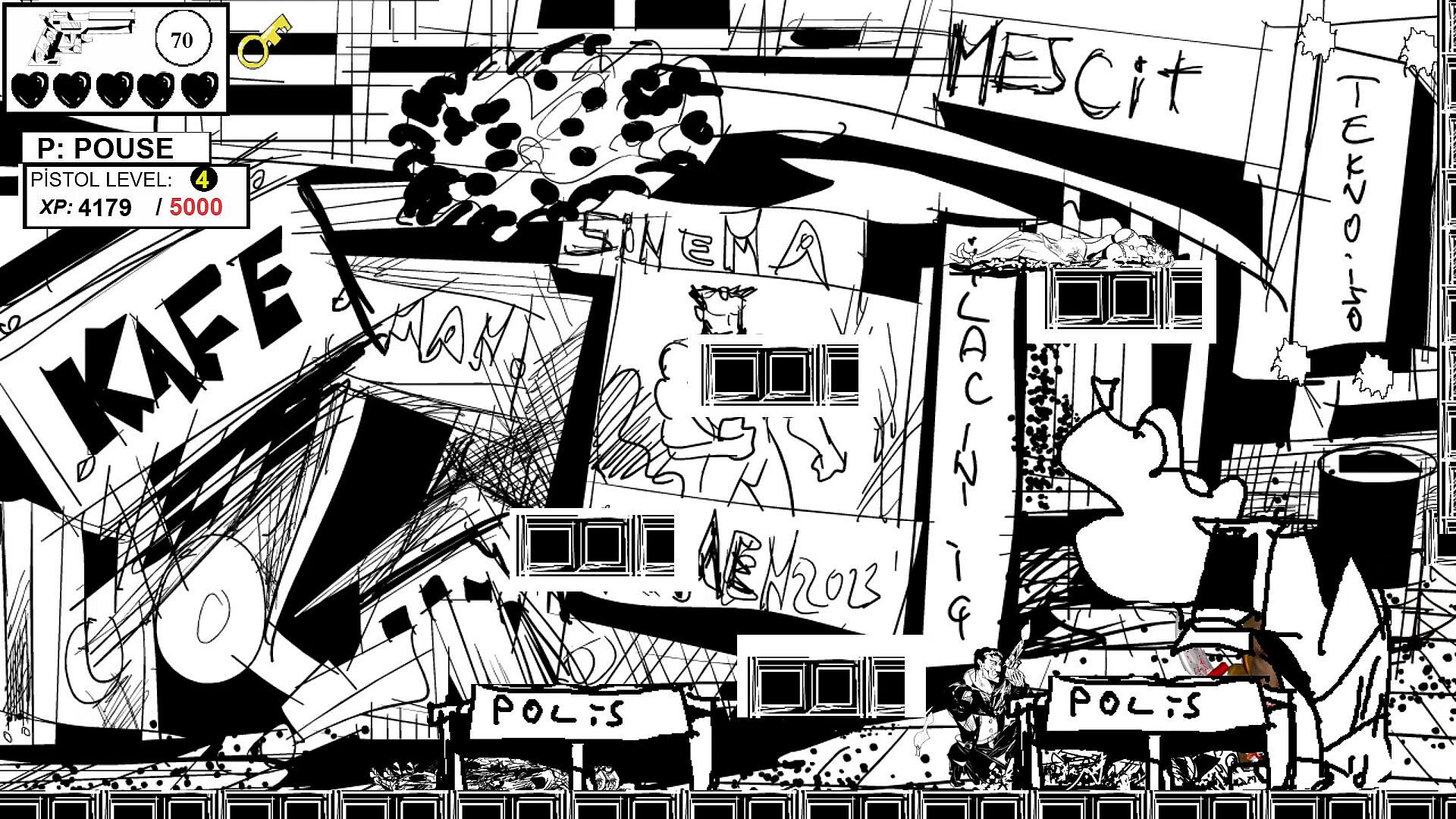
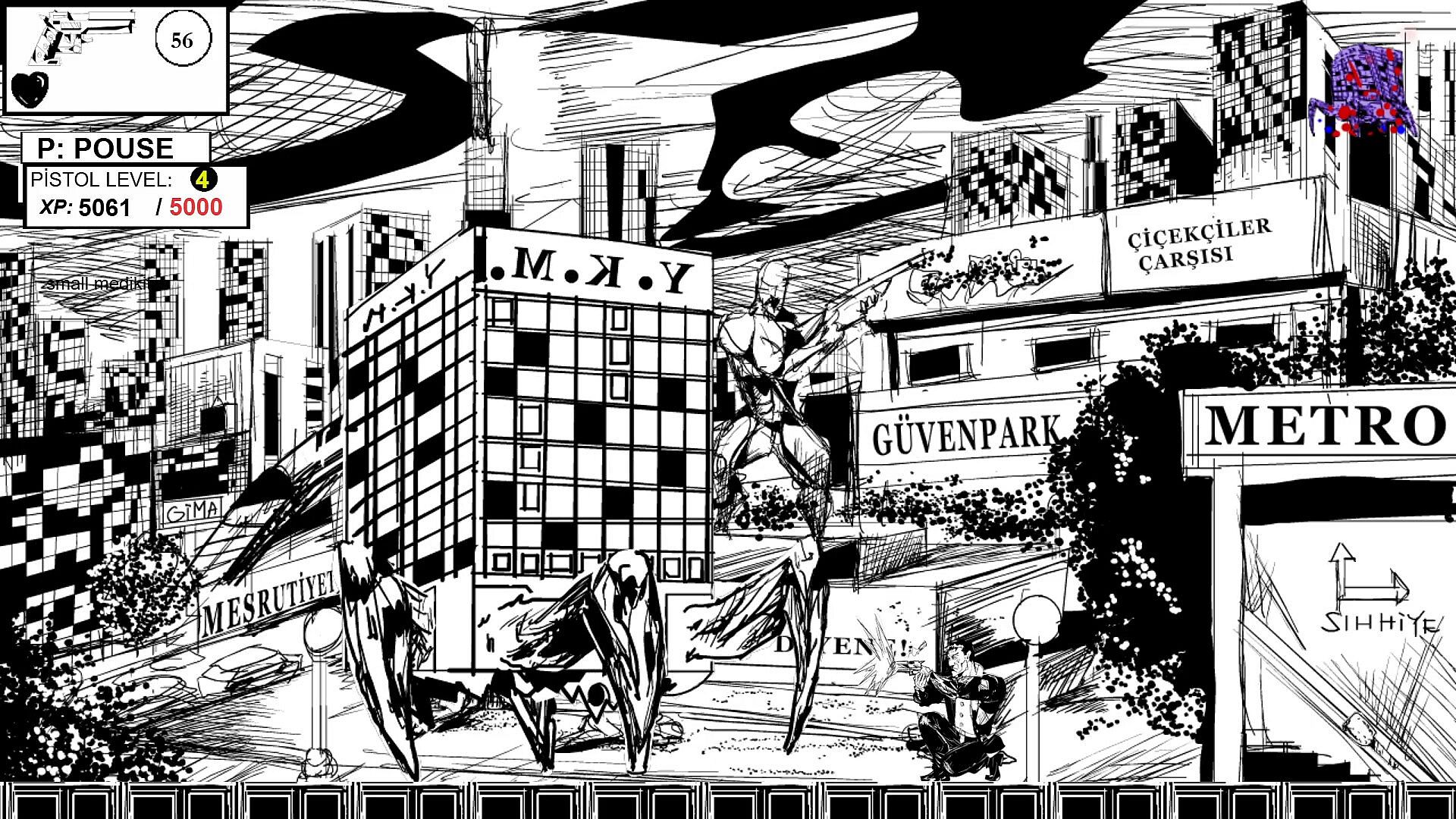
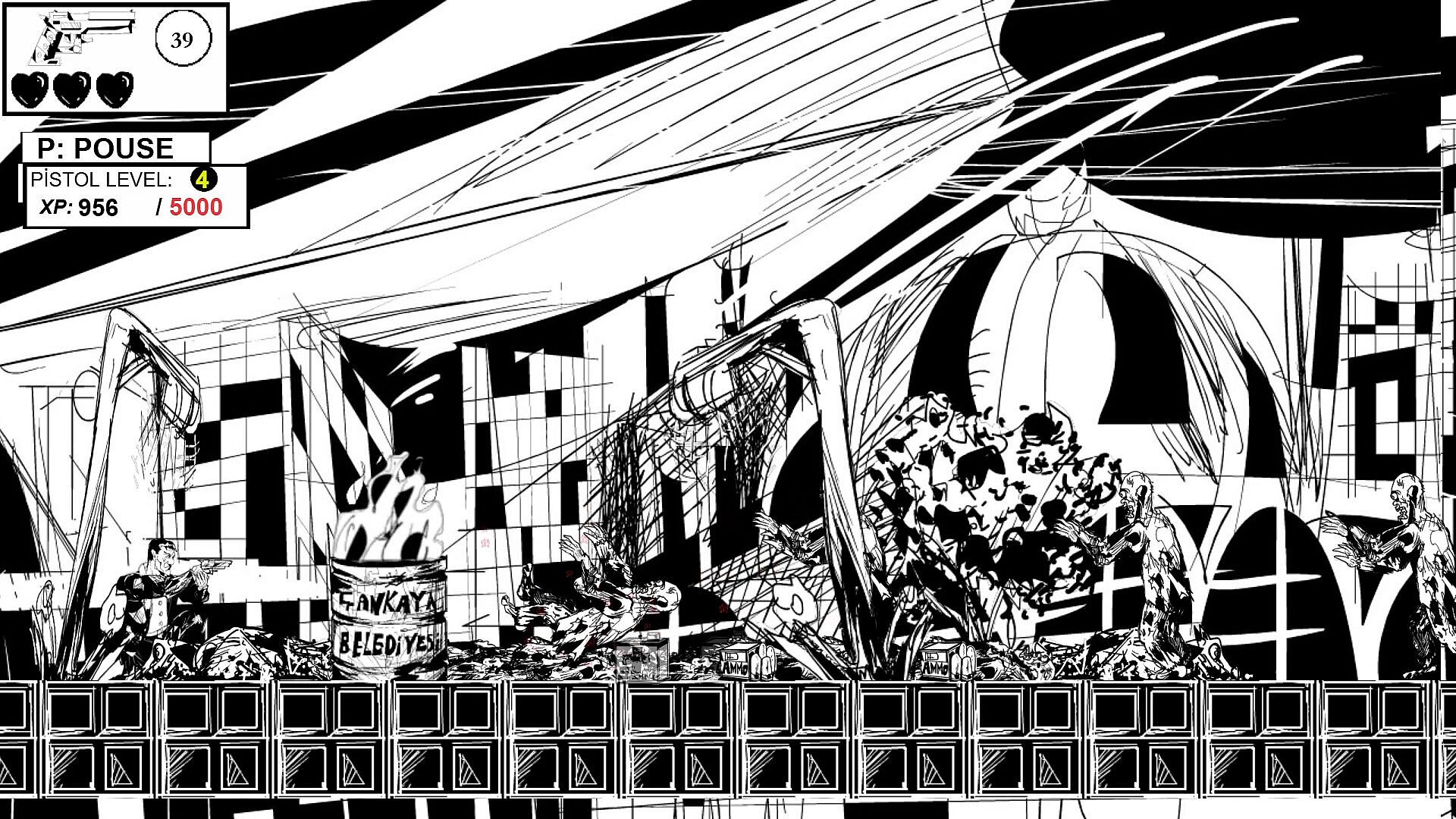
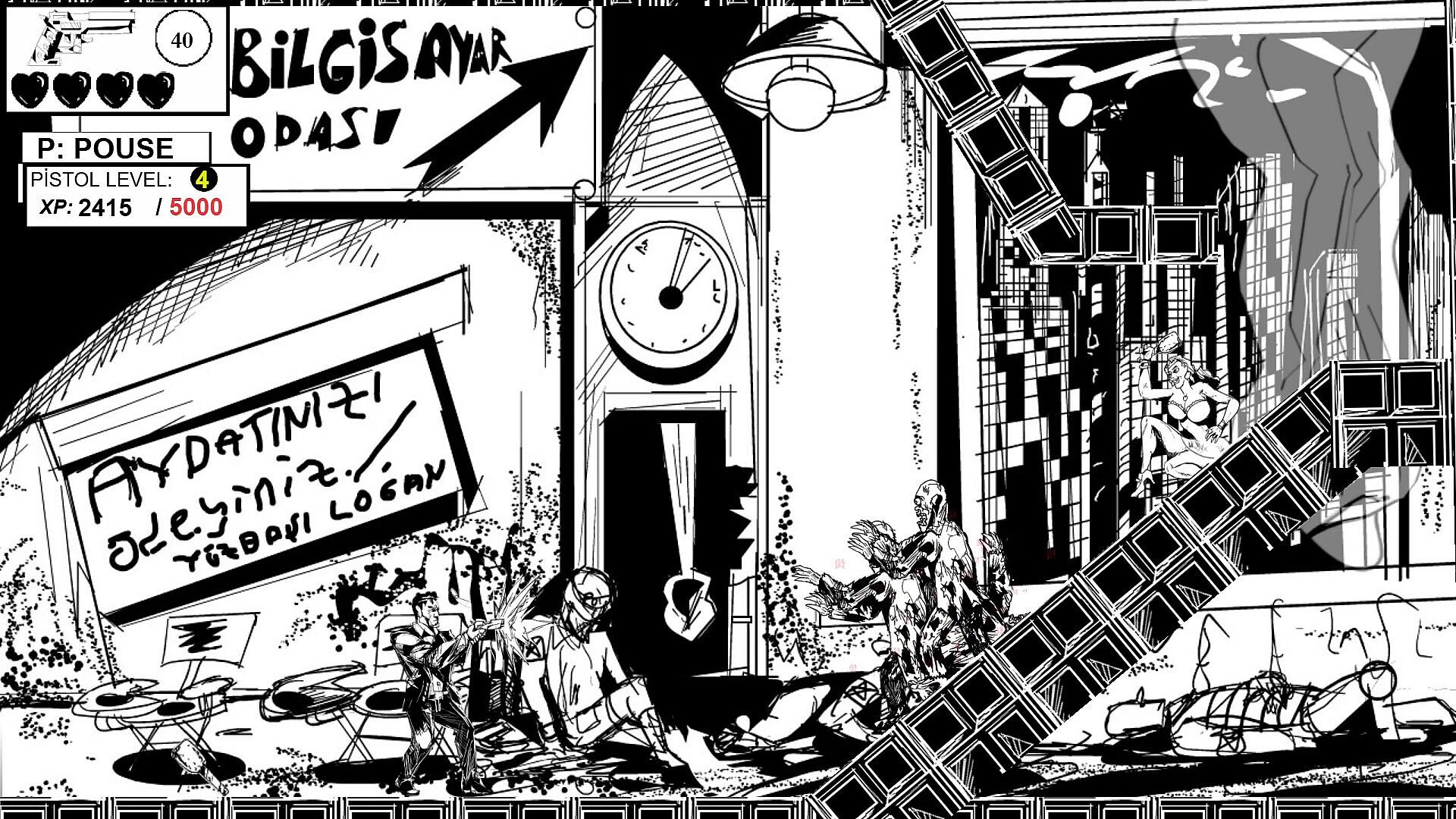
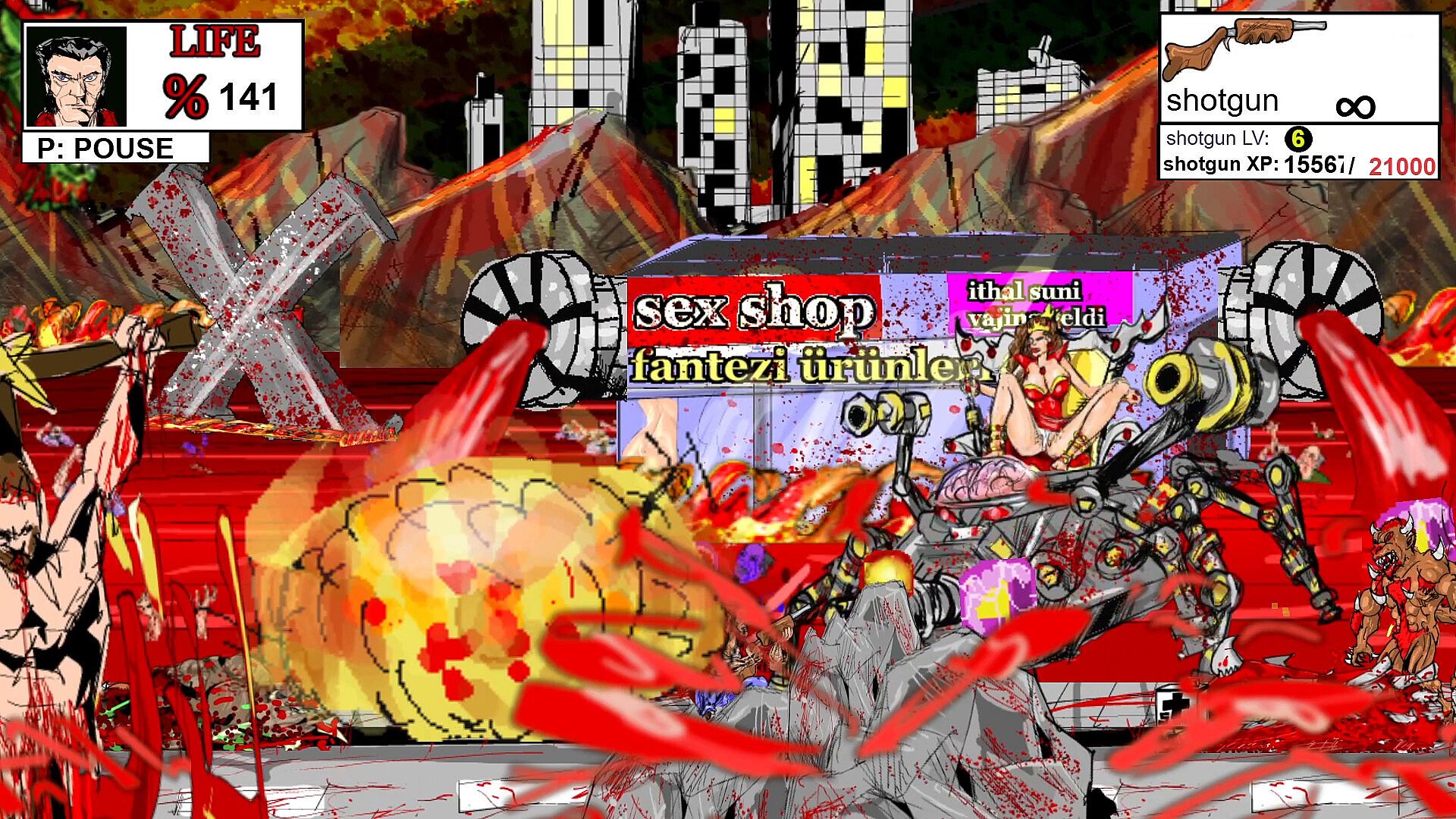
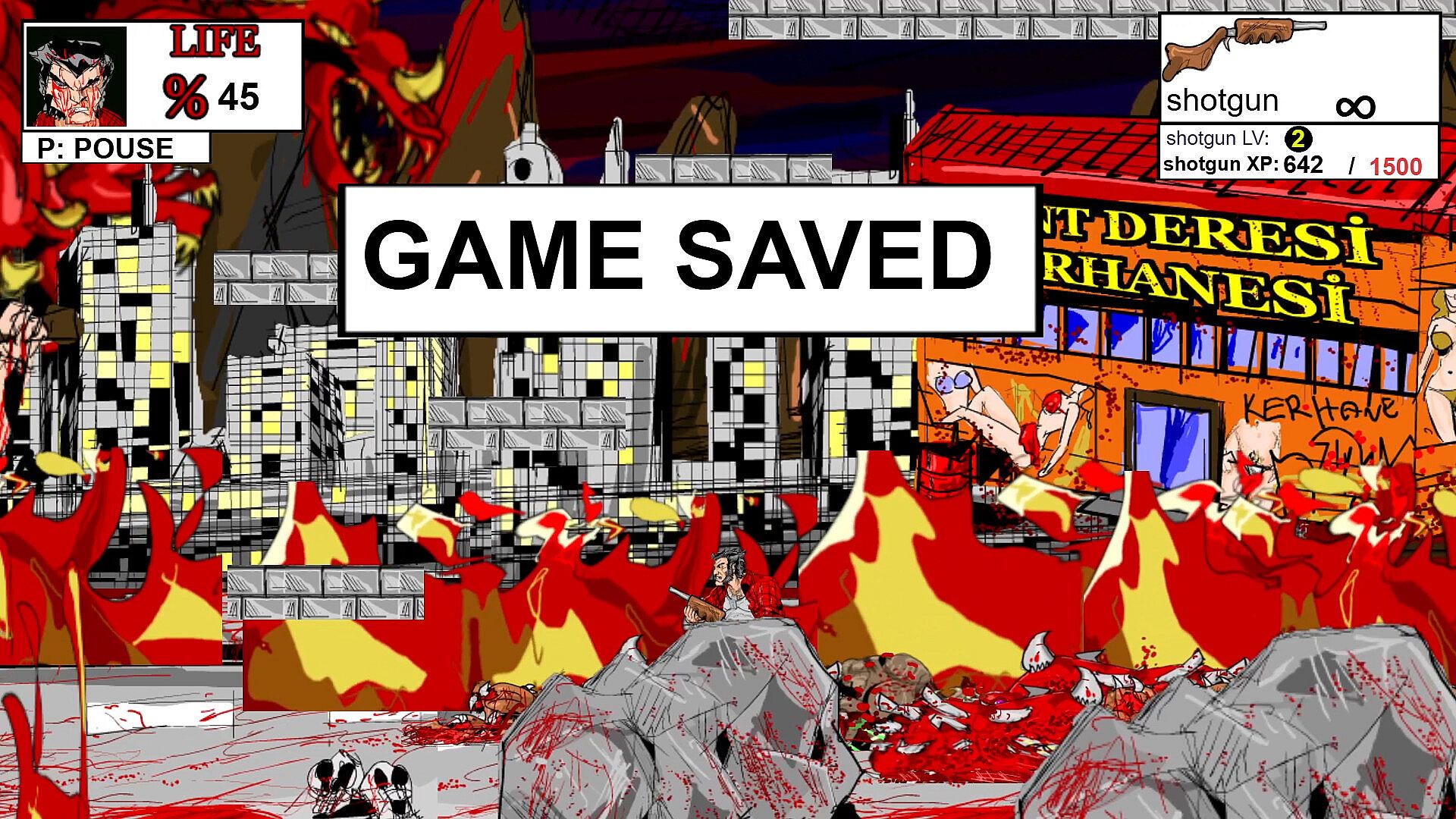
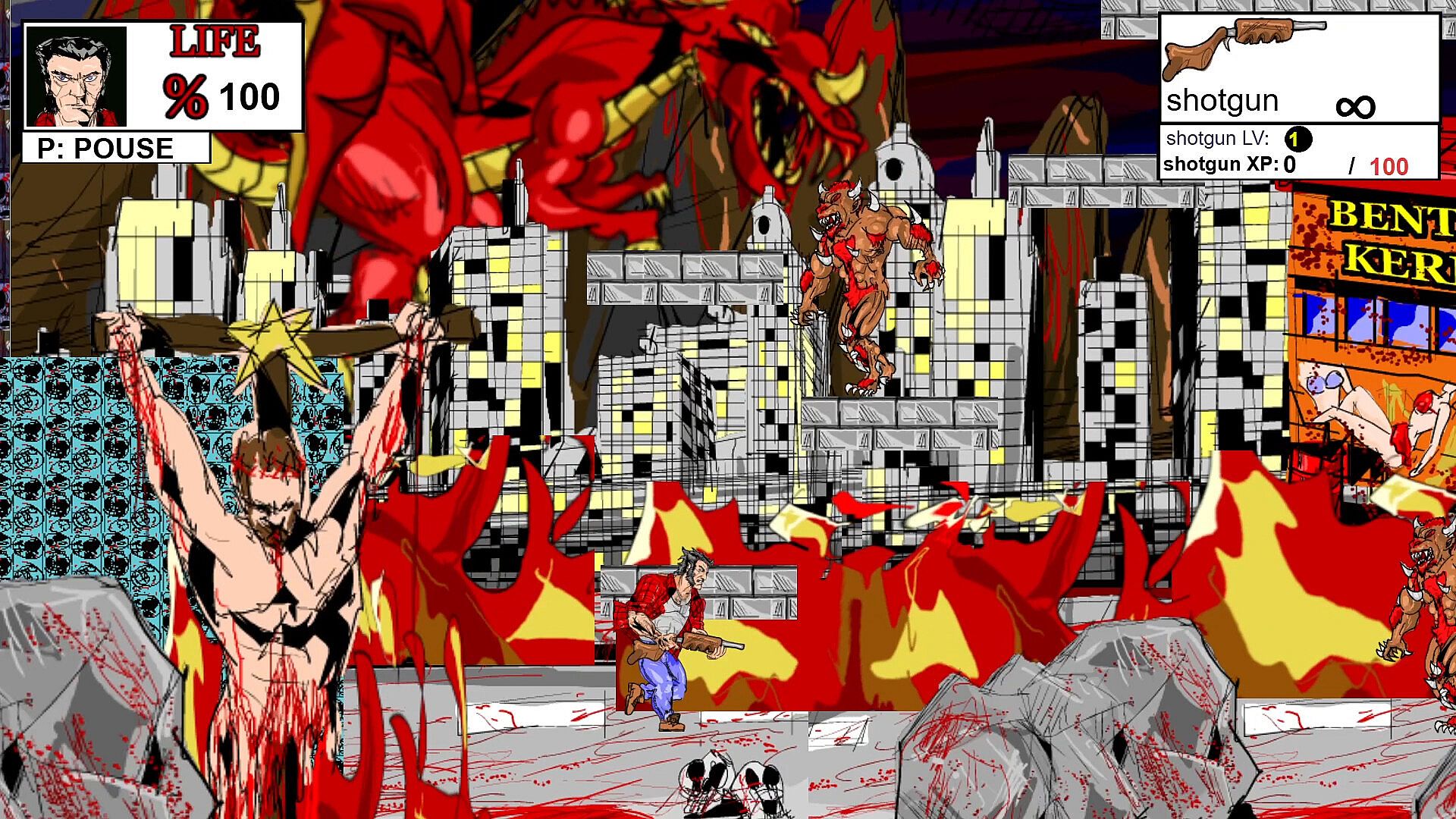
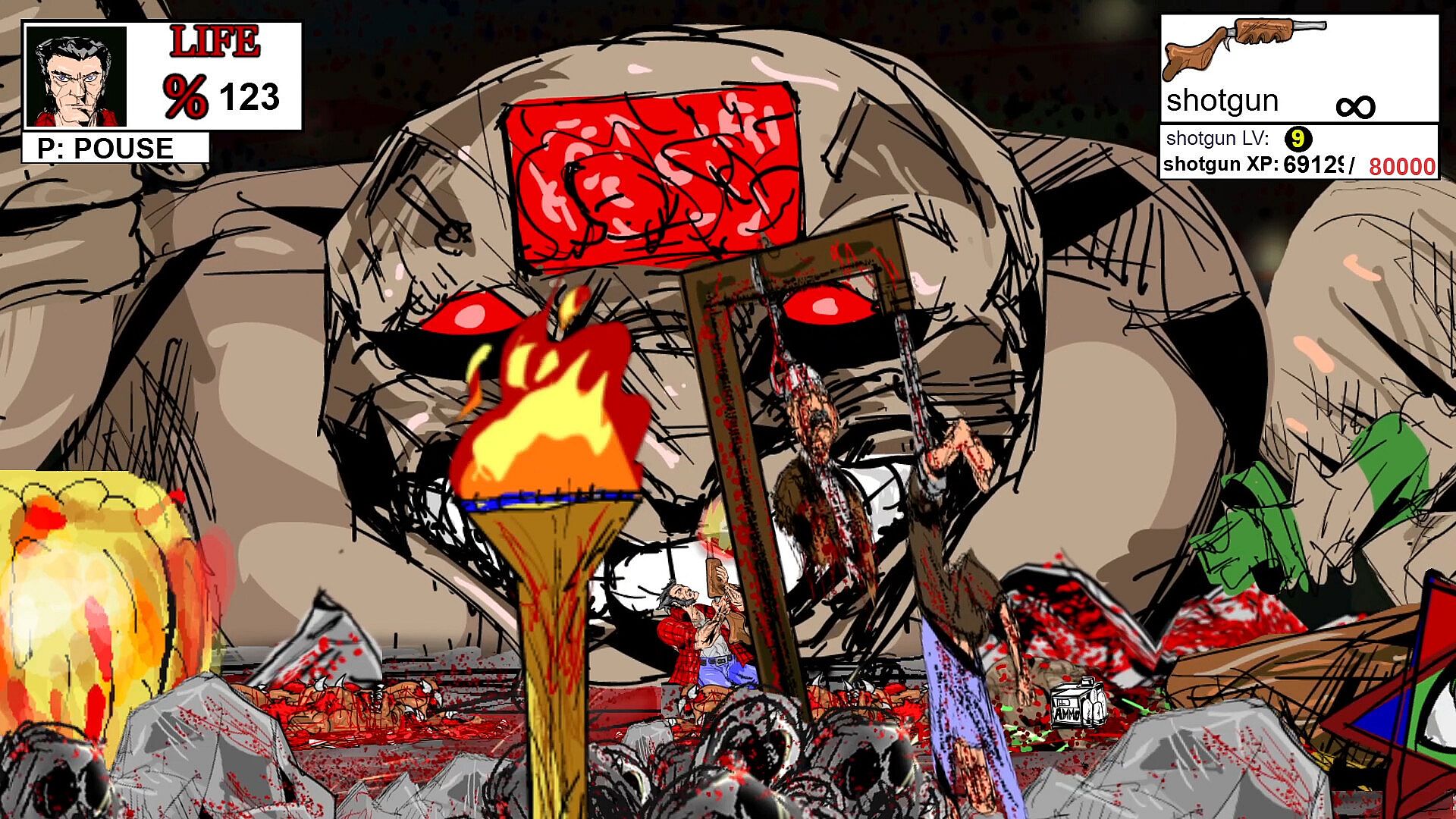
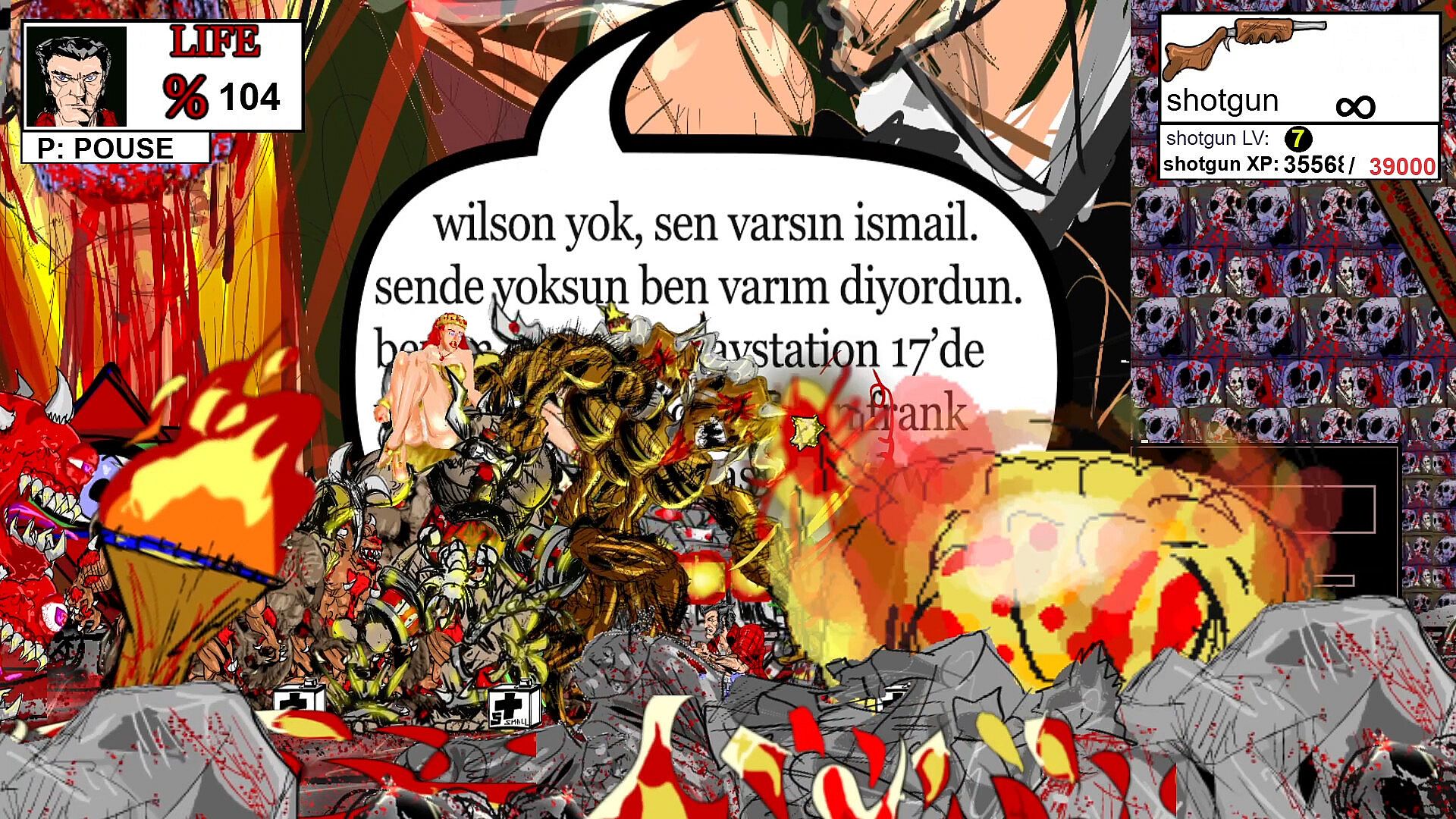
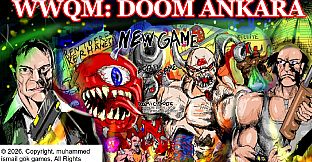
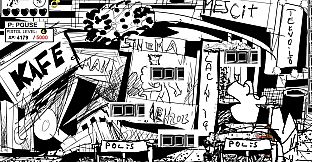
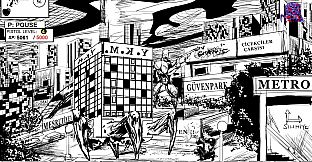
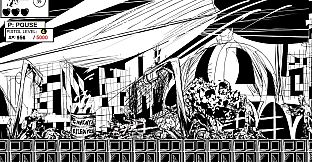
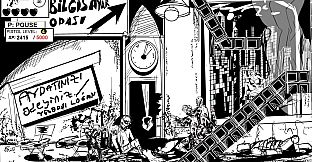
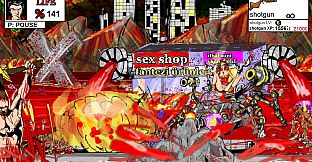
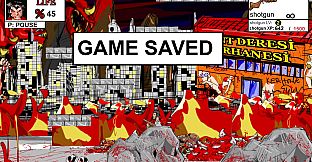
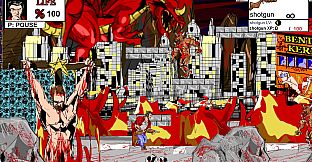
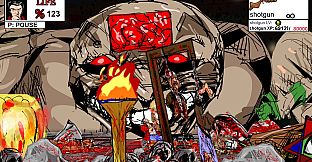
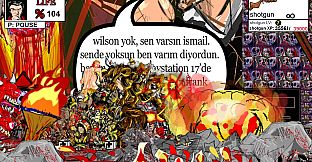
WWQM: Doom Ankara is a 2D platform shooter that blends retro action elements with a split narrative set in Ankara during 2033. Players take control of two government ministers tasked with clearing the city of supernatural threats and criminal elements. One path follows Minister of Justice Wolven Gray through colorful hellish environments filled with demons and devils, while the other follows Minister of Finance Wilson Jesus through monochrome noir stages populated by zombies and mafia-style foes. The game is available on PC in early access and supports both Turkish and English languages.
Gameplay
The core loop centers on side-scrolling platforming combined with shooting mechanics. Wolven Gray navigates vibrant stages reminiscent of 1990s hell-themed action games, relying primarily on a shotgun for close-range combat and a machine gun for sustained fire. Wilson Jesus moves through black-and-white districts and villages, using a pistol for precision and a shotgun for heavier encounters. Both characters see their pistol and shotgun weapons gain levels as enemies fall, improving damage or other attributes over time. The machine gun used by Wolven Gray stands apart because it lacks this progression system, keeping focus on the shotgun as the central tool. Movement involves jumping between platforms, dodging attacks, and clearing waves of enemies in linear or semi-linear levels that emphasize exploration within each district.
Progression ties directly to combat performance. Defeating foes advances weapon levels for the pistol and shotgun, encouraging repeated playthroughs or careful engagement to maximize upgrades. The dual-character structure means players experience contrasting visual and tonal shifts: full color for demonic confrontations and stark monochrome for the noir-inspired zombie and mafia fights. Environmental hazards and enemy placements require precise timing and positioning typical of classic 2D platform shooters.
Game Modes
The experience revolves around two parallel single-player campaigns that players can access through the main menu. One campaign follows Wolven Gray's colorful demon-slaying adventure, while the other tracks Wilson Jesus's monochrome clearance operations. Each path features its own set of stages tailored to the character's theme and enemy types, with weapon leveling applying across both. There are no additional modes such as multiplayer or competitive options described in the available details. The structure allows switching between the two stories, providing variety through art style and enemy roster without shared progression beyond the shared weapon systems.
Additional Features
A built-in comic book titled WWQM: A Game Development Adventure offers more than 80 illustrated pages that expand on the game's creation and story. In the current early access build, the first 25 pages are unlocked and readable directly from the main menu. This extra content provides background without interrupting the action. Language support covers both Turkish and English, making the interface, dialogue, and comic accessible to a broader audience. The early access status means the full scope of levels and pages remains under development, with the existing content focused on the core two-character loop and weapon progression.
Is It Worth Playing?
WWQM: Doom Ankara suits players who enjoy 2D platform shooters with retro influences and dual narrative paths. The contrasting art styles and enemy types between the two ministers deliver distinct feels within the same game, while the weapon leveling system adds a light progression layer to repeated runs. The included comic offers extra value for those interested in behind-the-scenes material. As an early access title, the experience is partial, with only the first portion of the comic available and further content expected. Those drawn to indie action-adventure games that mix colorful demon combat with noir zombie encounters will find the verified mechanics engaging, particularly if they appreciate shotgun-focused gameplay and simple upgrade systems. The bilingual support broadens its appeal for Turkish-speaking audiences or bilingual players seeking an original setting.