

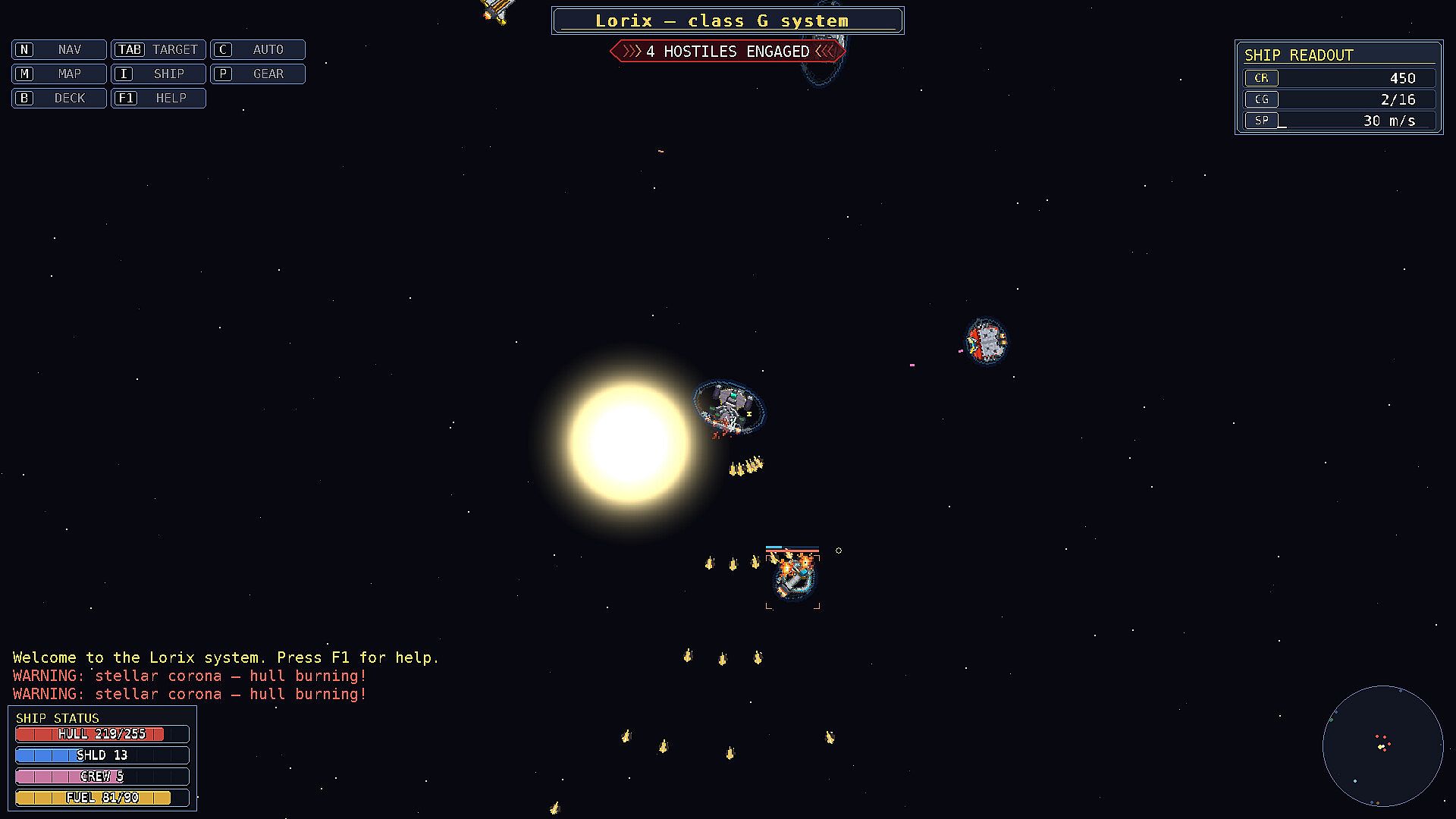
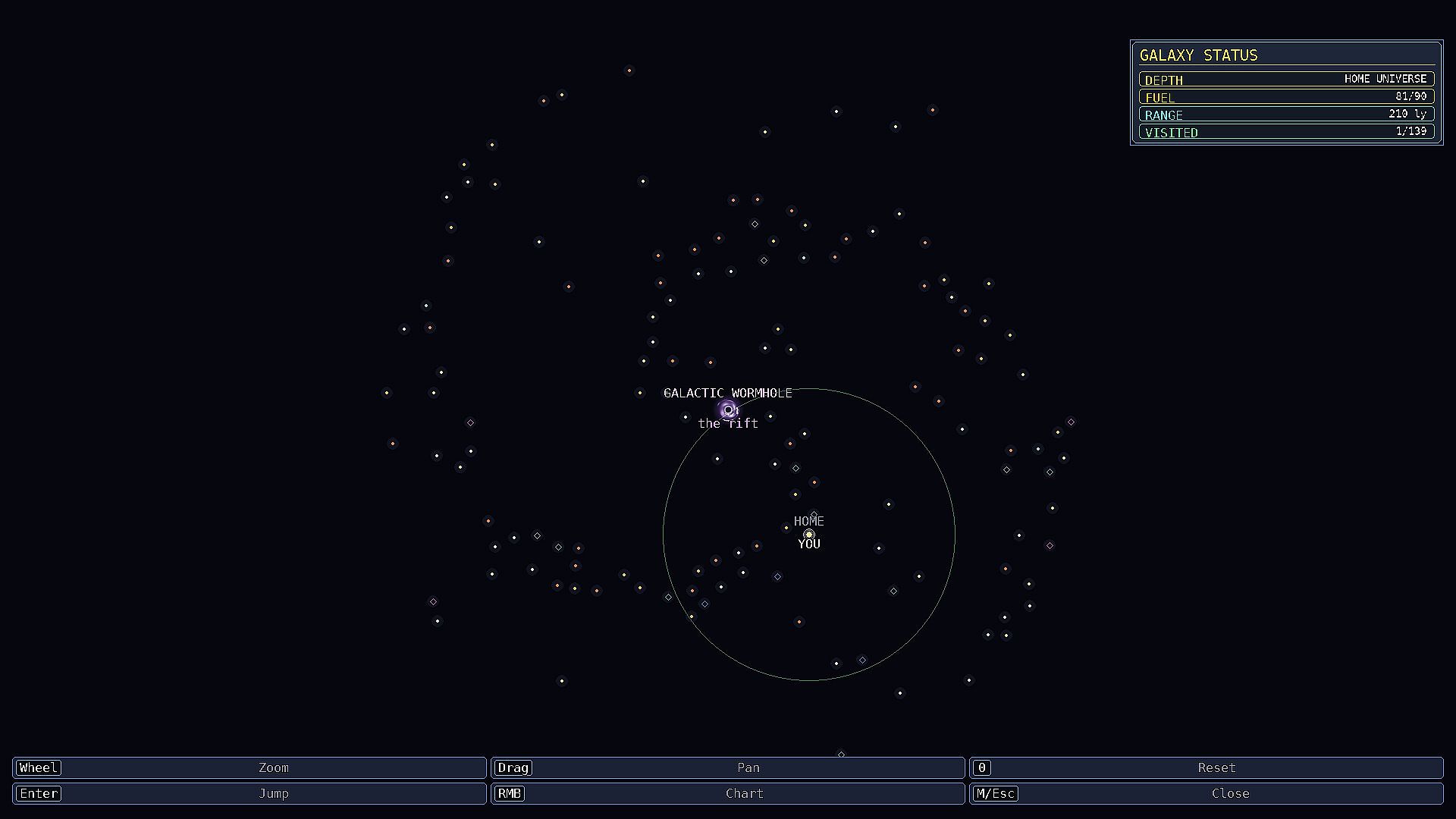
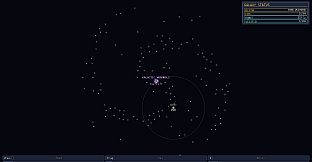
Wayward Cosmos is an indie space simulation game built around procedural generation on PC. Players begin with a small ship and crew near a starting point in a galaxy of roughly 120 star systems. Everything from ship hulls and planets to asteroid fields, nebulas, enemies, weapons, and item icons forms at runtime from a single seed value. Entering the same seed recreates the identical universe, allowing shared exploration with others through the co-op features.
Gameplay
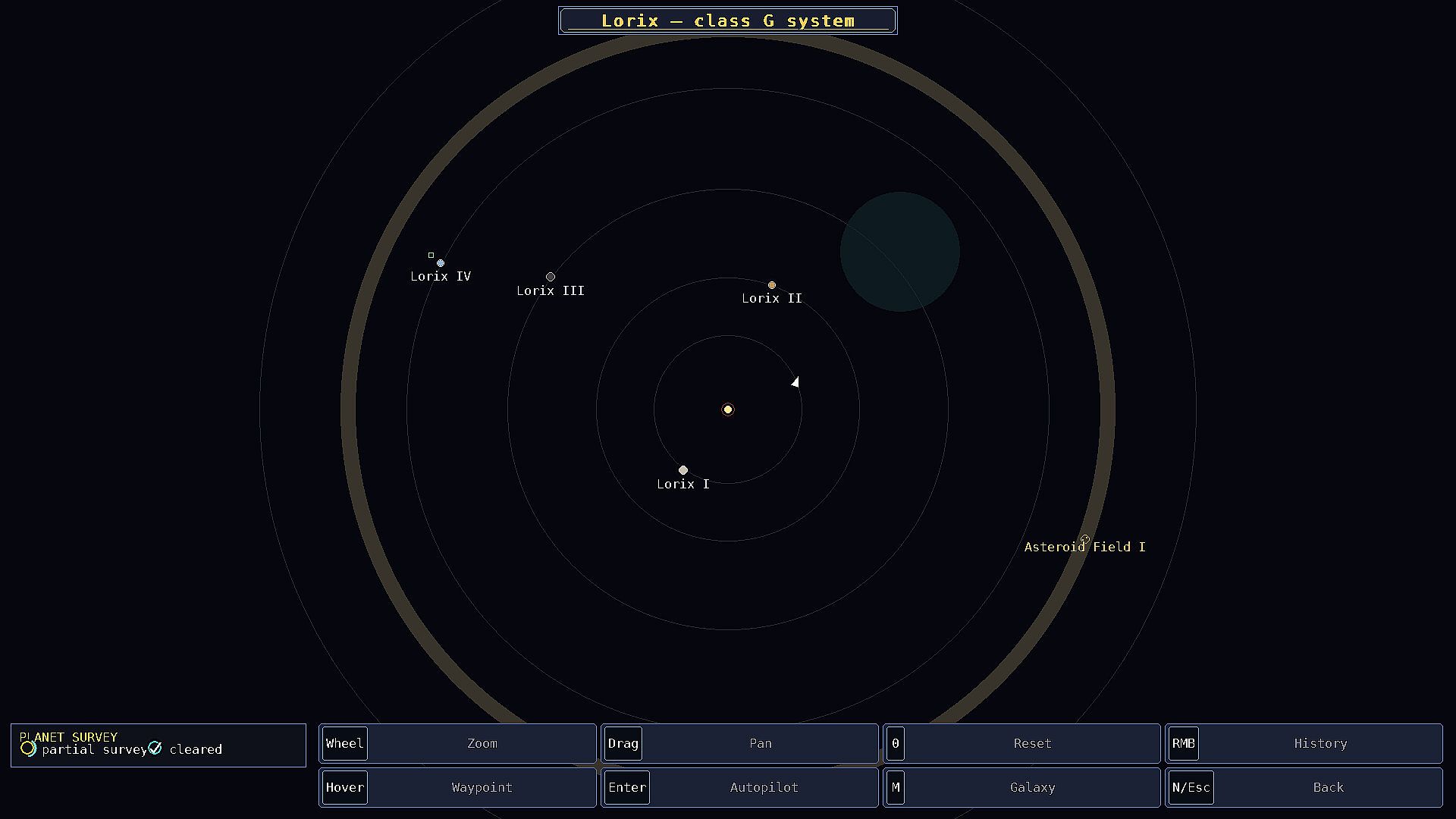
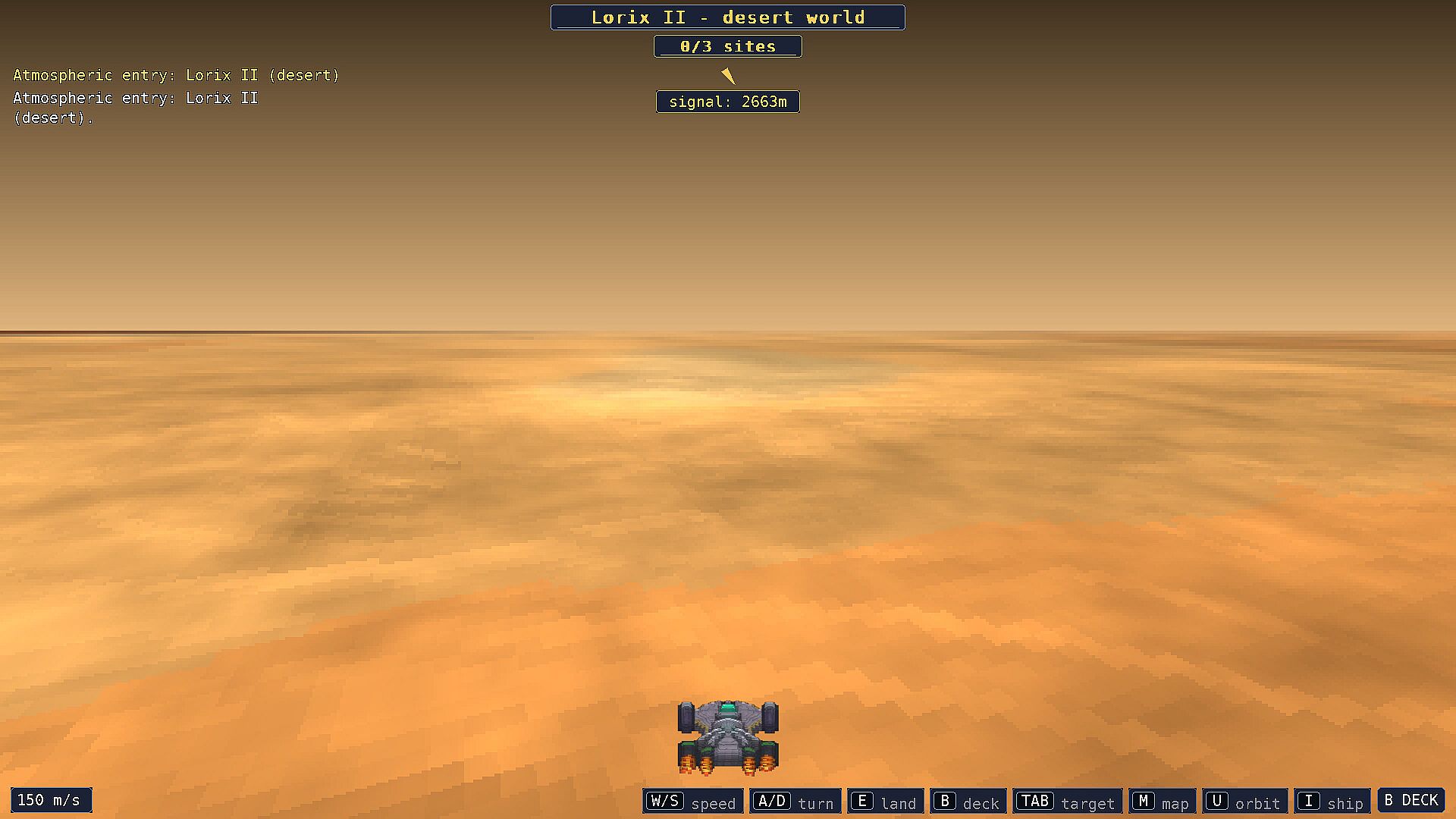
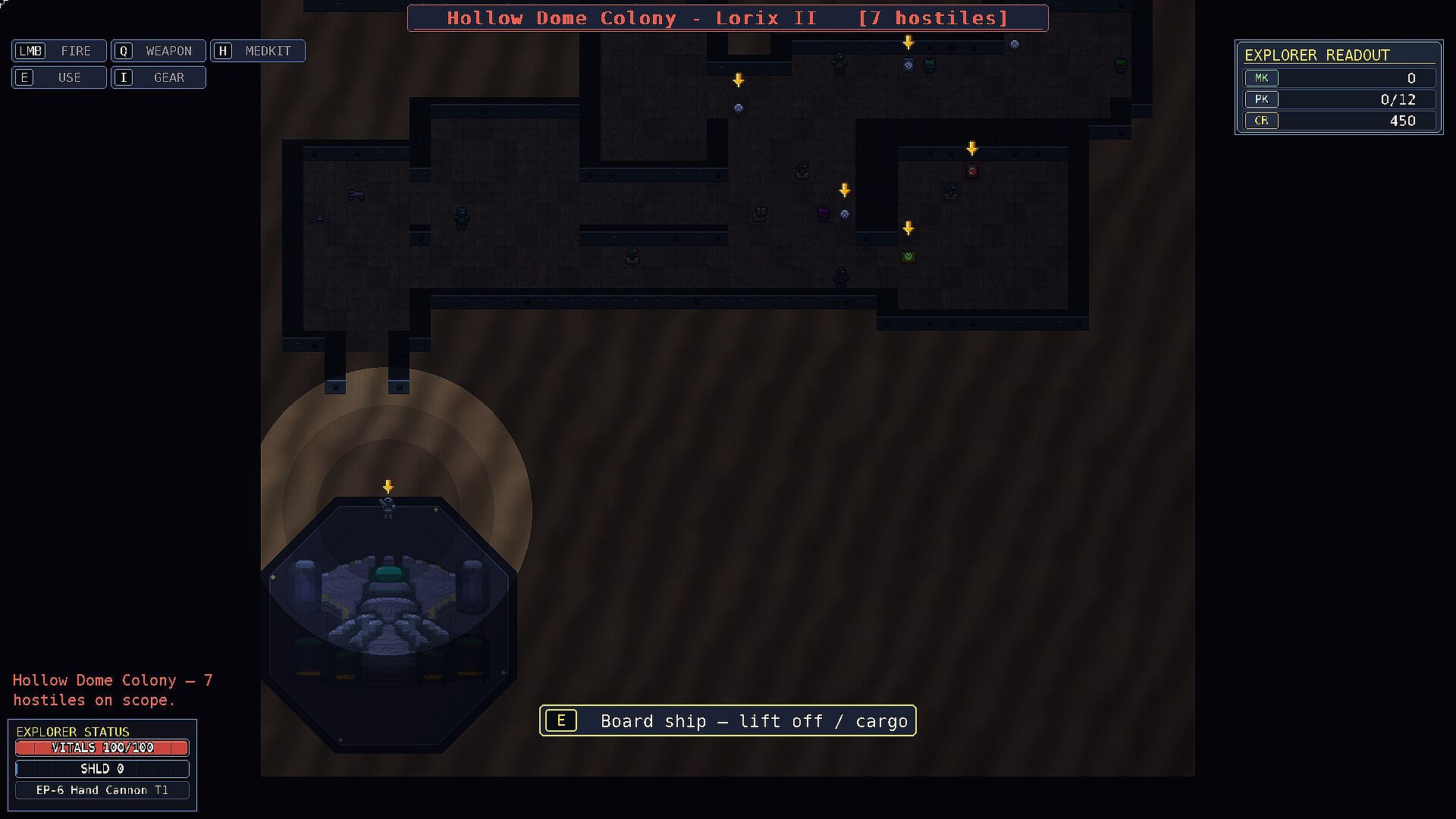
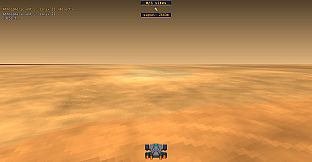
The core loop centers on exploration, resource management, combat, and fleet building in a persistent procedural environment. Travel occurs via a galaxy map that lets players jump between systems containing stars, one to six planets, stations, belts, nebulas, derelicts, and hostile contacts. From orbit, seamless descent leads to the surface of twenty planet types including terran, ocean, lava, crystal, fungal, storm, eden, and full city worlds. Each landable planet contains three to nine discoverable sites chosen from around thirty varieties such as shipyards, deep mines, vaults, labs, alien temples, bandit camps, and downed freighters.
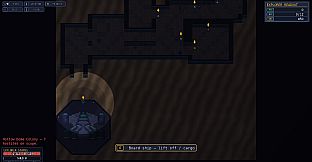
Sites expand into procedurally assembled interiors with rooms, caves, camps, and wreck sections. On-foot movement uses standard WASD controls paired with mouse-aim combat. Loot containers and dark areas illuminated only by a suit lamp add to the experience. Derelict ships can be boarded to strip components and fuel, scrapped for materials, or claimed with repair kits. Claimed hulls self-repair visibly and autopilot to stations for fleet integration.
Fleet operations involve four hangar bays that store ships retaining their installed systems. Players inspect, switch between, or sell vessels. Nine part slots cover engine, jump drive, weapon, shield, radar, medbay, fuel tank, cargo hold, and crew barracks across five tiers. Parts degrade from use and damage, requiring repair kits or station services. Economic activities include asteroid mining, nebula gas scooping, station trading, and acquiring better equipment for riskier areas.
Game Modes
Wayward Cosmos supports single-player sessions where one person manages the full progression from starting ship to deep-space operations. Online co-op allows friends to join via Steam lobbies and invites without external servers. The host seed generates the shared universe for all participants, and a peer-to-peer system enables direct item exchanges between players.
Progression remains tied to the chosen seed across both modes. Favorite generated ships save to a fifty-slot collection, and an atlas tracks worthwhile galaxy seeds for return visits. A full reroll creates an entirely new universe on demand.
Procedural Systems and Survival
Threat levels increase with distance from the starting area. Pirate wings scale in size and tactics, detecting drive signatures, sharing contacts, leading shots, flanking, and maintaining formations. Successful wing clears yield bounties, while hull loss triggers rescue into a stored ship or a reload. Crew members are persistent procedural characters with individual vitals, weapons, suits, shields, and packs. Station hiring replaces losses, though combat deaths remain permanent.
Fuel depletion activates an SOS beacon. Scavenging the responding rescue pod restores mobility. Audio effects for weapons, impacts, and explosions vary procedurally on each playback to avoid exact repetition. Economy and salvage feed directly into survival by funding upgrades that handle escalating dangers in outer regions where Proto and Relic tier equipment appears.
Is It Worth Playing?
Wayward Cosmos targets players who enjoy seed-based procedural space simulations with layered systems for exploration, on-foot site raiding, ship salvage, and fleet oversight. The combination of seamless orbital-to-surface transitions, persistent crew management, and co-op that preserves the same generated galaxy offers a distinct loop for those drawn to indie titles focused on discovery and incremental risk-reward progression. Single-player suits solo runs through the full galaxy, while co-op extends the experience to shared seed exploration and trading.
The game remains in a coming-soon state with no released version or player reviews available yet. Those interested in the described mechanics of runtime generation, tiered ship parts, permanent crew consequences, and peer-to-peer co-op can follow its development for potential alignment with their preferences in simulation and multiplayer space games.