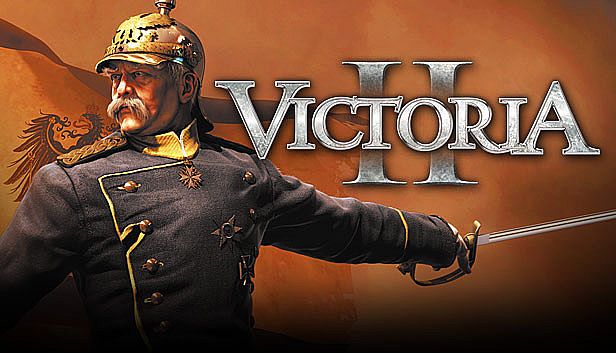


















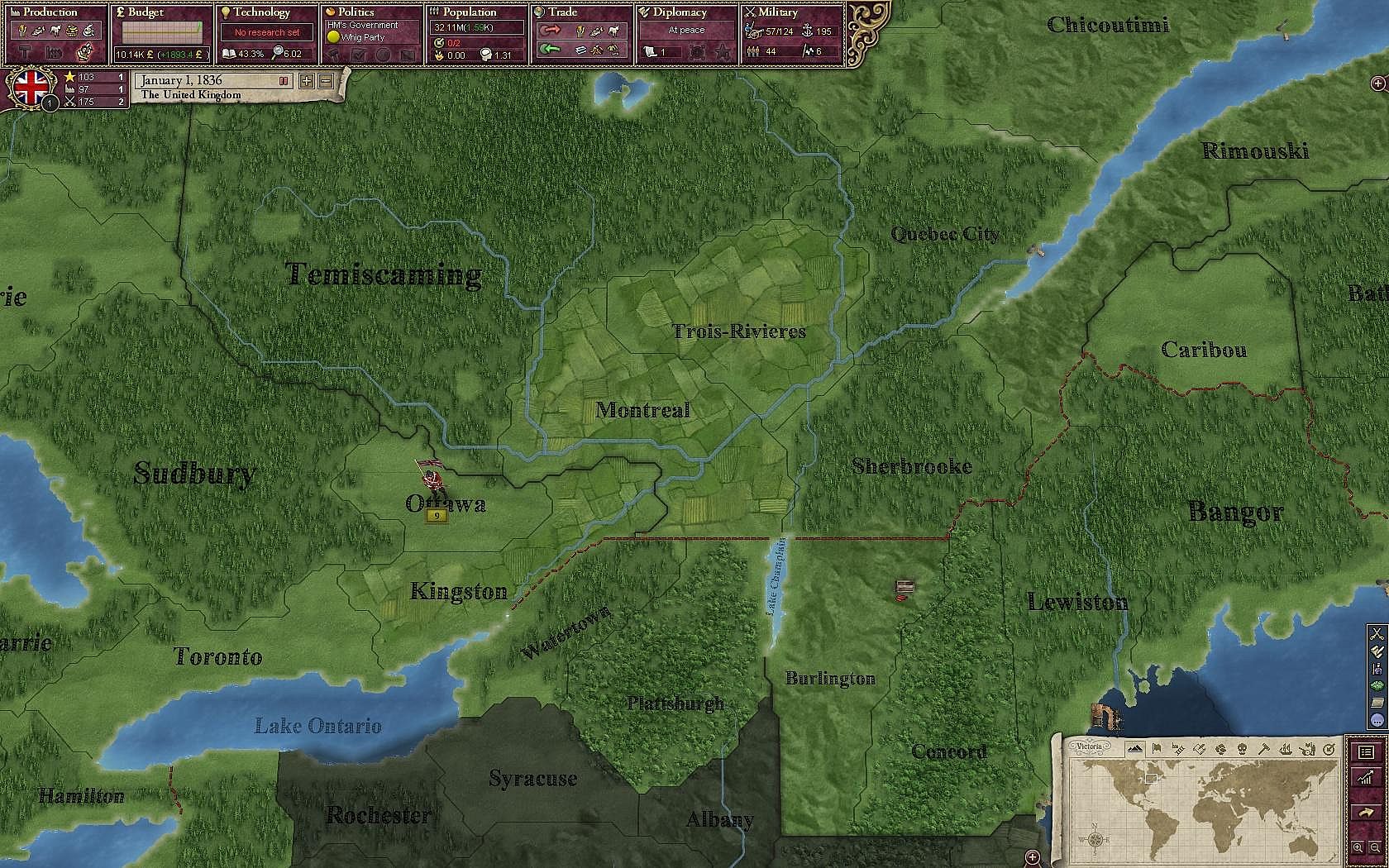
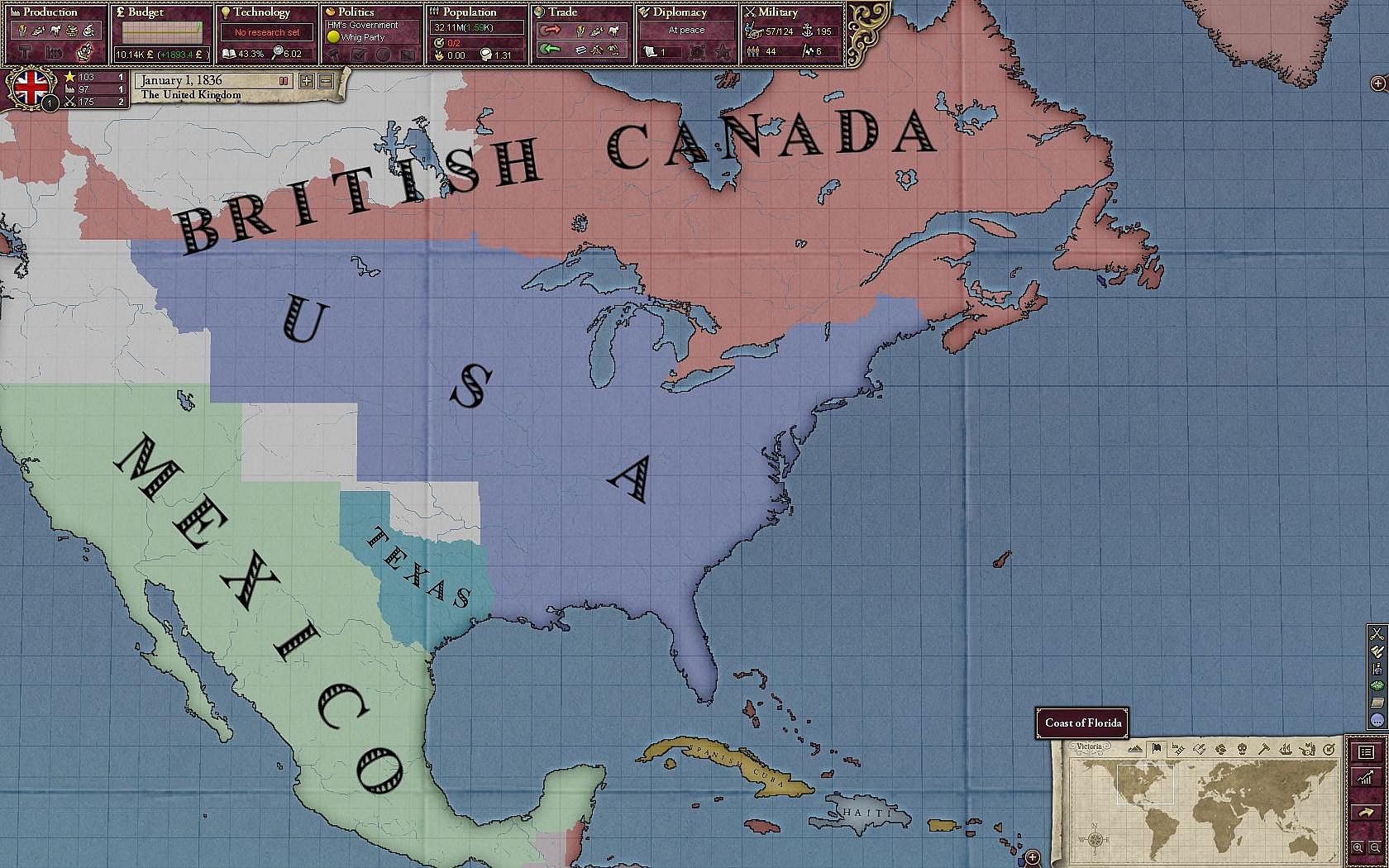

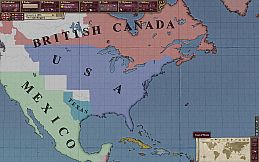
Victoria II is a grand strategy game set in the colonial era of the 19th century. Players take control of one nation among more than 200 available options and guide it from the age of absolute monarchies through industrialization, political change, military actions, and colonization toward the early 20th century.
Gameplay
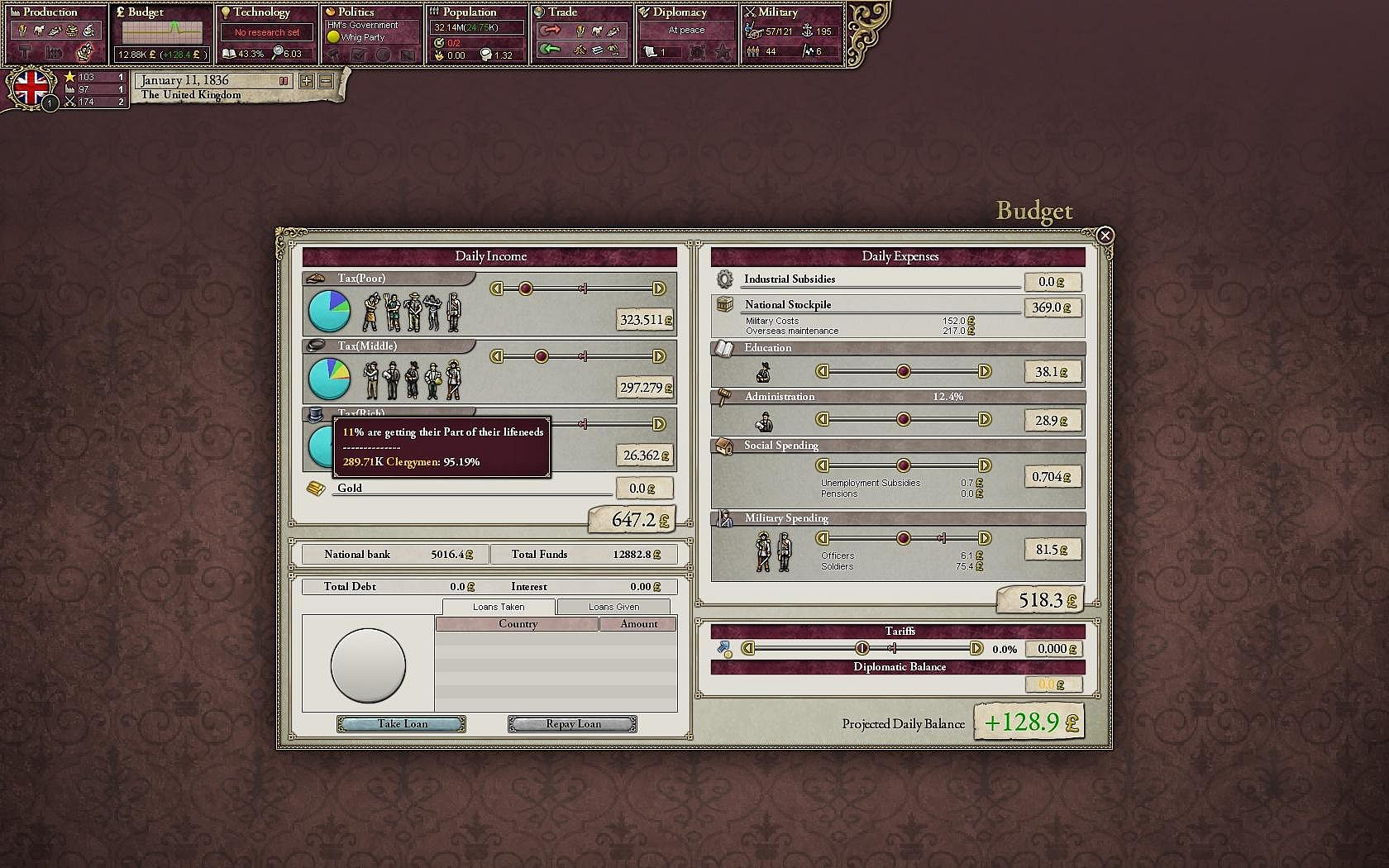
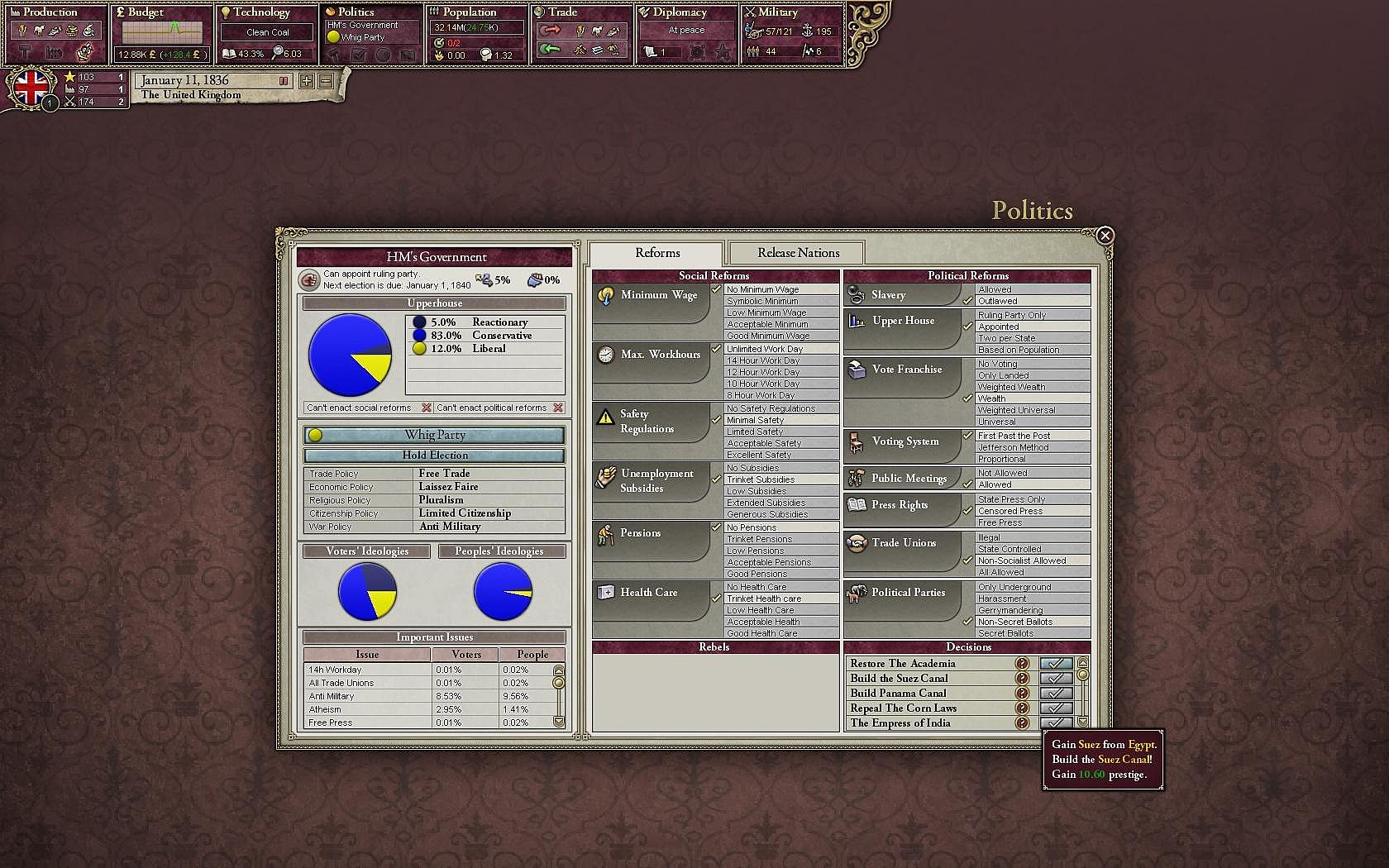
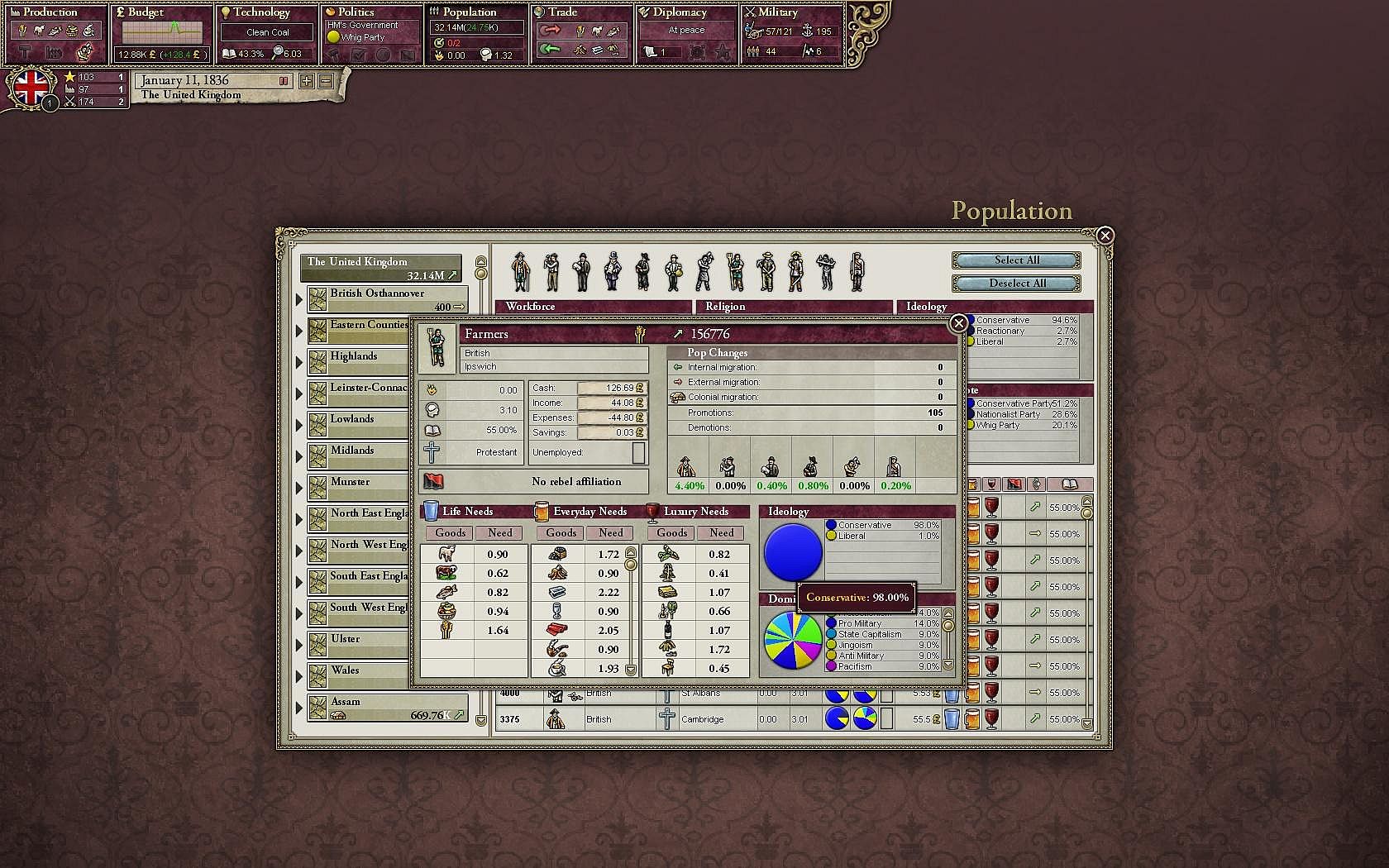
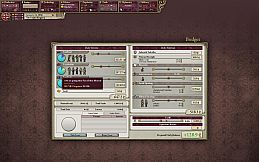
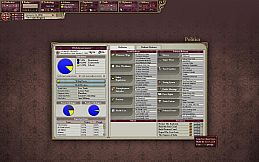
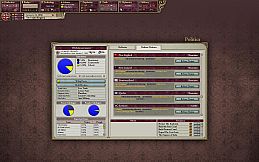
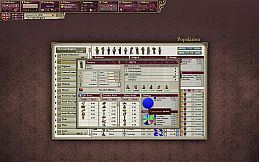
The core loop centers on managing a country's internal development and external relations across decades of simulated time. Every decision in politics, trade, or military affairs produces ripple effects that influence populations and rival states worldwide. Populations respond according to their social class, political awareness, and tolerance for government policies, which can lead to reforms or unrest.
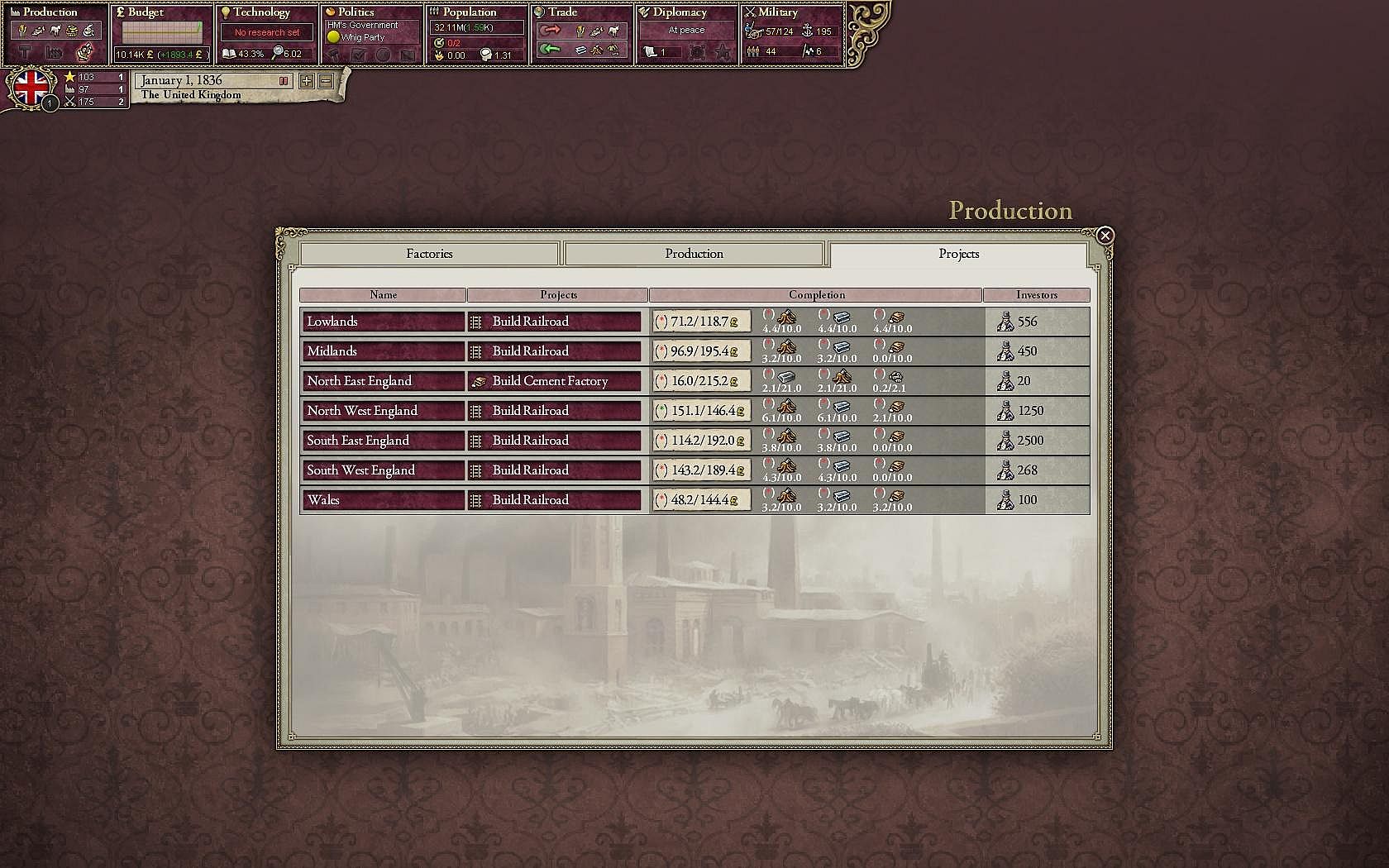
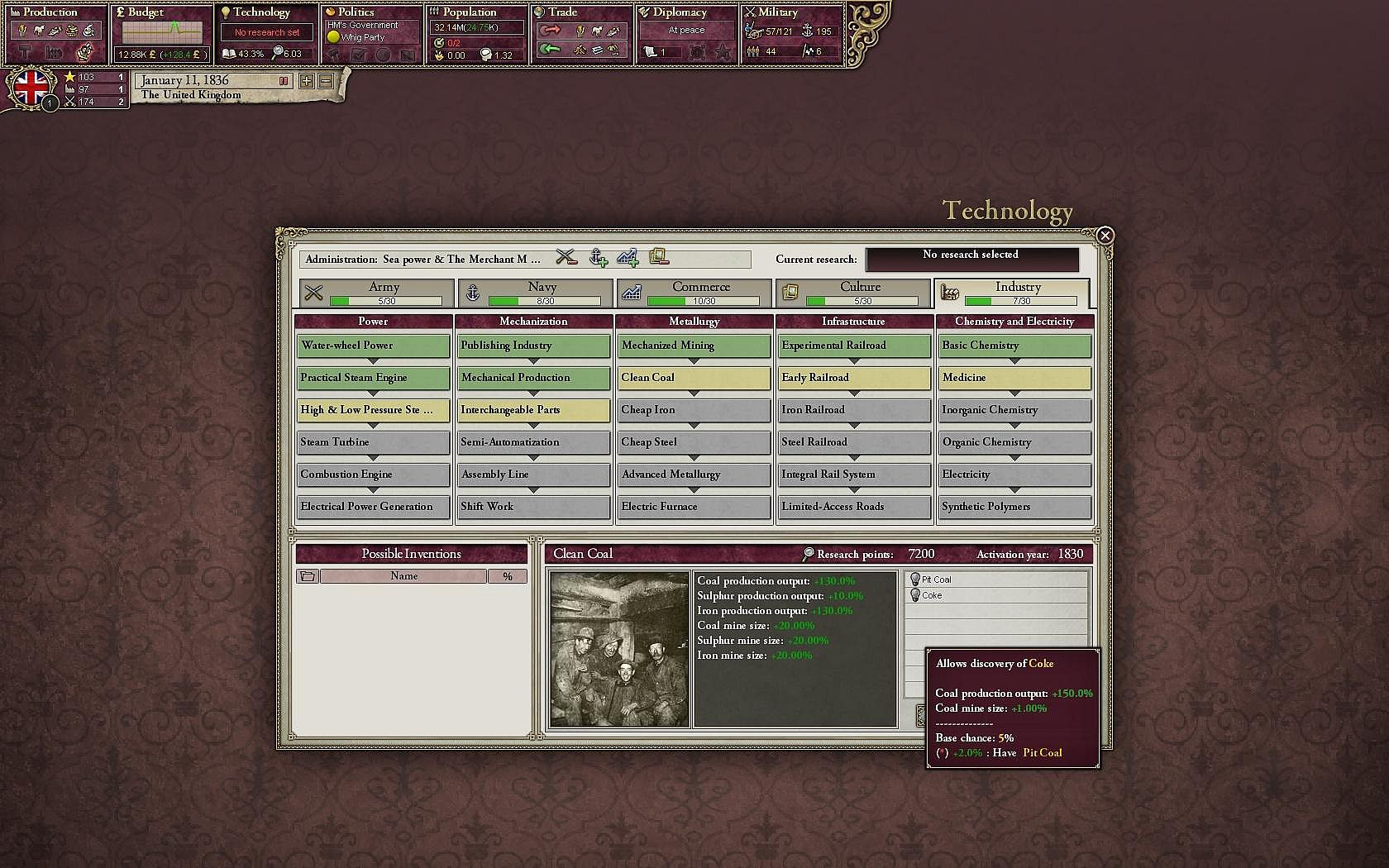
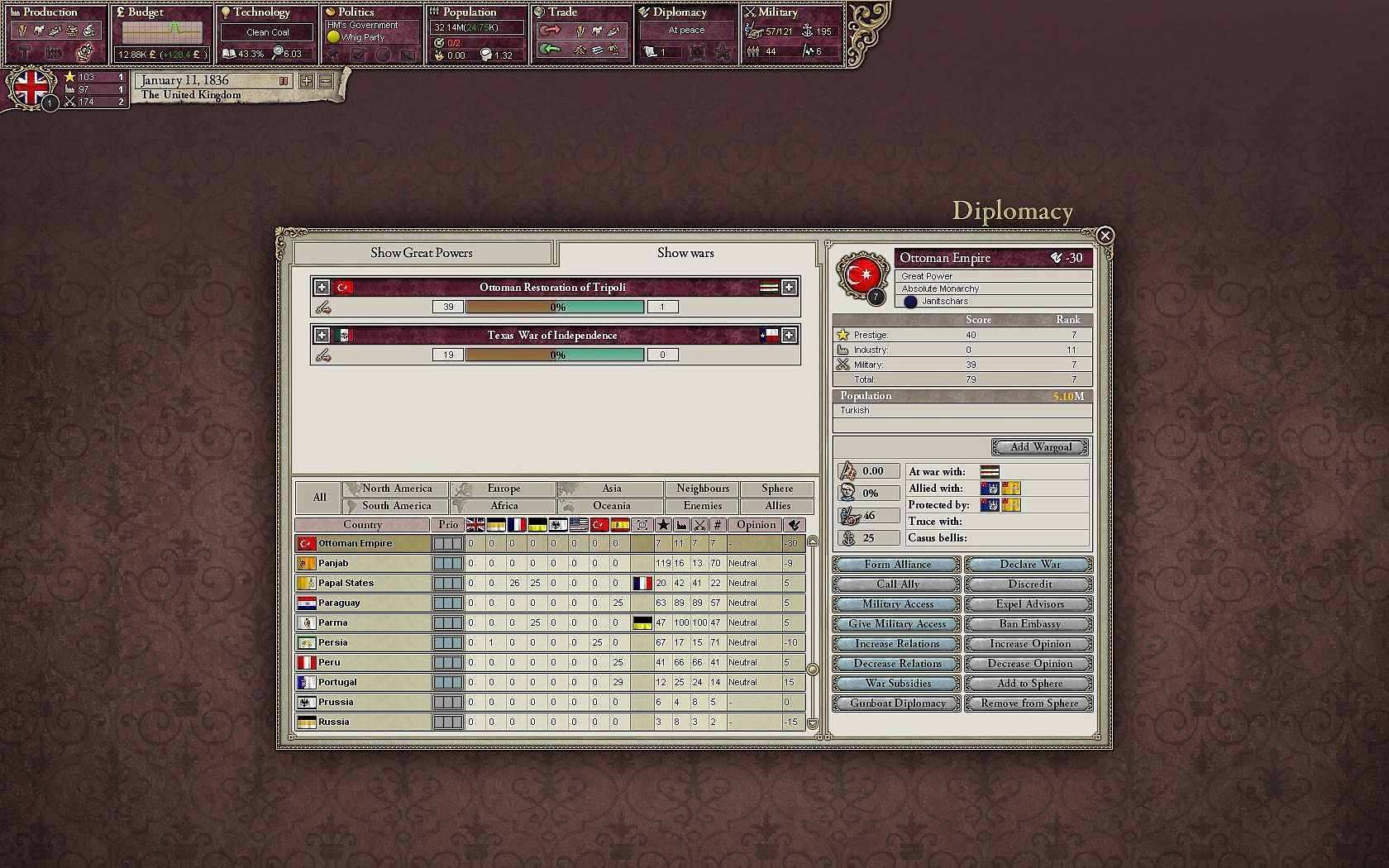
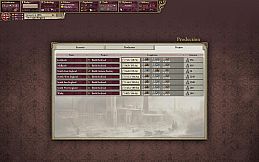
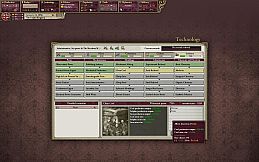
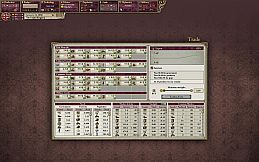
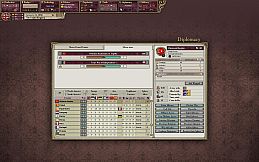
Economy management involves tracking dozens of goods and operating production facilities to build industrial capacity. A detailed technological tree offers thousands of inventions that unlock new capabilities over time. Diplomacy includes spheres of influence where major powers compete for control over smaller nations, along with options for gunboat diplomacy that leverage naval presence to influence outcomes without formal negotiations.
Pre-industrial economies receive representation through cottage production systems. Historical and dynamic missions provide guidance on national goals while allowing flexibility in how players pursue great power status by the dawn of the 20th century.
Game Modes
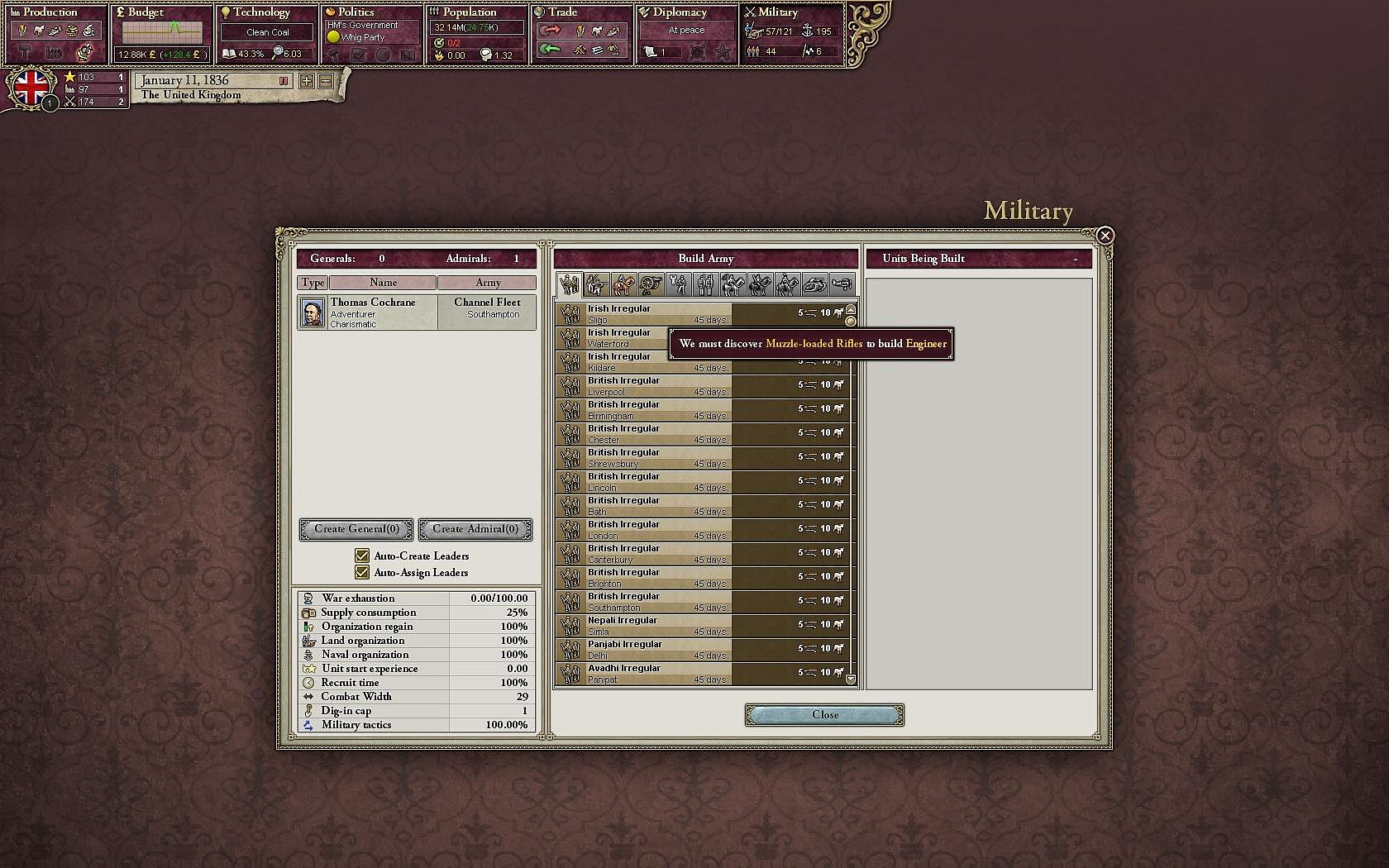
Victoria II supports single-player campaigns in which one nation is controlled from the starting date in the 1830s through the period leading to the Second World War. Multiplayer sessions allow several participants to manage different countries simultaneously in the same world simulation.
Both modes emphasize long-term planning across economic, political, and military systems rather than short sessions. Automation tools for trade and population management help reduce repetitive tasks during extended play.
Key Systems and Mechanics
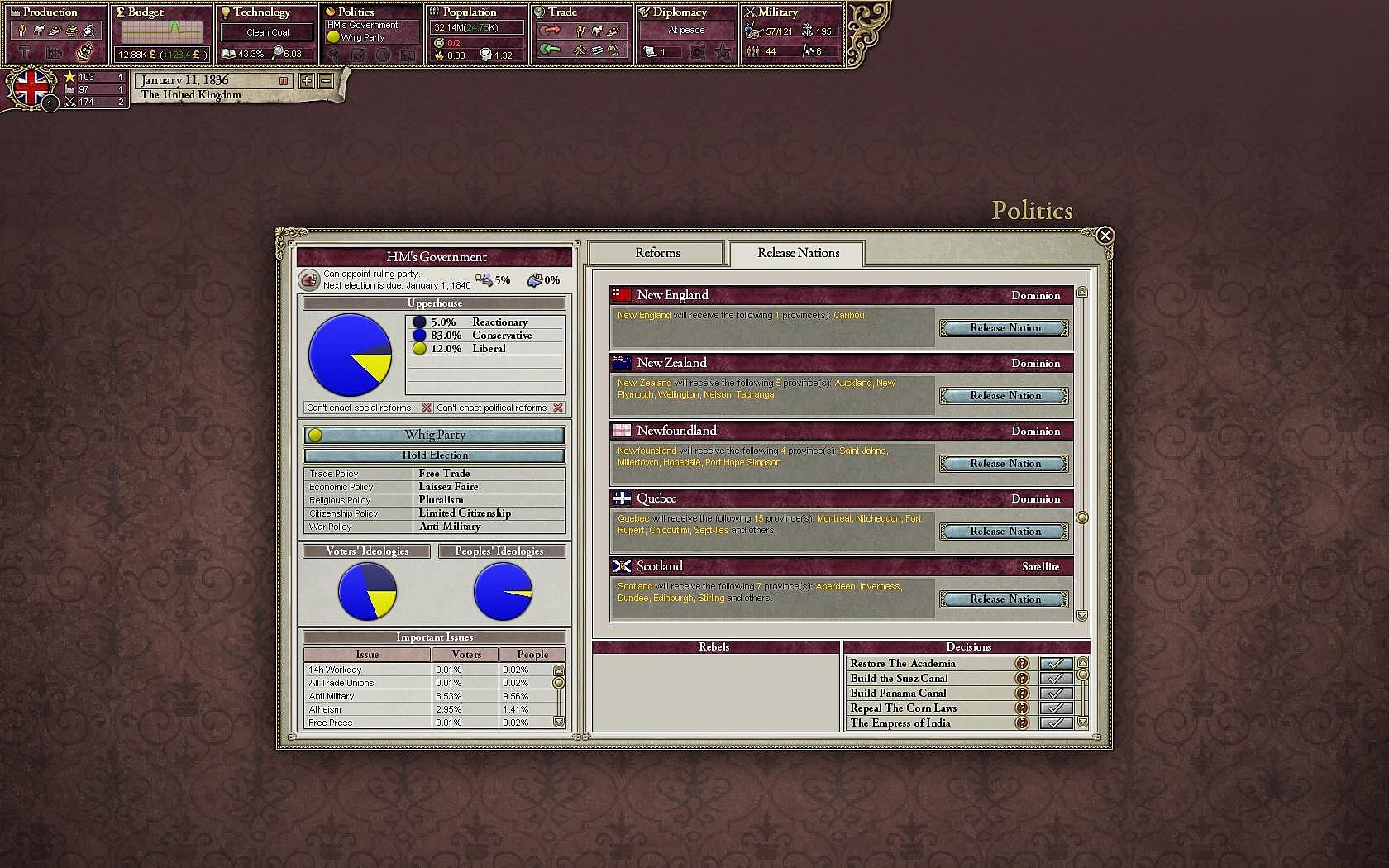
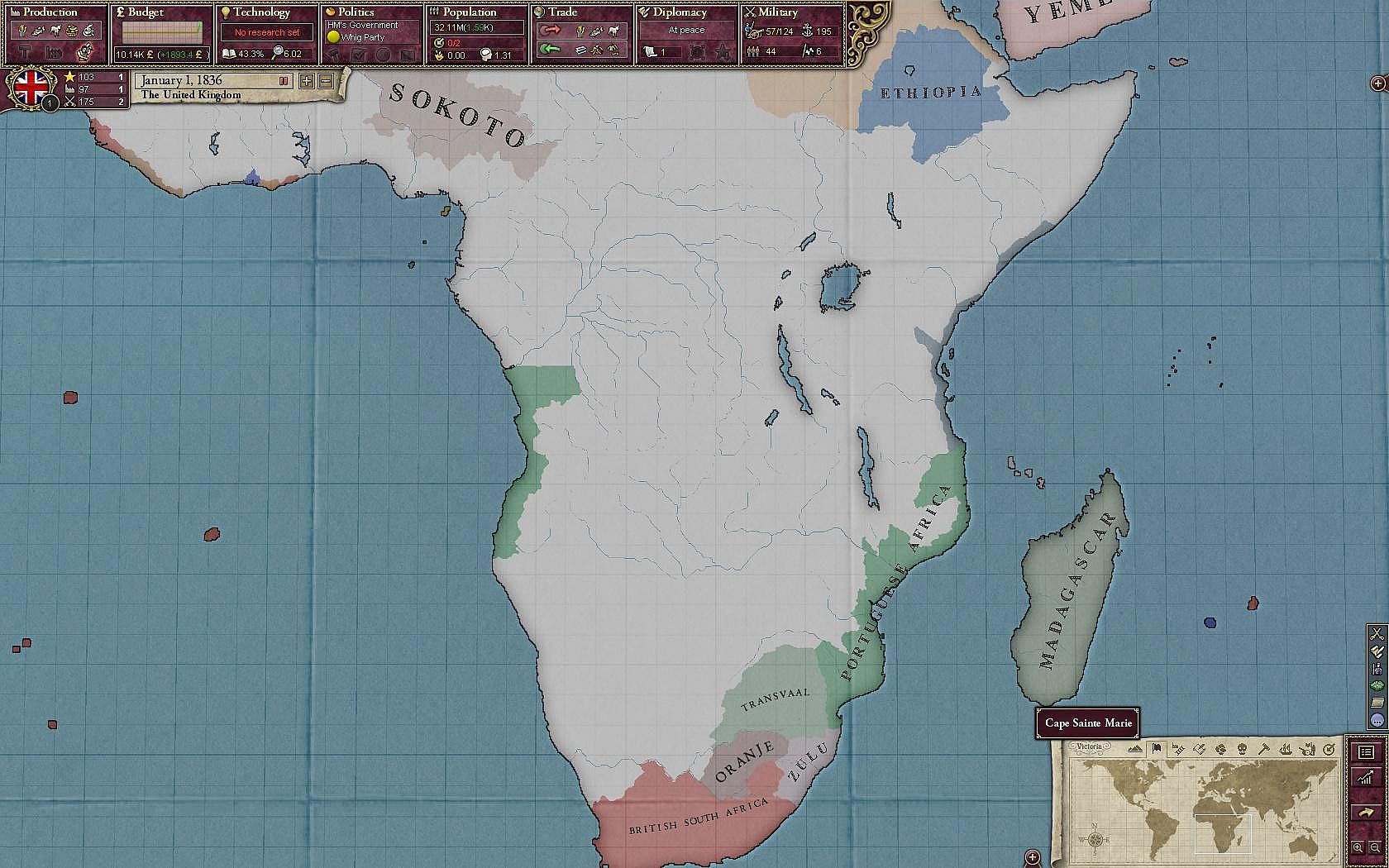
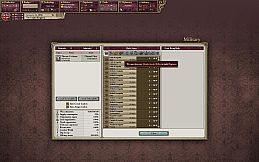
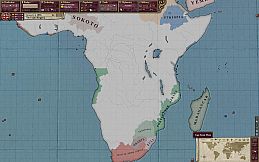
Political options span dozens of government types that shape how reforms and internal stability develop. The sphere of influence mechanic creates ongoing competition among leading nations for global leverage. Military conquest and colonization expand territory while requiring ongoing management of resources and population loyalty.
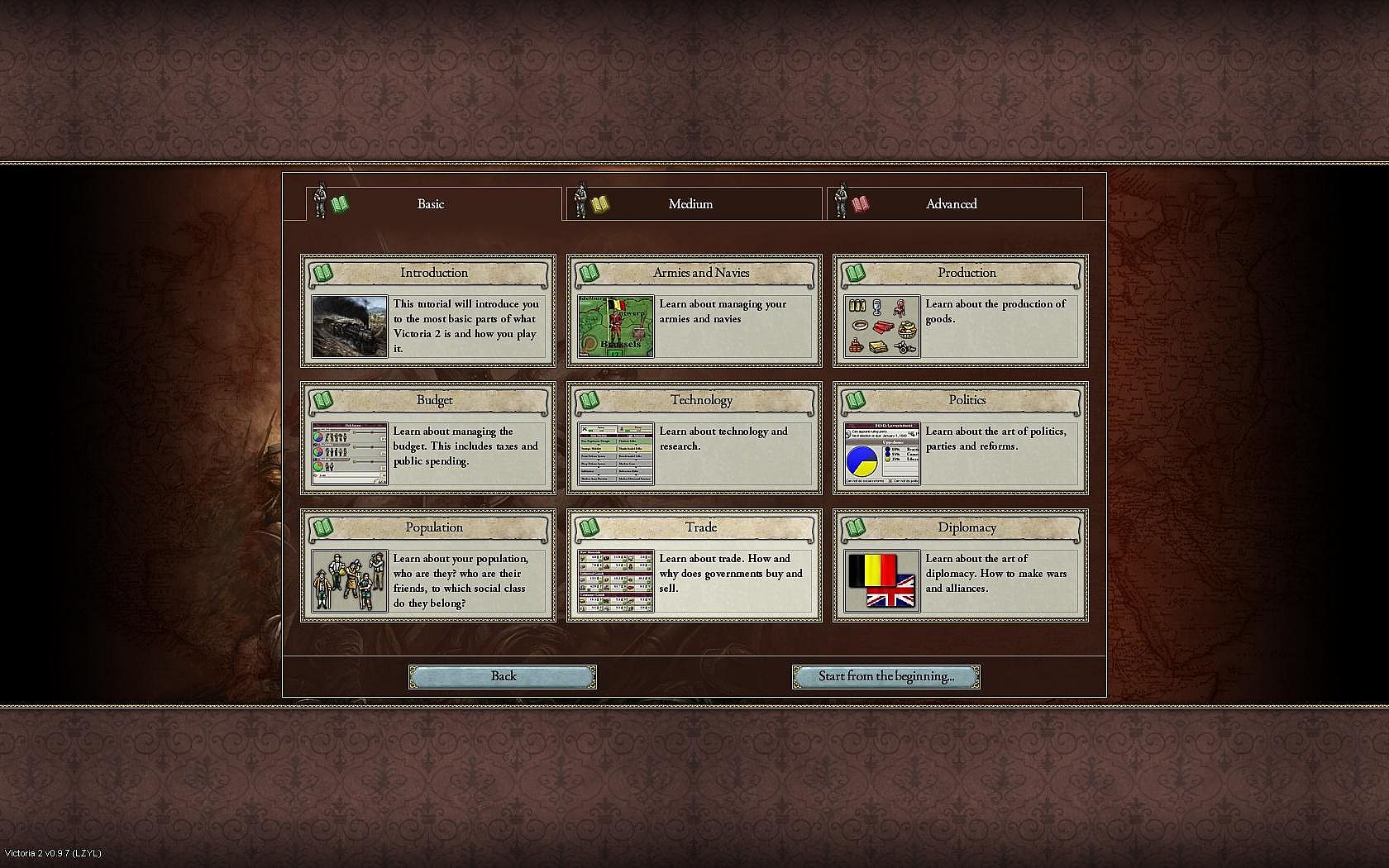
Technological progress drives advancements that affect production, warfare, and society. Interface improvements and automation features make the simulation more approachable while preserving depth for experienced players.
Is It Worth Playing?
Victoria II appeals to those who enjoy detailed grand strategy experiences focused on long-term nation building and complex internal systems. Its political and economic layers reward careful planning and adaptation to population reactions over many in-game years.
The game maintains an active community years after release, with players continuing to explore its mechanics through single-player and multiplayer sessions. It suits individuals comfortable with intricate simulations rather than fast-paced action or simplified interfaces.
Those seeking a focused 19th-century strategy title with strong emphasis on industrialization and diplomacy will find substantial depth here. The combination of historical scope and reactive population systems provides ongoing engagement for dedicated strategy enthusiasts.