








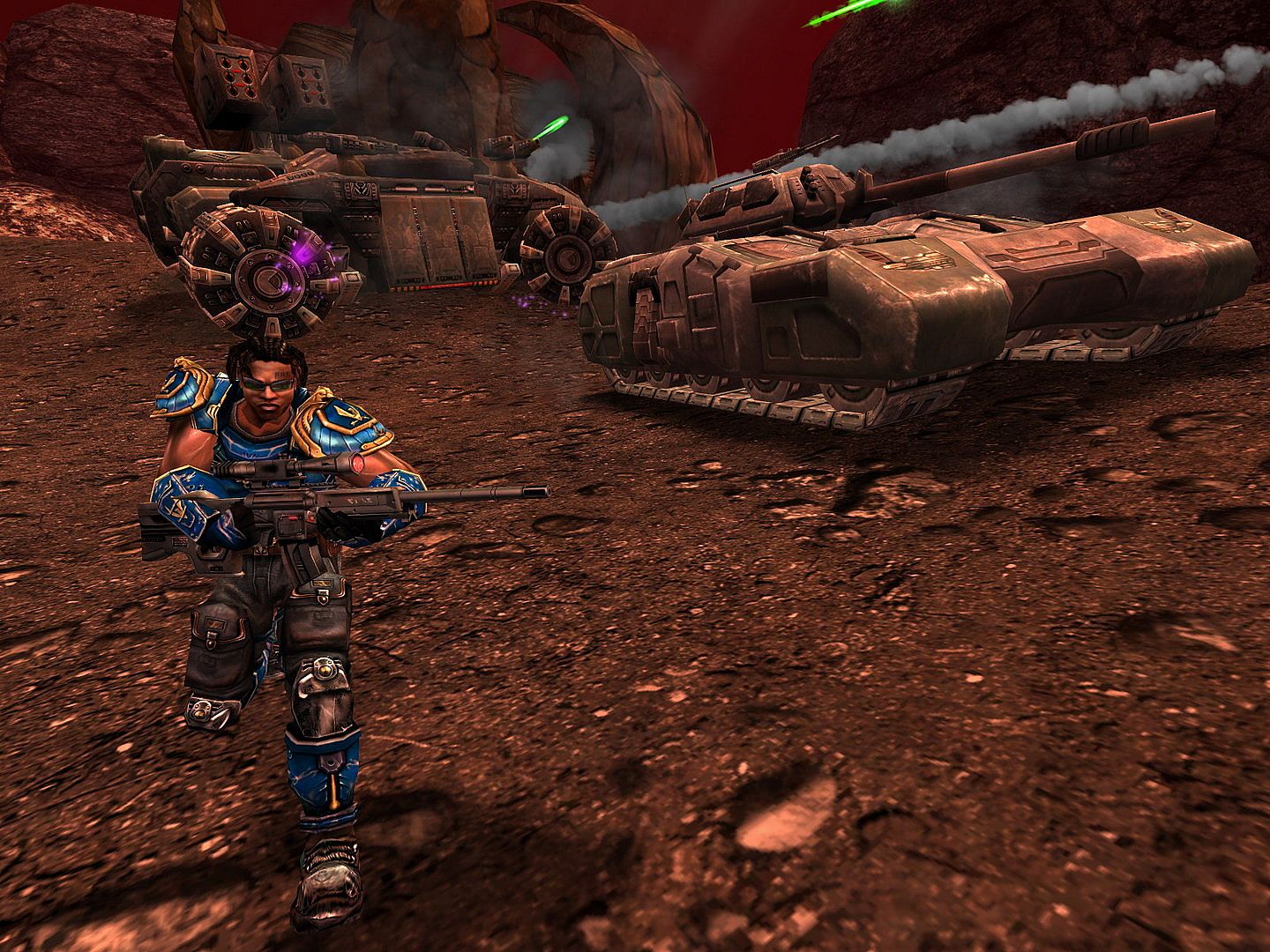
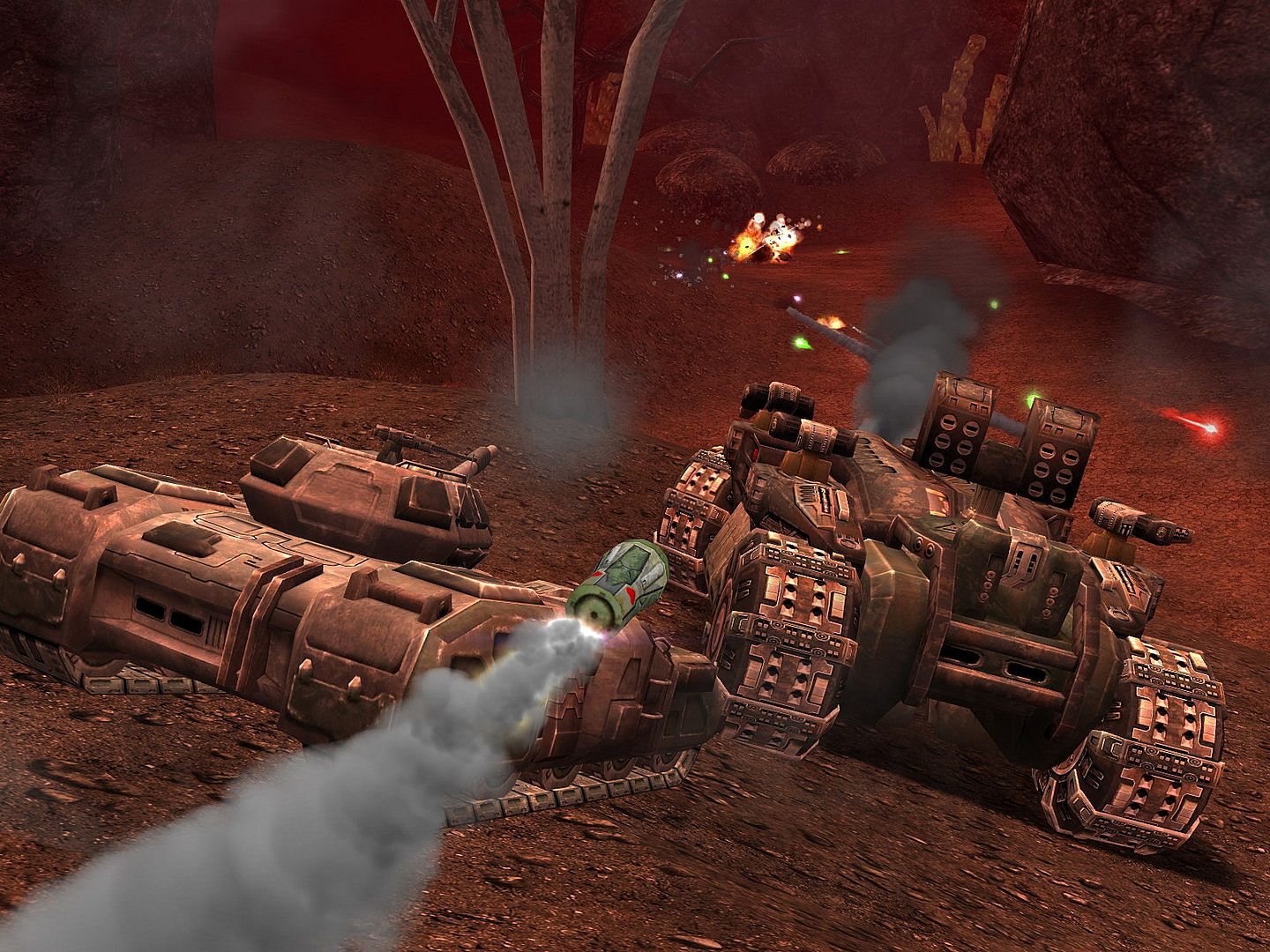
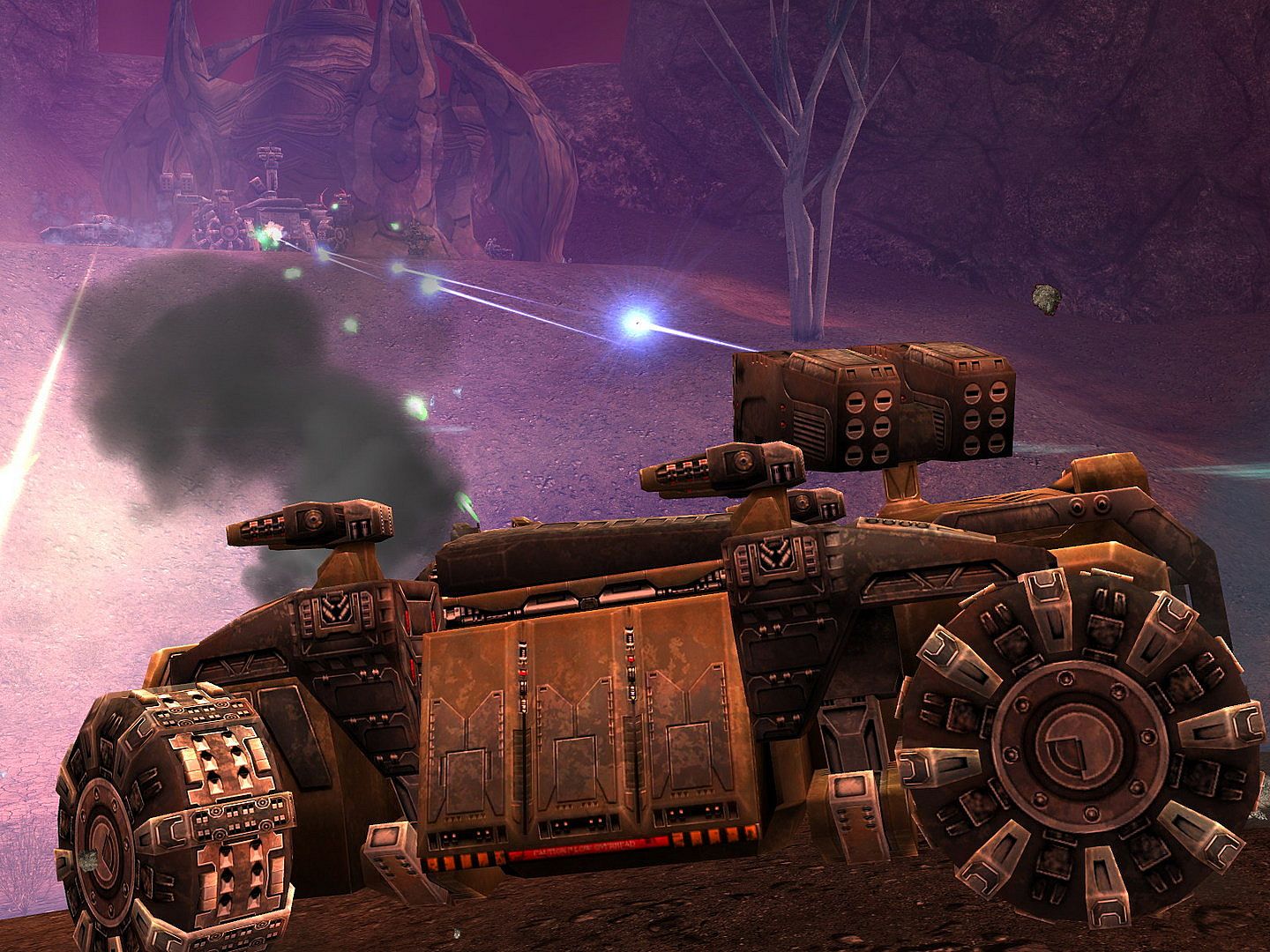
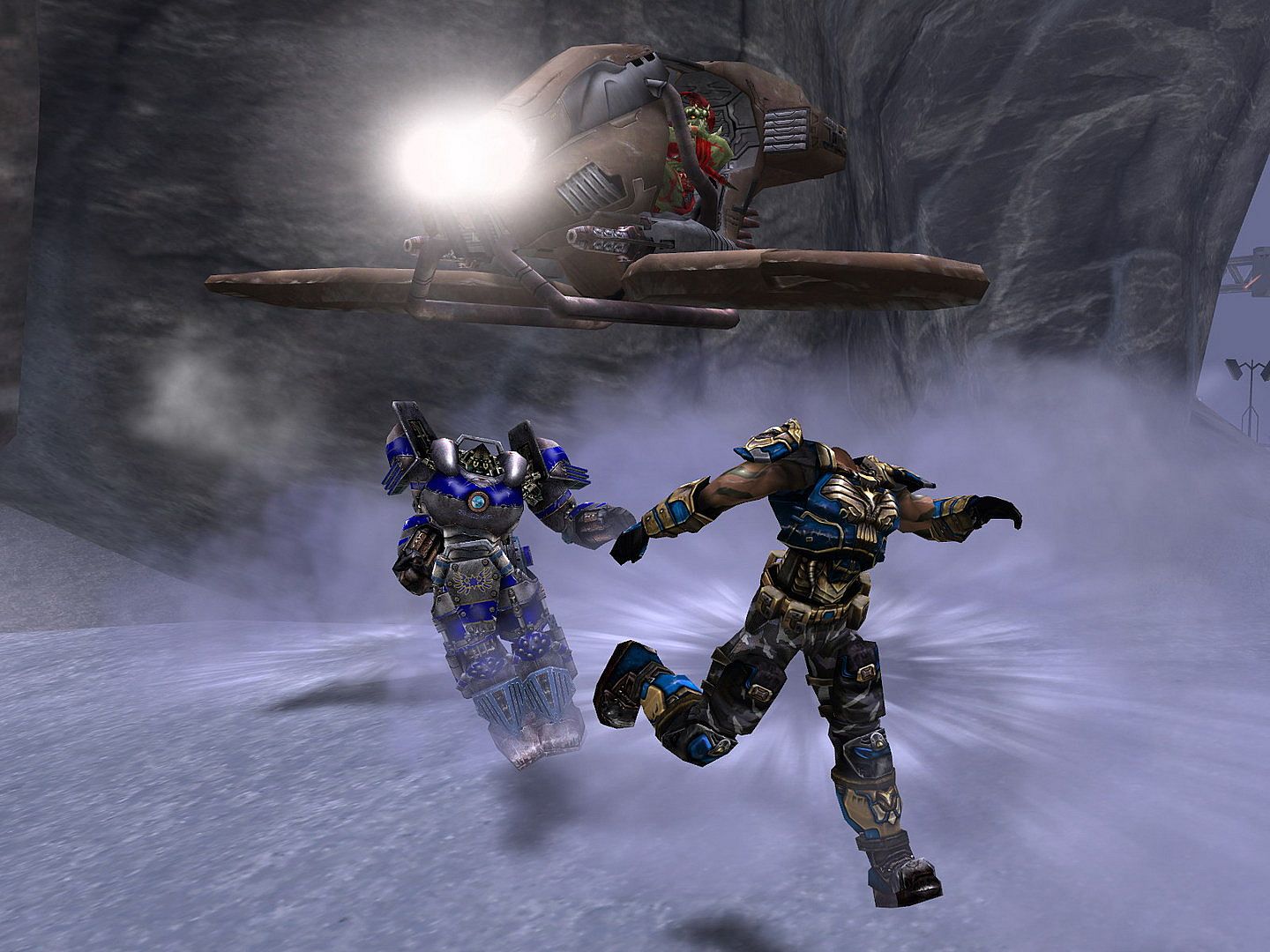
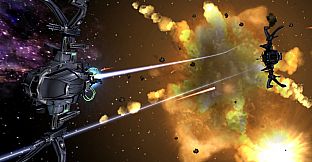
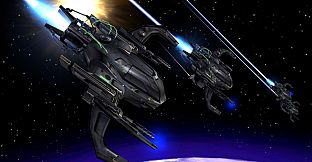
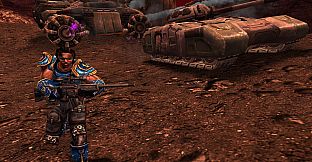
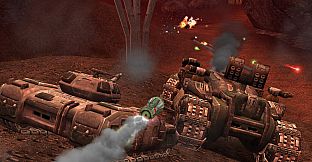
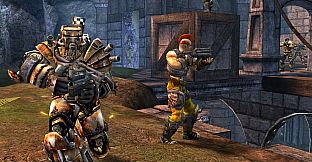
Unreal Tournament 2004: Editor's Choice Edition stands as a multiplayer first-person shooter centered on fast-paced arena combat. Players engage in gladiatorial-style battles across detailed indoor arenas and expansive outdoor maps, controlling futuristic warriors in matches that emphasize movement, aiming, and strategic positioning against opponents.
Gameplay
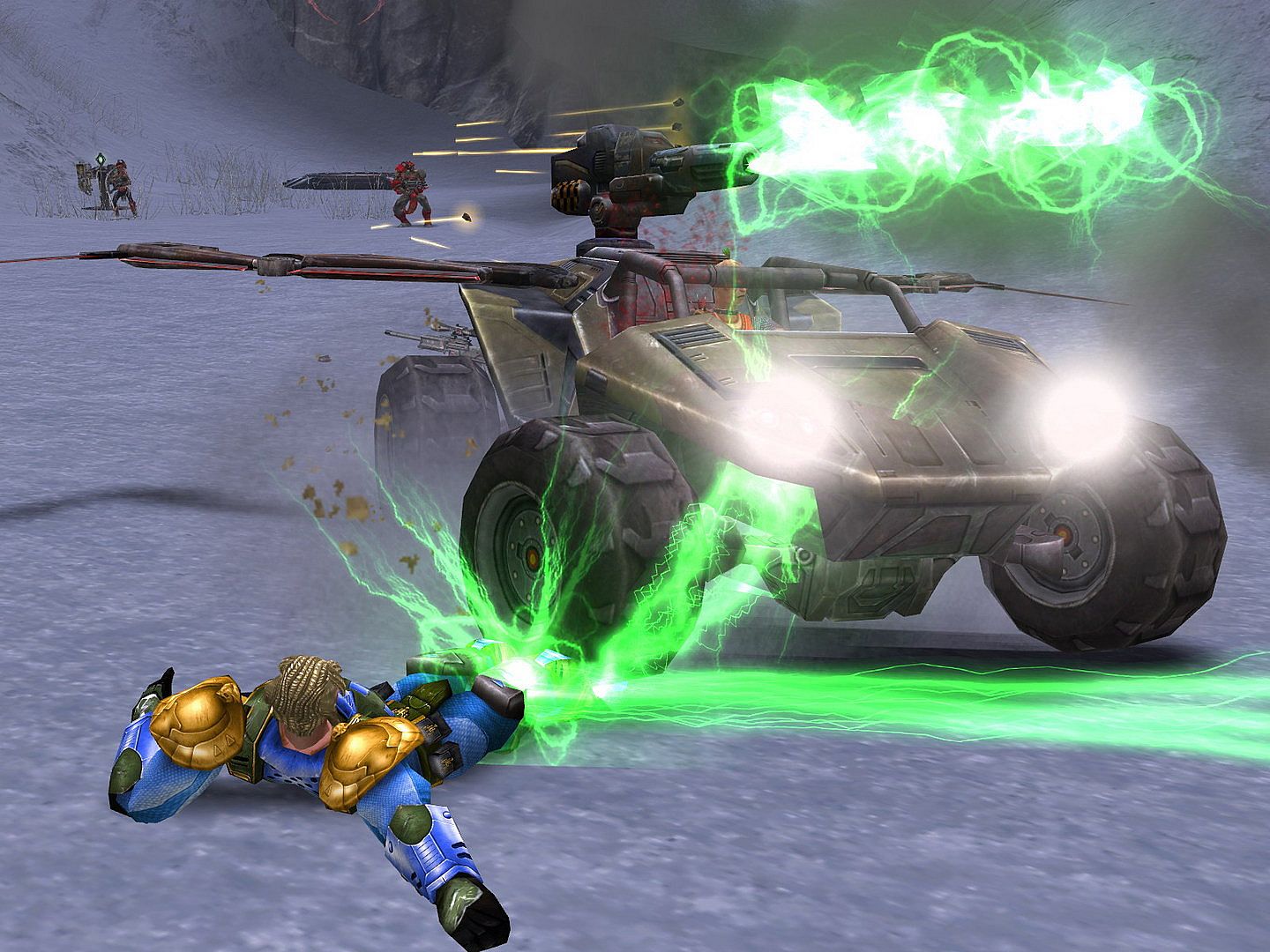
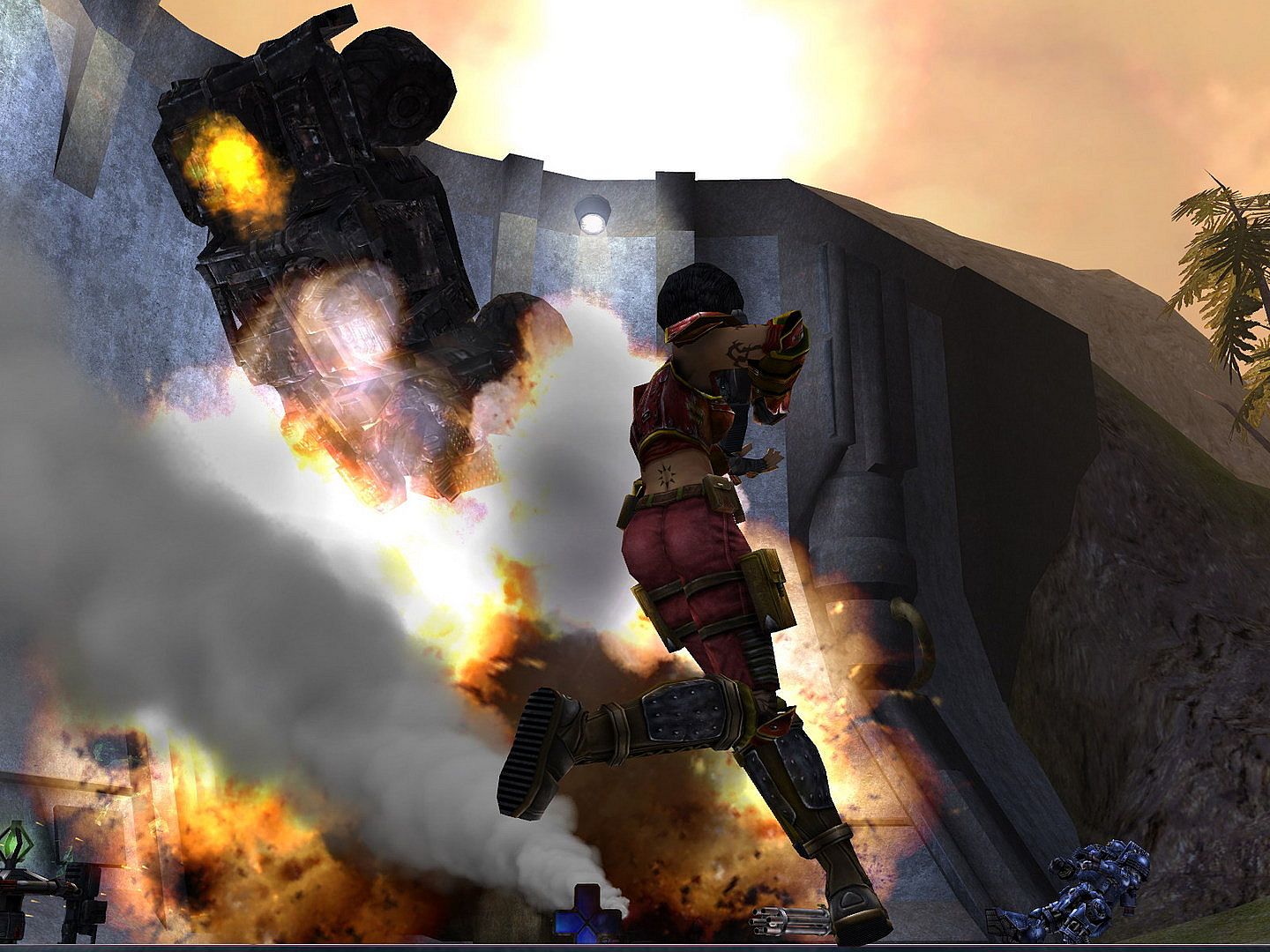
The core loop revolves around collecting weapons and power-ups while navigating environments filled with verticality and open spaces. Movement feels responsive, with players able to chain jumps, dodges, and slides to outmaneuver foes. Combat rewards precision and map knowledge, as engagements often occur at varying ranges from close-quarters brawls to long-distance duels. Up to 32 participants can join online sessions, though the game also supports strong bot AI for solo practice or local matches. Vehicles integrate into larger battles, allowing teams to traverse vast areas quickly or mount heavy assaults from mobile platforms.
Game Modes
Ten distinct modes deliver variety between free-for-all chaos and coordinated team objectives. Assault pits one side on offense against fortified positions while the other defends sequential targets, such as breaching a moving train or infiltrating a massive alien vessel. Onslaught expands team fights across huge outdoor zones where squads capture linked nodes to power an advance toward the enemy core. Other modes include standard deathmatch free-for-alls, team-based variants, flag captures, and specialized objective play that mixes infantry with vehicle support. These options keep sessions fresh by shifting focus from pure fragging to coordinated pushes or defensive stands.
Weapons and Vehicles
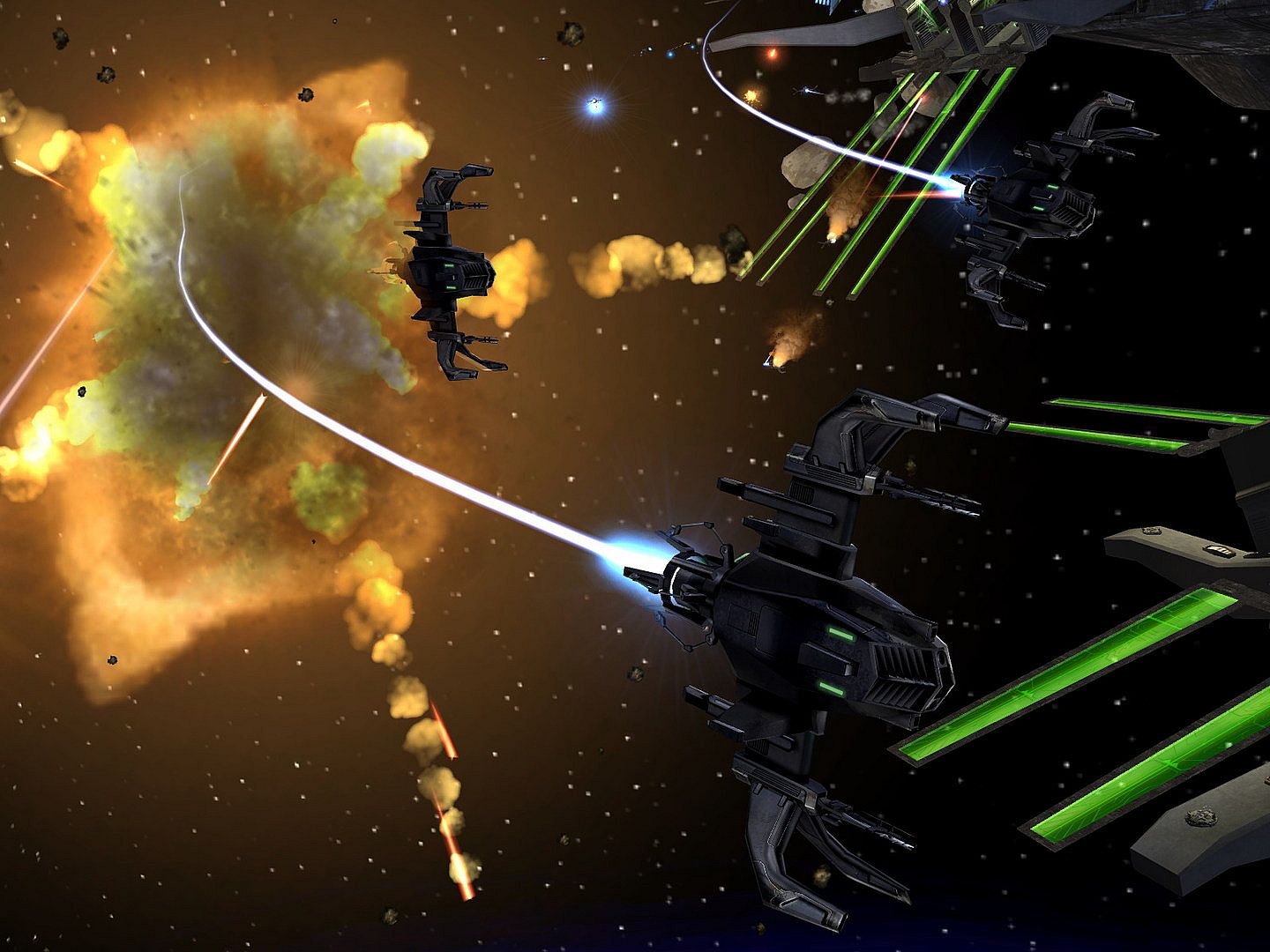
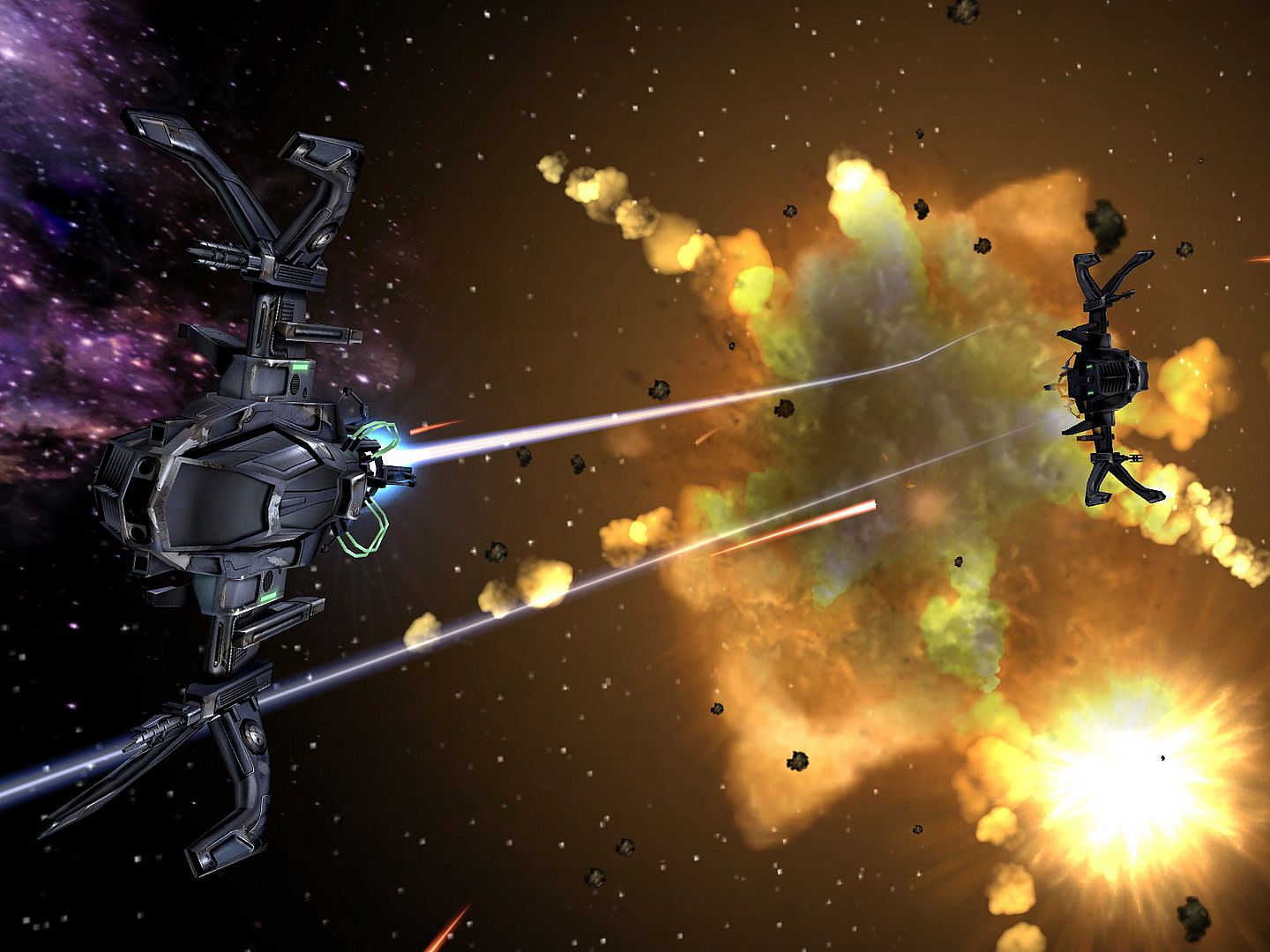
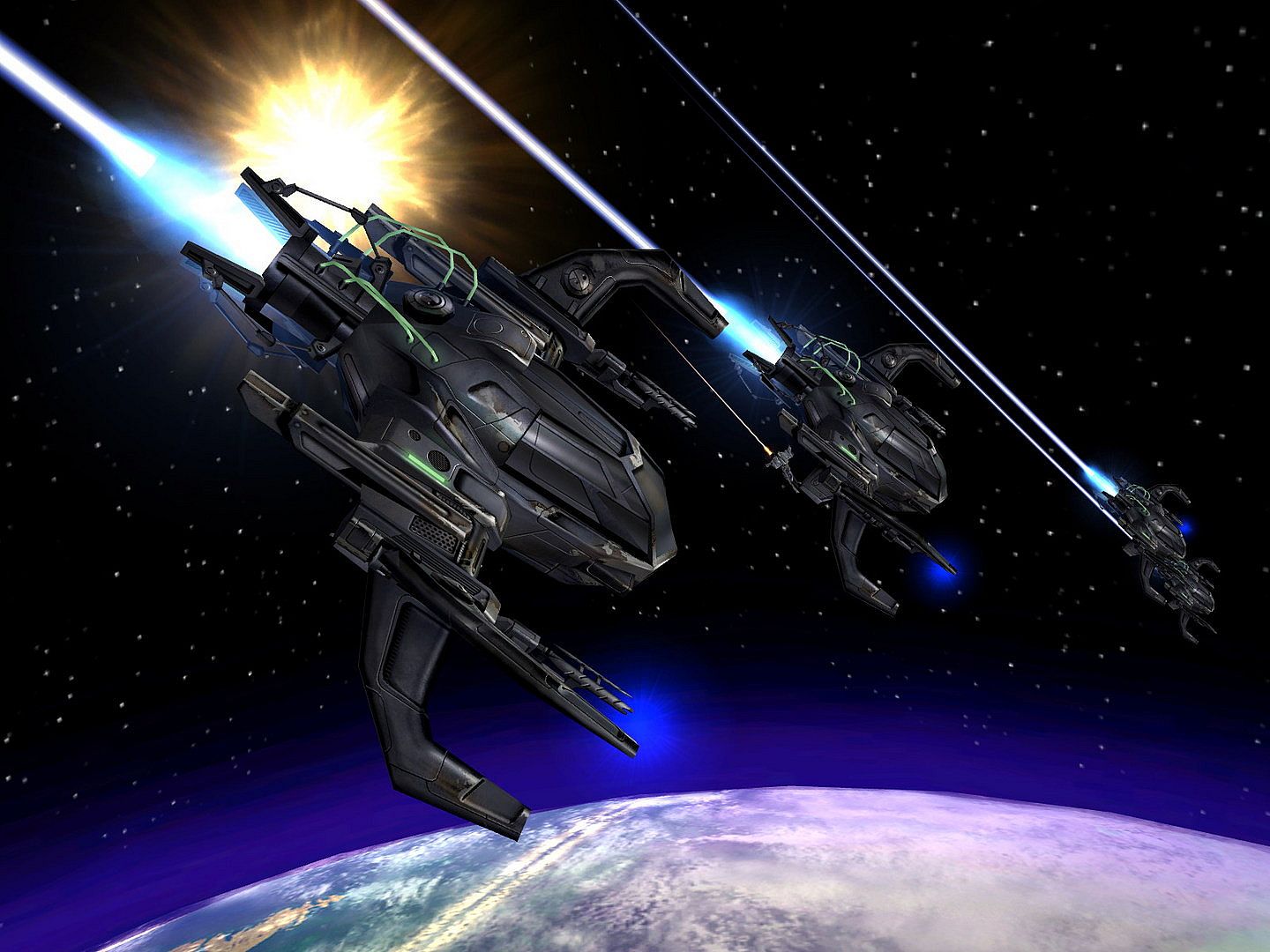
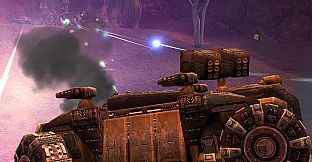
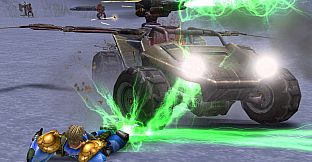
The arsenal carries over proven tools from prior entries while adding fresh options. Returning weapons emphasize versatility across playstyles, and newcomers include the mine layer that deploys tracking spider mines, the AVRiL for locking onto and eliminating vehicles, the grenade launcher that sticks timed explosives to targets, and an upgraded sniper rifle for decisive long-range eliminations. Vehicles range from agile single-pilot fighters to multi-crew behemoths that serve as both transport and heavy firepower platforms. These machines prove essential in modes that span large maps, enabling rapid repositioning or direct assaults on enemy infrastructure.
Characters, Maps, and Technology
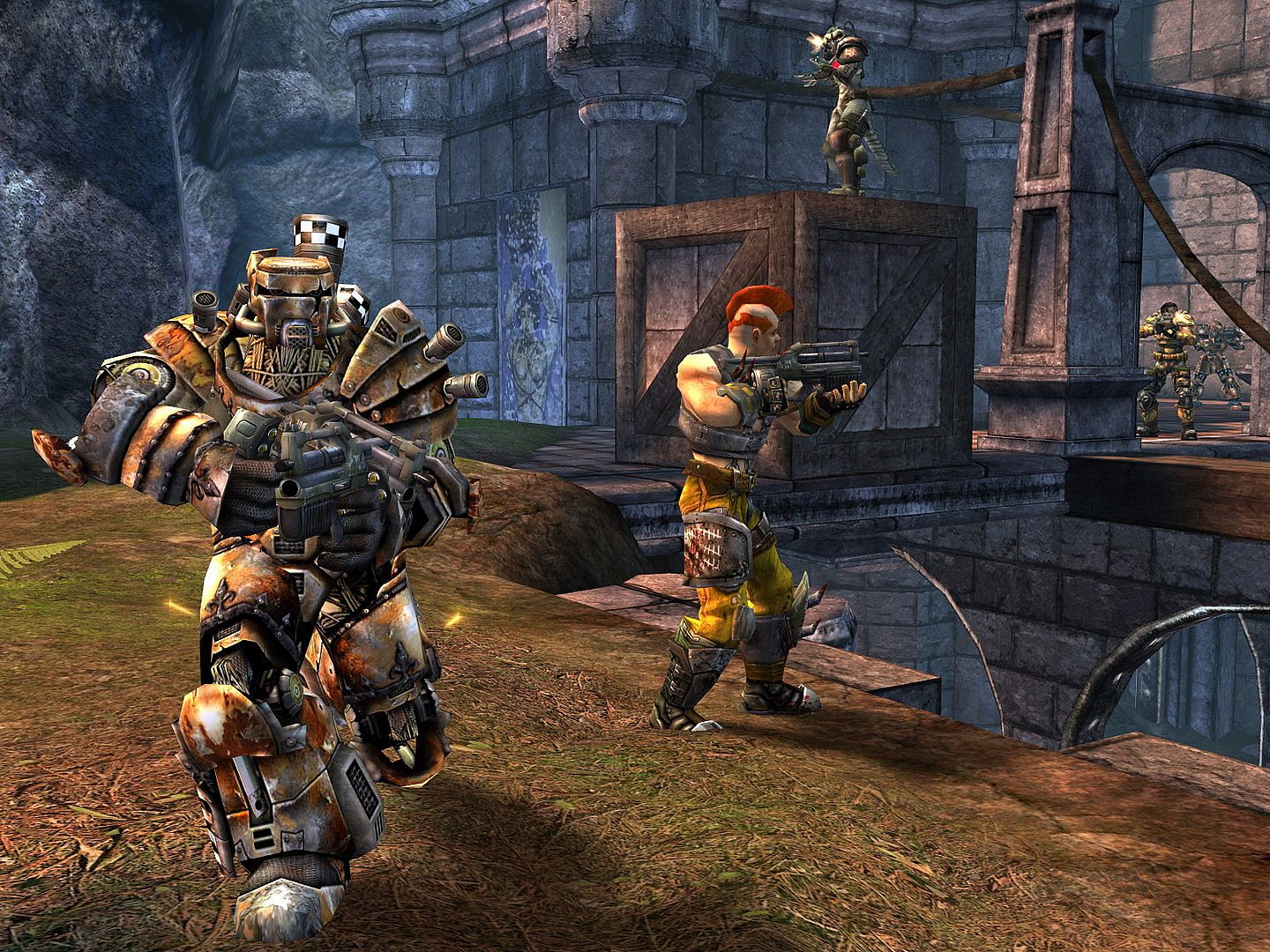
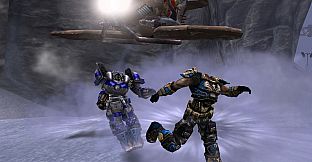
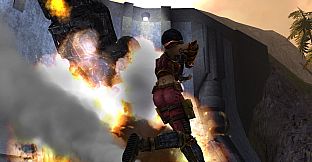
Thirty-two new characters populate four distinct teams: Thunder Crash led by Malcolm, the robotic Corrupt under an enhanced Xan Kriegor, the Skaarj warriors of Iron Skull, and the ruthless human mercenaries known as the Hellions. Each brings unique visual designs and voice lines that add personality to matches. Over 95 maps launch with the game, blending tight indoor techno-arenas, deep space sections, and sweeping outdoor battlefields. Engine improvements deliver smoother performance, enhanced visuals, and deeper customization compared to the predecessor, supporting the scale of 32-player fights without sacrificing responsiveness.
Is It Worth Playing?
This edition appeals most to enthusiasts of classic arena shooters who value mechanical depth and mode variety over modern production values. The game maintains an active, if modest, online presence through community servers alongside robust bot support and modding tools that extend replayability. Recent compatibility updates have kept it functional on contemporary hardware. Players seeking intense, skill-based multiplayer sessions with strong single-player or LAN options will find it holds up well decades later, particularly if they enjoy vehicular combat mixed with traditional fragfests. Those preferring large-scale modern titles or ongoing seasonal content may find the smaller population limits consistent matchmaking. Overall, it delivers a focused, high-skill experience for dedicated fans of the genre.