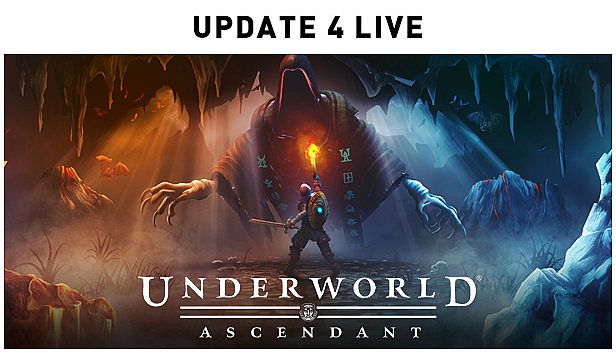



















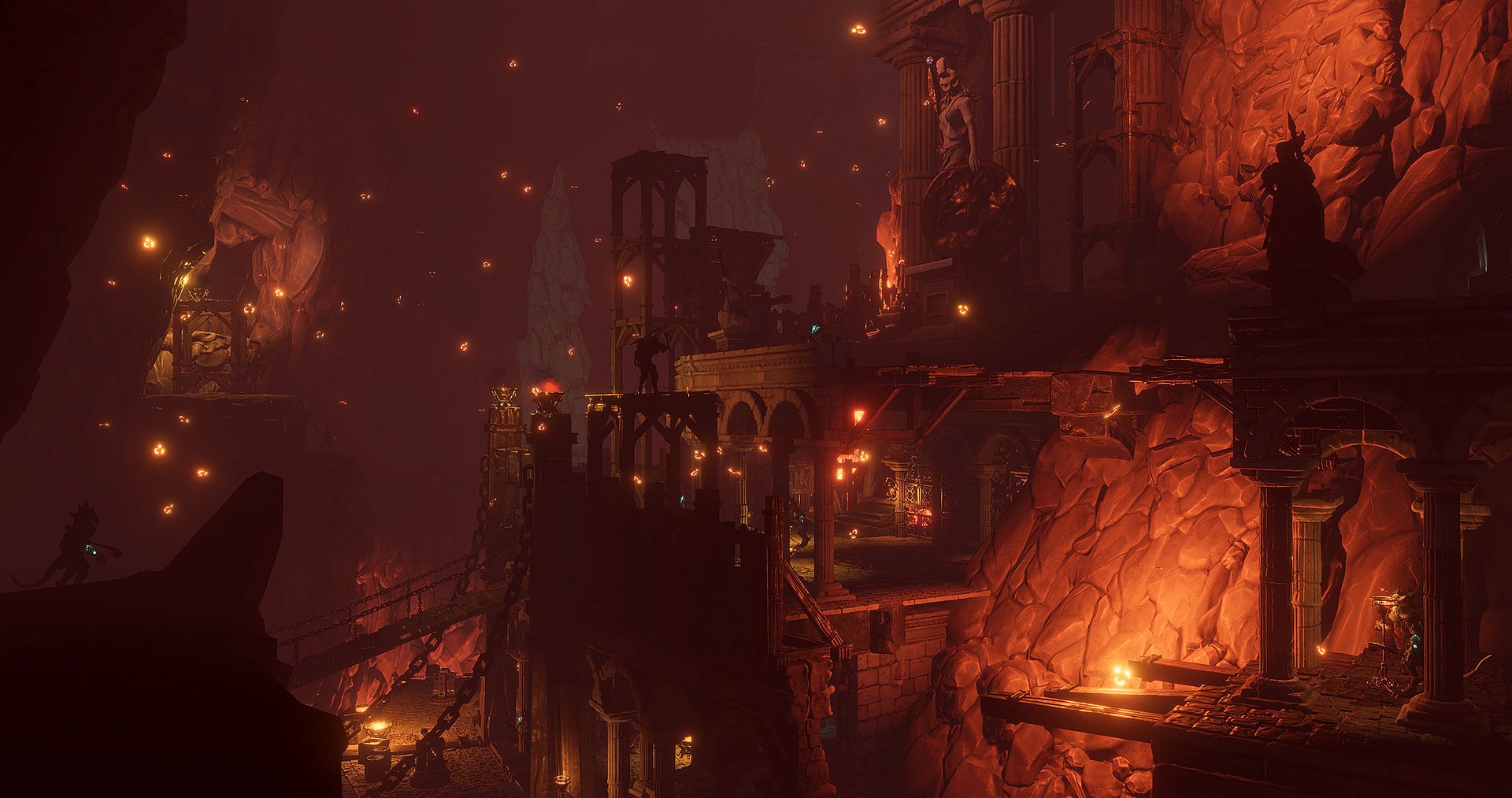
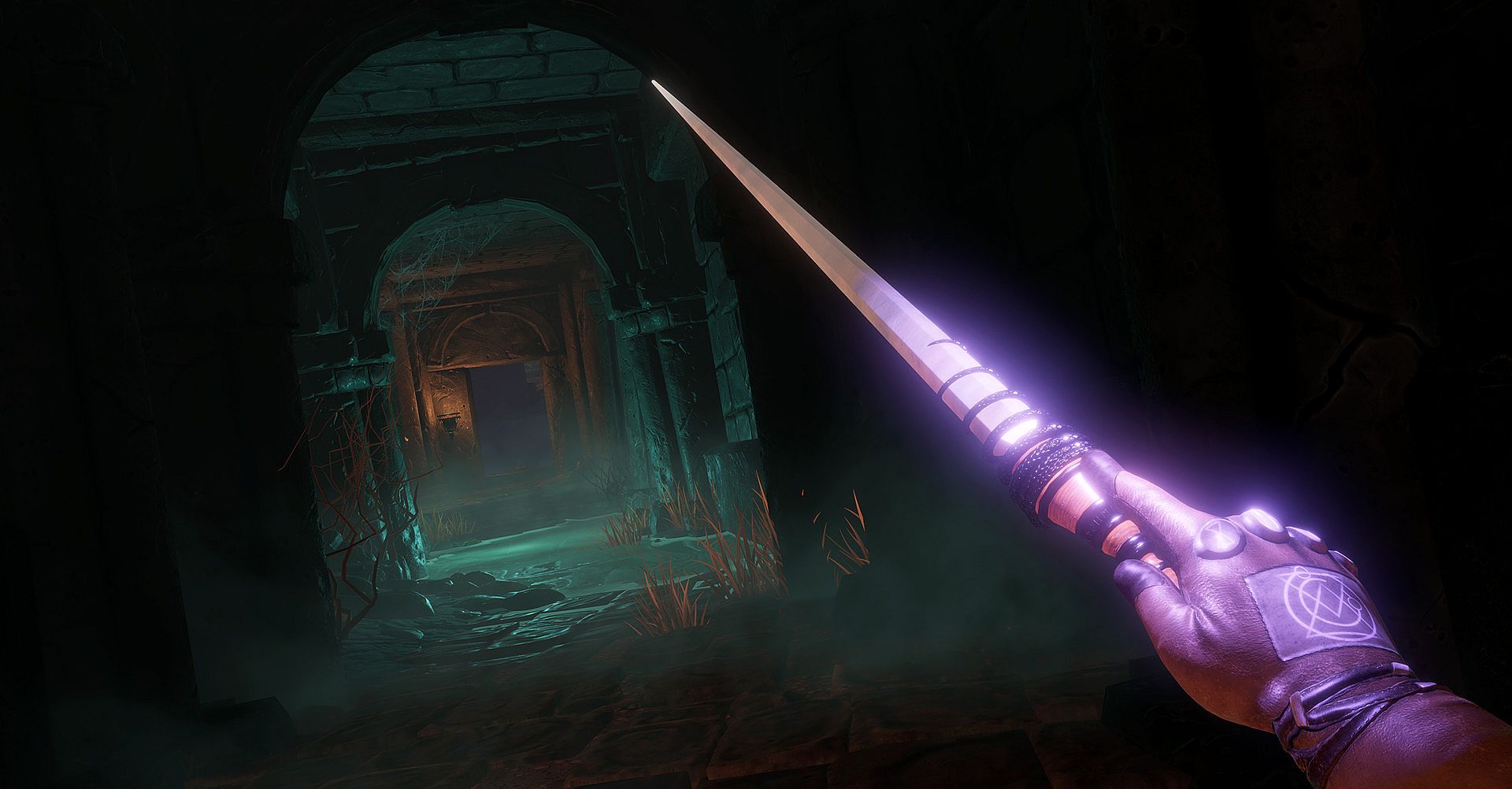
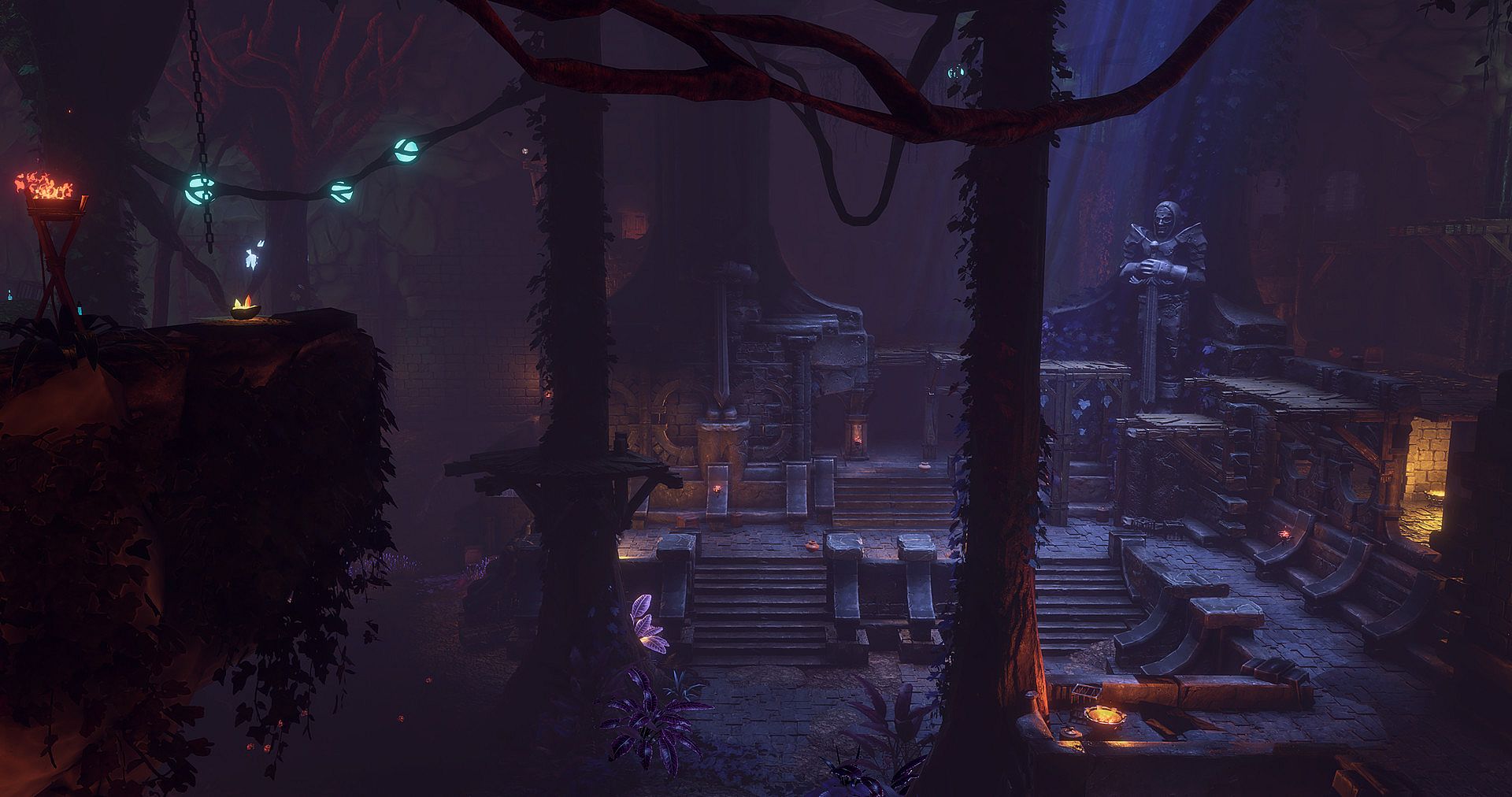
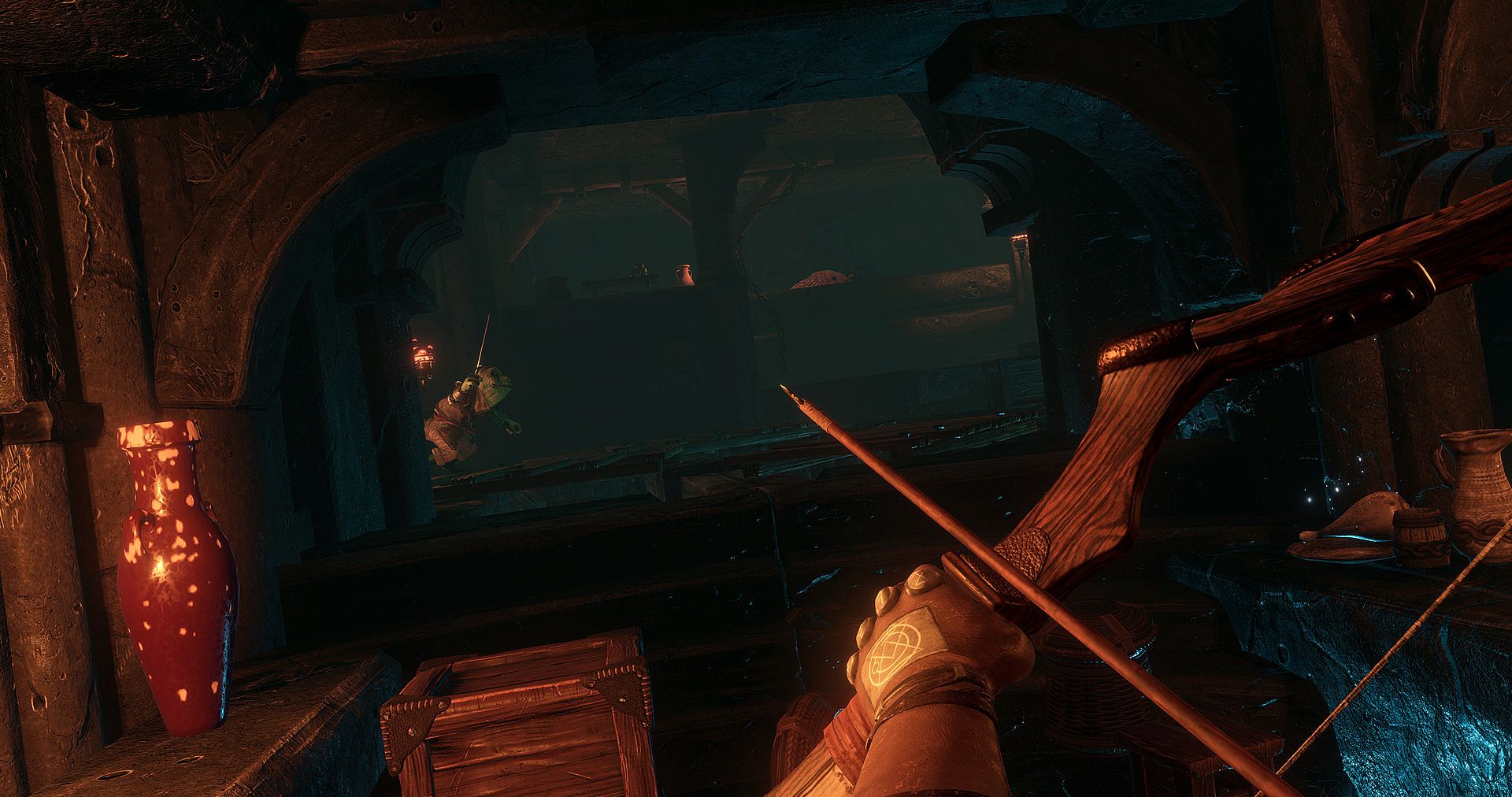
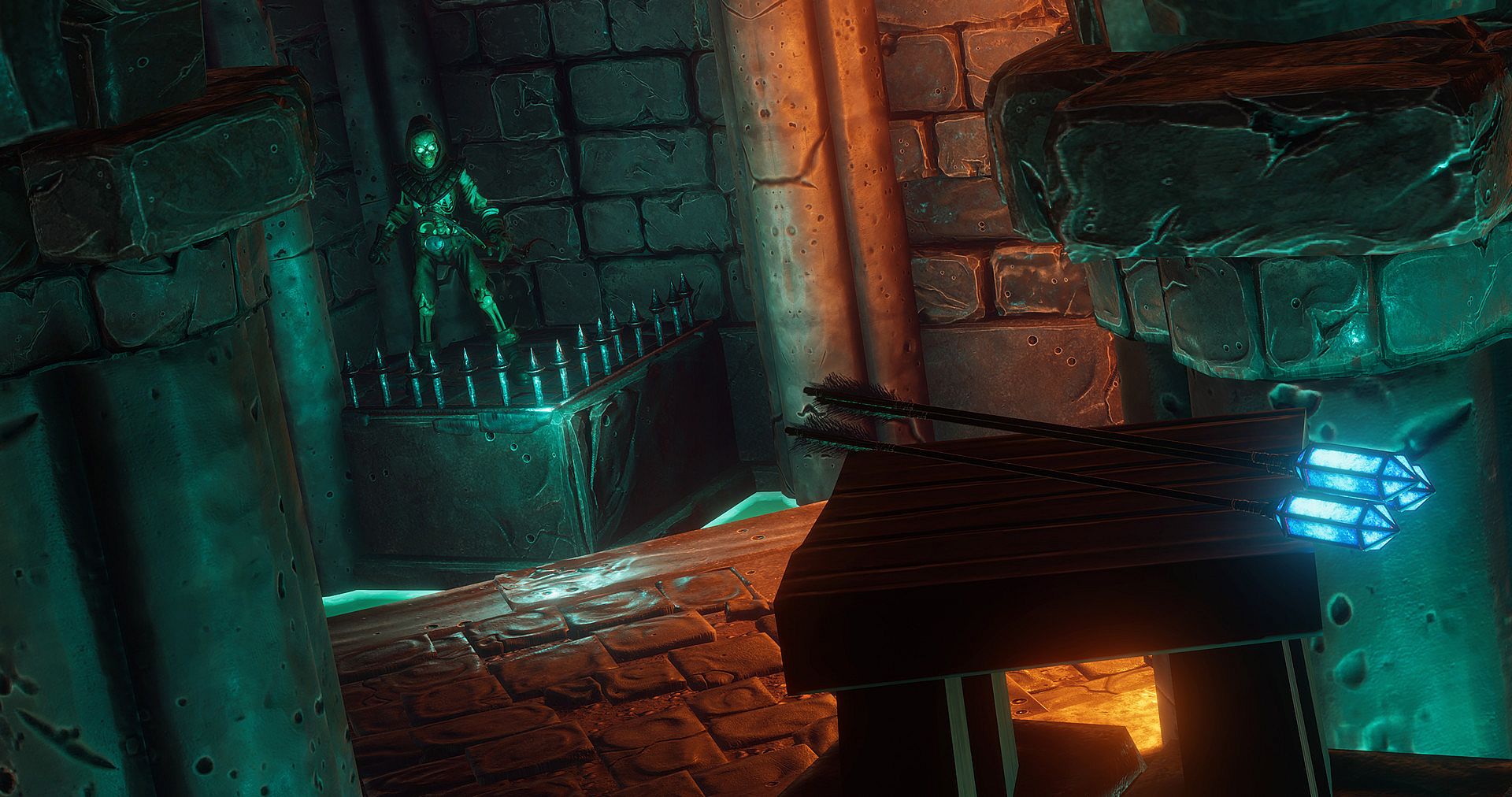
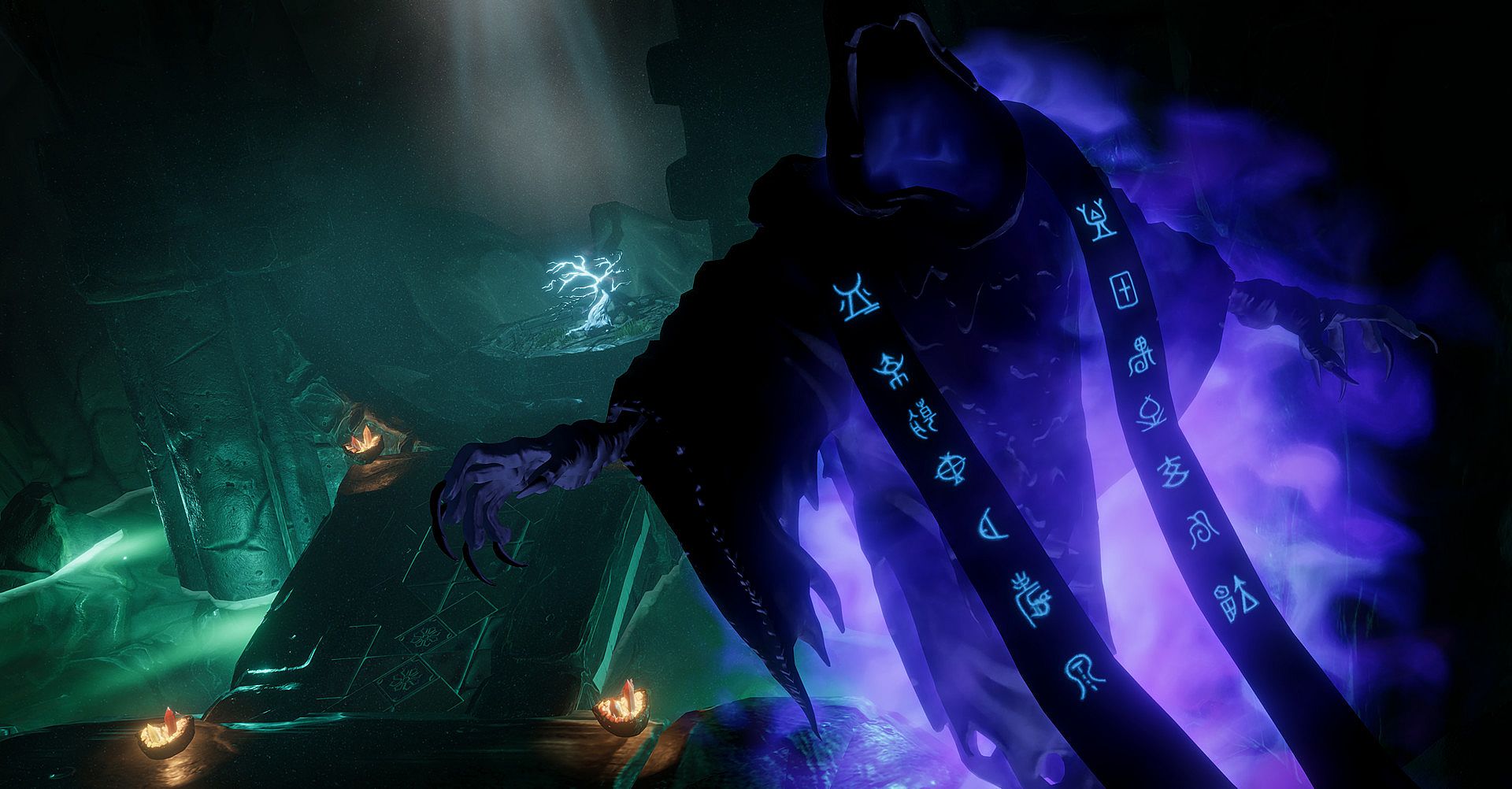
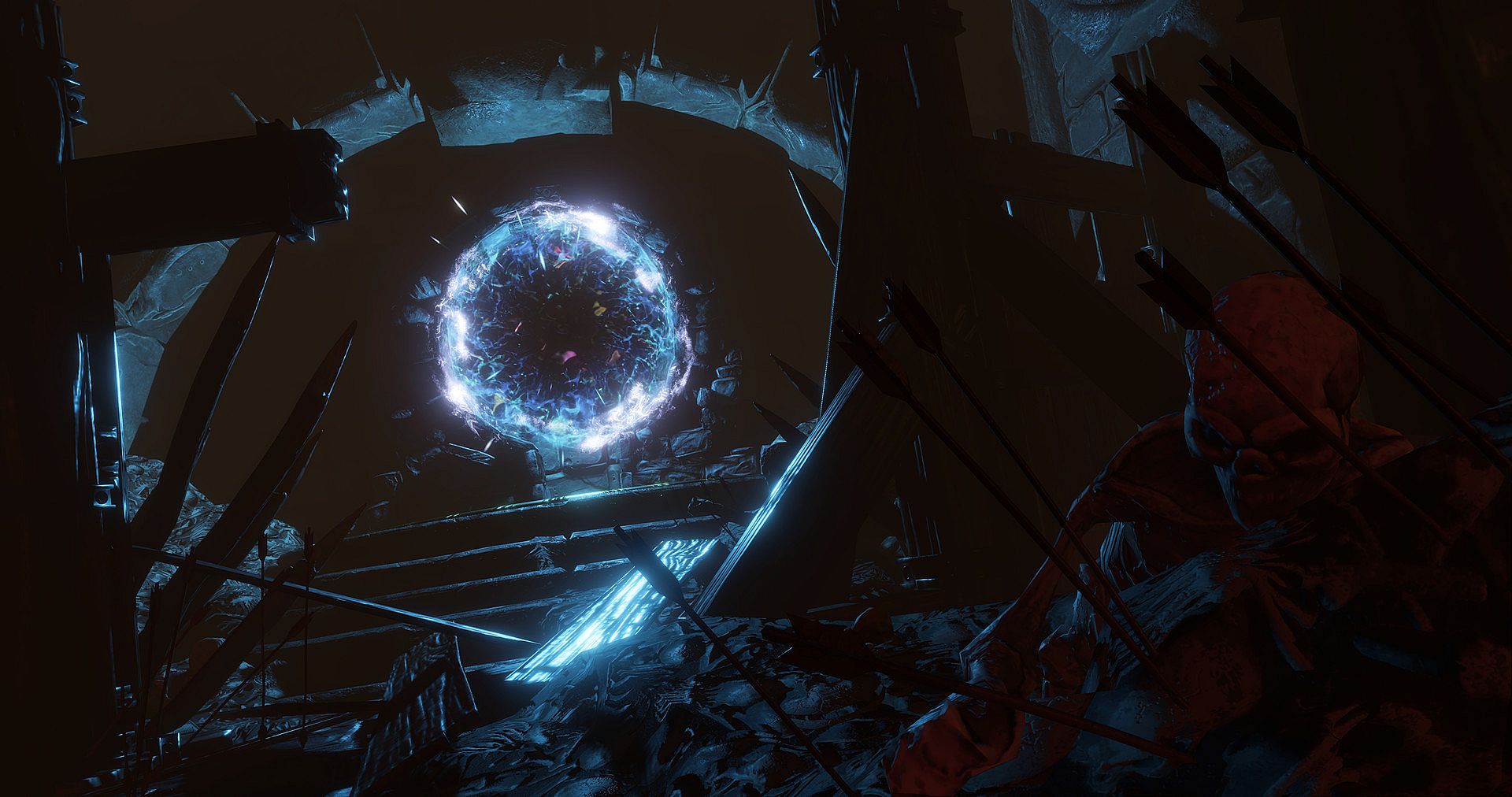


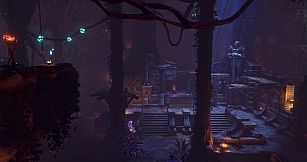
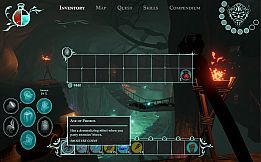

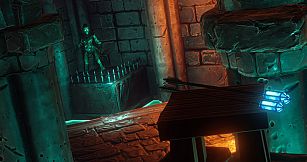


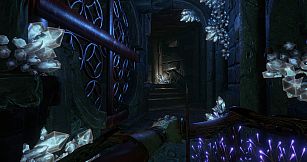
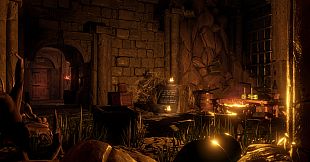
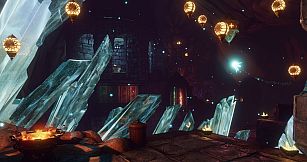
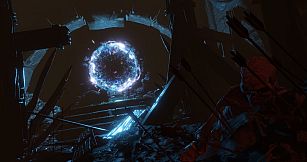
Underworld Ascendant is an action RPG adventure title developed for PC that places players in a single-player interactive sandbox set within a dangerous dungeon realm. The game emphasizes creative problem solving, environmental interaction, and player-driven choices over linear progression. Summoned into the Stygian Abyss by a mysterious figure, the player must confront the threat of the beast Typhon while navigating a world that changes based on decisions and actions.
Gameplay
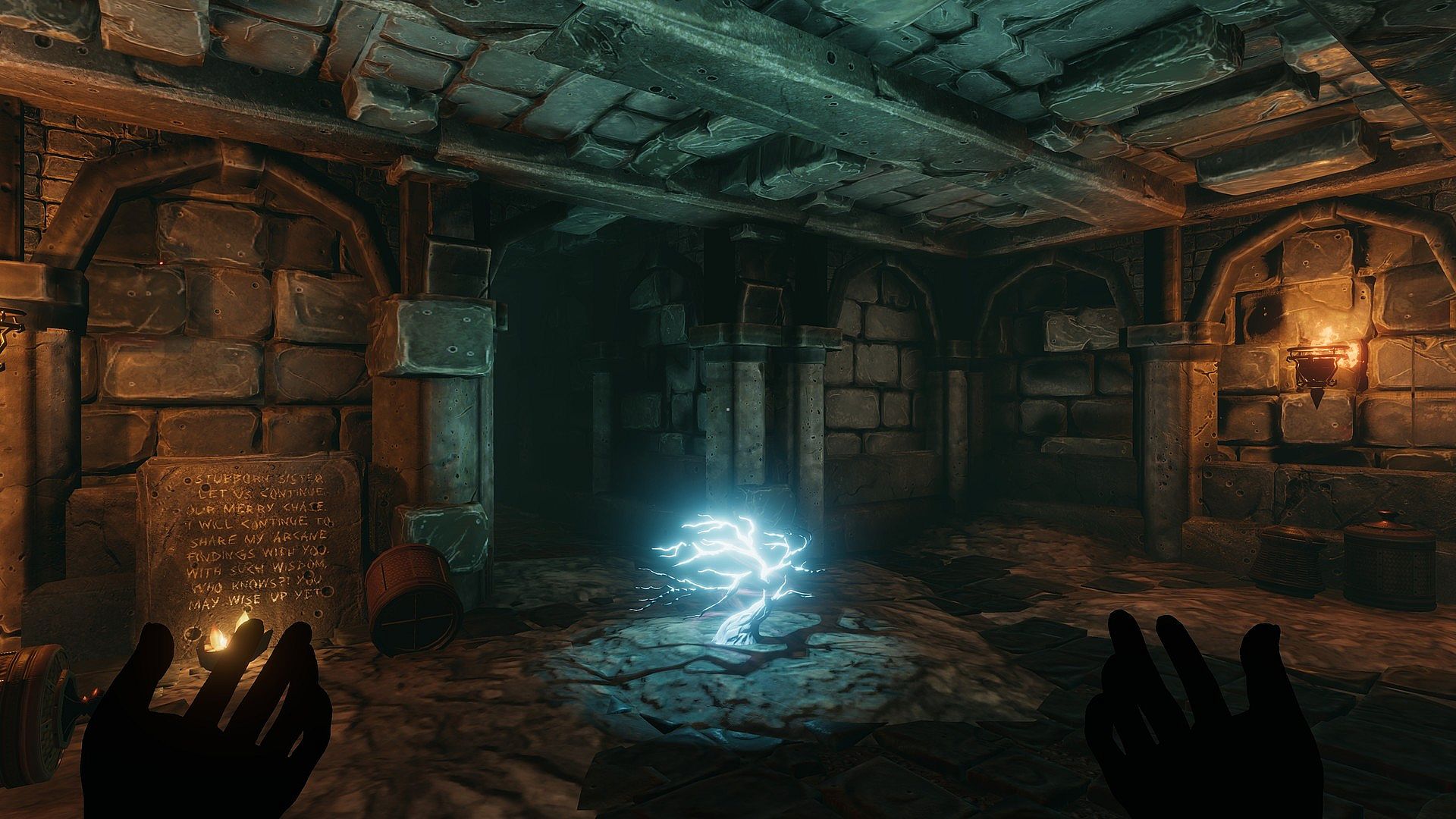
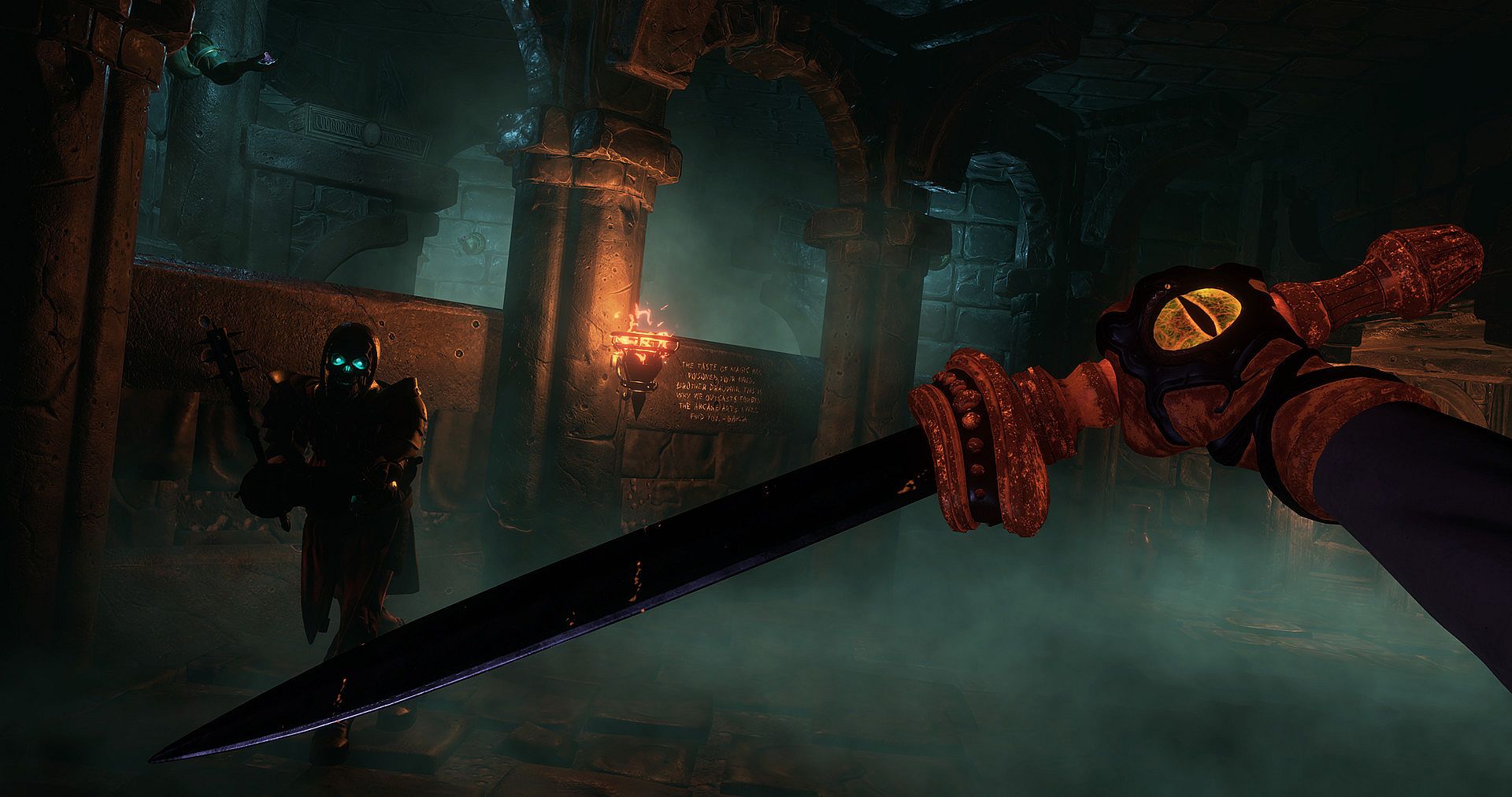
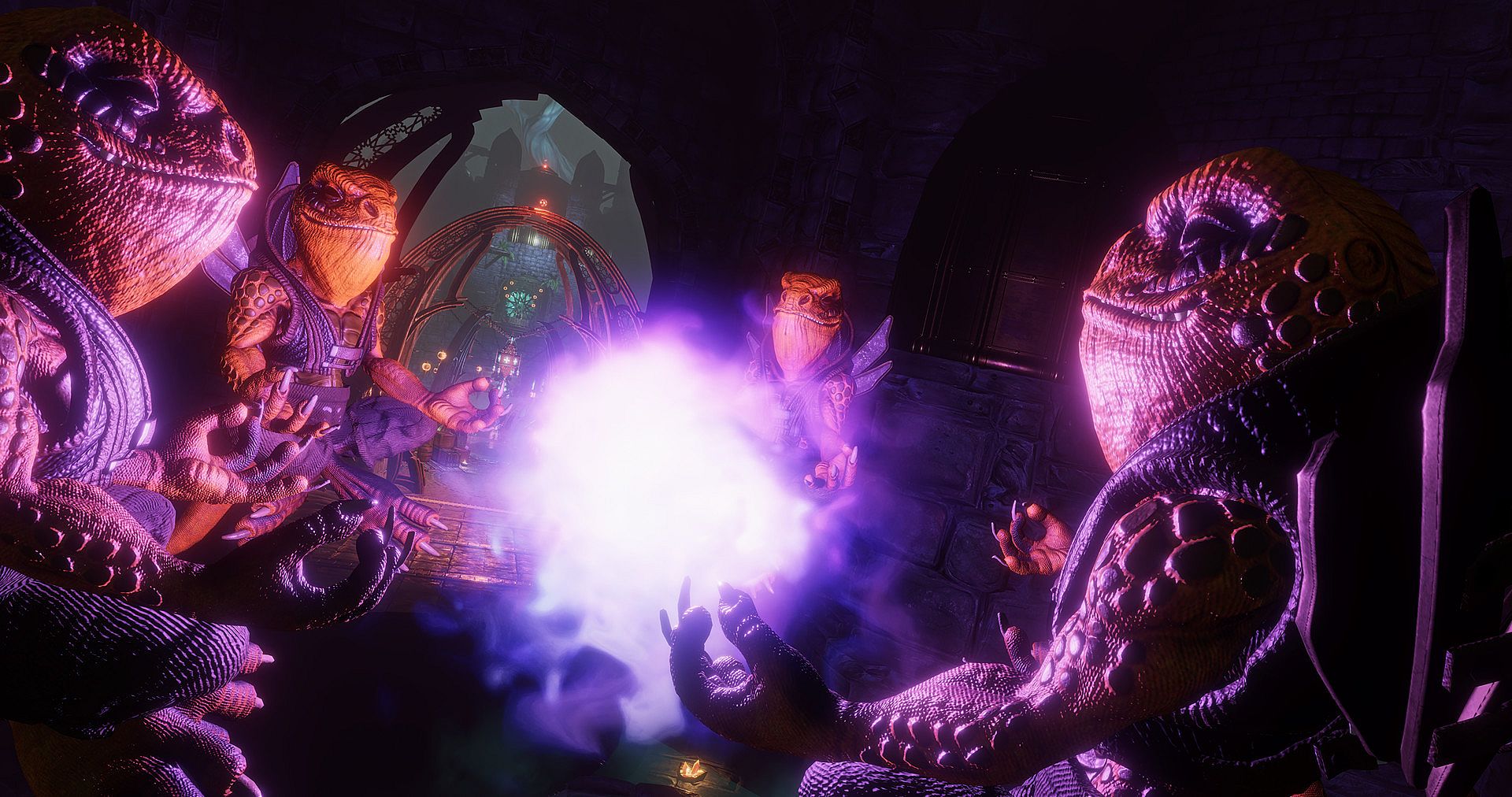
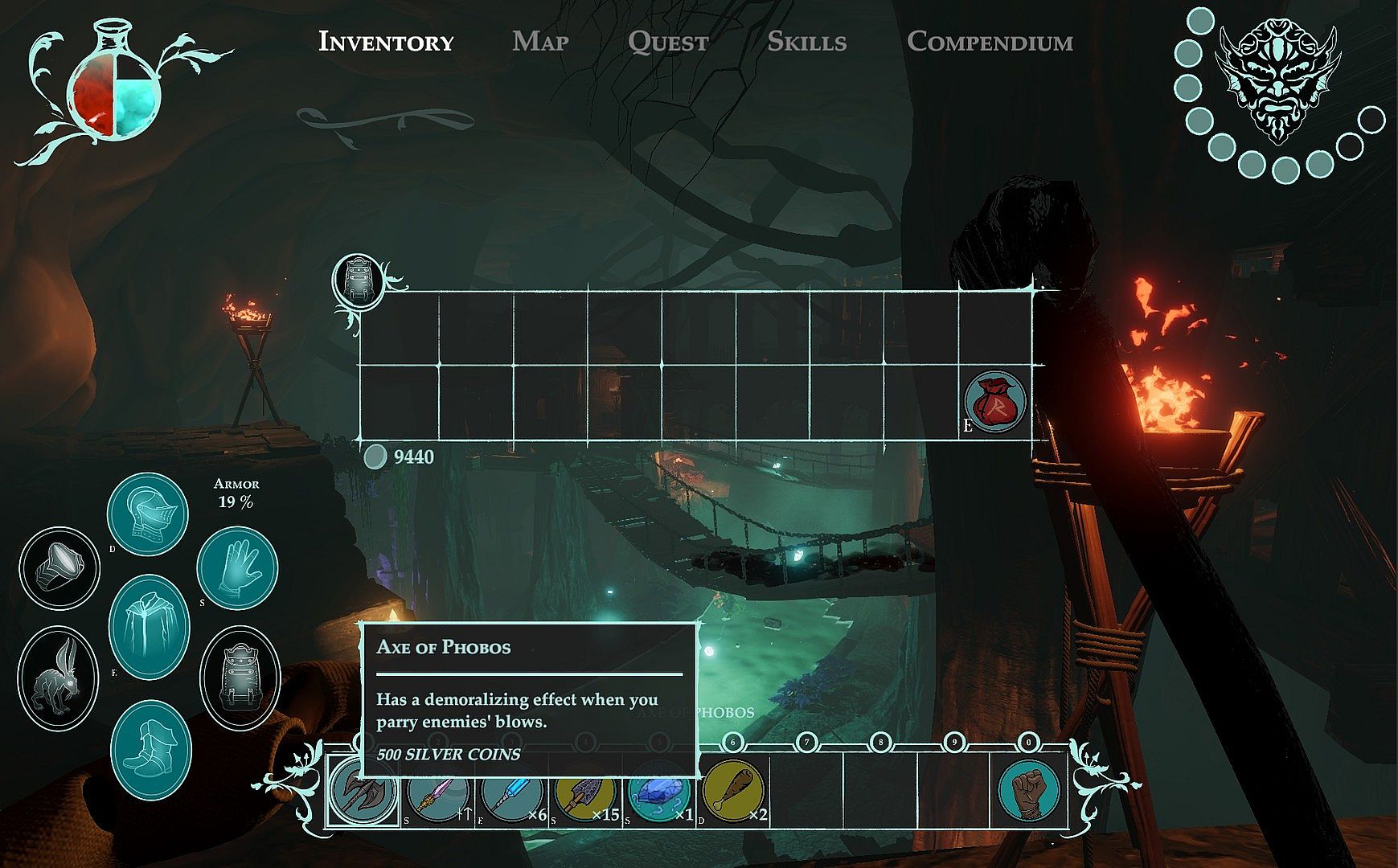
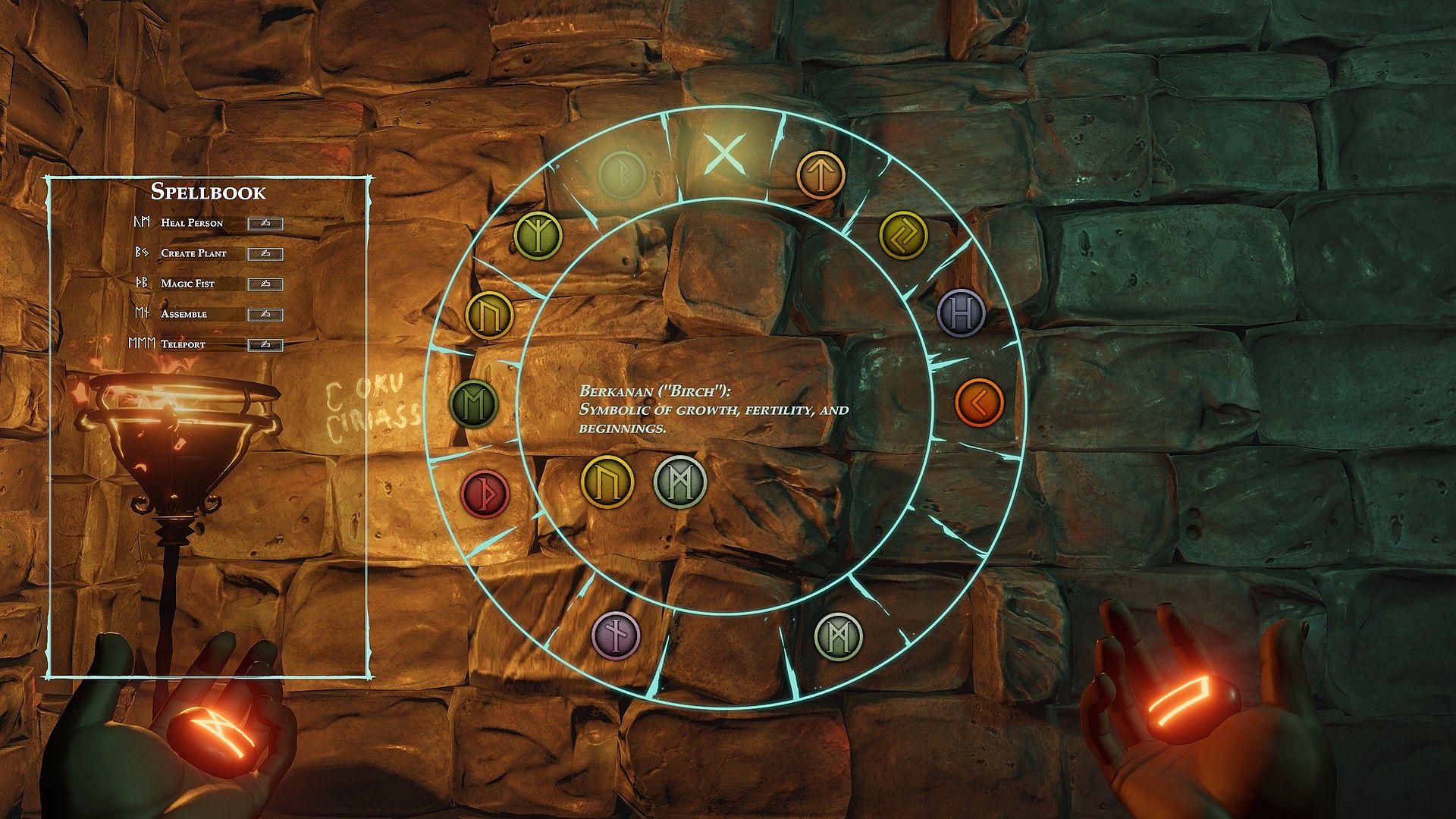
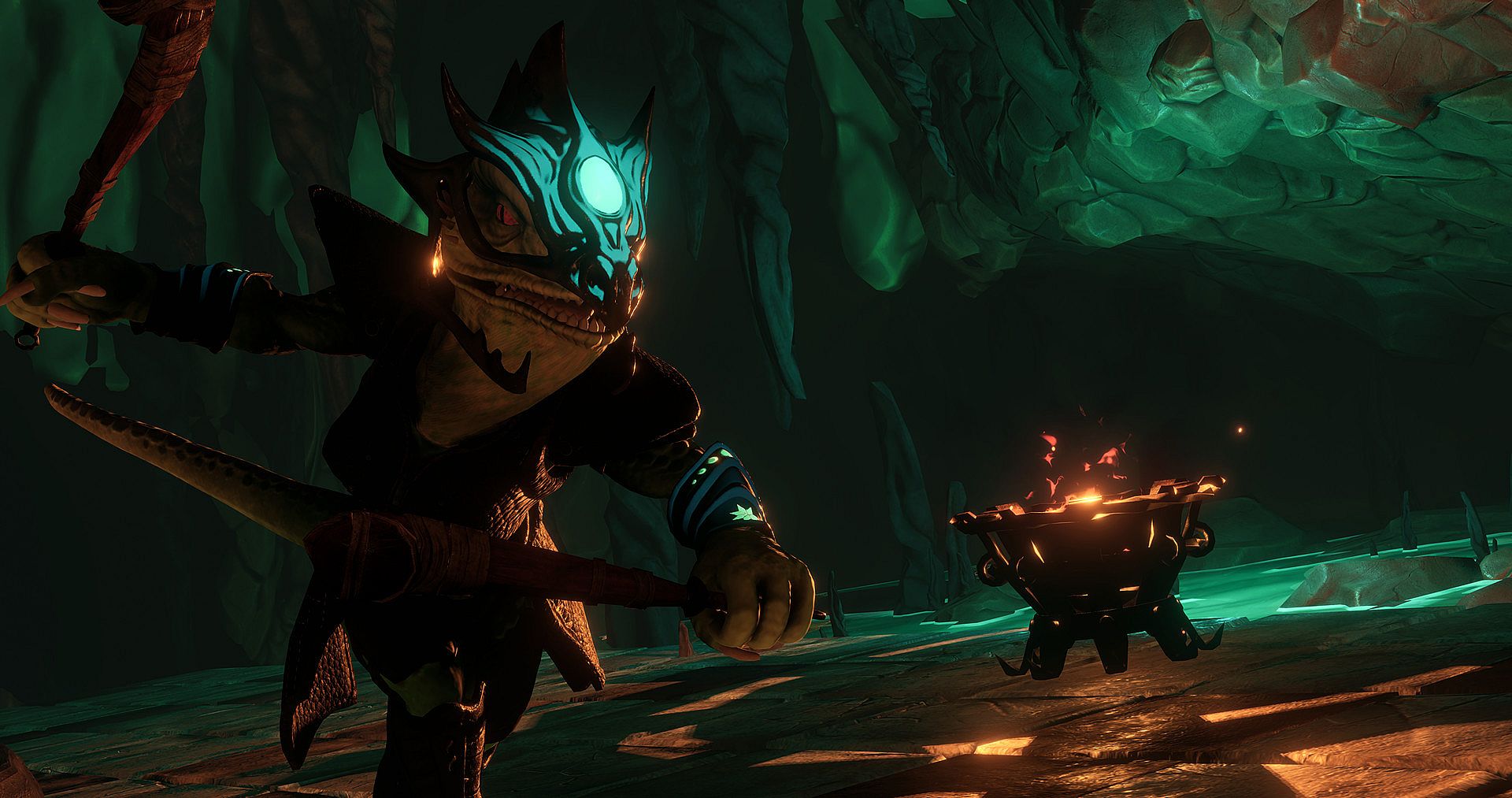
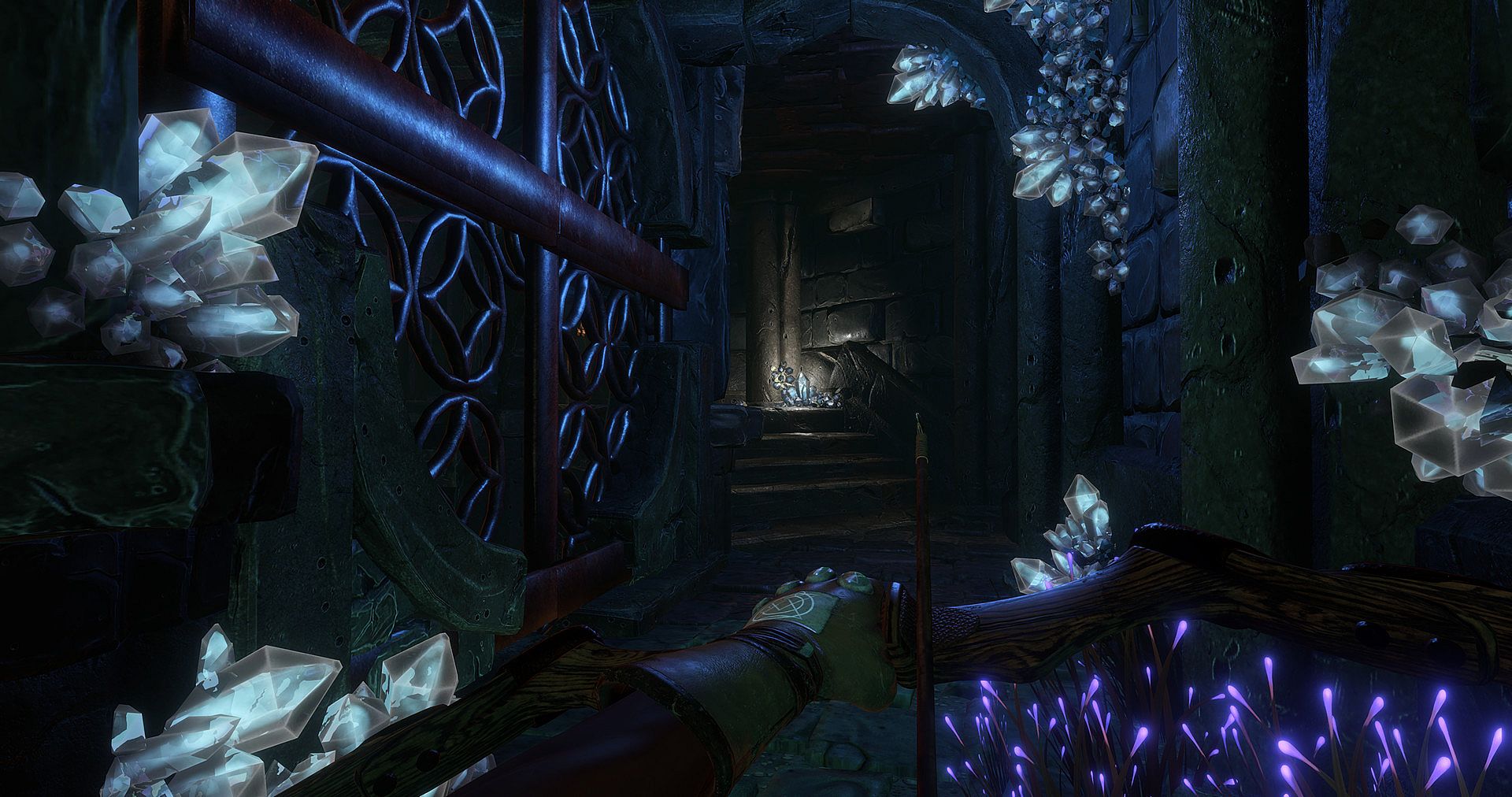
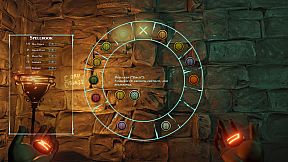
The core loop revolves around exploration of interconnected spaces filled with physics-based traps, useful flora, and creatures whose abilities can be turned to the player's advantage. Lizard Men, opportunistic Outcasts, and Mind Cripplers each present distinct behaviors that reward observation and experimentation rather than direct confrontation. Players combine more than 75 skills drawn from Combat, Stealth, and Magic archetypes to build a custom hero. The runic spell crafting system allows creation of over a hundred spell variations, encouraging repeated playthroughs to test different combinations against the same challenges.
Every encounter offers multiple solutions. A player might stack environmental elements to create an advantage, bypass threats entirely through stealth, or craft a spell that alters the battlefield. The world itself responds to these choices, with a degrading state that shifts enemy populations and introduces variable structures built by Outcasts. This setup supports many different approaches without prescribing a single correct path.
Game Modes
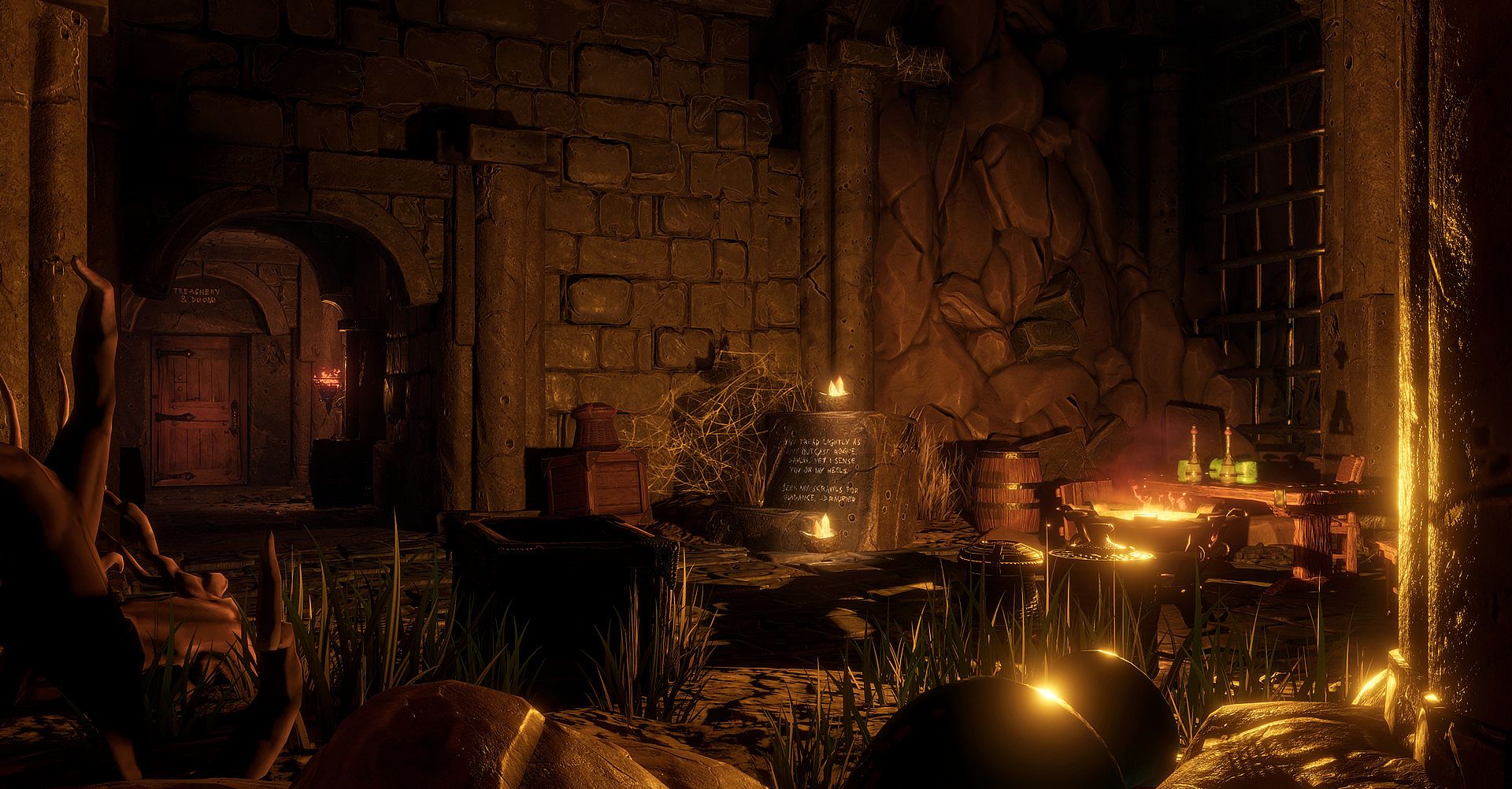
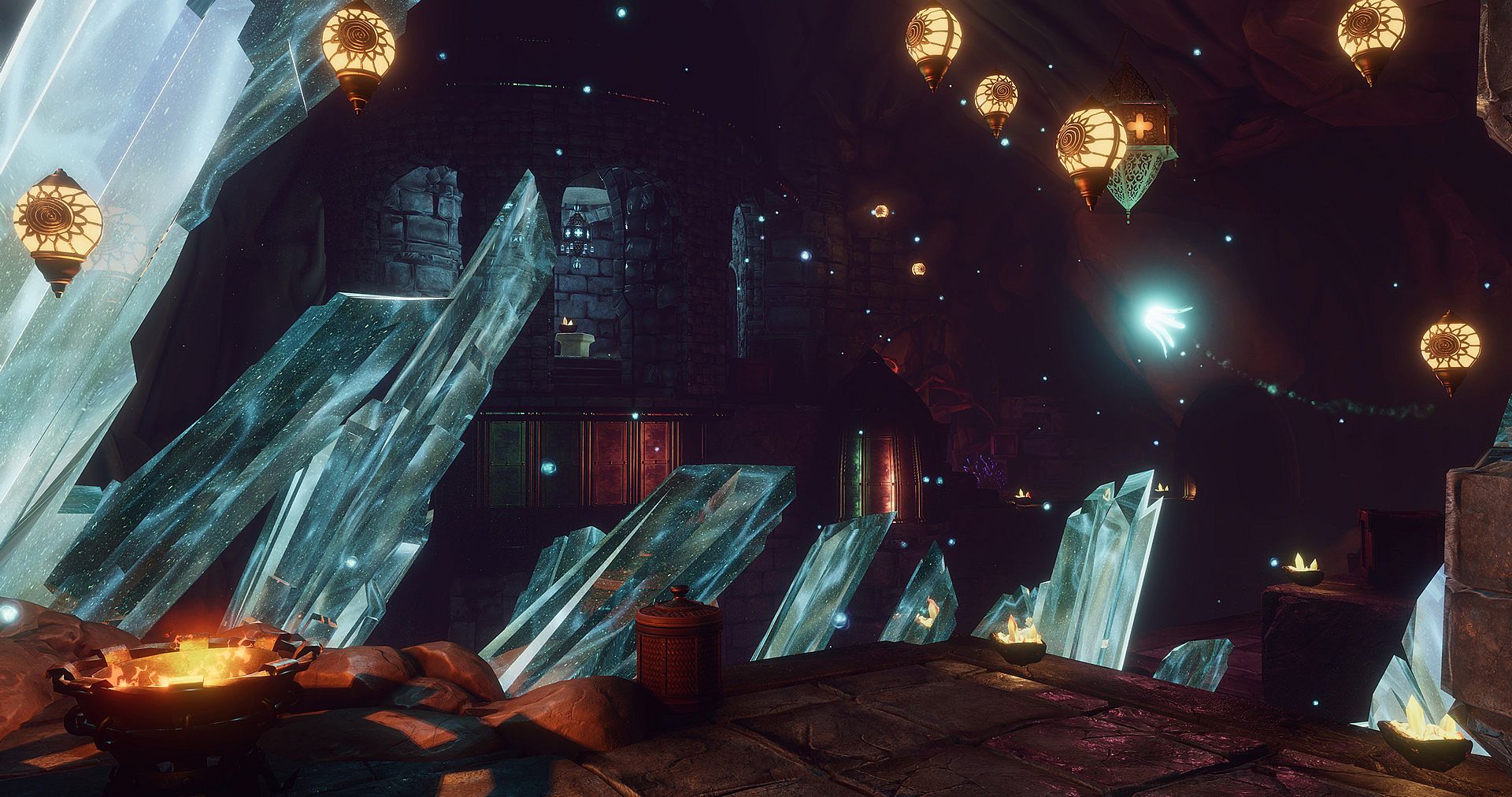
The primary structure consists of more than 70 quests spread across nine large-scale levels, including the village of Marcaul and the Vault of Nyx. These quests connect through labyrinthine rooms, passages, halls, and ruins that form massive cavern complexes. Side Bounties supplement the main objectives and reward specific playstyles such as avoiding detection or completing sections unarmed. These optional tasks provide concrete incentives to replay areas with fresh constraints and test new skill mixes.
Emergent quests arise naturally from faction struggles and world changes. Rival groups vie for dominance, and player actions influence the balance of power across the realm. Dynamic enemy spawning and variable Outcast-built structures ensure that no two runs through the same space feel identical, turning the campaign into a series of self-directed challenges rather than fixed missions.
World and Progression
Progression ties directly to resourceful performance. Unique rewards unlock additional skills when players solve problems in inventive ways or push experimental strategies. The nine levels form a cohesive dungeon realm where knowledge gained in one area carries forward, allowing players to leverage earlier discoveries against later threats. Faction favor further expands options by granting access to new abilities and altering how certain groups respond during encounters.
The constantly evolving underworld means that decisions made early affect later events. Leaving certain threats unchecked or supporting one faction over another can reshape enemy density and available paths. This consequence system rewards careful planning while still permitting on-the-foot improvisation when plans shift.
Is It Worth Playing?
Underworld Ascendant suits players who enjoy single-player action RPGs that prioritize creative freedom and environmental interaction over scripted sequences. The emphasis on mixing skill archetypes, crafting spells, and completing quests through varied methods creates strong replay value for those who like testing different approaches. Side Bounties and emergent challenges further extend playtime for anyone interested in optimizing runs or exploring every possible solution.
The game appeals most to fans of immersive sandbox experiences where the solution belongs to the player rather than a predetermined route. Those seeking tightly guided stories or competitive multiplayer elements will find less to engage with here. Availability on PC makes it accessible for anyone with an interest in older indie titles that focus on systems-driven gameplay and consequence tracking.