

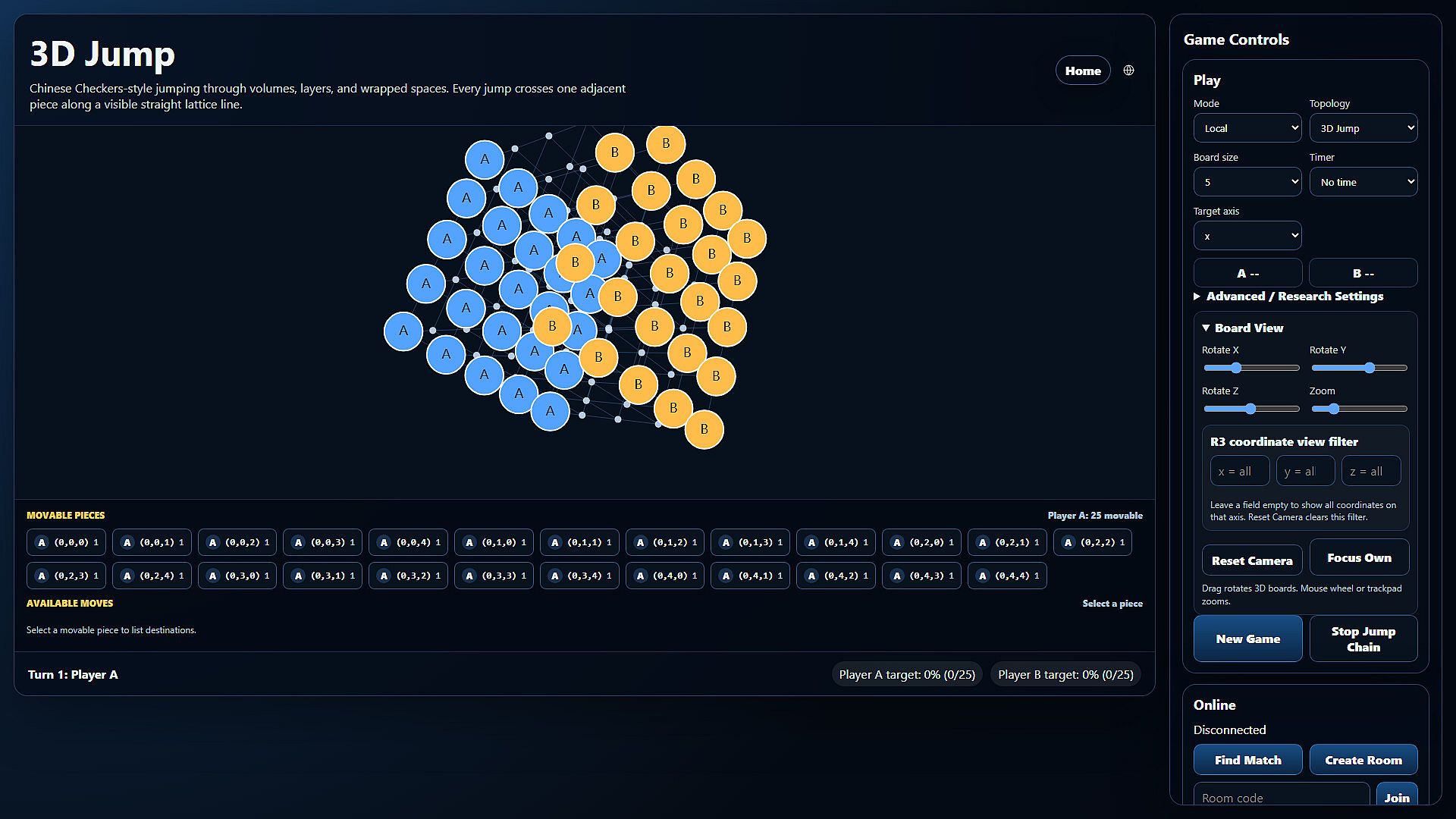
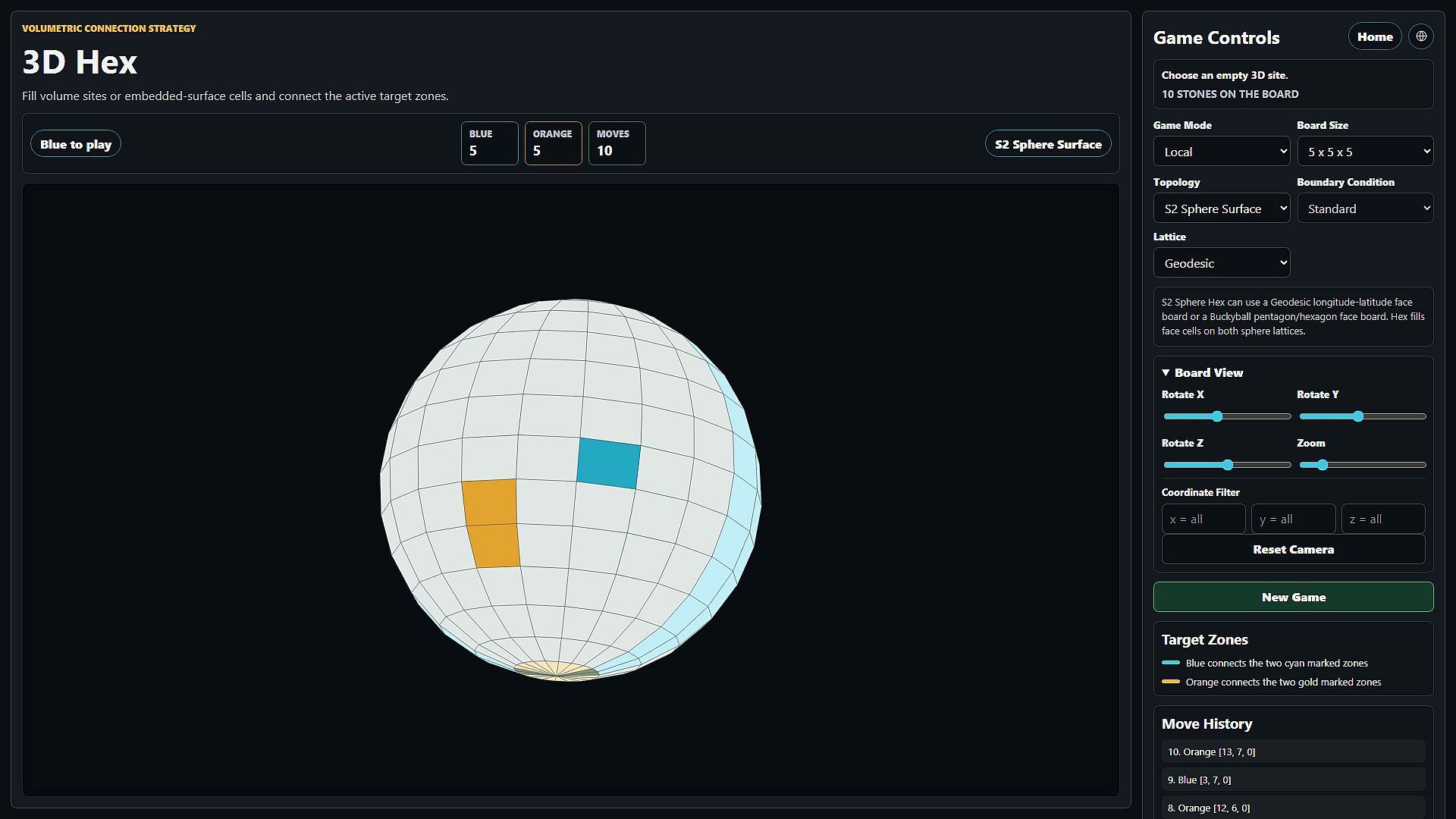
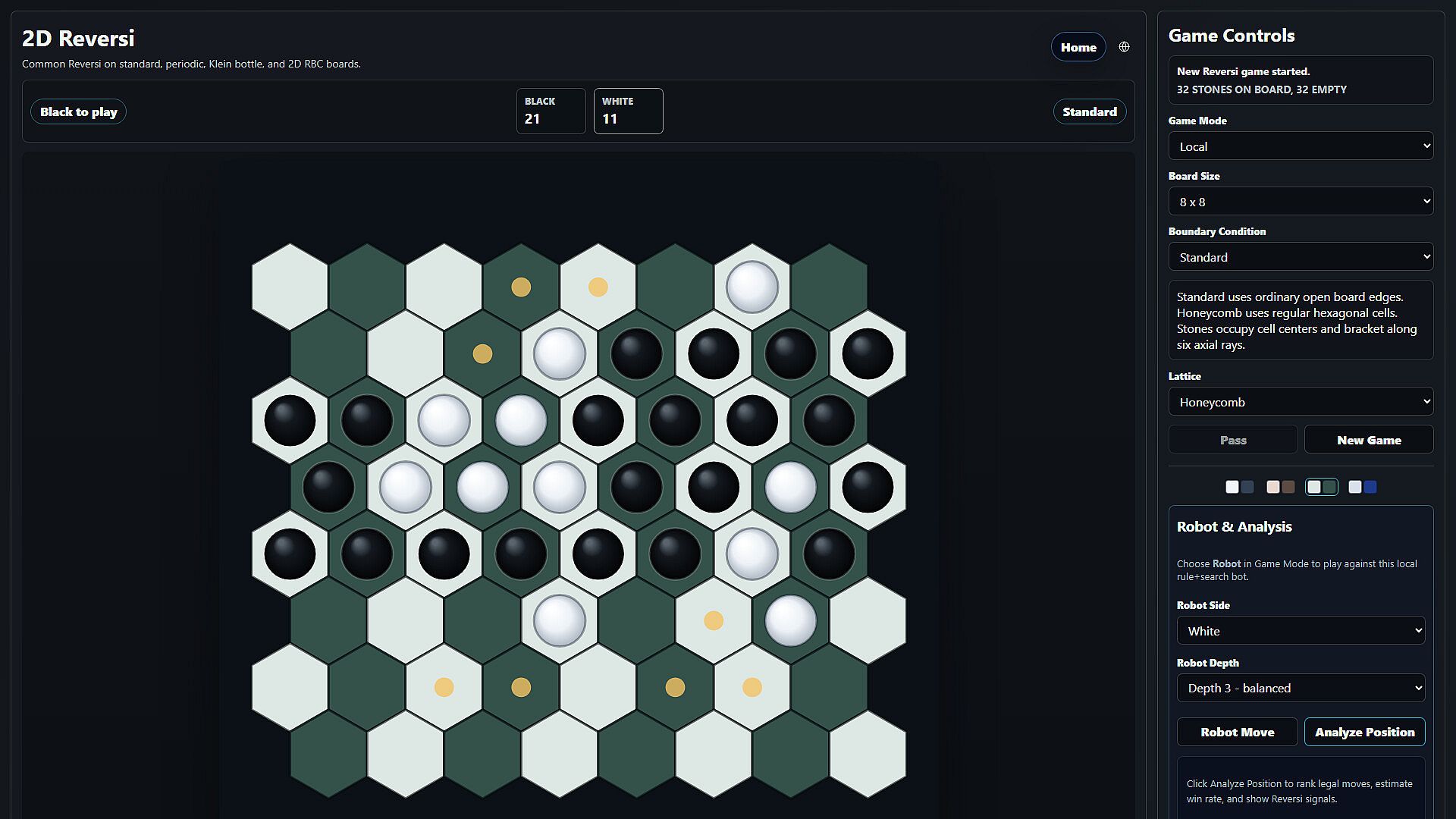
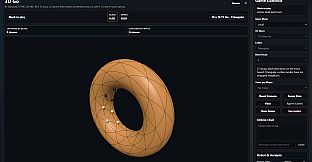
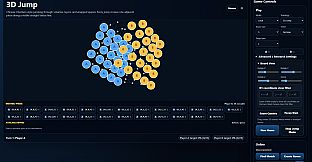
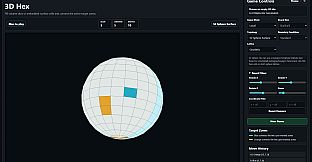
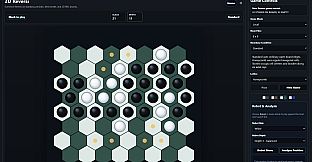
Topological Board Game is an abstract strategy board game available on PC that turns familiar board game rules into experiments across unusual geometric spaces. Players explore how movement, capture, and influence shift when boards wrap, reflect, or extend into higher dimensions instead of staying fixed on square grids.
Gameplay
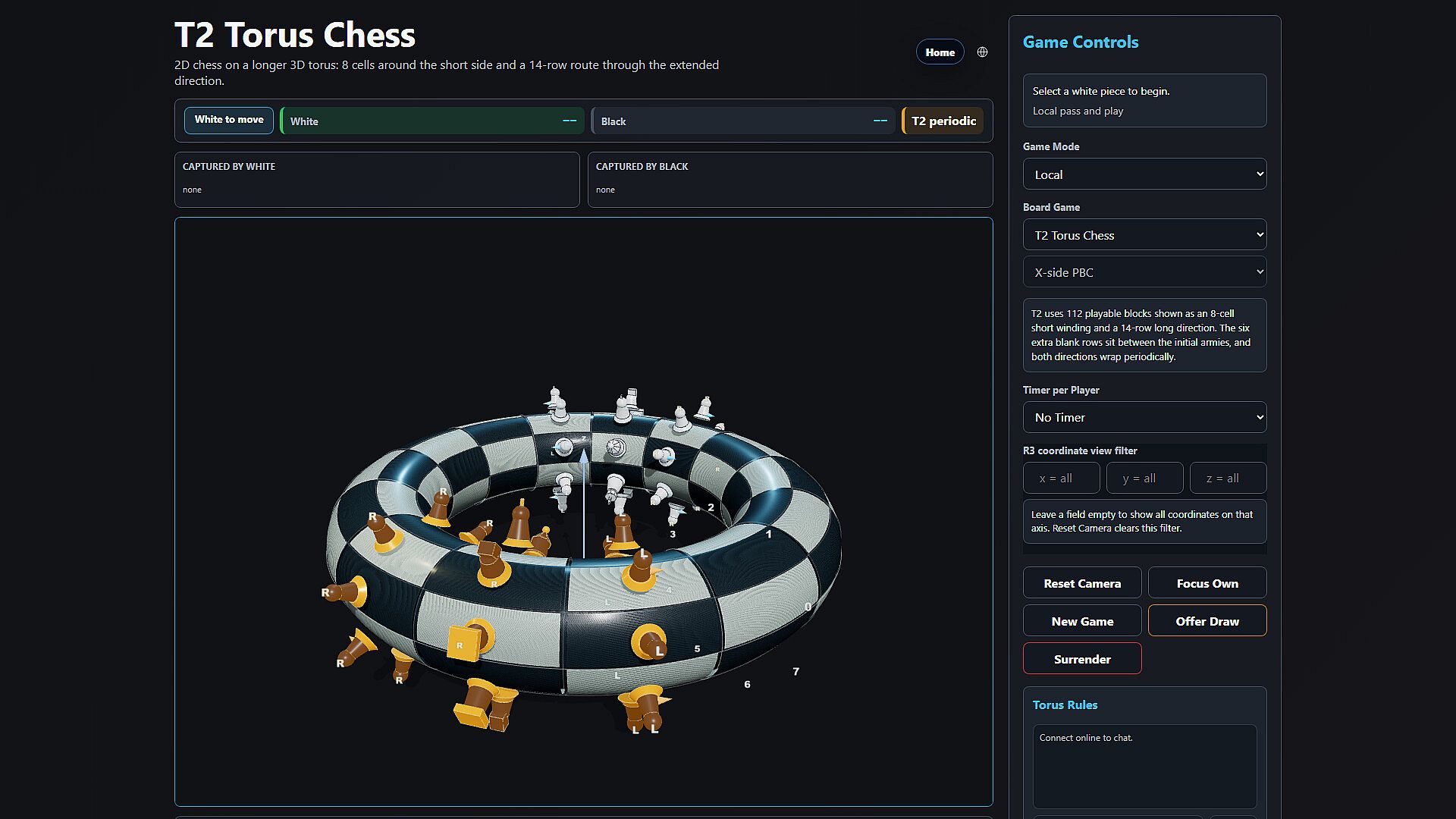
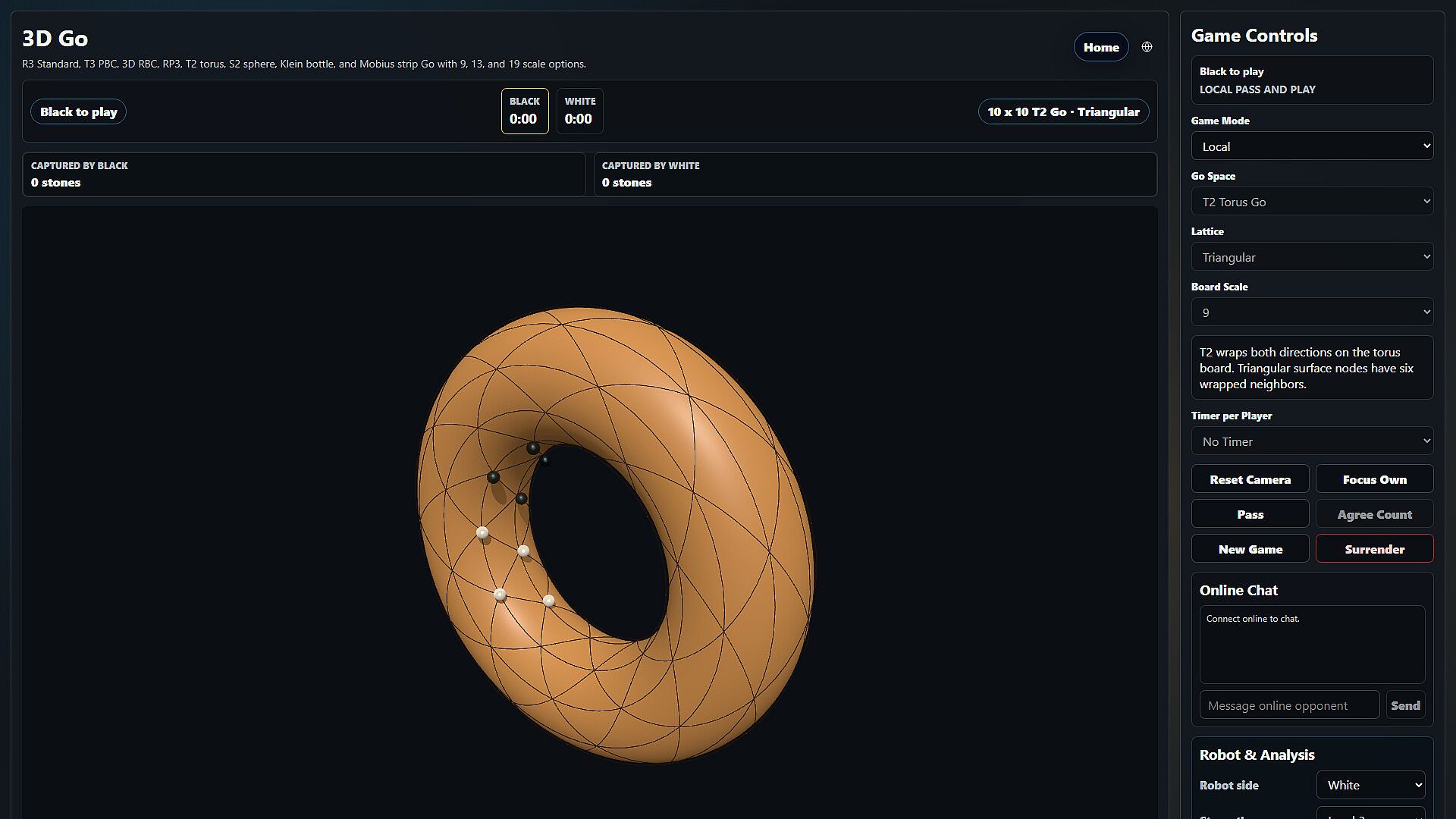
The core loop centers on placing or moving pieces according to rules drawn from classics like chess, go, reversi, and jump games, then observing how those same rules produce different outcomes on altered boards. Spaces can open up, wrap around edges, reflect moves back, or stack into multiple layers, which changes locality and strategy without altering the basic piece behaviors. This setup lets players test ideas about connectivity and boundaries directly through play rather than through abstract theory.
Piece interactions remain grounded in the selected foundation rules, yet the underlying lattice or boundary conditions reshape every decision. A single move might connect distant areas on a wrapped board or create unexpected chains in a reflected space. The result is a sandbox where strategy emerges from the geometry itself, rewarding careful observation of how small changes in the board structure affect long-term control and positioning.
Game Modes
Life mode shifts the focus from static pieces to evolving systems modeled on biological principles. Cells or organisms follow interaction rules that depend on the chosen neighborhood and the surrounding topology, allowing populations to grow, compete, or stabilize according to the board's shape and dimensions. Different lattices and boundaries alter how signals or resources spread, turning each session into a study of how geometry influences living patterns.
Labs mode treats pieces as representations of particles, fields, or other mathematical objects. Rules here derive from the physical or abstract relations of the chosen system rather than traditional win conditions, so players manipulate excitations, domains, or worldlines within the selected space. This mode supports both casual experimentation and deeper analysis of how topology affects the underlying model.
Additional variants embed the same core rules into two-dimensional, three-dimensional, or four-dimensional setups, plus spacetime versions that incorporate timing elements. These options keep the familiar movement types intact while the extra dimensions or time schedules introduce new layers of planning around reach and sequence.
Player Experience
The game supports zero-player simulations, solo play, and two-player matches, making it suitable for both quiet study and direct competition. Research-oriented tools let users adjust parameters, run batch experiments, and compare outcomes across different spaces, which appeals to anyone interested in seeing how small topological changes ripple through strategy. Casual sessions focus on quick matches with standard rules on novel boards, while deeper sessions involve tweaking boundaries or adding noise to observe emergent behaviors.
Because the platform remains free to play, entry requires no purchase, and the emphasis stays on exploration rather than progression systems or unlocks. Sessions can range from short tests of a single board configuration to extended comparisons of multiple topologies, fitting different attention spans and interests.
Is It Worth Playing?
Topological Board Game suits players who enjoy abstract strategy with a mathematical or scientific angle. Its free availability removes any financial barrier, and the variety of spaces and rule foundations provides ongoing novelty without requiring additional content. Those drawn to systems thinking or cellular automata will find the Life and Labs sections particularly engaging, while fans of chess or go variants can experiment with familiar mechanics in unfamiliar settings. The current state centers on these core experimental features, with no seasonal updates or competitive ladders reported. If the idea of strategy shaped by topology appeals, the game offers a distinctive sandbox worth trying directly.