




















![The Messenger Soundtrack - Disc I: The Past [8-Bit]](https://img.xd.deals/capsules_thumbs/8d/a4/8da4f631b029ceff4d60779234c676f7e6b6e864634ca55f_120x68.jpg)
![The Messenger Soundtrack - Disc II: The Future [16-Bit]](https://img.xd.deals/capsules_thumbs/8d/a4/8da4f631b029ceff4d60779234c676f7e6b6e86405a10efc_120x68.jpg)


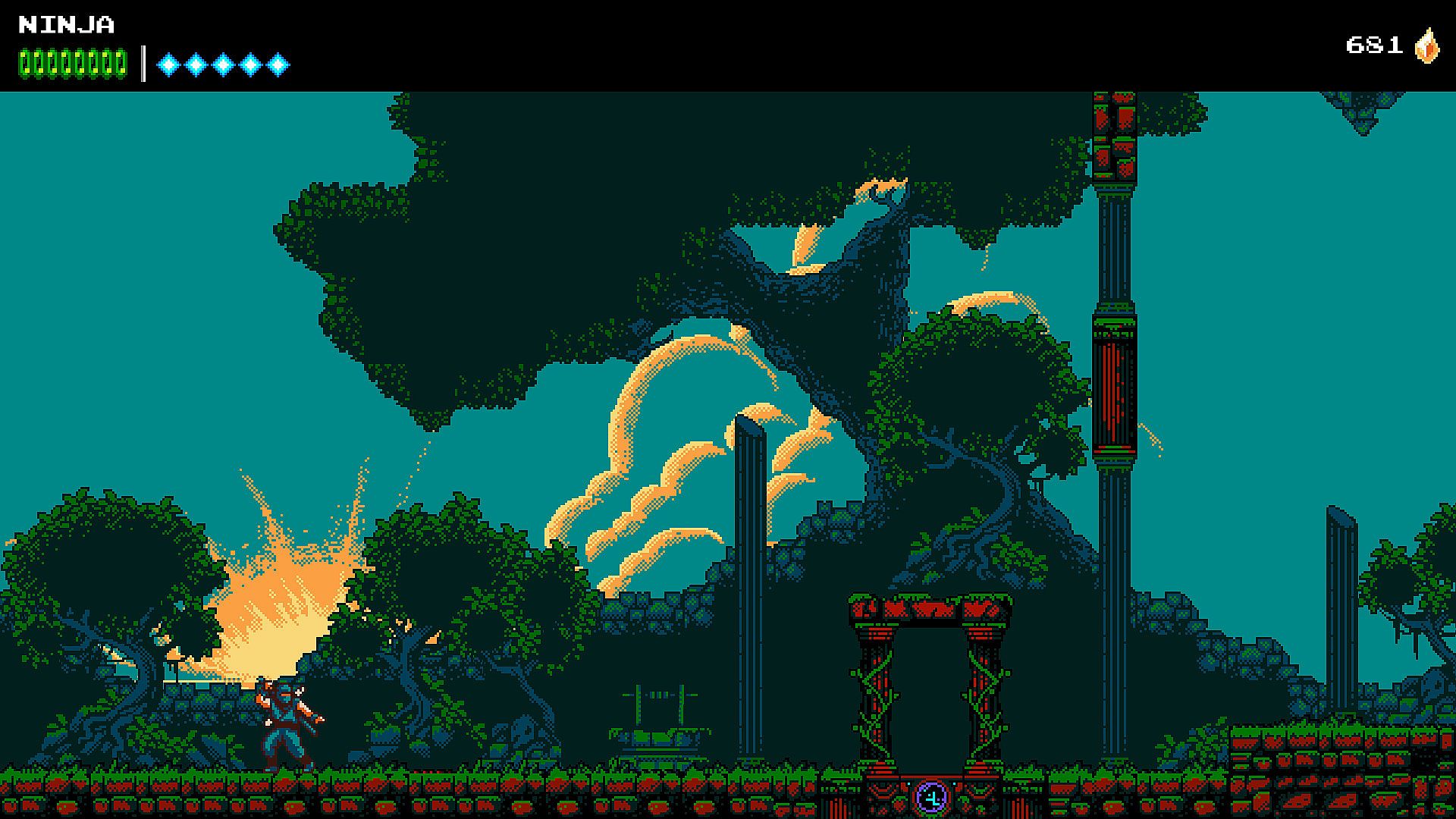
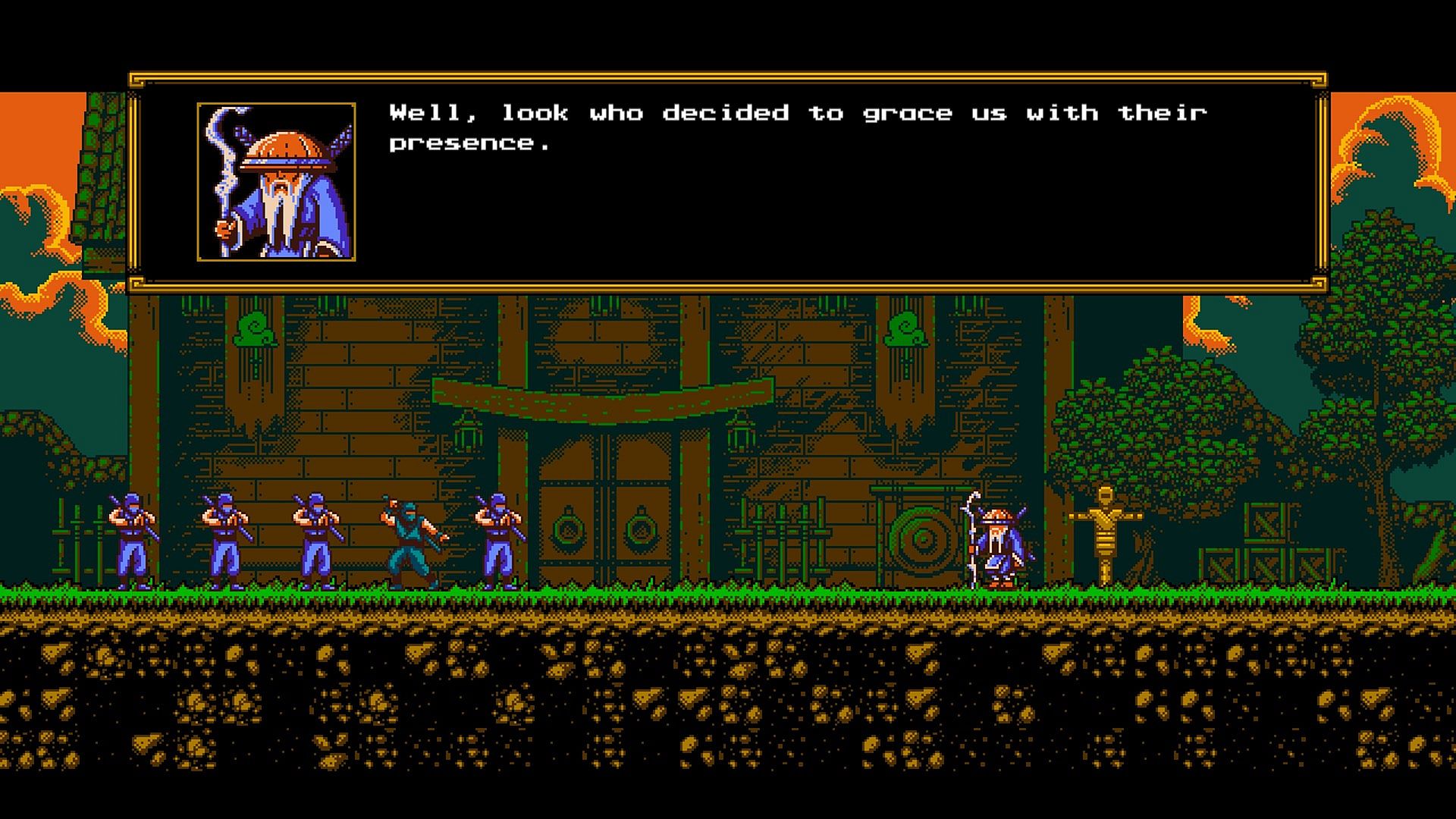
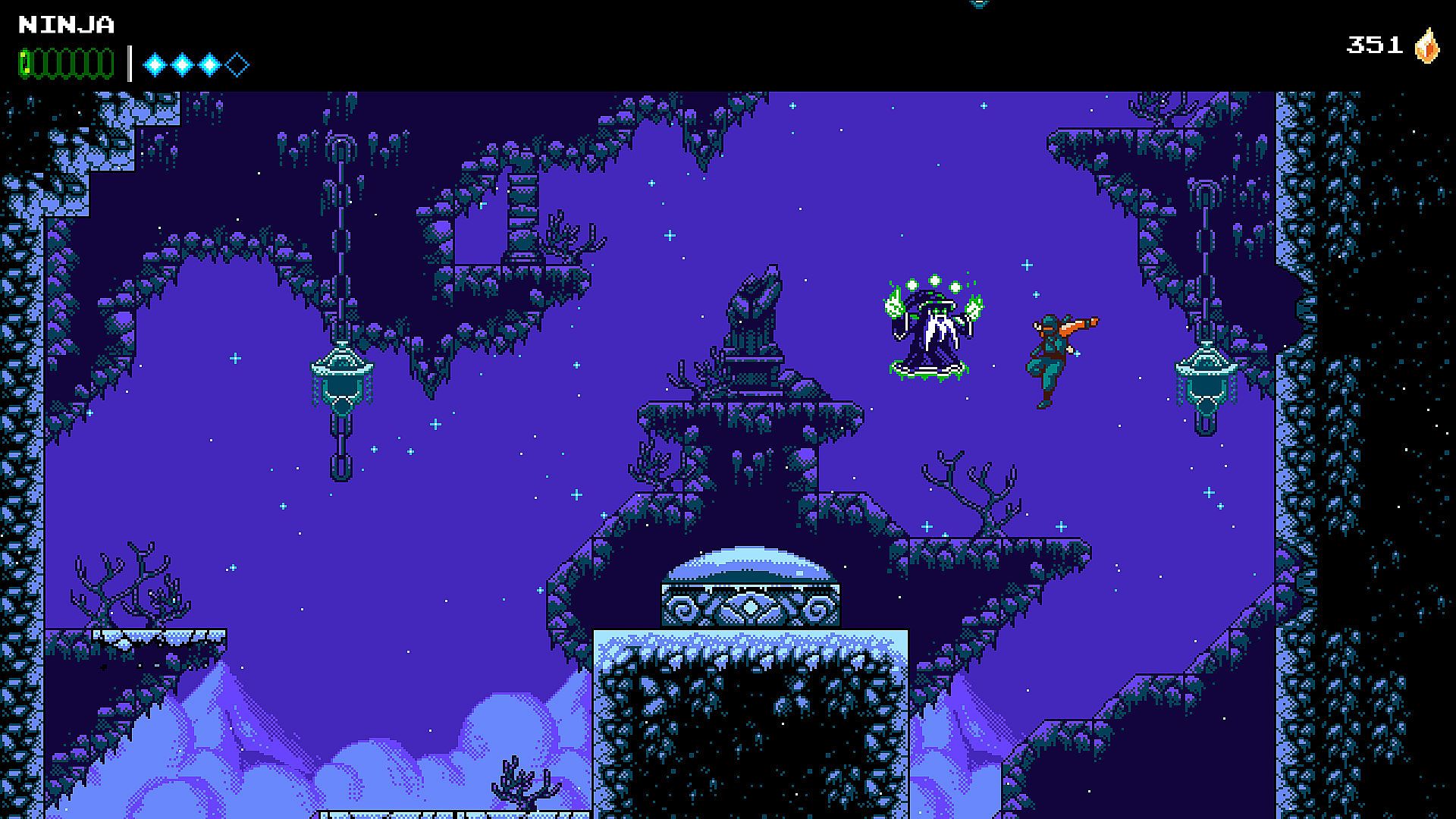
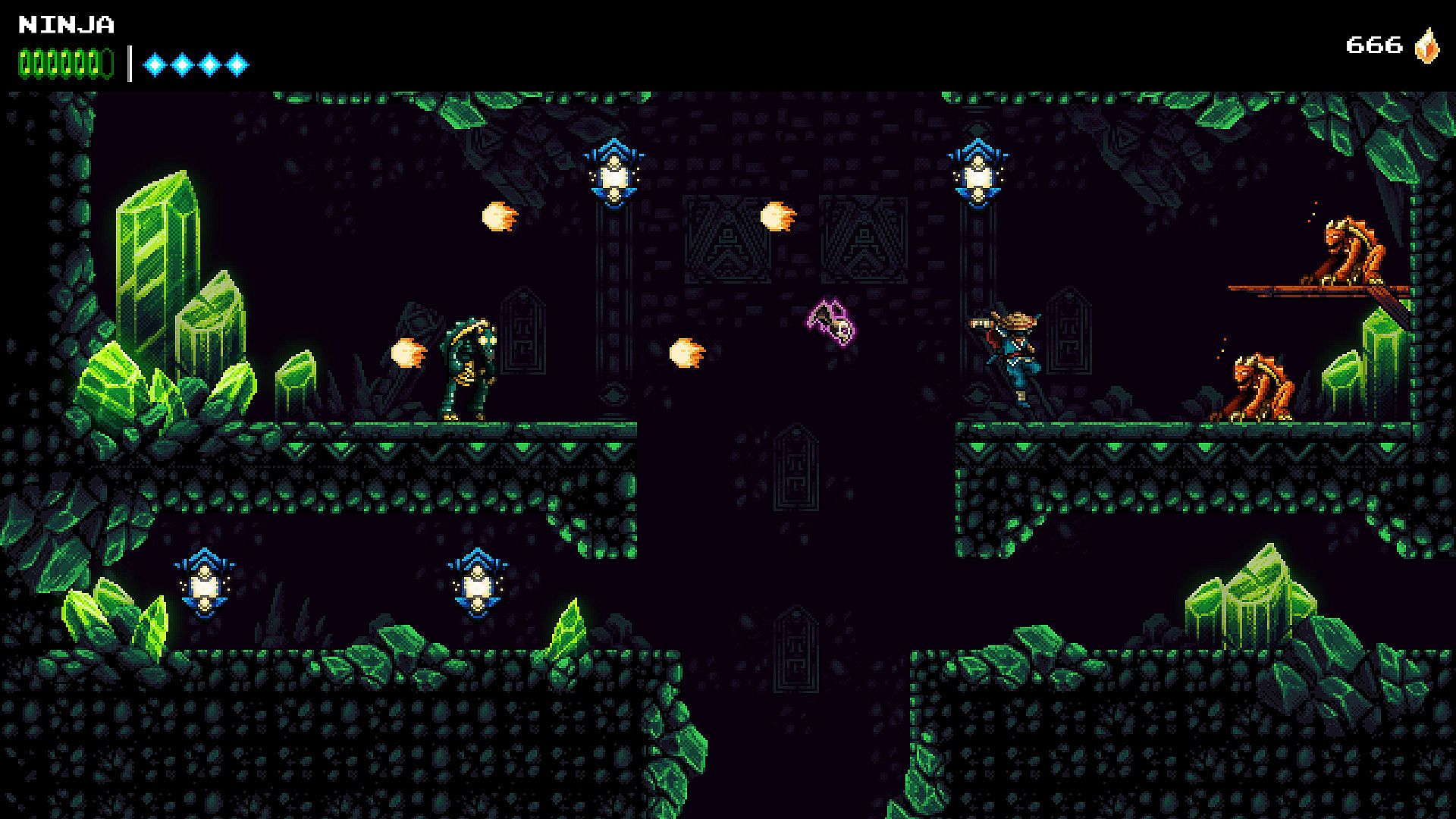
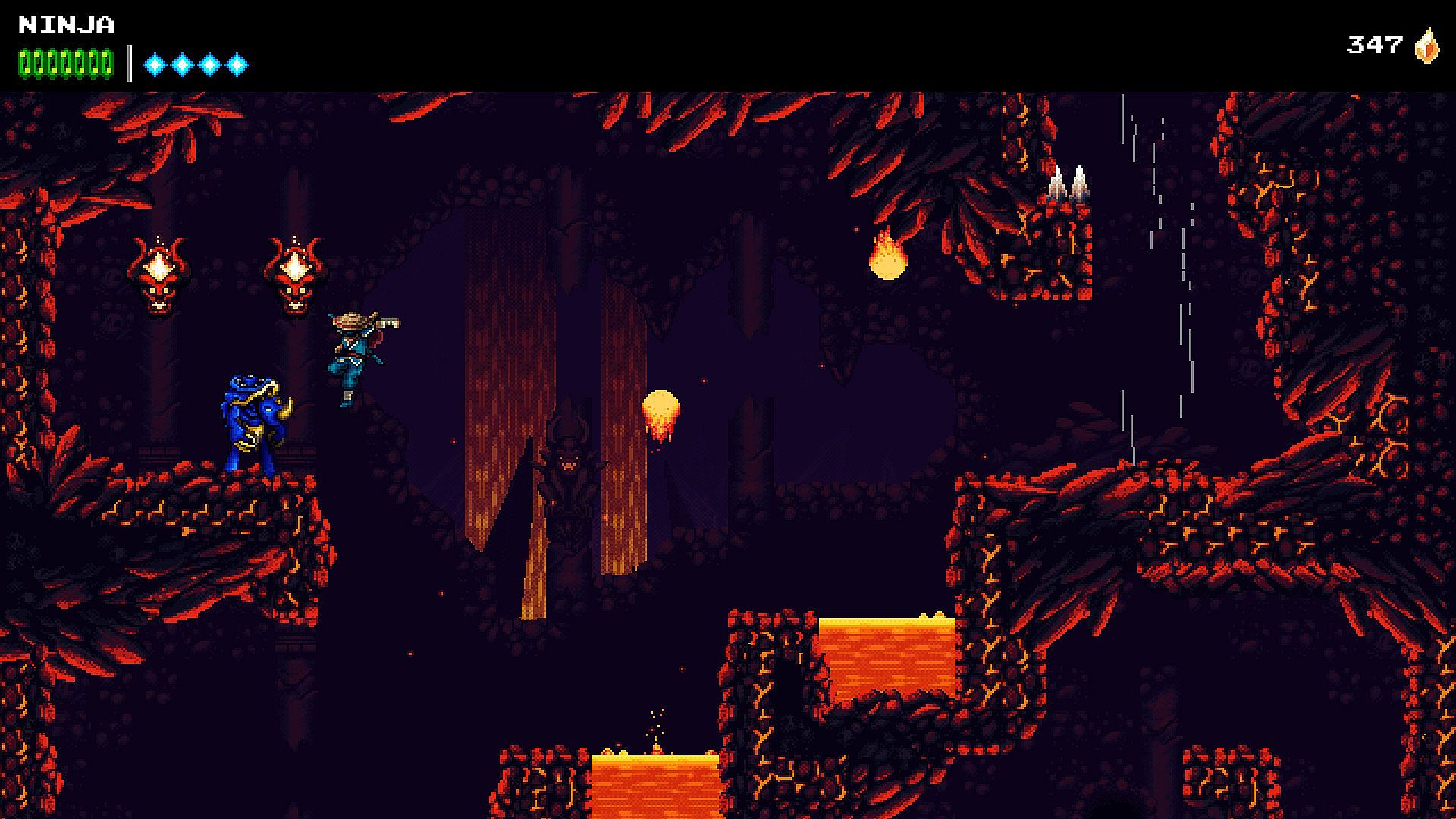
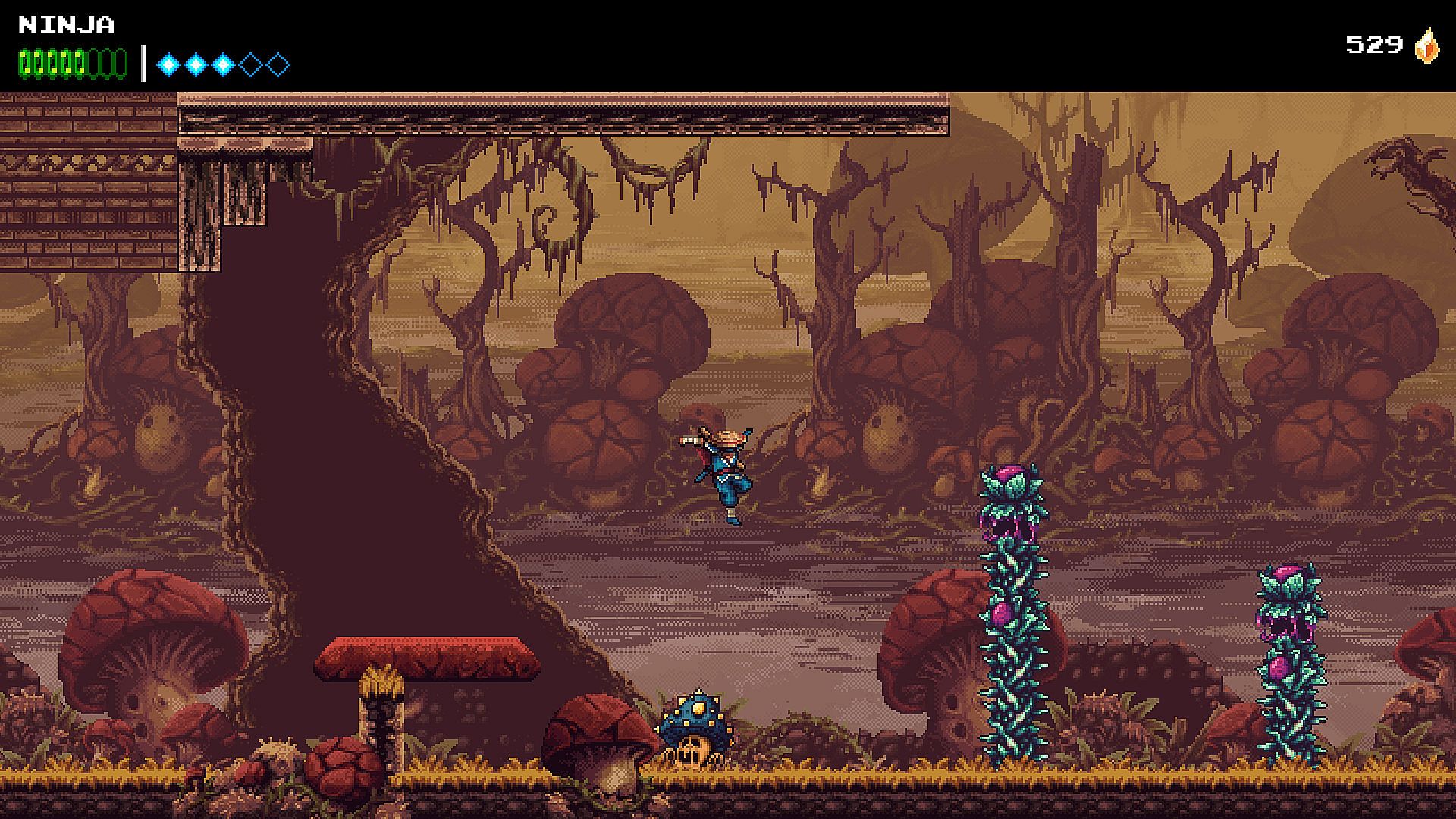
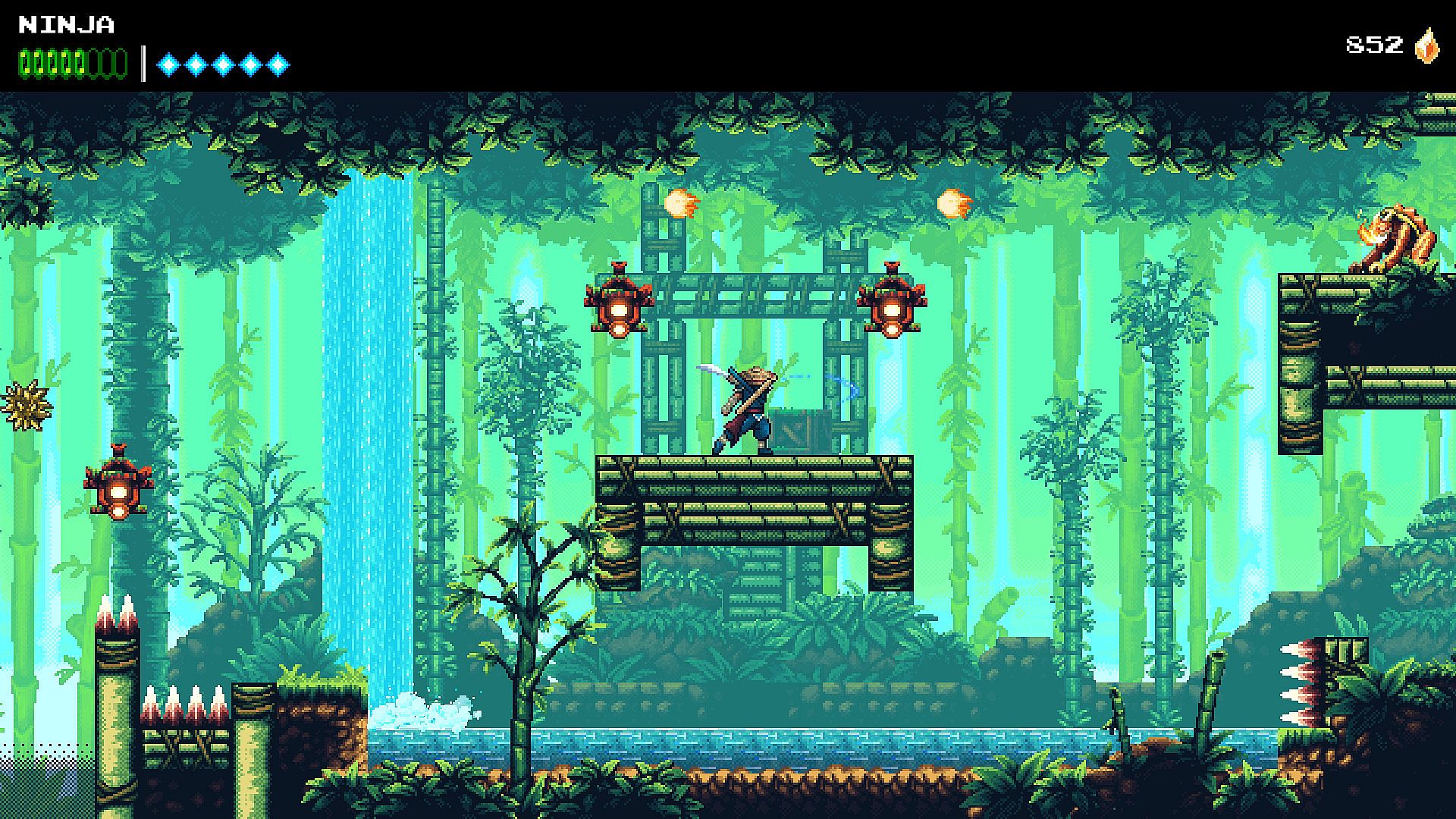
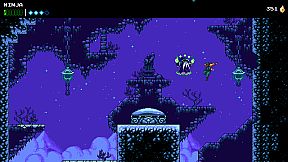
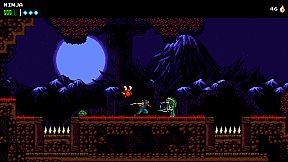
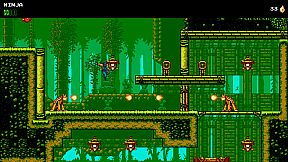
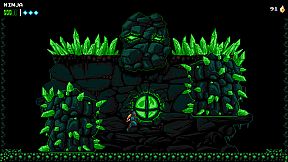
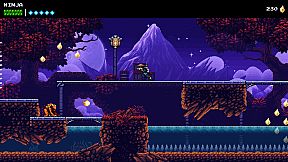
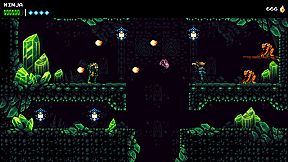
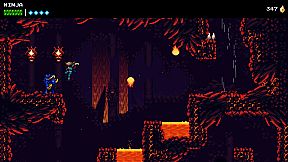
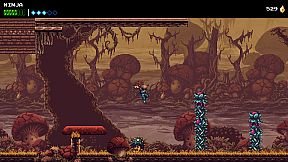
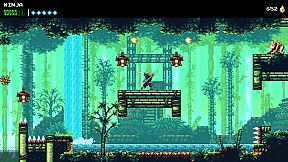
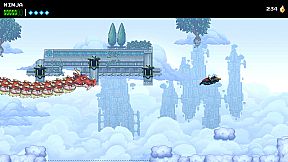
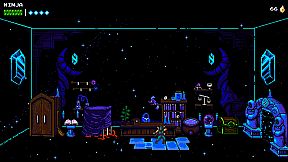
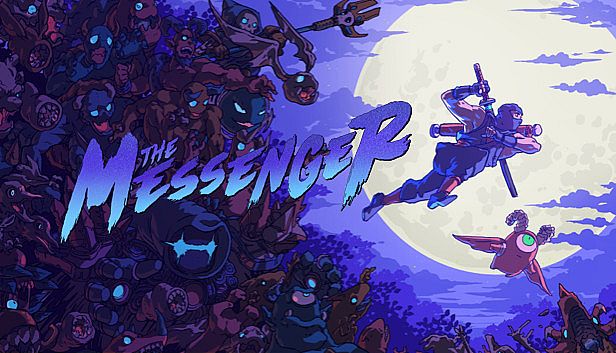
The Messenger is a single-player action platformer developed as an indie title for PC. It follows a young ninja tasked with delivering a vital scroll through a world under siege by demons. The experience begins with straightforward side-scrolling action before shifting into a larger adventure that incorporates time travel as a core element of progression and discovery.
Gameplay
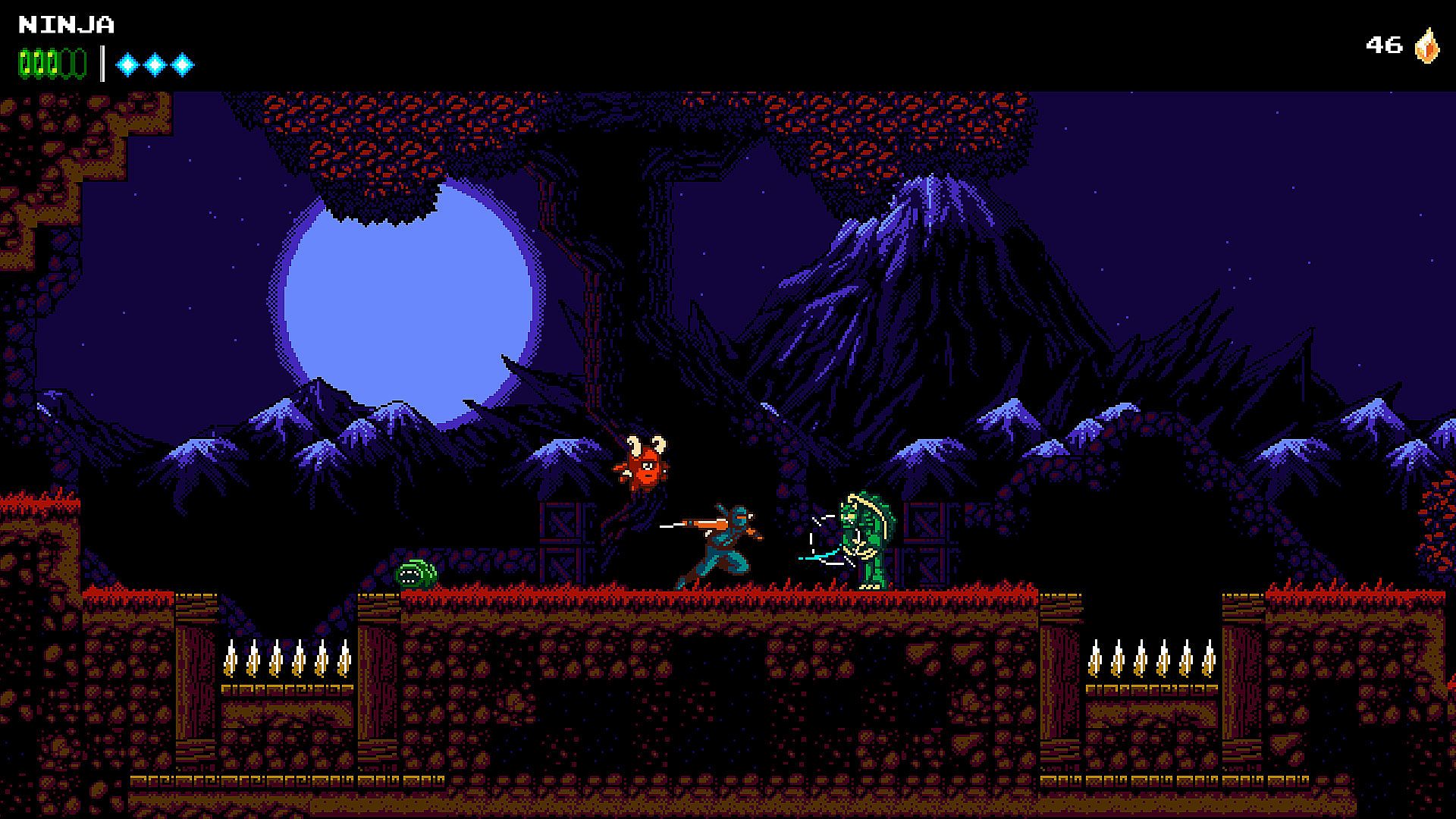
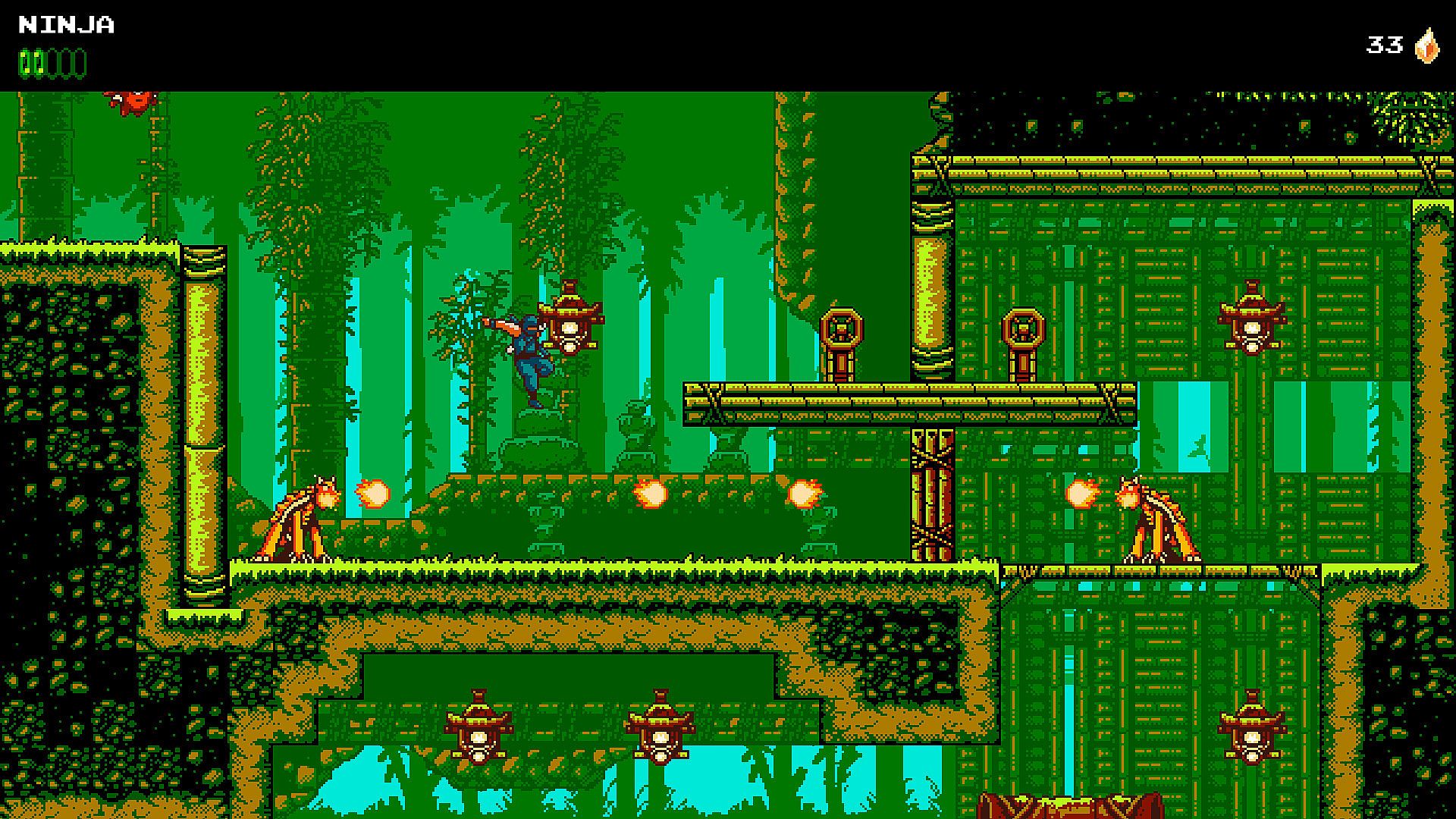
Players control the ninja protagonist through precisely timed jumps, wall climbs, and attacks that emphasize acrobatic movement. Controls remain tight throughout, rewarding accurate inputs during platforming sequences and enemy encounters. Combat involves basic sword strikes combined with later-acquired abilities that expand movement options and combat variety.
Progression centers on collecting upgrades that grant new traversal tools. These abilities open previously inaccessible areas, encouraging backtracking and exploration within interconnected levels. Hidden paths and optional challenges appear regularly, adding depth without requiring completion for the main story.
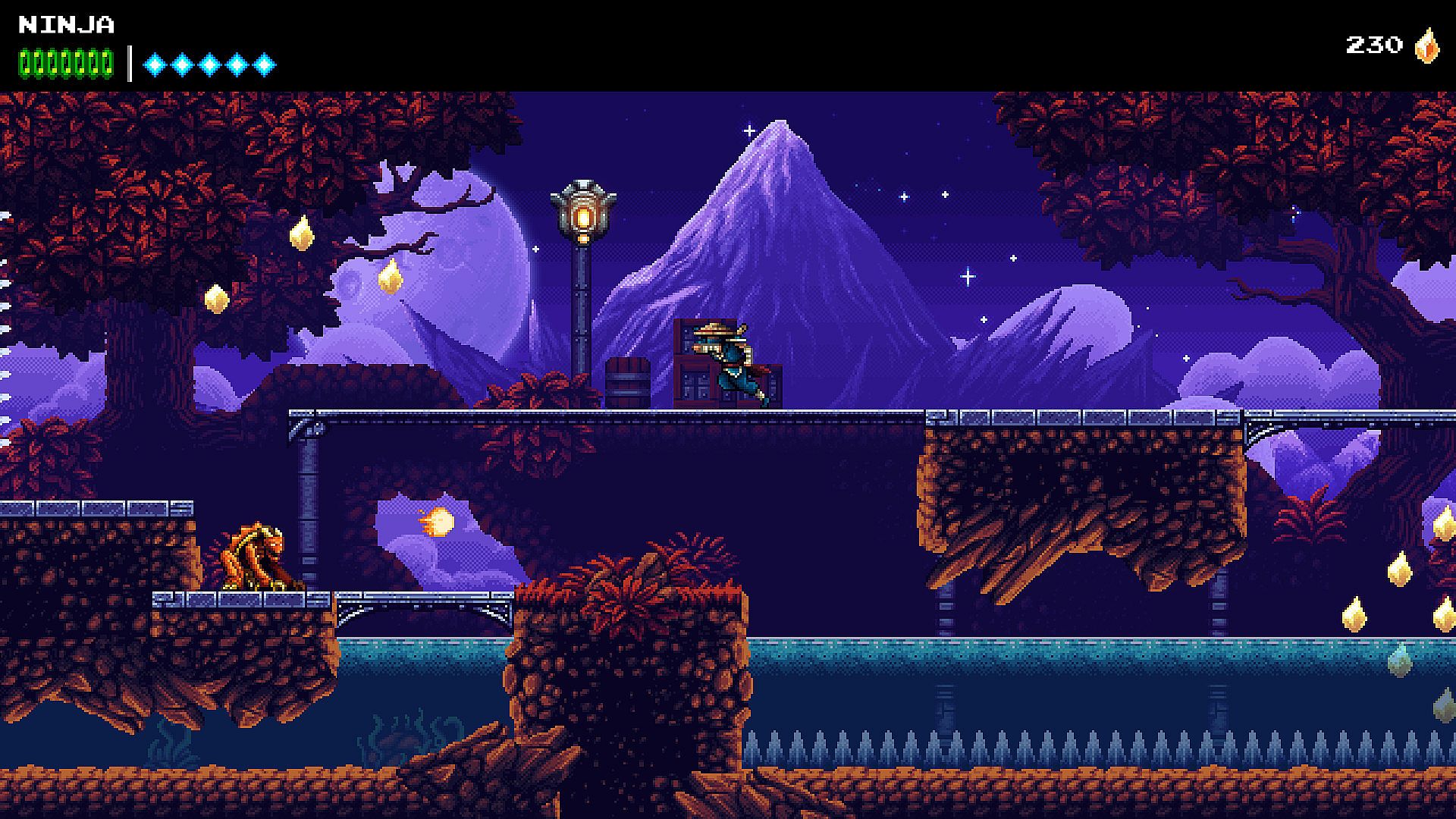
The game incorporates a time-travel mechanic that alters environments and enemy placements when shifting between eras. This system integrates directly into level design, creating new routes and puzzles that build on earlier sections. Branching paths emerge naturally from ability use, leading to different routes through the same areas.
Game Modes
The Messenger offers a single-player campaign as its primary experience. Players advance through a linear sequence of stages that gradually expands with exploration elements typical of Metroidvania-style design. No multiplayer components exist, keeping the focus on solo progression and mastery of the ninja's movement set.
Within the campaign, players encounter boss encounters and environmental challenges that test both platforming precision and combat timing. Hidden levels provide optional content for those seeking additional challenges after completing the main path. The structure supports replay through discovery of missed upgrades and alternate routes unlocked by new abilities.
Visuals and Audio Design
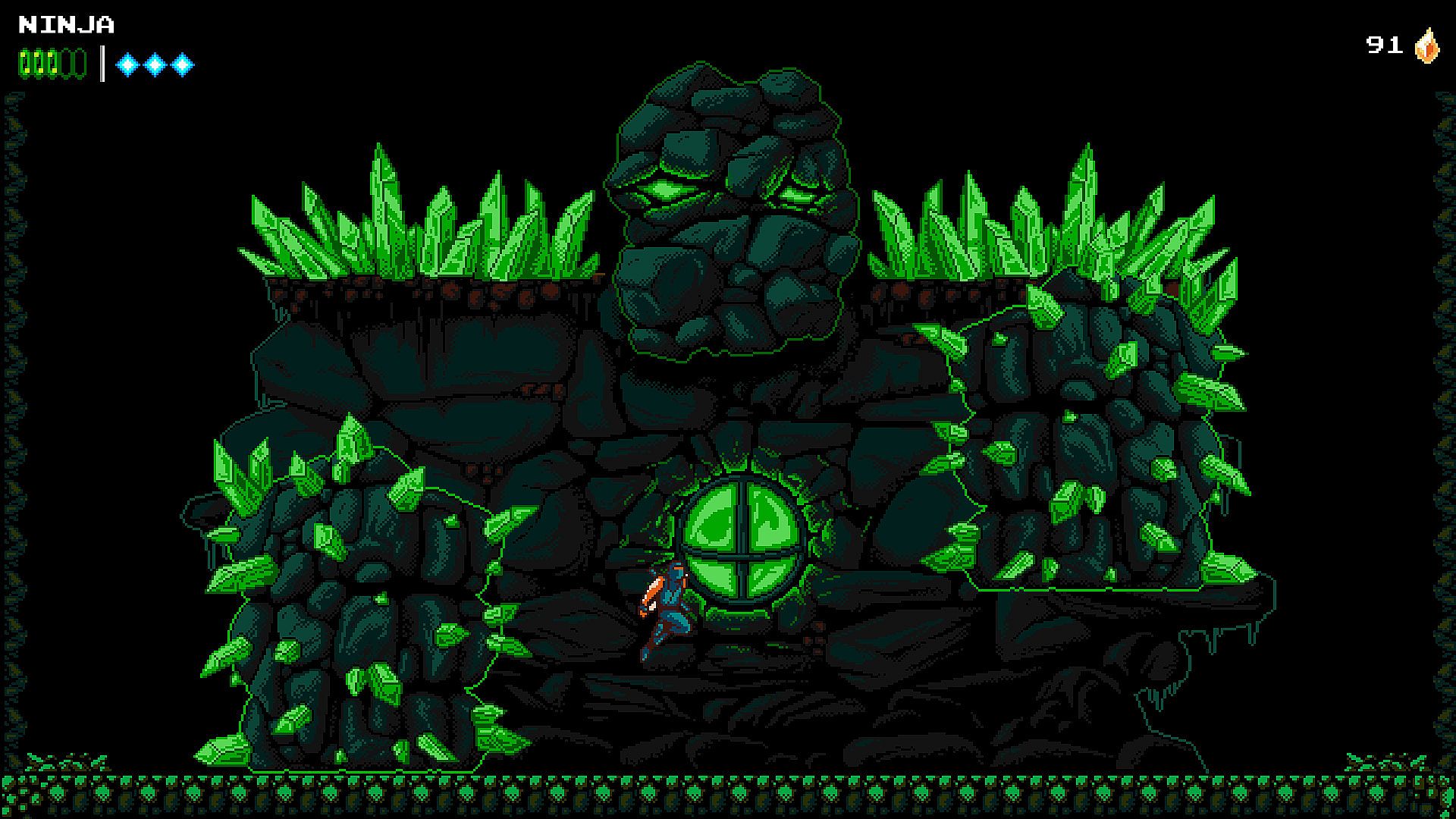
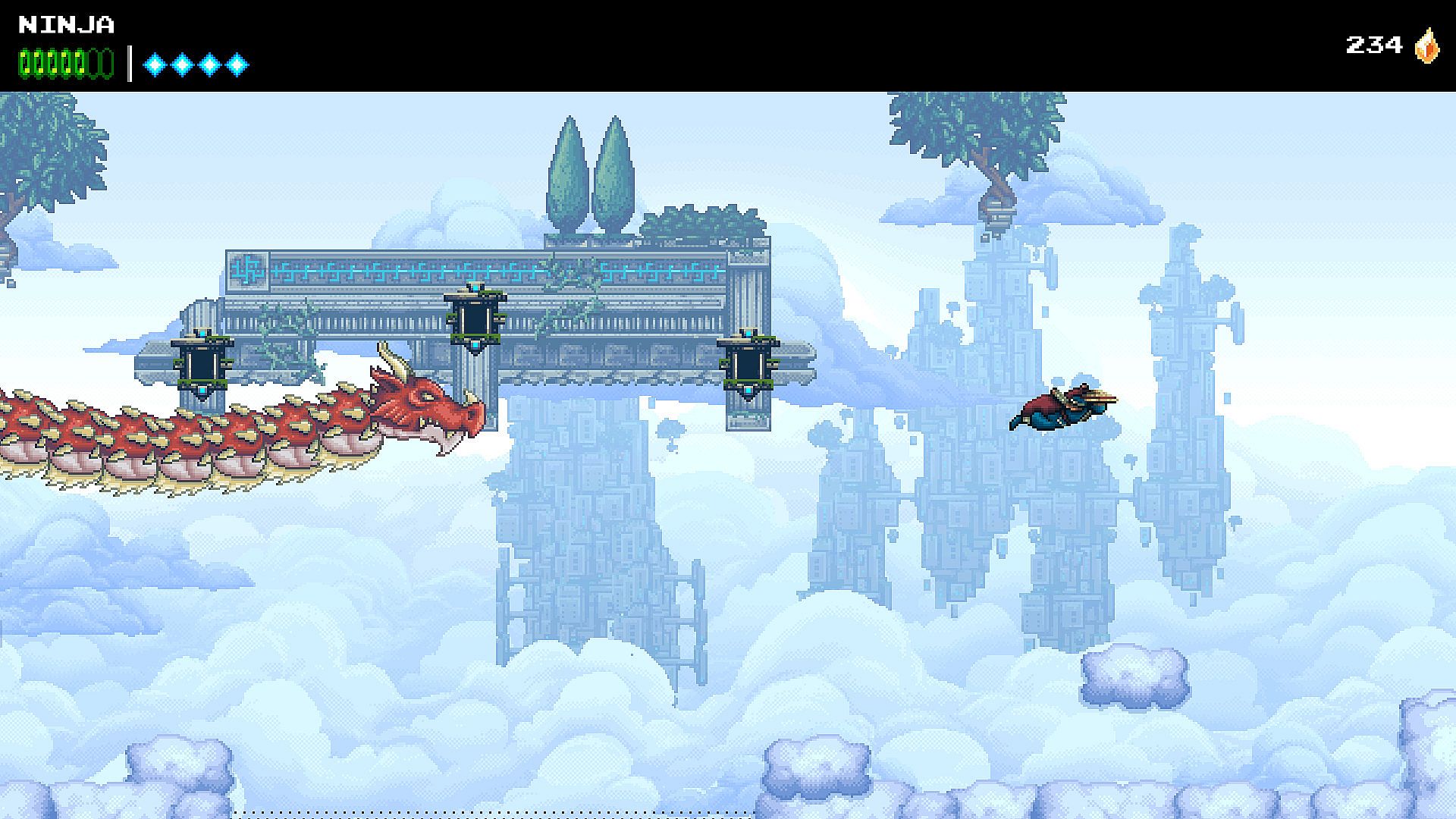
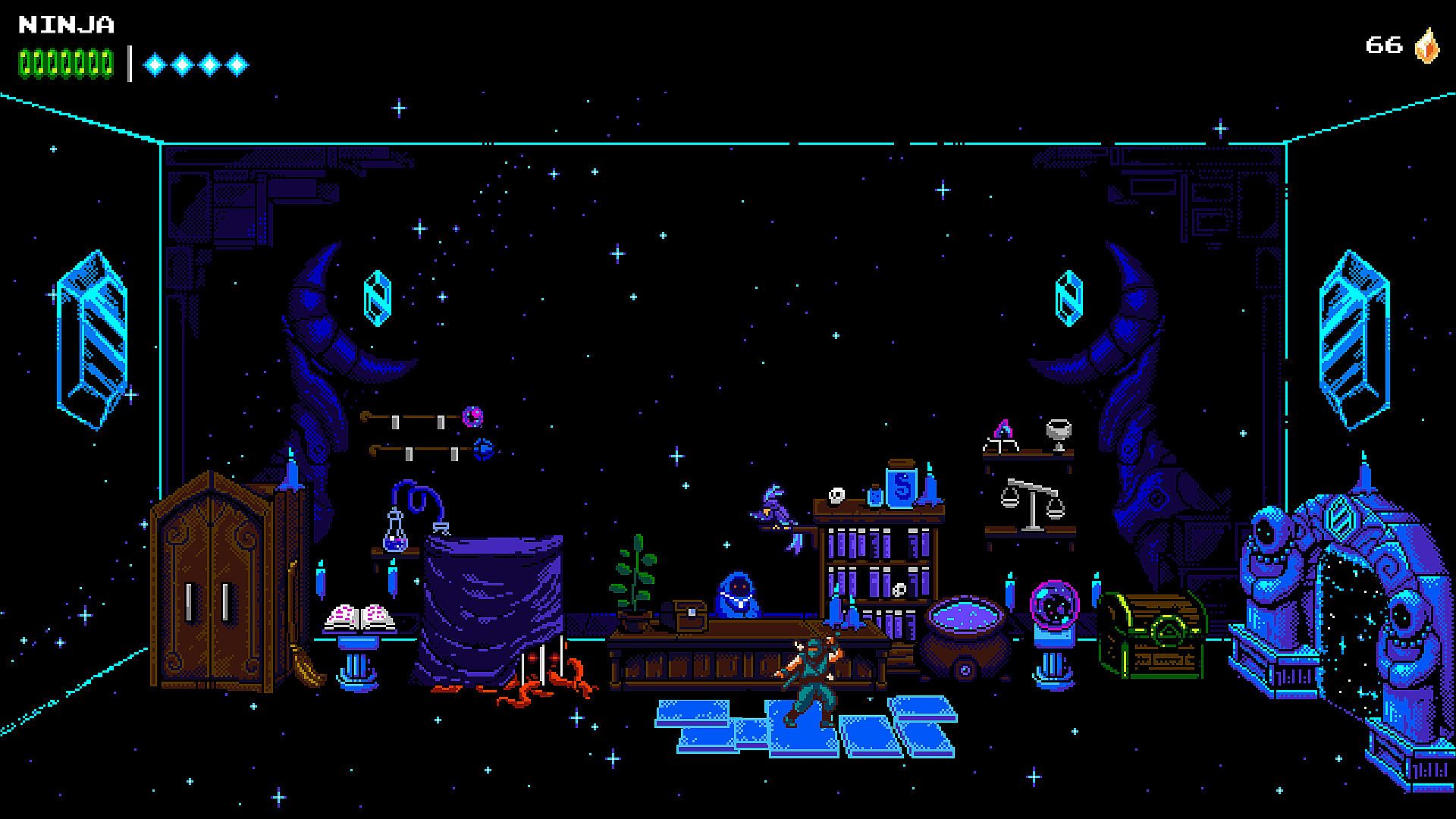
Graphics shift deliberately between 8-bit and 16-bit pixel art styles to match the story's time-travel theme. Early sections use simpler sprites and backgrounds, while later areas feature more detailed animations and environments that retain a retro aesthetic. All art maintains consistency with classic platformer traditions while adding modern polish to character movements and effects.
The soundtrack consists entirely of original chiptune tracks composed using Famitracker. Each stage features distinct music that complements the action and exploration, with variations that reflect the era shifts. Sound effects align with the pixel style, delivering crisp feedback for jumps, attacks, and interactions.
Story and Progression
The narrative follows the ninja's journey from a straightforward delivery mission into a broader conflict involving multiple time periods. Offbeat characters populate the world, including various bosses and supporting figures who provide context through brief interactions. Humor appears in dialogue and situations without overshadowing the core action focus.
Story advancement ties directly to level completion and ability acquisition. Time travel serves as both a mechanical and narrative device, revealing new information about the cursed world and the scroll's importance. The pacing balances intense platforming sections with moments of discovery in newly accessible areas.
Is It Worth Playing?
The Messenger suits players who enjoy precise 2D platformers with exploration and ability-based progression. Its single-player structure delivers a complete campaign focused on skill development and level mastery rather than ongoing content updates. Strong player reception highlights the responsive controls, visual style, and soundtrack as standout features that hold up well years after release.
Those seeking a self-contained retro-inspired adventure with a twist will find consistent challenge and satisfying progression. The absence of multiplayer or seasonal content keeps the experience focused on the core campaign, making it ideal for dedicated play sessions rather than extended live-service engagement. Availability on PC supports straightforward access for anyone interested in the genre.














