

























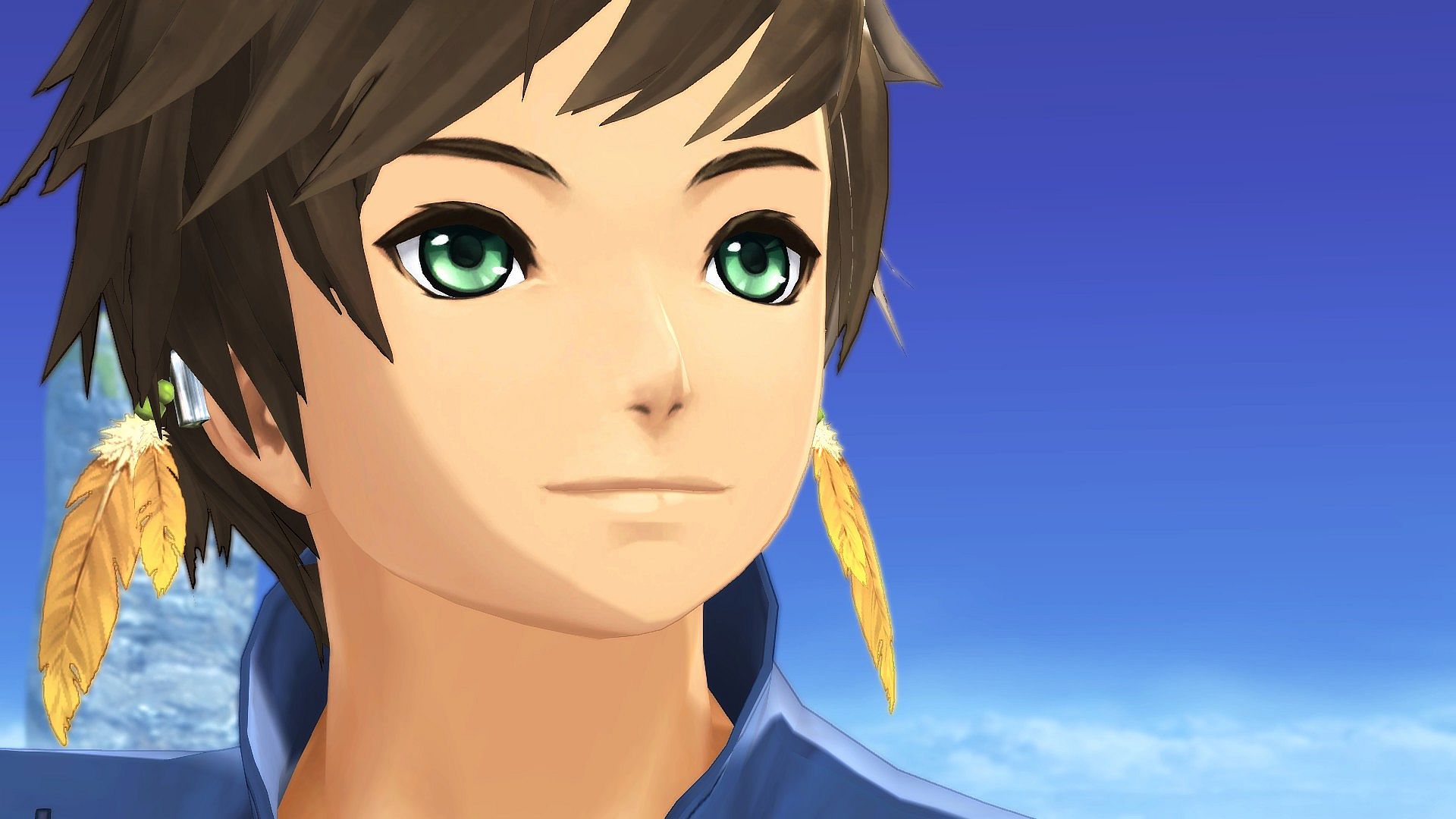
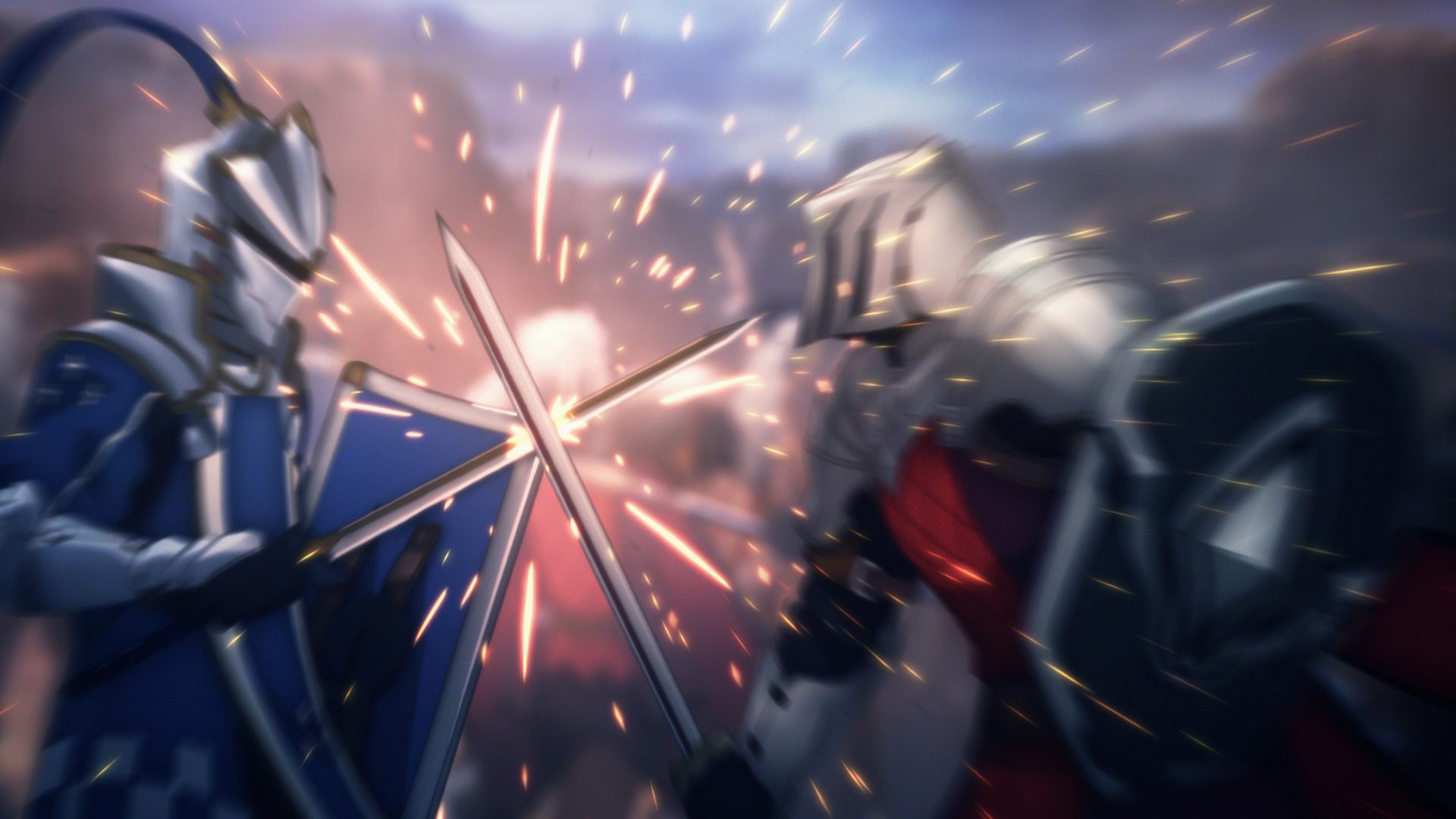
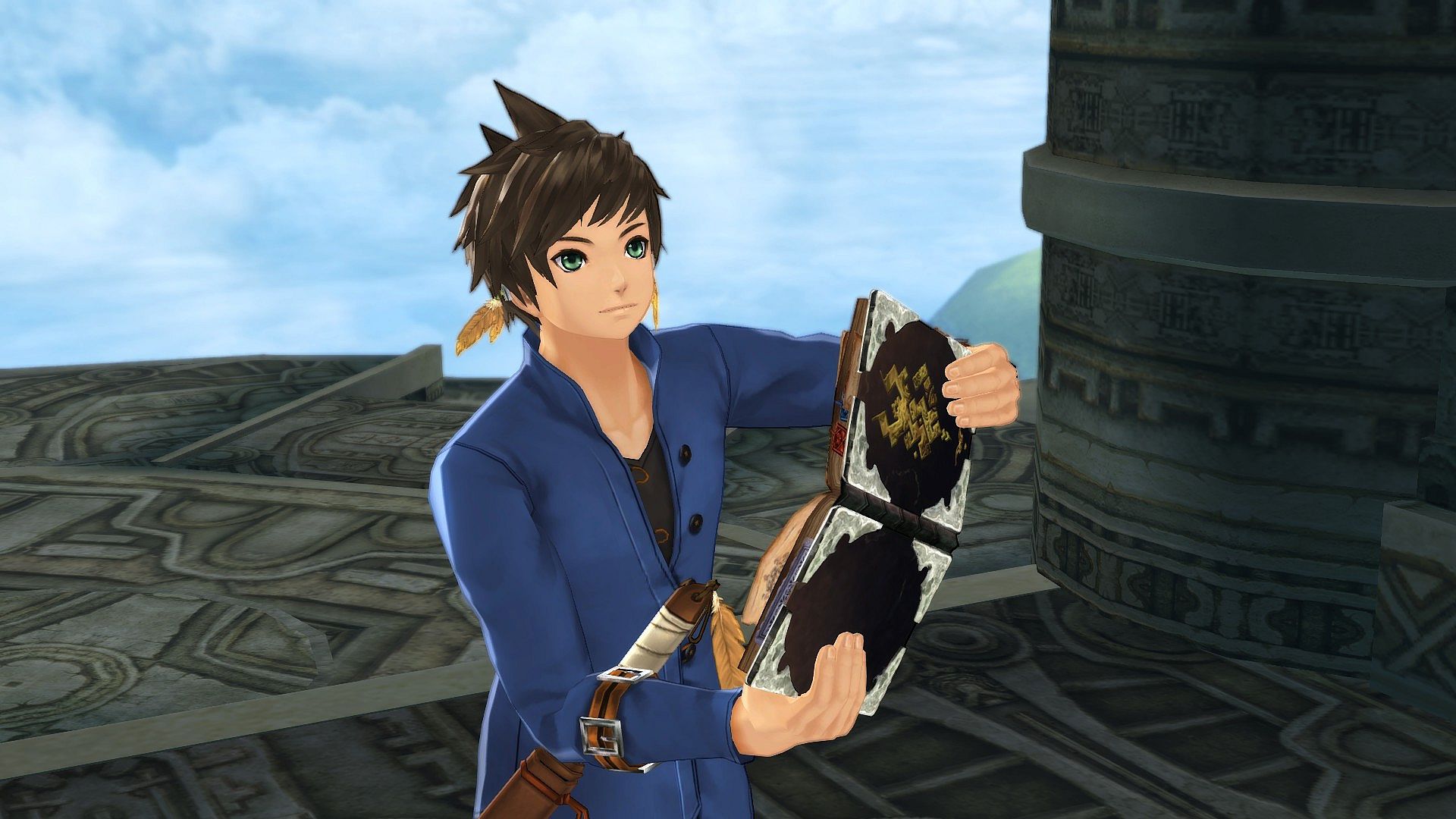
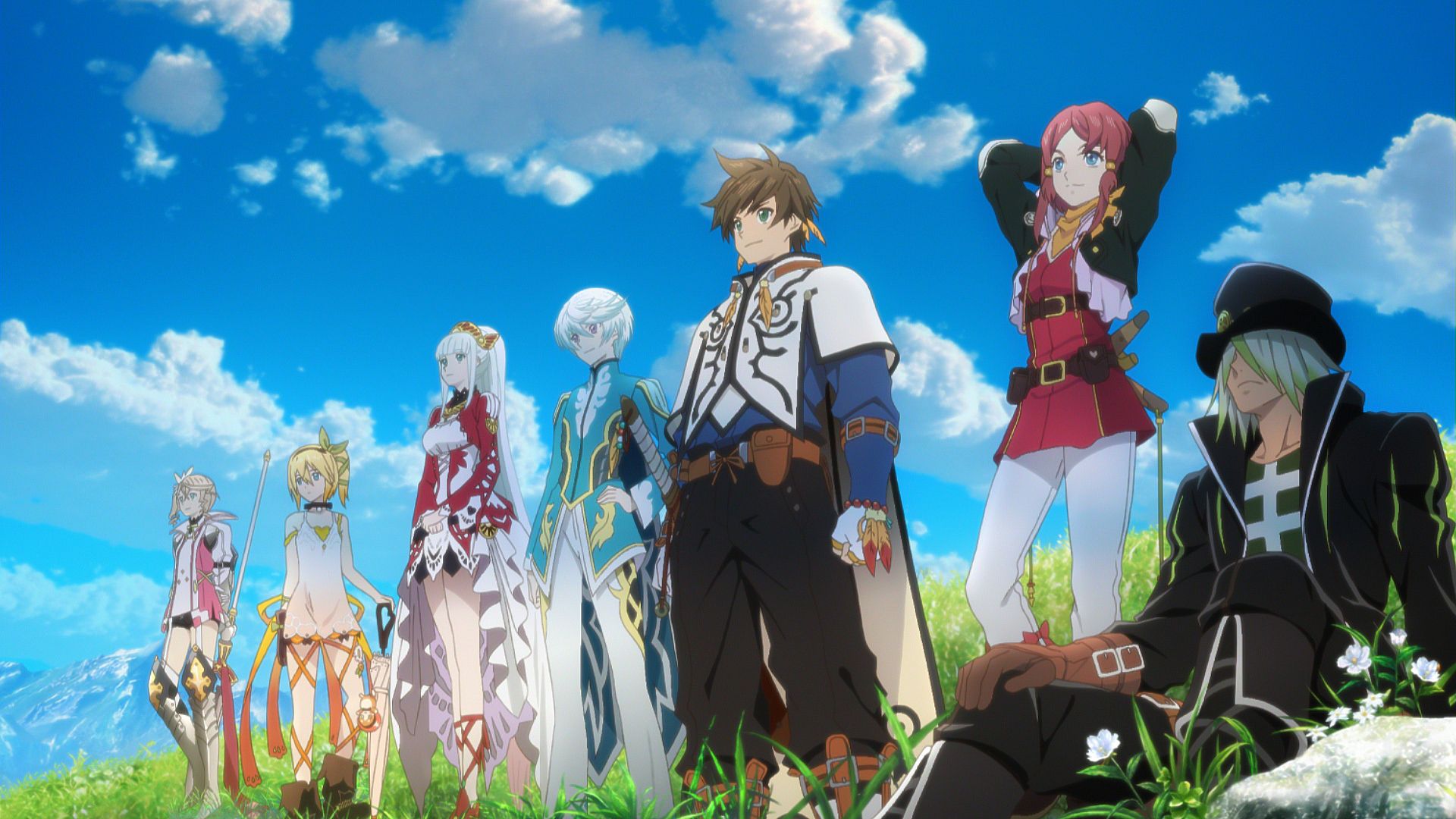
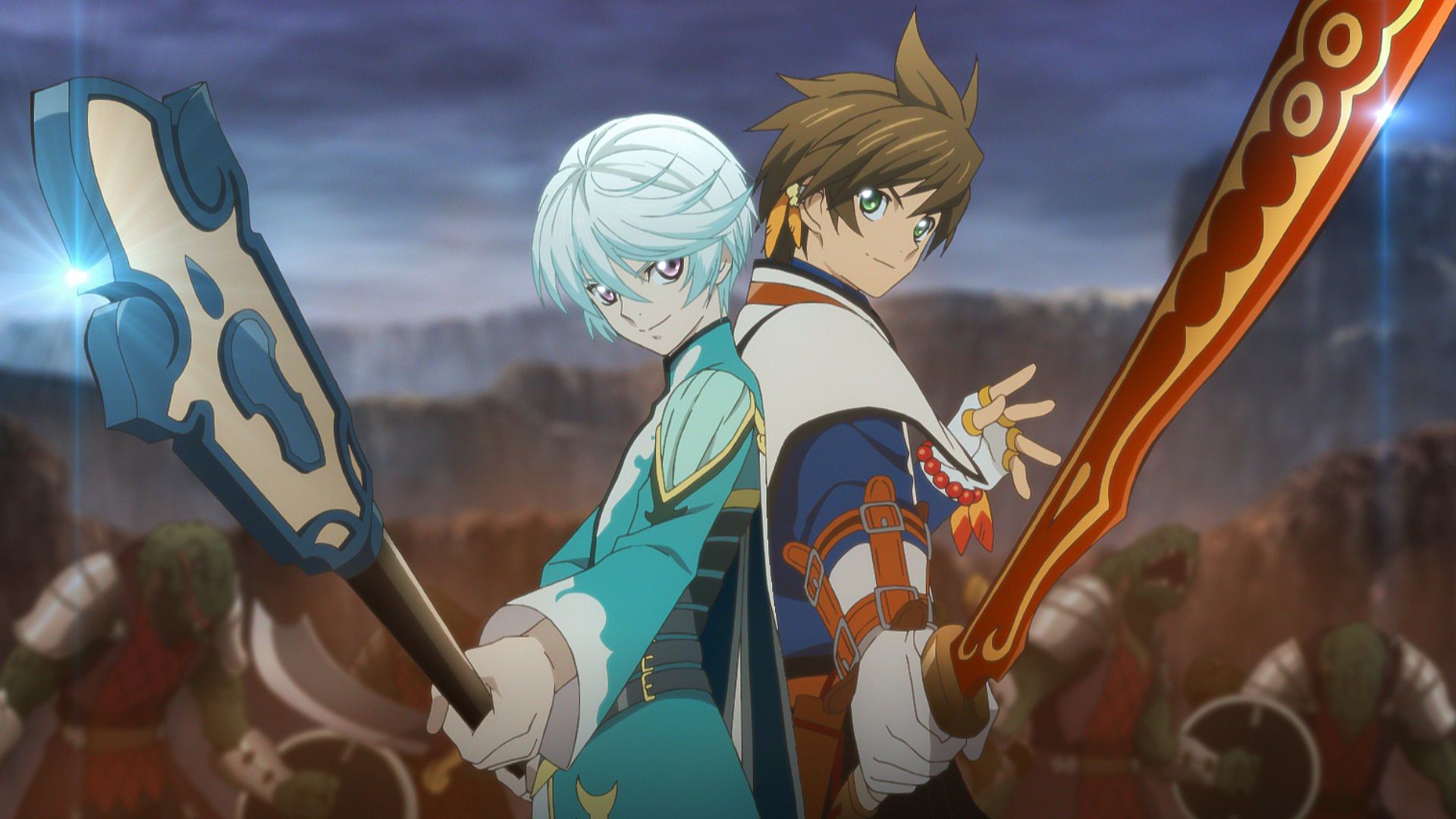
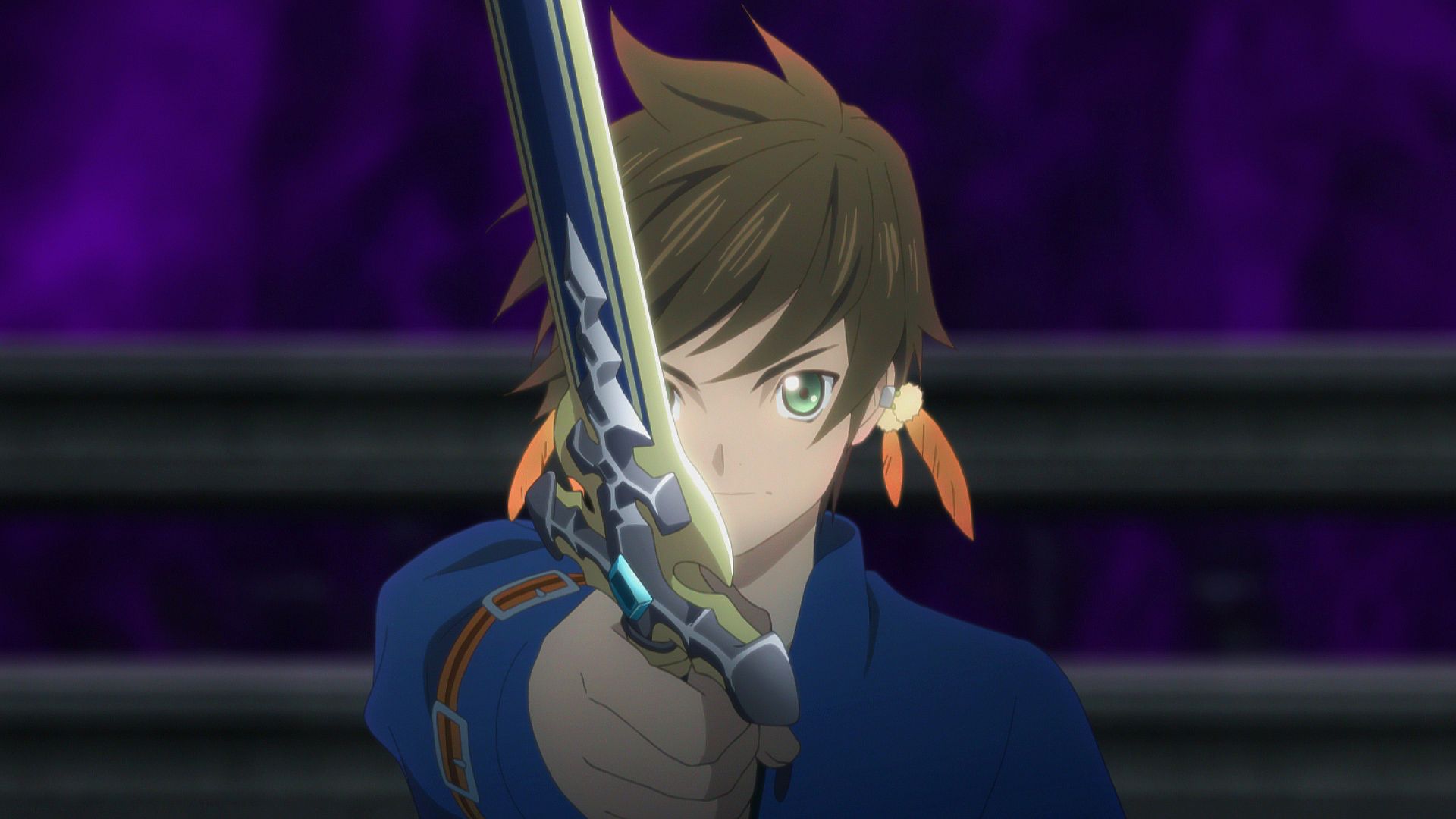
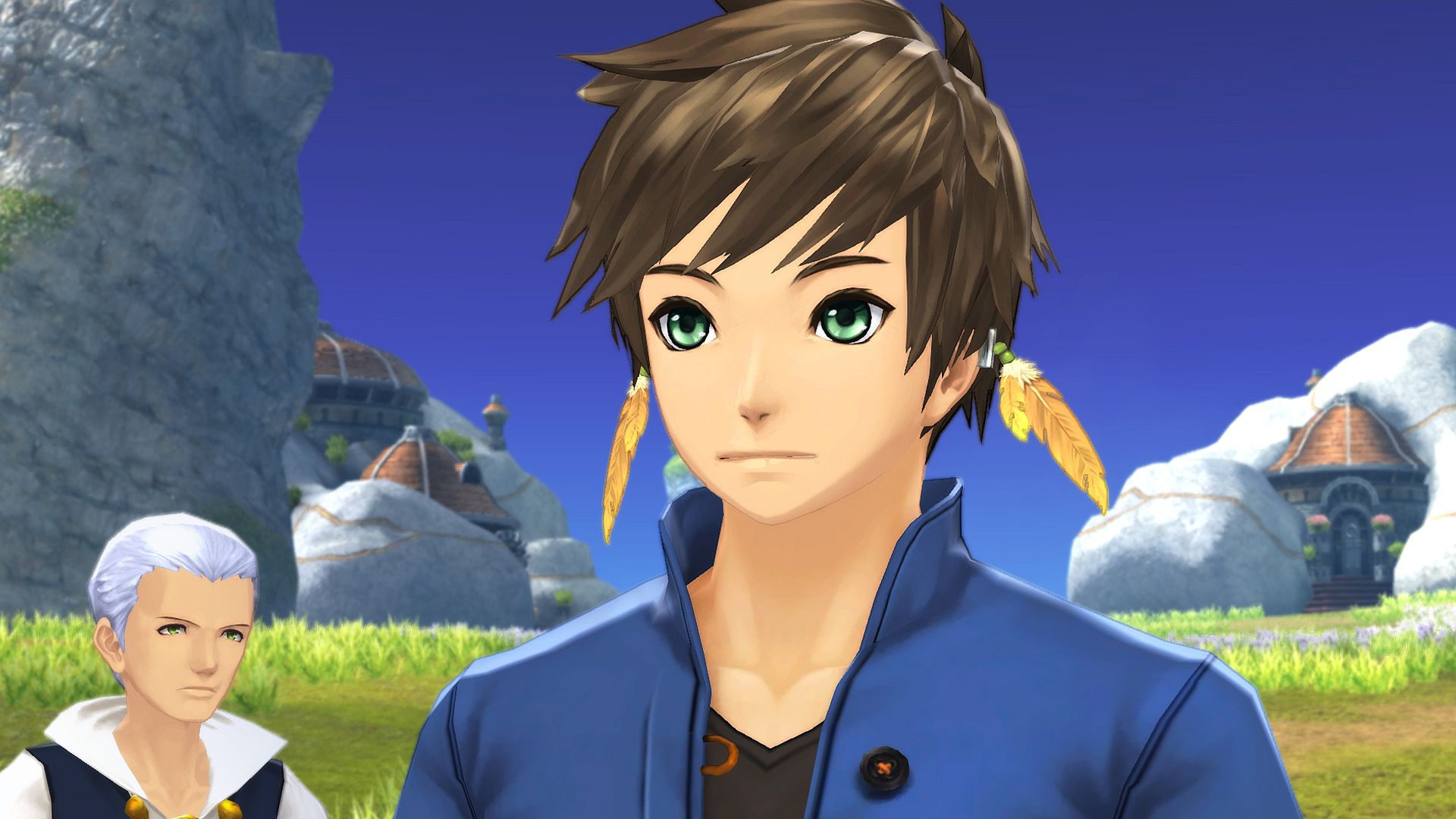
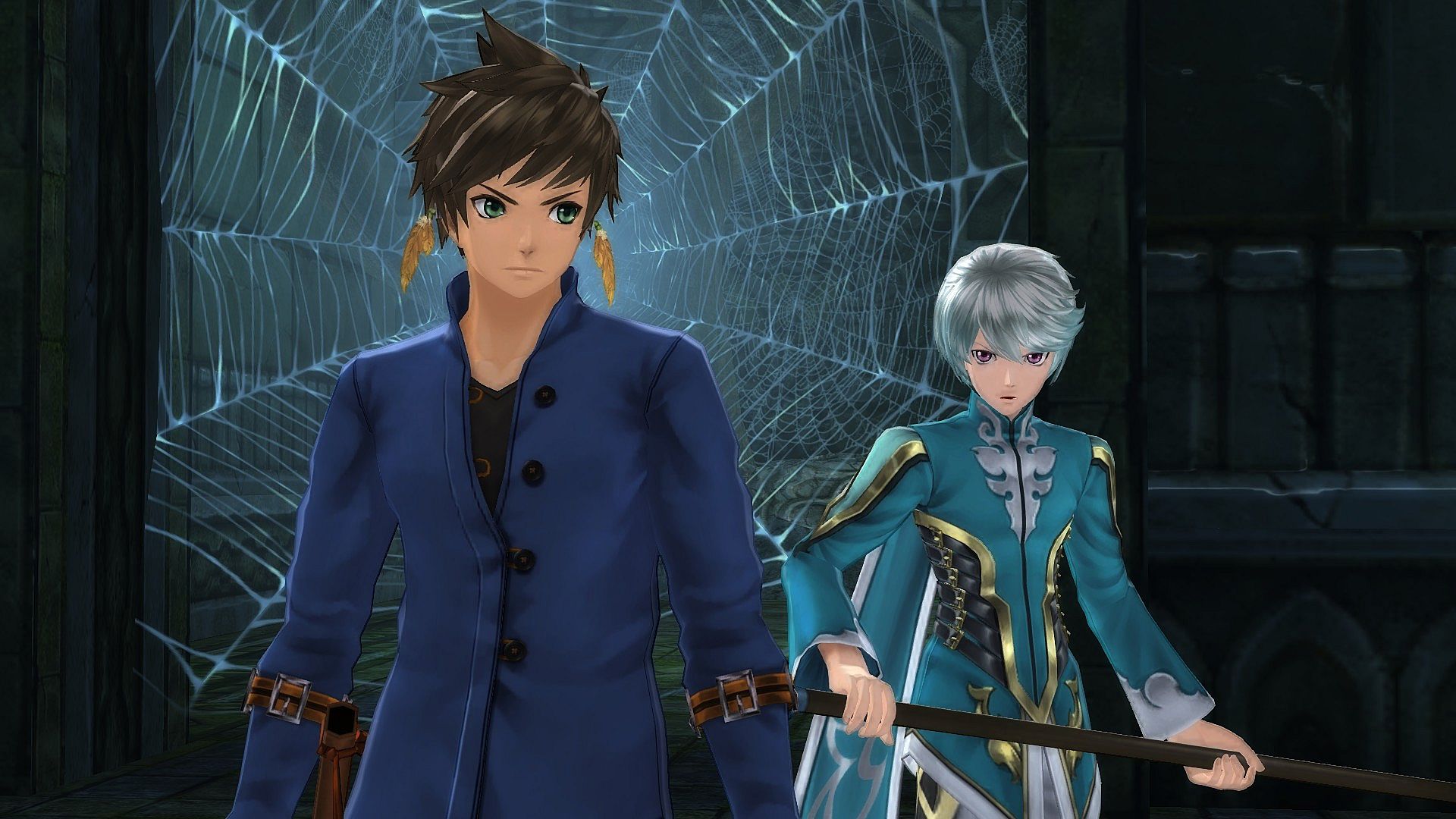
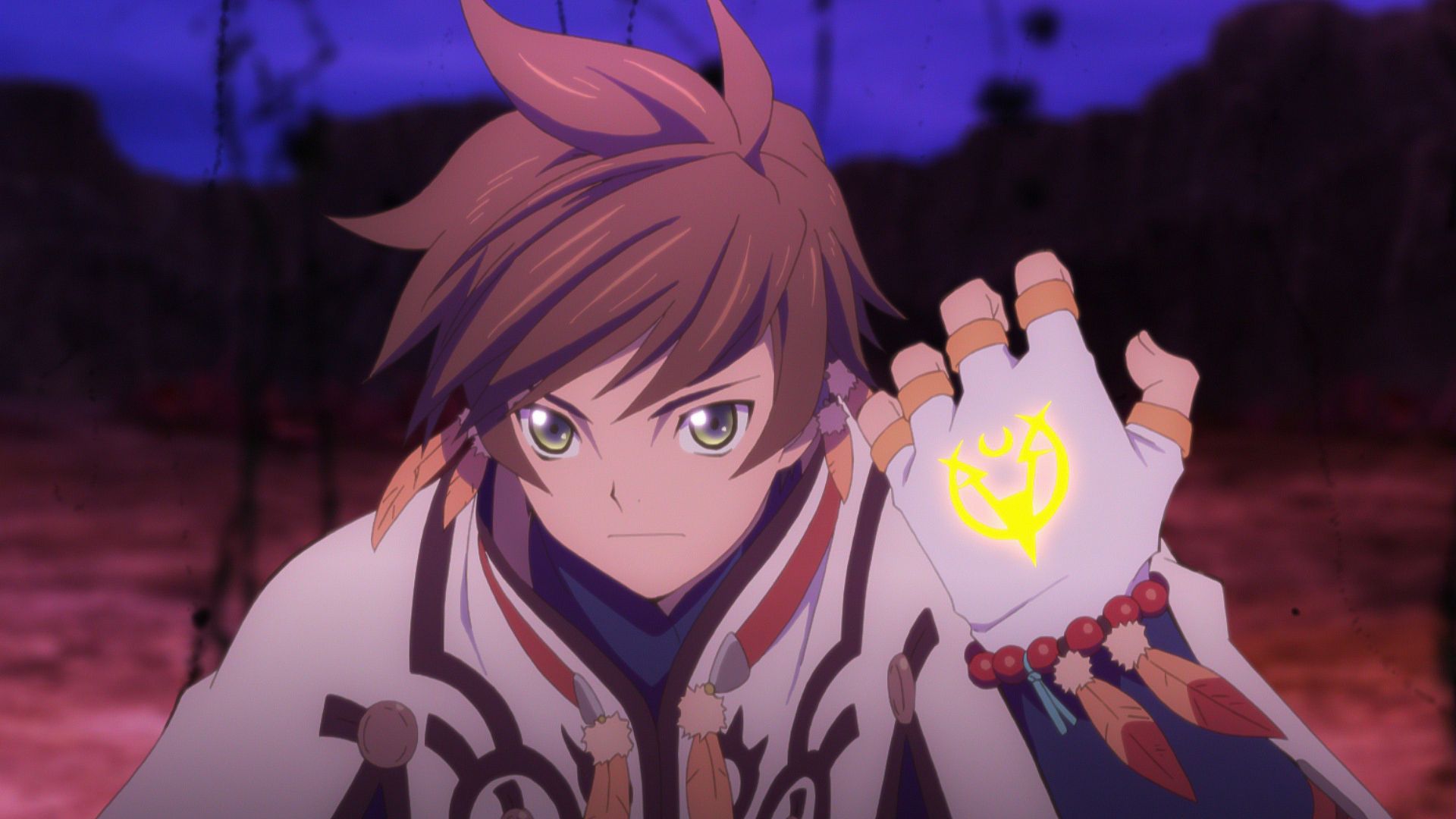




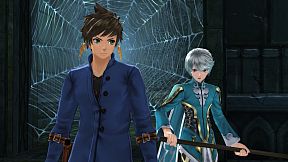

Tales of Zestiria is a single-player action RPG set in a medieval fantasy world where players take on the role of Sorey, a young man chosen as the Shepherd to combat the corrupting force known as Malevolence. The narrative centers on efforts to protect the land from this darkness while bridging the divide between humans and the Seraphim, ethereal beings who assist in the fight. Sorey travels with companions including his close friend Mikleo and the Seraph Lailah, who guards the Sacred Blade, as they uncover larger threats emerging in the shadows.
Gameplay
The core loop revolves around exploration across expansive environments and real-time combat encounters that flow directly into the surroundings without loading screens or transitions. Battles emphasize positioning and timing, with the party consisting of two humans and two Seraphim at any time. A standout mechanic is armatization, where Sorey or the character Rose fuses with a chosen Seraph partner to enter a powered-up hybrid state. This form boosts stats, grants access to elemental attacks tied to the Seraph's affinity, and alters combat options such as wielding larger weapons or summoning area effects.
Players manage party composition by swapping Seraph partners outside of fusion, allowing adaptation to enemy weaknesses. The system encourages strategic decisions on when to activate armatization, as it temporarily removes the fused Seraph from independent action. Environmental variety supports progression through diverse landscapes, while animations from studio ufotable enhance key story sequences and character movements during fights.
Game Modes
Tales of Zestiria operates as a linear single-player experience centered on story advancement. Progress unfolds through a combination of field exploration, dialogue-driven events, and combat sequences that advance the central conflict involving Malevolence and the Shepherd's duties. There are no separate competitive or cooperative modes, focusing instead on solo traversal and battle management within the main campaign structure.
Story and World
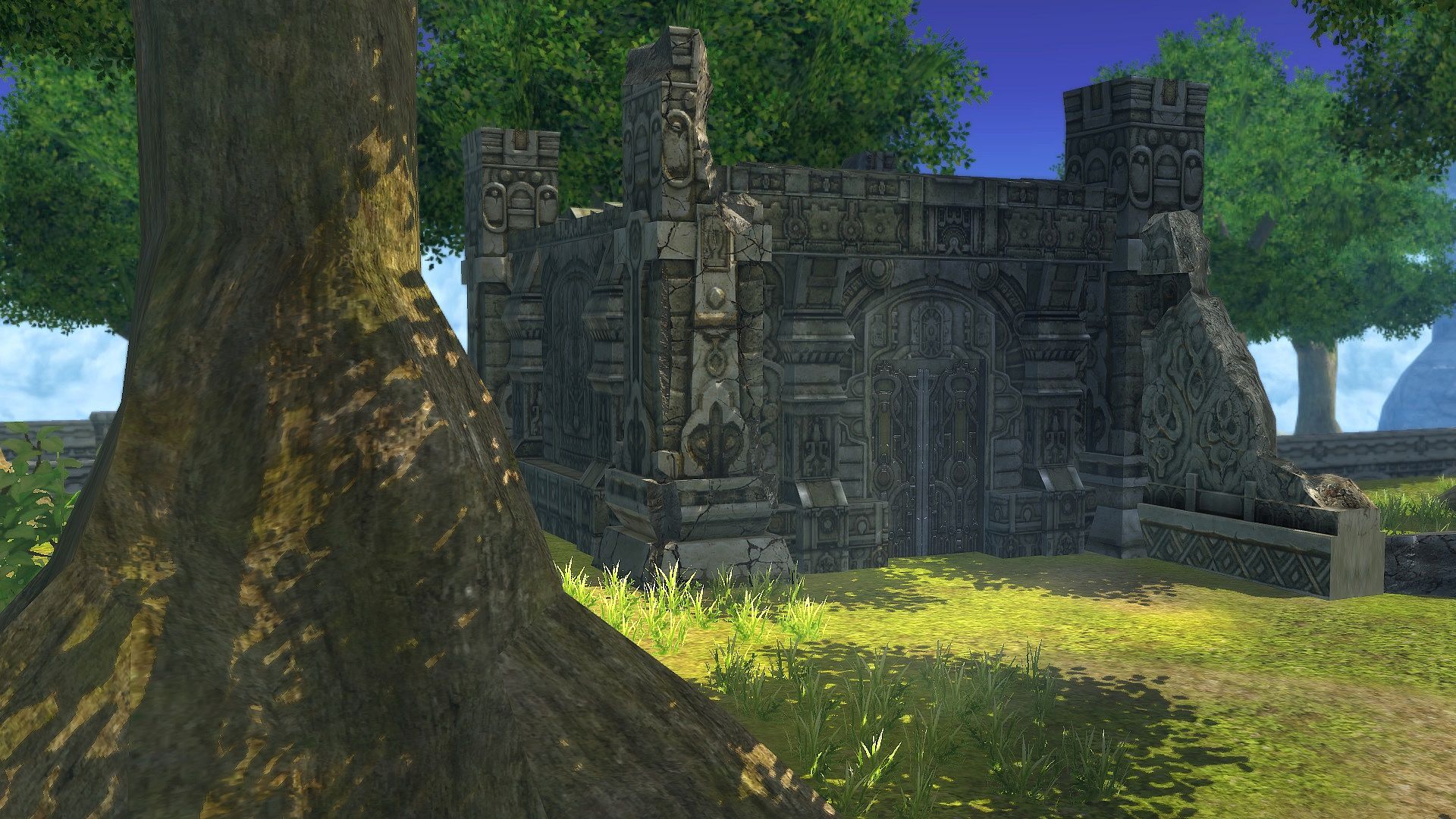
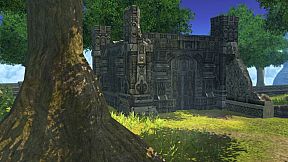
The setting pits two nations against each other amid broader supernatural tensions, with Sorey accepting the Shepherd's burden to restore balance. Seraphim serve as key allies, each bringing distinct elemental traits that influence both narrative interactions and armatization outcomes. The world design incorporates large, interconnected areas that encourage discovery alongside the main quest path, supported by the seamless integration of action sequences.
Is It Worth Playing?
Reception for Tales of Zestiria remains mixed among players who have completed it. Many appreciate the armatization fusion system for adding depth to real-time battles and the visual quality of its animated cutscenes. Others note shortcomings in narrative execution and overall pacing that prevent it from standing out within the genre. The game suits those seeking a traditional JRPG structure with emphasis on character-driven progression and elemental combat customization, particularly if the fusion mechanics align with interest in strategic party management. Availability on PC allows straightforward access for those drawn to its fantasy setting and battle focus, though expectations around story consistency should remain measured based on documented player feedback. It delivers a complete, self-contained adventure without ongoing seasonal content or expansions altering the original experience.