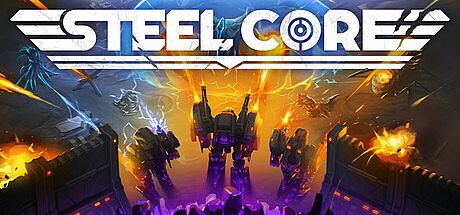


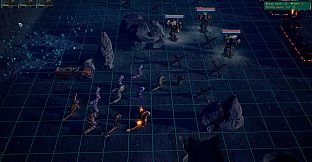
Steel Core is a turn-based strategy game set on hostile alien worlds where players command squads of customizable giant mechs. The core experience centers on protecting mining outposts from waves of insect-like alien enemies while harvesting valuable resources under tight deadlines. Developed for PC, the title blends tactical grid-based combat with base fortification and an escalating roguelite campaign that carries research progress across multiple planetary deployments.
Gameplay
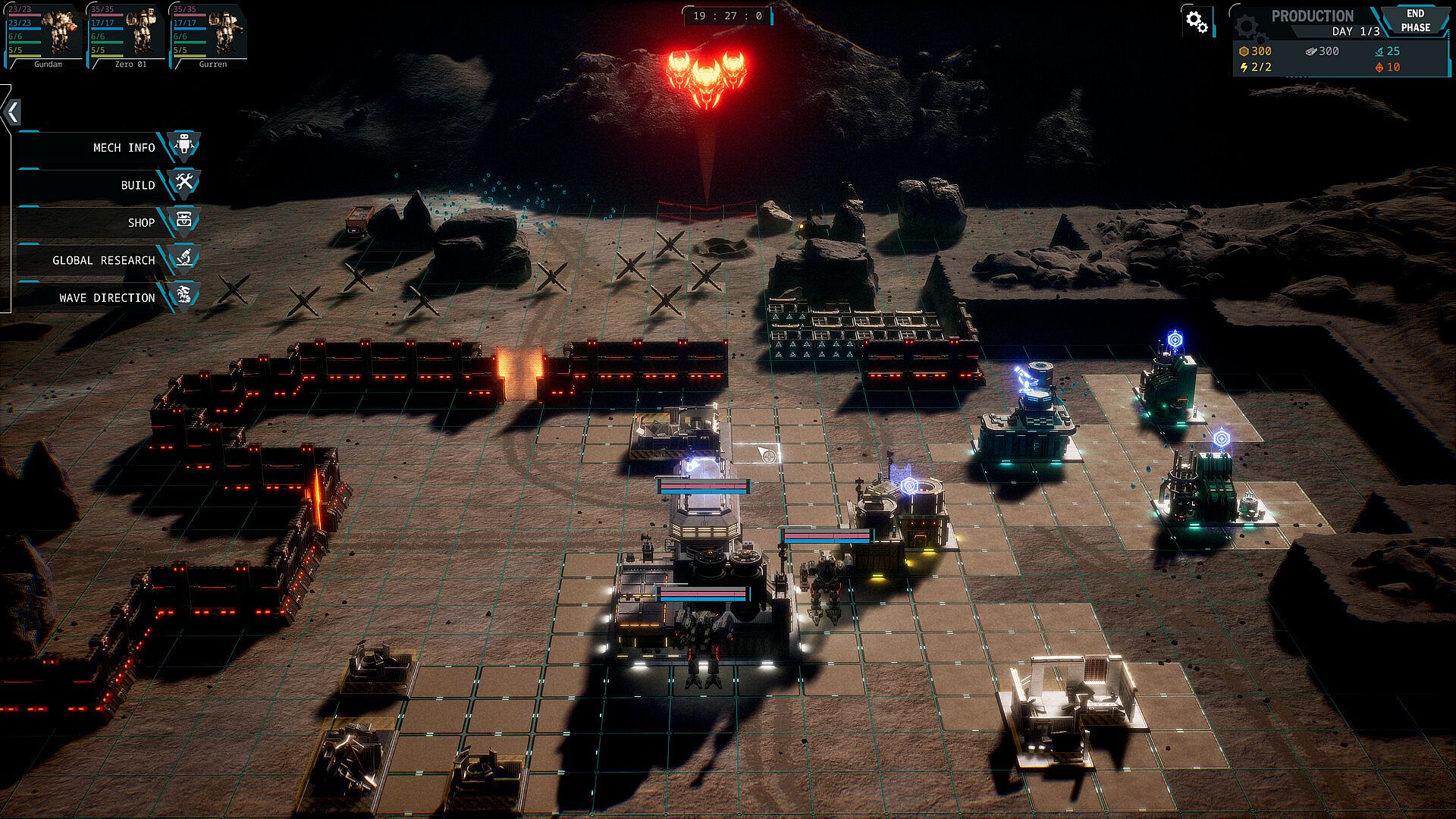
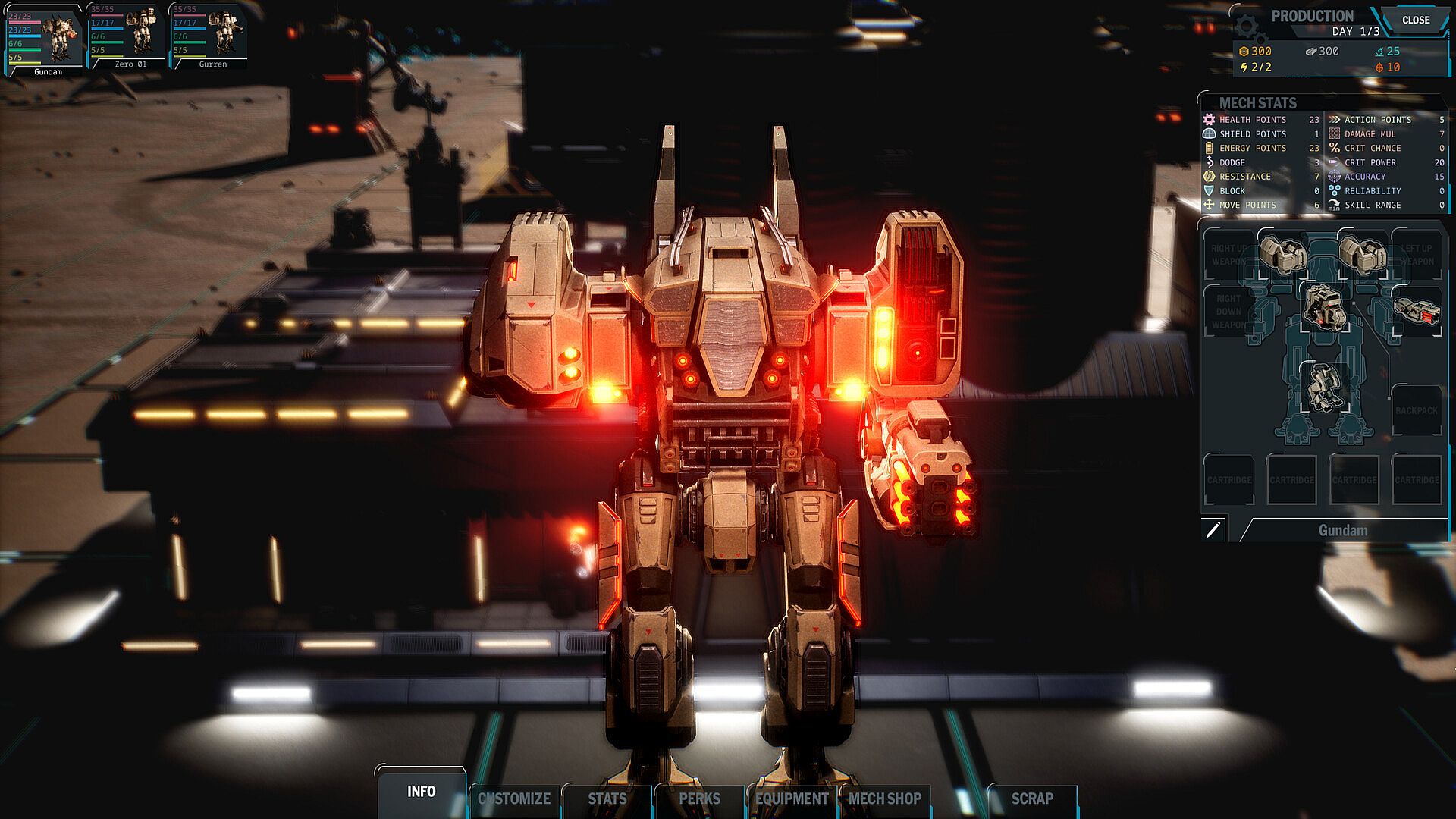
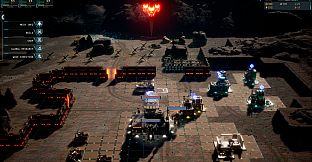
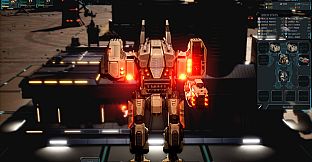
The daily cycle splits into distinct phases that drive the strategy forward. During the day phase, players prepare mechs by assembling components such as chassis, arms, legs, shoulder mounts, and internal cartridges. Up to four weapons can attach to each unit, with options including Gauss cannons, jetpacks, double flamethrowers, and micro-modules that alter randomized stats. Base construction involves erecting walls, gates, and watchtowers while installing automated turrets, power plants, and drilling rigs to sustain operations.
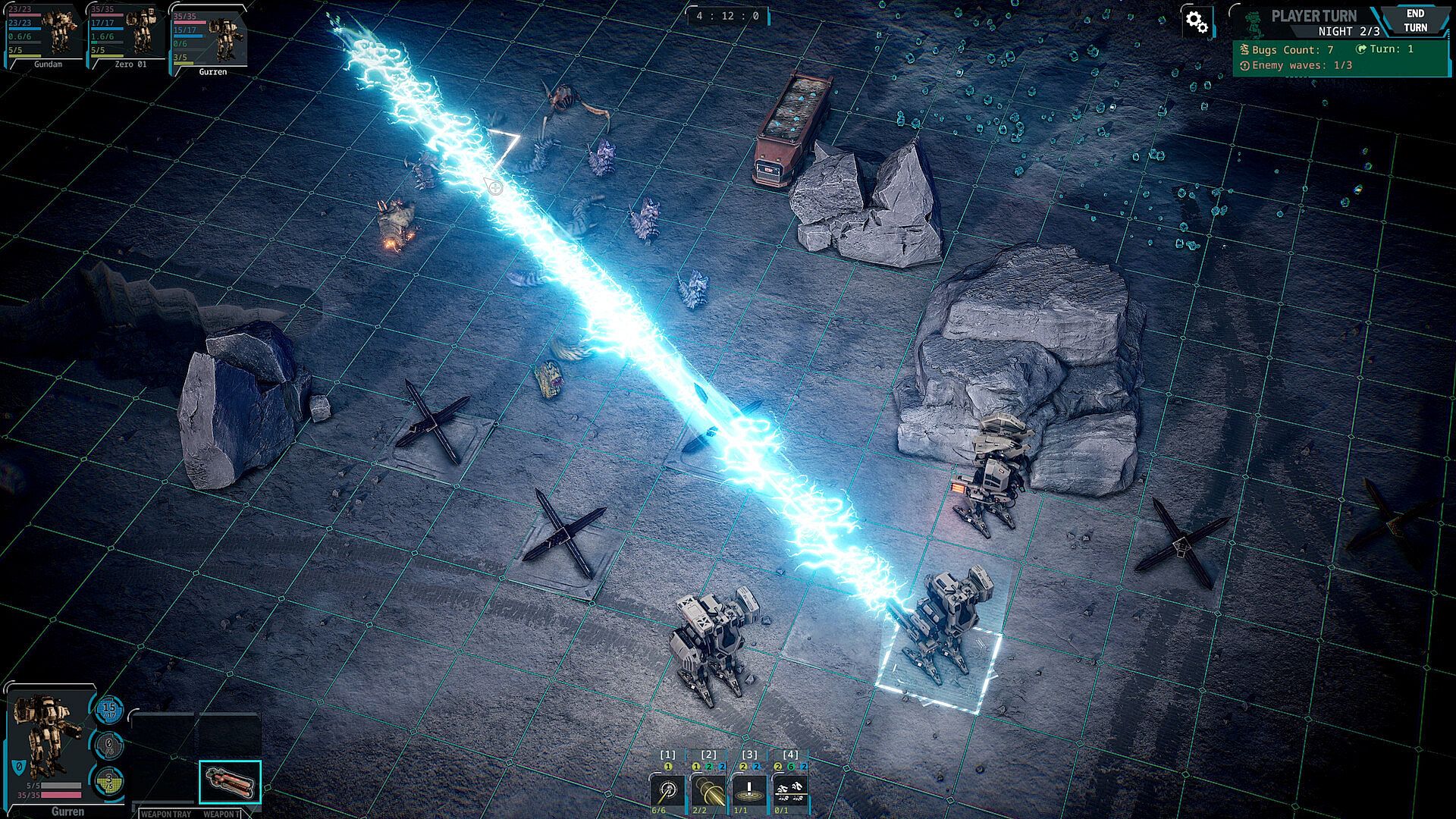
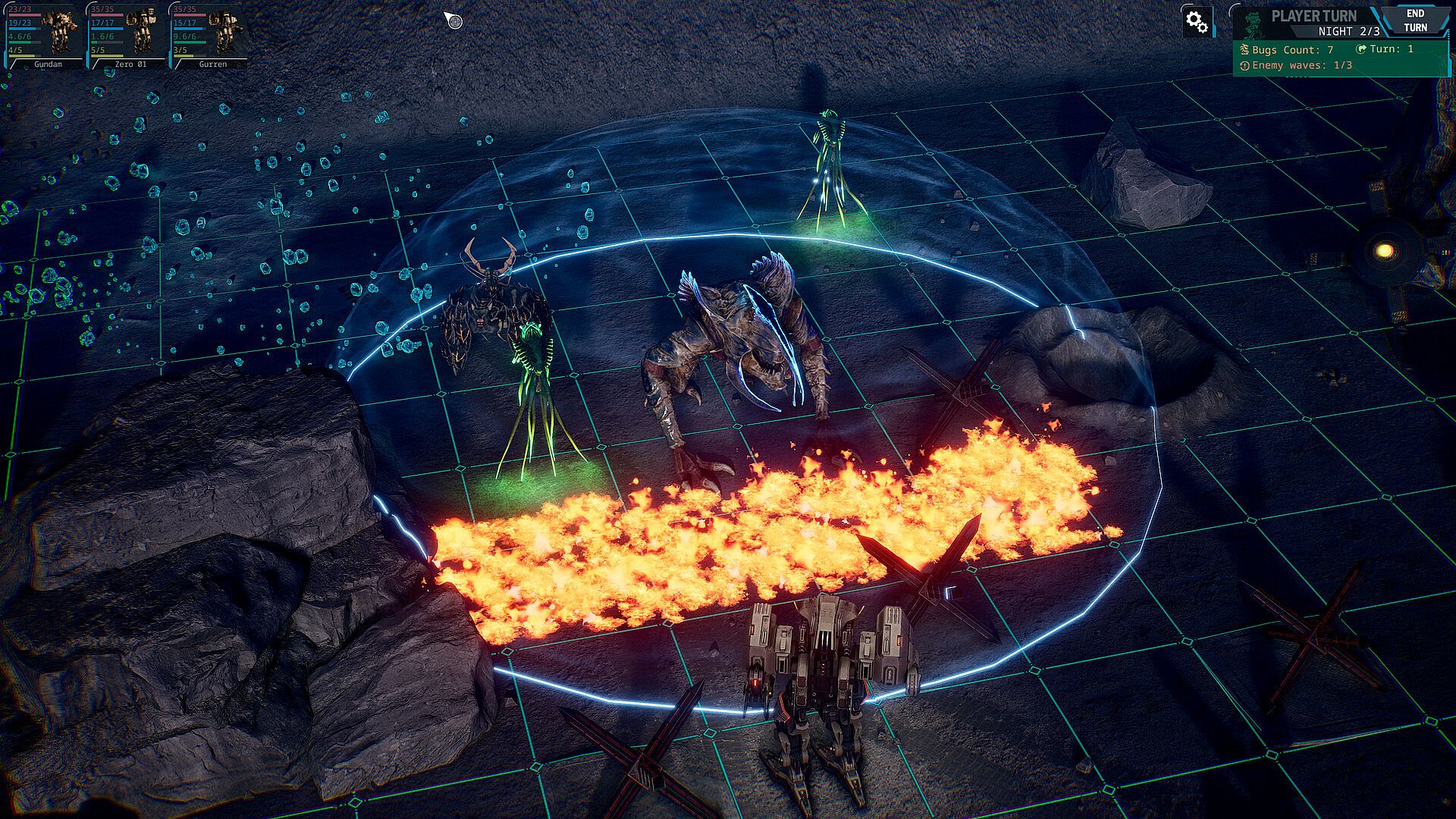
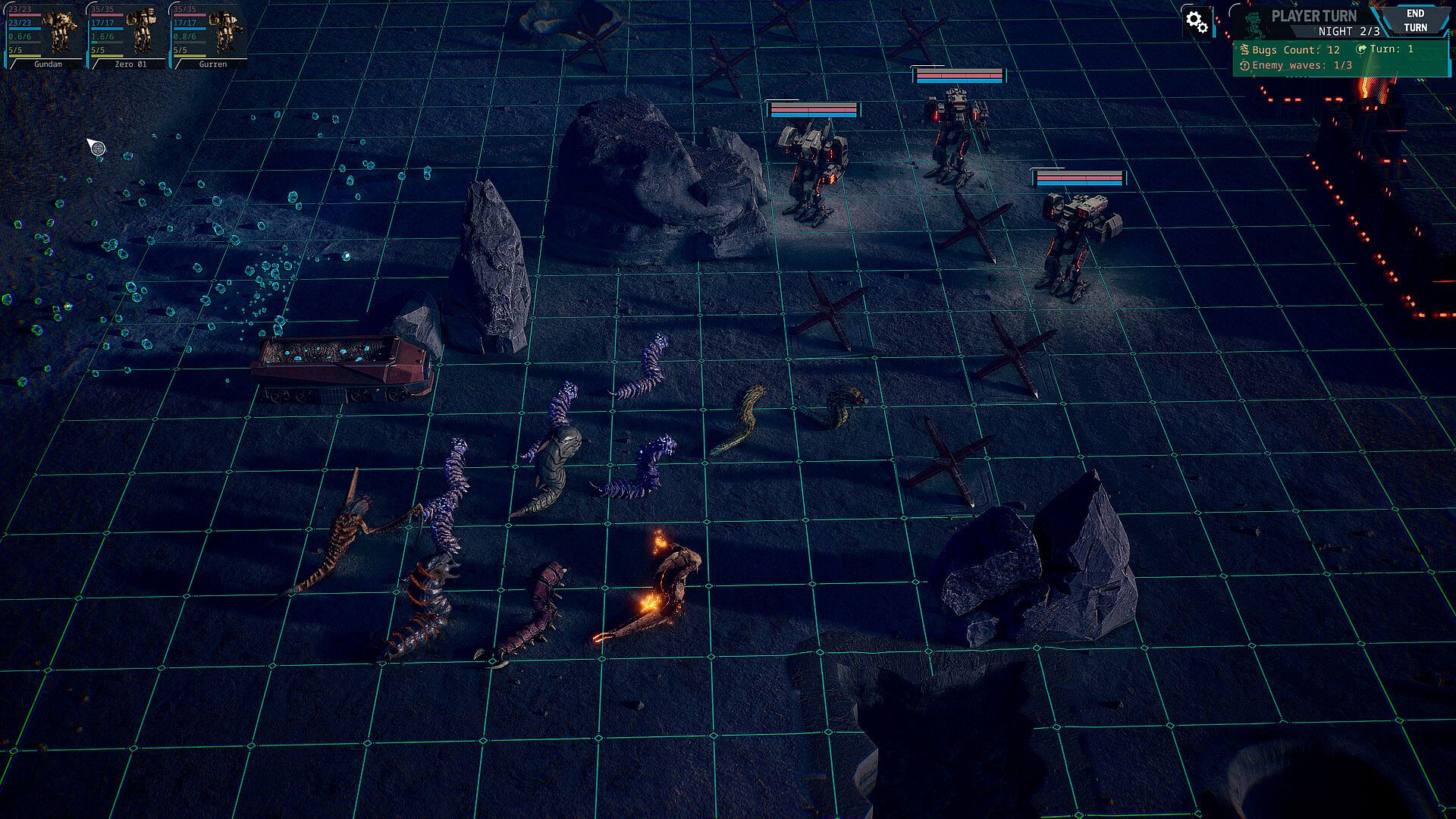
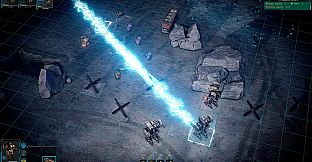
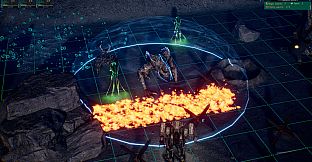
At dusk, squads deploy onto a grid battlefield informed by intelligence on incoming enemy waves. Combat unfolds in turn-based fashion where positioning behind cover, deploying grenades, toxic smoke, and close-range flamethrowers becomes essential to thin out overwhelming numbers before they reach the outpost. Resource management adds tension, as limited funds force choices between additional defenses or mech upgrades, while Fibonite harvested from defeated aliens enables further enhancements.
The roguelite structure moves the operation across varied environments including jungles, ice basins, lava lakes, and acid pools. Each new world introduces stronger foes and unexpected threats, with research carrying over but difficulty rising steadily. Losing the outpost ends the contract, emphasizing careful planning over repeated attempts.
Game Modes
Steel Core operates as a single-player experience built around its escalating campaign. The structure revolves around sequential contracts that advance from planet to planet, with each deployment presenting a self-contained defensive stand against alien swarms. No separate competitive or cooperative modes appear in the available details, keeping focus on the core loop of preparation, positioning, and survival through the night.
Progression ties directly to the campaign's roguelite elements, where successful completions unlock further research options and allow adaptation to tougher environments. The absence of named variants means all play centers on refining mech builds and base layouts to meet quota demands before the next wave arrives.
Core Mechanics and Progression
Mech construction stands out through visible part modeling, where every swap changes the unit's appearance and capabilities. Players balance offensive power, mobility, and support options while guarding against total squad loss. Base defense extends beyond mechs to include automated systems that cover ground during active combat turns.
Economy decisions shape each run, with underfunded operations requiring prioritization of turrets, rigs, or upgrades. Fibonite serves as a key upgrade currency drawn from enemy remains, encouraging efficient combat to fuel long-term improvements across the campaign.
Is It Worth Playing?
Steel Core targets fans of turn-based tactics and roguelite progression who enjoy mech customization and defensive setups against superior numbers. The described systems emphasize deliberate planning in both construction and combat phases, rewarding adaptation to new planetary threats without relying on real-time reflexes.
As an upcoming title with a recent announcement, the game remains in development ahead of its PC launch. Interest in the genre and the detailed mech assembly loop provides the clearest indicator of potential appeal, particularly for those drawn to resource-constrained campaigns that escalate in challenge.