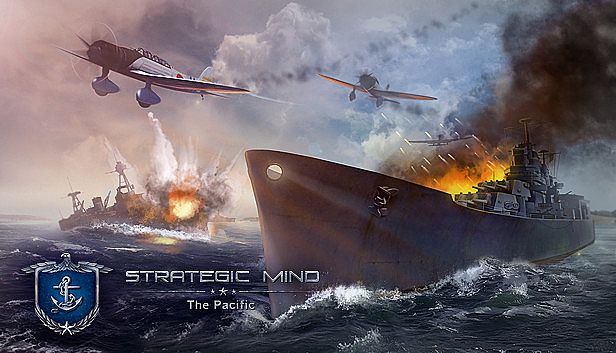














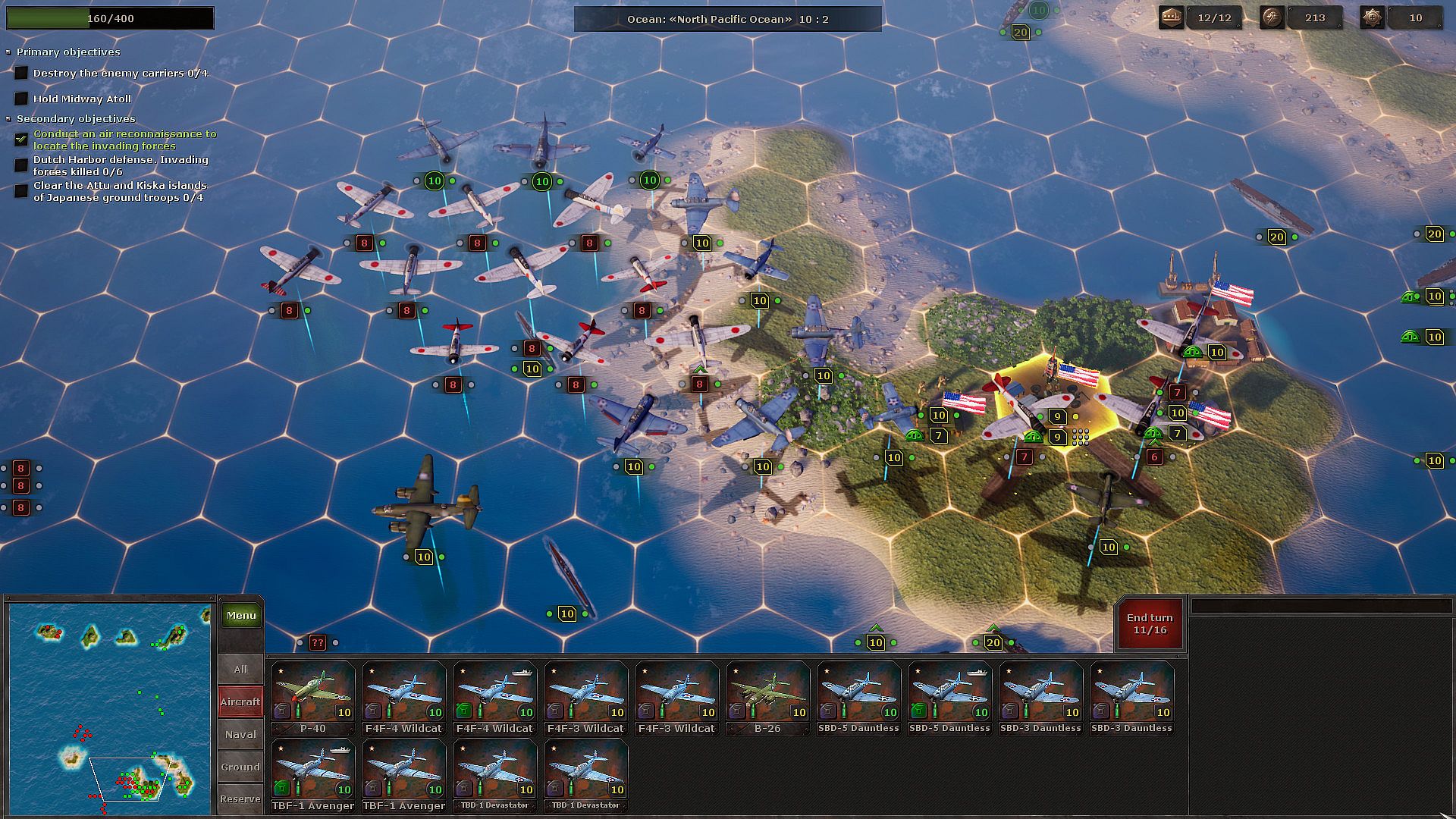
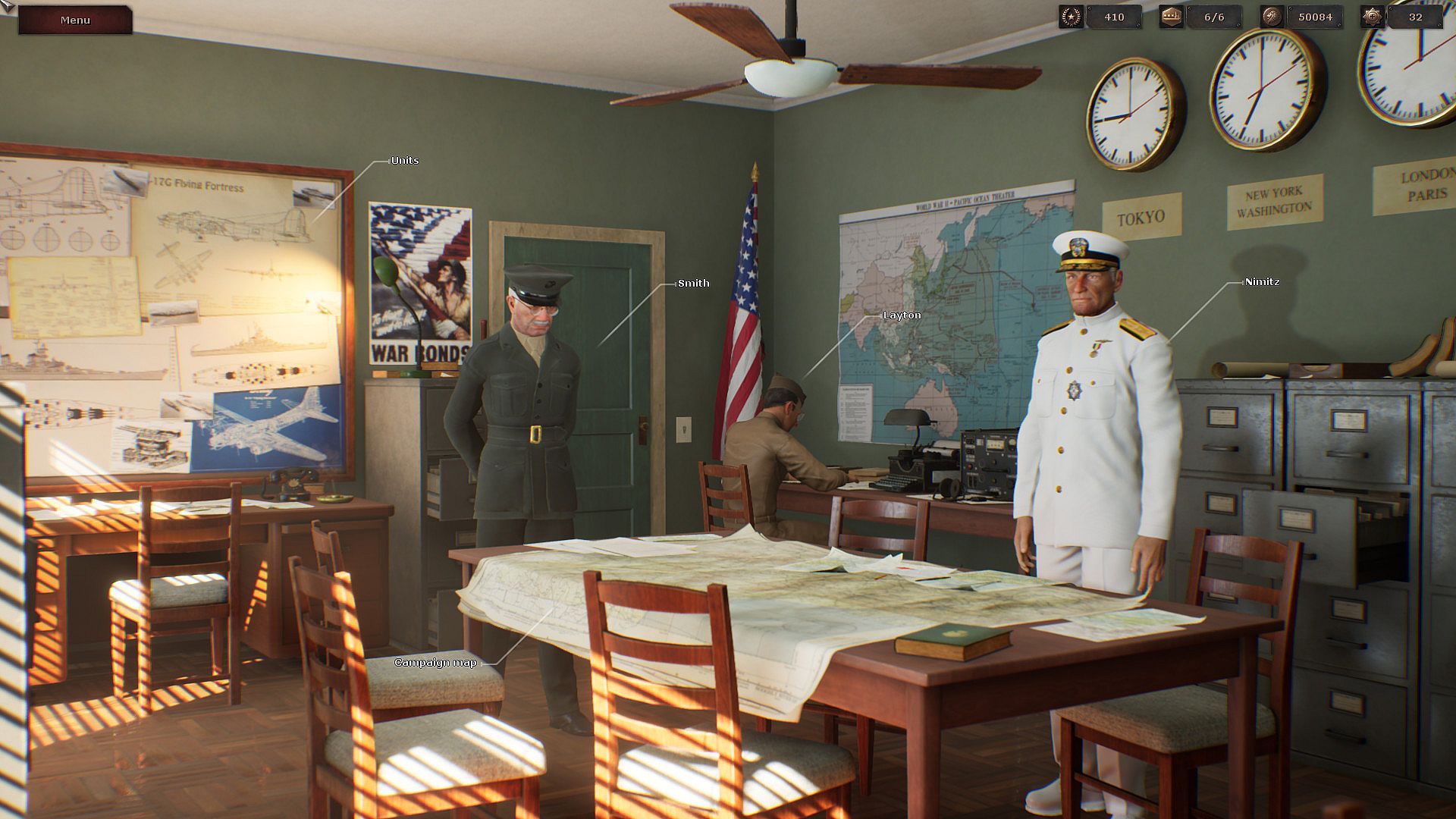
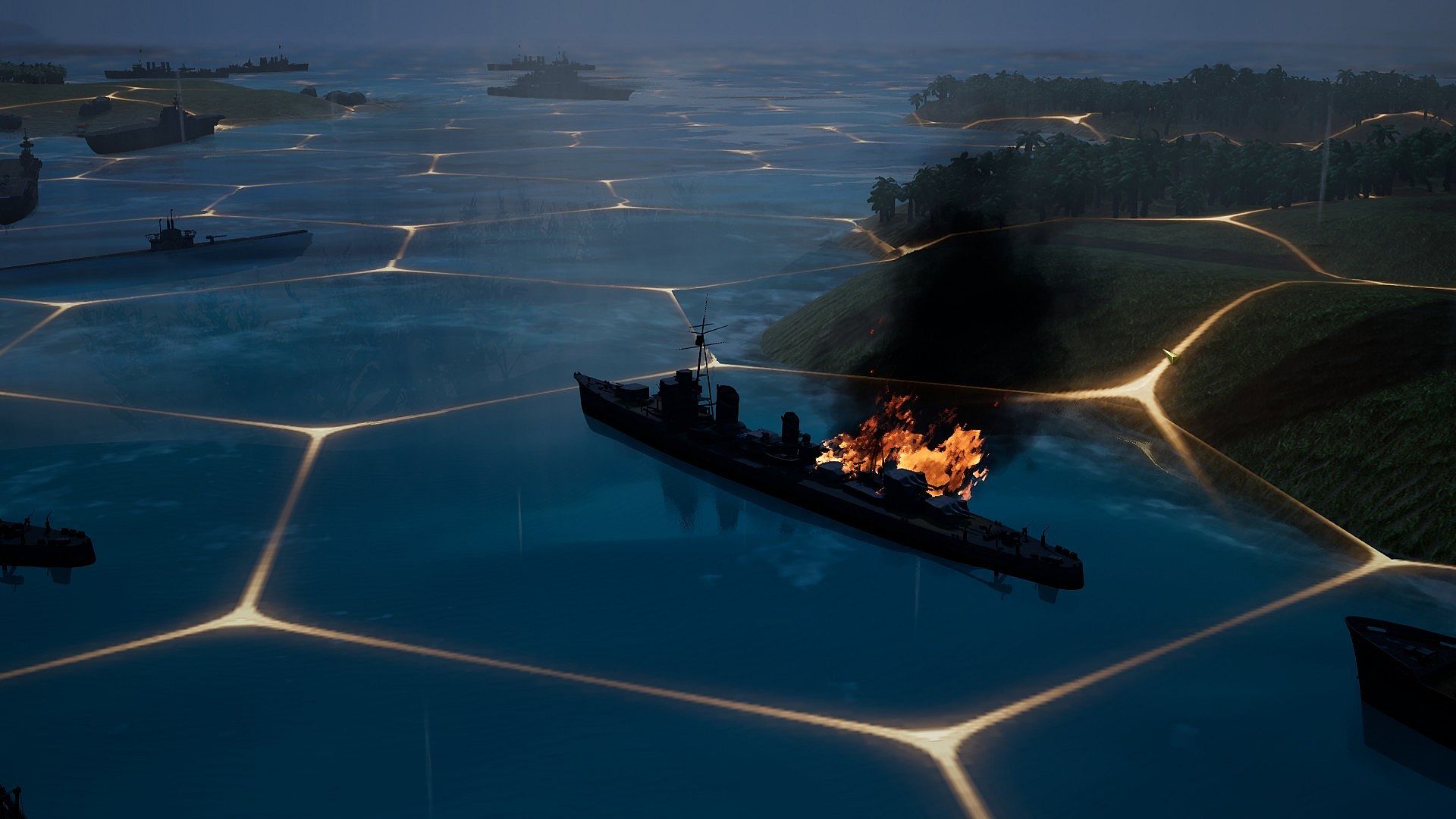
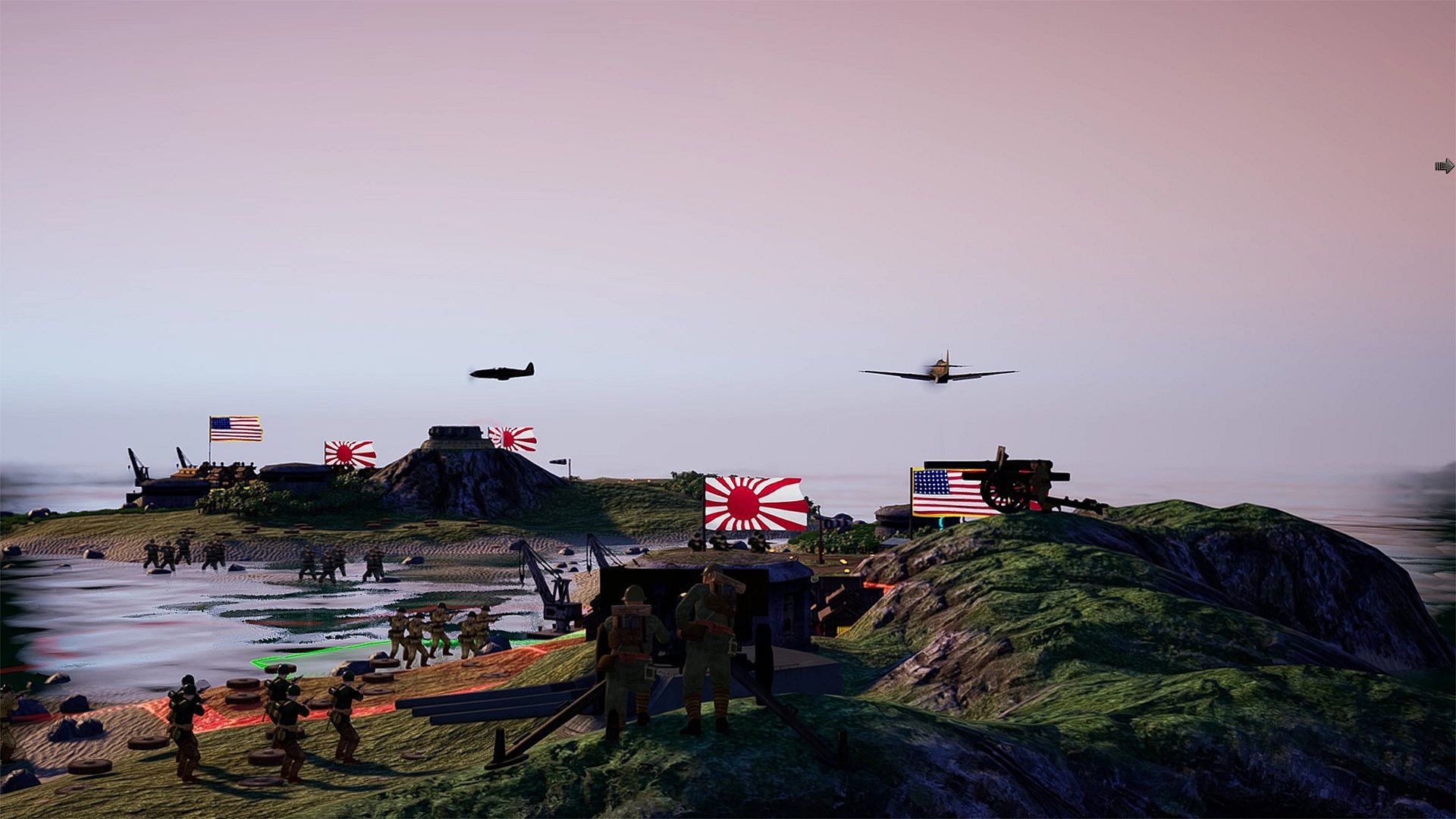
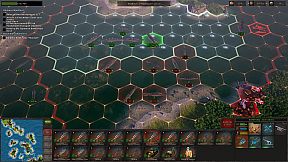
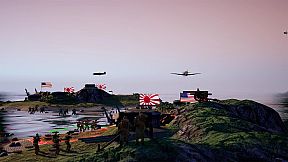
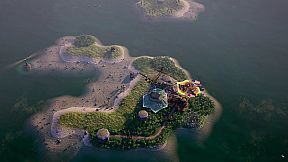
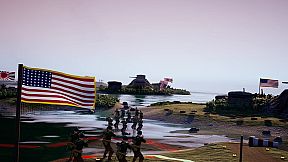
Strategic Mind: The Pacific is a turn-based strategy game focused on the naval and amphibious campaigns of World War II in the Pacific theater. Players command forces from either the United States or the Empire of Japan across two separate campaigns that follow historical events from the perspective of each side's leadership.
Gameplay
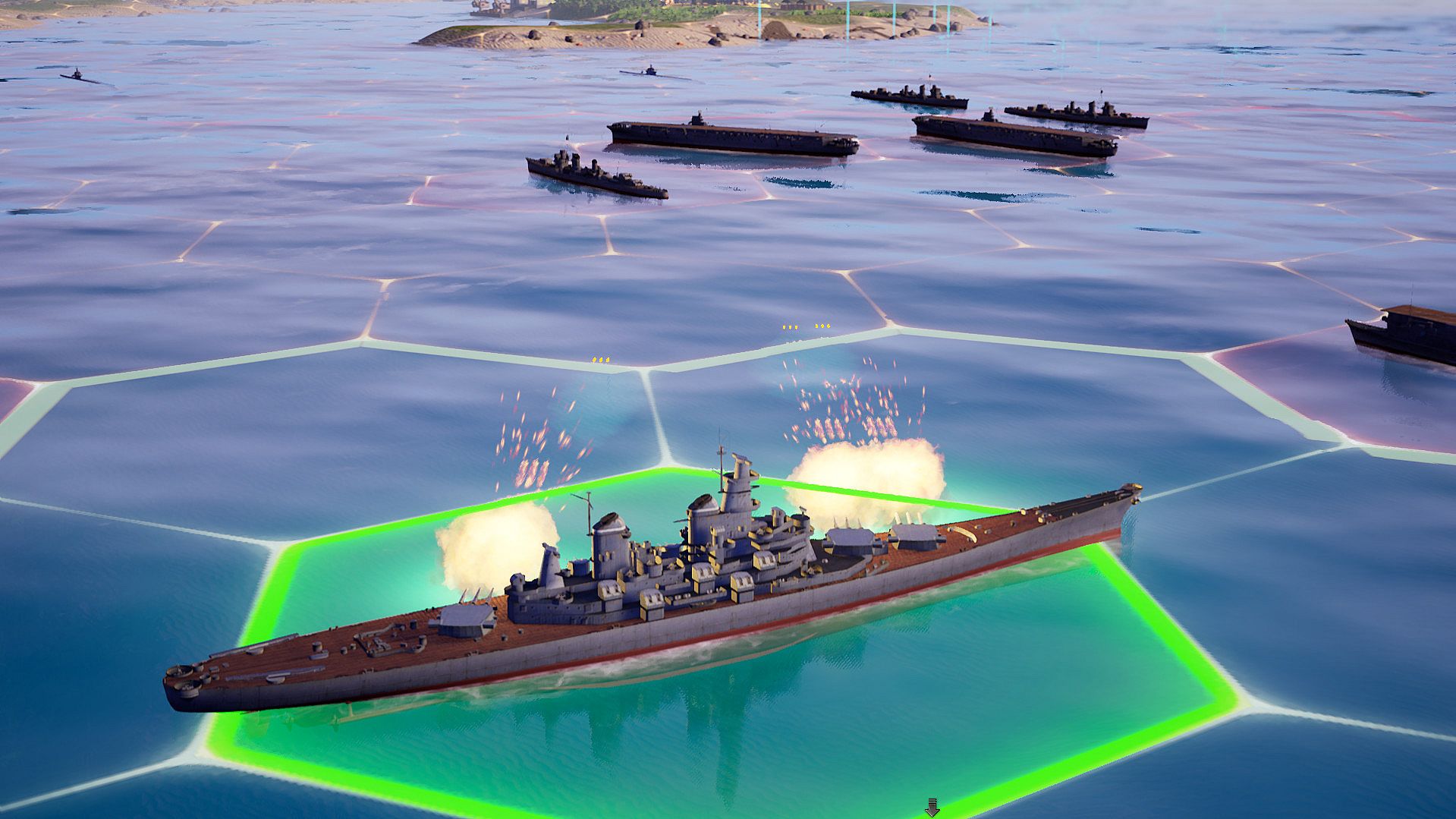
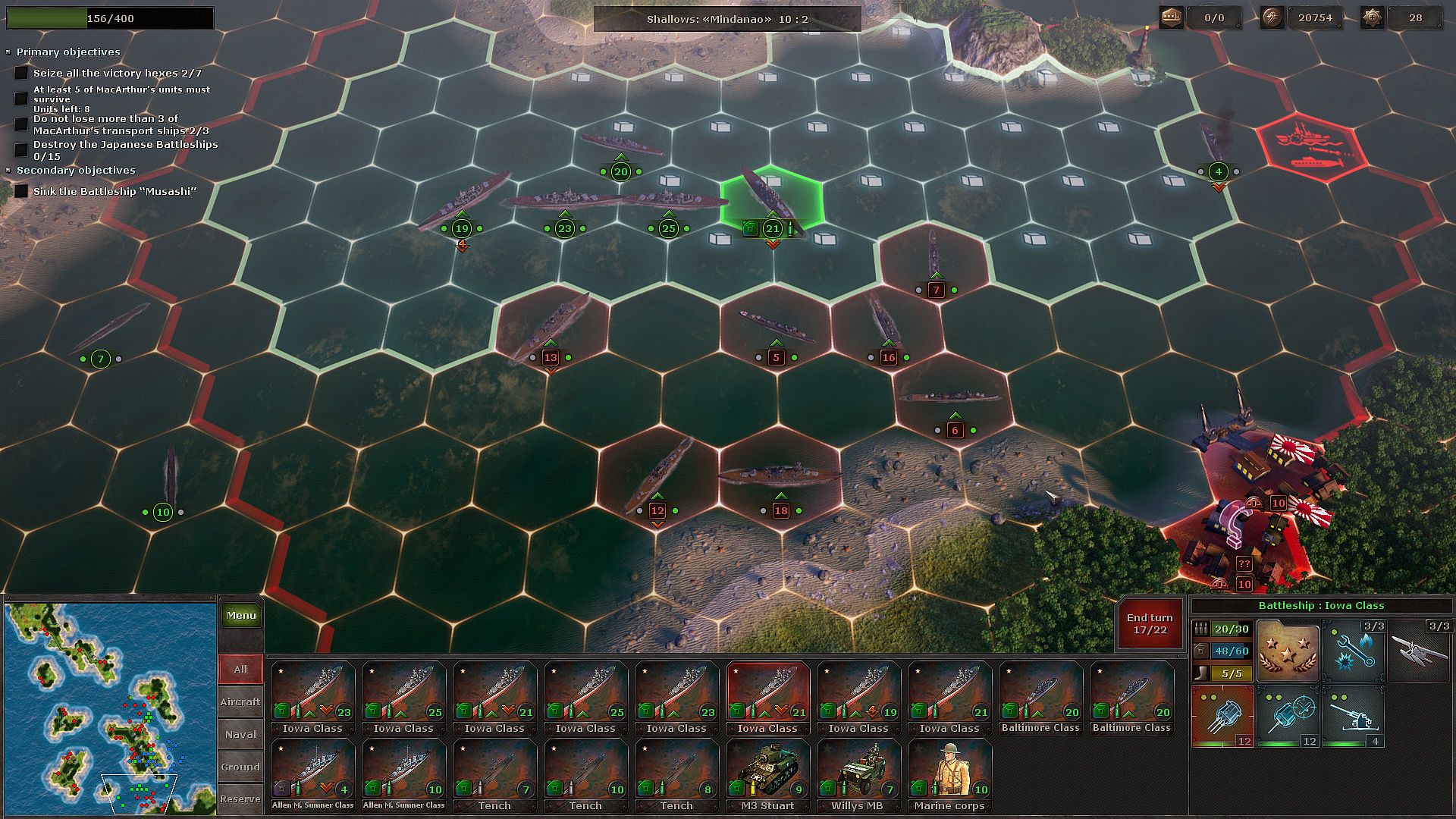
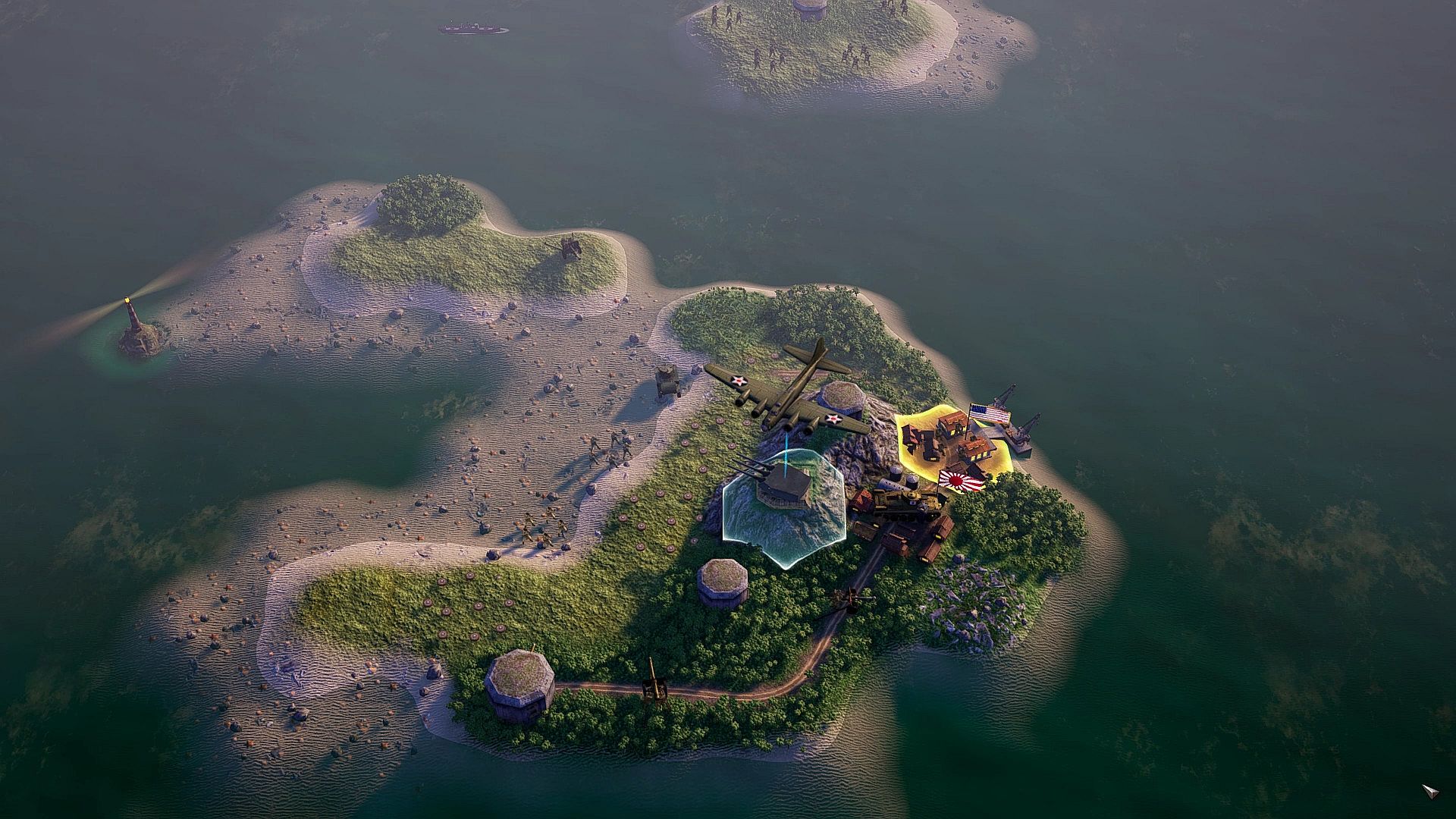
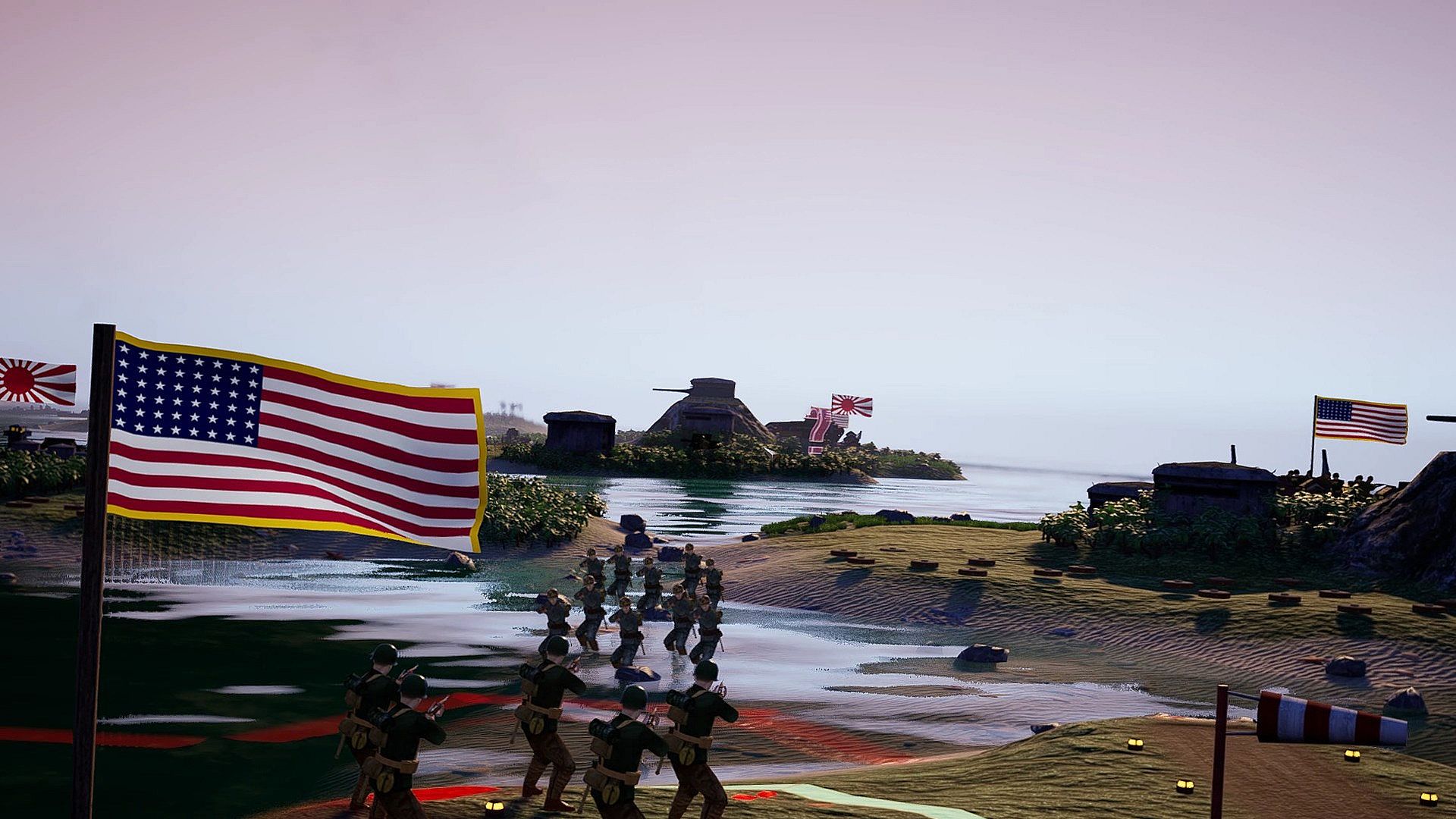
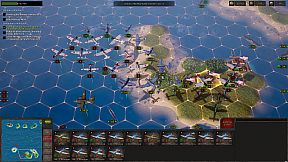
The core loop centers on large-scale naval engagements where carriers launch waves of aircraft to contest control of the ocean. Players position fleets that include battleships, cruisers, destroyers, and submarines while coordinating air support to achieve objectives. Once sea dominance is secured, the action shifts to amphibious landings that require careful timing and combined arms coordination between naval gunfire, air strikes, and ground units.
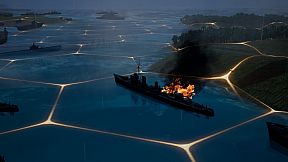
Each unit can suffer targeted damage to specific systems such as engines, armament, hull integrity, or flight decks. Slowing an enemy vessel by hitting its engines, for example, reduces its ability to evade further attacks and opens it to follow-up strikes from the rest of the fleet. Submarines play a distinct role in striking capital ships from below, adding another layer to fleet composition decisions.
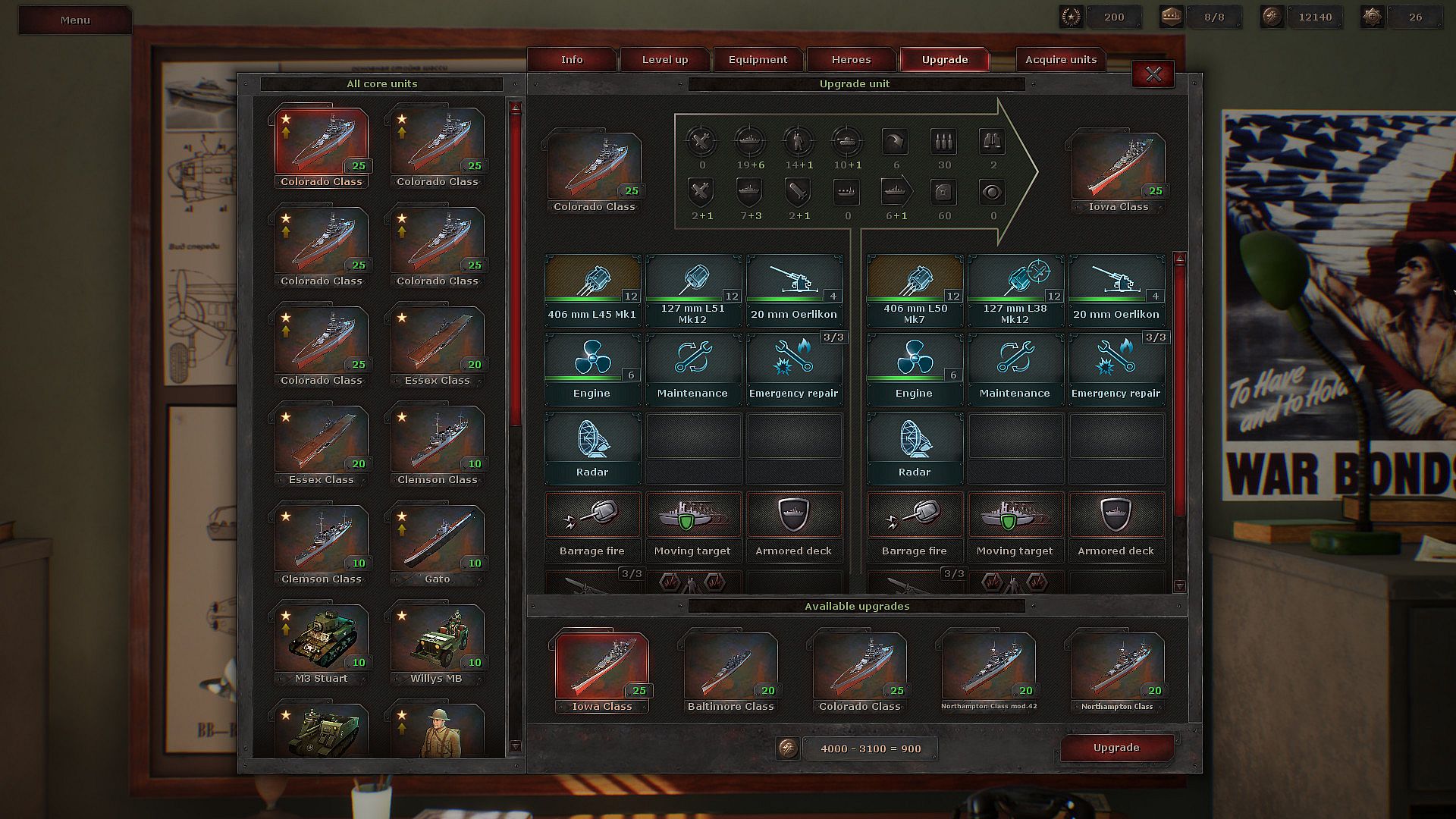
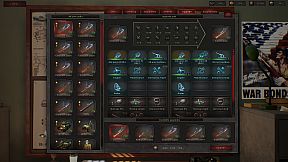
Between missions, players manage their forces by selecting which ships, submarines, and aircraft to include, with new models becoming available at historically accurate points in the war. Units gain experience over the course of a campaign and can be customized through an attachment system that adds equipment to improve performance in chosen roles. Commander abilities provide additional options to influence battles at critical moments, such as boosting attack accuracy or improving defensive positioning.
Ground and air units operate on the same maps as naval forces, requiring players to integrate all three arms into a single plan. The hex-based movement and detailed combat resolution reward careful positioning and anticipation of enemy responses rather than simple numerical superiority.
Game Modes
The game offers two single-player campaigns. One follows the United States under Admiral Chester Nimitz, emphasizing the defense of American interests and the gradual push across the Pacific. The other places players in command of Japanese forces under Admiral Isoroku Yamamoto, focusing on offensive operations aimed at securing strategic advantages.
Both campaigns use the same underlying systems for unit management, naval combat, and progression, allowing direct comparison of how the same battles unfold from opposing viewpoints. There are no additional modes such as skirmish or multiplayer options.
Campaign Structure and Progression
Each campaign consists of a series of linked operations that carry a core force forward. Units that survive gain experience and can be directed toward specific skill development to match the player's preferred tactics. New equipment and ship classes unlock according to the historical timeline, so fleet composition evolves naturally as the war progresses.
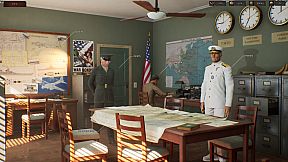
Plot-driven cutscenes provide context for the major engagements without interrupting the strategic focus. Heroes with unique abilities can be assigned to the most demanding tasks, offering specialized tools for overcoming tough defensive positions or executing high-risk landings.
Is It Worth Playing?
Strategic Mind: The Pacific delivers a focused turn-based strategy experience built around detailed naval and combined-arms combat. The two campaigns provide substantial content for players interested in the Pacific theater, with mechanics that emphasize system damage, unit customization, and coordinated fleet operations. Steam user reviews are Mostly Positive, reflecting appreciation for the historical detail and tactical depth among fans of the genre. The game launched in 2019 as a complete package containing both campaigns with no required additional purchases. It remains a single-player title with no ongoing seasonal content or live-service elements. Those seeking a deliberate, hex-based wargame centered on WWII naval strategy will find the systems and campaign length align with that preference. Players who prefer faster-paced or multiplayer-focused titles may find the pace and scope less suitable.