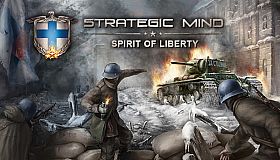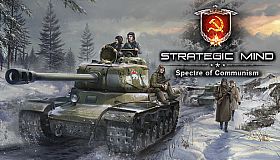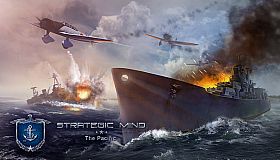










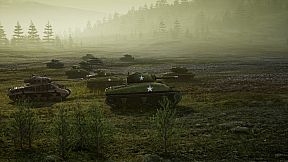
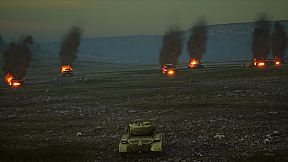
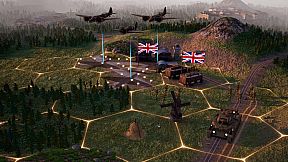
Strategic Mind: Fight for Freedom is a turn-based strategy game with simulation elements set during World War II. Players command Allied forces across multiple theaters, making decisions about reconnaissance, tactics, weather conditions, and interactions with local populations while managing army composition and development.
Gameplay
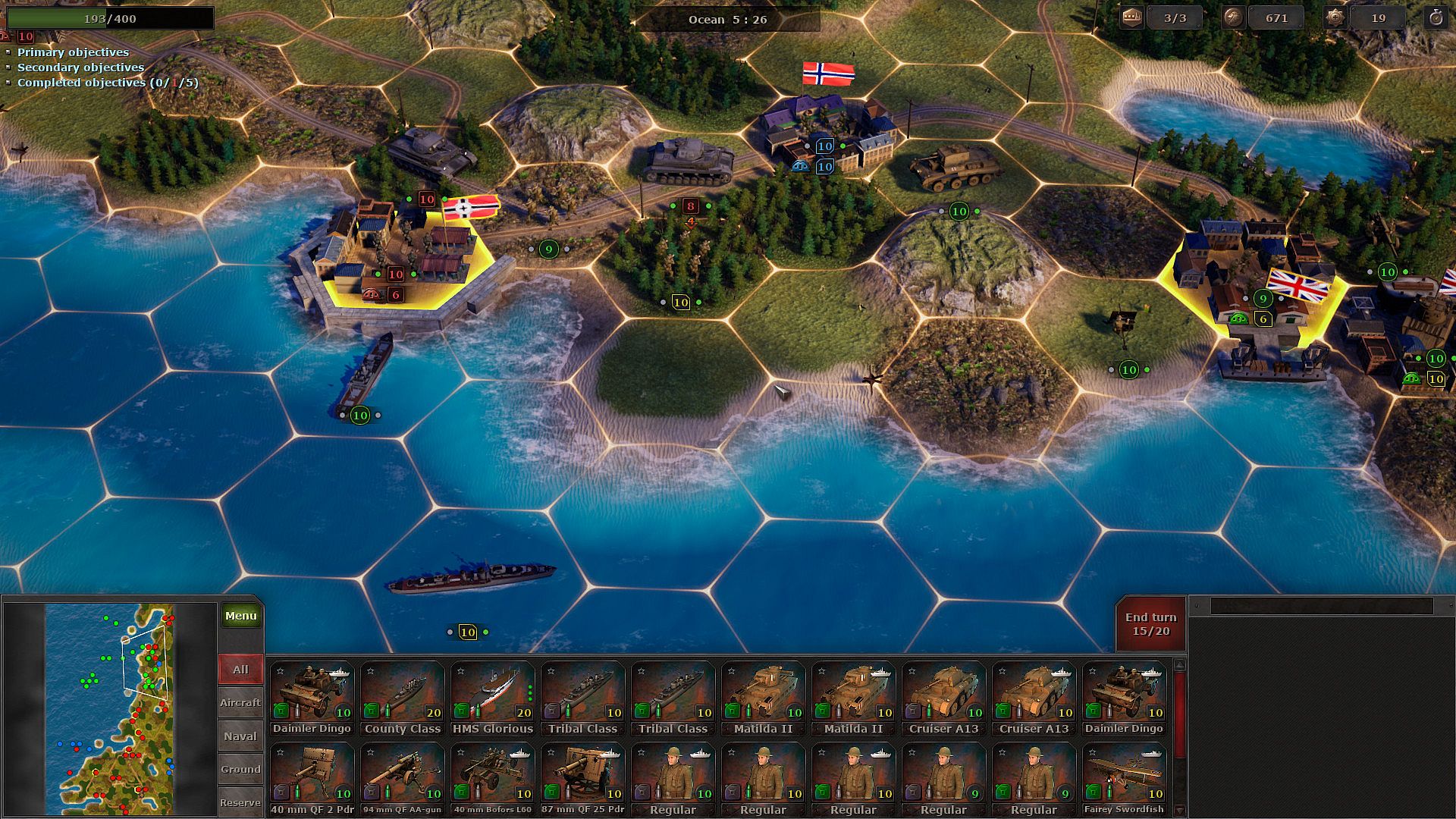
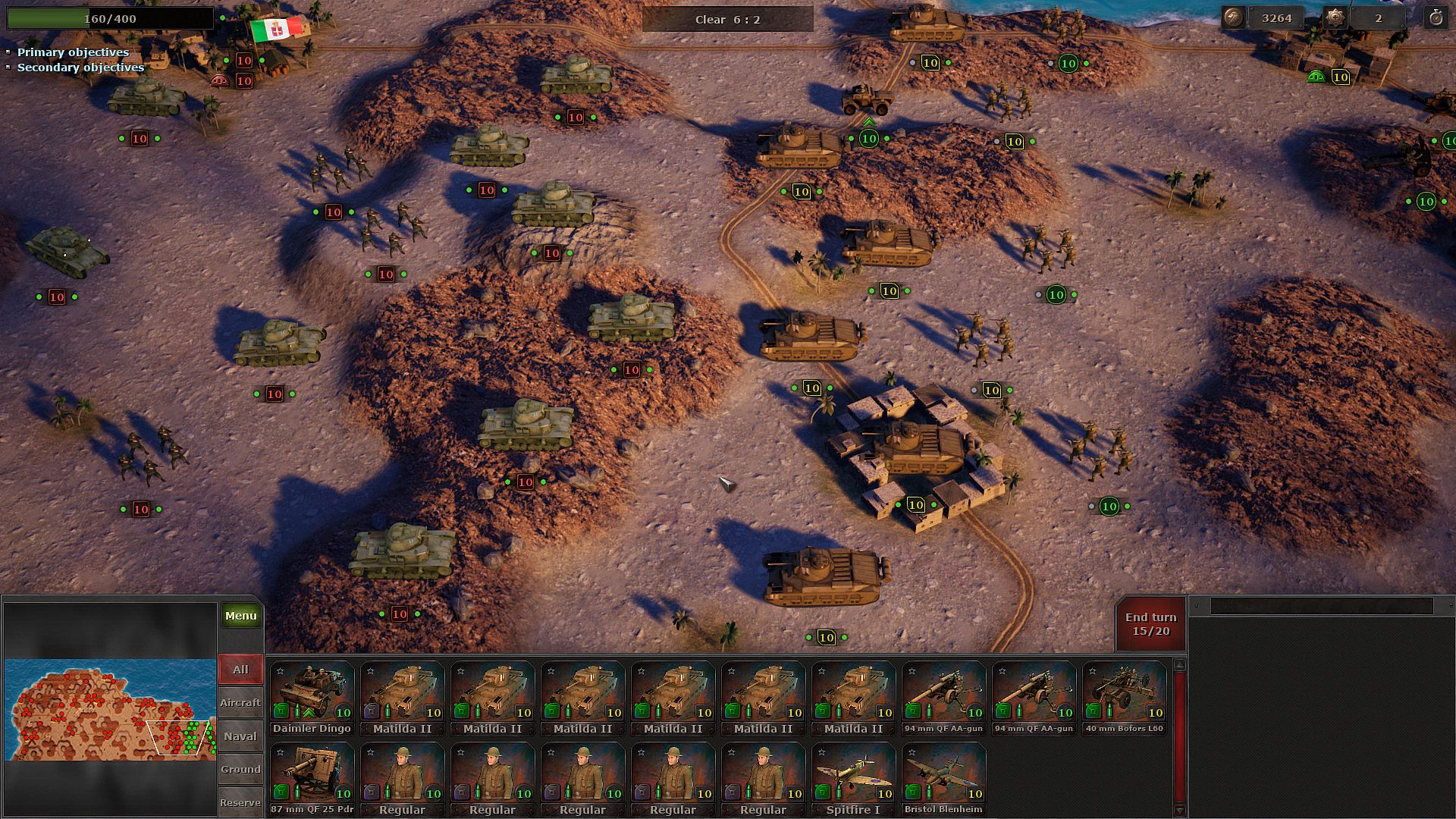
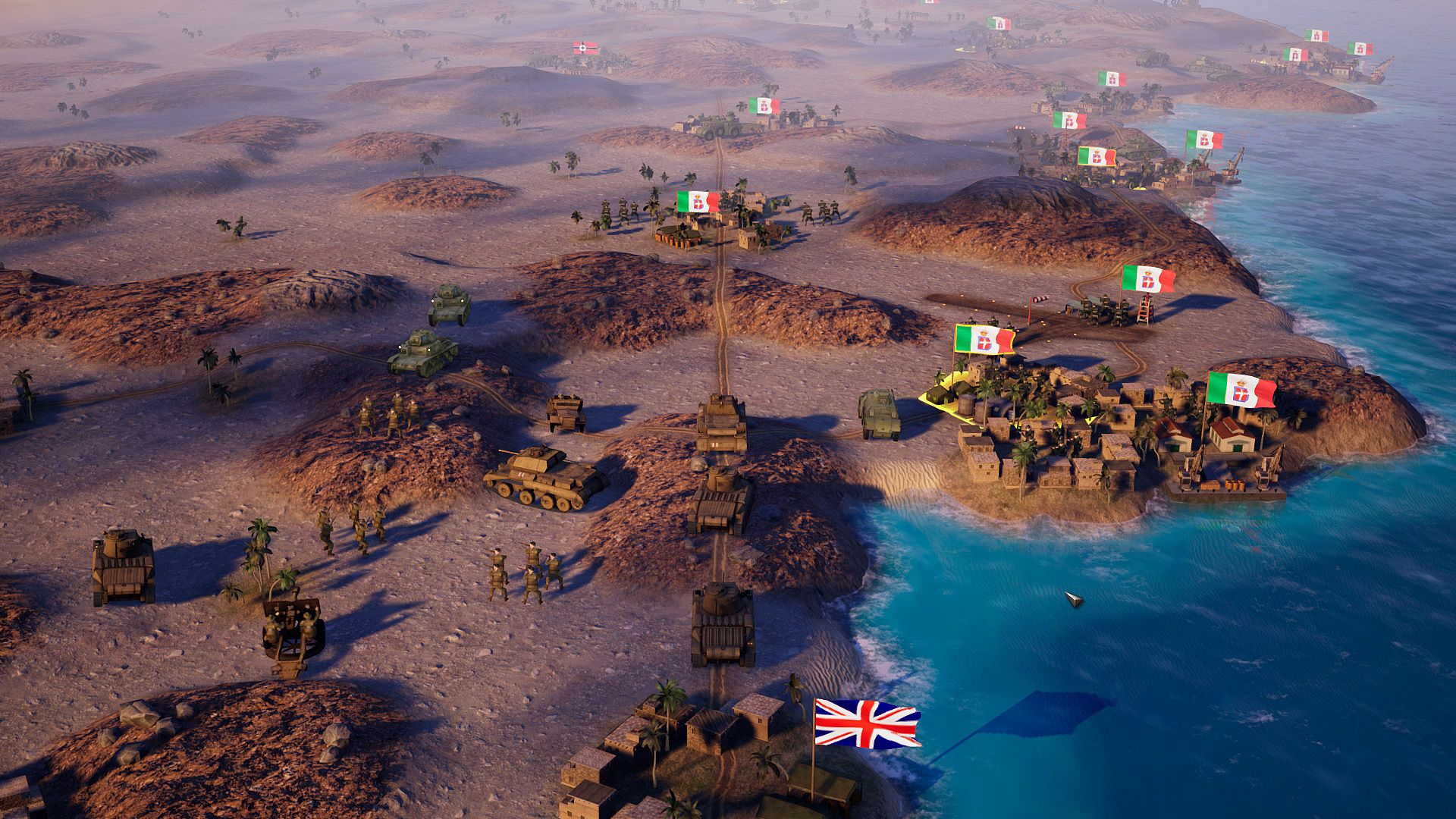
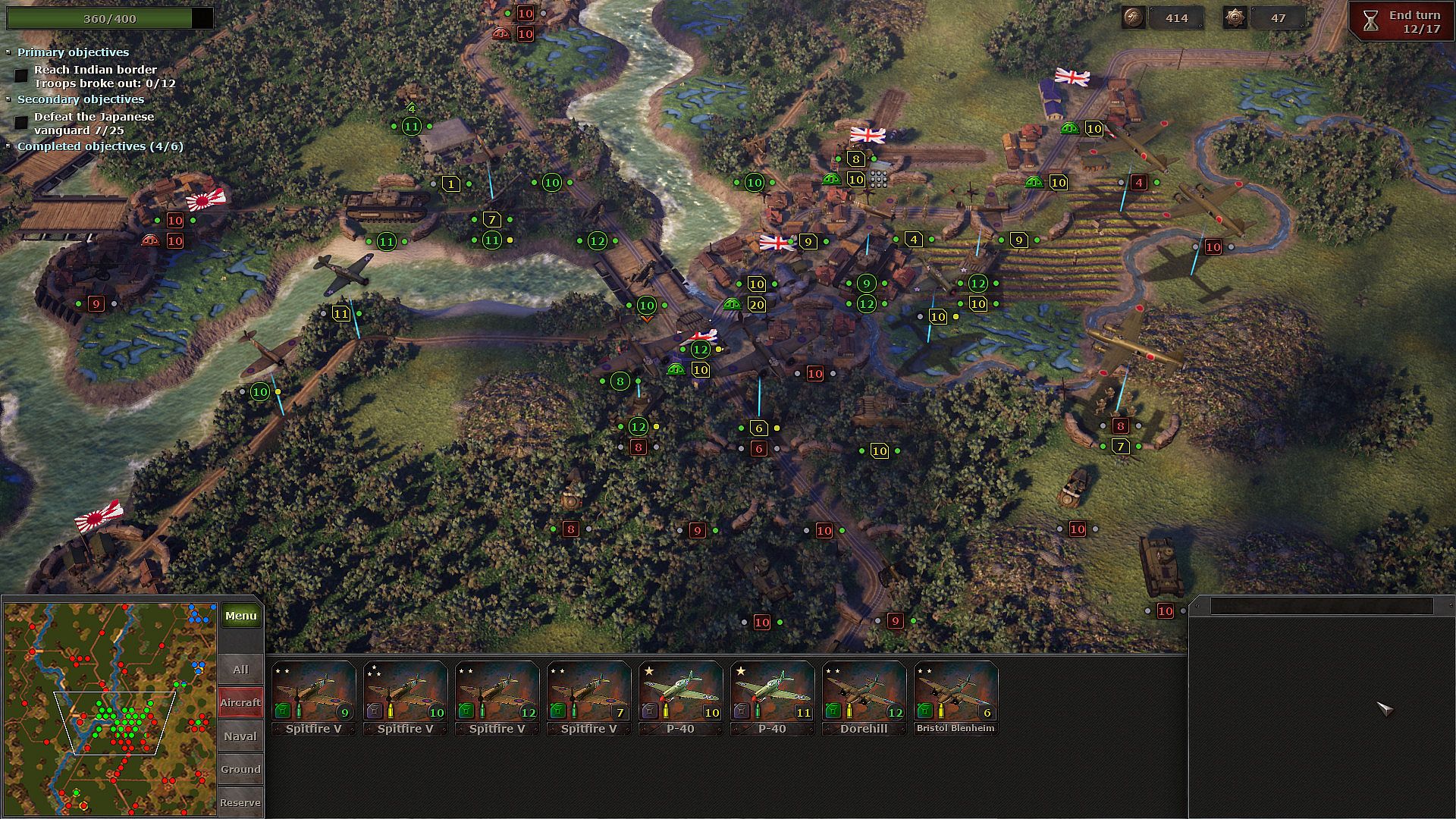
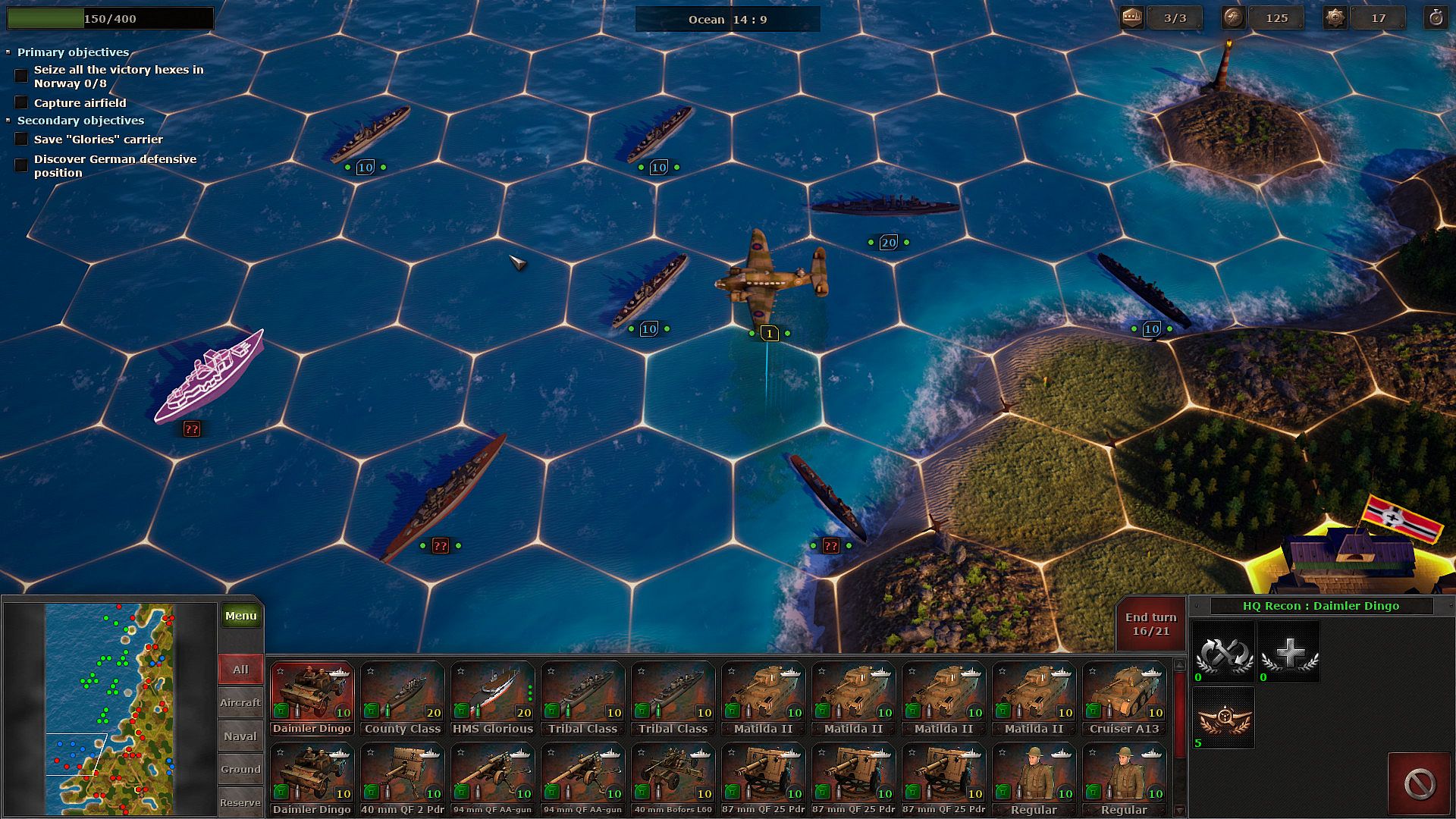
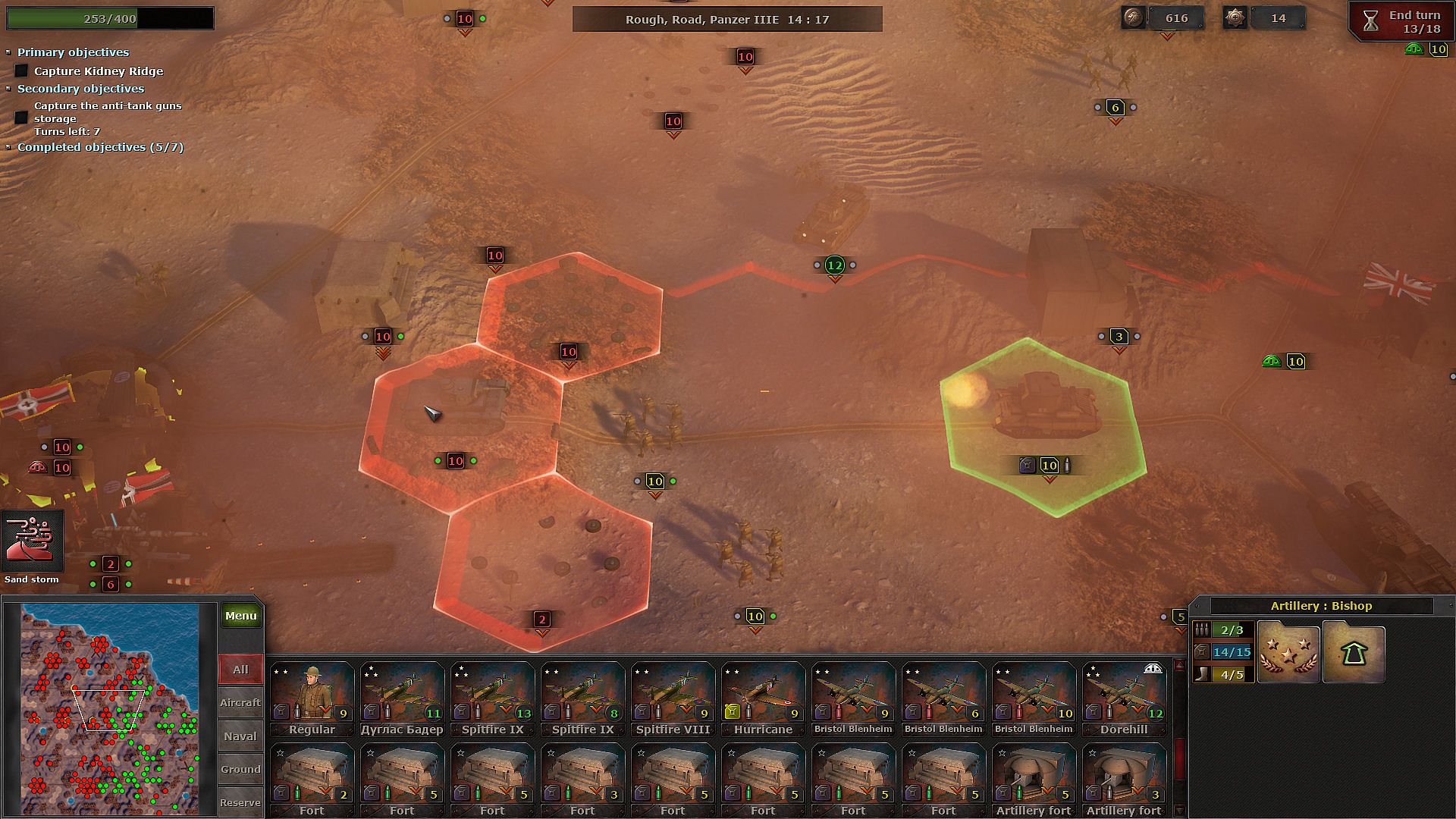
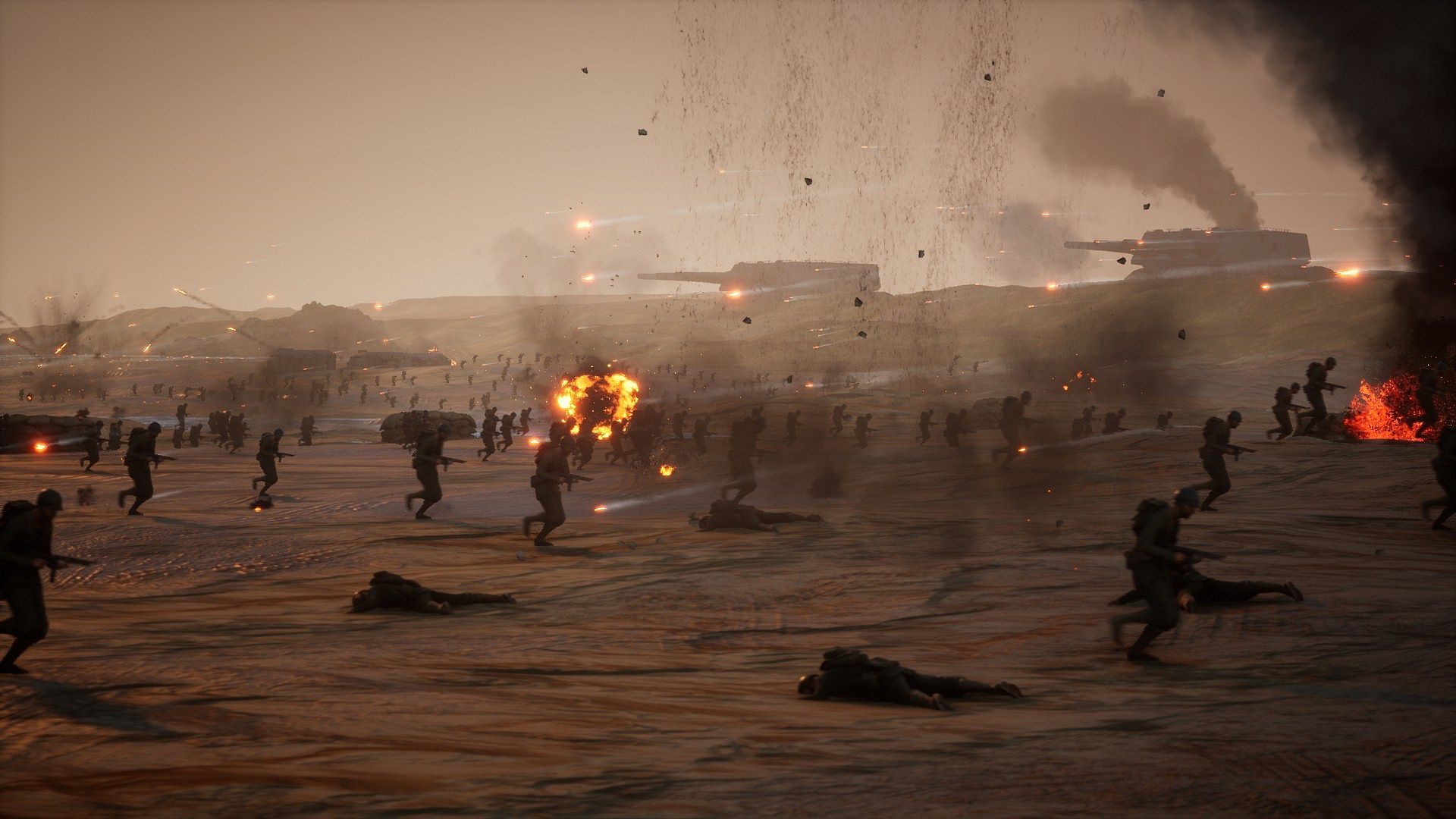
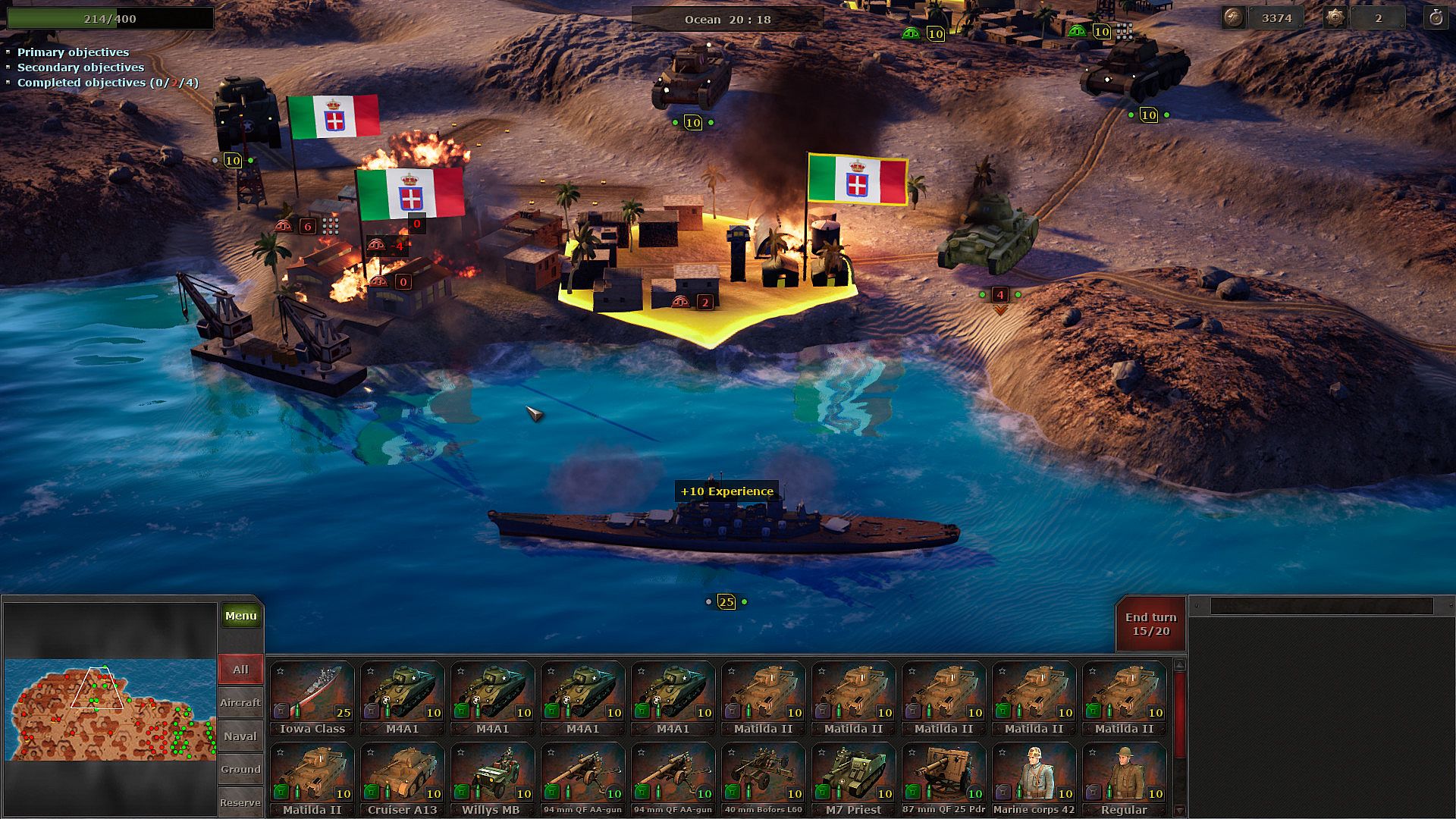
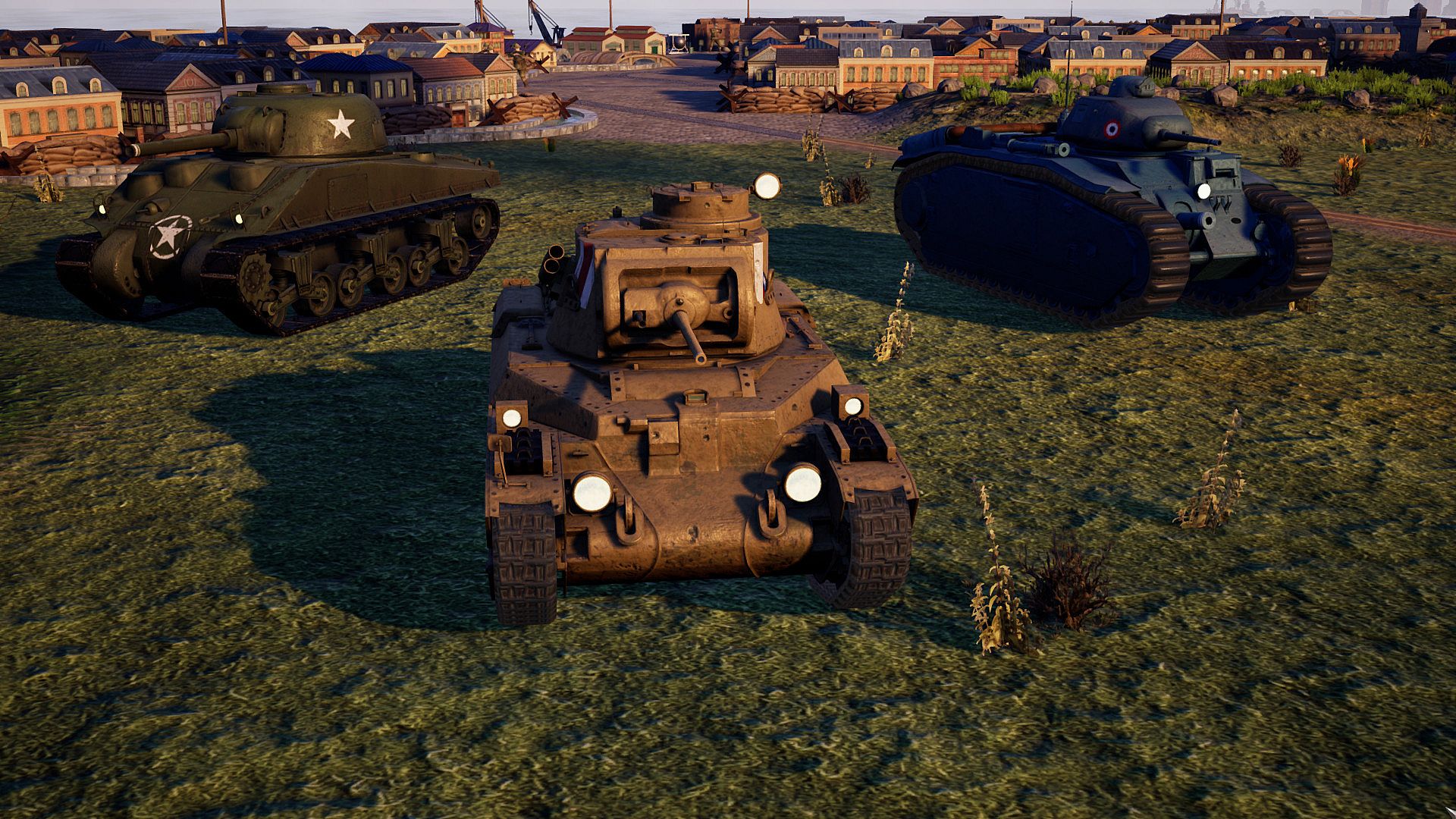
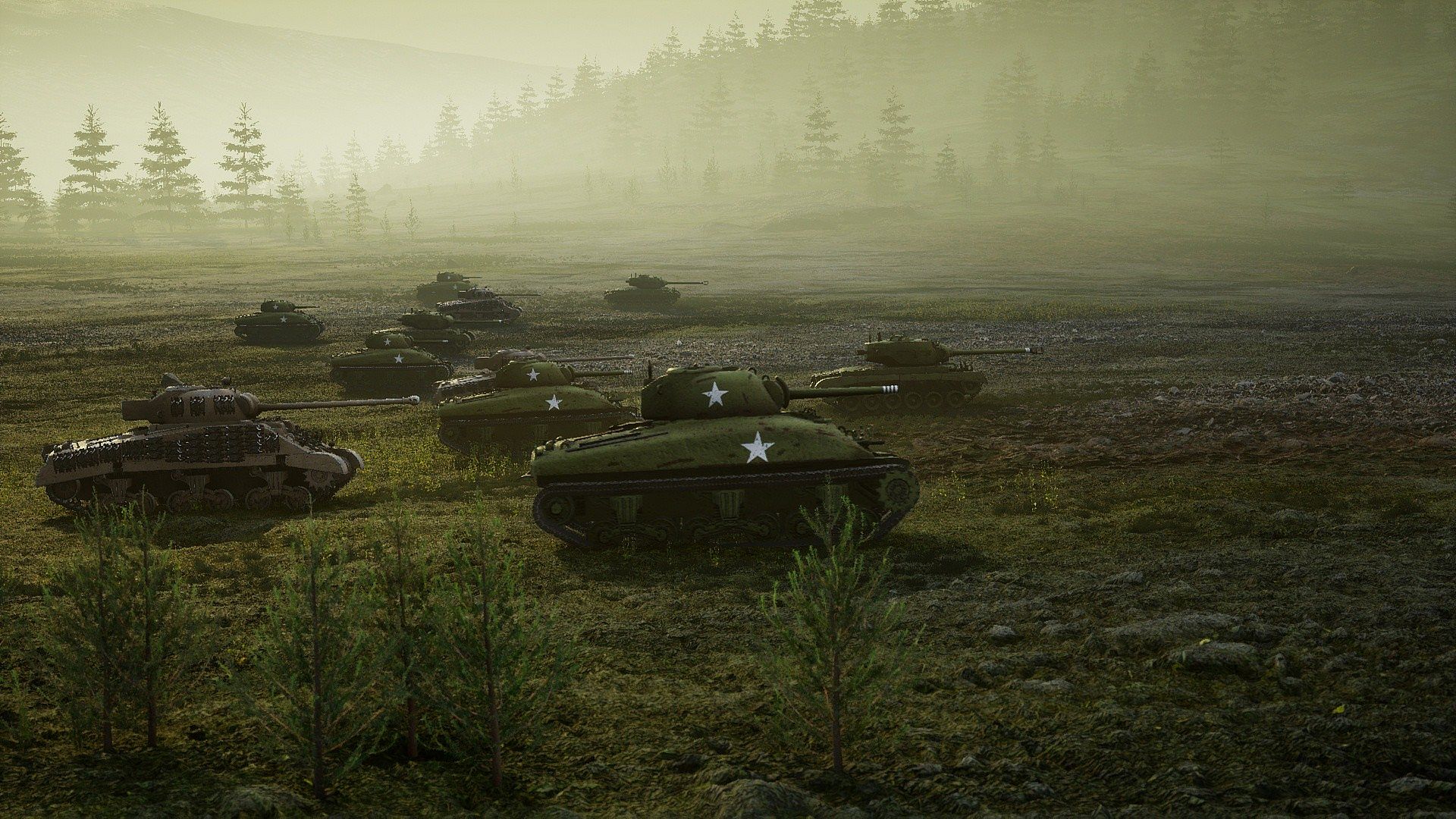
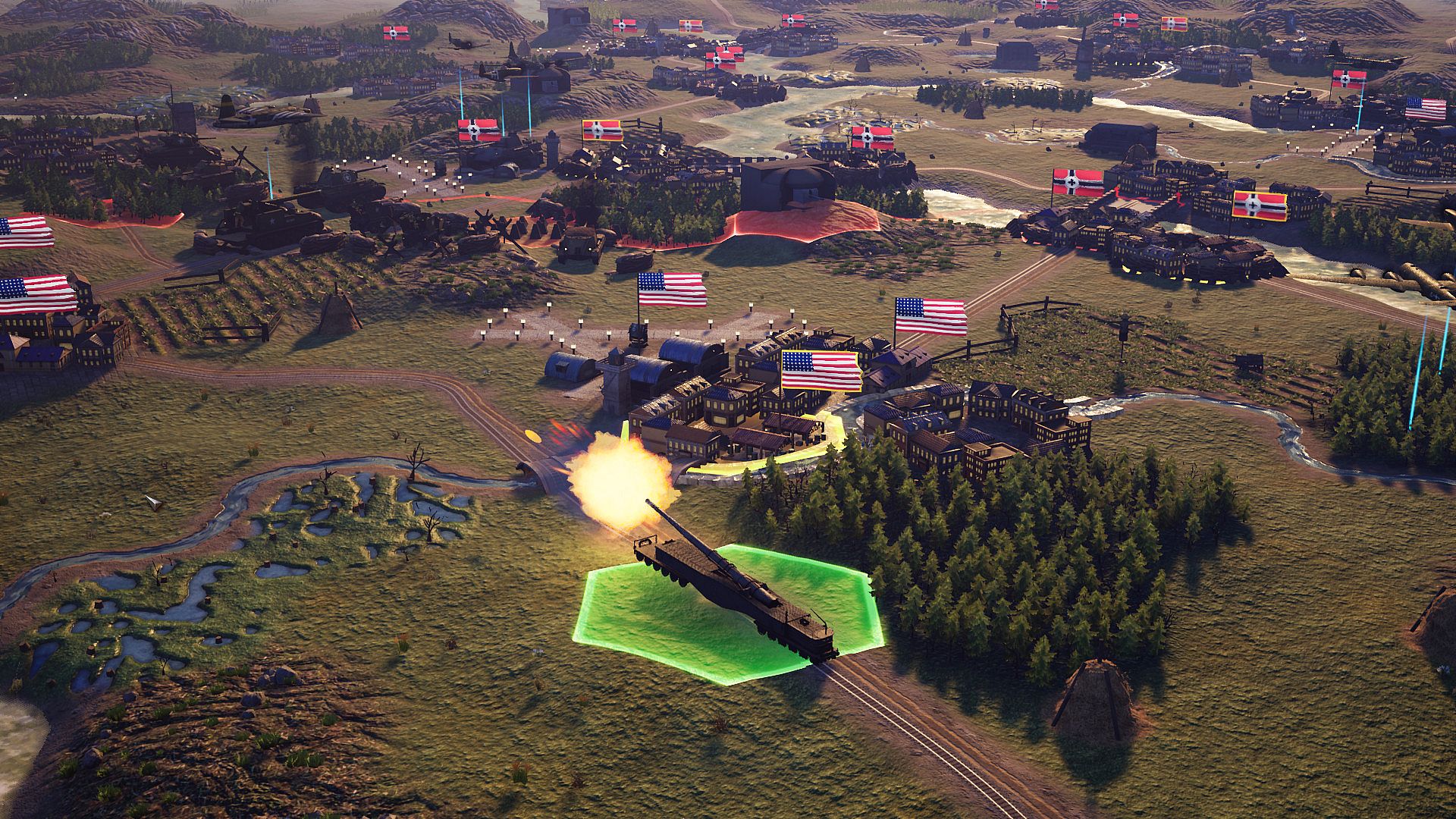
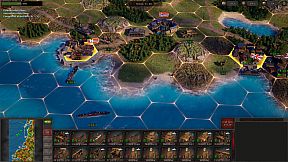
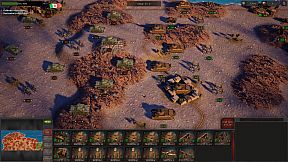
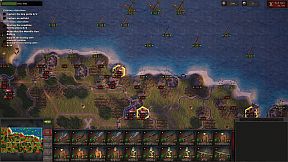
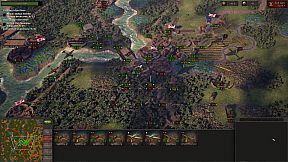
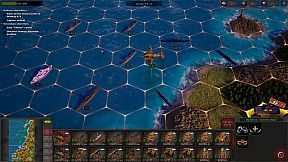
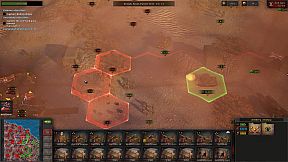
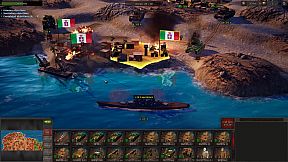
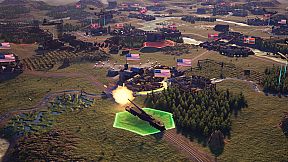
The core loop revolves around planning operations on detailed battle maps that use volumetric terrain and physically simulated unit movement. Each turn requires positioning units, selecting equipment and transport options, and applying abilities gained through combat experience. Ten unit classes cover infantry, armor, artillery, and air support, with multiple models per class that become available at historically accurate points in the campaigns.
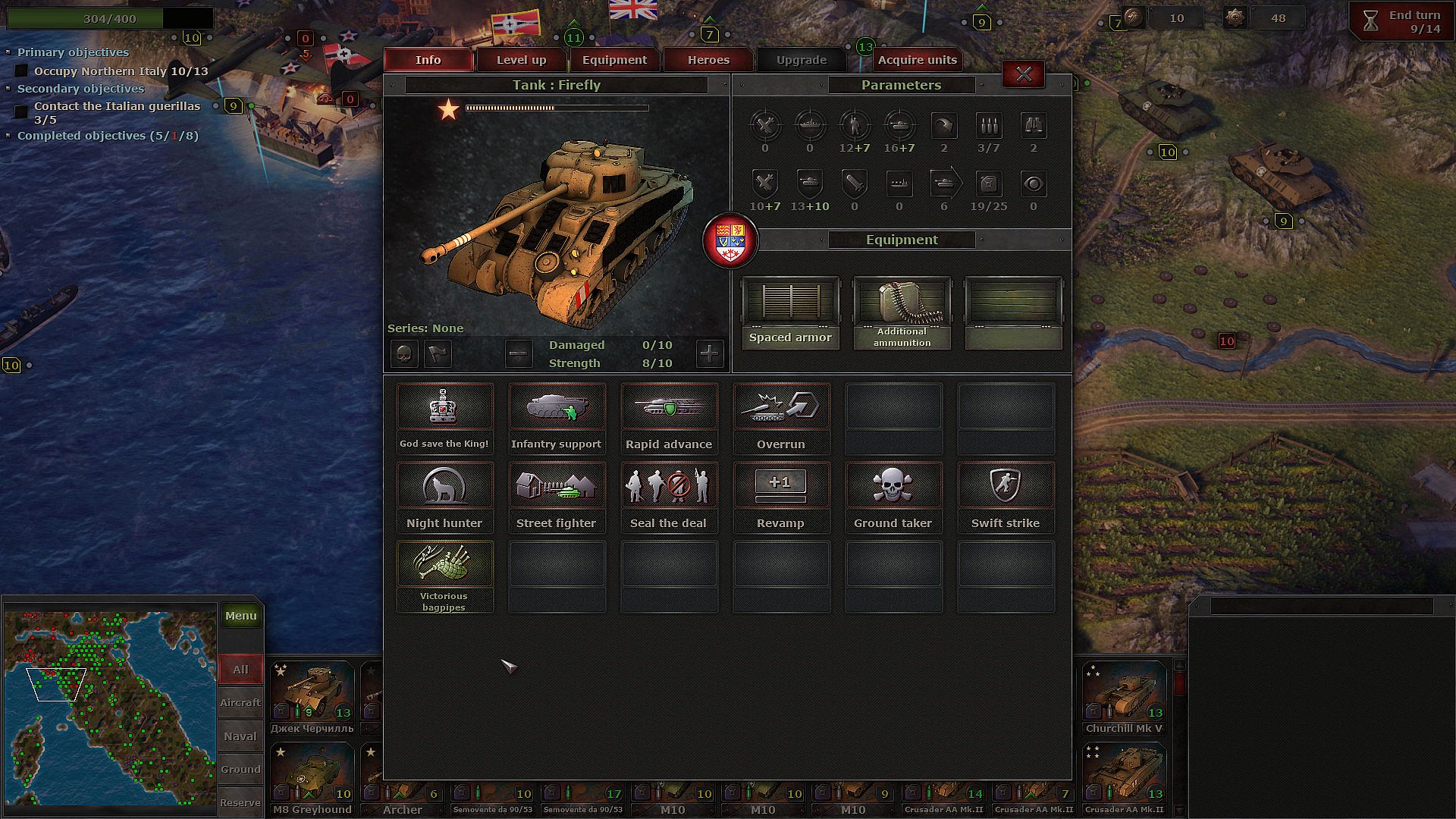
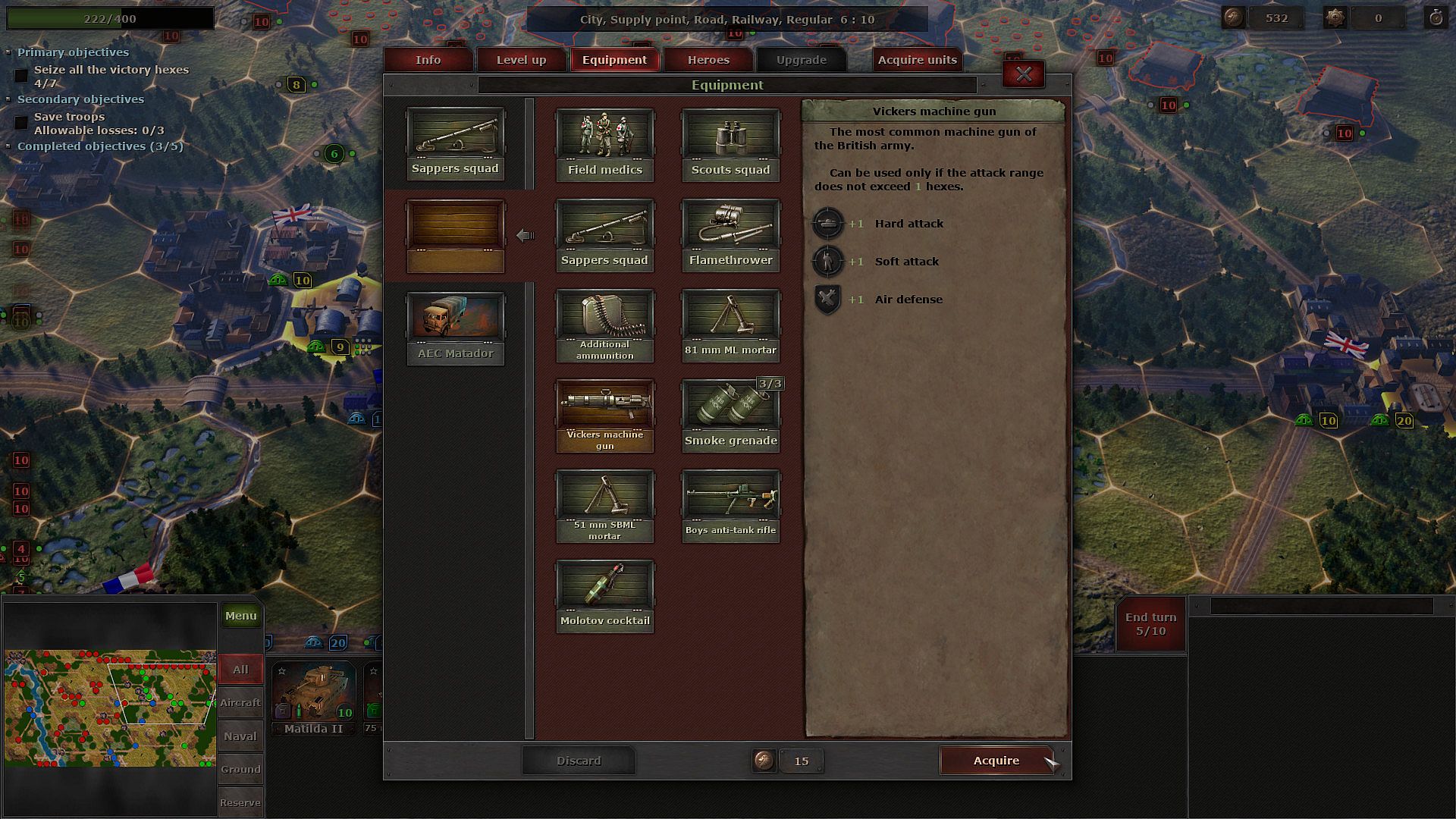
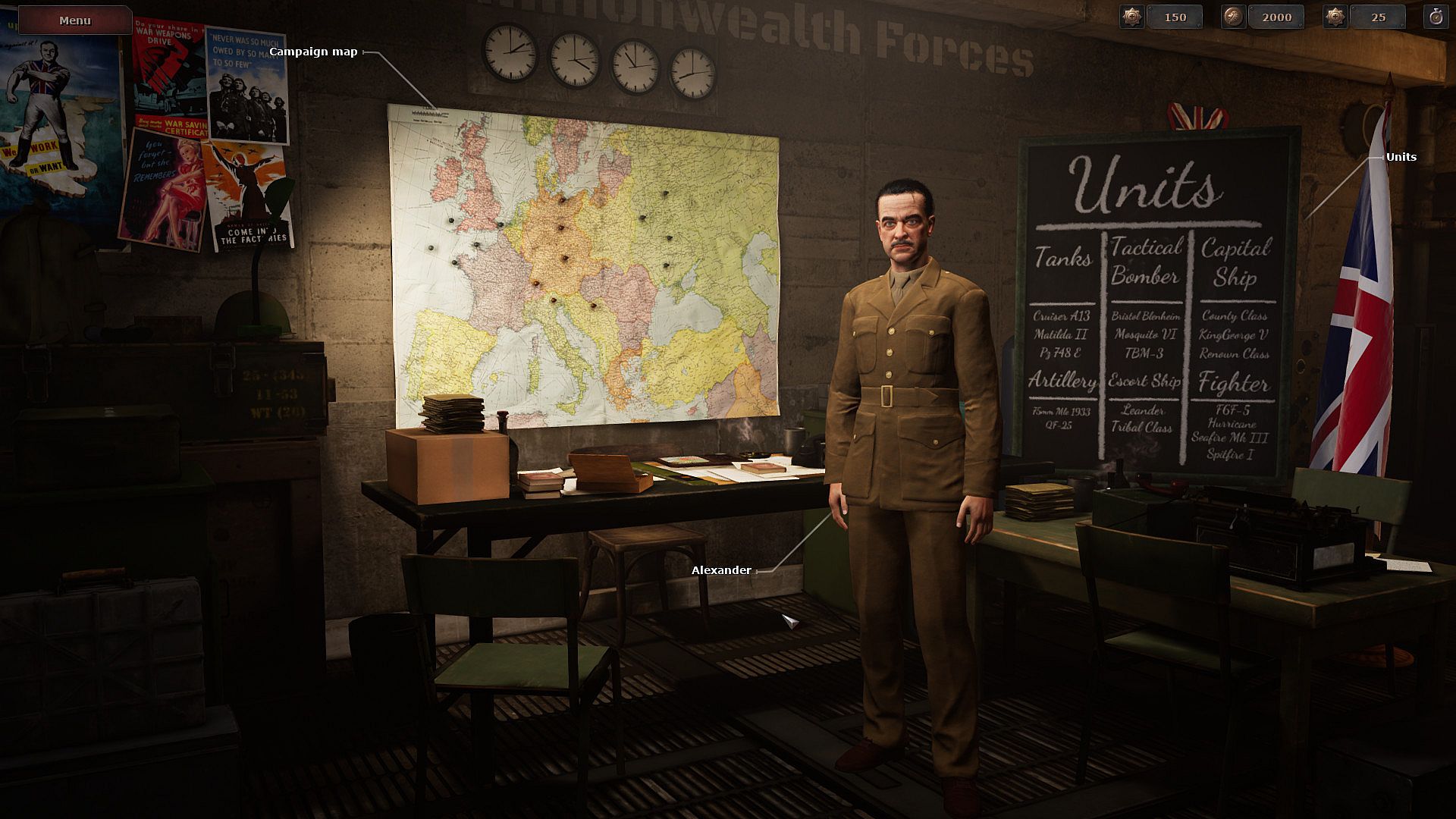
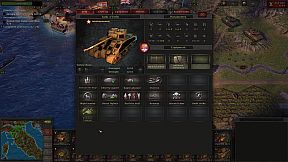
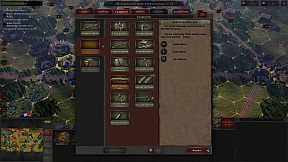
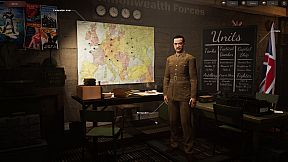
Army management includes acquiring new units, upgrading existing ones to newer models, dismissing outdated forces, and assigning skills to individual troops or headquarters. Headquarters skills unlock advanced combat tactics before each operation, while captured enemy units can be integrated into the player's forces for added versatility. The system emphasizes synergy between Allied and liberated country units to minimize losses and maximize effectiveness on the battlefield.
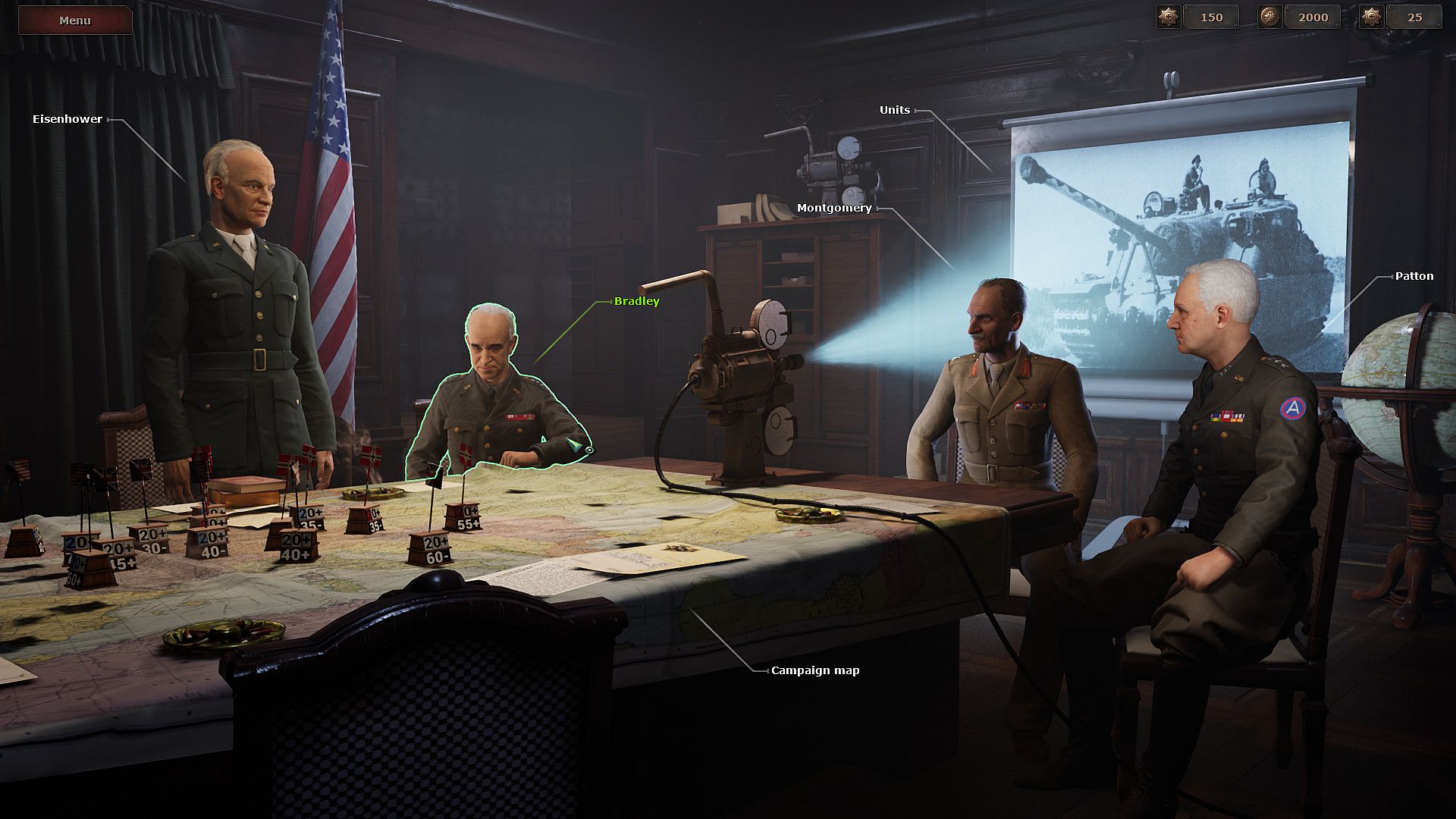
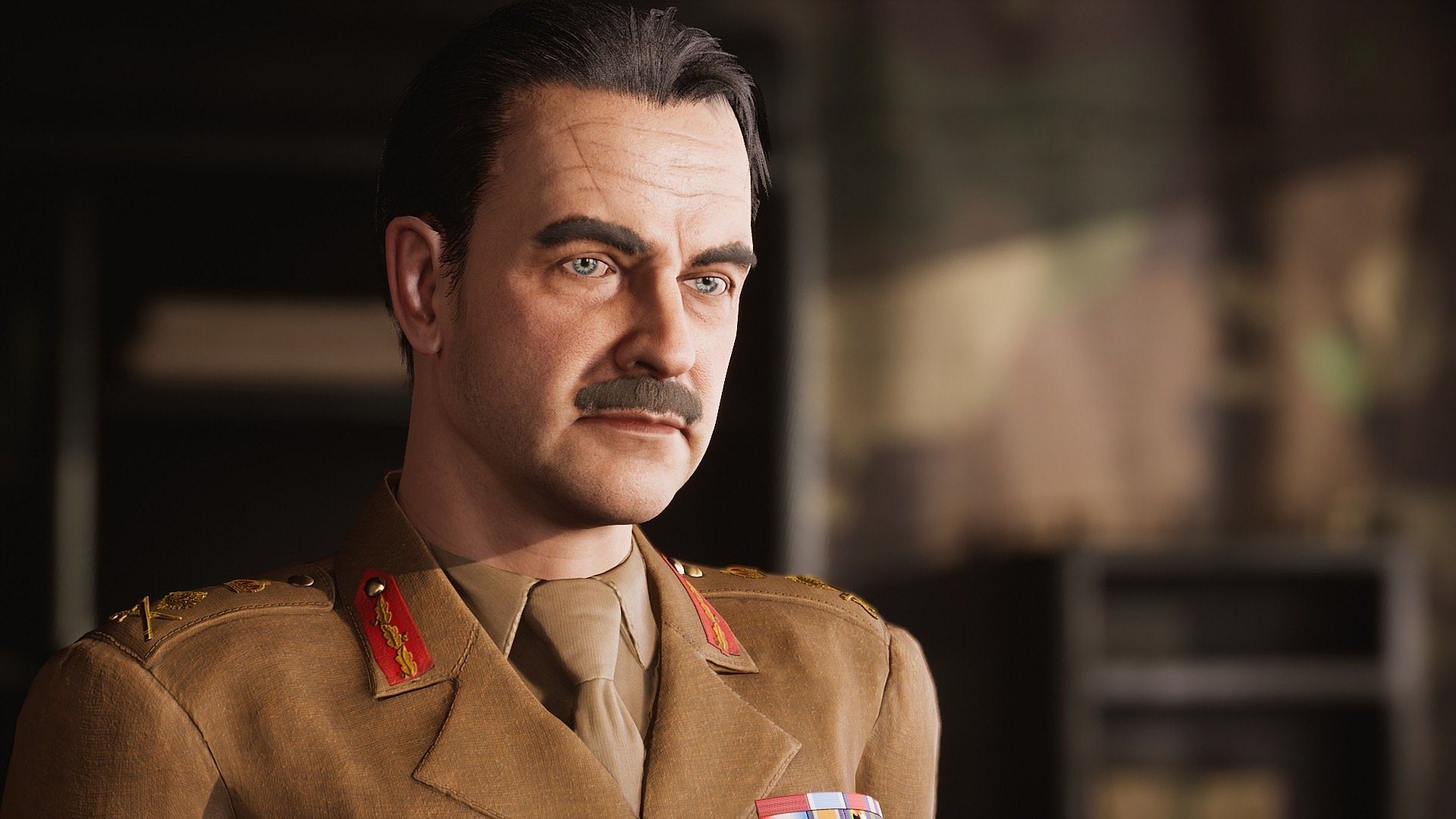
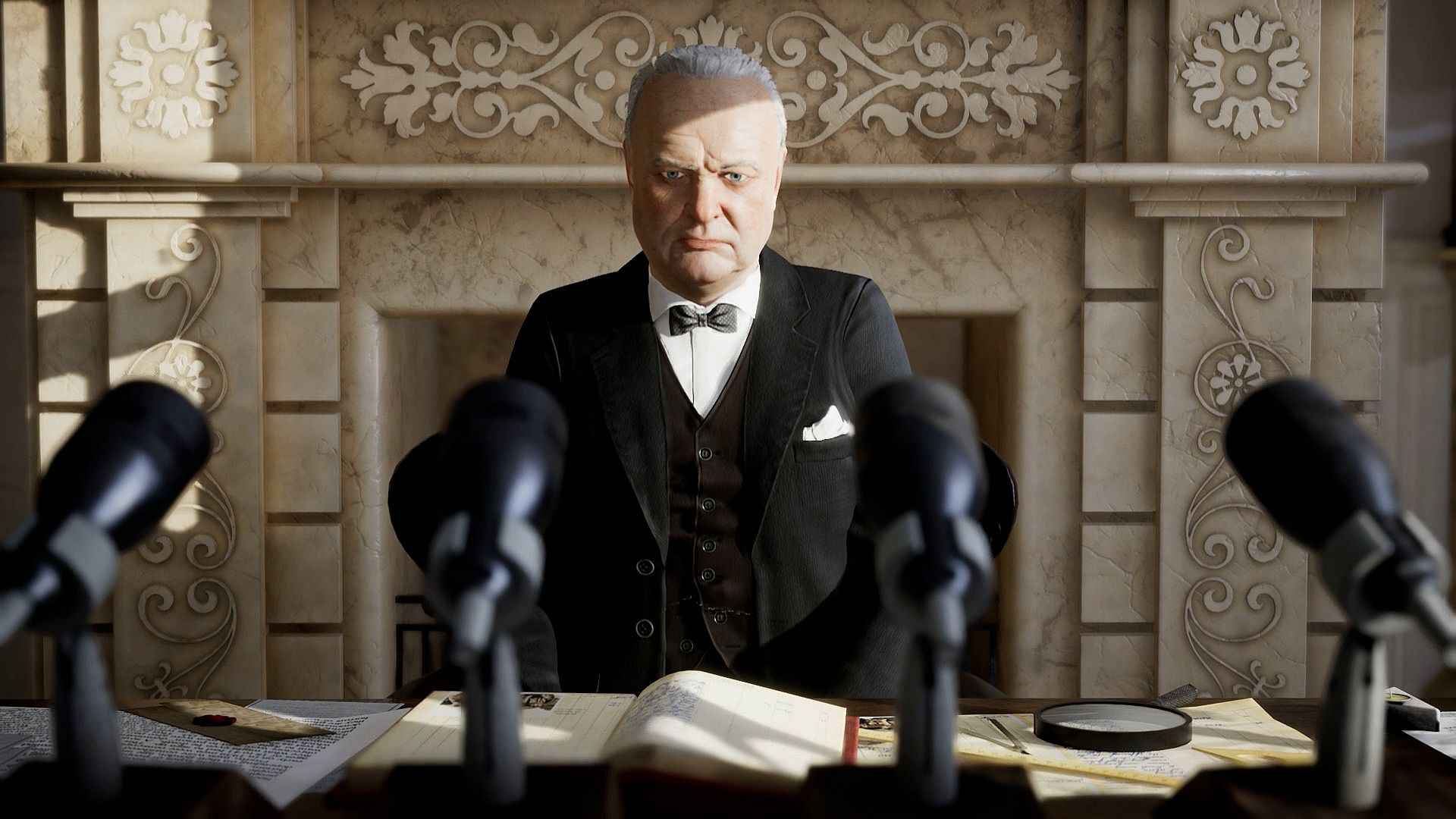
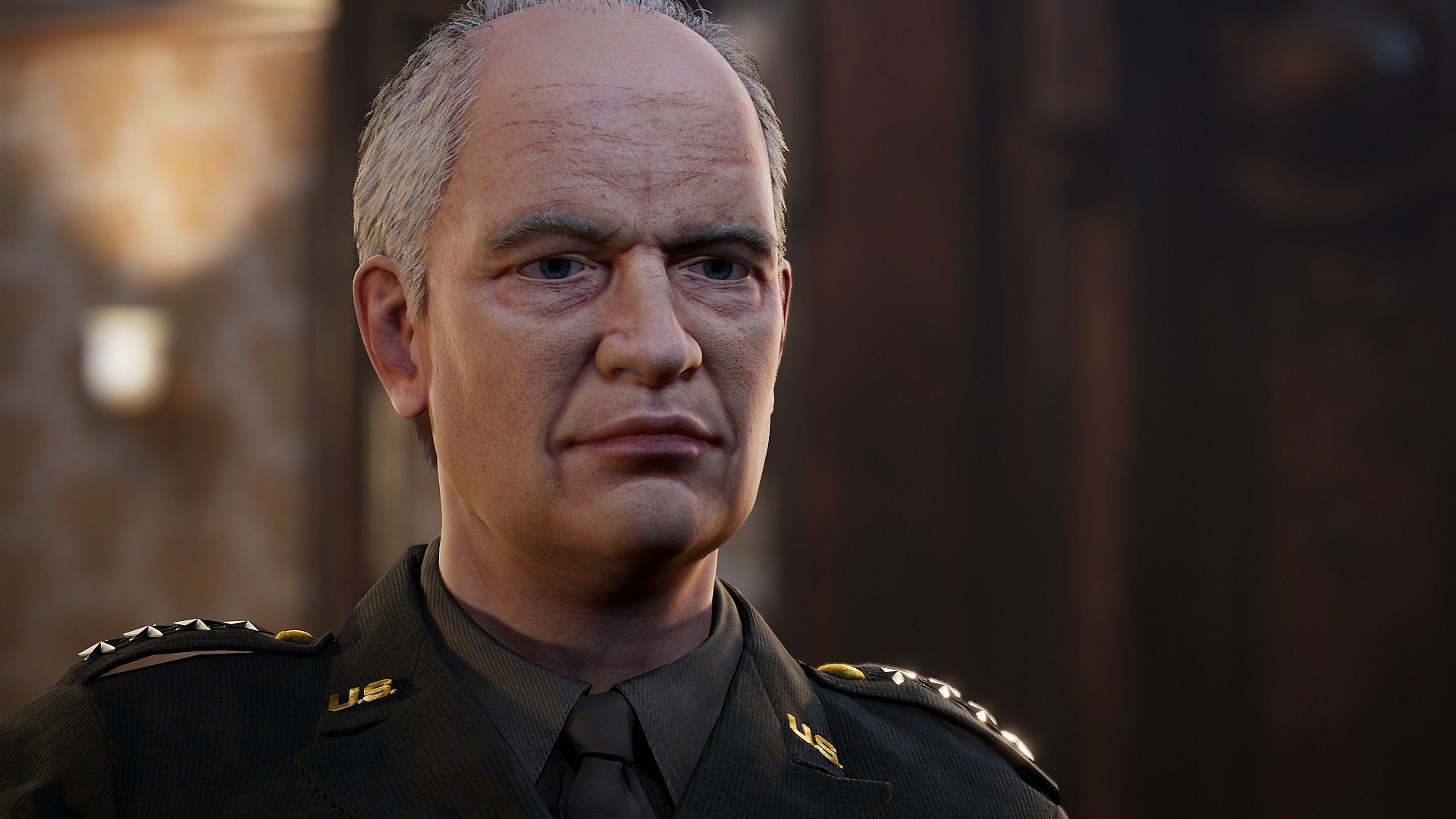
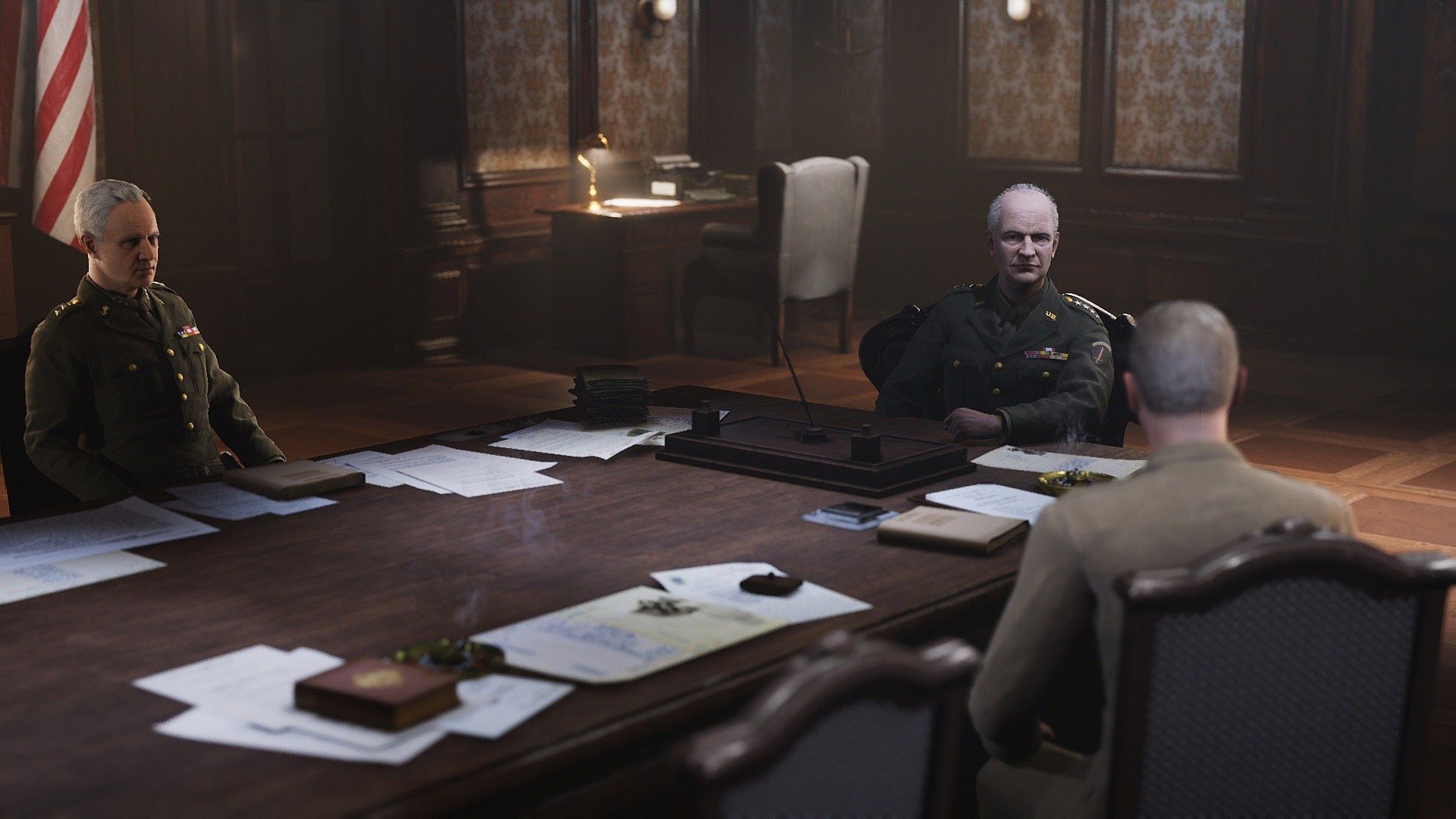
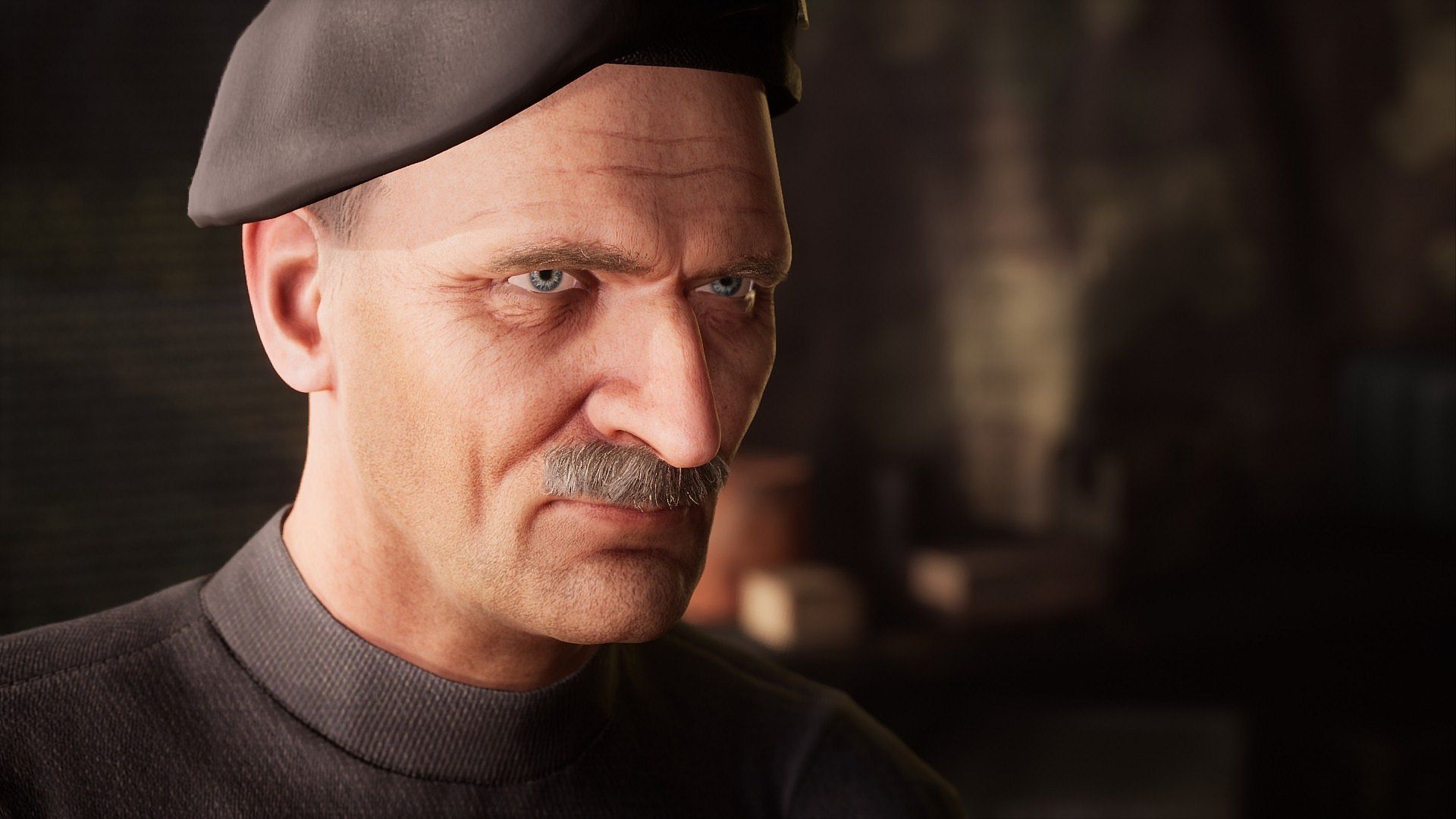
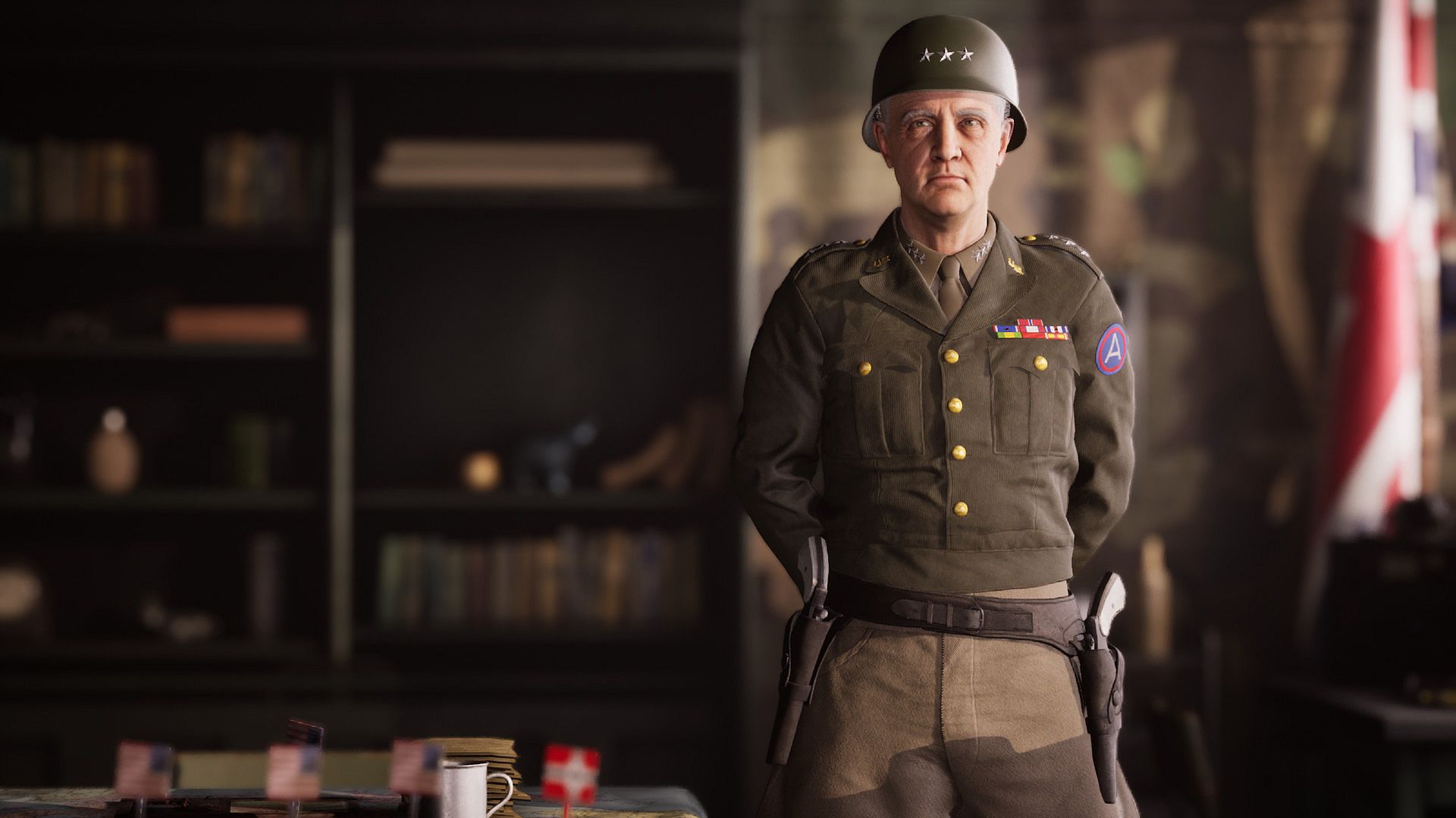
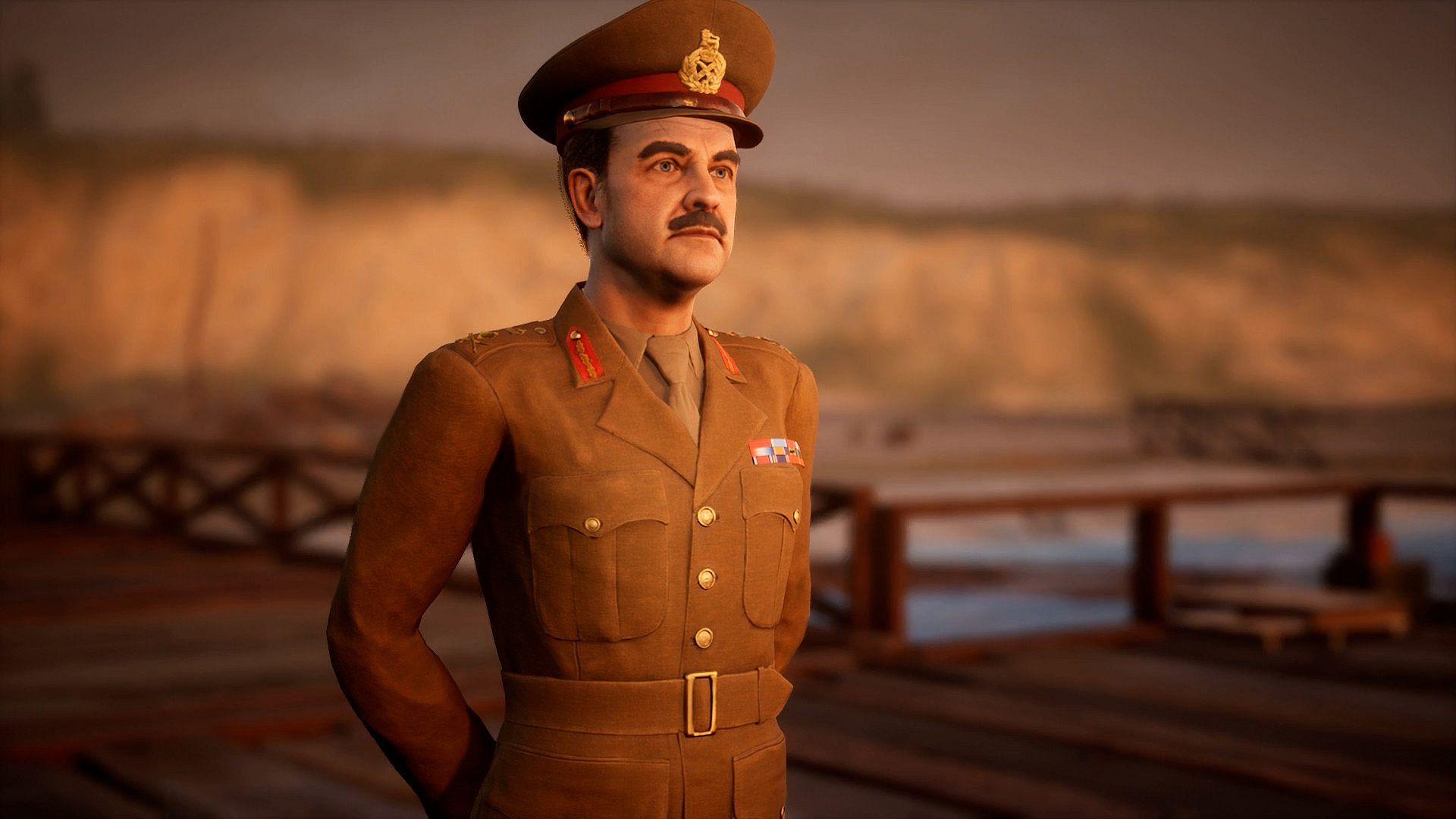
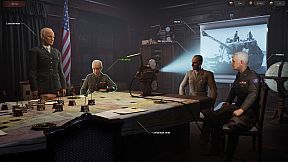
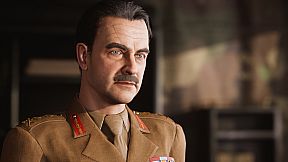
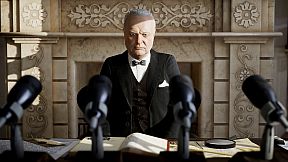
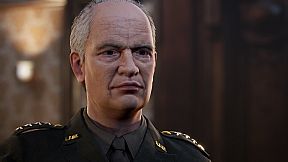
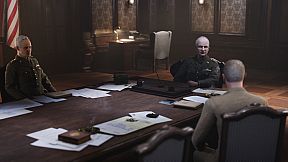
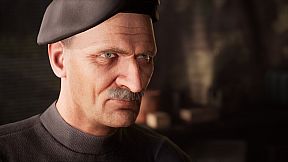
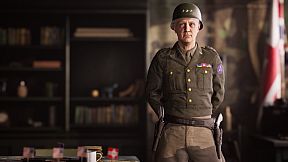
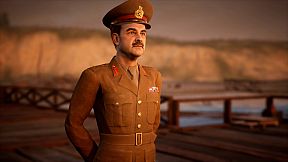
Historical personalities such as Winston Churchill, Franklin Delano Roosevelt, Harold Alexander, Bernard Law Montgomery, Dwight D. Eisenhower, and George S. Patton appear in the plot-driven narrative, influencing decisions and providing context for operations across Europe, Africa, and Burma.
Game Modes
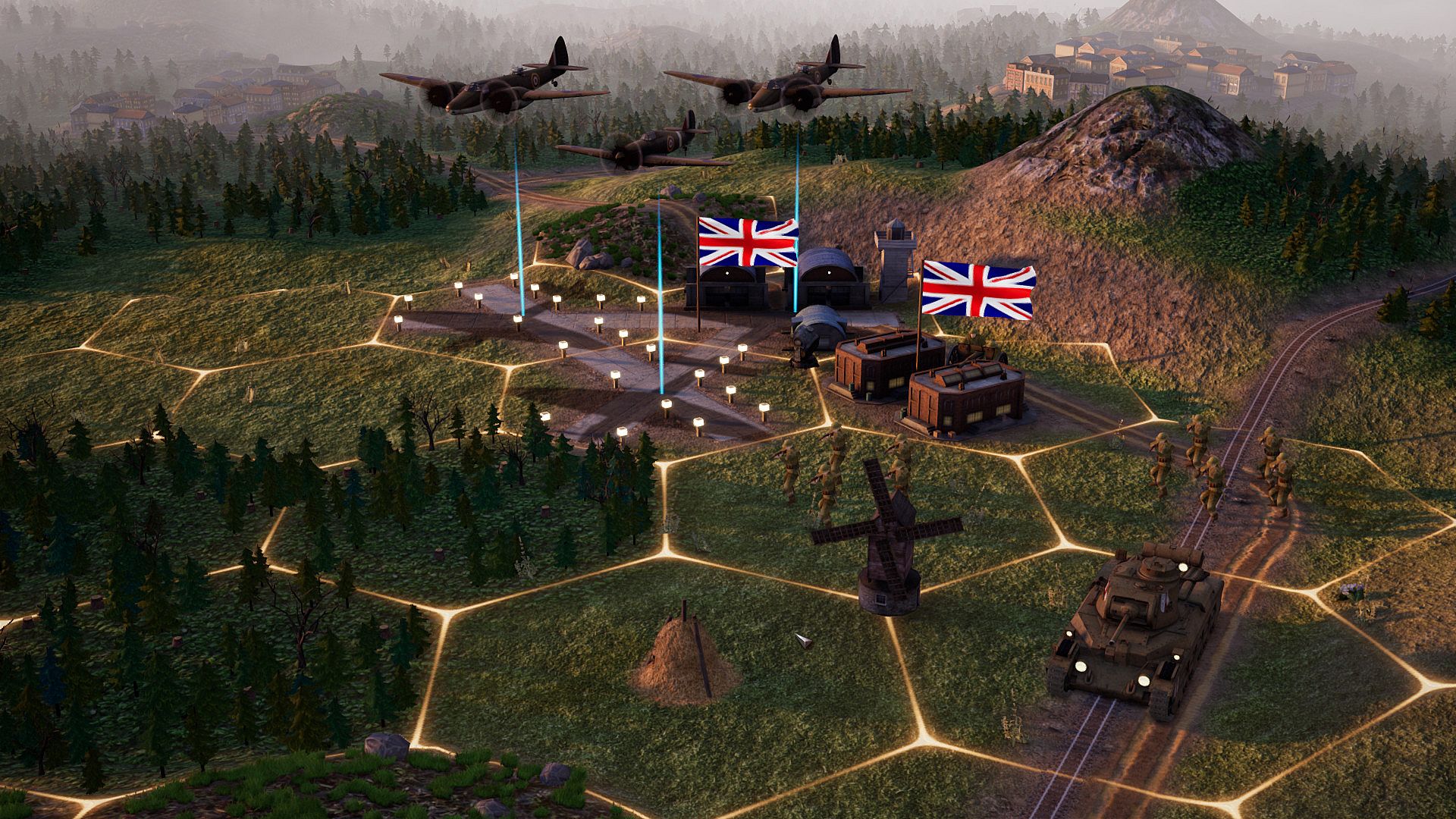
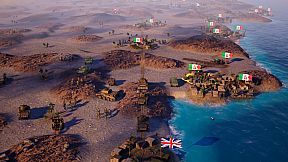
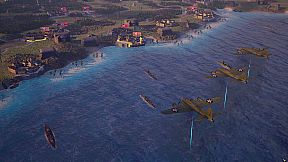
The game features two distinct campaigns. The British campaign follows fully historical battles, beginning with the Norway landings and progressing through the Dunkirk evacuation, fighting in Burma against Japanese forces, operations in Africa against Italian troops, the turning point at El Alamein, and the 1943 landings in Italy under the command of Sir Harold Alexander.
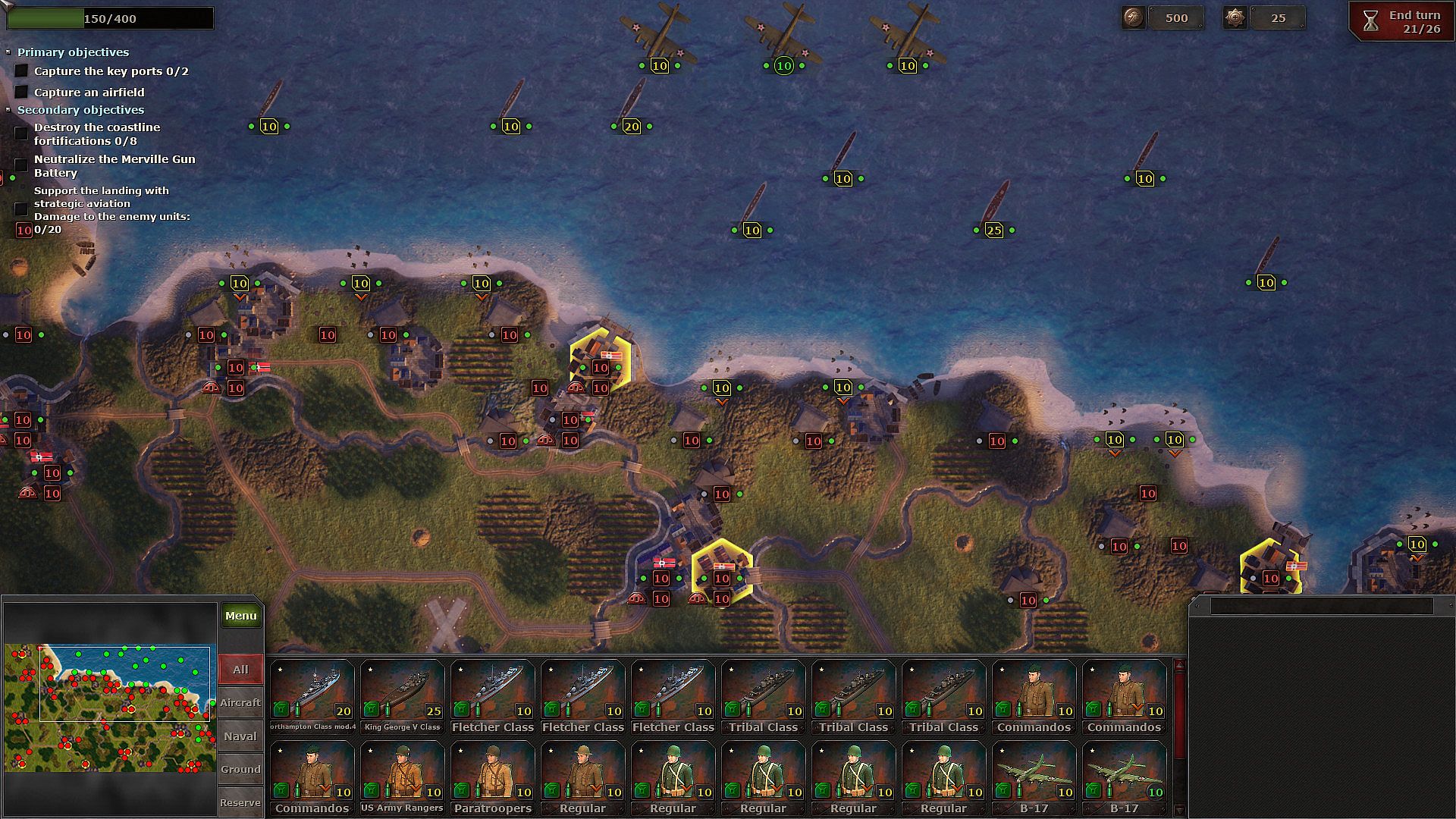
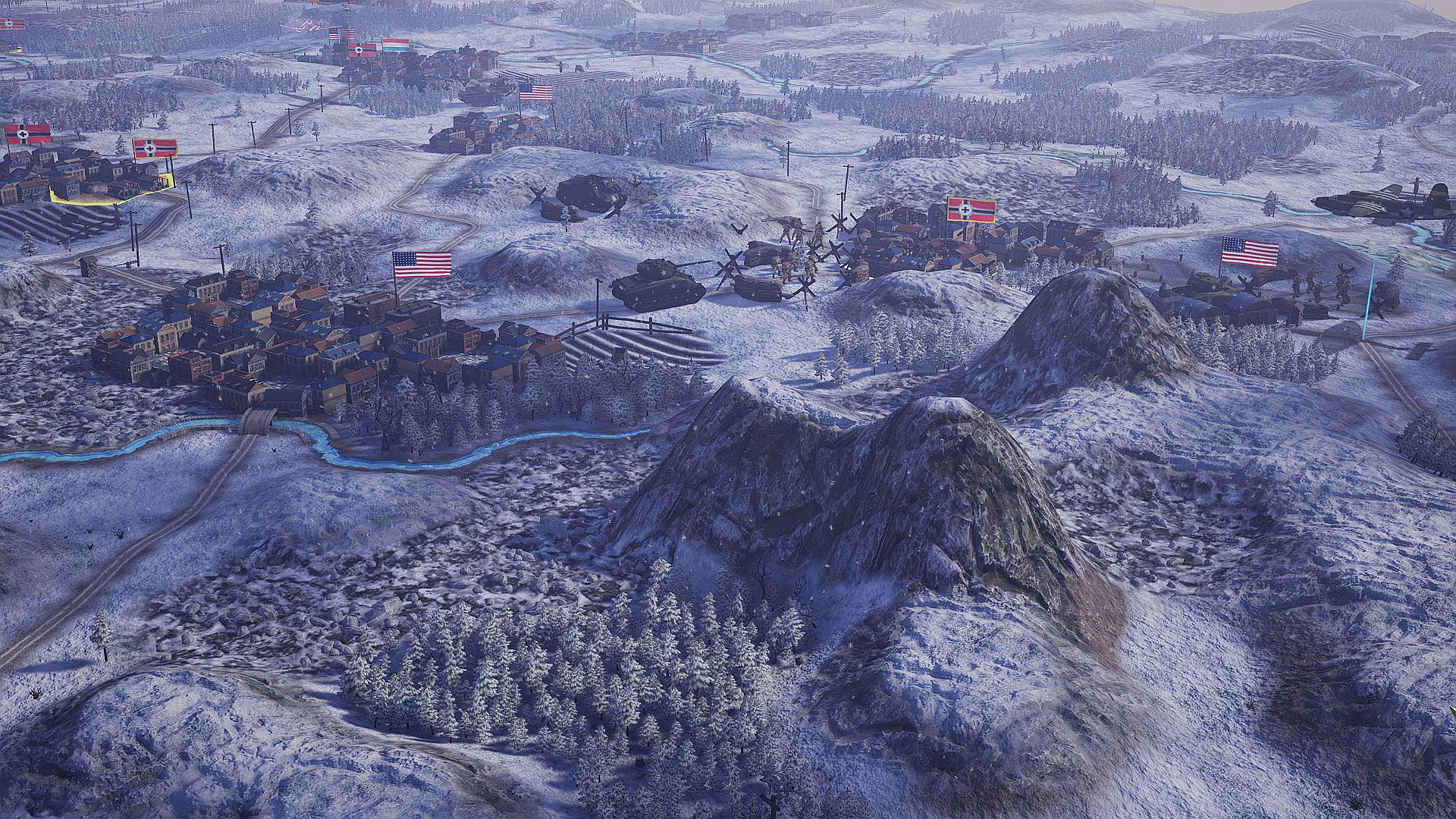
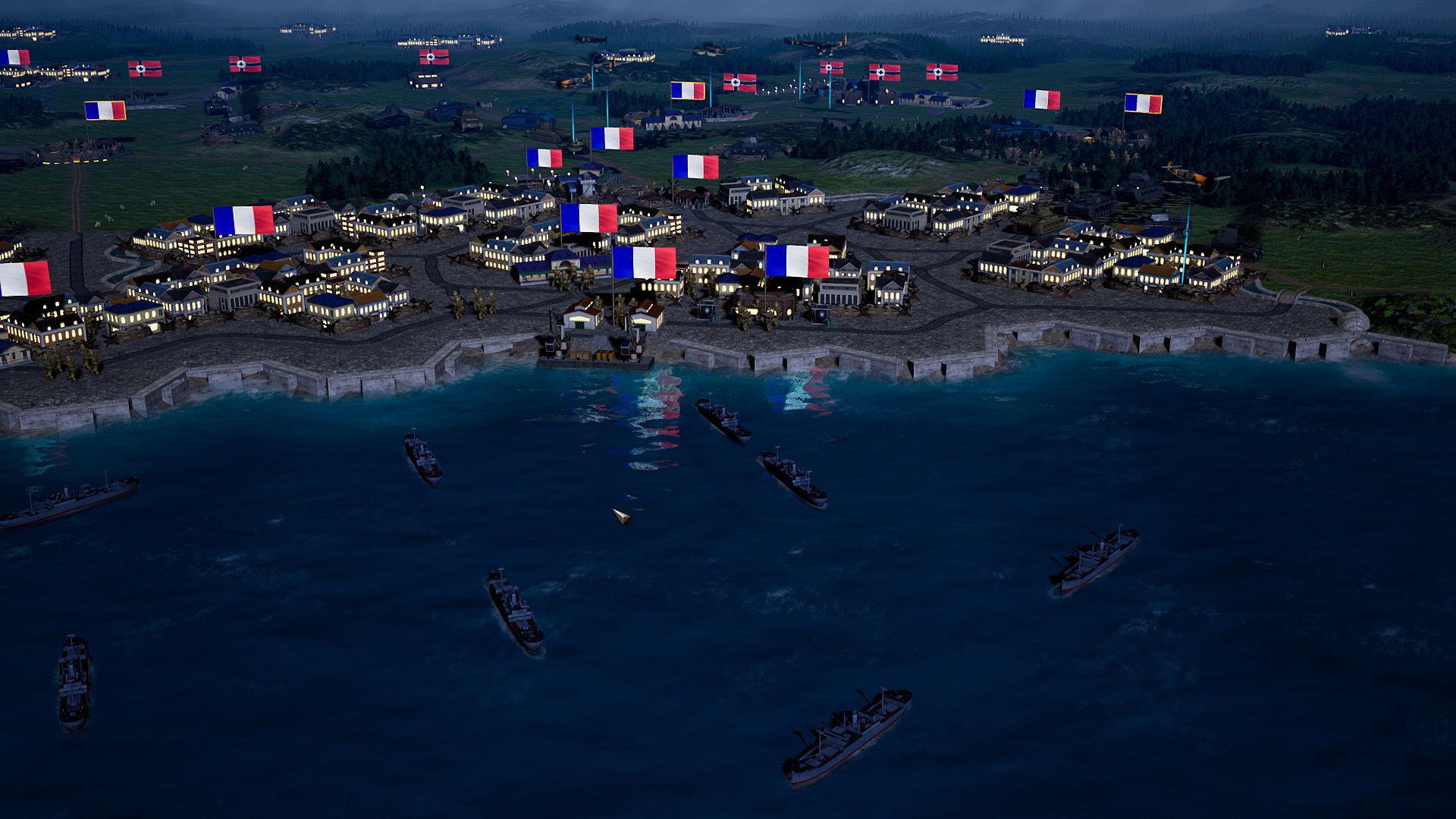
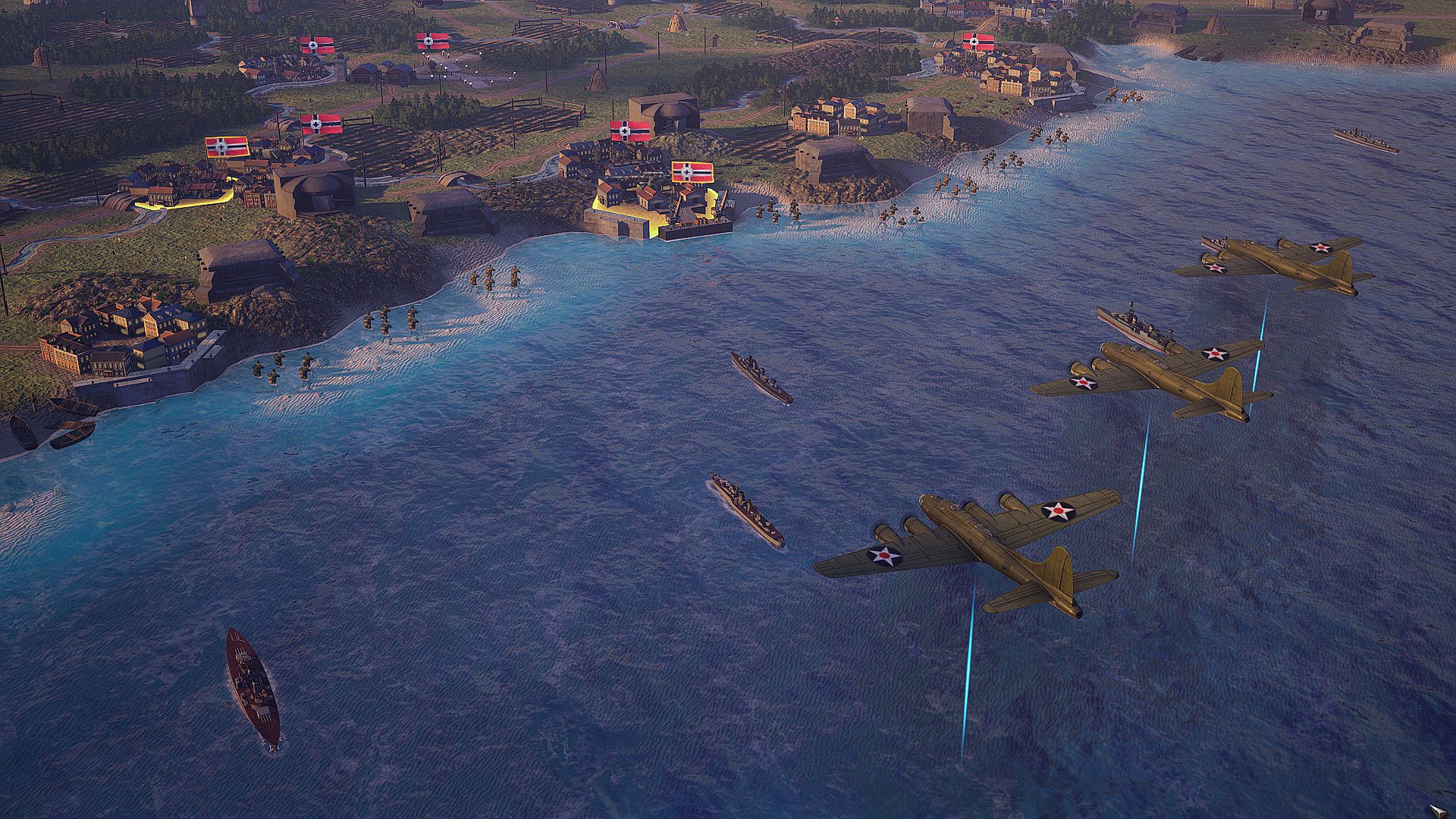
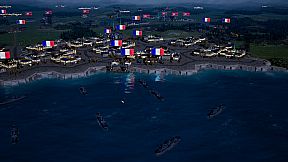
The US campaign starts with D-Day landings and continues through historical operations including Operation Market Garden, the Battle of the Bulge in the Ardennes, and the advance to Berlin under General Dwight Eisenhower. It then shifts into alternate history scenarios set in 1946, where US and Allied forces confront the Red Army in Eastern Europe.
Historical Detail and Presentation
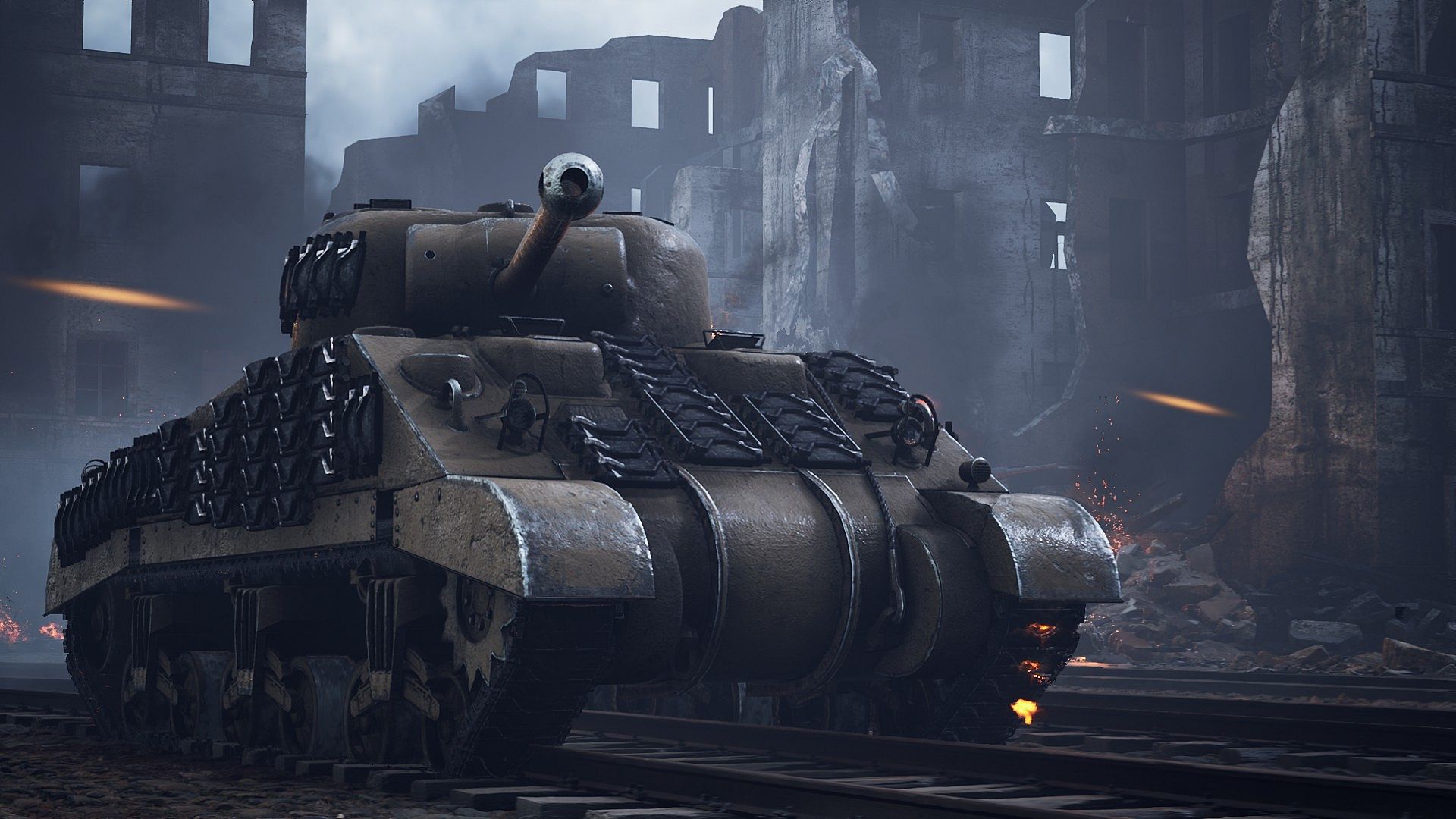
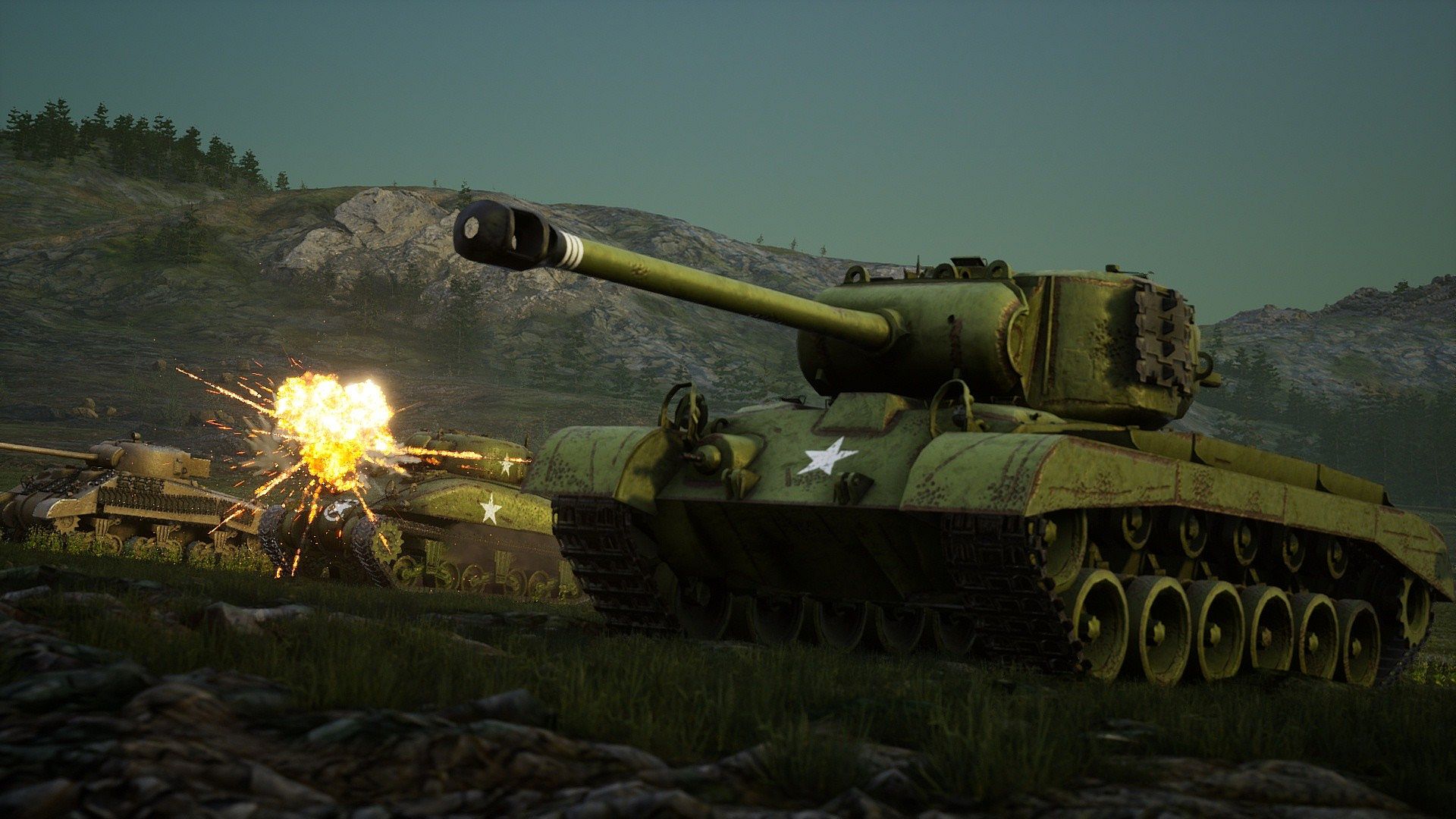
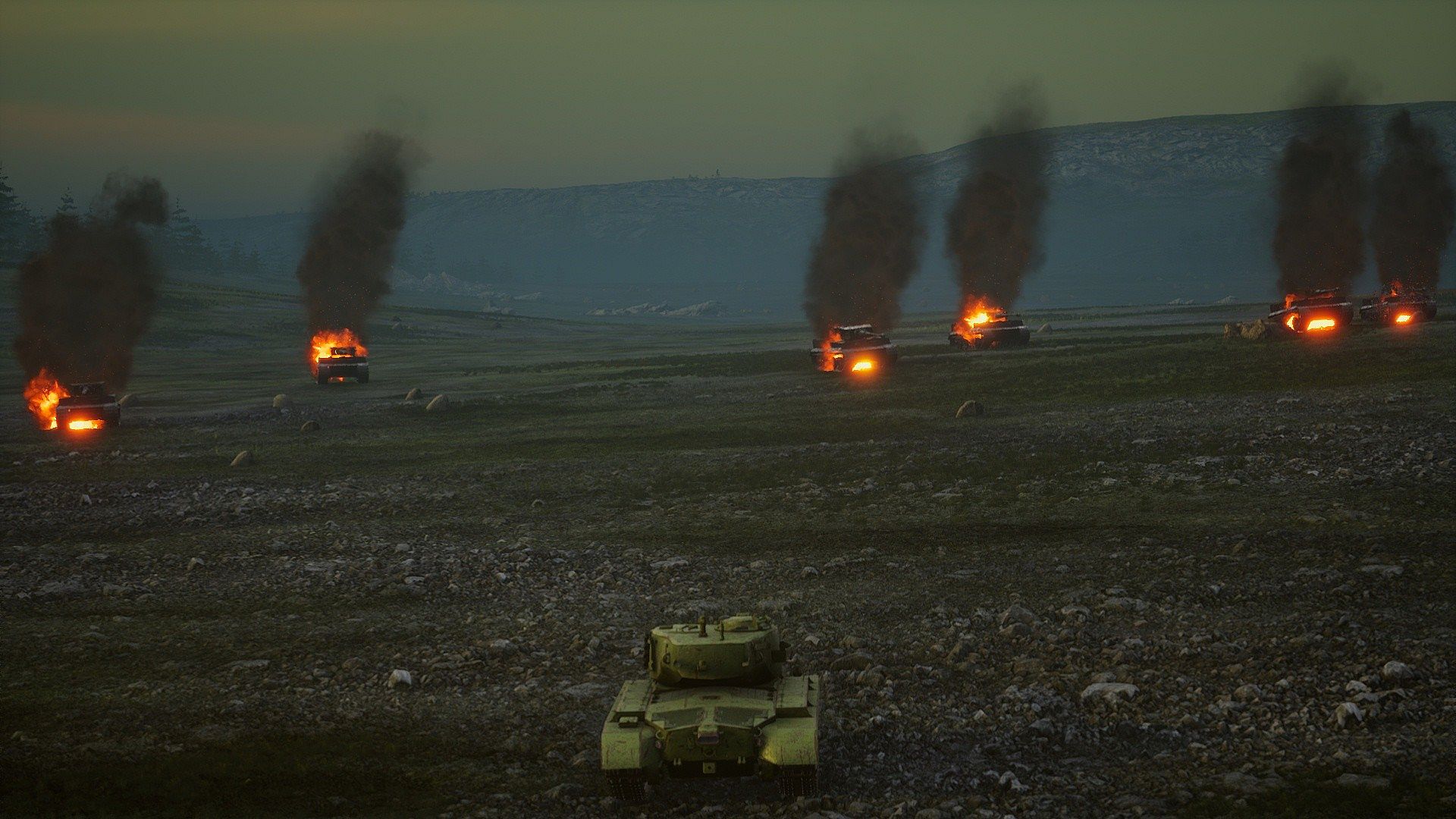
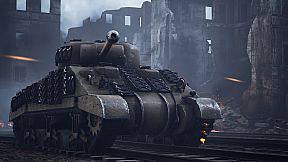
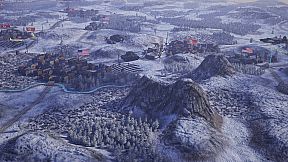
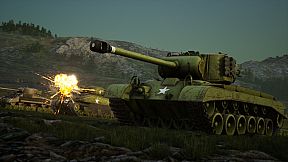
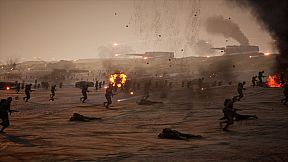
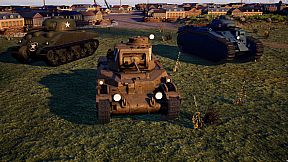
Development focused on accurate representation of World War II events, equipment, and unit progression. Maps reflect real locations with attention to terrain advantages that players can exploit through night operations, rain, or aggressive maneuvers. Three-dimensional graphics allow close study of the battlefield, with units rendered as detailed models of their historical counterparts.
Players decide whether to invest time in reconnaissance, leverage environmental factors, or support local populations, all of which affect mission outcomes and long-term campaign success. The emphasis remains on single-player strategic planning rather than real-time action.
Is It Worth Playing?
Strategic Mind: Fight for Freedom delivers a focused single-player experience centered on historical and alternate-history campaigns. It suits players who enjoy managing unit upgrades, skill progression, and tactical positioning in a turn-based format without multiplayer components.
Reception on major platforms stands at Very Positive based on user reviews. The game provides a complete package with no ongoing seasonal content or additional modes beyond the two campaigns. Those interested in detailed World War II strategy with army customization and plot-driven missions will find the systems rewarding, while players seeking variety in game modes or modern graphics may prefer other titles in the genre.