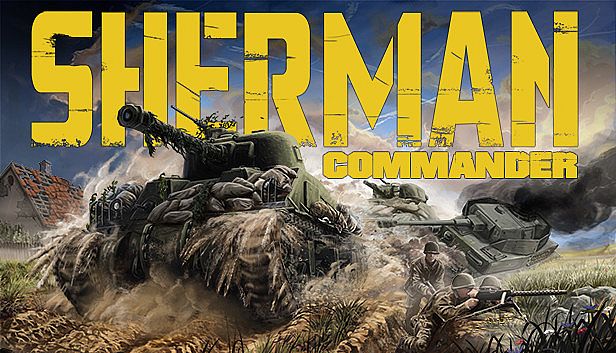












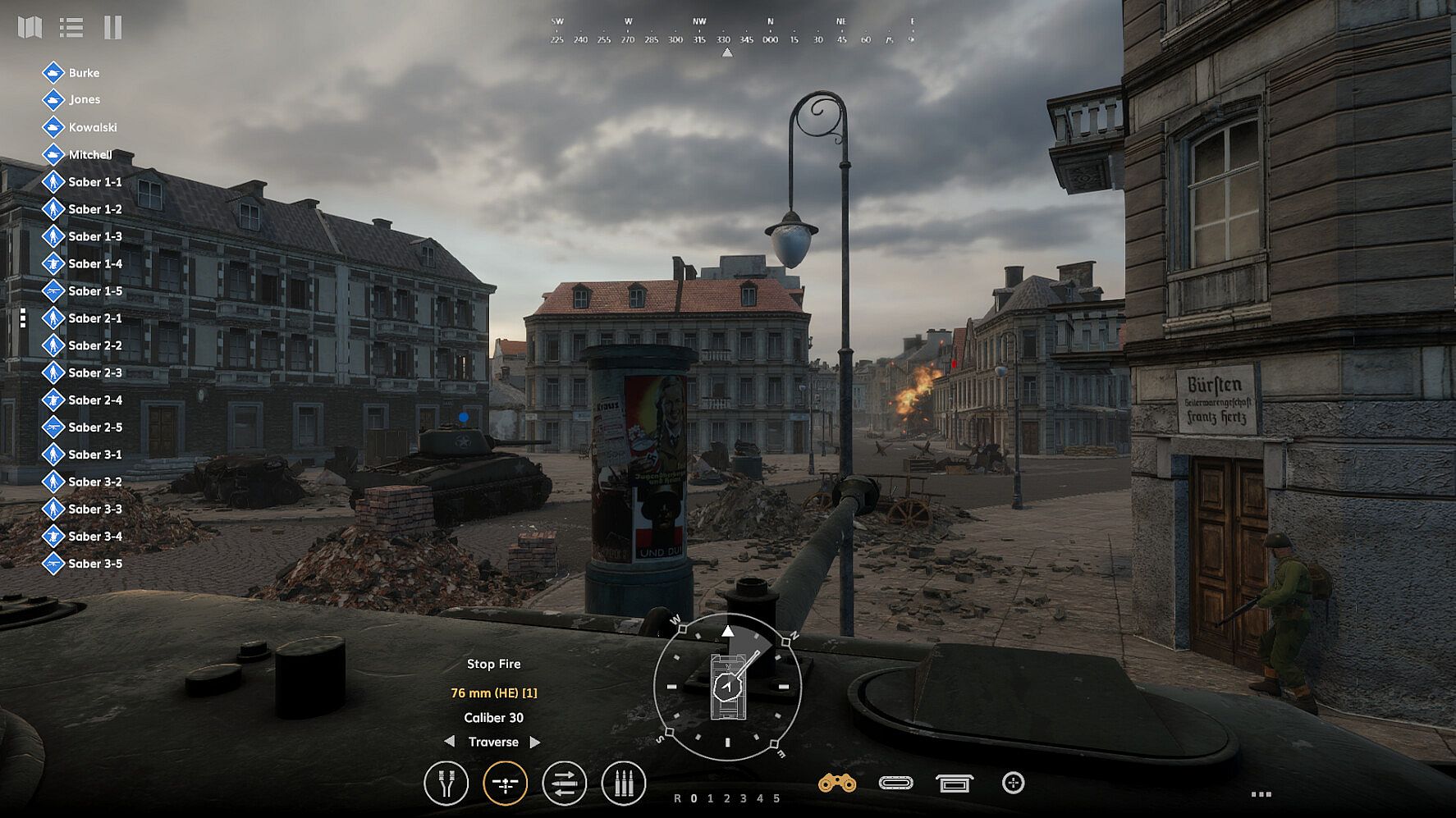
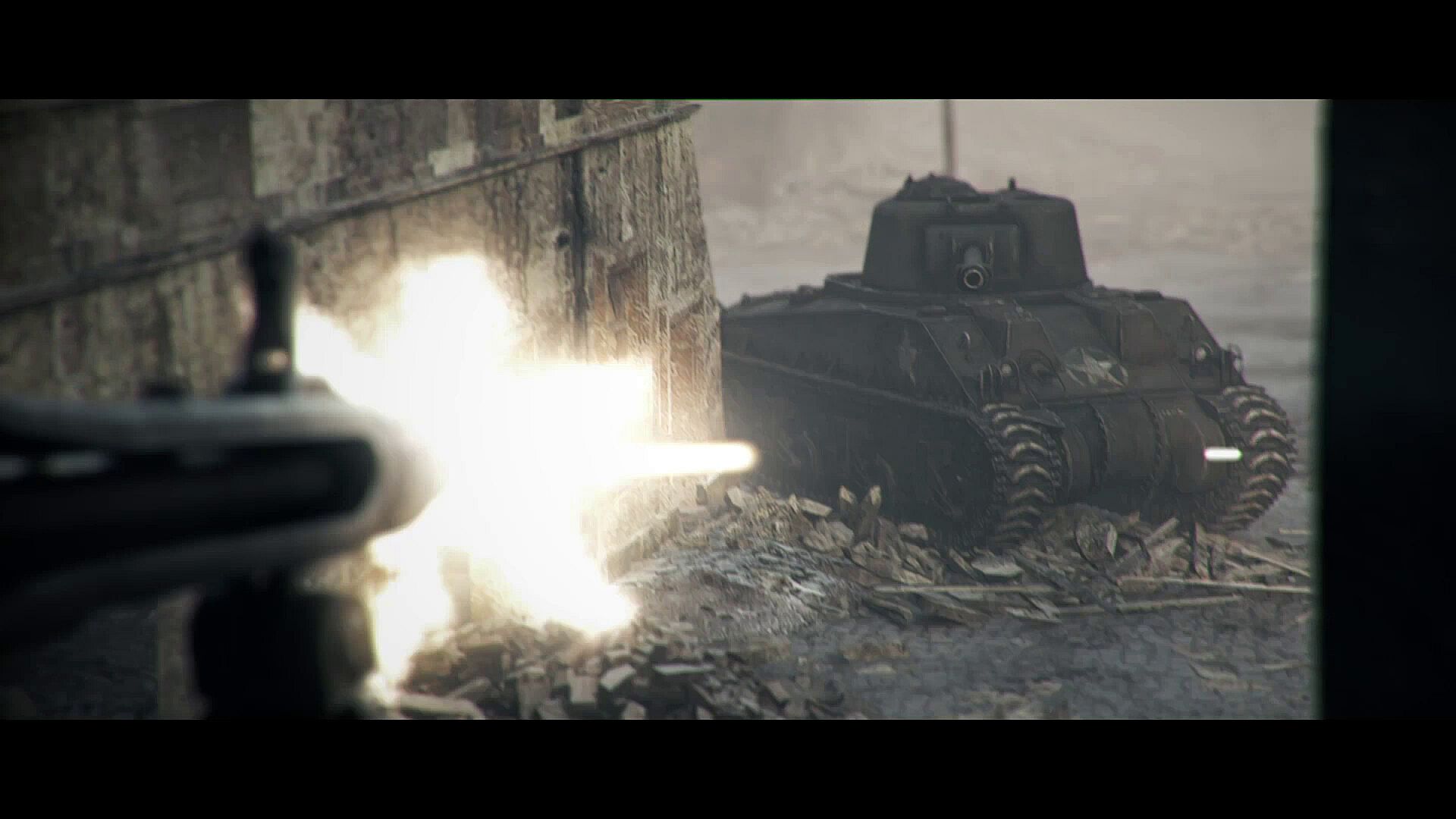
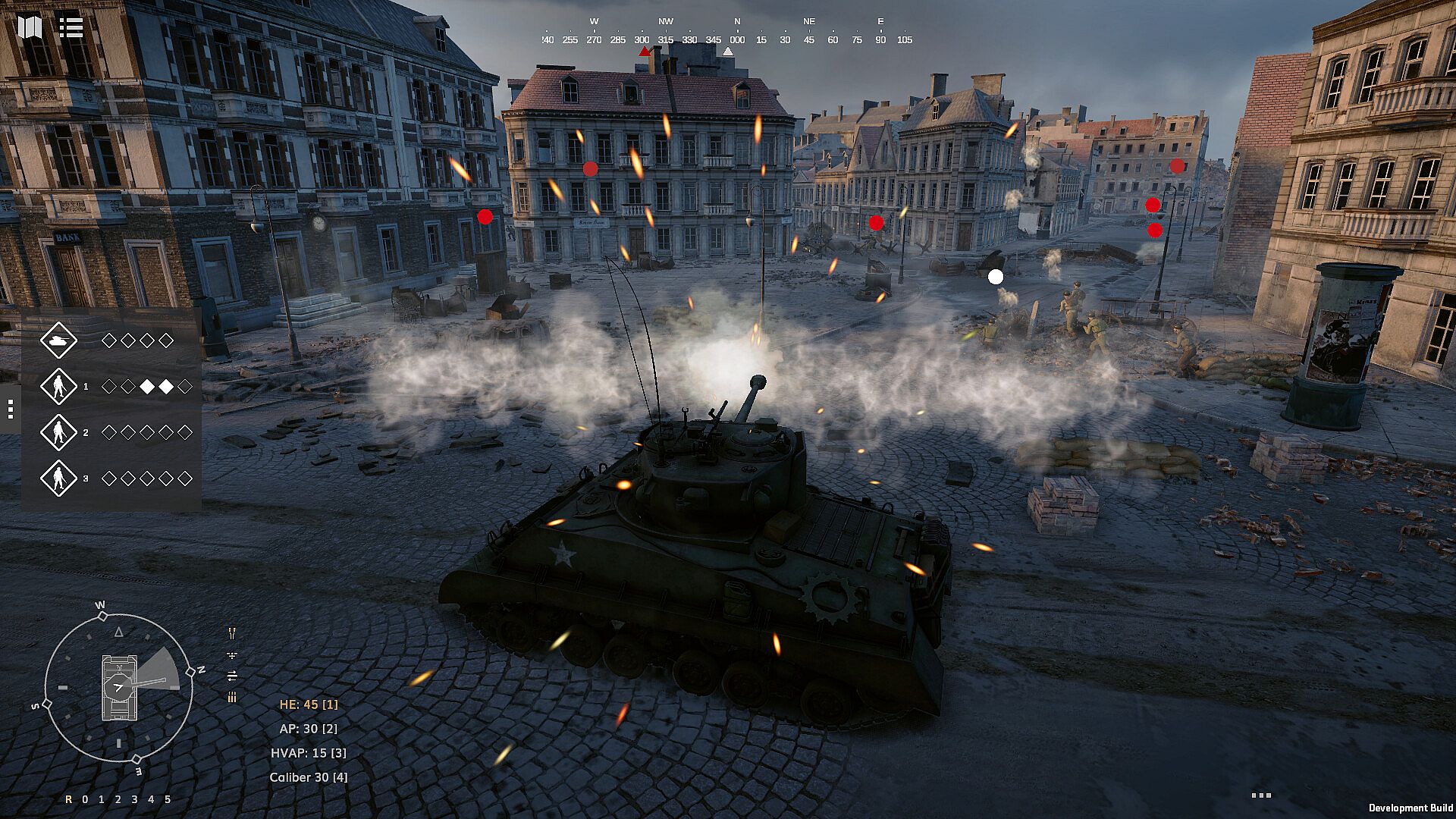
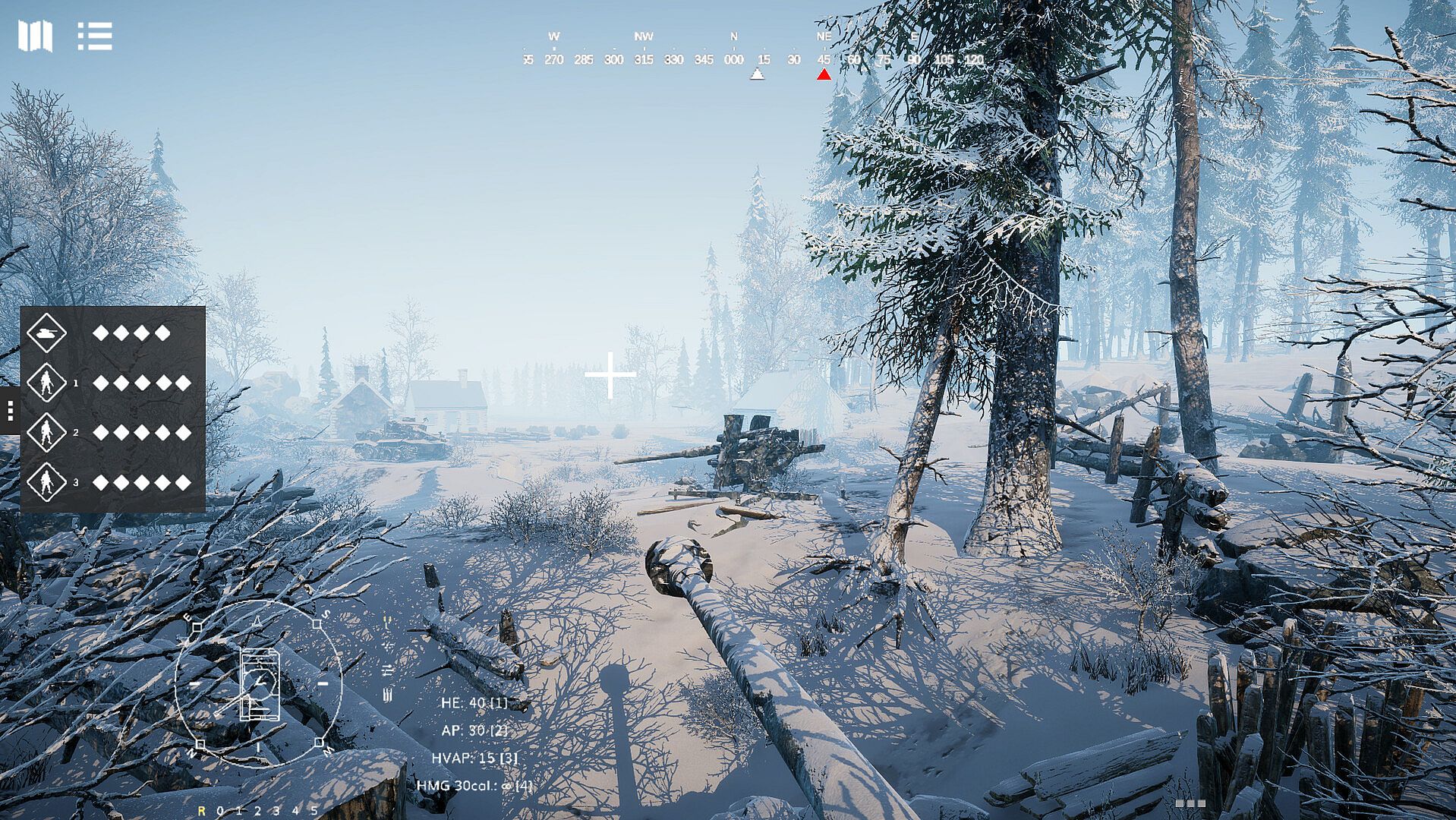
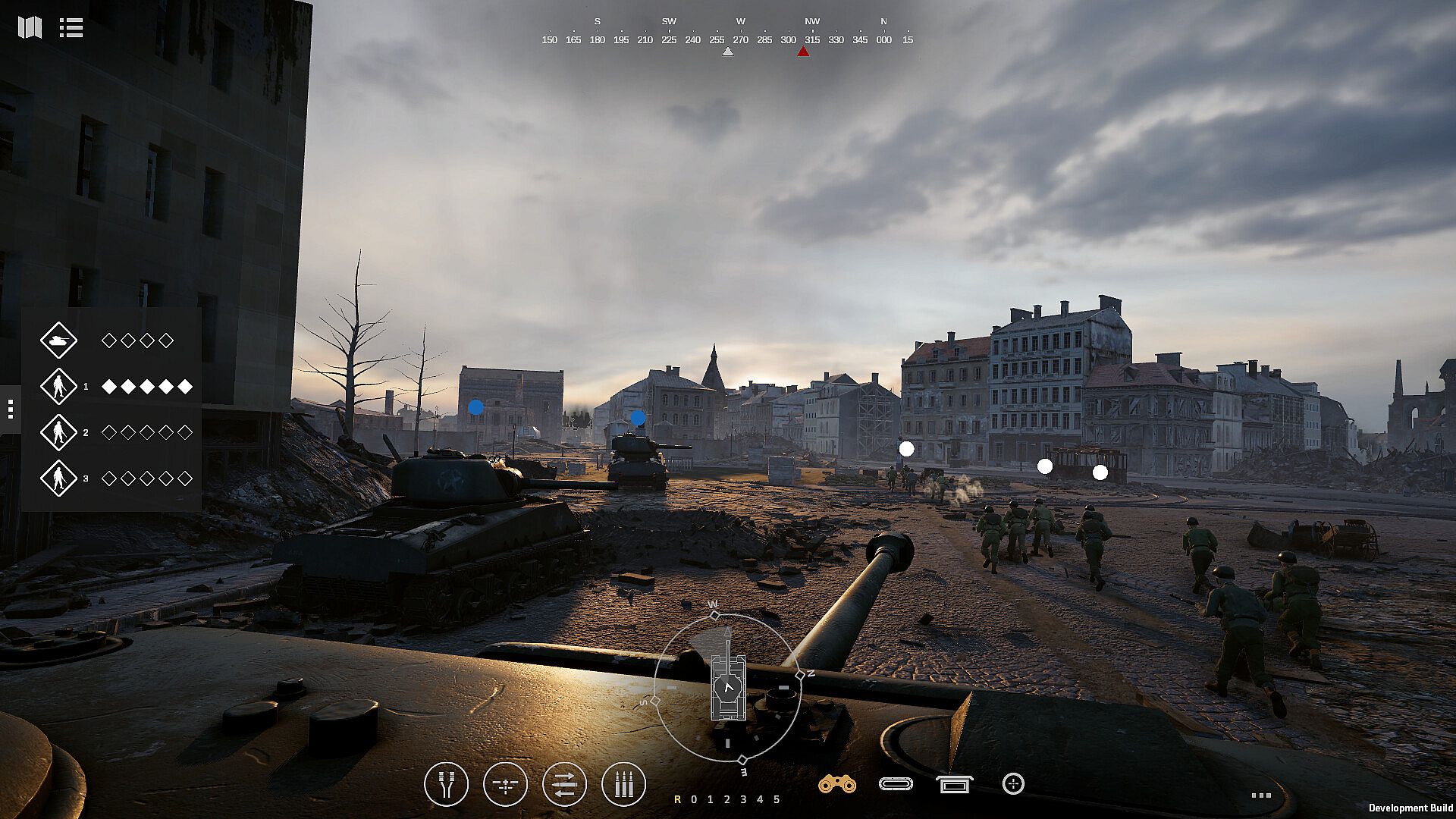
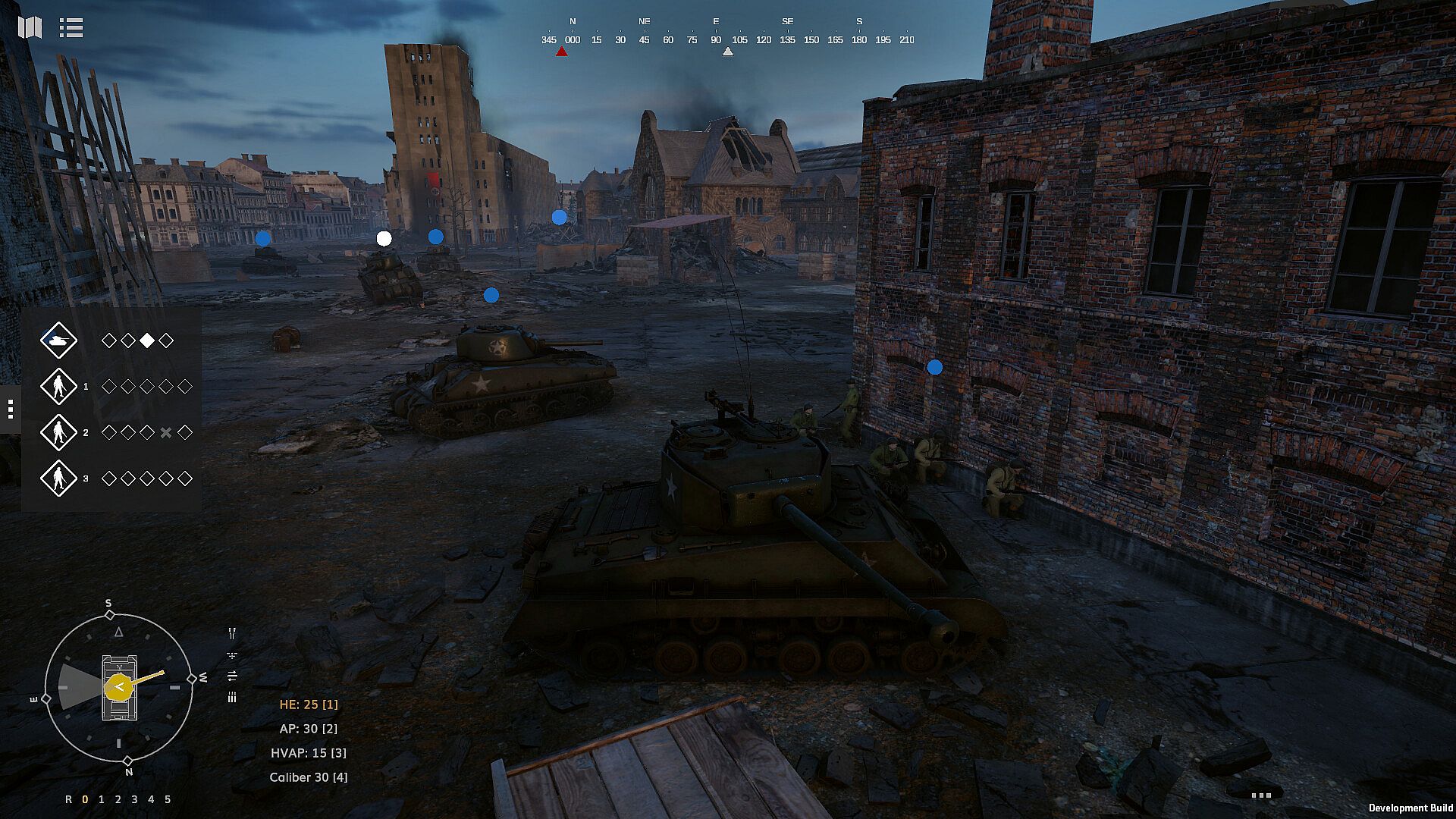
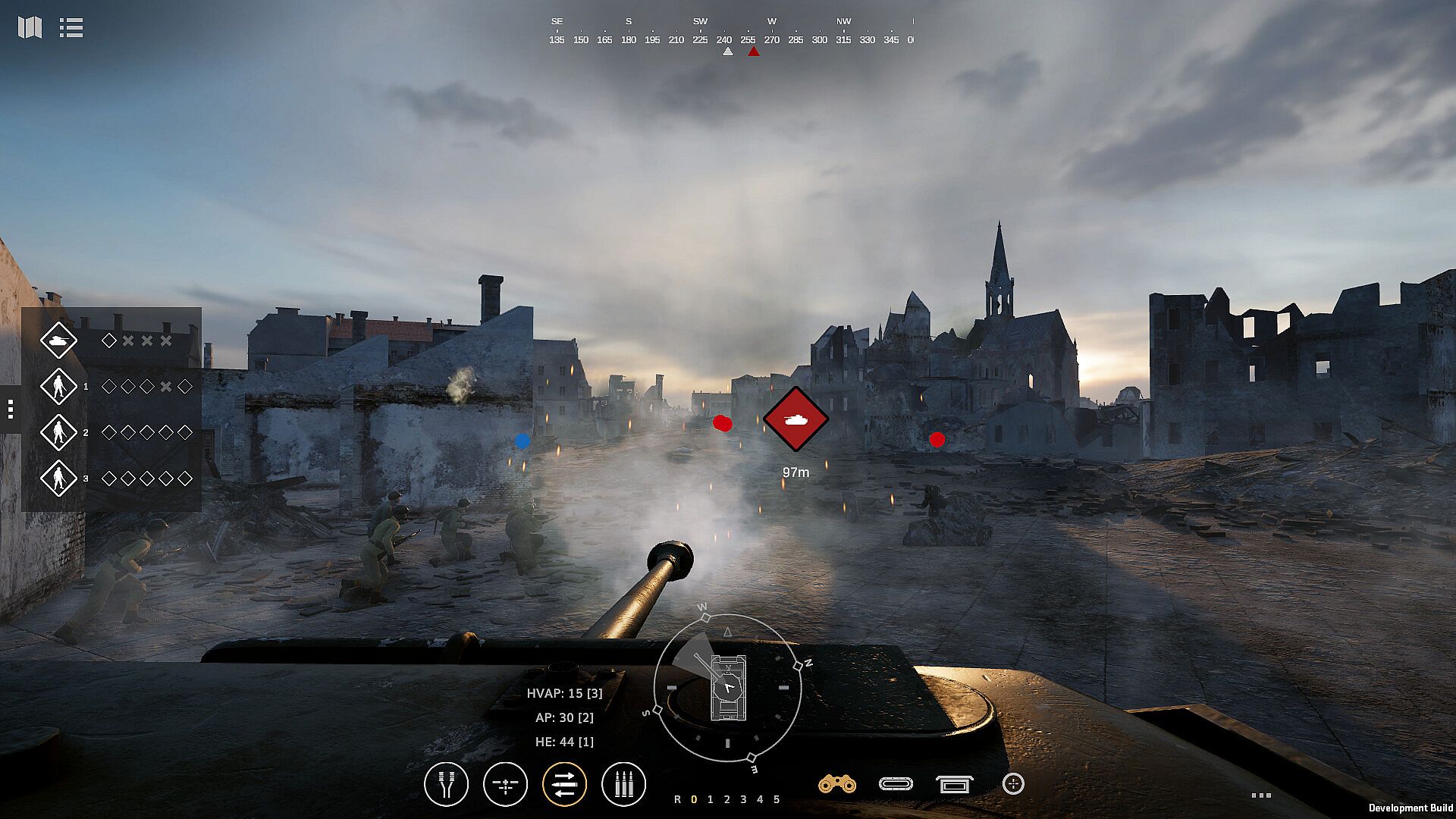
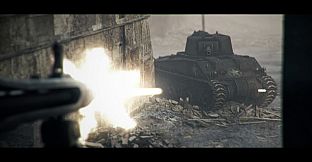
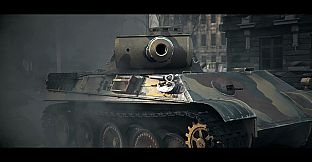
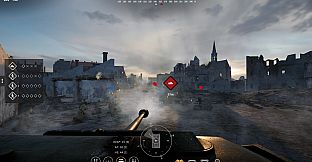
Sherman Commander is a singleplayer action strategy simulation that combines detailed tank operation with tactical command of supporting forces in a World War II setting. Players take control of the M4 Sherman and lead Allied units across historical battlefields in Europe after the Normandy landings. The experience centers on managing crew orders inside the tank while directing infantry and armored elements on a larger scale through a tactical overlay.
Gameplay
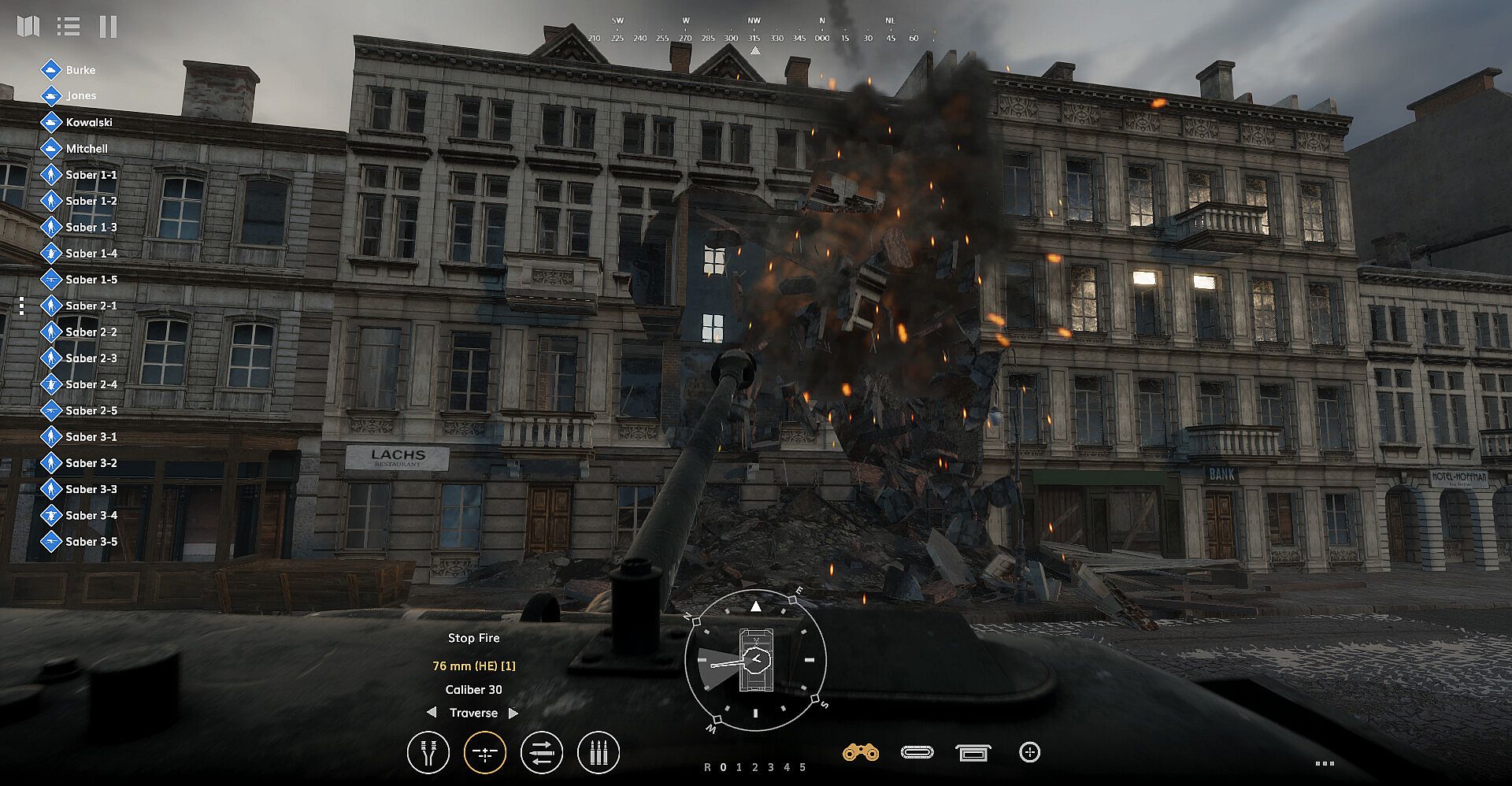
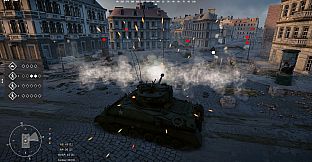
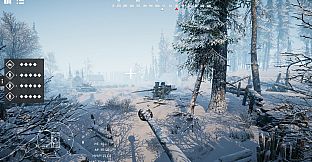
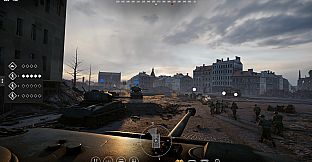
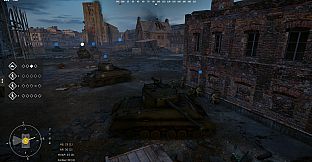
The core loop requires switching between direct tank handling and broader battlefield oversight. Inside the vehicle, orders flow through the chain of command to the crew for movement, aiming, and loading. Outside that view, a map interface allows coordination with nearby infantry squads and other armored vehicles to set up ambushes or advances. Terrain can be altered by explosions and impacts, creating new lines of sight or cover during engagements.
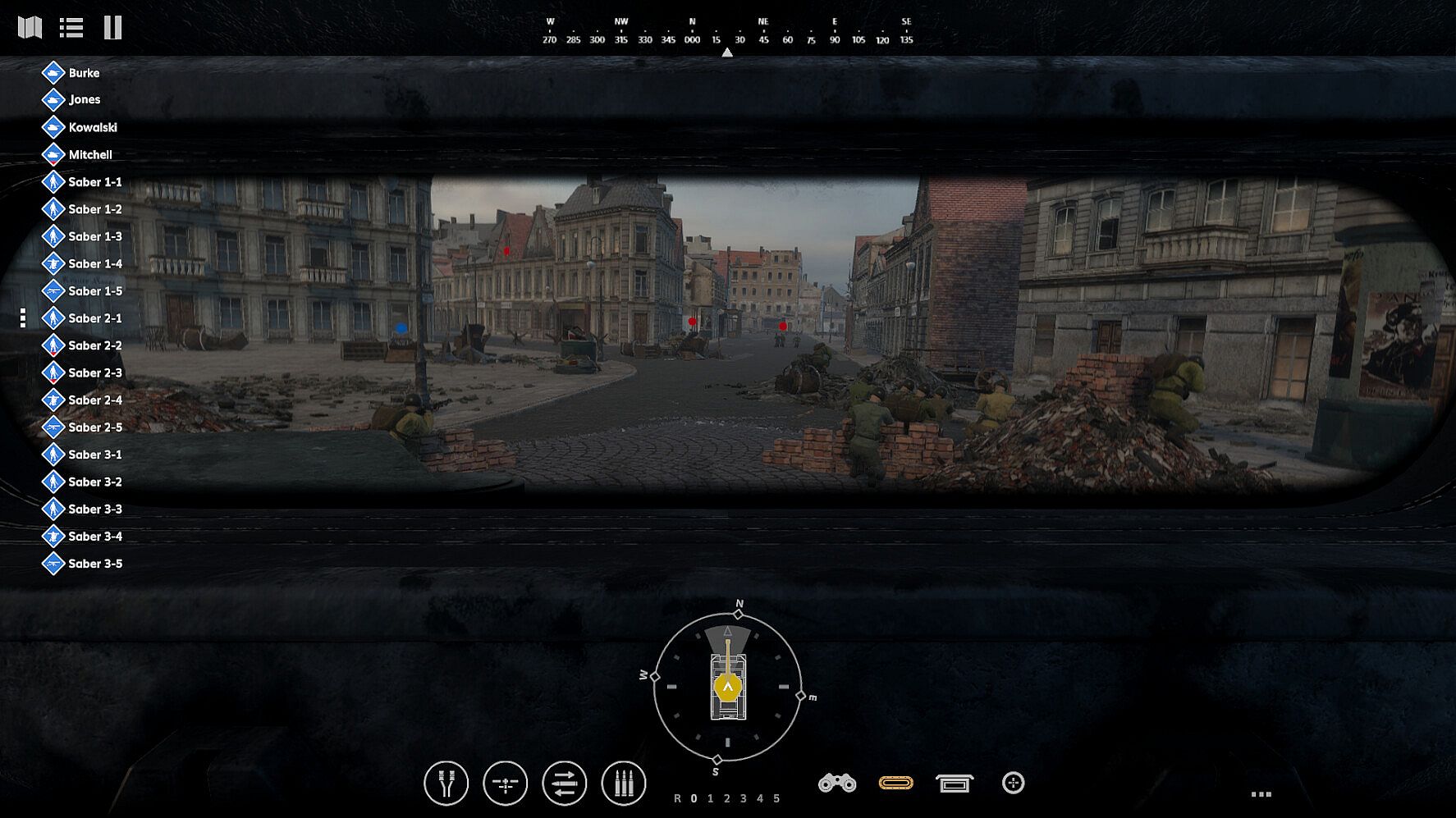
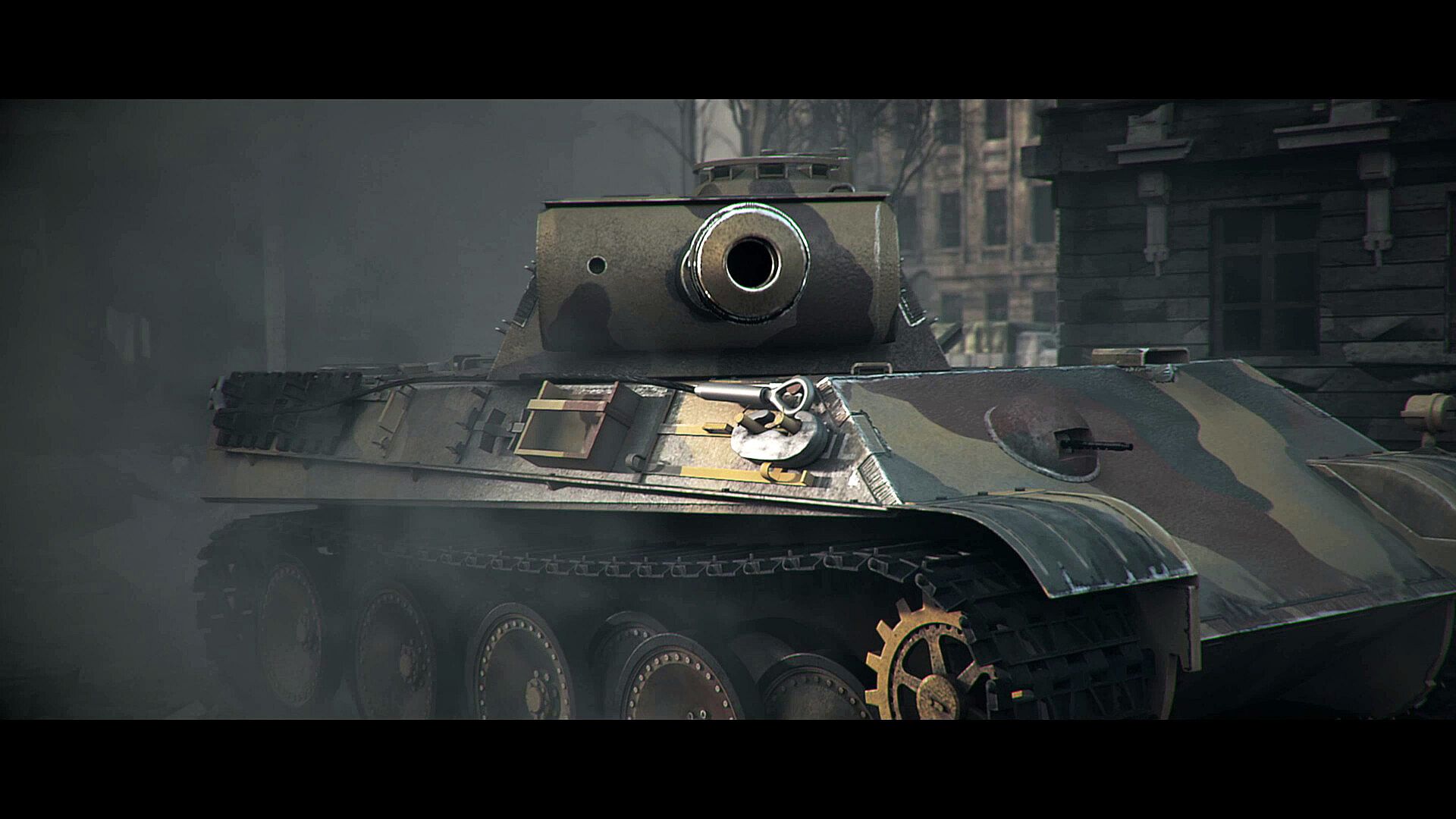
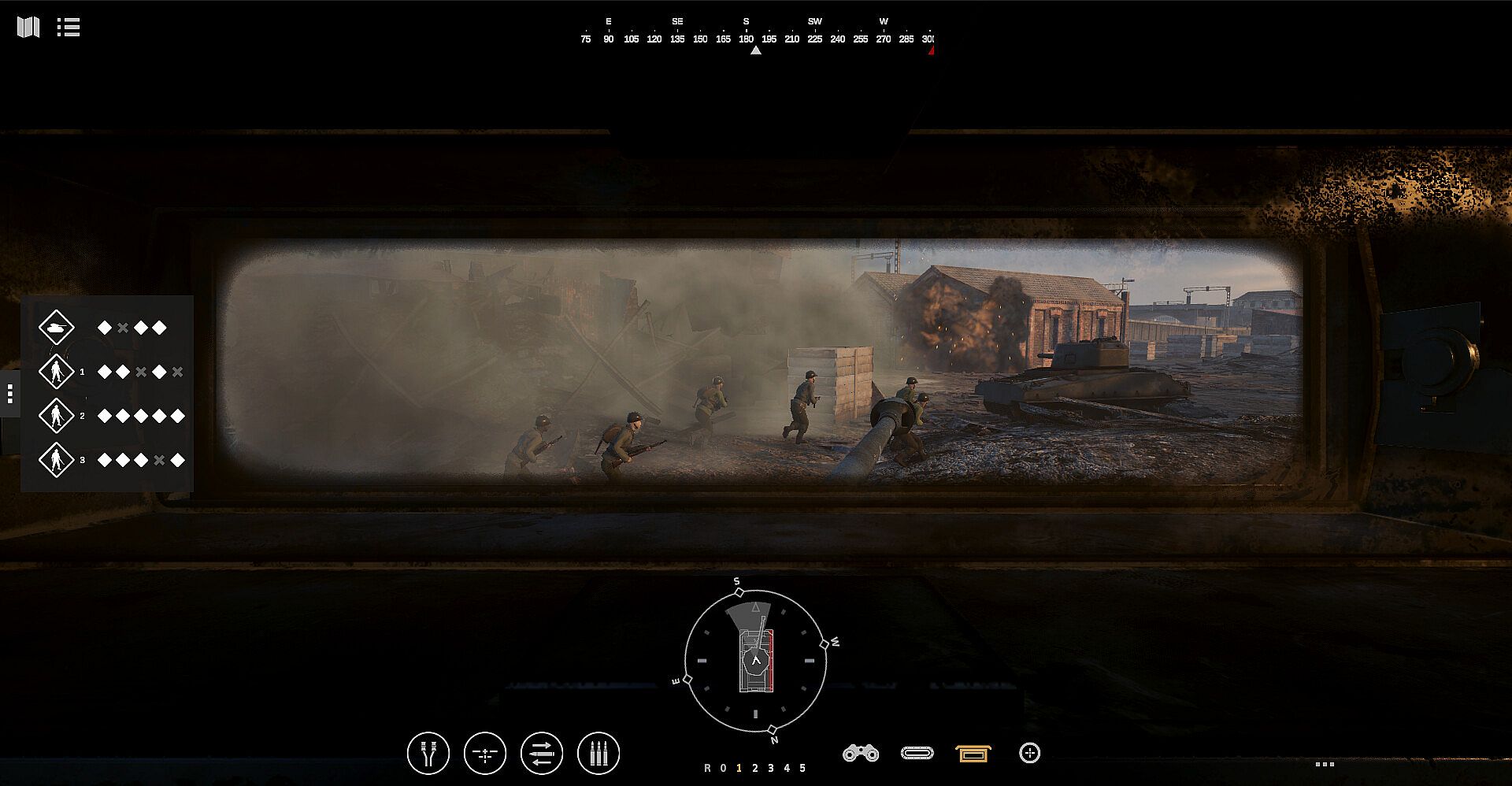
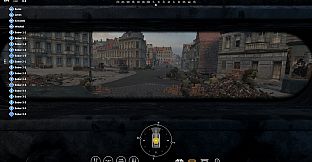
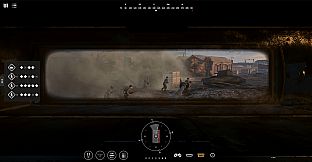
Authentic Sherman modeling extends to periscope use and limited visibility options that force careful positioning. Combined arms play becomes essential because enemy anti-tank teams often hide in buildings or foliage, making infantry screening a practical necessity rather than an optional tactic. Ballistics and damage modeling reflect period weapons, with high-explosive rounds proving effective against structures while armor-piercing shots demand precise angles.
Game Modes
Two distinct camera and control styles shape how missions unfold. Simulation mode restricts the player to a commander's narrow field of view through vision blocks and the gun sight, emphasizing realistic decision-making about exposure. Action mode relaxes some of these constraints for a wider perspective while retaining the same unit command tools.
A campaign built from nine scenarios covers key Western Front locations. Each scenario places the player in command of a platoon and attached units, with objectives that reward careful use of terrain and supporting fire. Commands issued on the map or directly in the 3D environment include movement waypoints and target designation, allowing dynamic adjustments as enemy positions are revealed.
Historical Setting and Mechanics
Locations draw from documented battles in Normandy, Belgium, and Germany. Destructible environments let players reshape approaches by collapsing walls or clearing sight lines. The emphasis stays on mechanized infantry cooperation rather than lone tank heroics, reflecting the combined-arms reality of the period.
Damage effects include temporary disruptions to turret traverse or reload speed after non-penetrating hits. Friendly units respond to simple orders, creating opportunities for flanking maneuvers or defensive setups without requiring micromanagement of every soldier.
Is It Worth Playing?
Steam user reviews currently stand at mixed with 62 percent positive from over one hundred submissions. A free demo is available for those who want to test the dual control styles before purchase. The title suits players who enjoy deliberate tank simulation paired with light real-time strategy elements and are comfortable with a focused singleplayer campaign rather than large-scale multiplayer battles.
Those seeking strict historical accuracy in armor penetration or extensive customization may find the simplified damage model and limited command options less satisfying. For enthusiasts of Western Front tank combat who appreciate the blend of crew management and platoon-level tactics, the current version delivers a coherent experience worth exploring through the demo first.