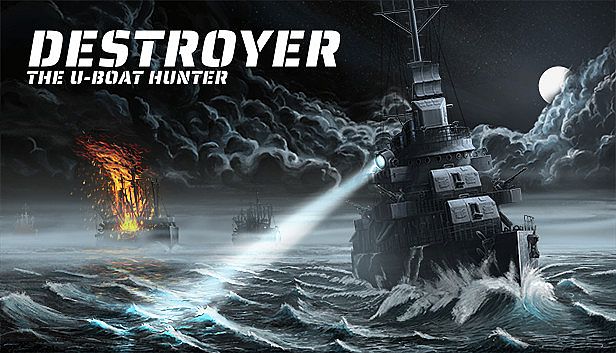






















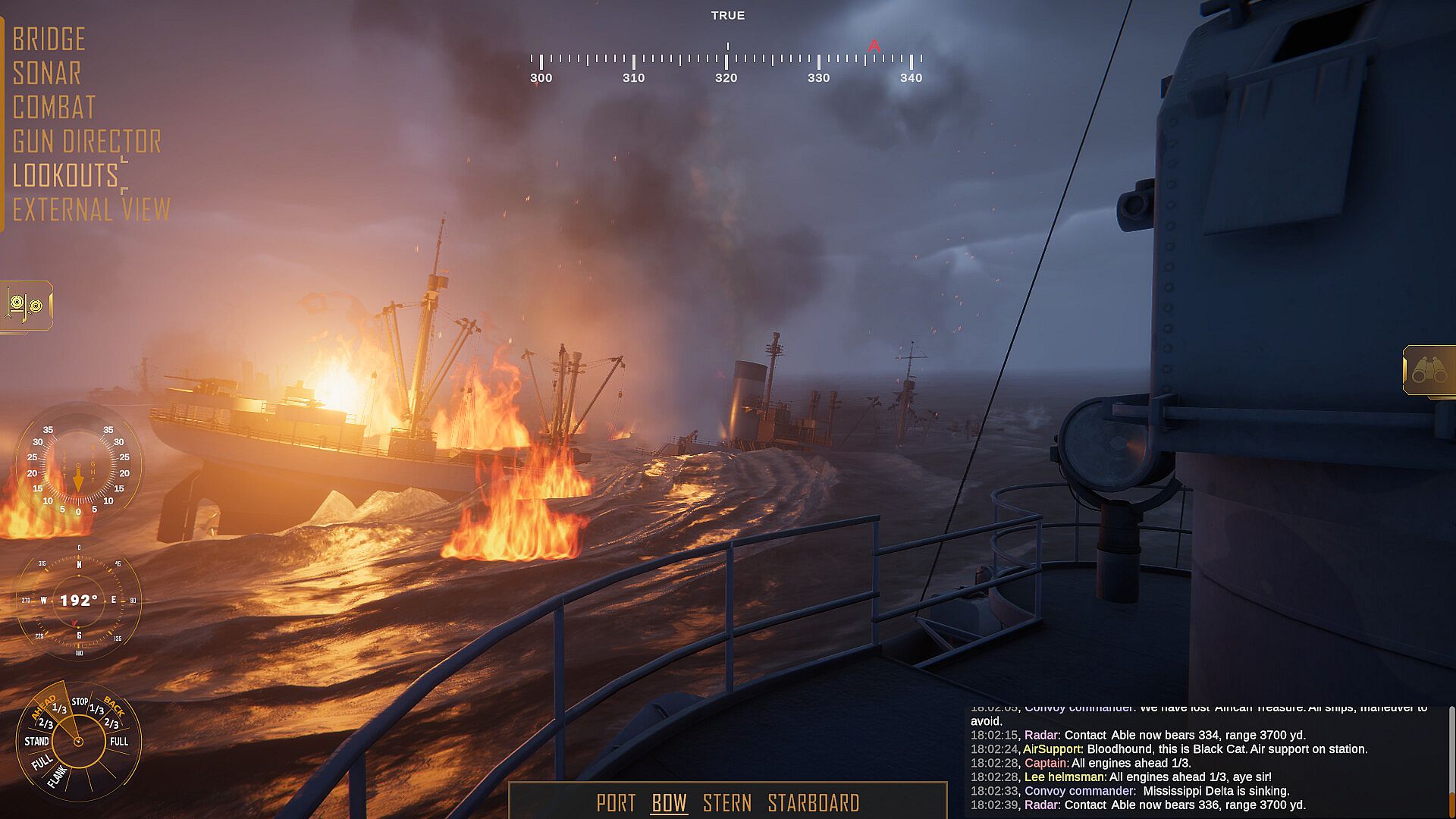
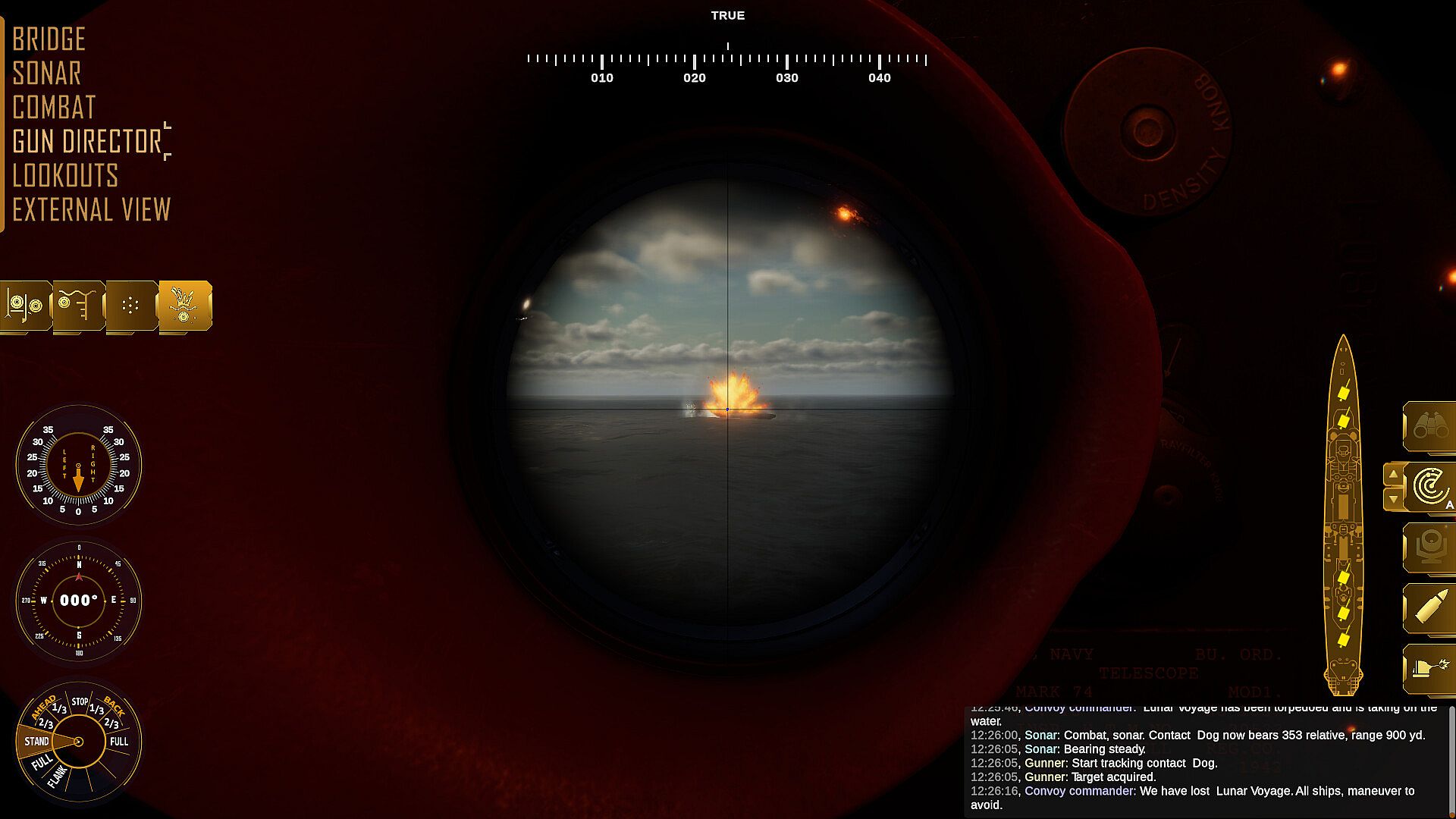
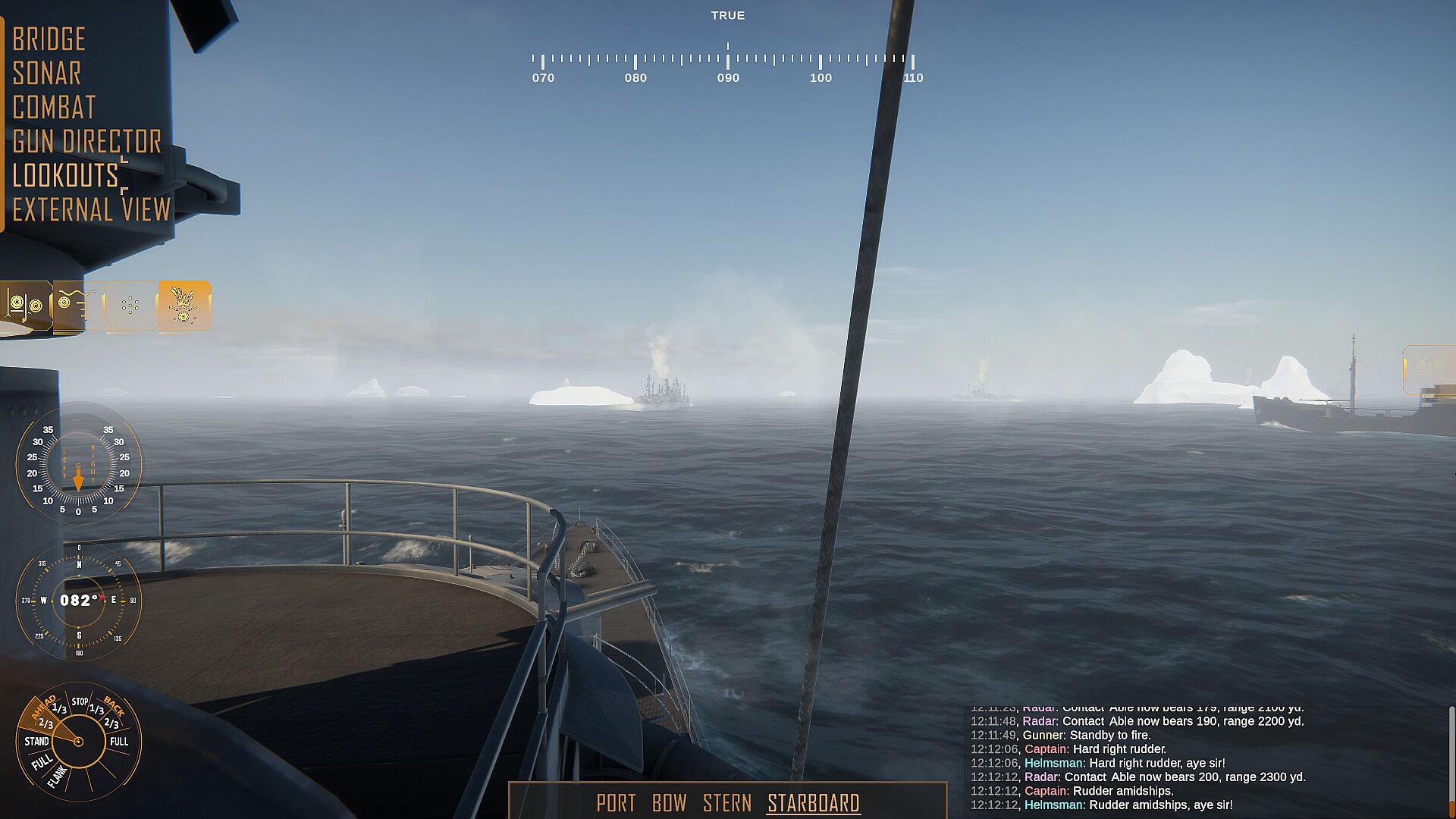
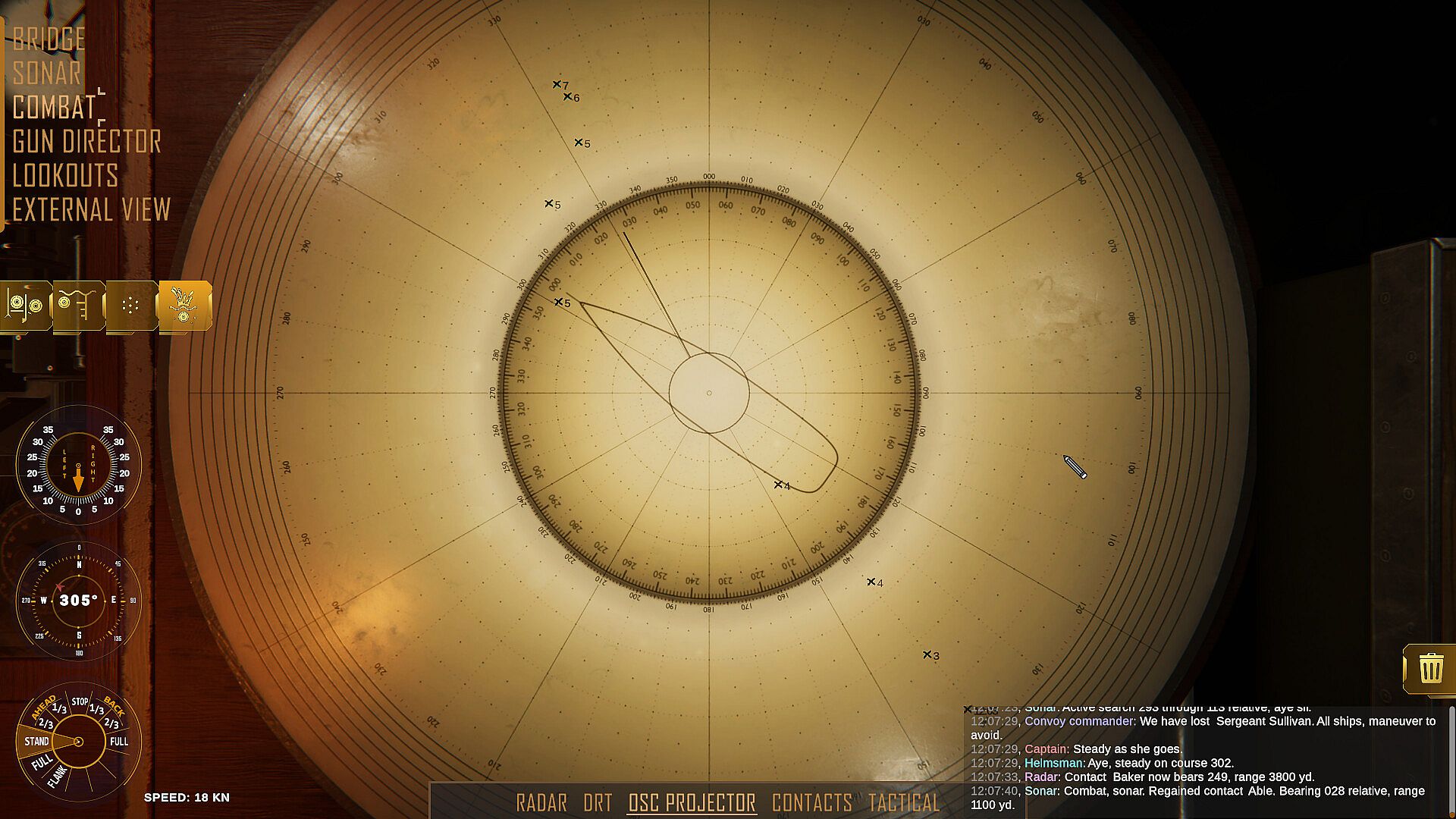
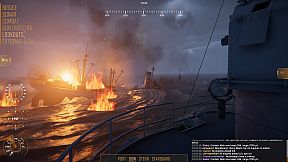
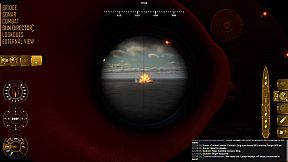
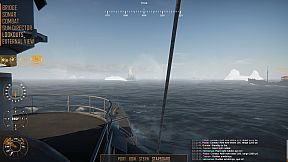
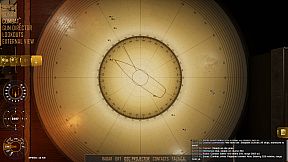
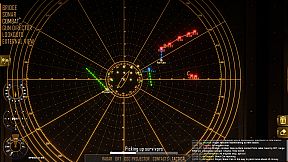
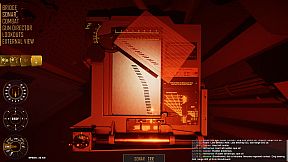
Destroyer: The U-Boat Hunter is a naval simulation game that places players in command of a Fletcher-class destroyer during World War II convoy escort operations in the Battle of the Atlantic. The experience centers on anti-submarine warfare, where accurate use of instruments and procedures determines success against German U-boats operating in wolfpacks. Available on PC, the title blends simulation depth with accessible entry points for those new to the genre.
Gameplay
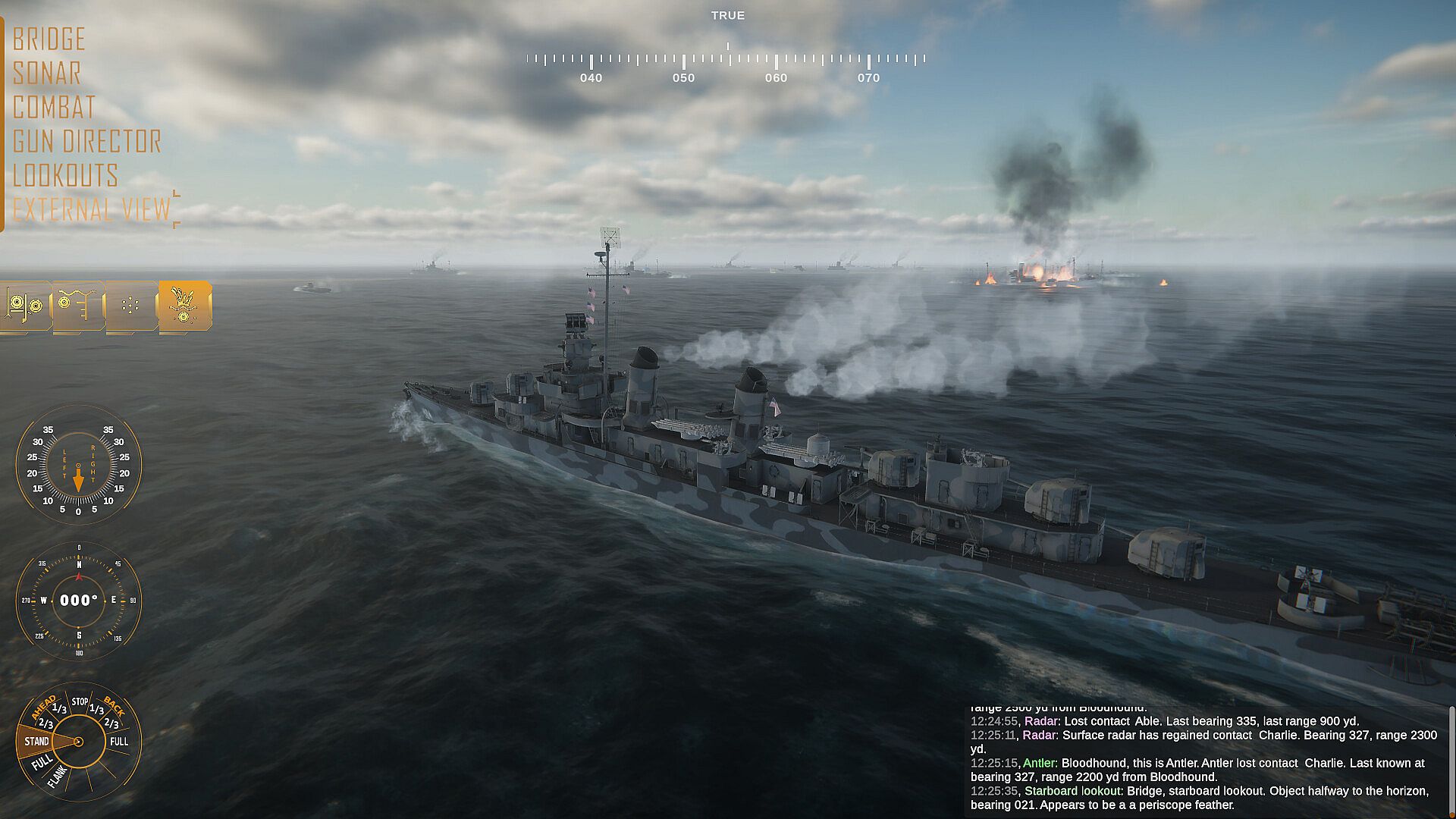
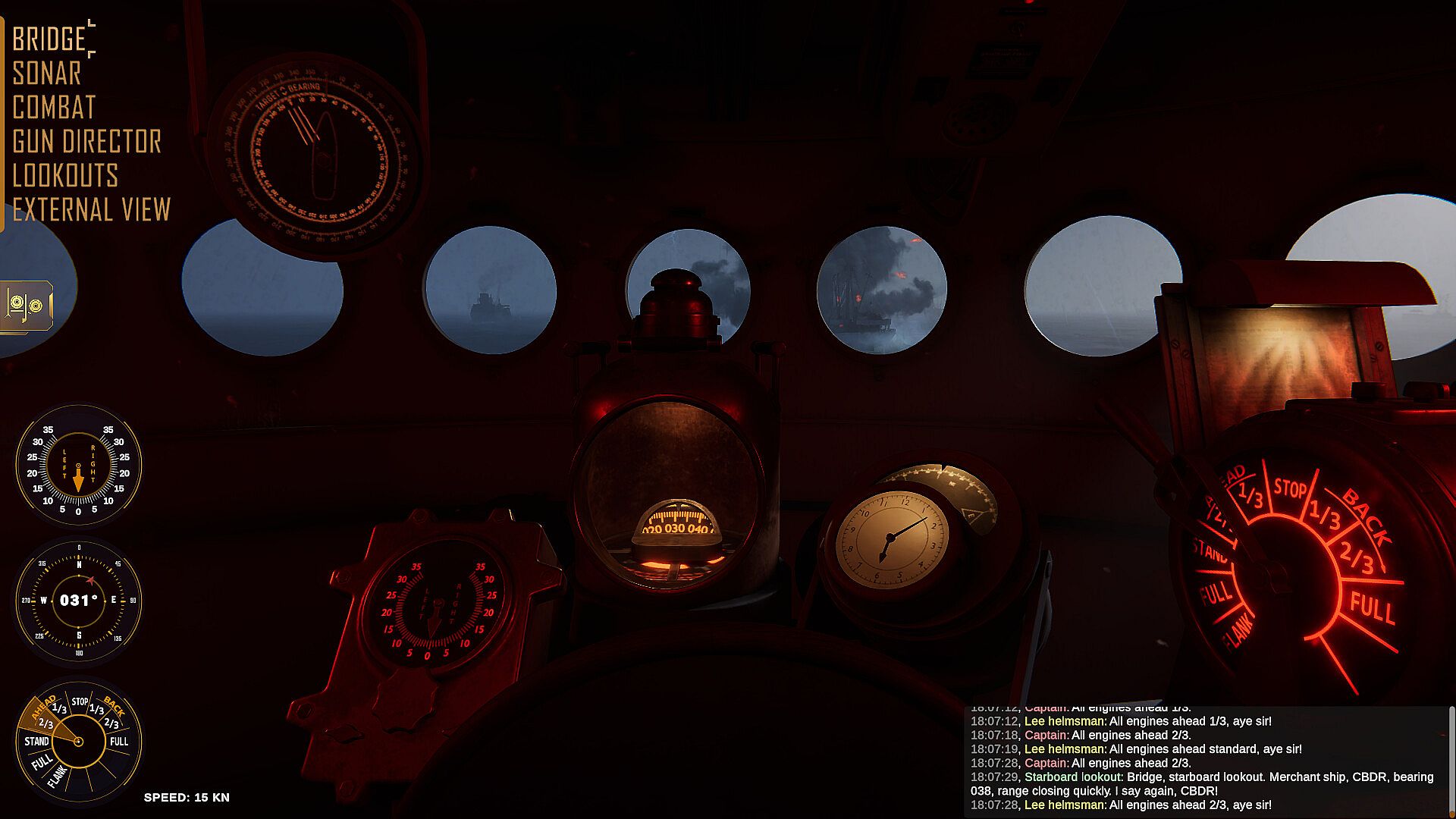
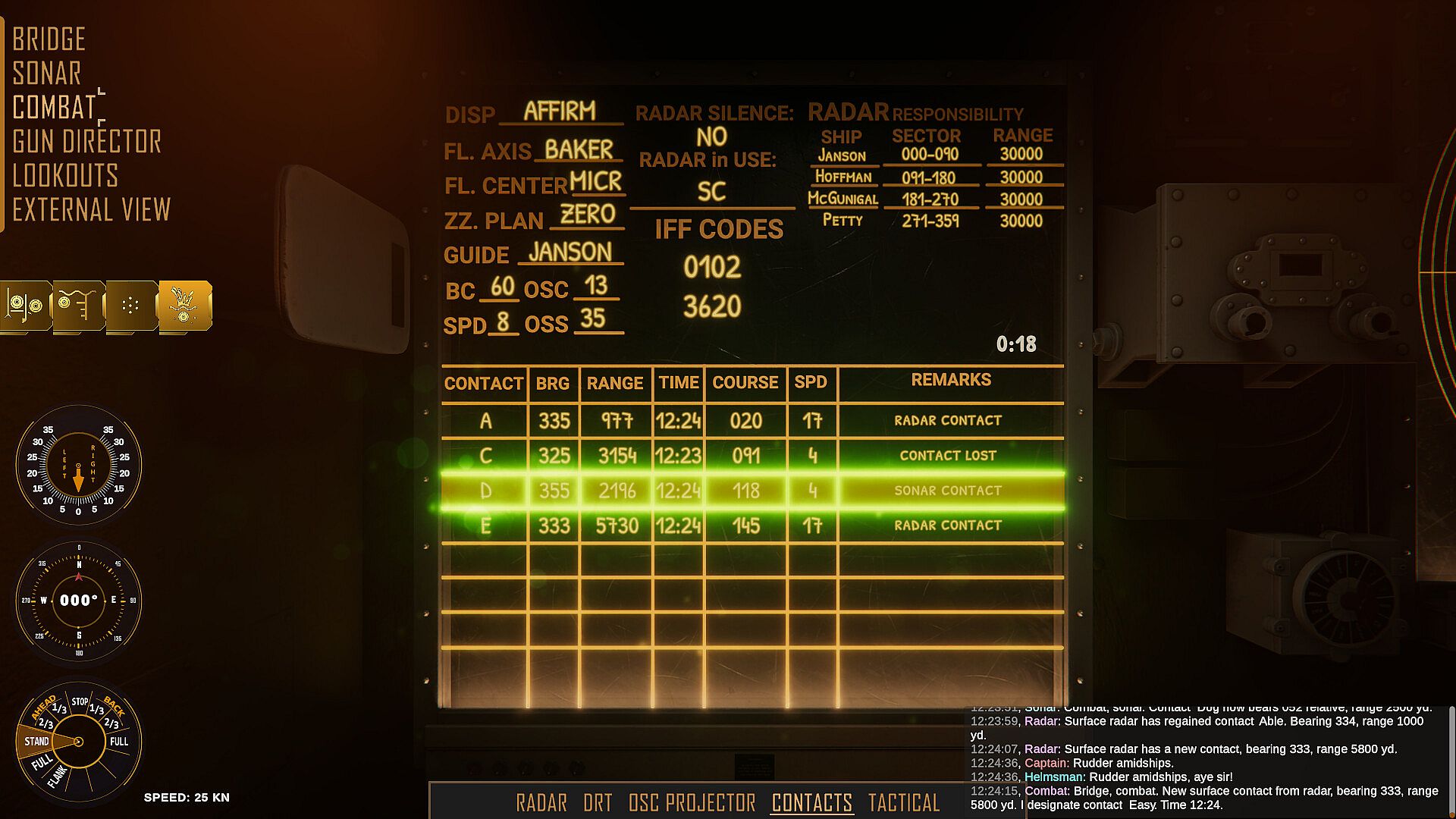
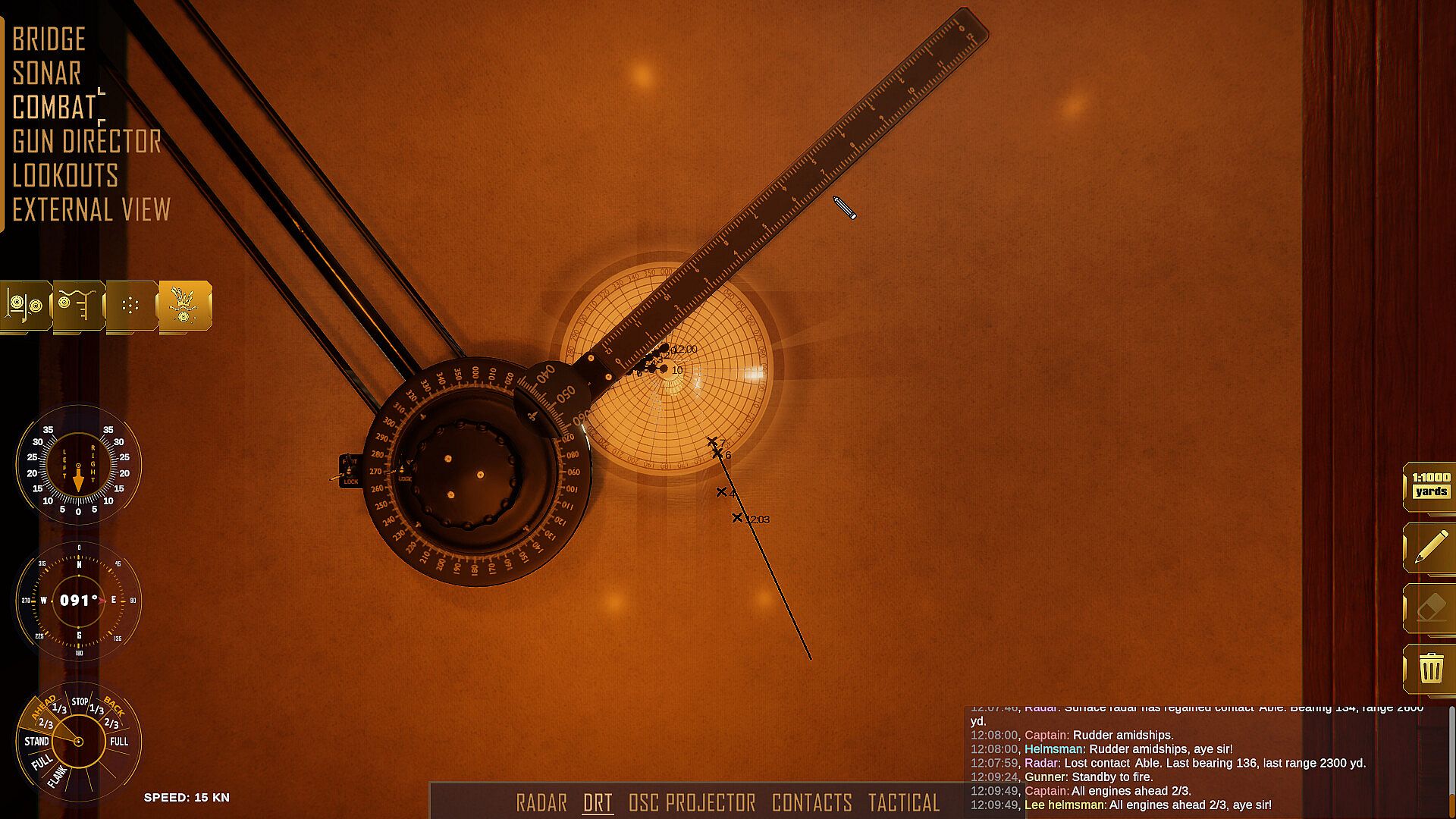
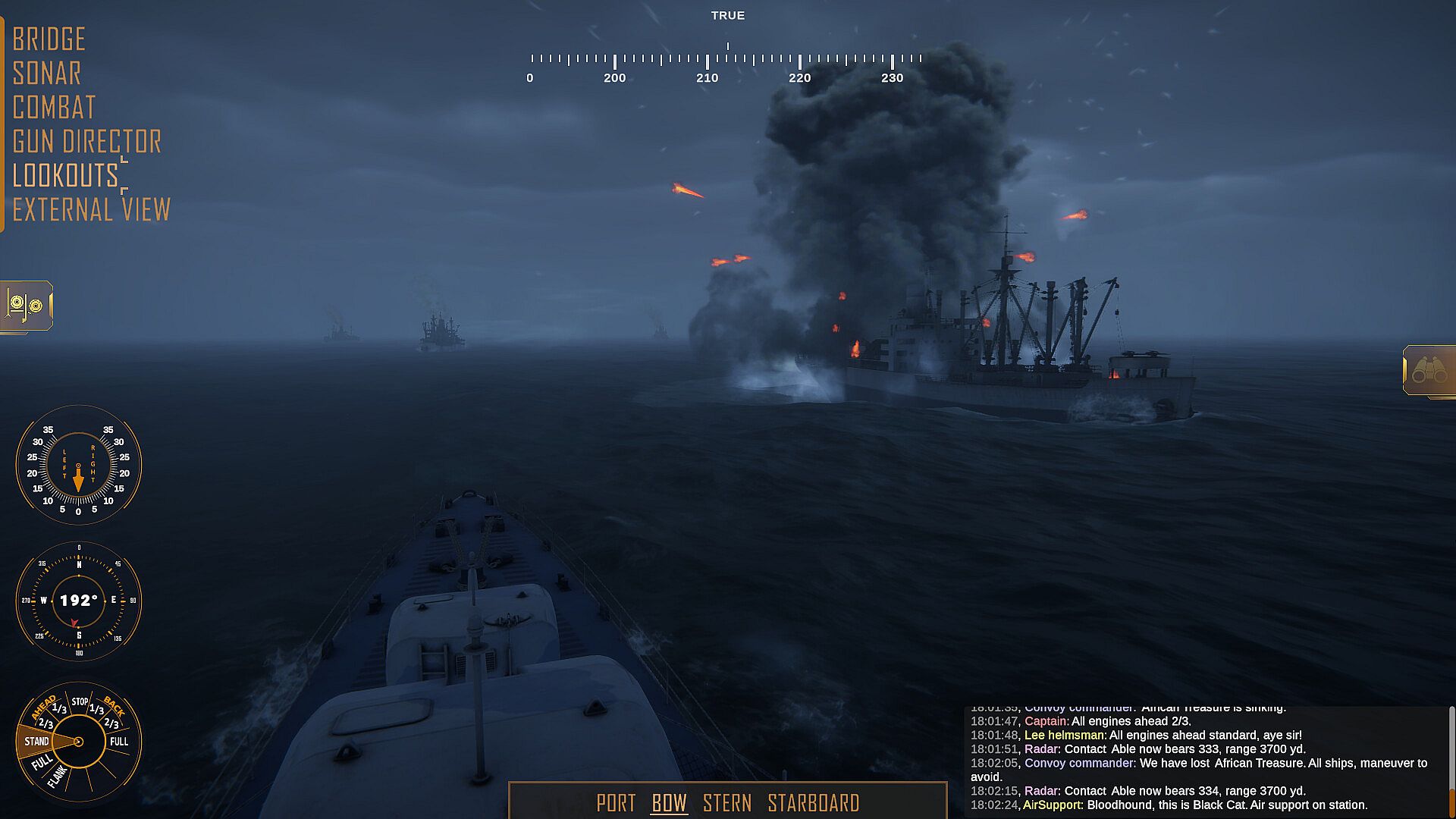
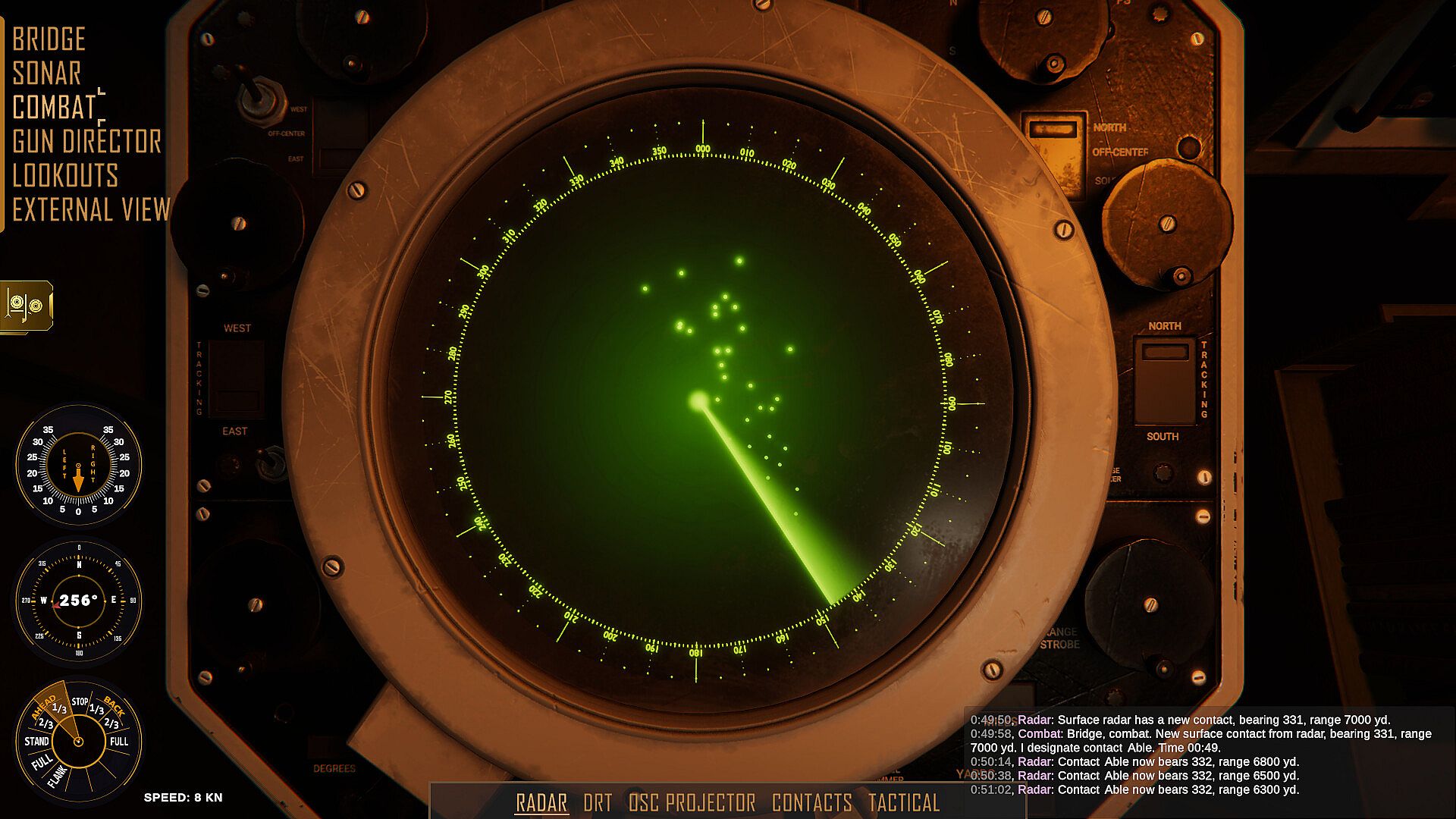
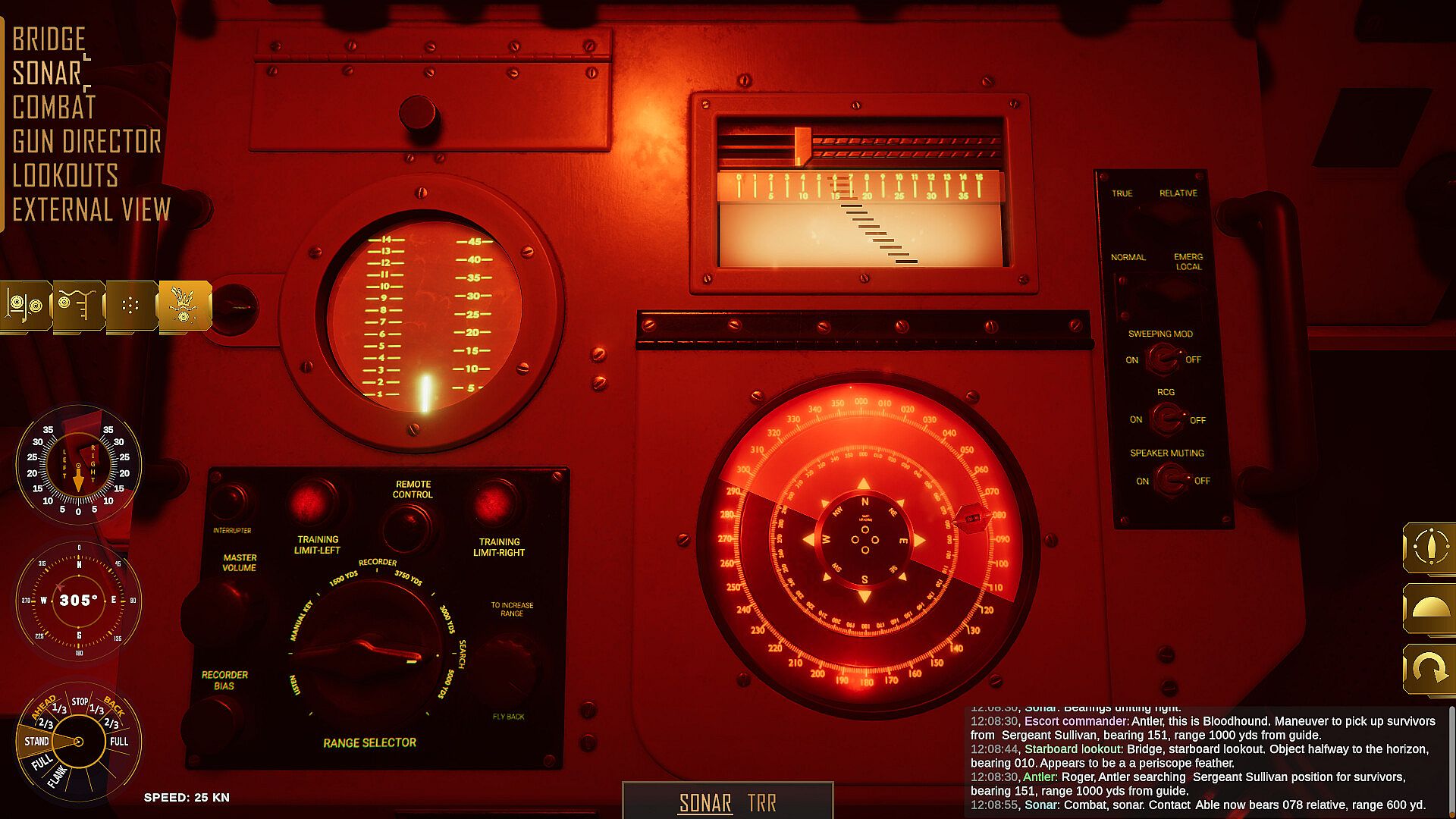
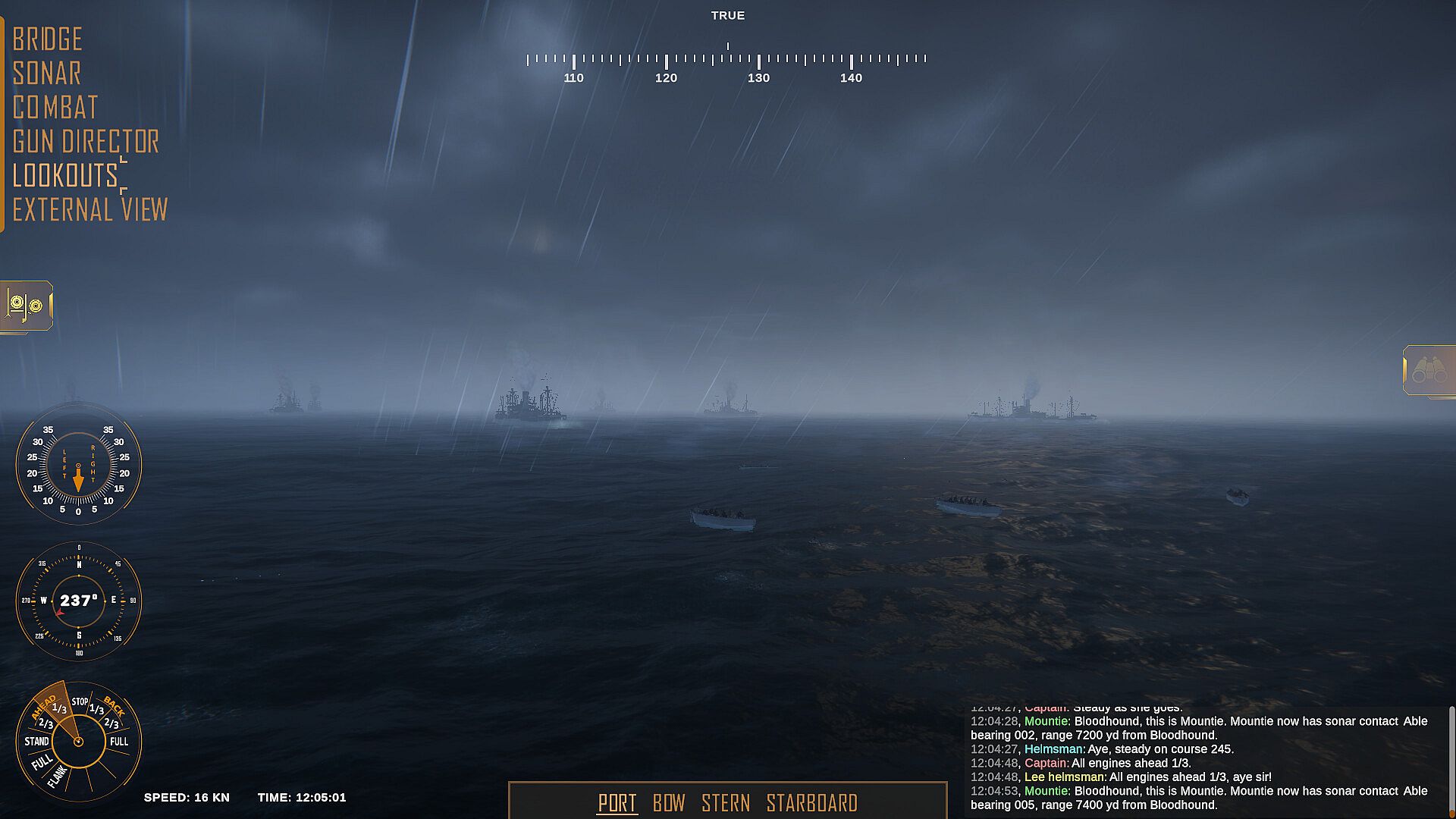
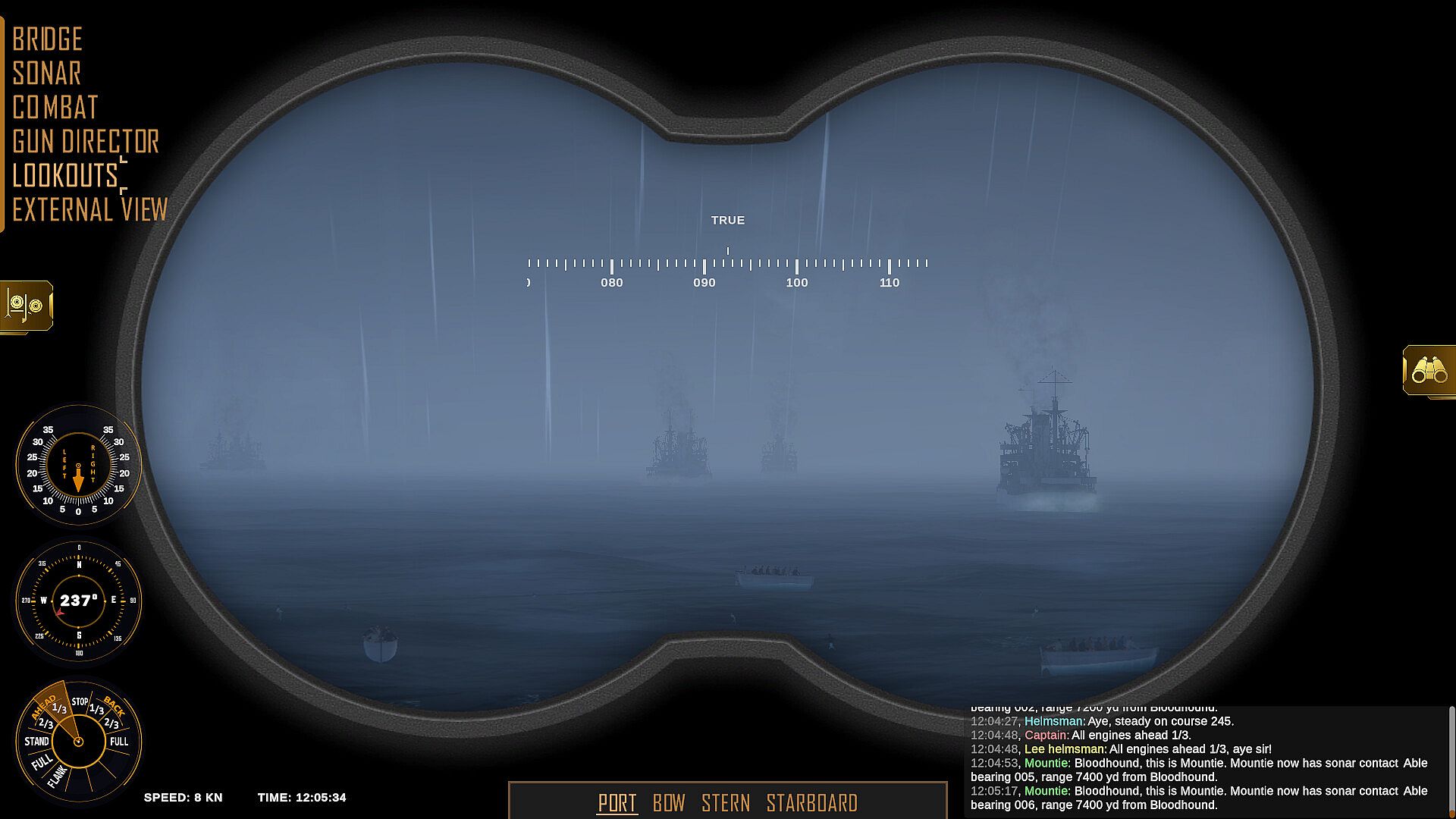
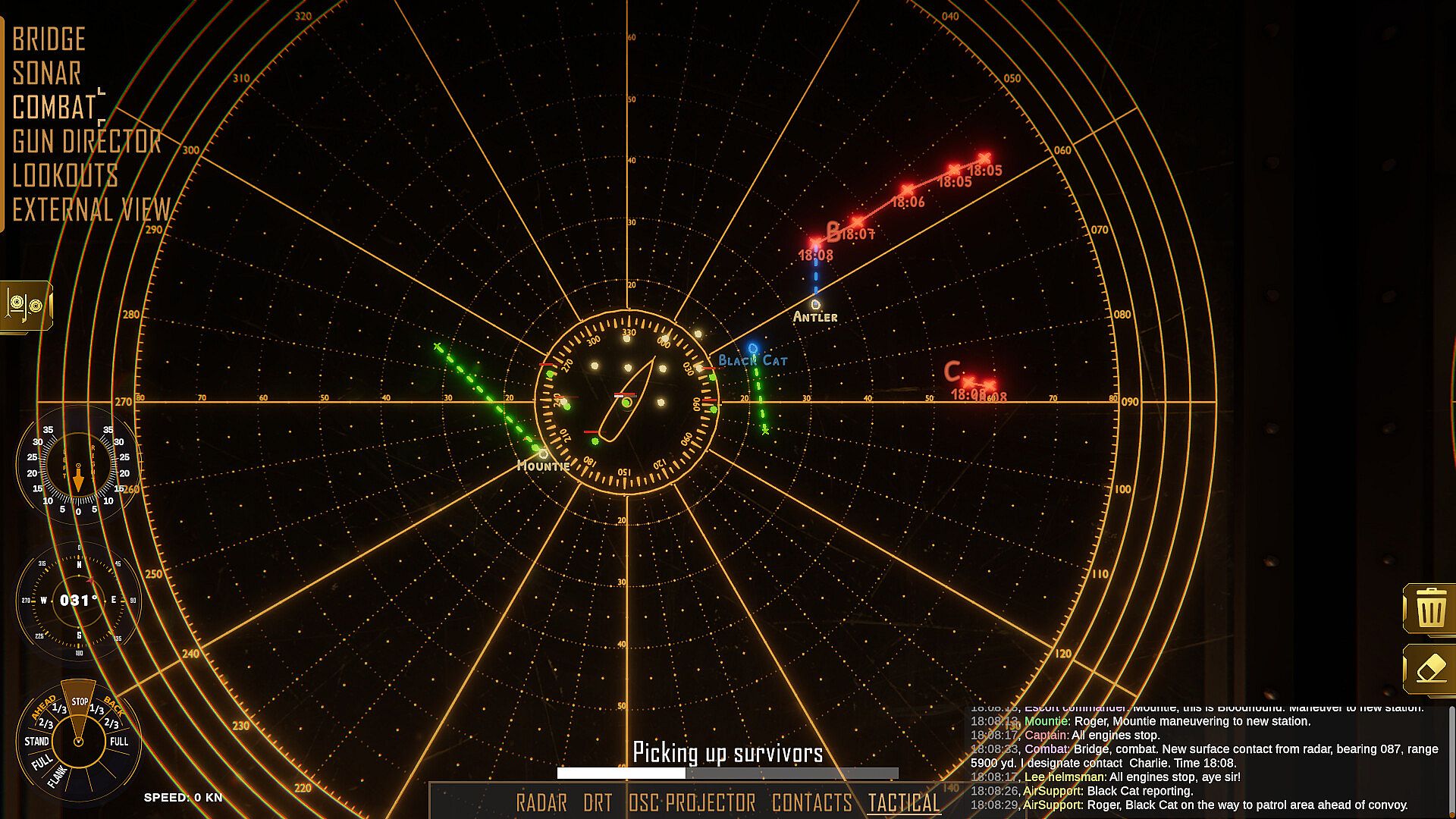
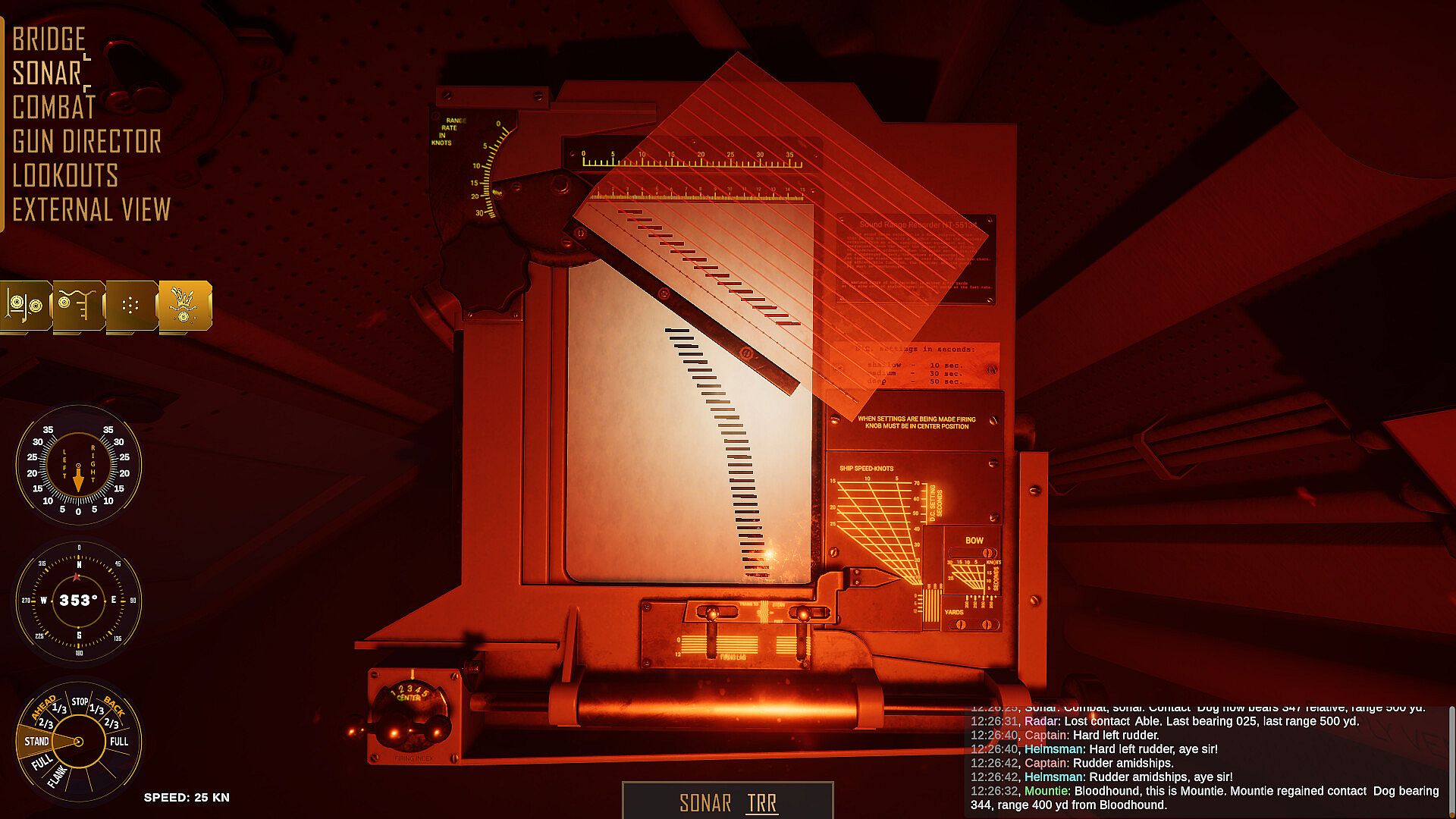
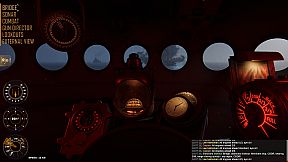
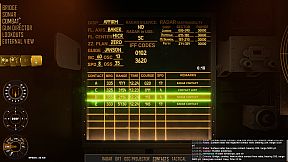
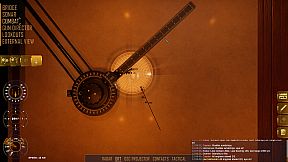
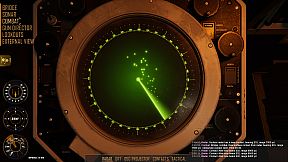
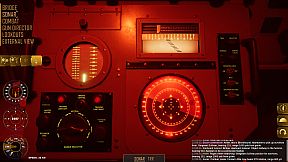
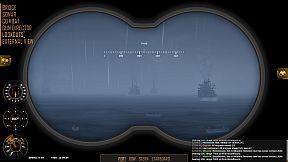
Core gameplay revolves around managing multiple stations aboard the destroyer to detect, track, and engage submerged threats. Players move between the bridge, combat information center, sonar room, gun director, and lookouts station, each equipped with period-appropriate controls and readouts. Sonar operators listen for contacts, while gunners and depth charge teams execute attacks based on relayed data. Voice reports from the crew provide real-time updates on bearings, ranges, and status changes, enhancing situational awareness during extended patrols.
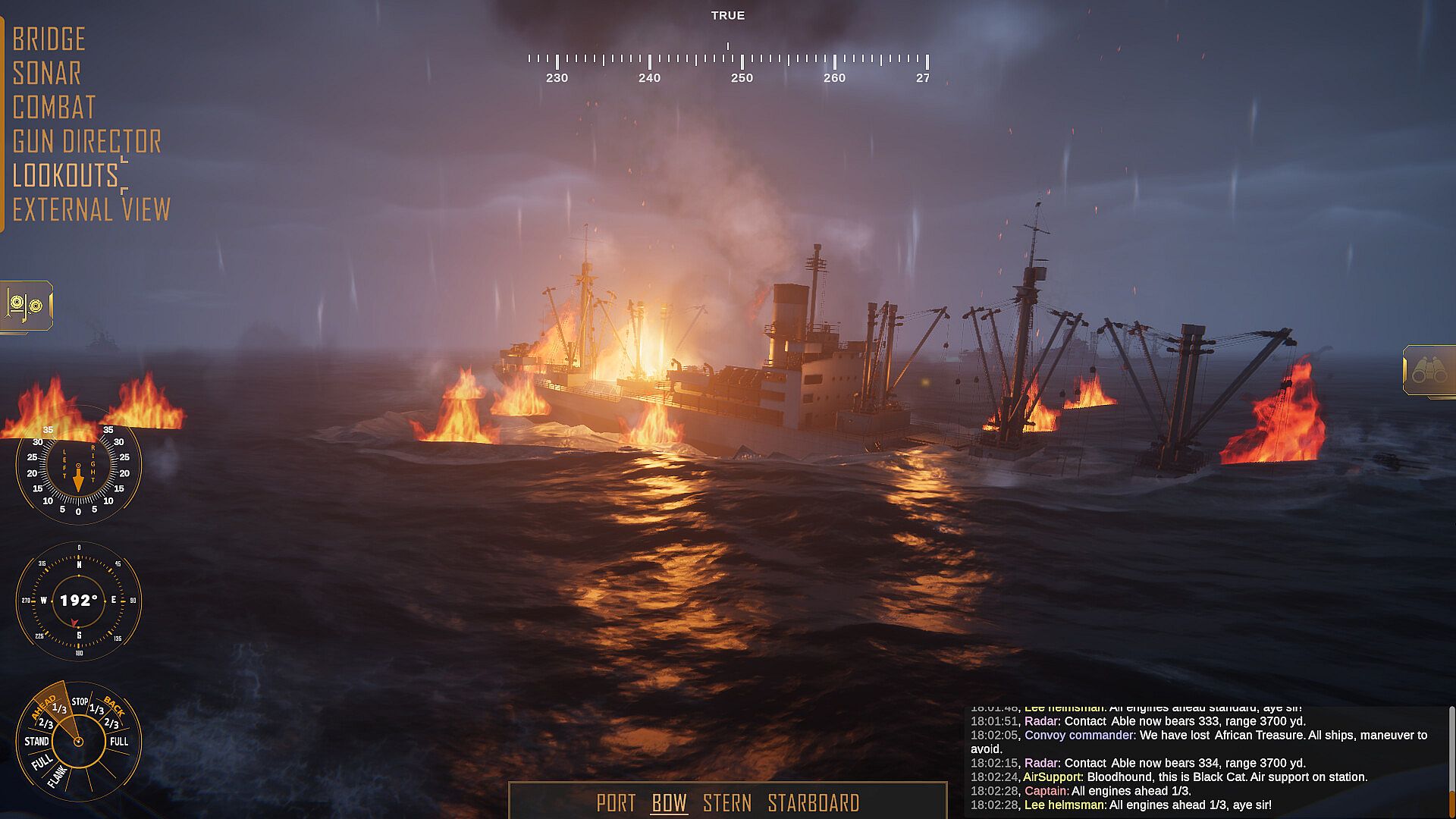
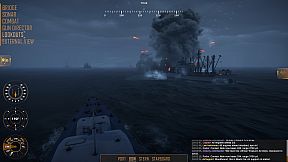
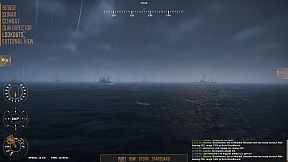
Weather, time of day, and enemy behavior shift with each engagement, forcing adjustments to search patterns and weapon deployment. The Fletcher-class model includes detailed modeling of propulsion, sensors, and armament, requiring coordinated crew actions across ten specialized battle stations. U-boat opponents vary in approach, from direct assaults to evasive maneuvers that test the escort's response times and resource management.
Game Modes
Engagements generate procedurally with randomized elements that create distinct scenarios each time. Four convoy sizes are available: small, medium, large, and custom configurations that scale the number of merchant vessels and escort assets. These setups determine the intensity of wolfpack attacks and the tactical demands placed on the player-led escort group. No separate campaign or versus modes exist; all play occurs within these generated convoy defense operations.
Key Features and Immersion
Over three hundred voice lines recorded with input from naval experts deliver authentic radio chatter and reports. A four-track soundtrack layers dynamically according to contact proximity and threat level. The combination of these elements supports prolonged sessions focused on methodical search and attack cycles rather than fast-paced action.
Procedural generation ensures replayability through variations in visibility, sea state, and submarine tactics. Players who master station transitions and information flow gain advantages in locating and neutralizing contacts before they reach the convoy.
Is It Worth Playing?
The game suits players interested in realistic naval simulations and anti-submarine tactics. Steam user reviews stand at Mostly Positive from 848 ratings. Updates continue into 2026, including visual enhancements such as improved skies and volumetric clouds along with performance optimizations. Those who enjoy detailed instrument use and crew coordination will find substantial depth, while individuals seeking broader action or multiplayer options may prefer alternatives. The title remains available on PC with ongoing support for its core simulation systems.