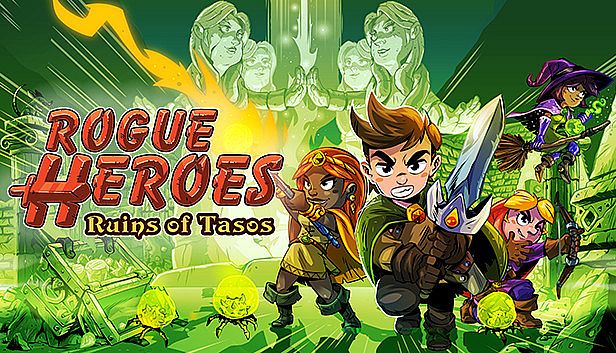




















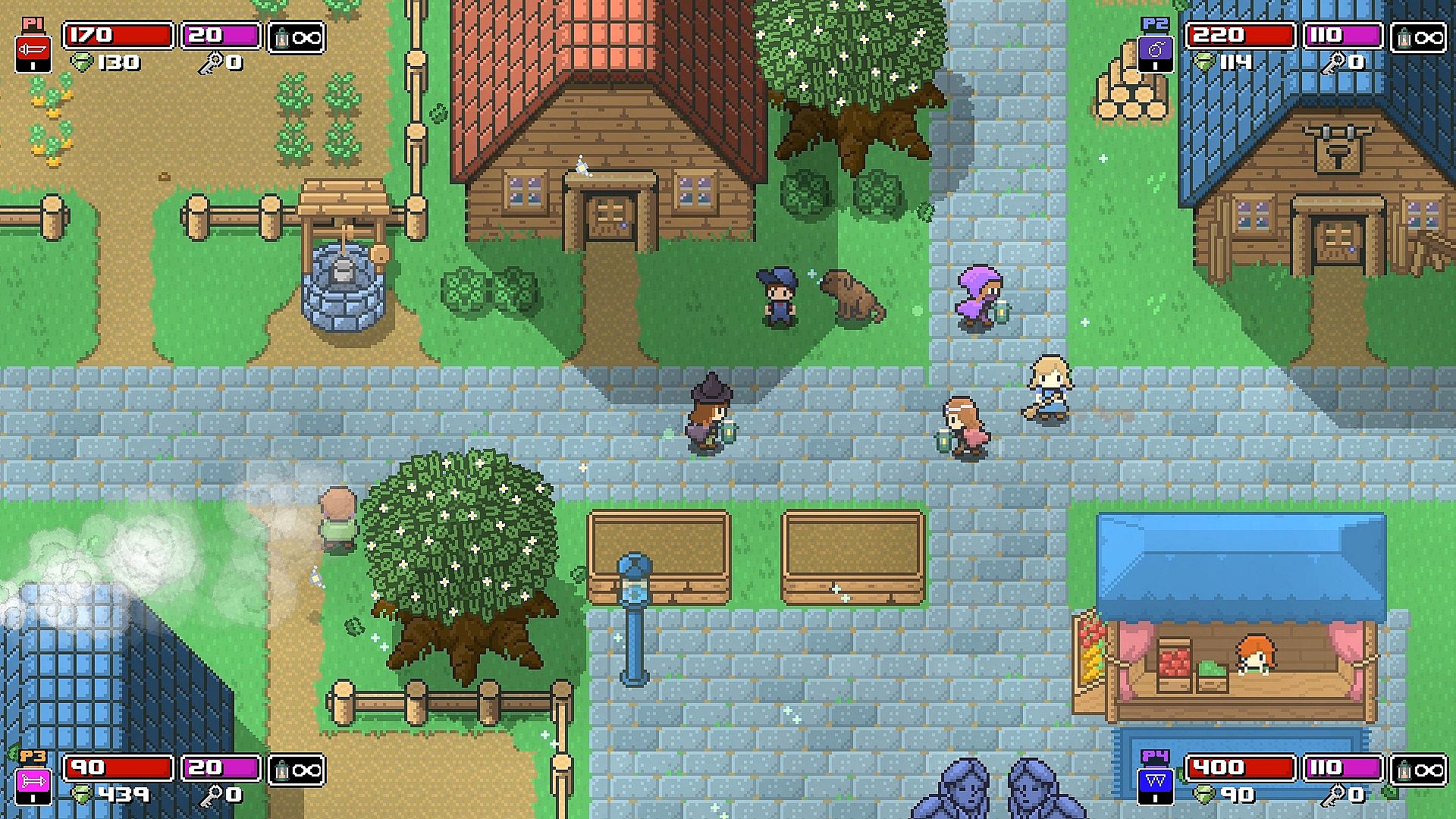
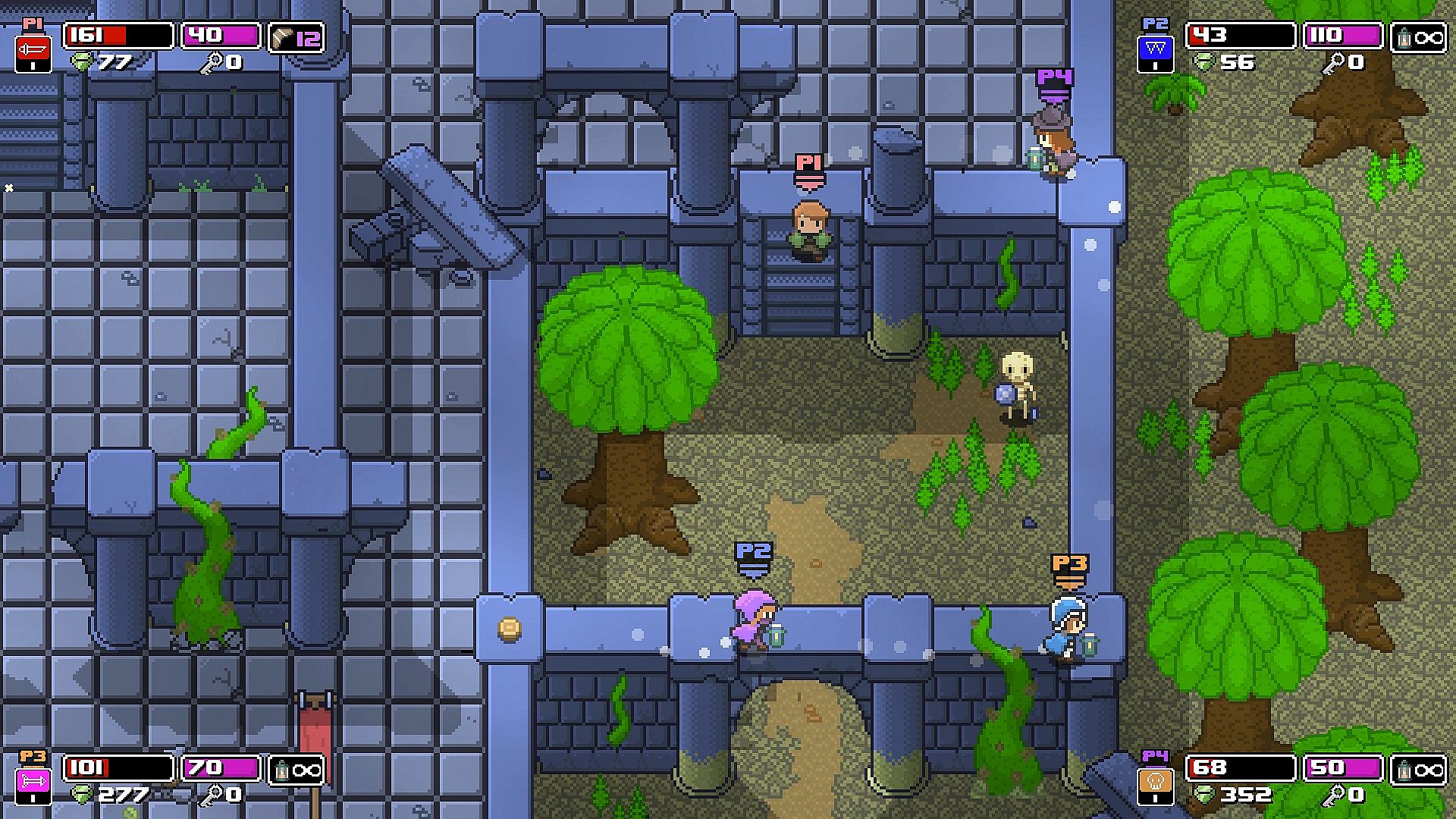
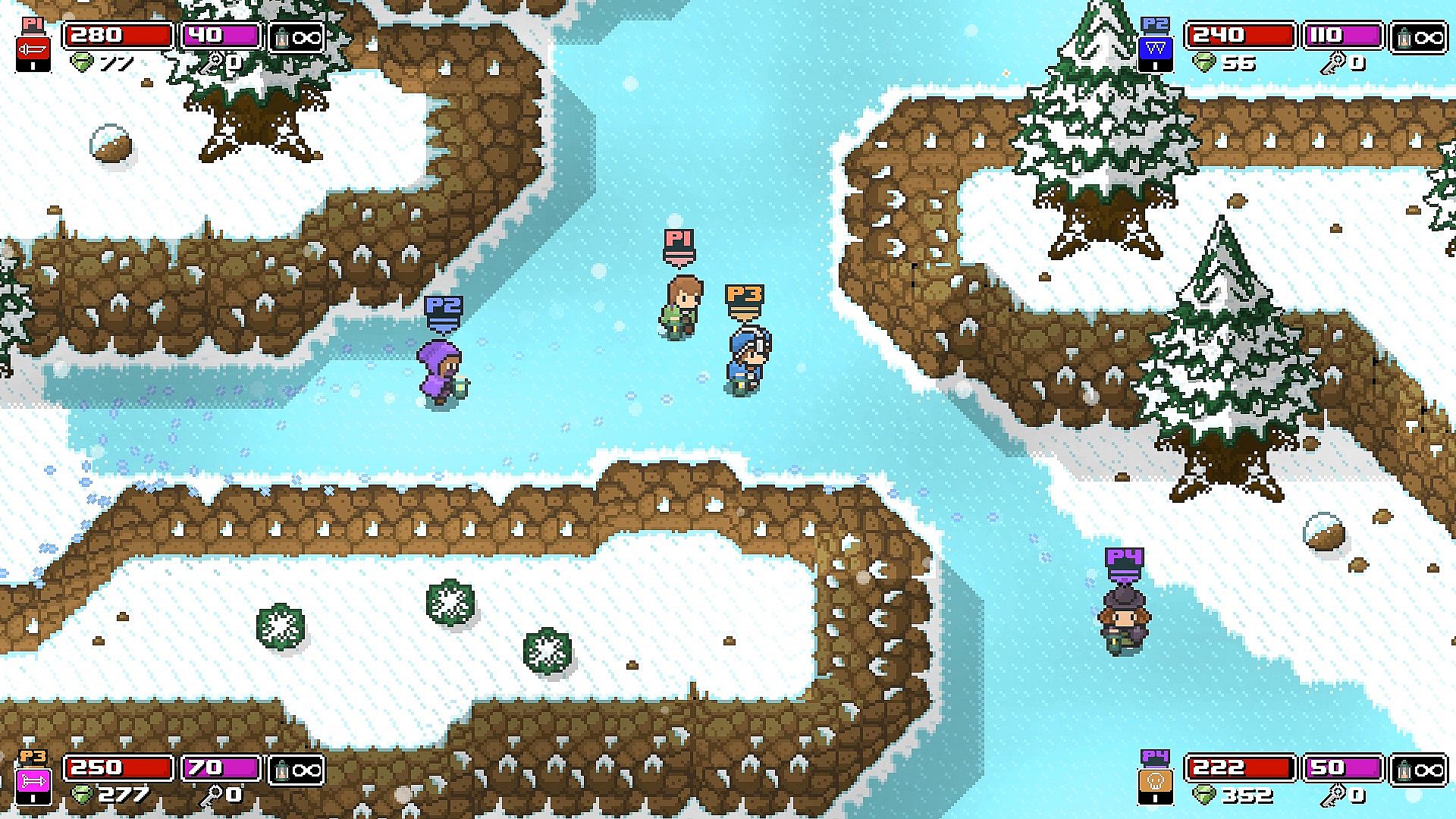
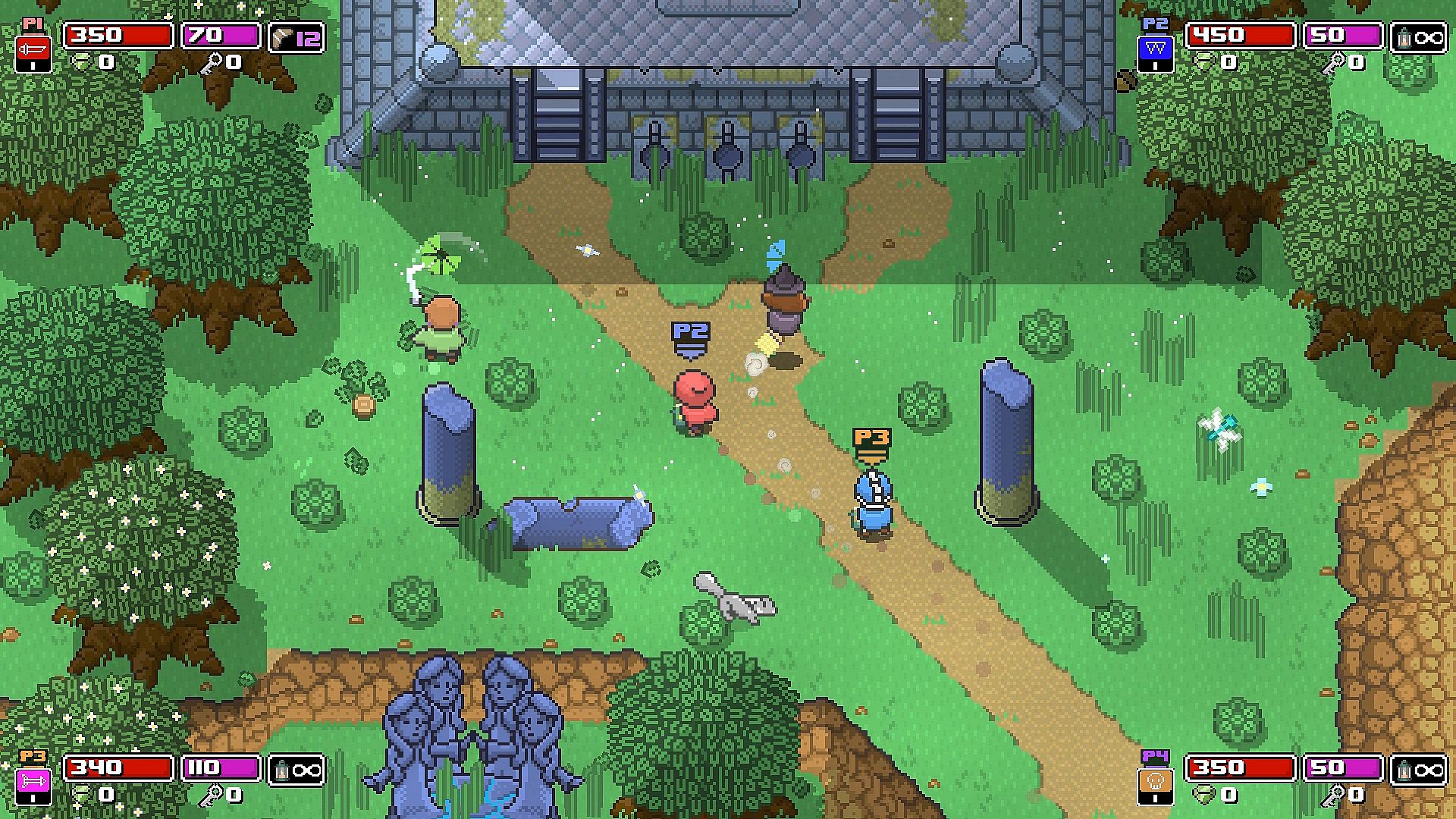
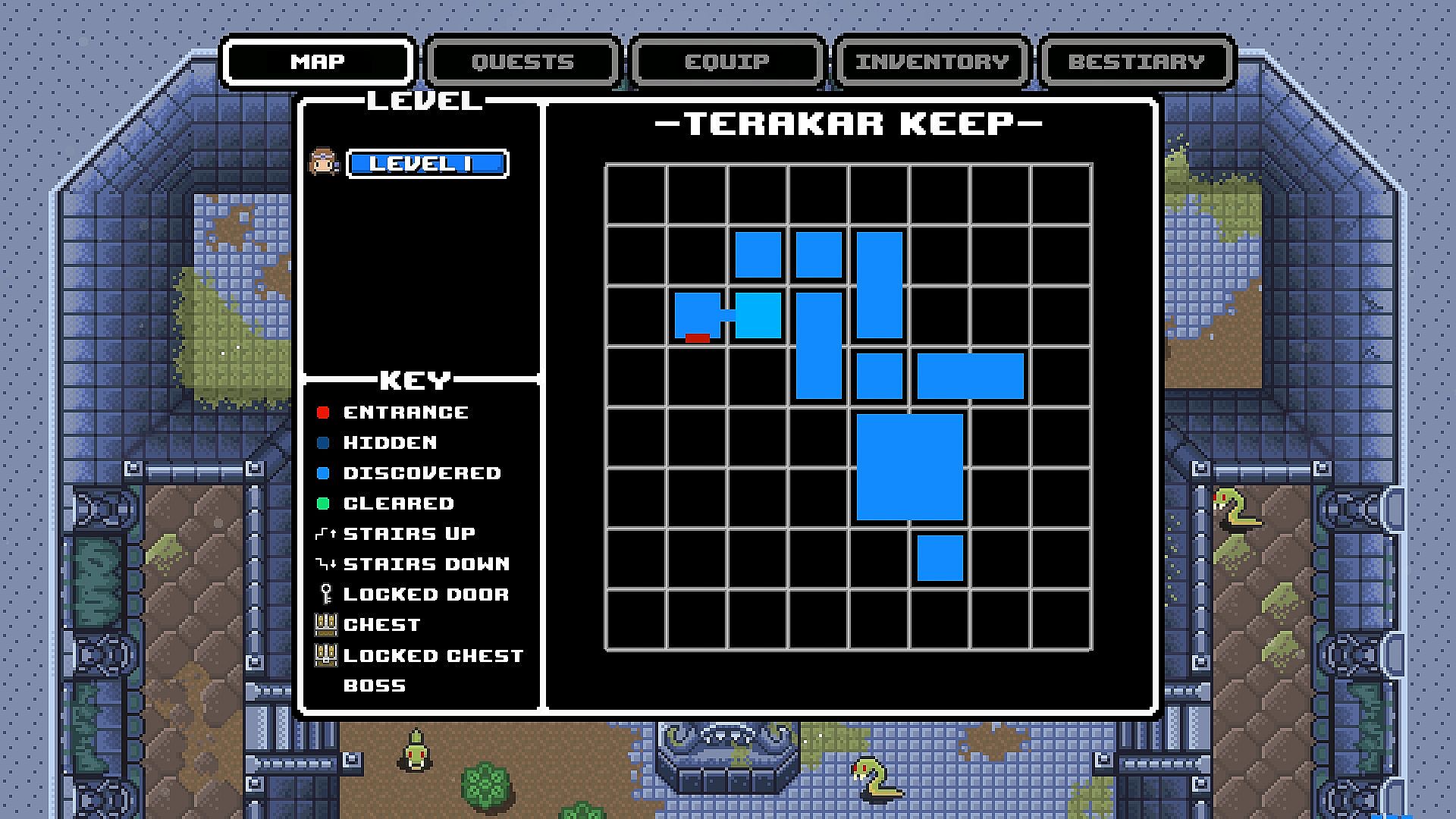
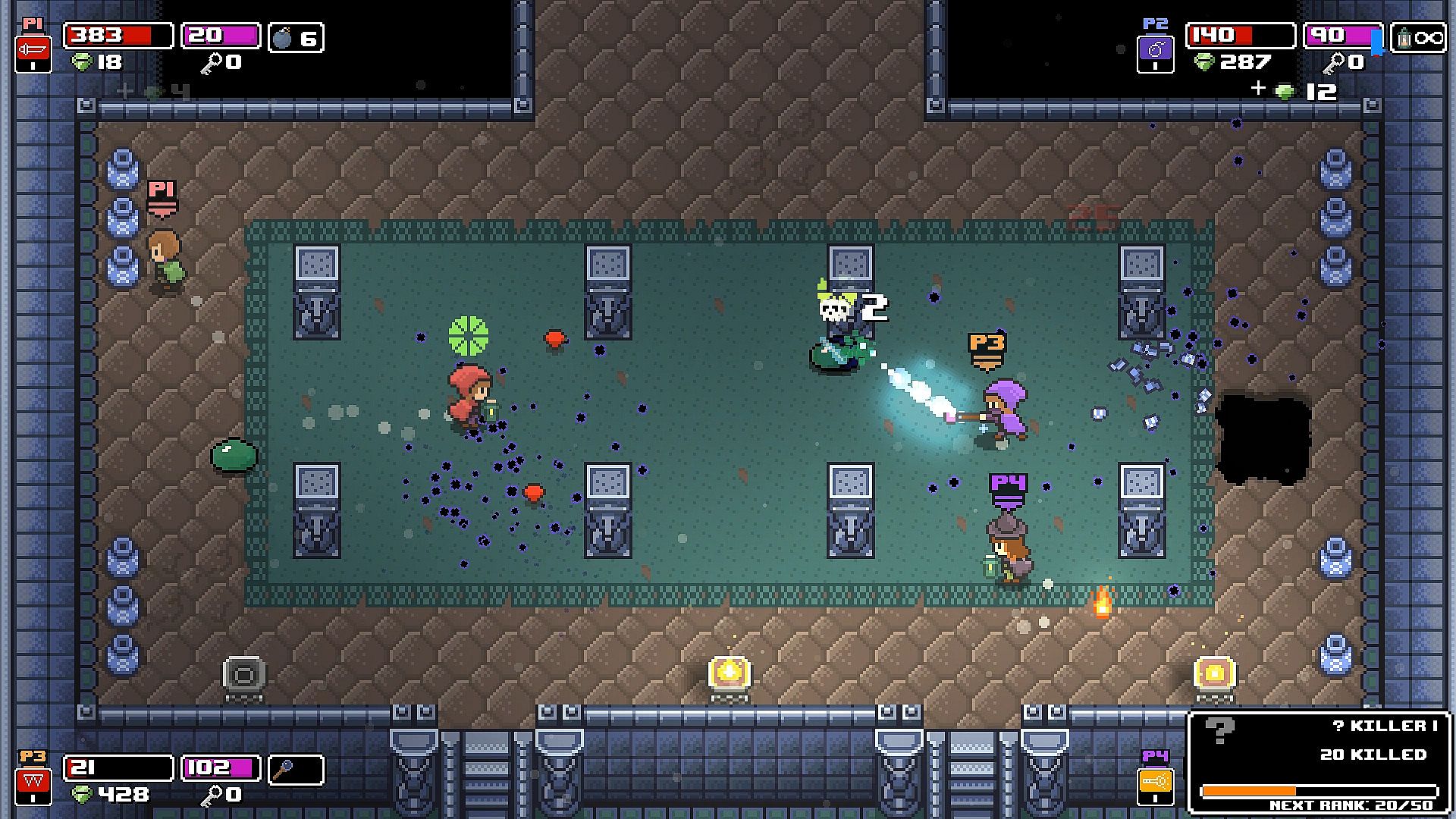
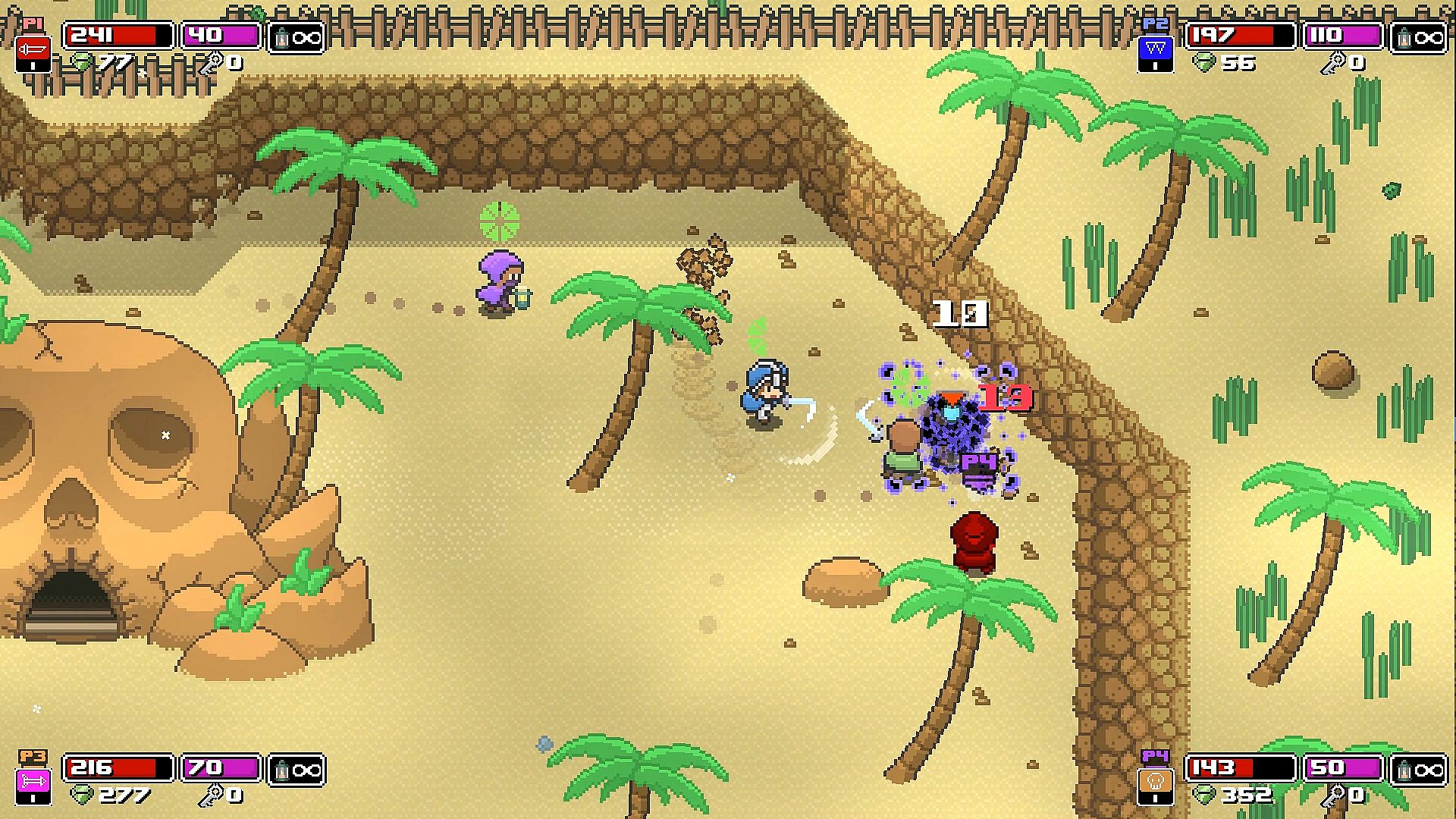
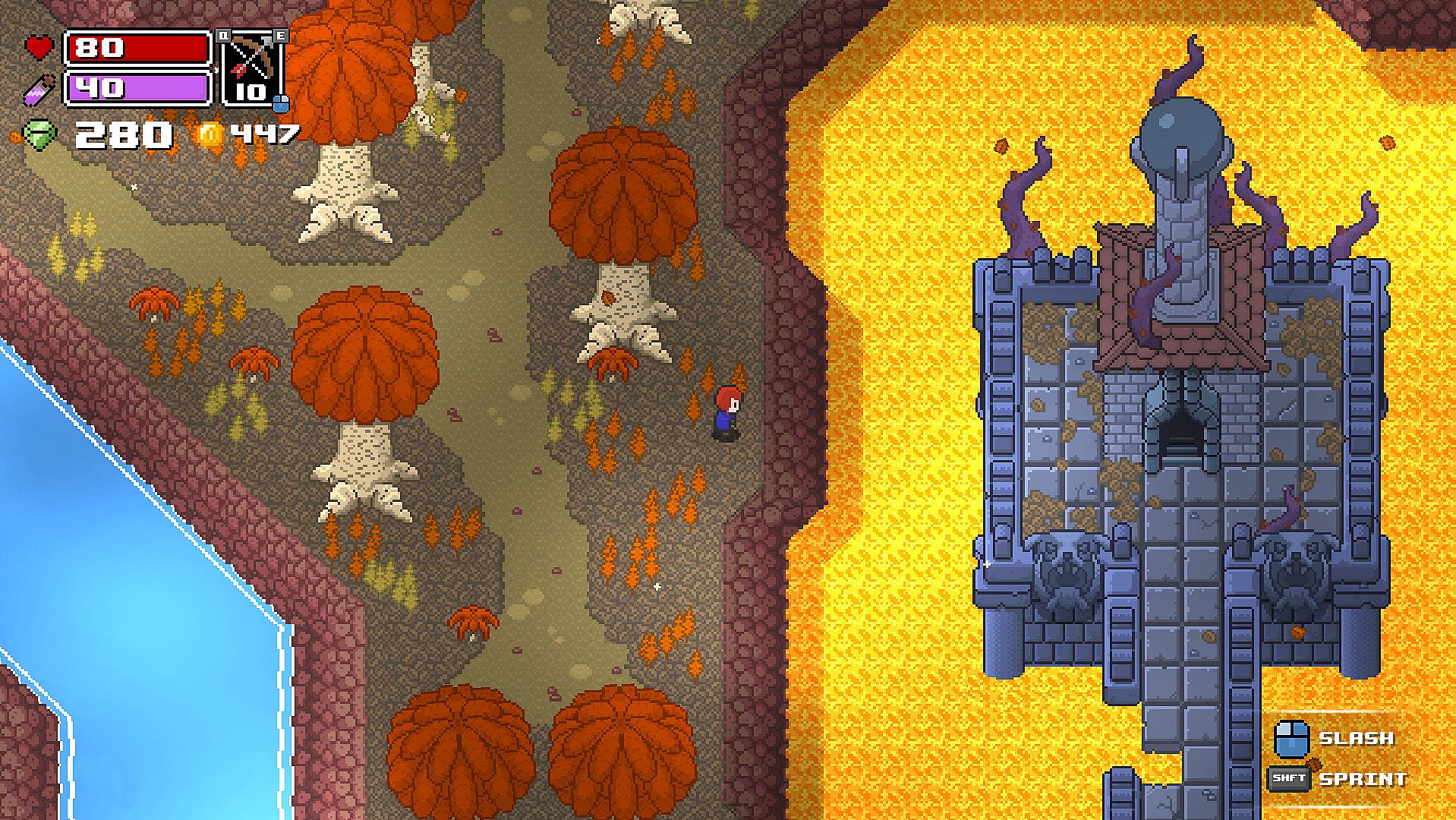
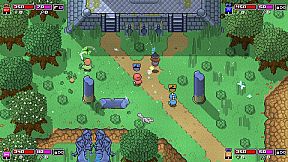
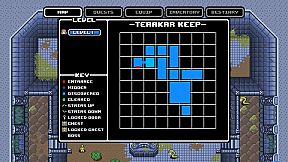
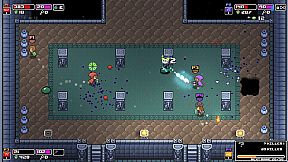
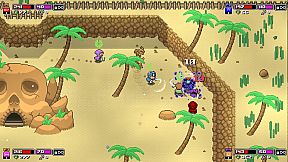
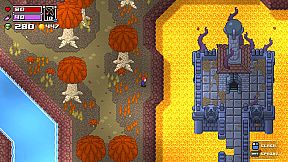
Rogue Heroes: Ruins of Tasos is a top-down action RPG adventure that blends roguelite elements with exploration and light town management. Players take on the role of heroes defending the land of Tasos from ancient Titans sealed in four Great Dungeons. The core experience centers on repeated dungeon runs where death resets progress but allows permanent upgrades through loot and town improvements.
Gameplay
The game uses classic top-down sword combat reminiscent of older Zelda titles, with eight-directional attacks and the ability to block incoming strikes. Players gather a variety of tools and weapons during runs, including bows, boomerangs, and grappling hooks that open new paths and solve environmental challenges. Spells and additional items expand combat options as runs progress.
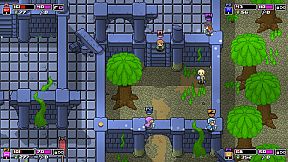
Dungeons feature hand-designed room layouts combined with randomized enemy placements, traps, and puzzles. This setup ensures variety across attempts without requiring players to relearn entire areas. An overworld connects these locations and supports further exploration for resources and secrets.
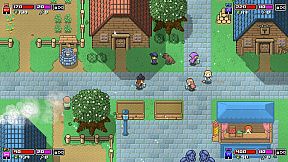
Outside dungeons, players invest gathered loot into rebuilding the village of Intori. New structures such as weapon forges and fisheries provide ongoing benefits that carry over between runs. Multiple character classes each bring distinct abilities that influence combat style and approach to challenges. Death functions as a standard roguelite mechanic, encouraging upgrades and repeated attempts with stronger heroes.
Game Modes
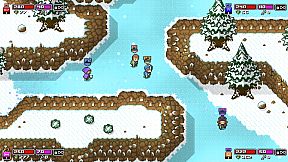
The primary options are solo play or cooperative sessions supporting up to four players. Co-op allows friends to join in dungeon runs and share the load against enemies and bosses. Progression remains tied to individual or shared upgrades depending on the session setup.
Both single-player and multiplayer draw from the same core systems of procedural dungeons and town building. No separate competitive or versus modes exist beyond the cooperative focus.
Exploration and Town Building
Overworld navigation rewards careful mapping and resource collection that feeds directly into village upgrades. Each new building unlocks fresh ways to enhance hero stats or acquire better equipment for future attempts. This loop ties exploration outside dungeons to long-term power growth.
Procedural generation applies mainly to dungeon interiors, while key progression items like boss rewards remain consistent. Players gradually unlock more of the world as they defeat dungeon guardians and obtain classic tools for traversal.
Is It Worth Playing?
The game suits players who enjoy roguelite runs paired with Zelda-inspired combat and incremental town development. Positive reception on major platforms highlights the satisfying combat loop and variety in dungeon layouts as standout elements. Recent reviews continue to note the strong foundation for solo or small-group play.
Those seeking deep narrative focus or frequent content updates may find the experience limited, as the title launched in 2021 with no ongoing seasons or expansions confirmed. It remains a solid choice for fans of procedural action-adventure games that reward persistence through upgrades rather than one-time completion.
- Top-down combat with directional attacks and blocking
- Procedural dungeons with fixed room designs
- Co-op support for up to four players
- Town upgrades that persist across runs
- Multiple classes with unique skills