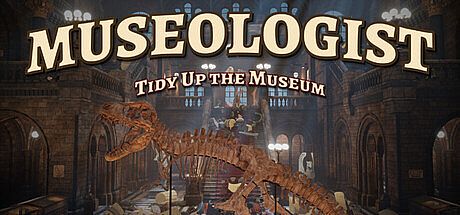






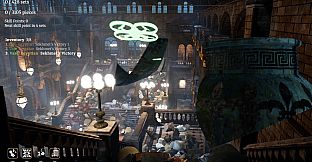
Museologist: Tidy Up the Museum! is a casual simulation game centered on restoring order to a historic museum after a destructive earthquake. Players step into the role of a newly appointed museologist tasked with reassembling shattered exhibits within a strict one-week deadline before the board decides the museum's fate. The experience emphasizes careful fragment placement, progressive skill unlocks, and methodical hall restoration on PC.
Gameplay
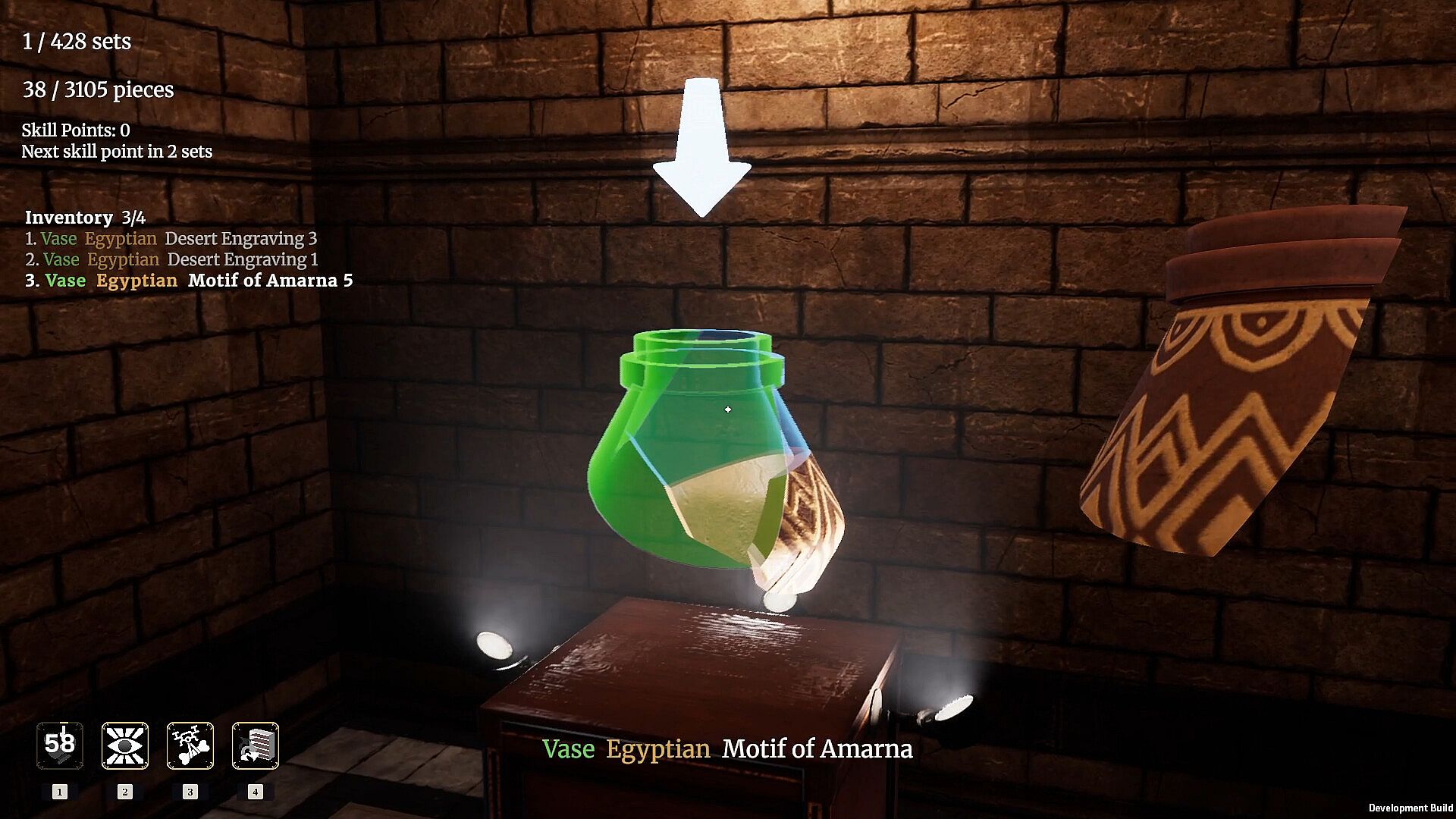
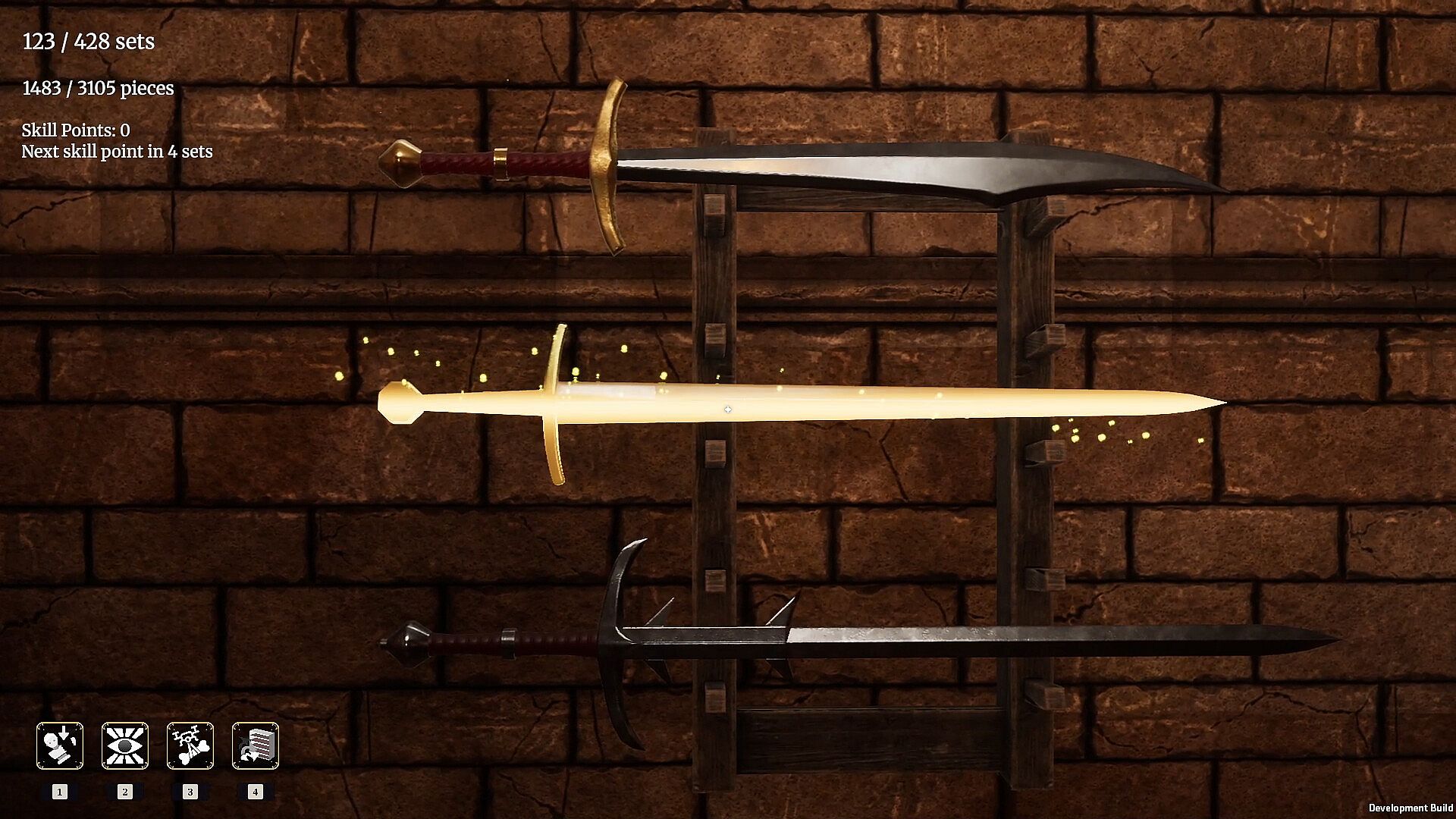
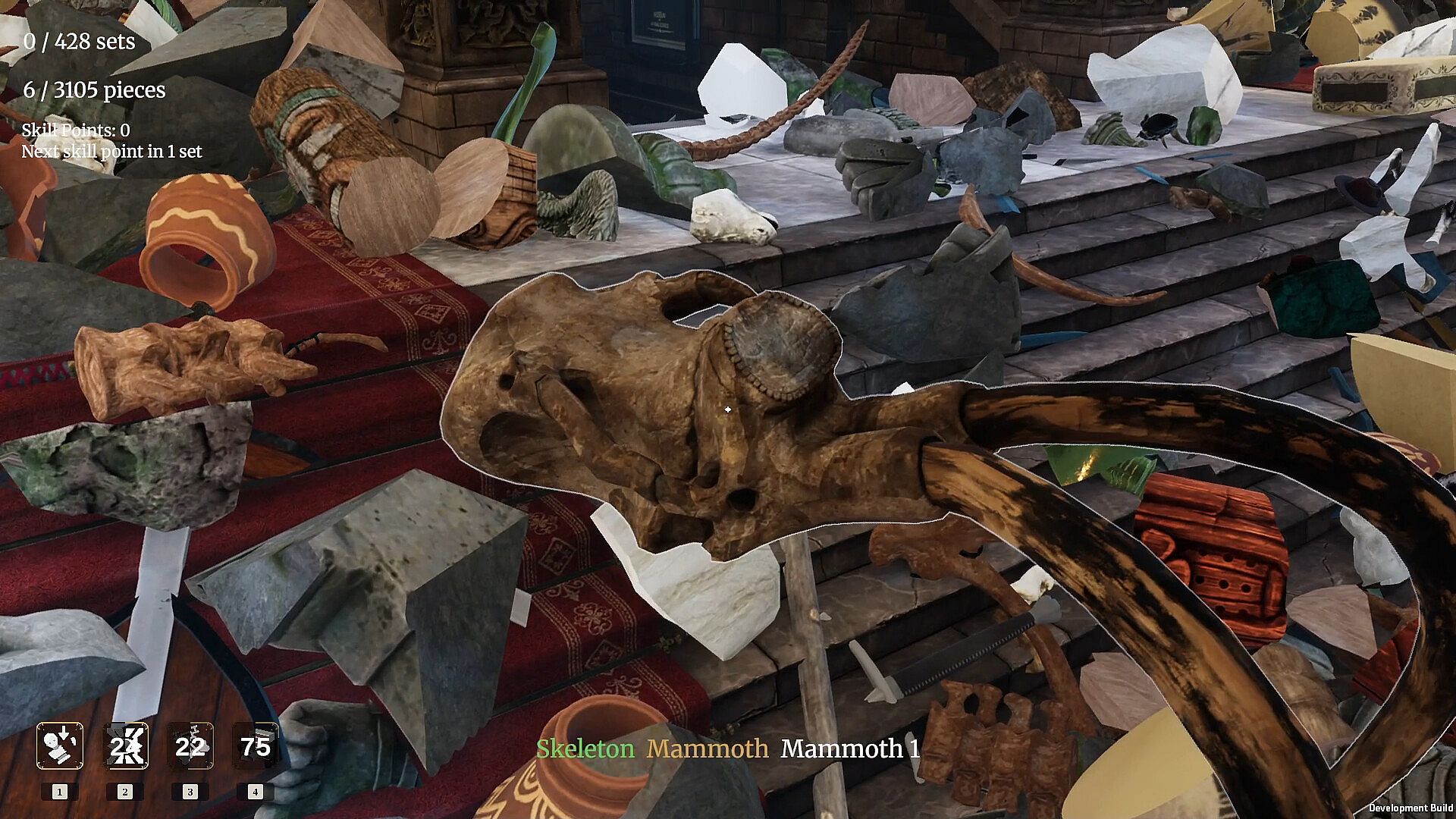
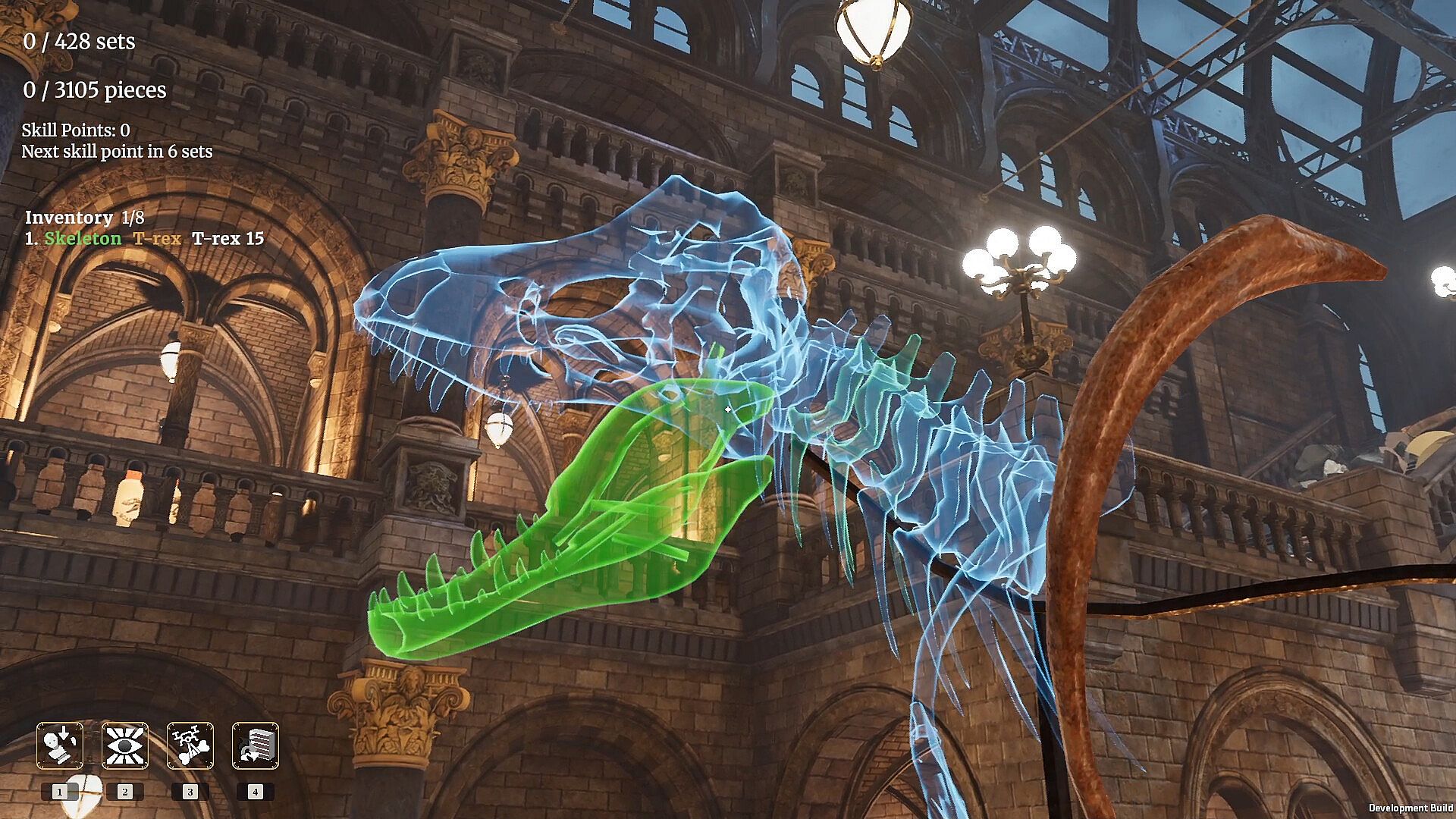
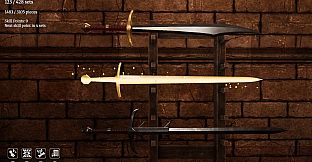
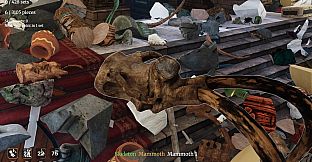
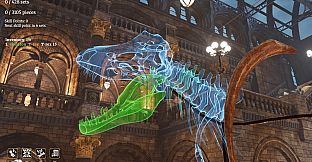
The core loop revolves around puzzle-driven restoration inside ruined exhibit halls. Every display case, plinth, and artifact has broken into loose pieces that must be matched by shape and glowing outlines. The collection includes swords, shields, fossilized bones, ceremonial masks, coins, and full statues scattered across the floors. Completing an exhibit unlocks new restoration techniques that accelerate progress in subsequent rooms, turning an initially overwhelming scene into a more efficient workflow.
Players decide the order of halls and how to combine unlocked abilities for faster results. Accuracy matters as much as speed because each finished hall receives a score based on placement precision. Sloppy work lowers the overall rating that determines whether the museum reopens. Ambient audio changes as rooms are restored, providing audible feedback on progress without any timers or external pressure.
Game Modes
The game operates as a single-player restoration simulator with no separate competitive or multiplayer modes. Progress unfolds through sequential hall restoration, where the player chooses which area to tackle next and stacks abilities to suit personal rhythm. The focus remains on methodical fragment matching and exhibit completion rather than timed challenges or alternate scenarios.
Key Features
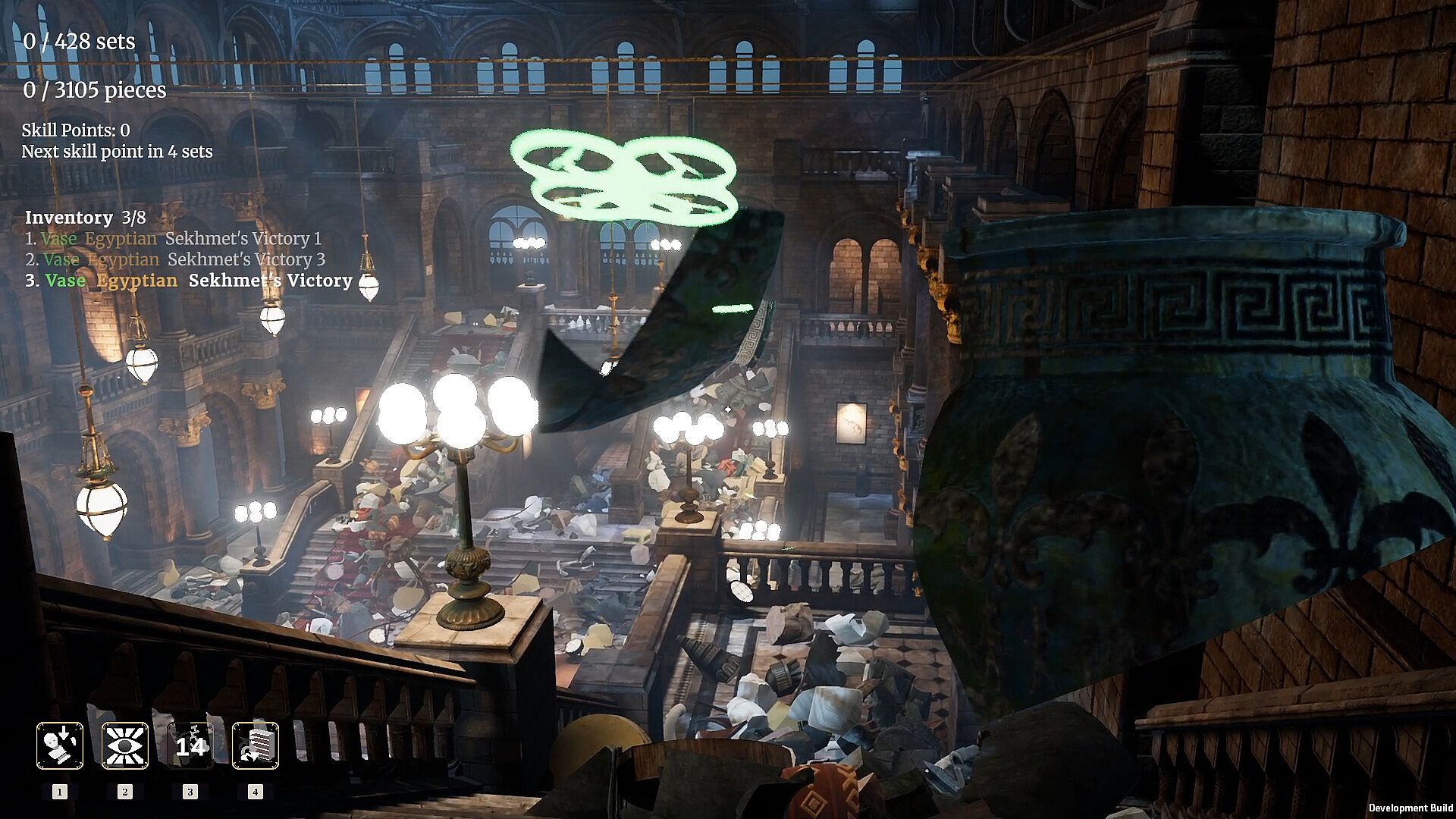
A standout element is the transformation of wrecked spaces into polished exhibits. Cracked glass, overturned pedestals, and floor rubble gradually disappear as work advances. The living building aspect means restored halls gain richer ambient soundscapes that reflect the growing sense of order. Planning workflow across multiple halls adds replay interest because different sequences and ability combinations affect overall efficiency.
The board's oversight system ties directly into scoring. Every completed hall contributes to a final rating that decides the museum's future, encouraging precise fragment placement over rushed efforts.
Restoration Techniques
Clearing halls grants access to specialized tools that streamline the process. Delivery drones retrieve remaining pieces of a selected object when the player holds one fragment. The AR visor scans the room and highlights all scattered pieces belonging to the same artifact. The auto-snap tool instantly locks a held fragment into its correct position, eliminating manual alignment. These gadgets build on one another, allowing players to handle larger collections with greater speed as more halls are finished.
Is It Worth Playing?
This title suits players who enjoy methodical organization and puzzle solving in a relaxed single-player setting. The emphasis on fragment matching, ability progression, and accuracy-based scoring creates a satisfying loop for those who appreciate seeing chaos turn into order without time limits or failure states beyond the final rating. With 3,105 fragments across 428 objects and progressive unlocks that speed up later stages, the experience rewards careful planning and repeated playthroughs focused on different hall orders. Availability on PC makes it accessible for anyone drawn to cozy simulation games centered on restoration and collection management.