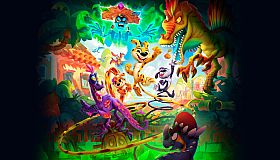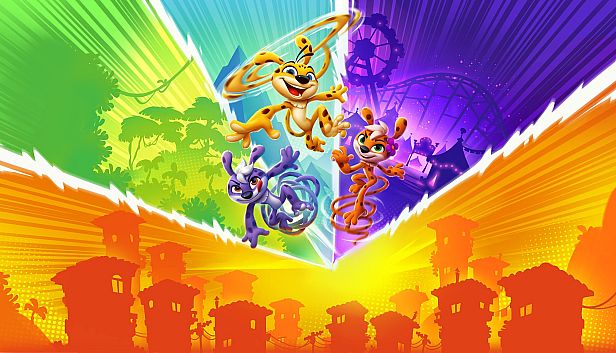



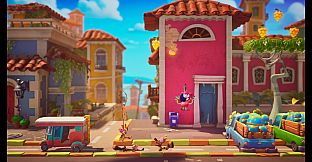
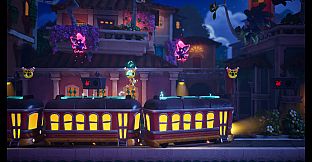
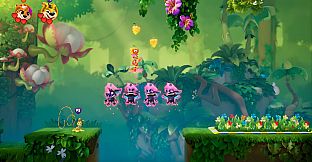
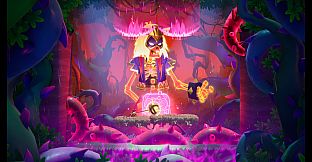
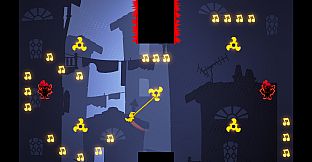

Marsupilami 2 Salsa Palombia is a 2D platformer that blends action and adventure elements across colorful stages filled with rhythmic challenges. Players control three distinct Marsupilamis to stop a cursed melody that forces animals into endless dancing, restoring order to the land of Palombia.
Gameplay
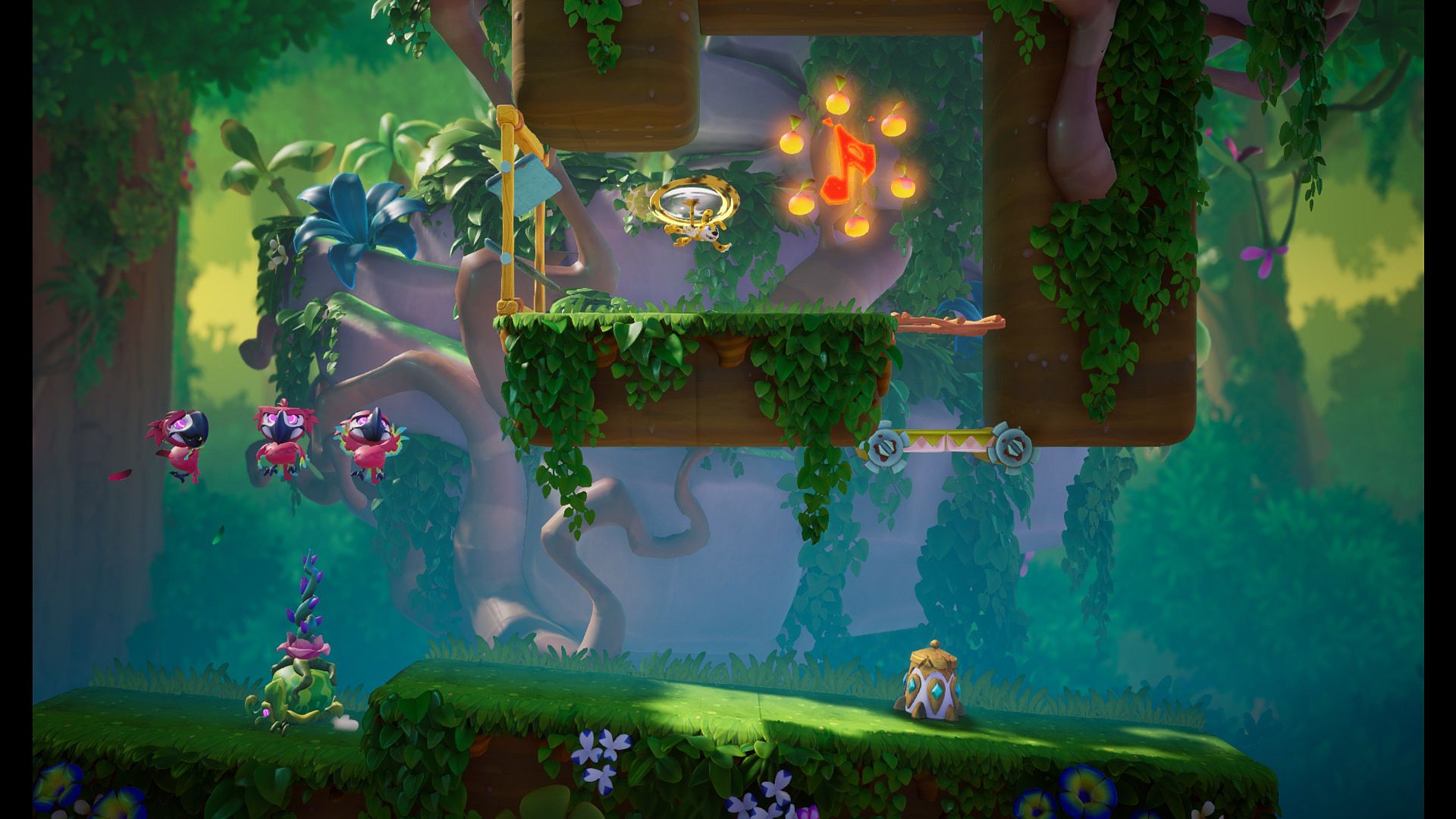
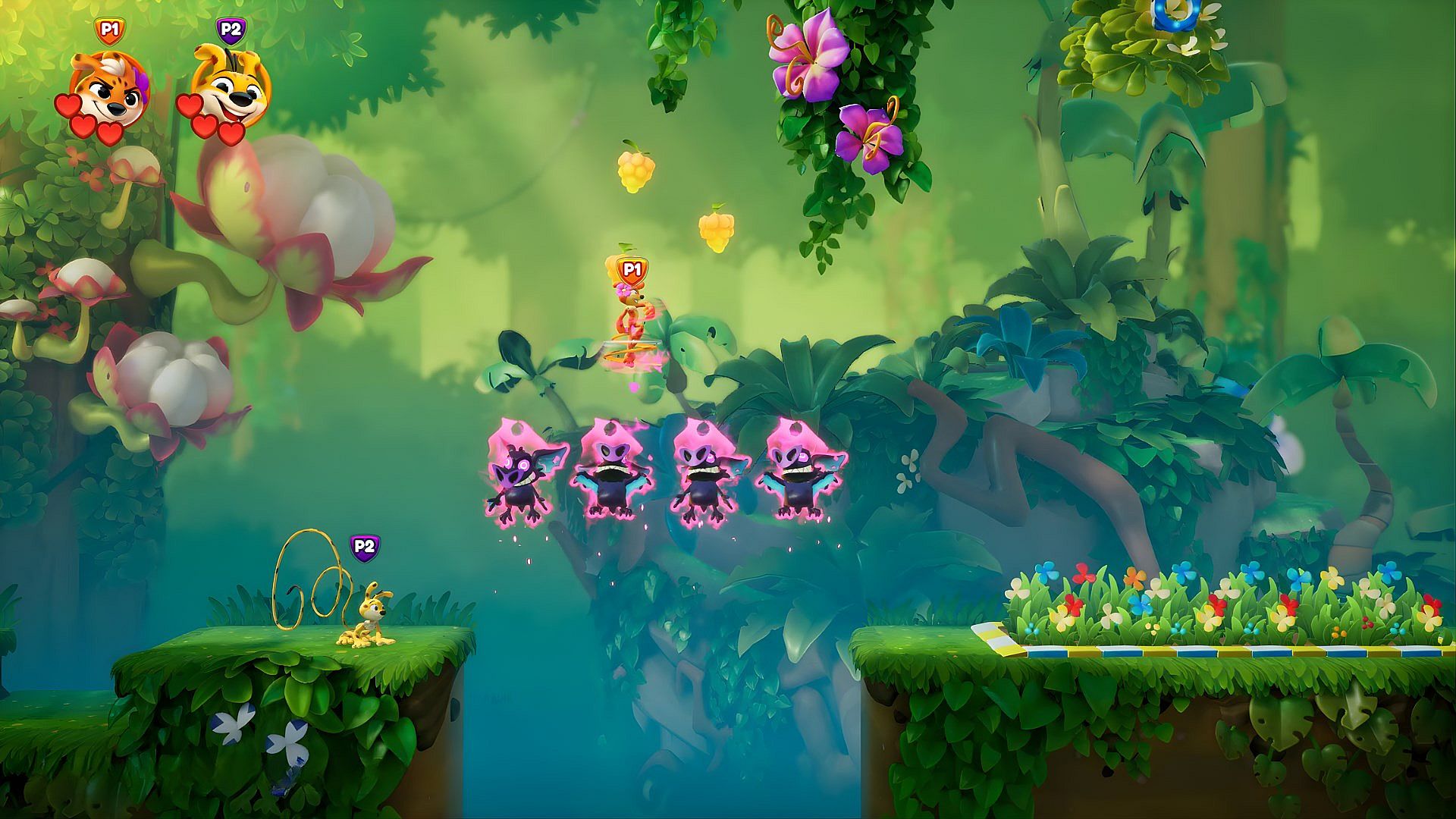
The core loop centers on precise platforming through four distinct worlds that grow more demanding as players progress. Movement involves running, jumping, and using character-specific skills to navigate platforms, avoid hazards, and reach the end of each stage. Switching between the three Marsupilamis lets players adapt to different obstacles on the fly, such as reaching high ledges, clearing groups of enemies, or crossing wide gaps. Levels contain secrets that reward careful exploration and the right ability choices, leading to optional hidden areas.
Each Marsupilami brings a specialized tool to the table. One focuses on aerial traversal for elevated paths, another delivers direct strikes against foes, and the third emphasizes powerful leaps for momentum-based traversal. This system encourages experimentation within levels to uncover all paths and collectibles. The pace stays brisk, with challenges that test timing and quick decisions rather than complex resource management.
Game Modes
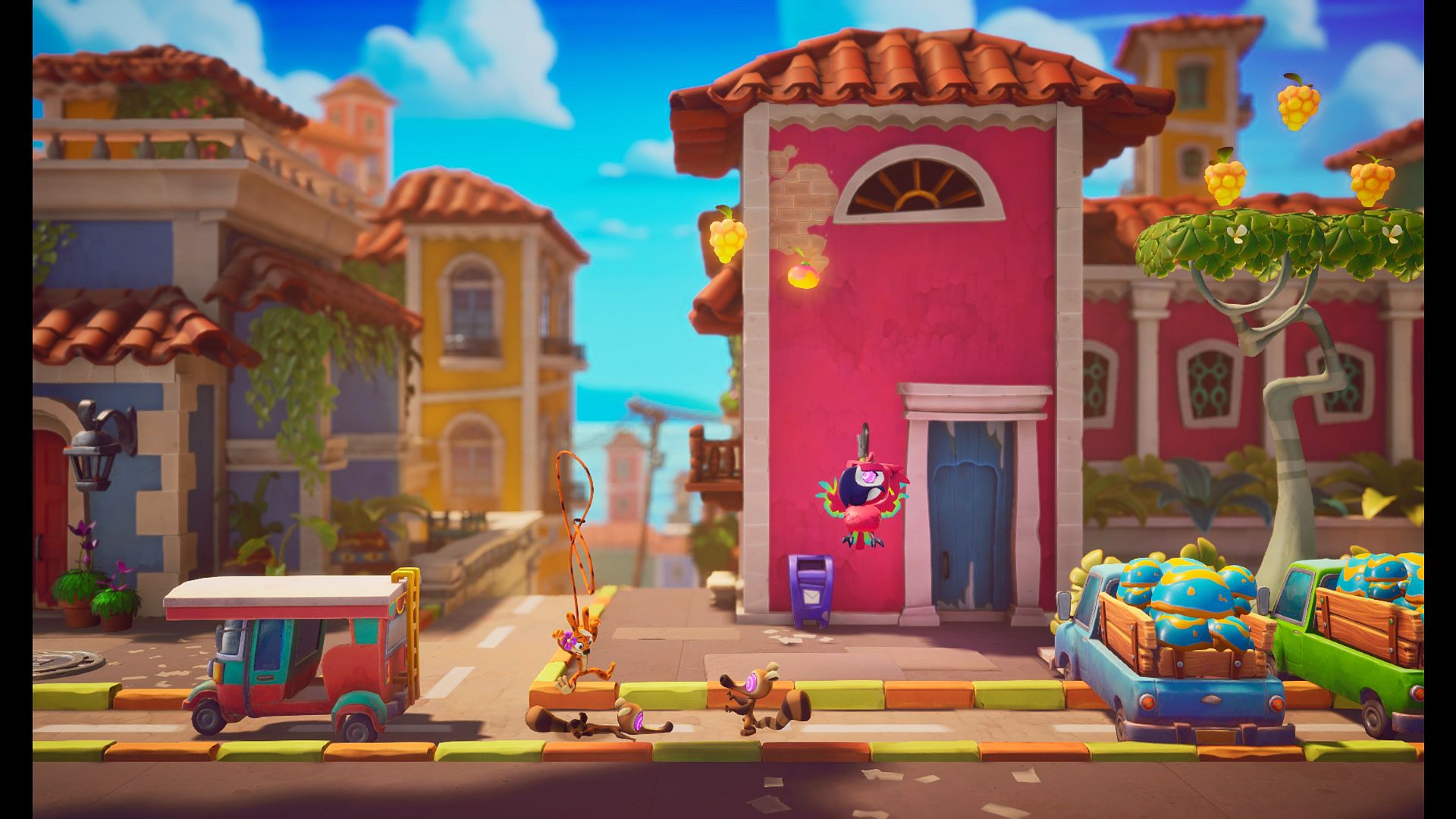
The main experience follows a linear adventure that guides players from jungle environments to urban settings while tracking down the source of the disruption. Local co-op supports two players sharing the same screen, allowing one person to handle navigation while the other manages combat or specific jumps. This setup works equally well for solo runs where the player switches characters manually.
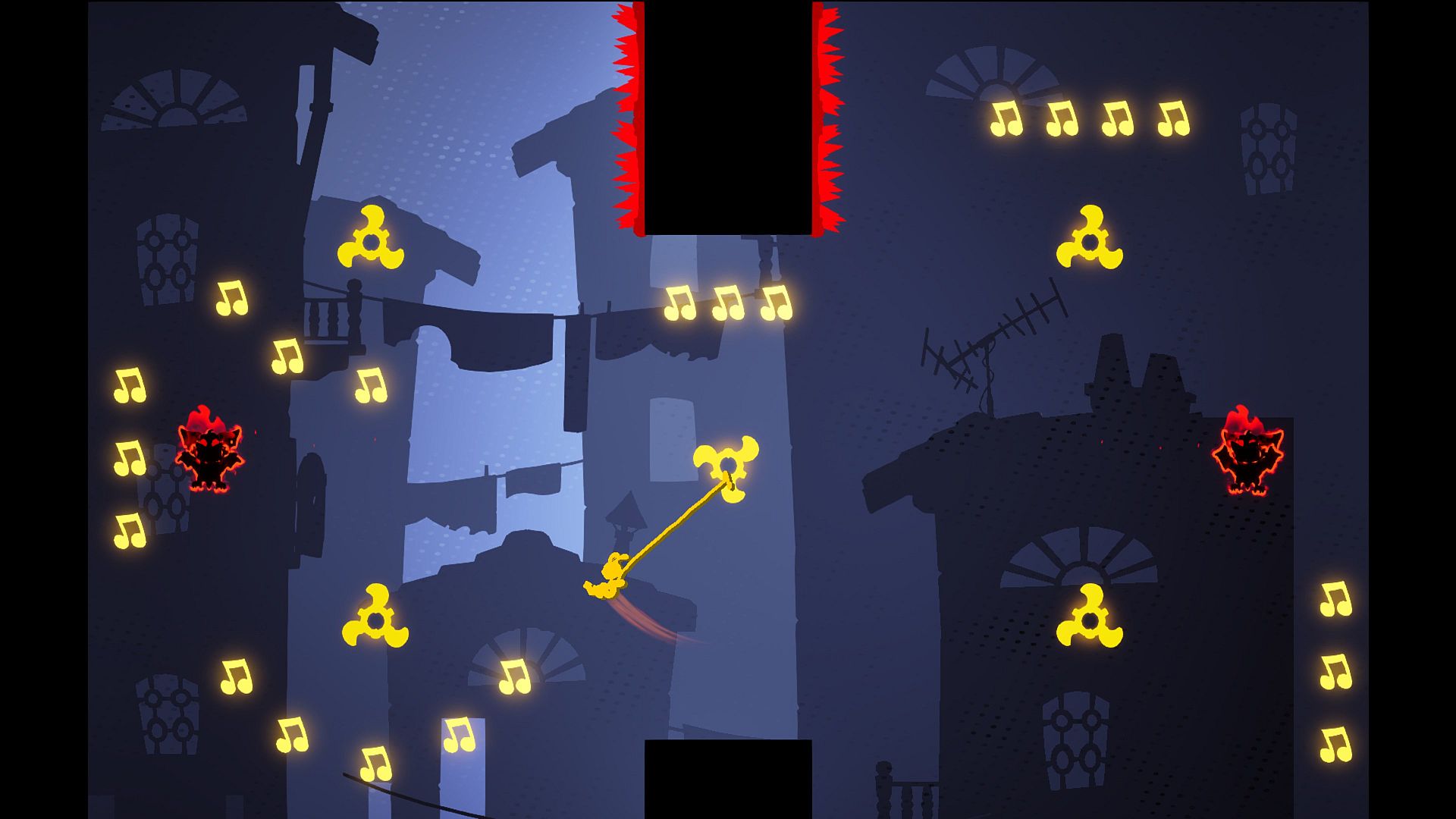
Additional activities include Battle Dojos, which present structured challenges focused on combat and timing, along with competitive minigames that pit participants against each other in short, skill-based contests. These modes emphasize friendly competition and repeated attempts to improve performance without altering the central platforming focus.
Worlds and Progression
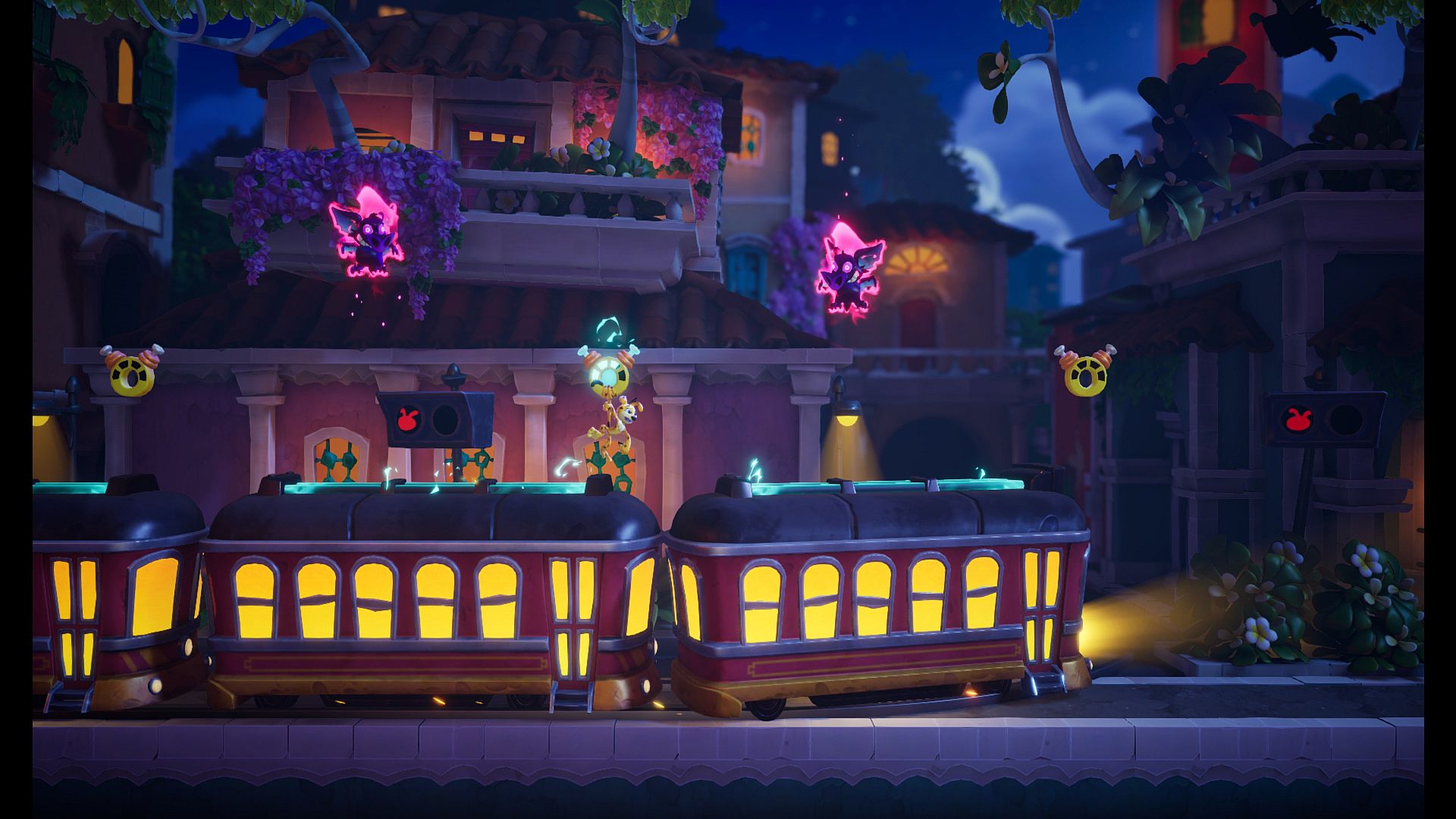
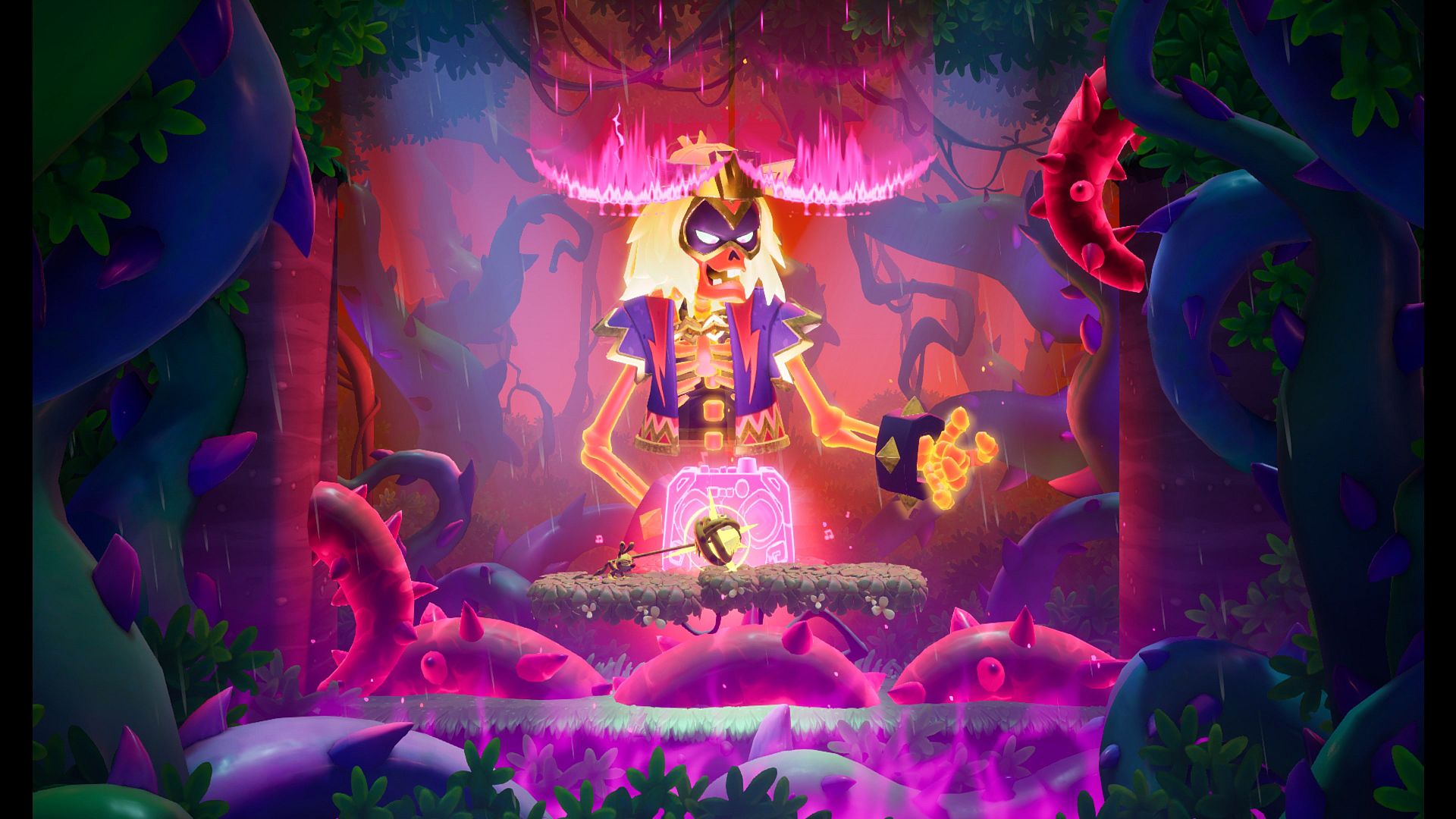
Four vibrant environments form the backbone of the journey, each with its own visual style and increasing intensity. Early stages introduce basic mechanics in lush jungle settings, while later ones incorporate denser city layouts and more intricate enemy patterns. Boss encounters punctuate the end of major sections, requiring players to apply mastered abilities under pressure. Hidden levels become accessible through specific character combinations and thorough searching, adding replay value for those who want to complete every area.
Collectibles scattered throughout stages provide tangible goals beyond simply reaching the exit. The overall structure builds toward a climactic confrontation, with difficulty scaling that remains accessible for younger players while offering enough precision demands to engage experienced platformer fans.
Is It Worth Playing?
Marsupilami 2 Salsa Palombia suits players who enjoy straightforward 2D platformers with character switching and local co-op options. The emphasis on rhythmic movement and family-friendly presentation makes it a strong choice for short sessions or shared play. A demo version allows direct testing of the core mechanics before the full release, helping determine whether the pace and ability system align with personal preferences. Those seeking deep narrative or online multiplayer features may find the scope more limited, but the verified focus on vibrant stages and varied challenges delivers consistent platforming satisfaction for the intended audience.