

M·A·R·G·I·N is a casual simulation game built around incremental financial management and stock market trading on PC. Players begin with almost nothing and work to grow pocket change into a larger portfolio through careful buying, selling, and reinvestment in a simulated economy.
Gameplay
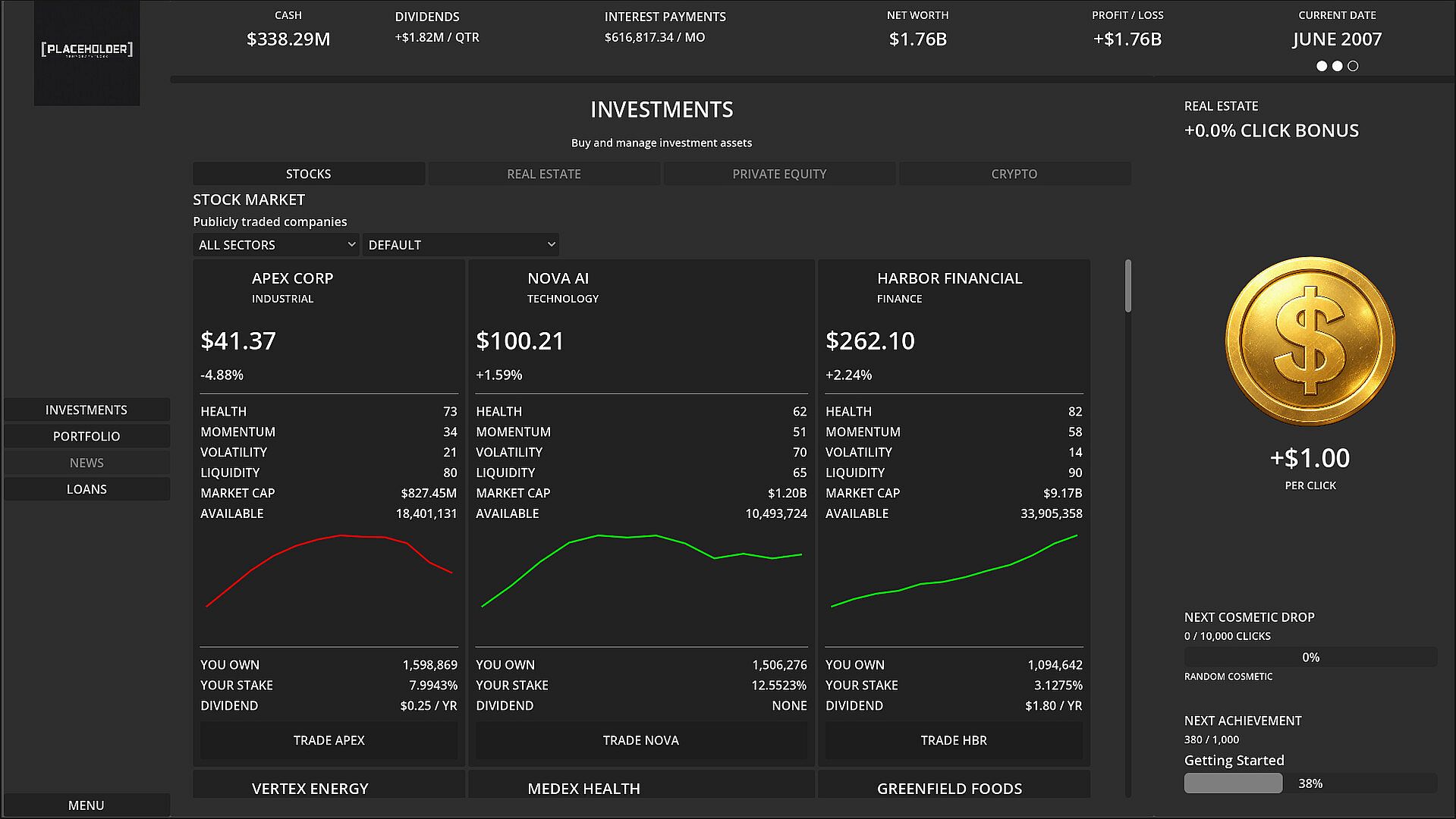
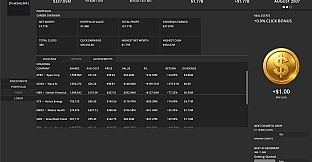
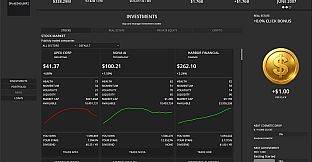
The core loop centers on entering the market with limited funds, selecting stocks from companies across twelve sectors, and holding positions long enough to collect dividends. Stock prices respond to multiple simulated factors including individual company performance, industry trends, overall market sentiment, momentum, and wider economic conditions rather than pure randomness. This setup rewards observation of patterns and timing while punishing overconfidence when researched picks move against expectations.
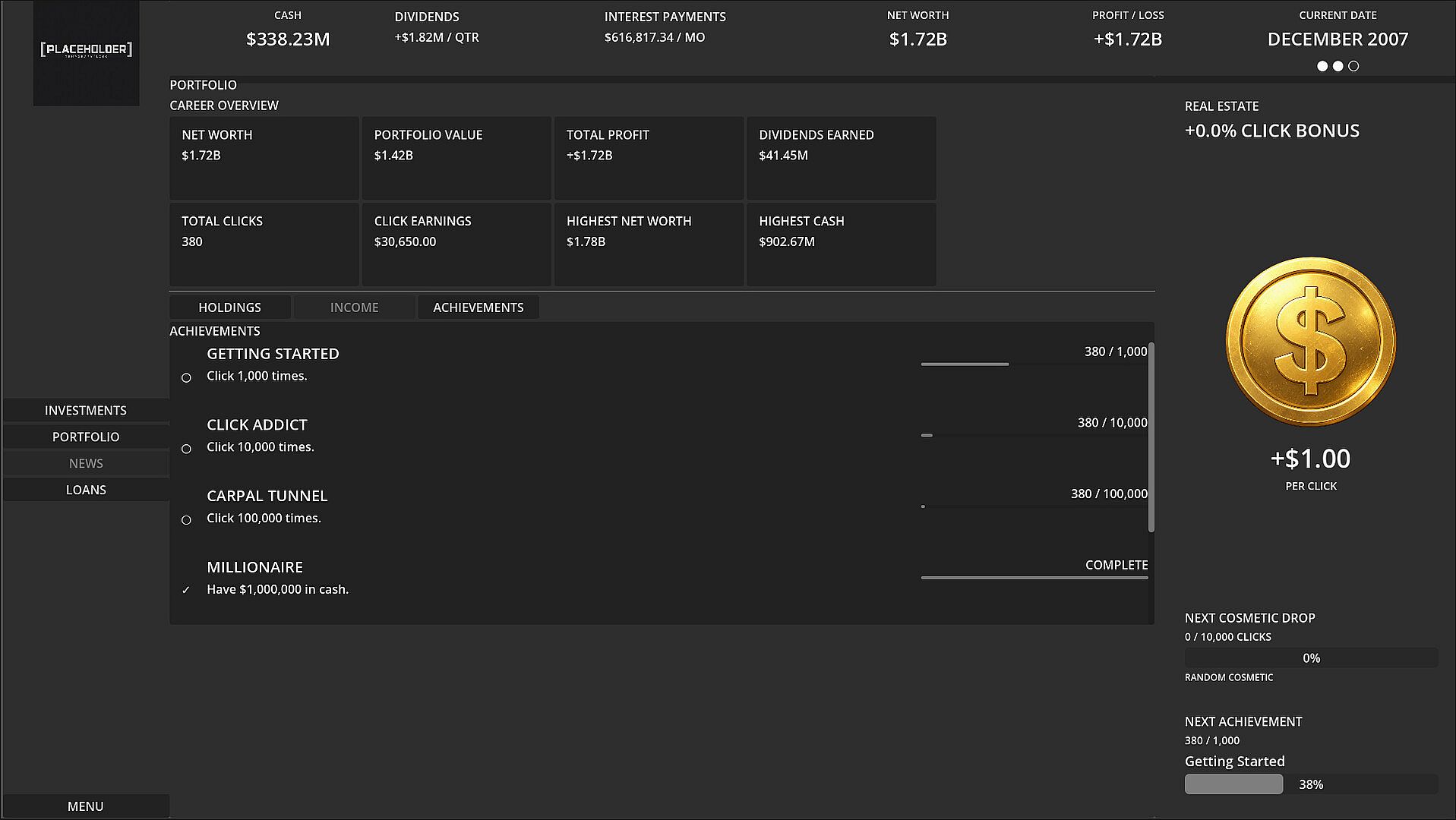
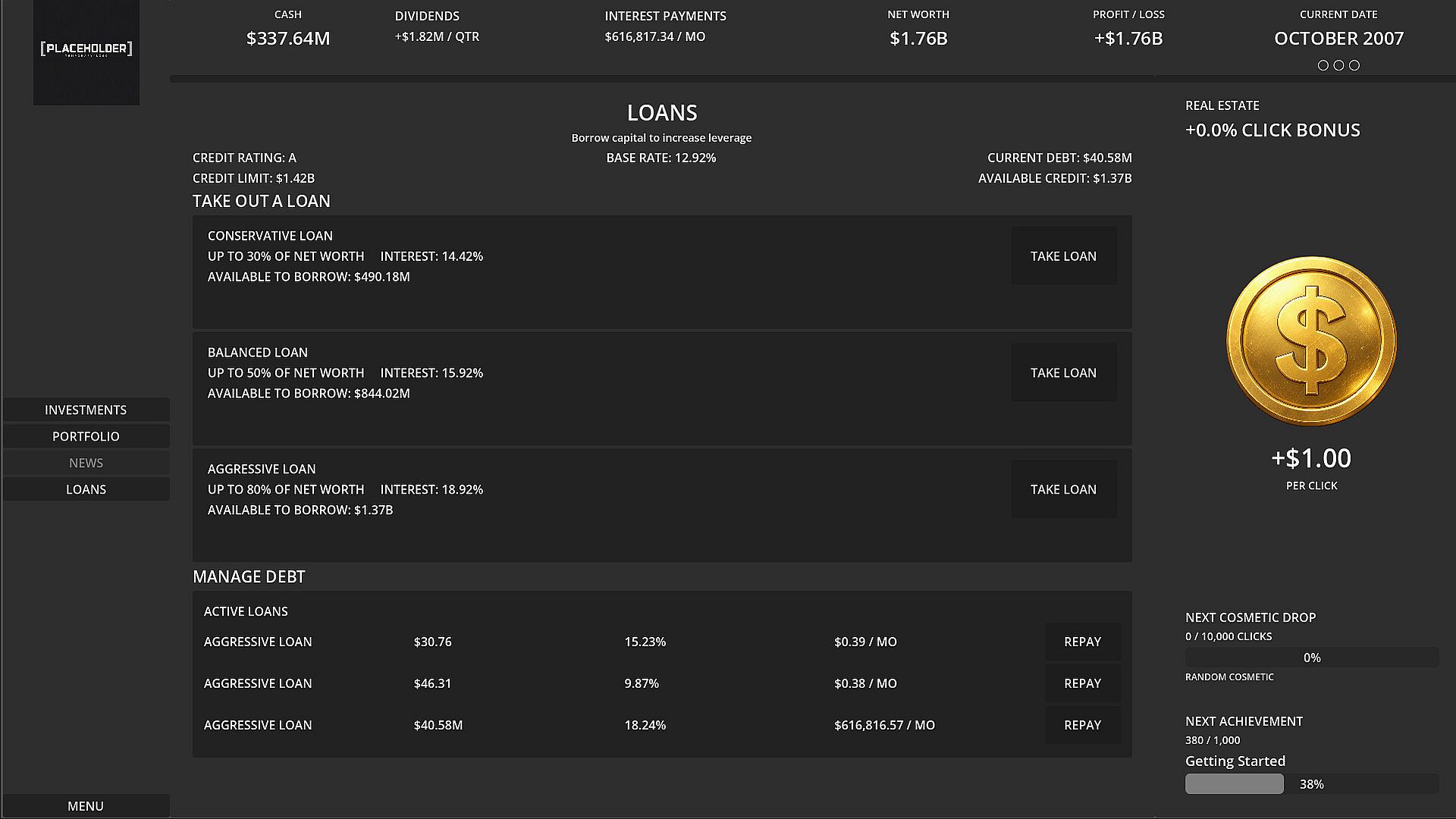
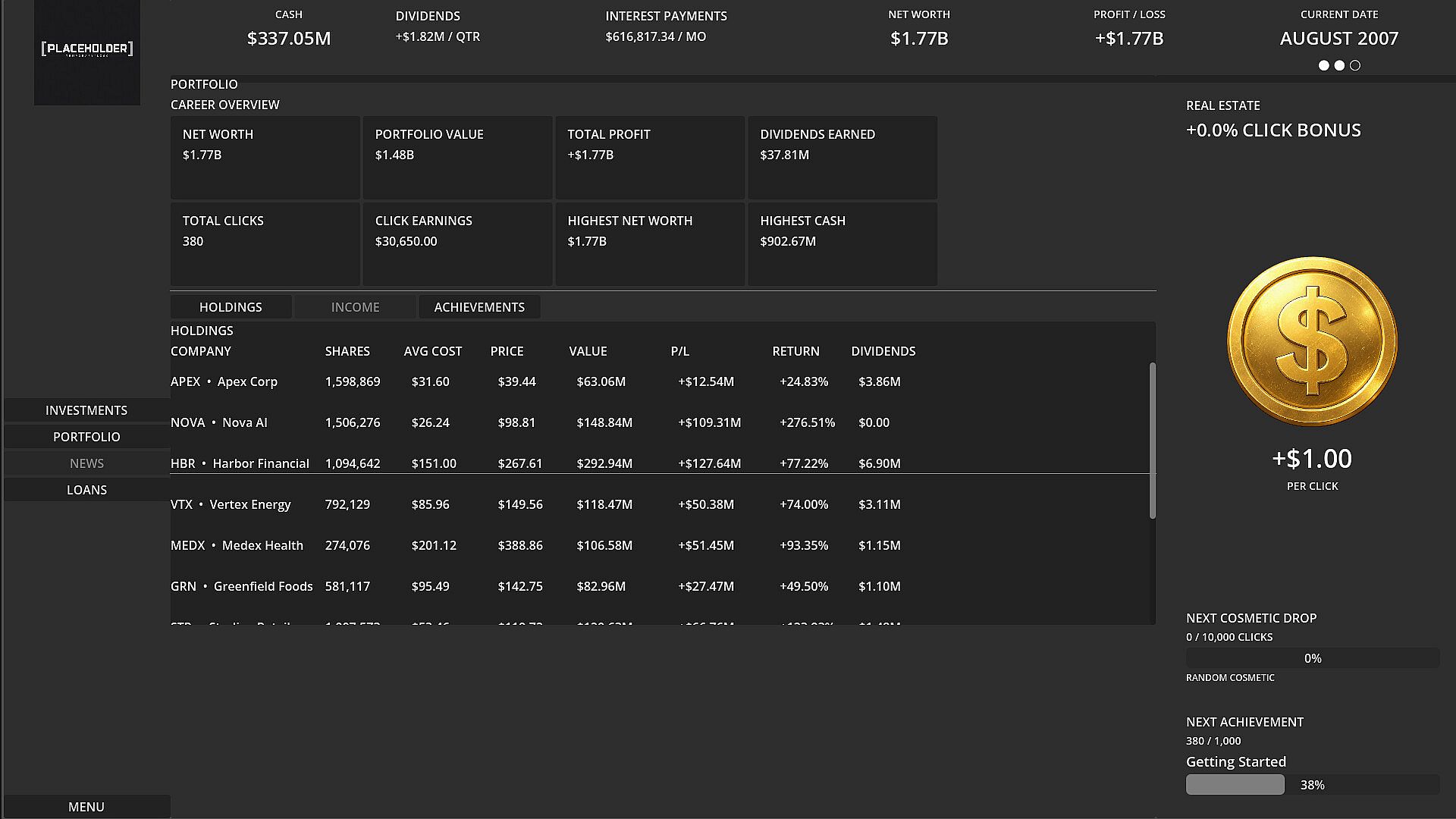
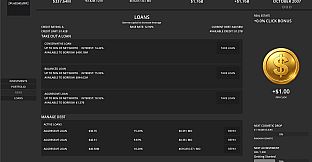
Borrowing adds another layer. Players can leverage growing assets to take larger positions, but interest accrues steadily and credit rating influences available borrowing power. Missed obligations carry direct consequences that can compound quickly. The progression tracks portfolio value, dividend income, net worth, credit standing, and accumulated achievements, turning small early gains into increasingly ambitious targets.
Game Modes
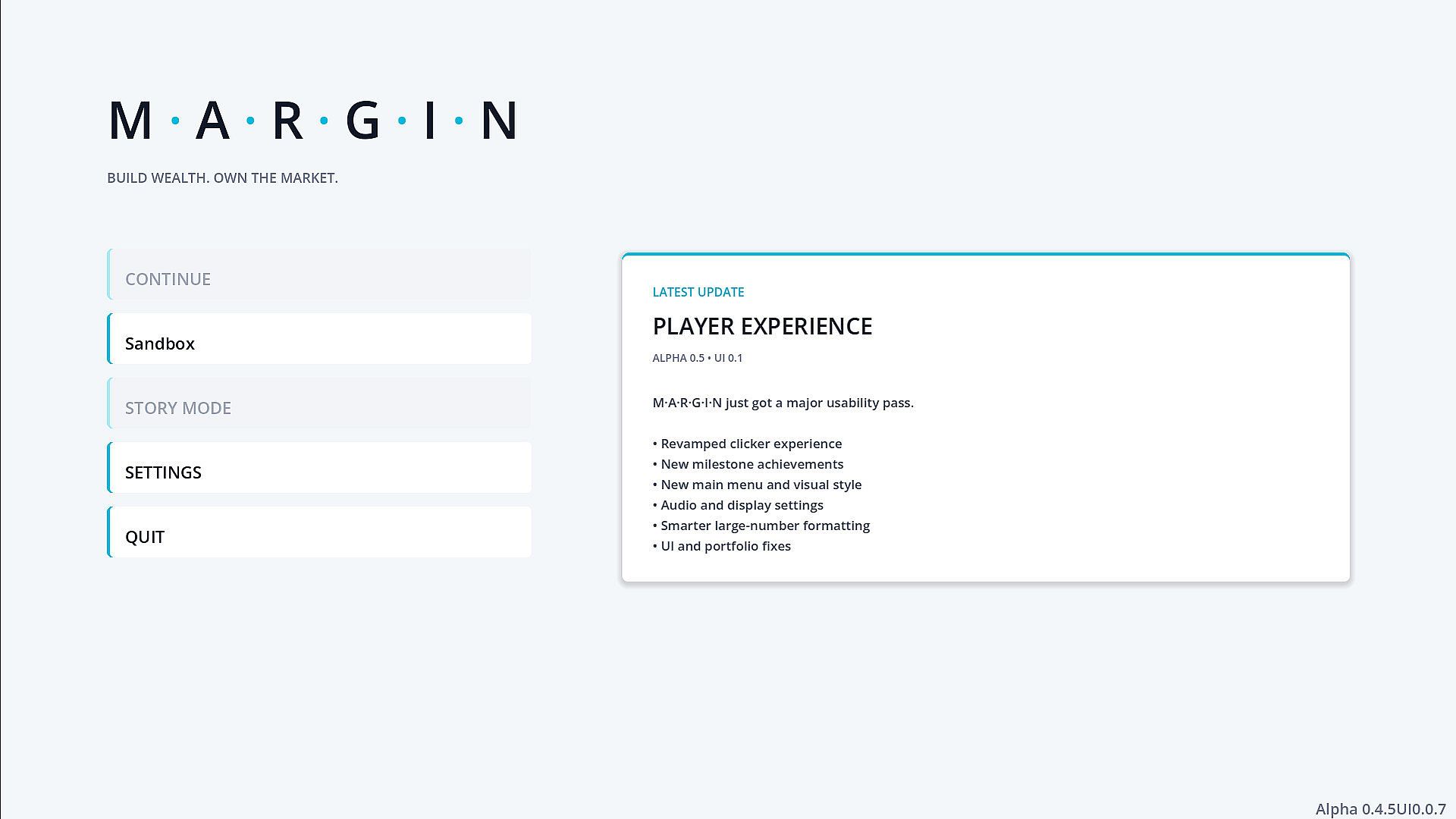
Sandbox Mode provides the main experience. It opens in January 1960 and runs across an evolving economic timeline that spans decades. Players build positions freely without external time pressure or campaign structure, allowing repeated experiments with different approaches to diversification, growth chasing, or concentrated bets. No other modes receive confirmation in available details.
Key Mechanics
Twelve distinct market sectors give variety in opportunities, ranging from technology and finance to energy, aerospace, automotive, and consumer goods. Dividend collection forms a steady income stream once positions stabilize, while the option to use borrowed capital introduces risk management decisions around position size and repayment timing. Bankruptcy serves as the ultimate failure state after repeated poor choices, resetting progress in a way that encourages learning from market behavior rather than relying on luck alone.
The single-player format keeps focus entirely on personal strategy against the simulated economy. Keyboard and mouse controls handle trading actions, with system requirements kept modest for broad accessibility on Windows machines.
Is It Worth Playing?
M·A·R·G·I·N targets players who enjoy incremental progression combined with financial decision-making and risk assessment. Its emphasis on a responsive simulated economy and the consequences of leverage makes it suitable for those interested in market mechanics without real-world stakes. Because the game remains unreleased with no user reviews available, any final judgment depends on how the full systems perform once it launches. Fans of simulation titles that reward patience and pattern recognition will likely find the described loop engaging once it becomes available.