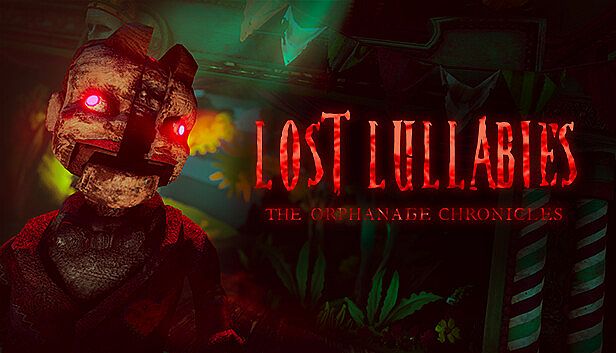













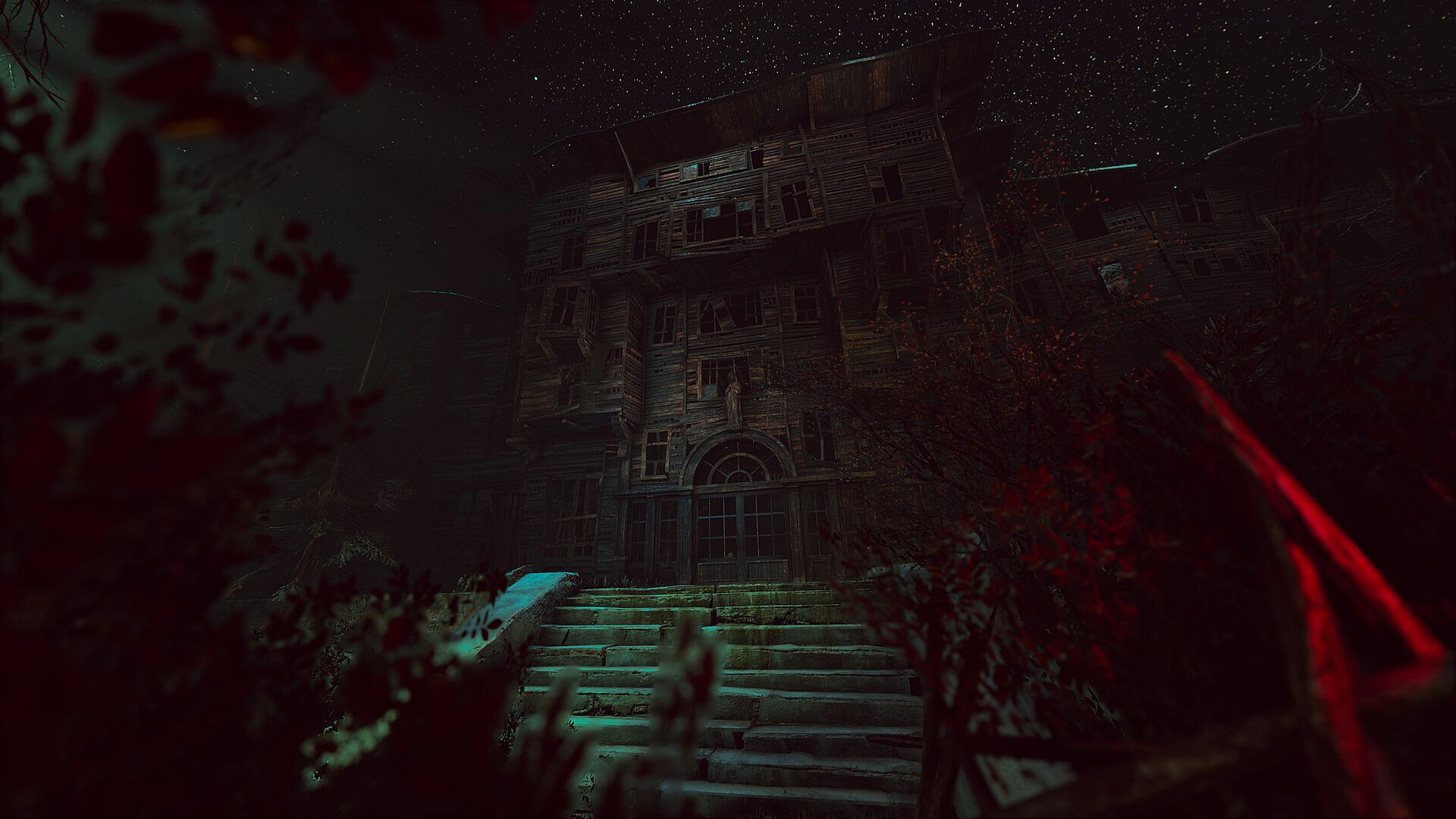
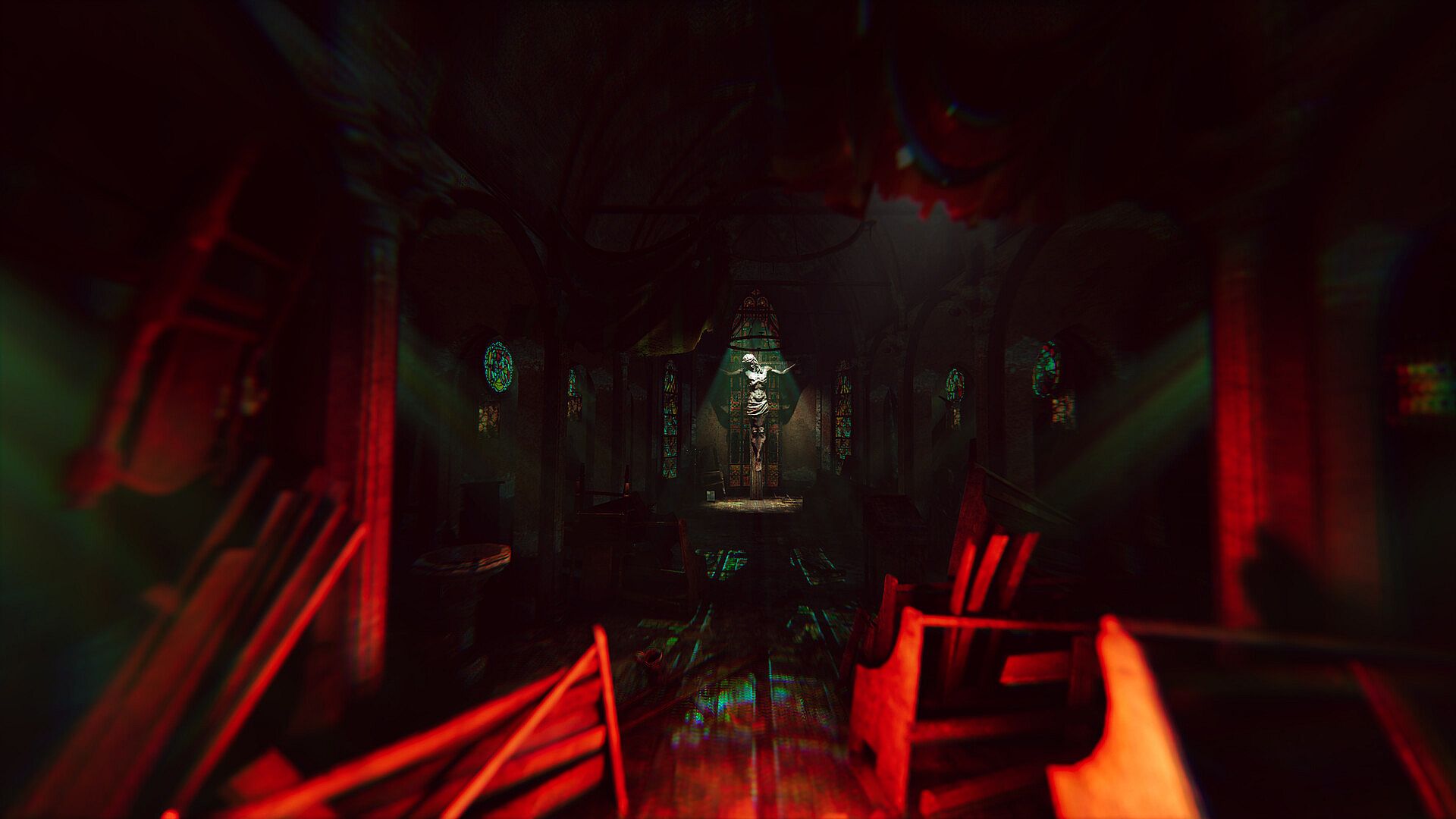
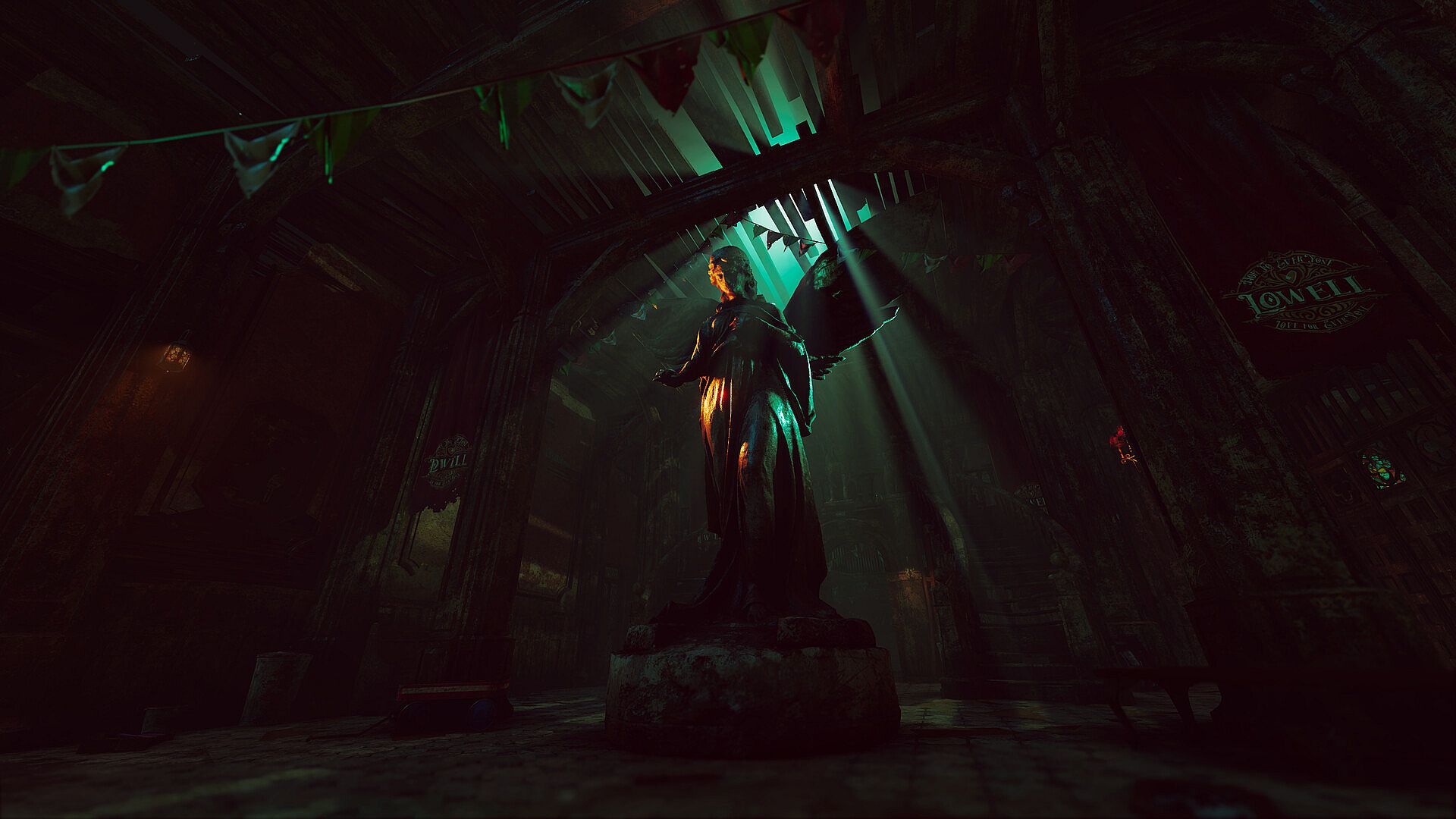
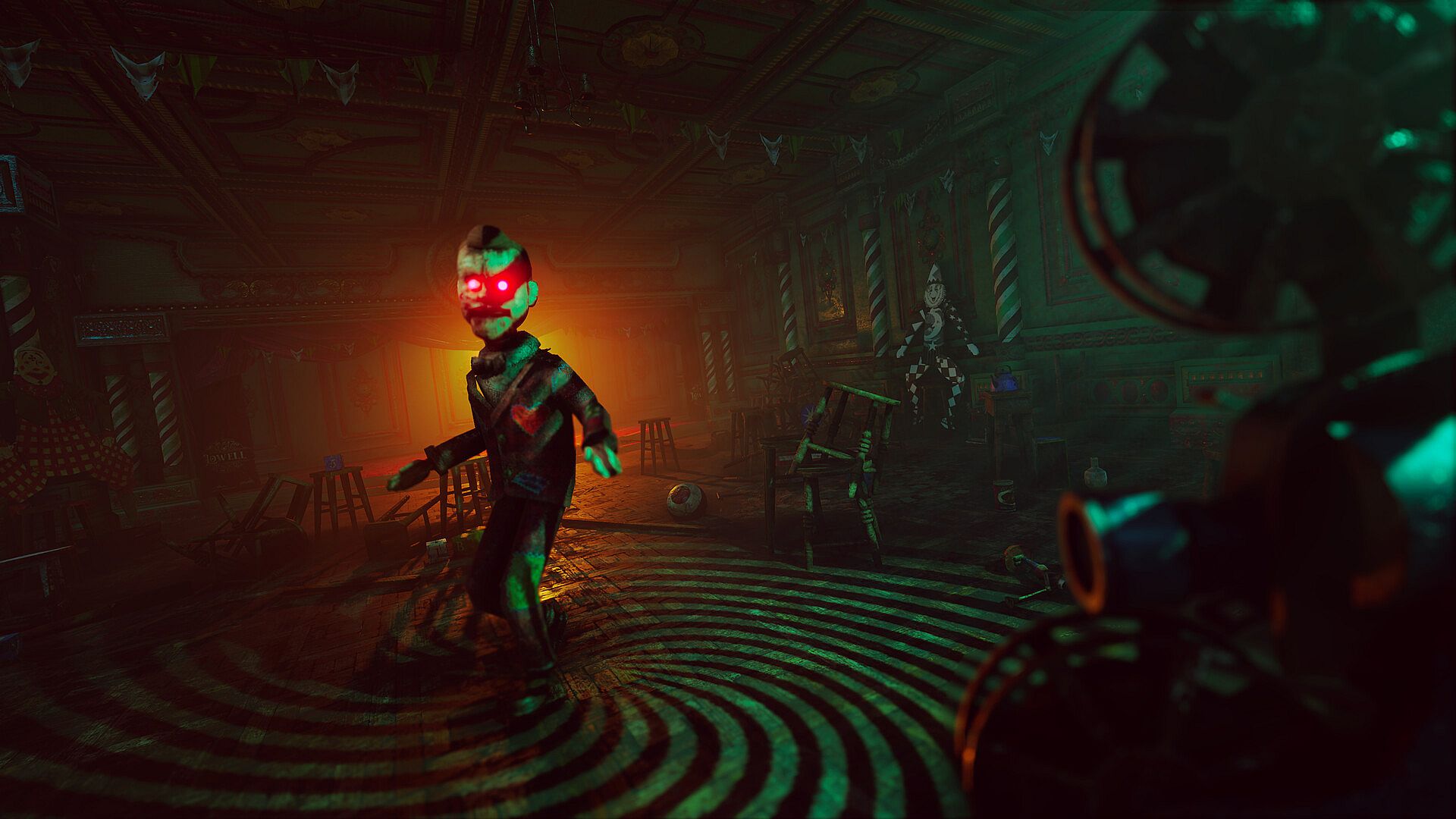
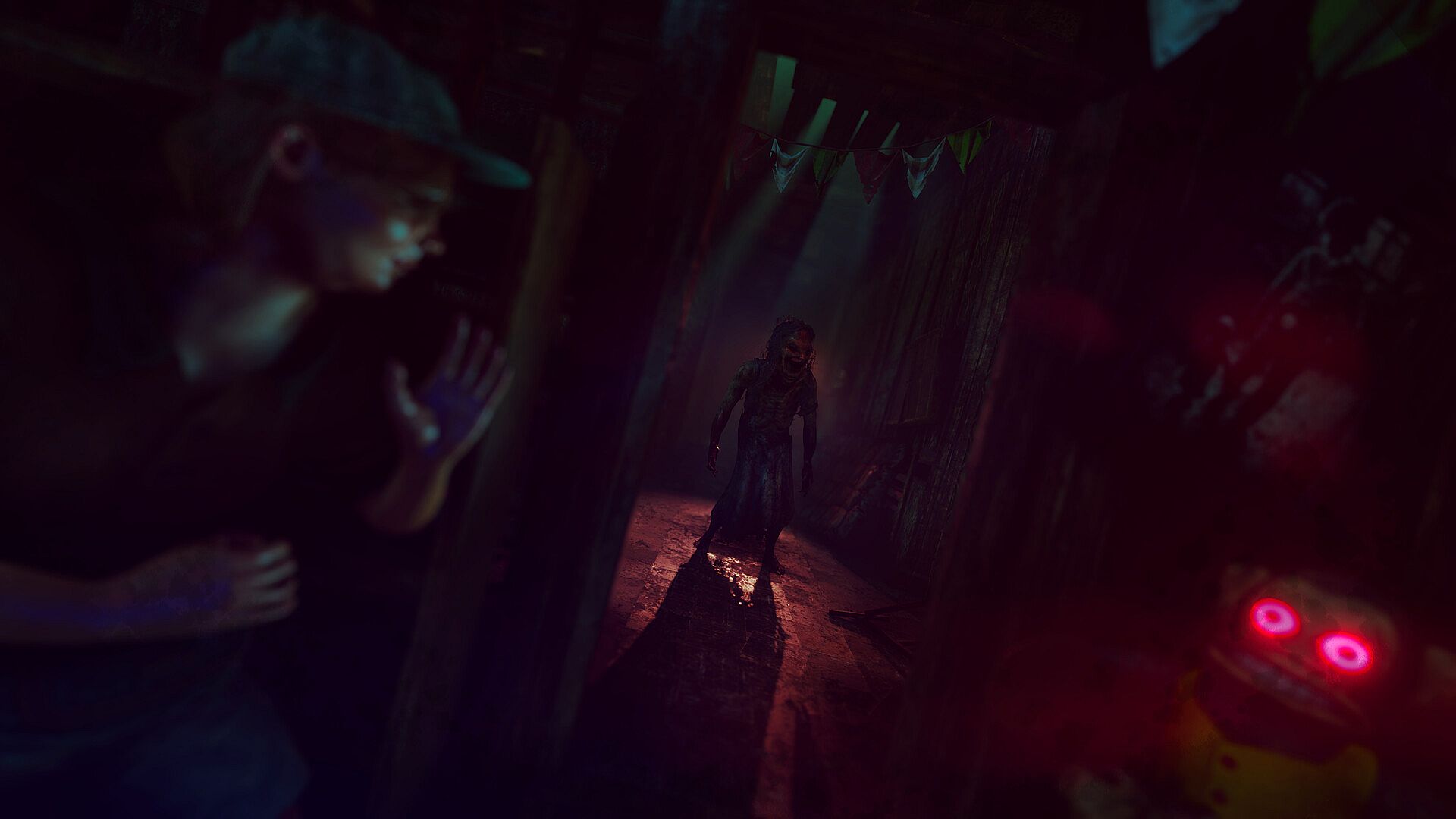
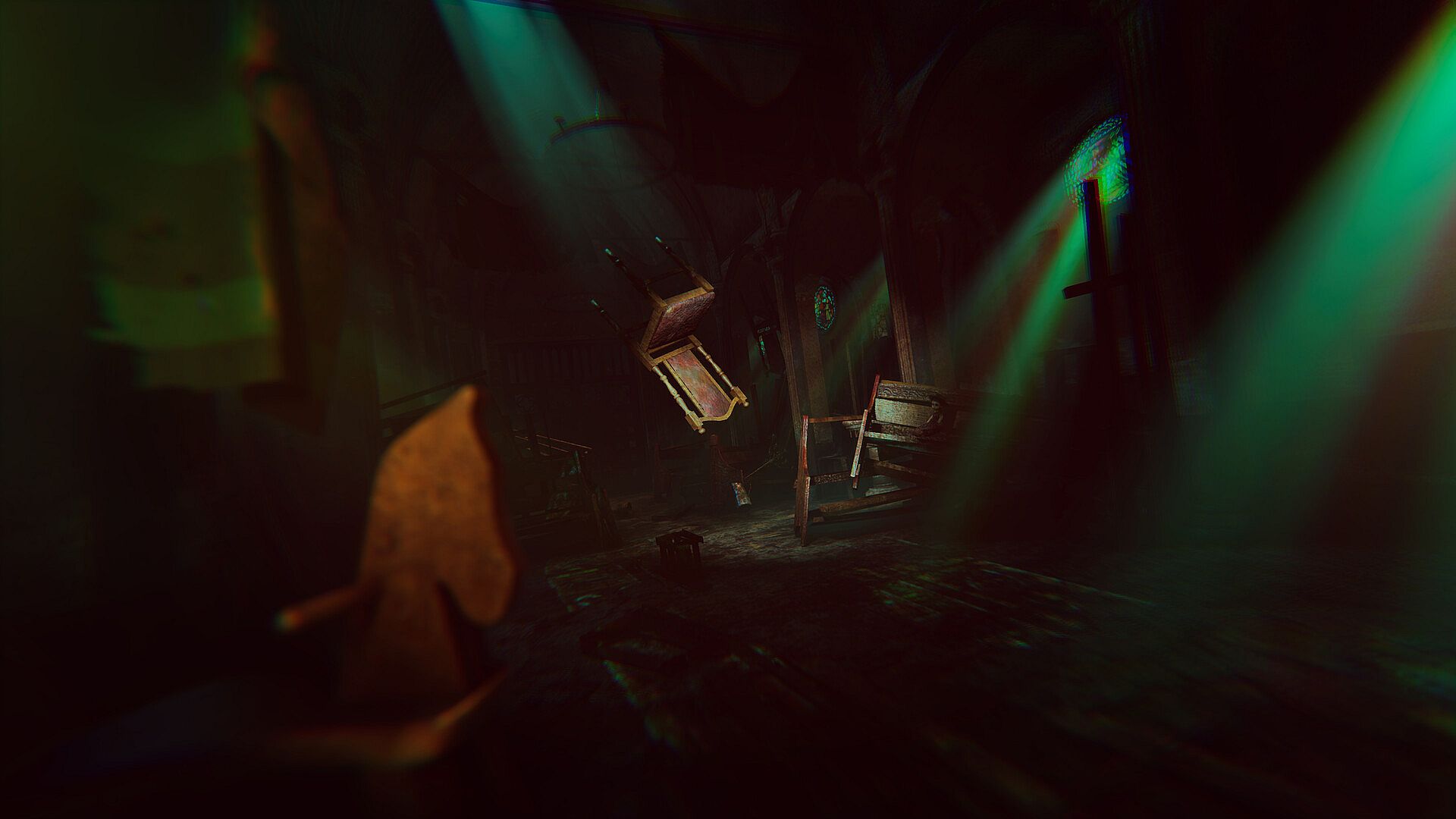
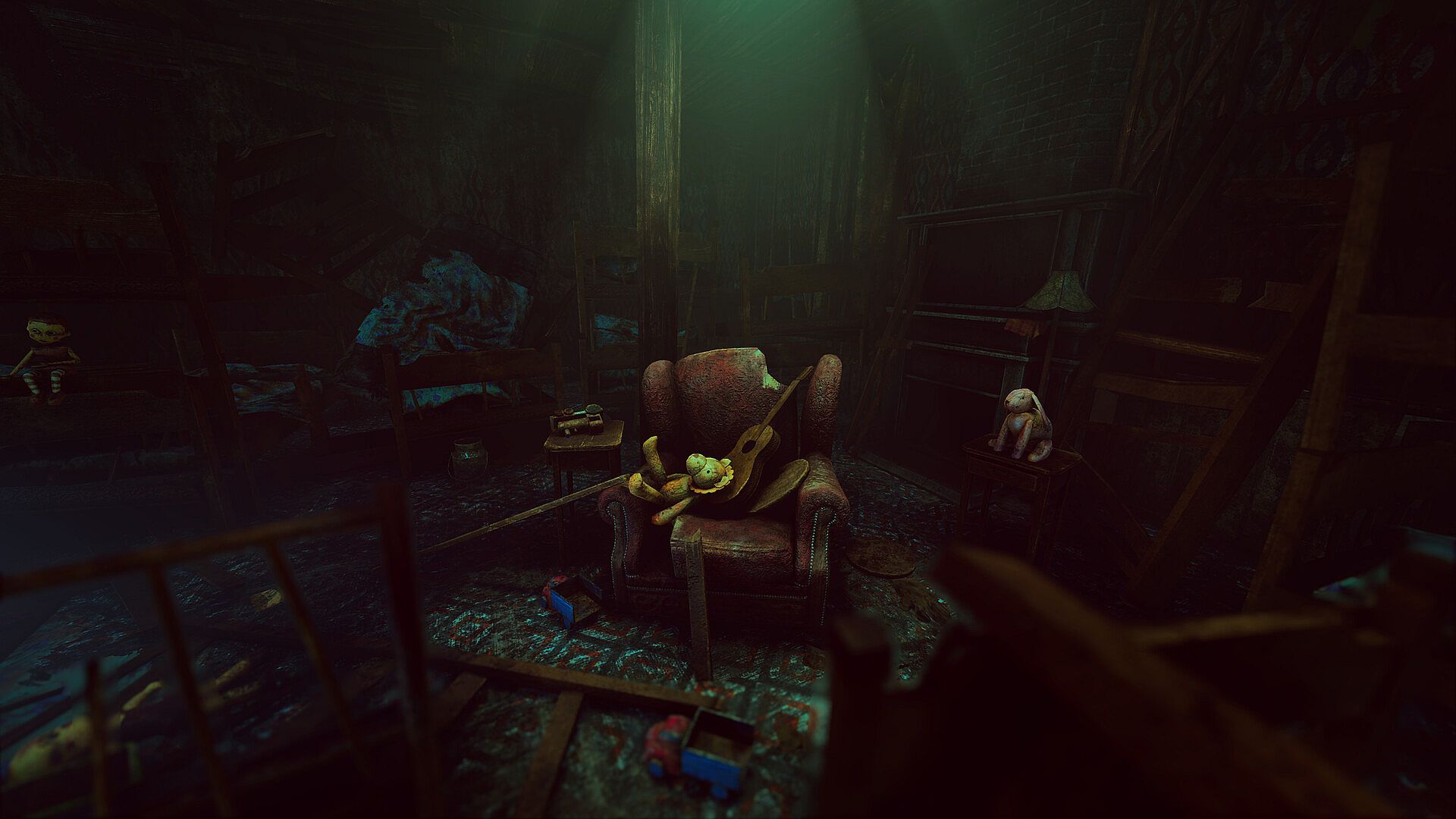
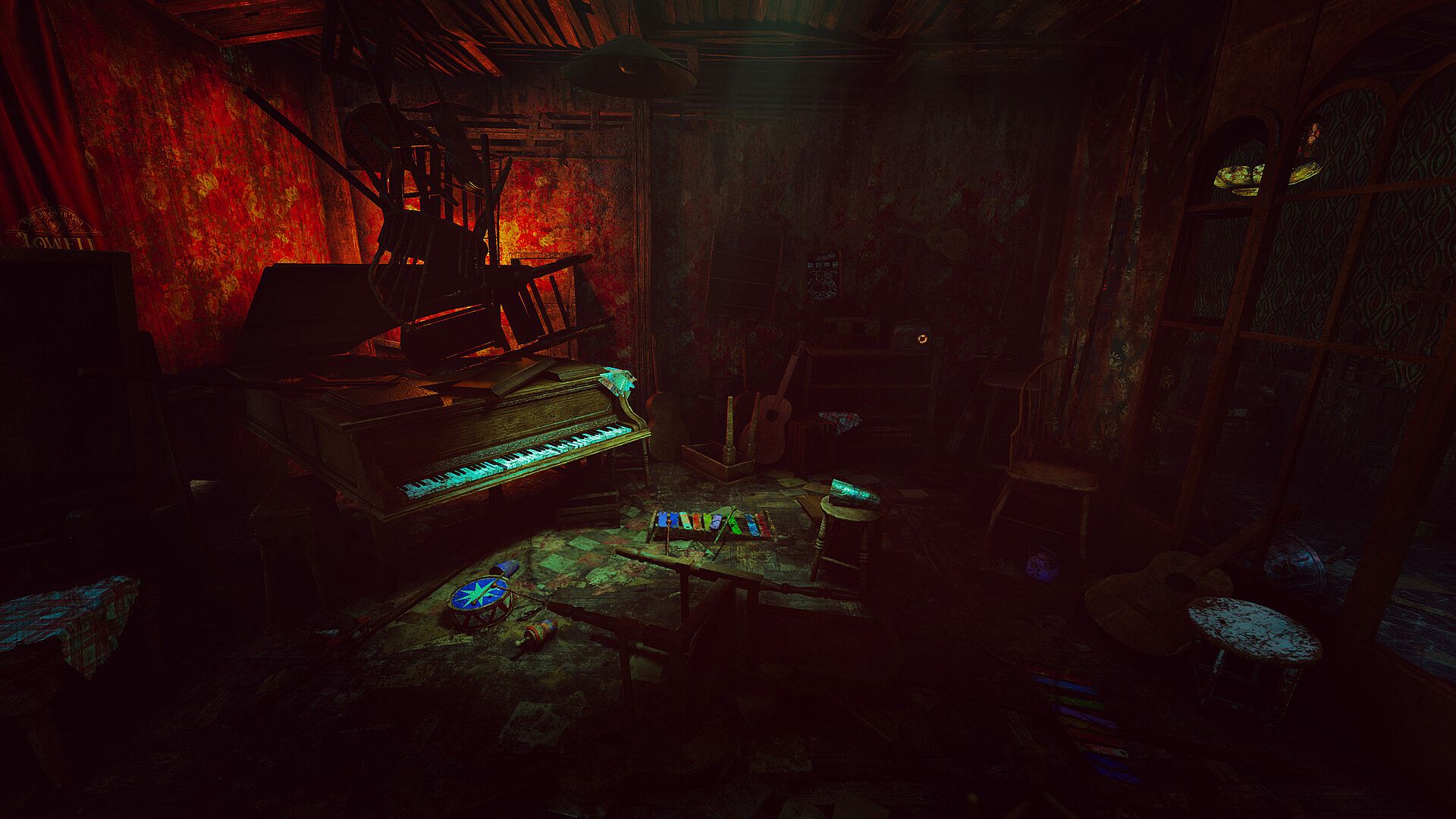
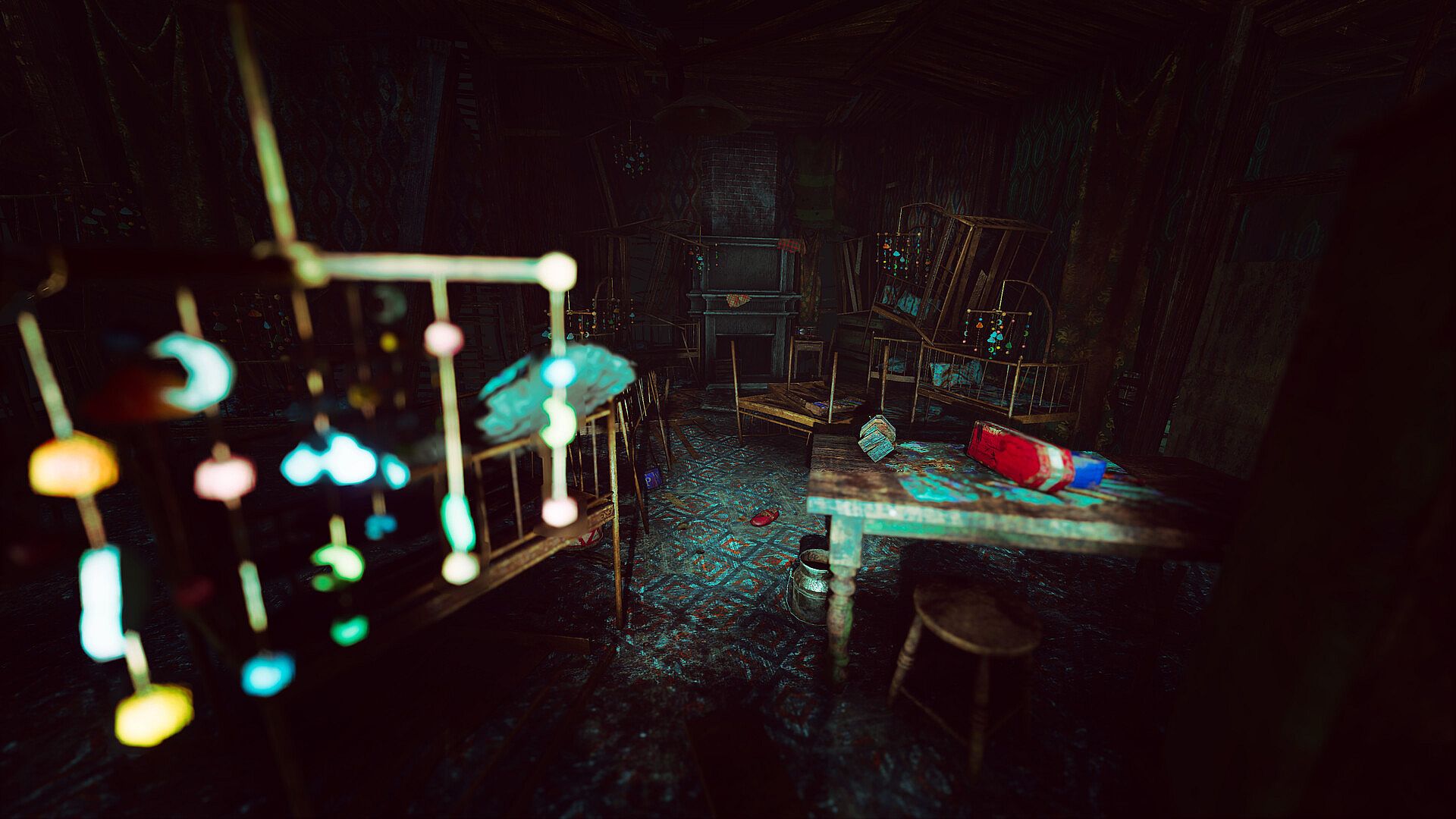
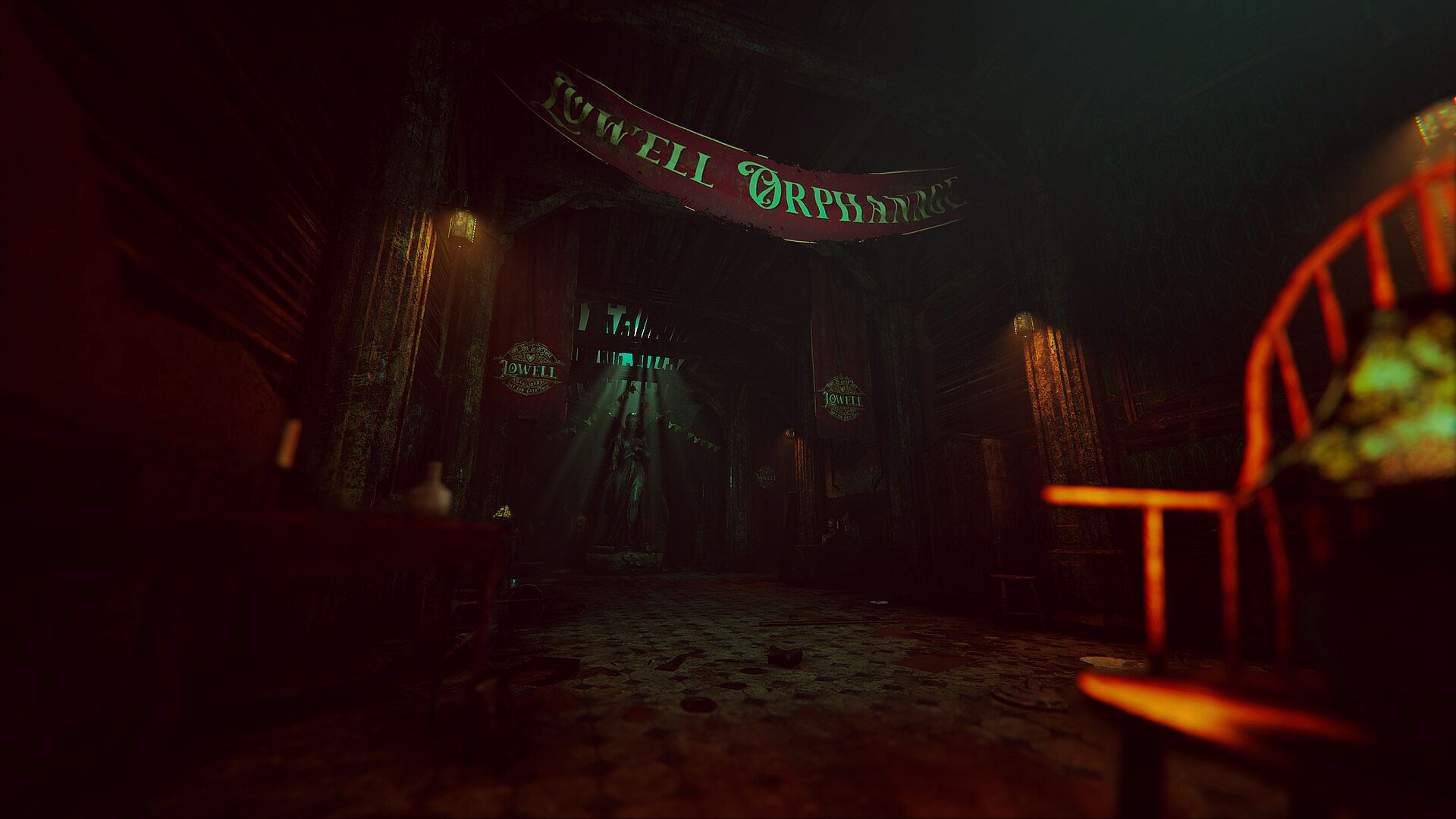

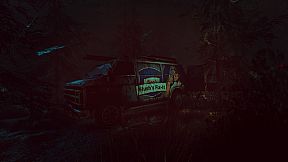
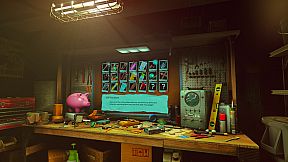
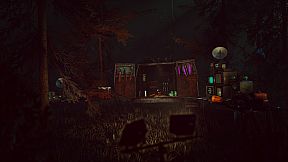
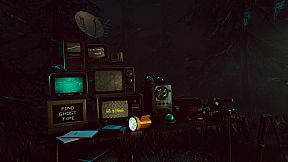
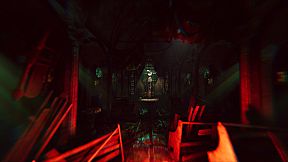
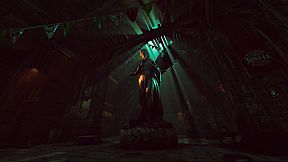
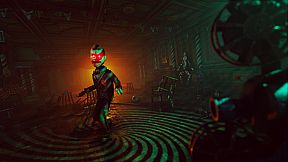
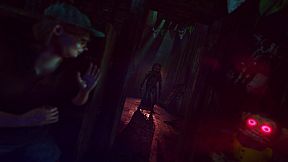
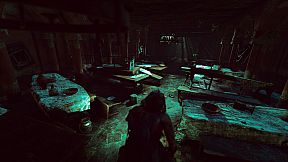
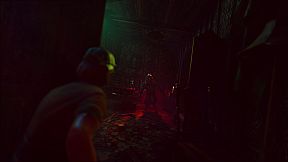
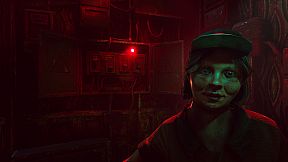
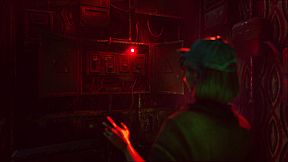
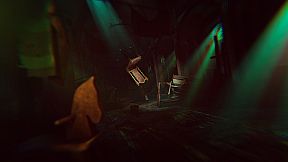
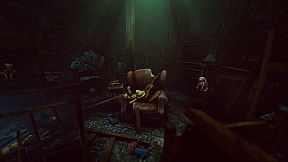
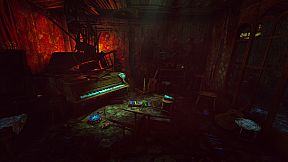
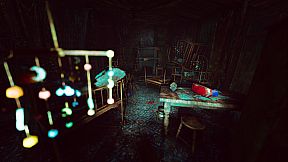
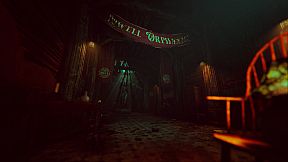
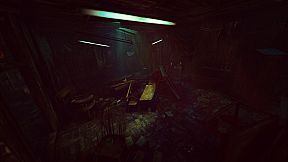
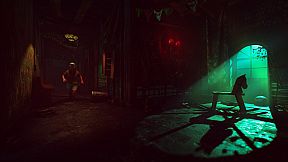
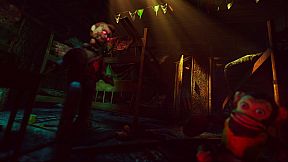
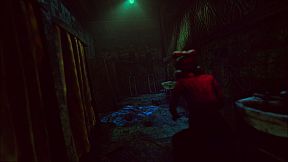
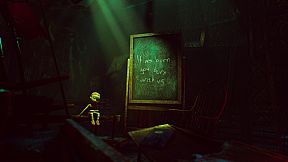
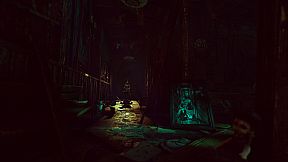
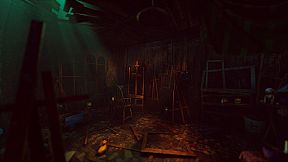
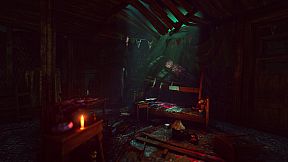
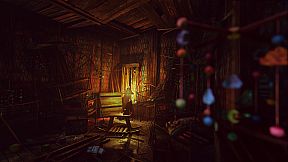
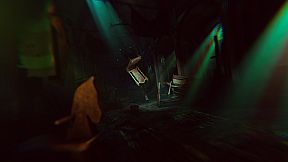
Lost Lullabies: The Orphanage Chronicles is a co-op horror adventure game set in 1980 that blends investigation, puzzle solving, and spirit expulsion mechanics across a haunted orphanage setting. Players explore the ruins of the Lowell Orphanage, which burned down in 1960 after reports of experiments and mistreatment of children, to identify and deal with lingering entities. The experience supports solo play or teams of up to four, with equipment and evidence gathering at the core of every session.
Gameplay
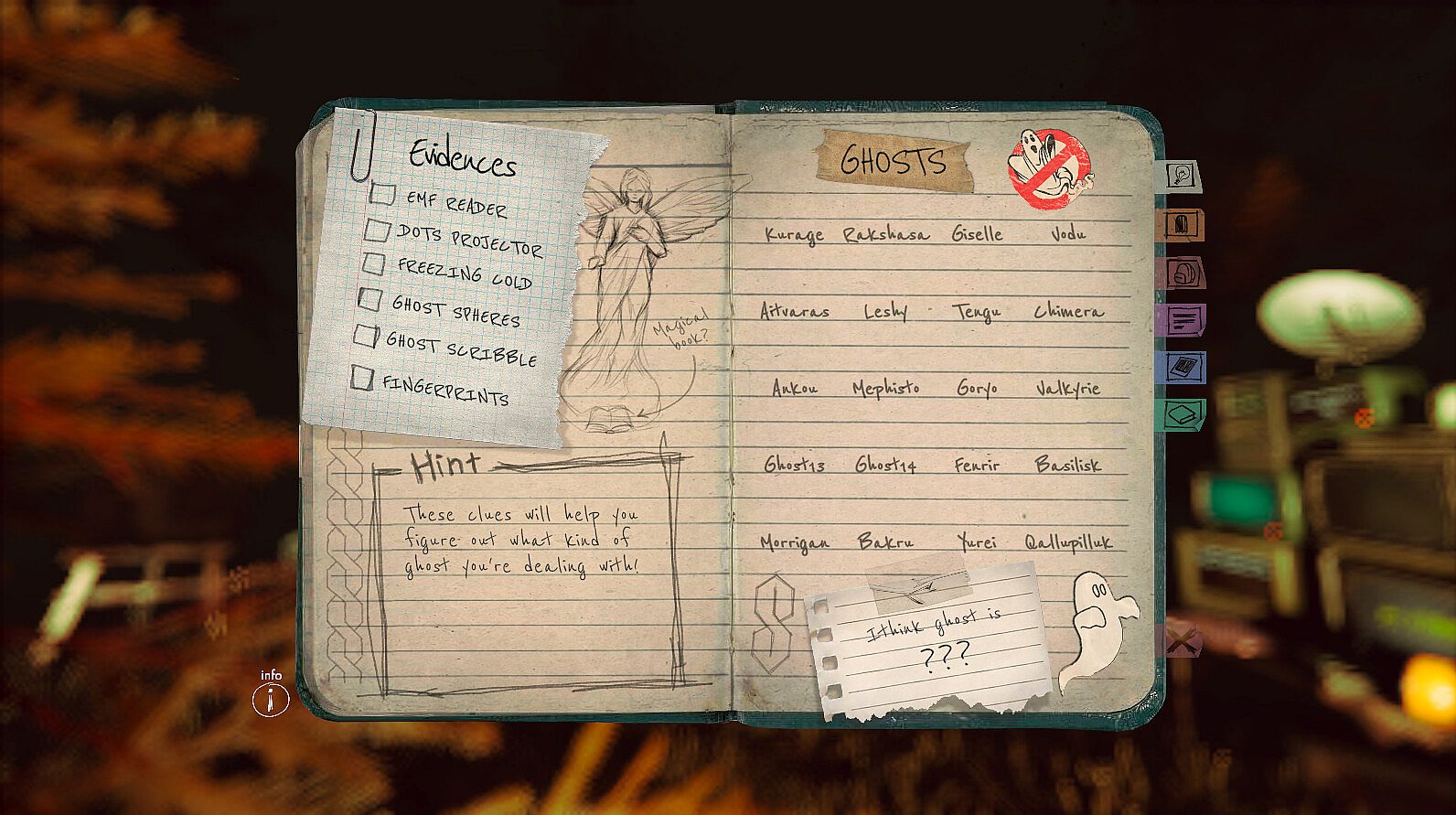
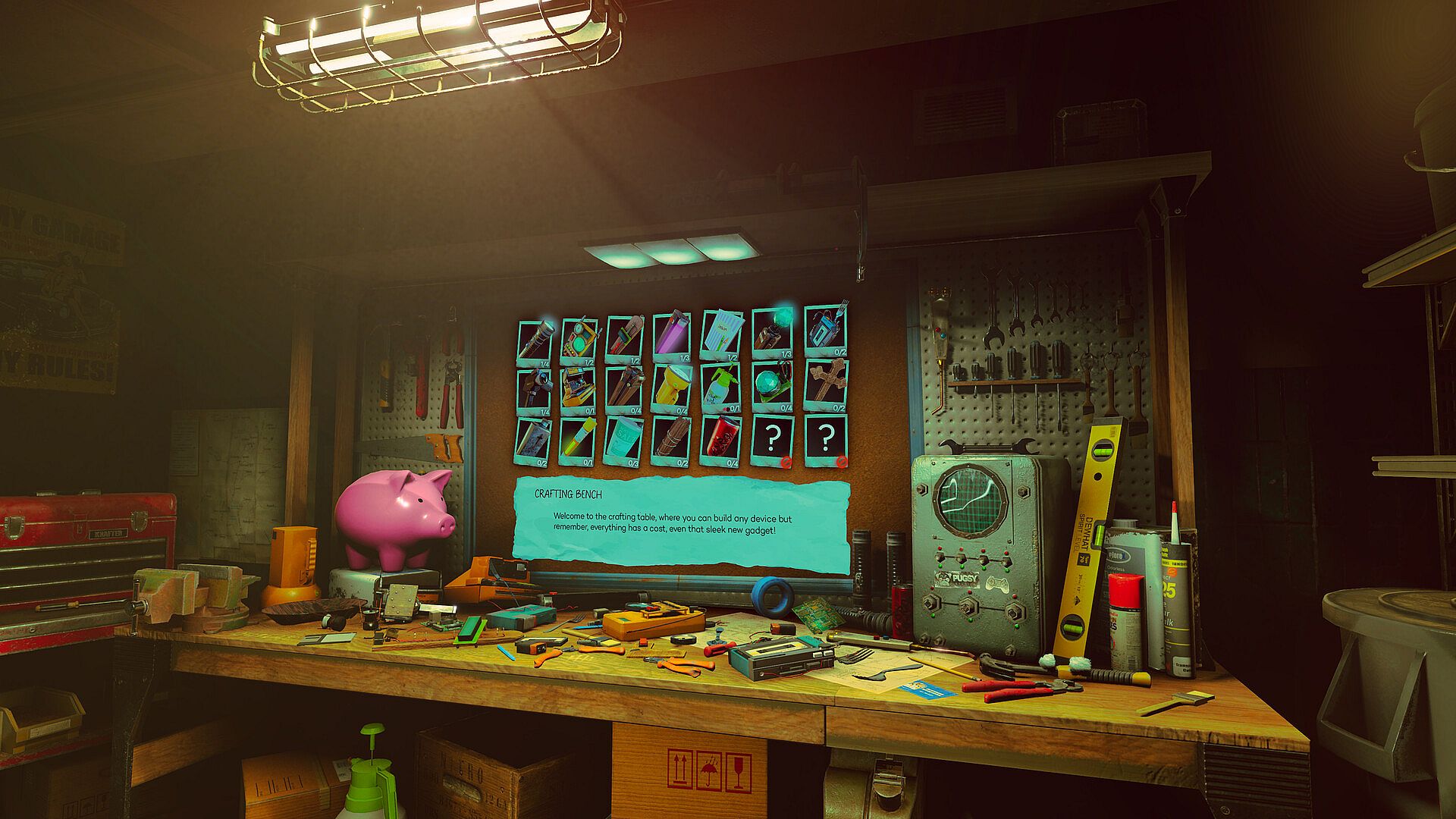
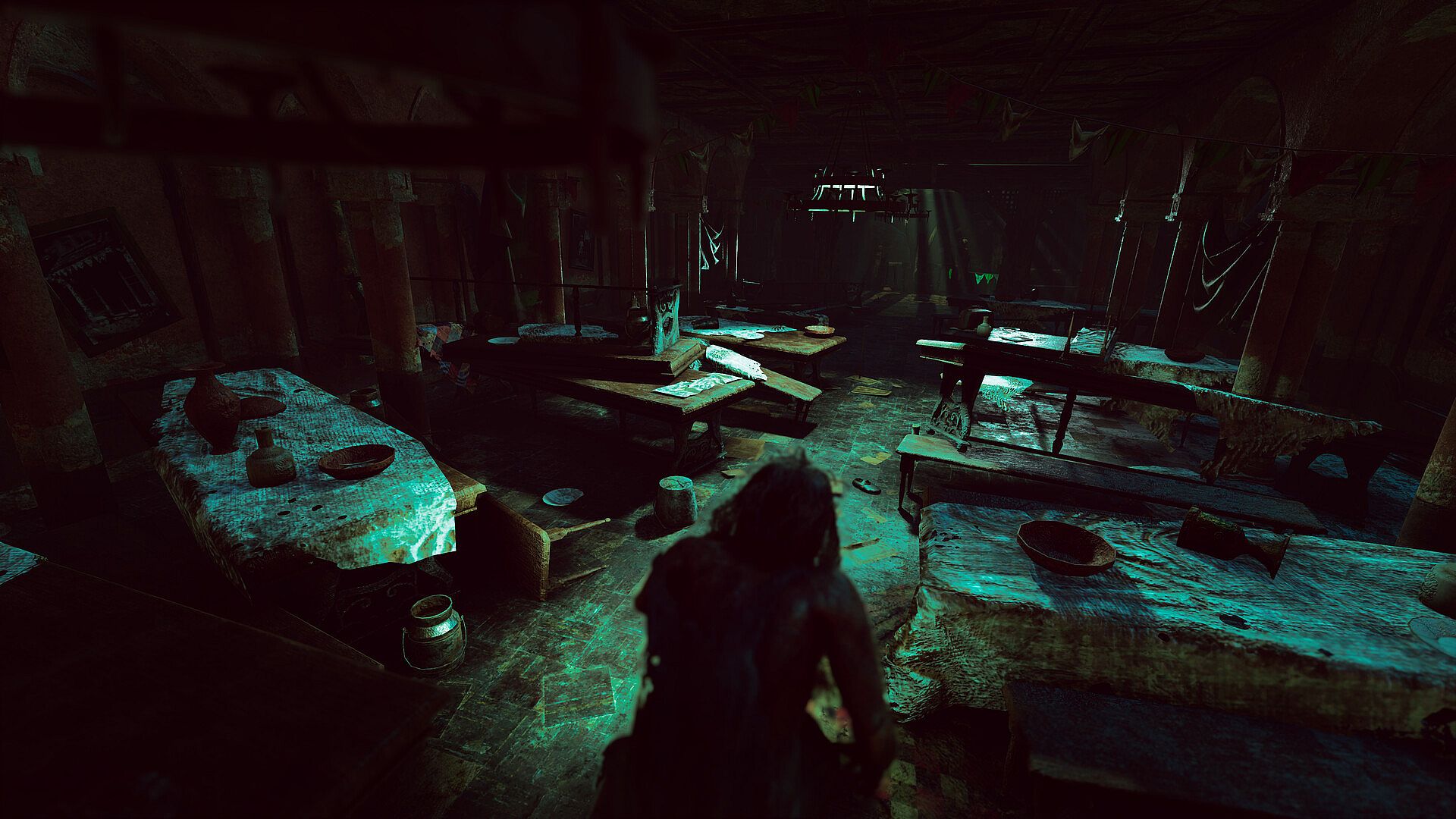
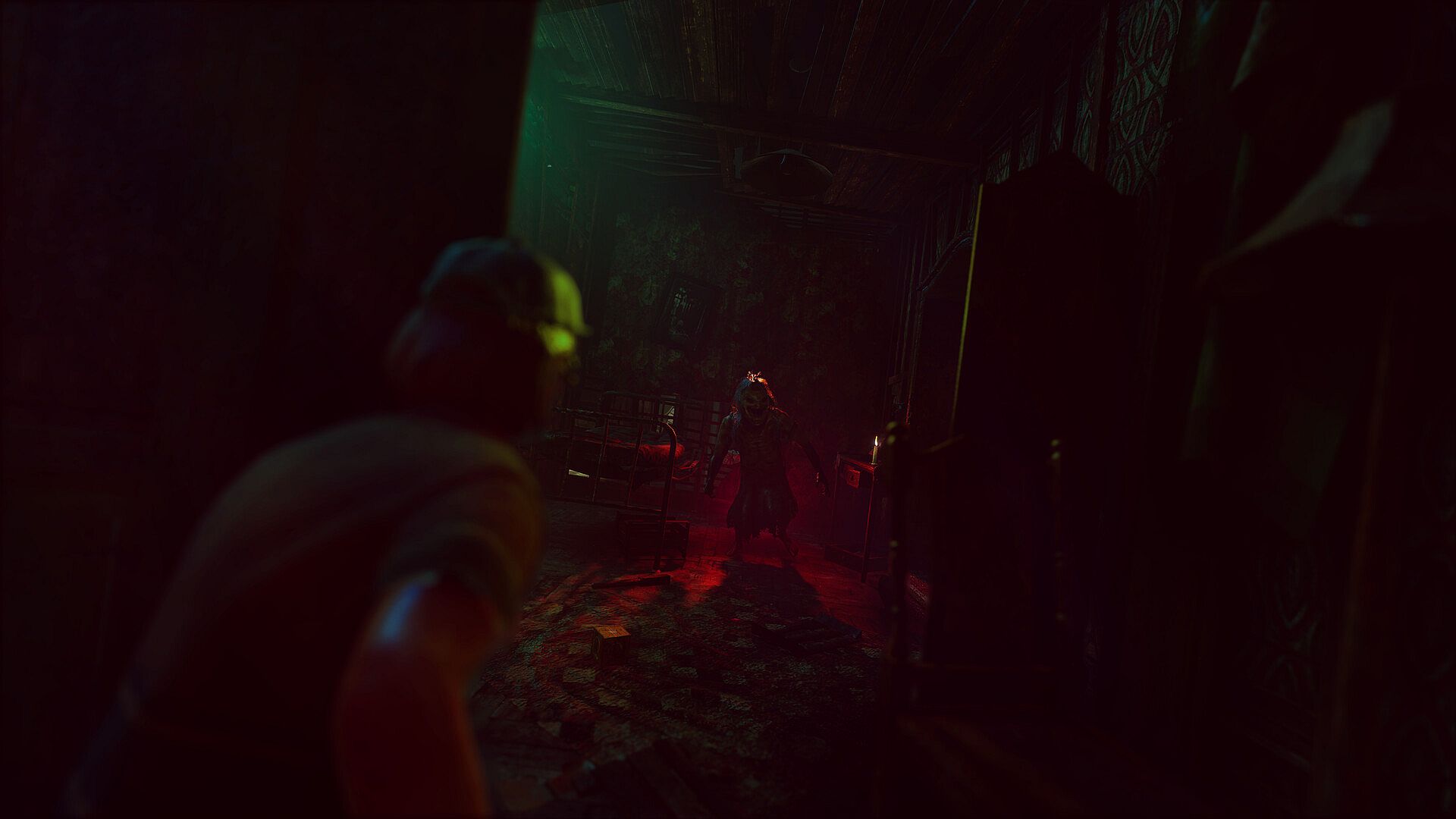
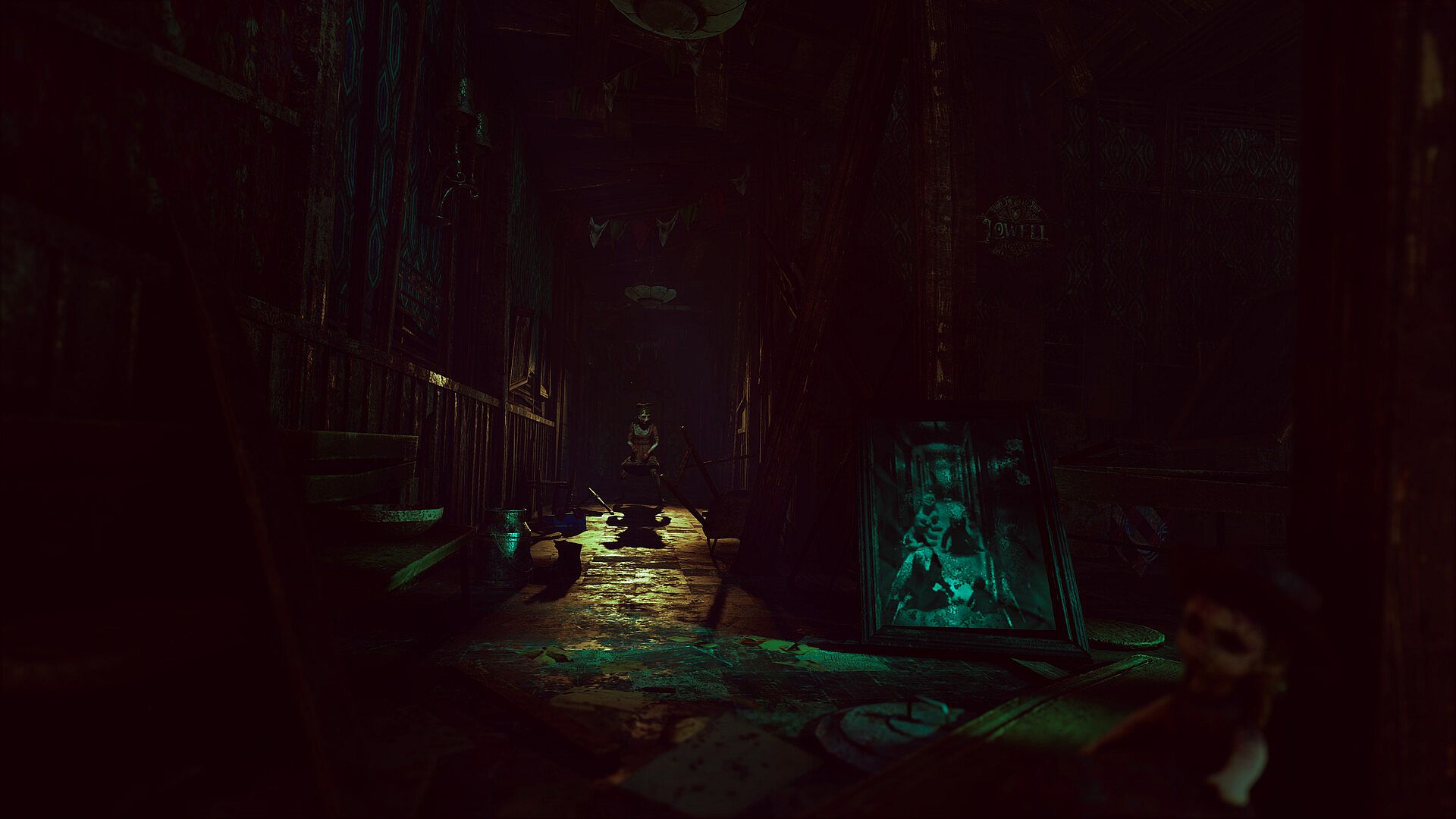
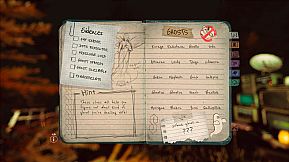
The central loop requires players to first locate and classify ghosts using specialized tools before addressing their stories. Eighteen distinct ghost types each demand different evidence collection methods drawn from a pool of twenty-four pieces of equipment. Sessions unfold in a large, multi-level orphanage map whose clue placements and accessible zones change between runs, forcing fresh exploration even on repeat visits. Dark corridors and confined spaces heighten tension while players chase audio cues, visual anomalies, and physical traces left behind by the entities.
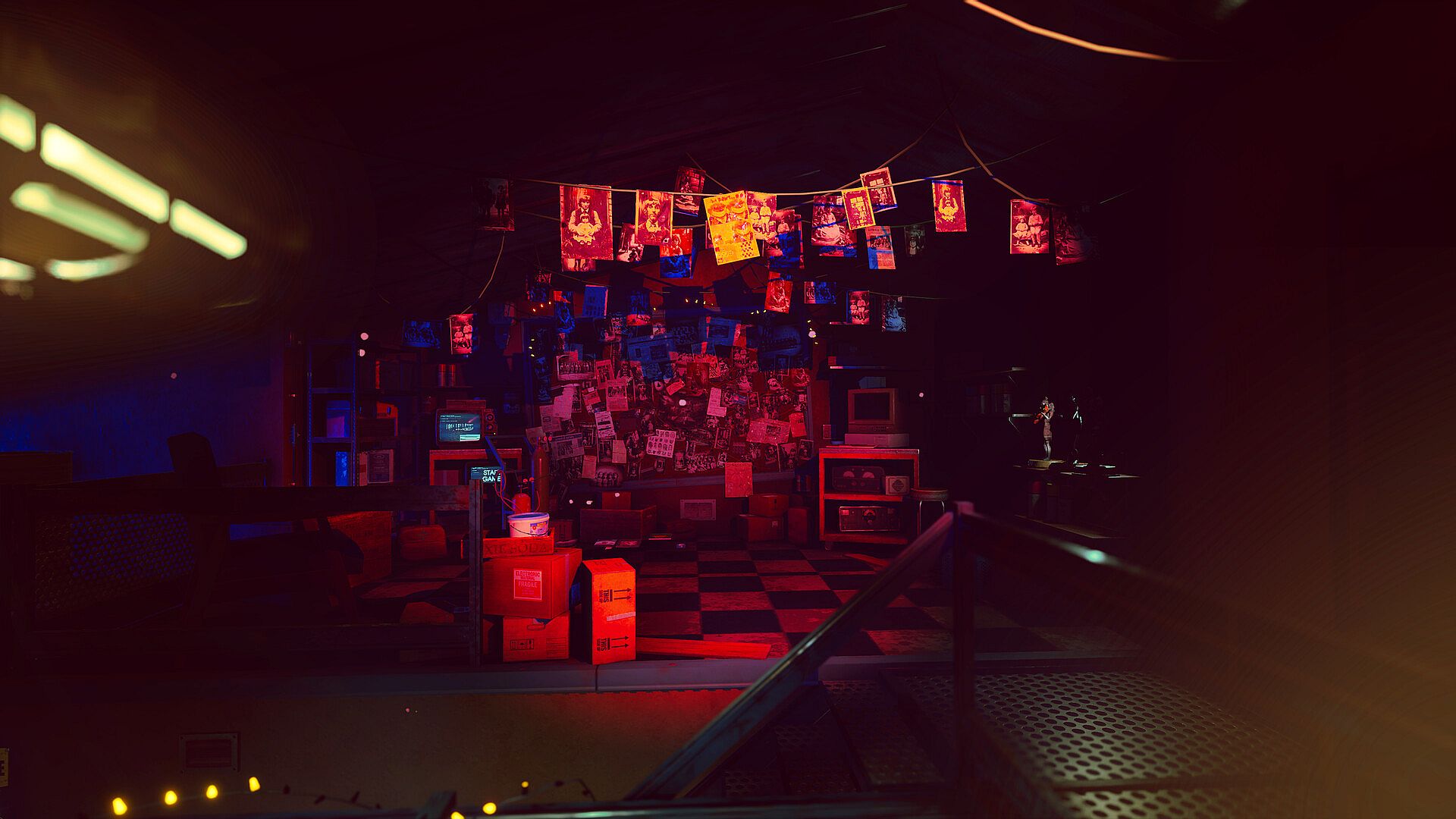
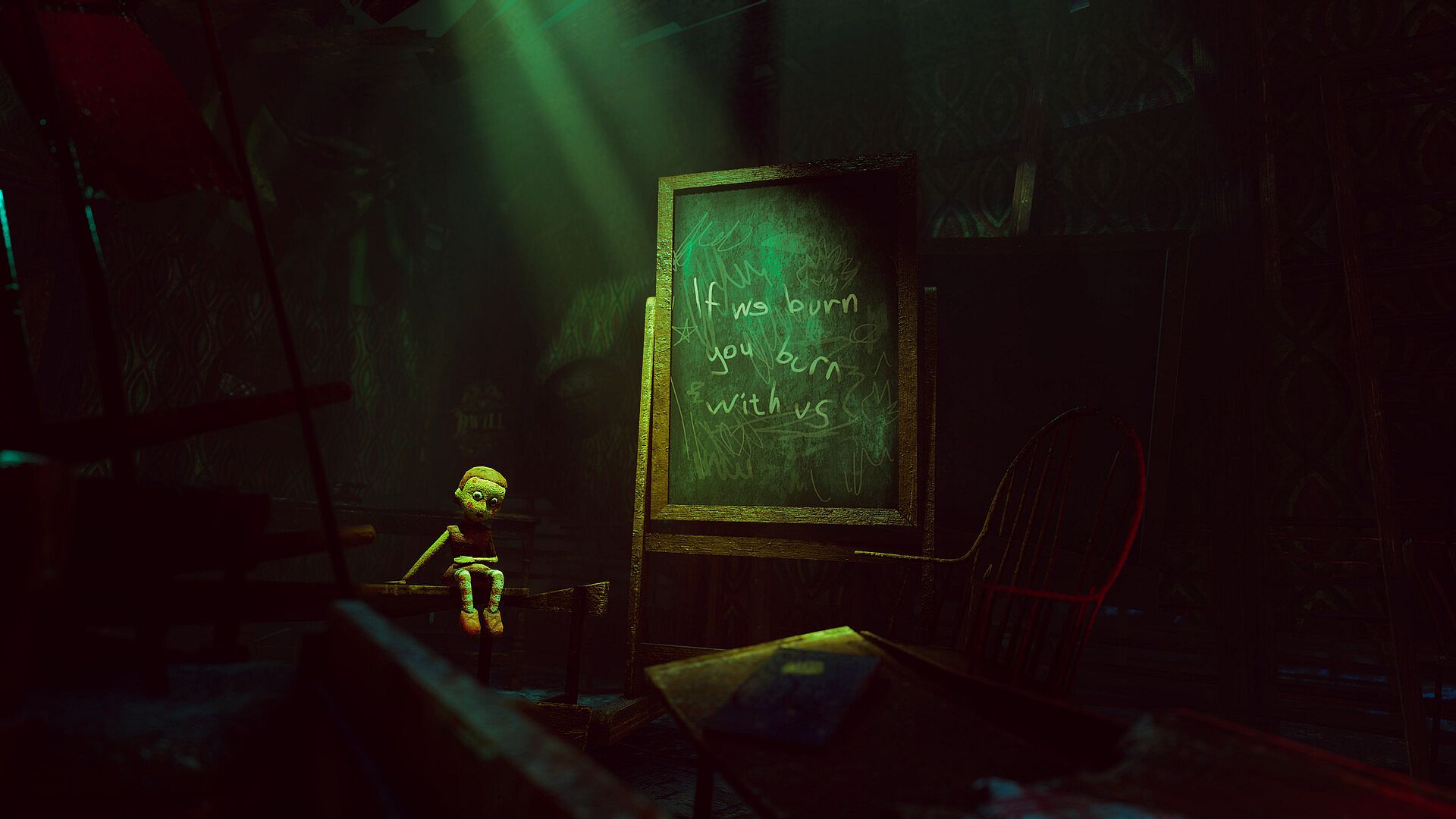
Once a ghost type is confirmed through gathered evidence, the focus shifts to narrative puzzles tied to that spirit's history. Solving these puzzles allows players either to neutralize hostile presences or grant peace to more neutral ones. Items scattered throughout the environment, including period-appropriate photographs and documents, supply the details needed to complete each ghost's personal story. Voice communication adds another layer, as spoken words can trigger responses from the entities or reveal hidden information.
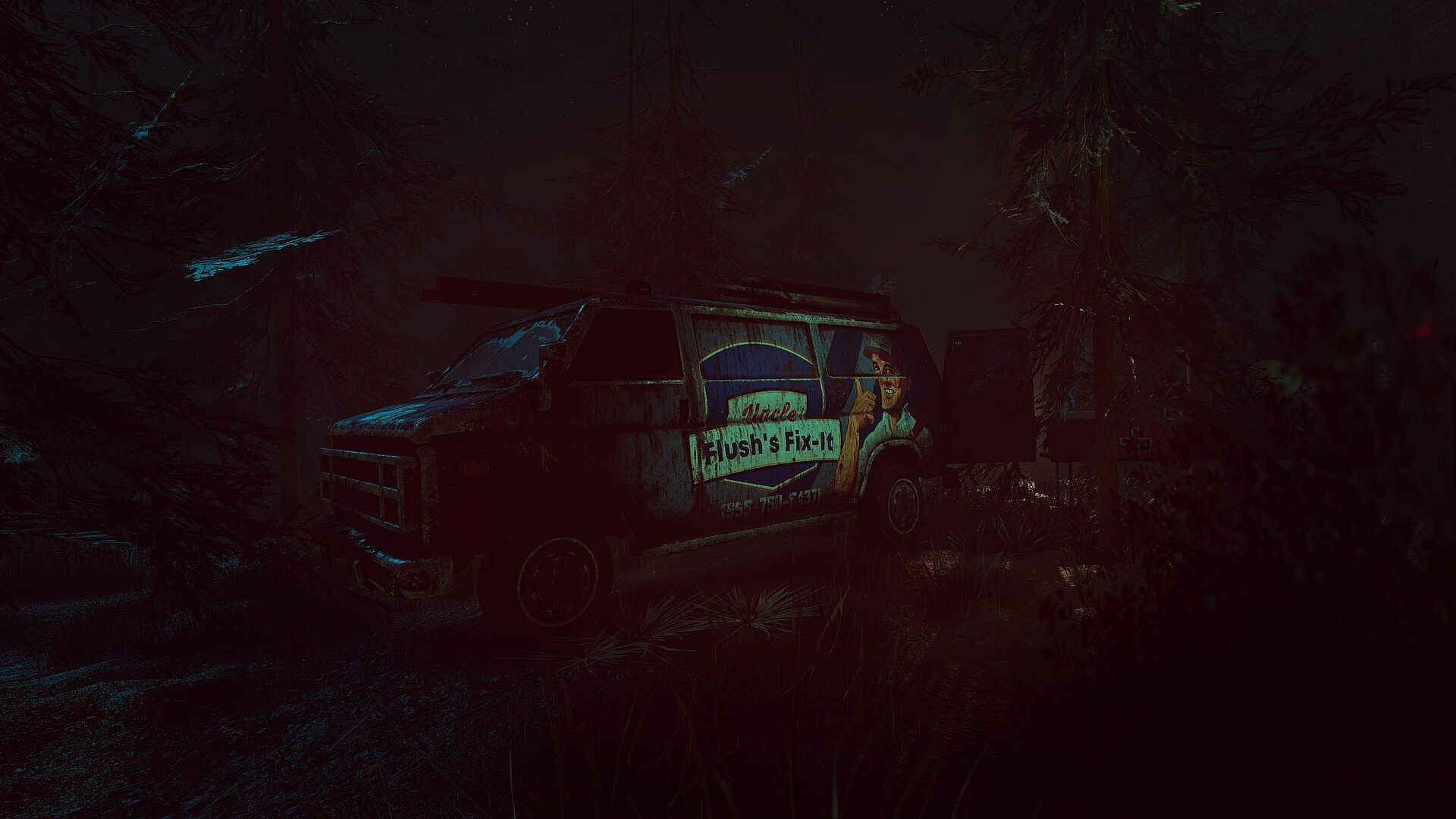
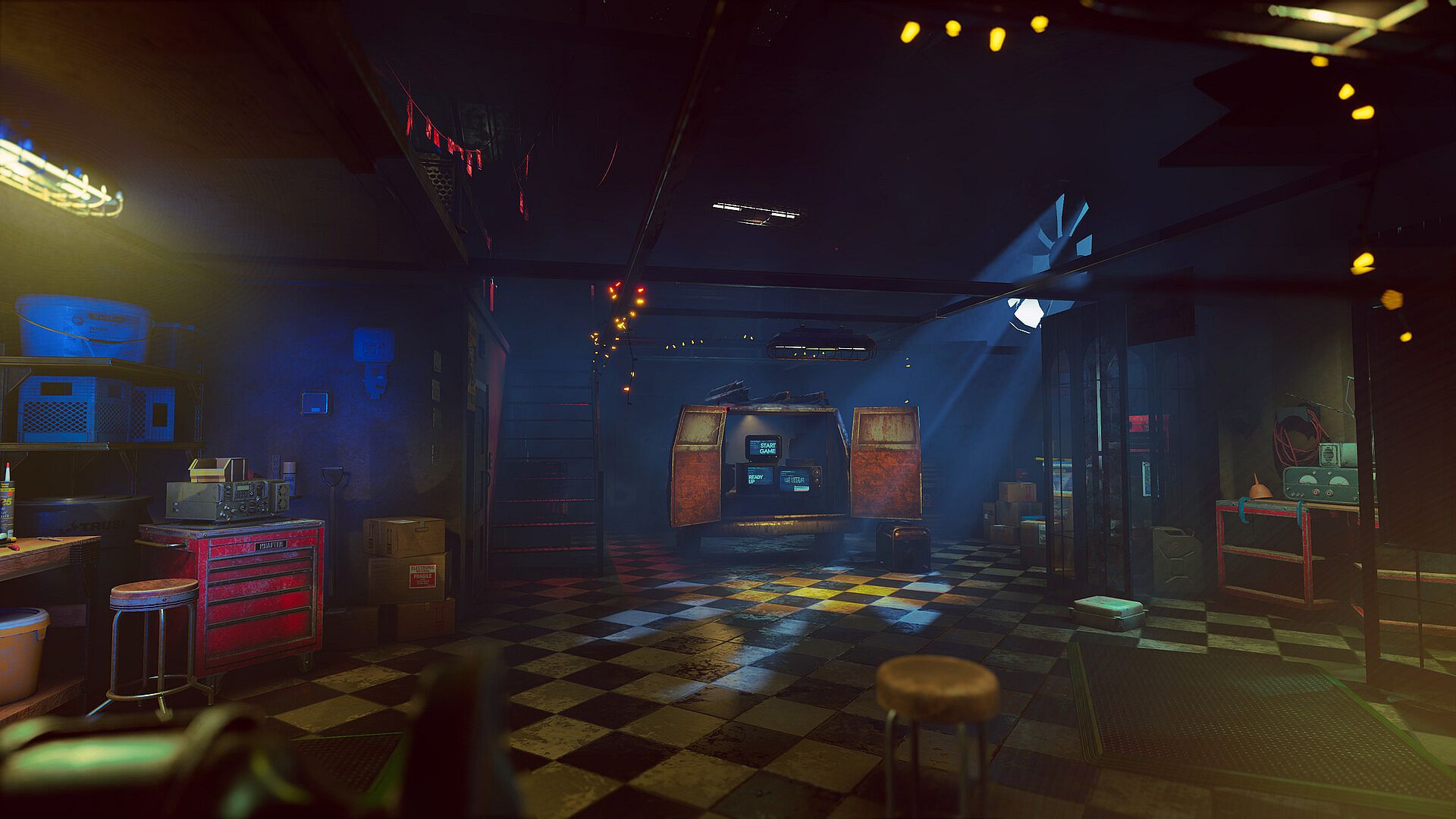
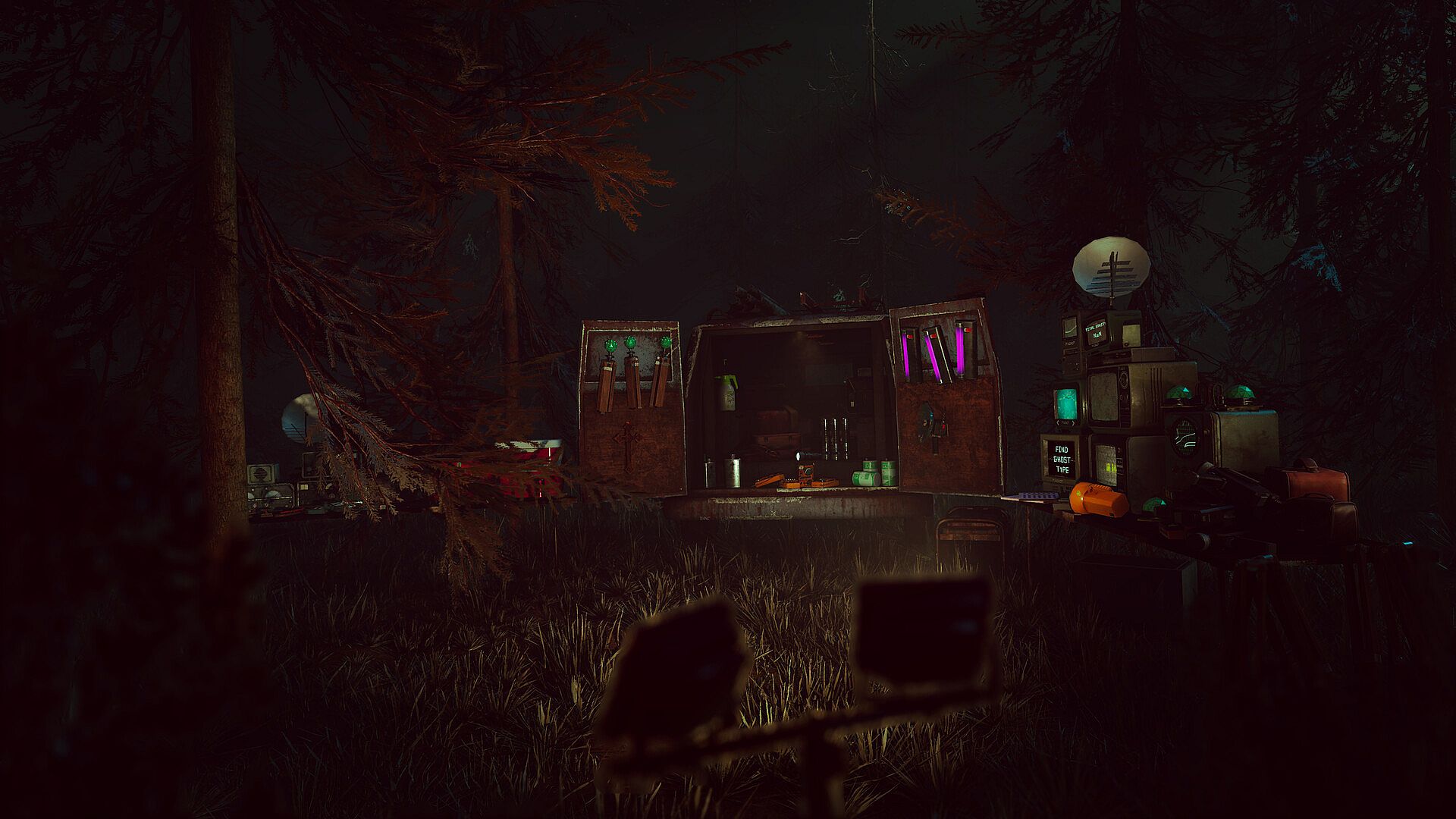
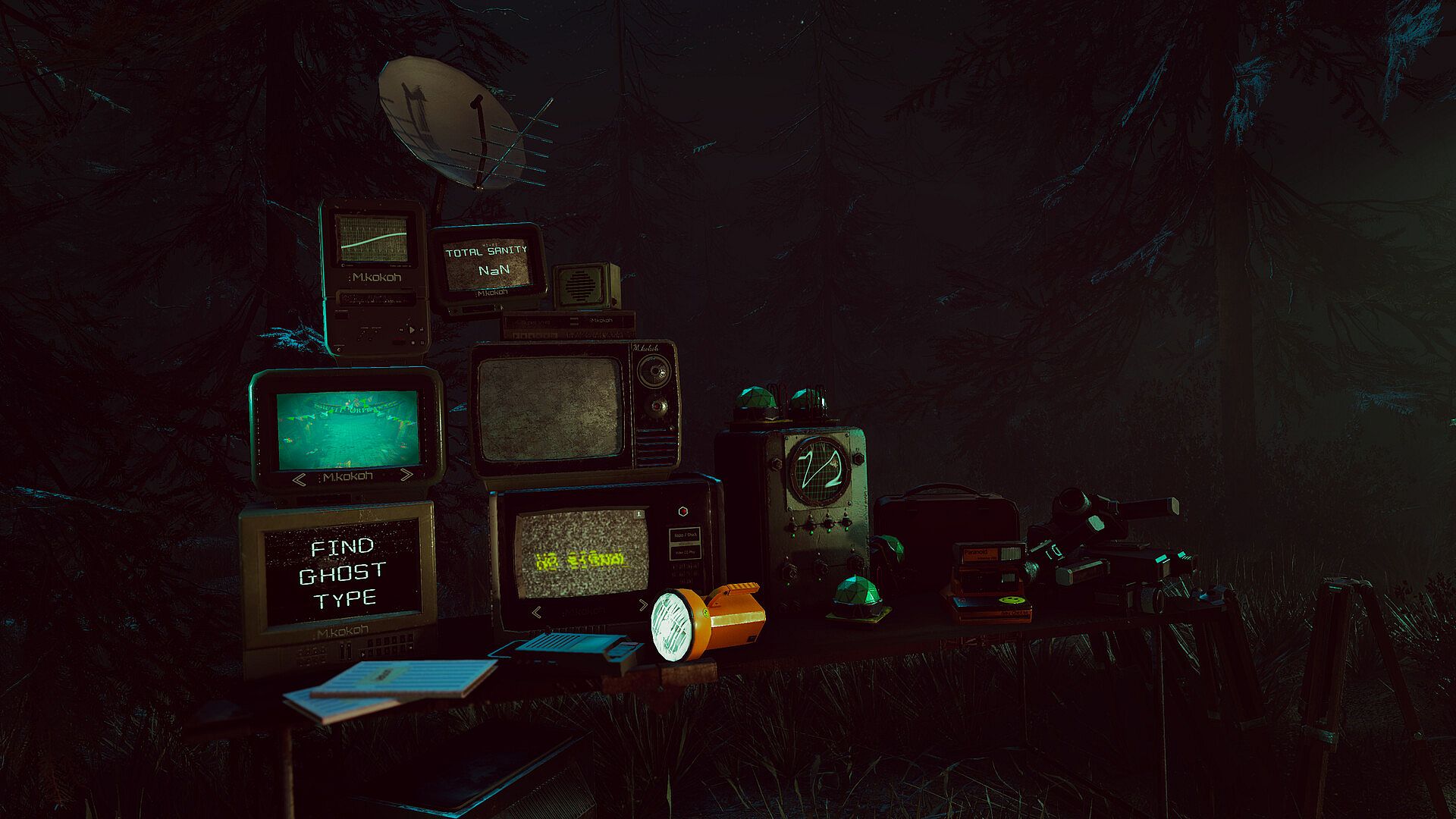
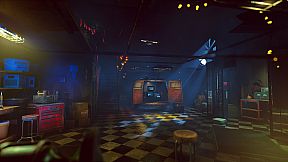
A garage serves as the pre-mission hub where teams organize, trade equipment, select chapters, and hunt for optional secrets. Inside the orphanage itself, a mysterious Shady Dealer accepts collected trinkets in exchange for useful items that aid in locating or confronting ghosts. The map expands gradually through chapter progression and optional mini-games, unlocking new wings and investigation opportunities over time.
Game Modes
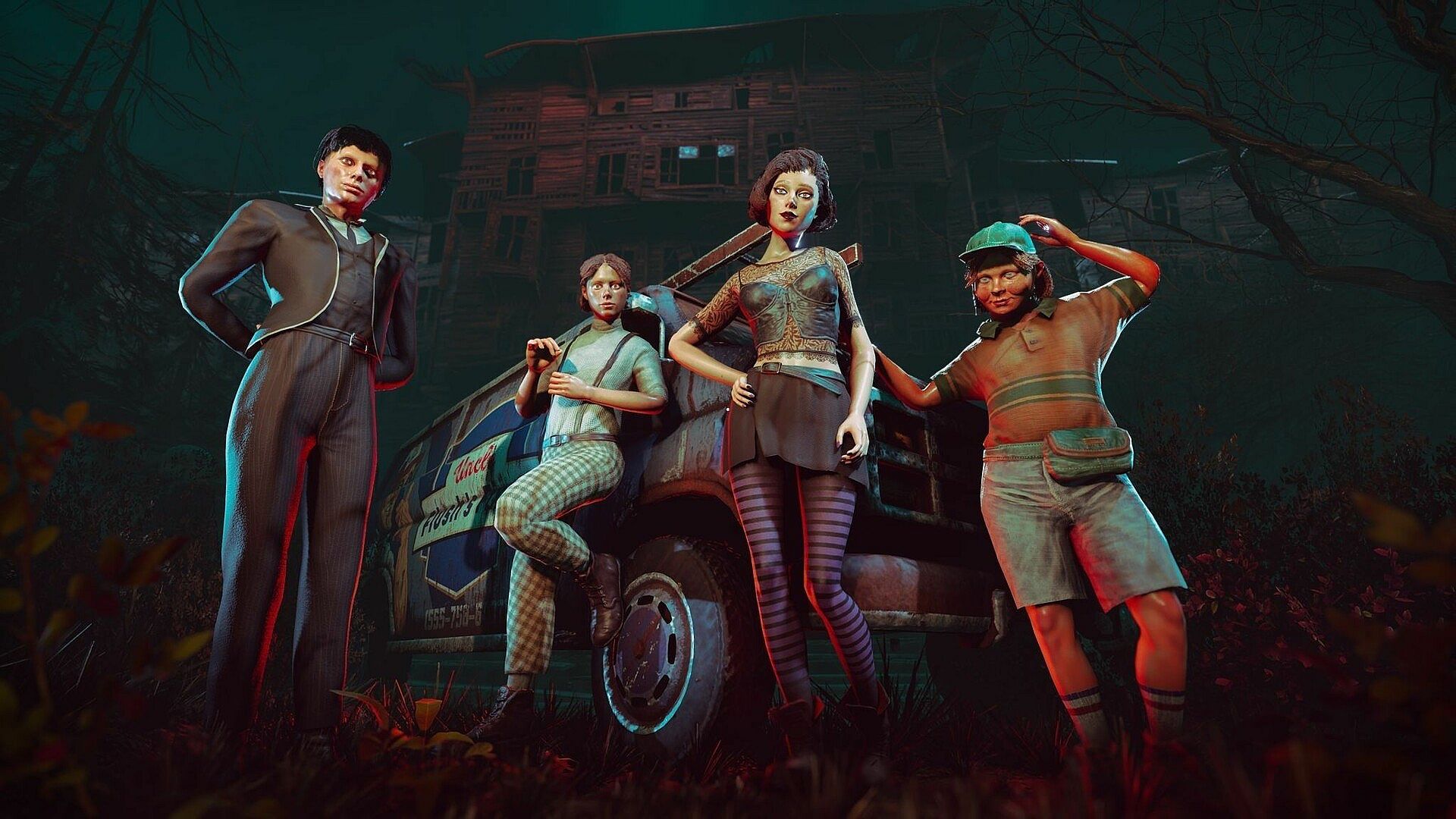
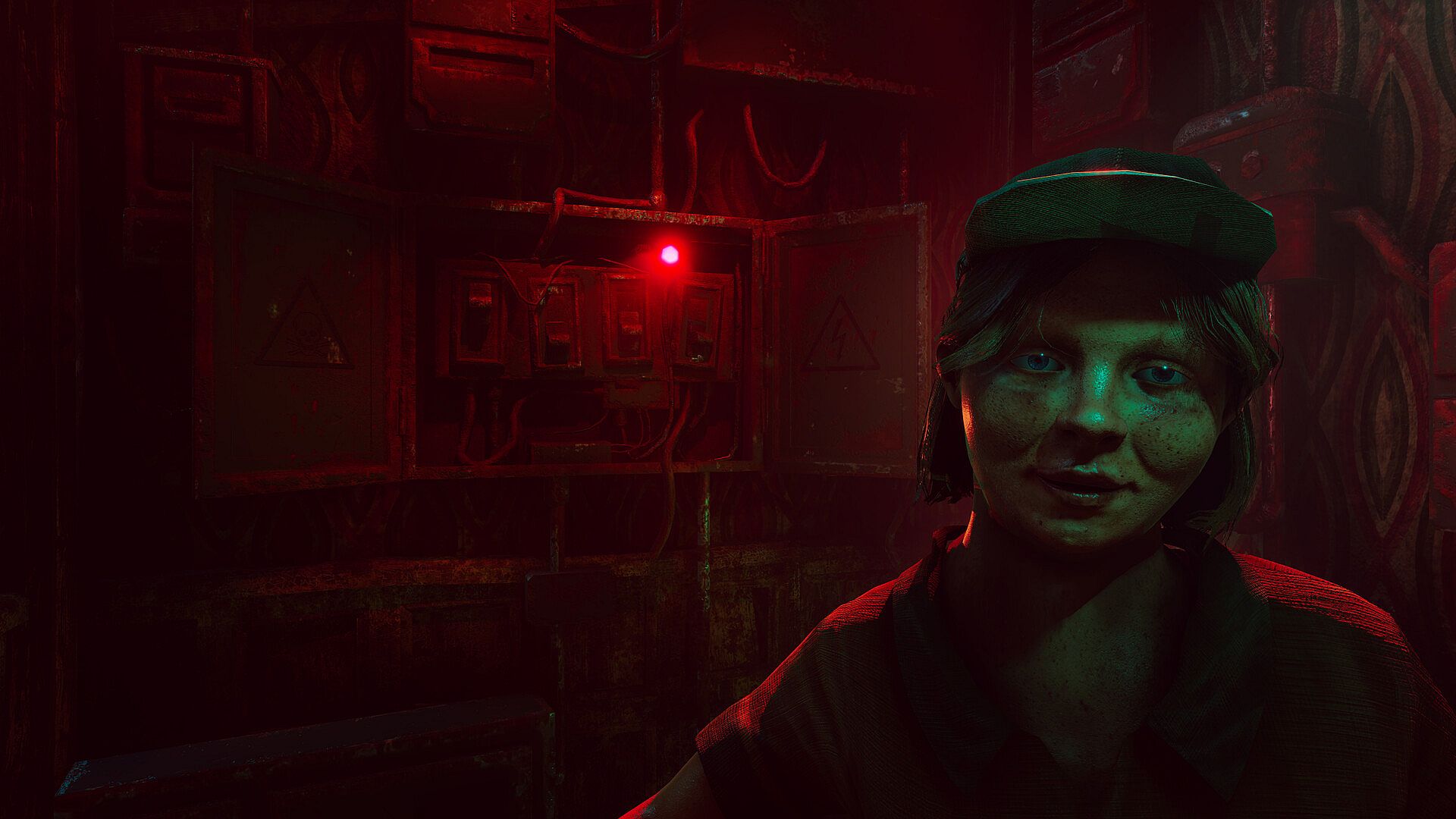
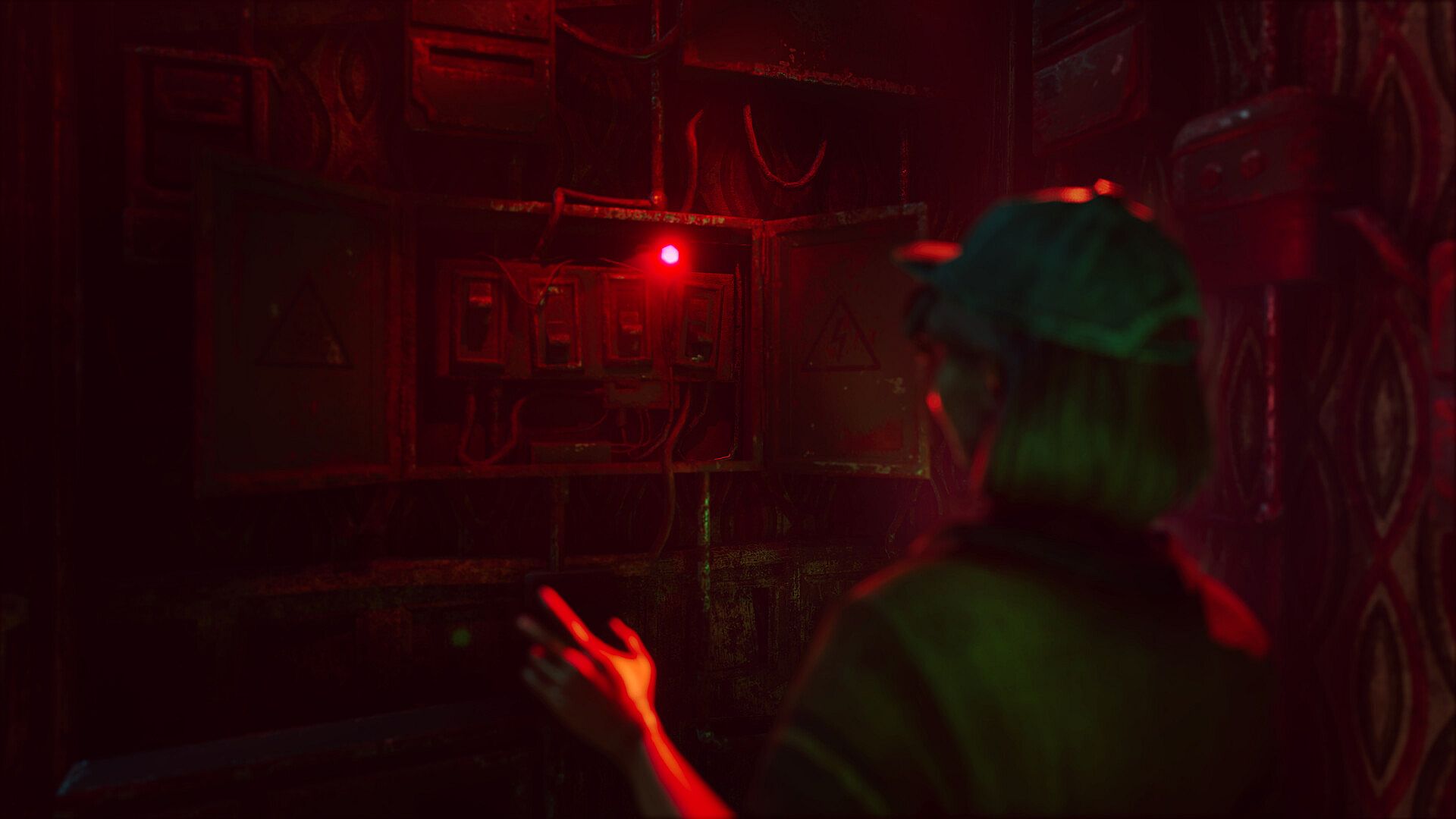
Two primary ways to play exist. The story mode follows four friends who enter the orphanage in 1980 and unfolds across four chapters that recount their investigation. The first two chapters are available now, each containing four ghosts whose backstories players must piece together through evidence and puzzles. A separate co-op online mode lets groups tackle the same locations repeatedly for extended play, with procedural shifts in layouts keeping encounters varied.
Progress carries across both modes. Completing story objectives unlocks additional map sections and equipment options that benefit co-op sessions. Solo players can handle everything alone, though coordination with teammates speeds up evidence collection and puzzle resolution when multiple ghosts appear in one area.
Atmosphere and Presentation
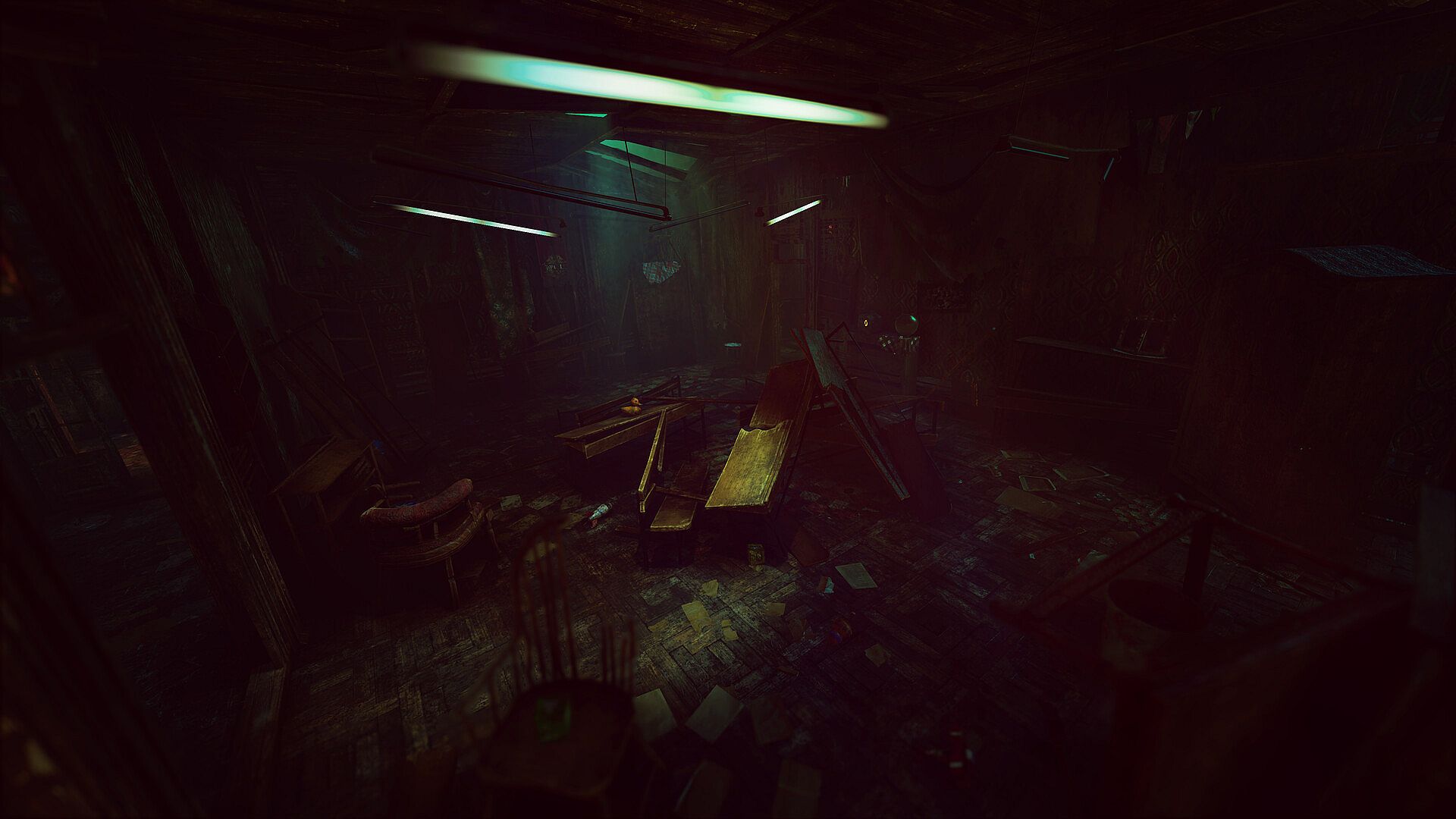
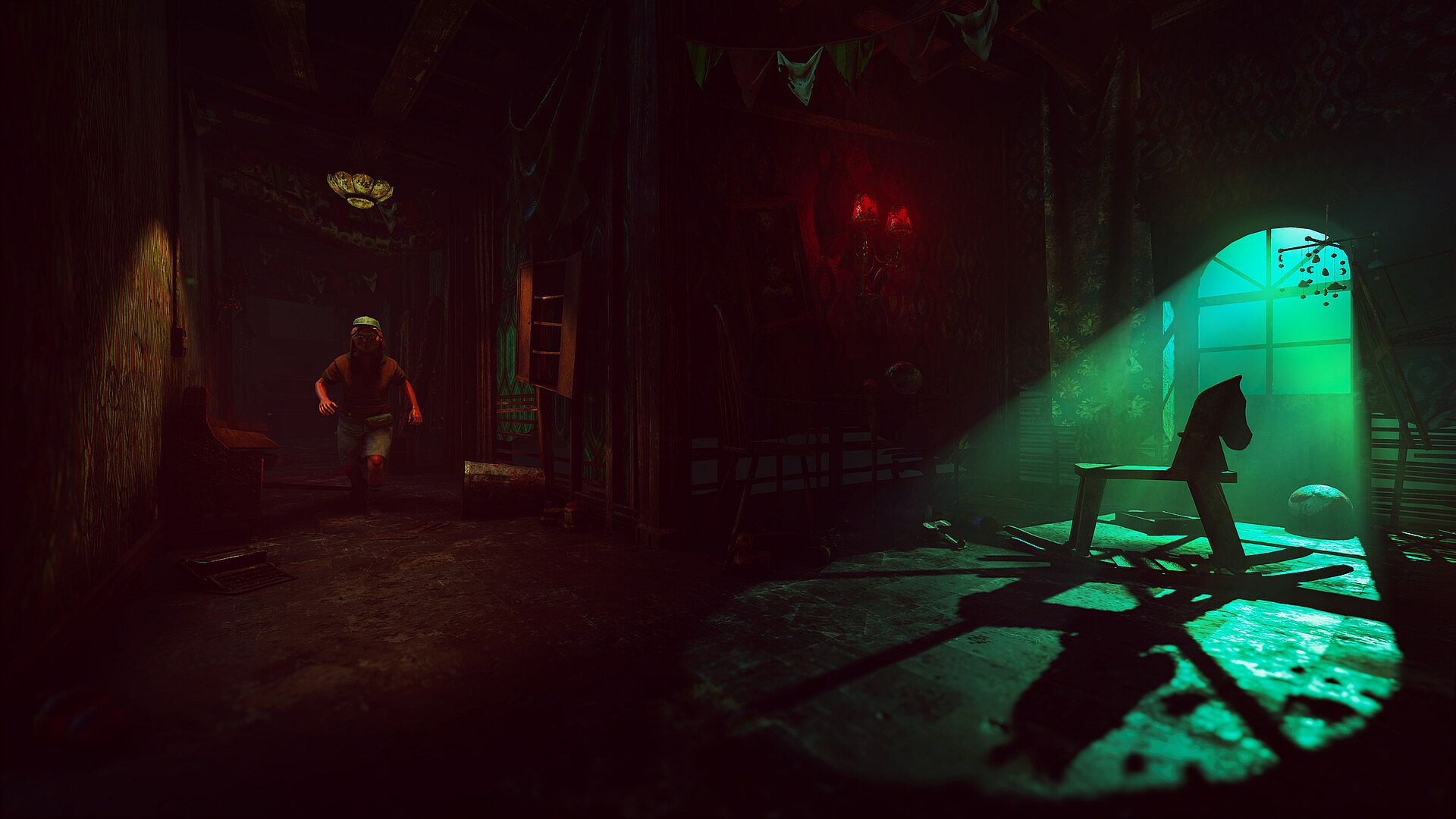
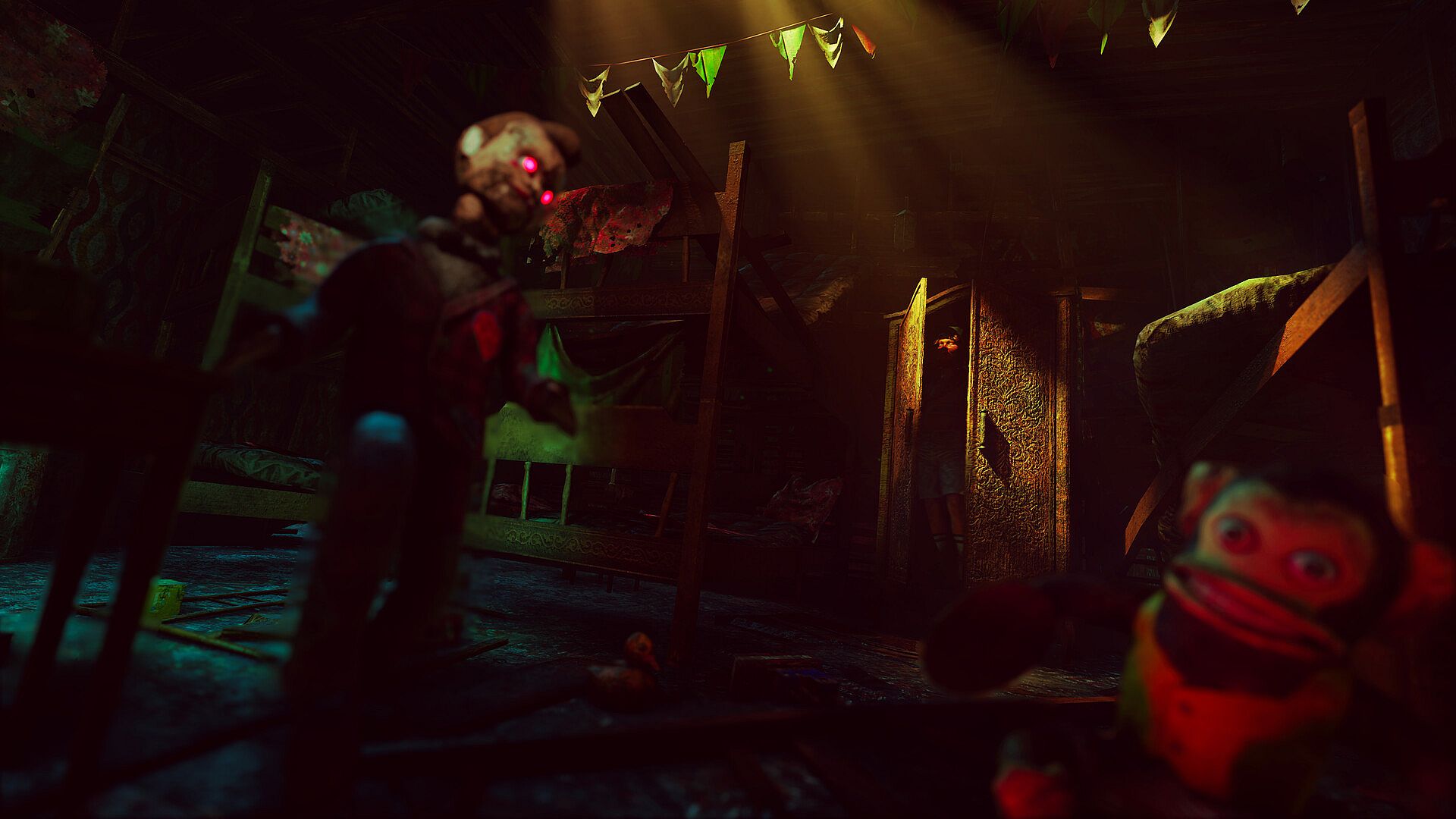
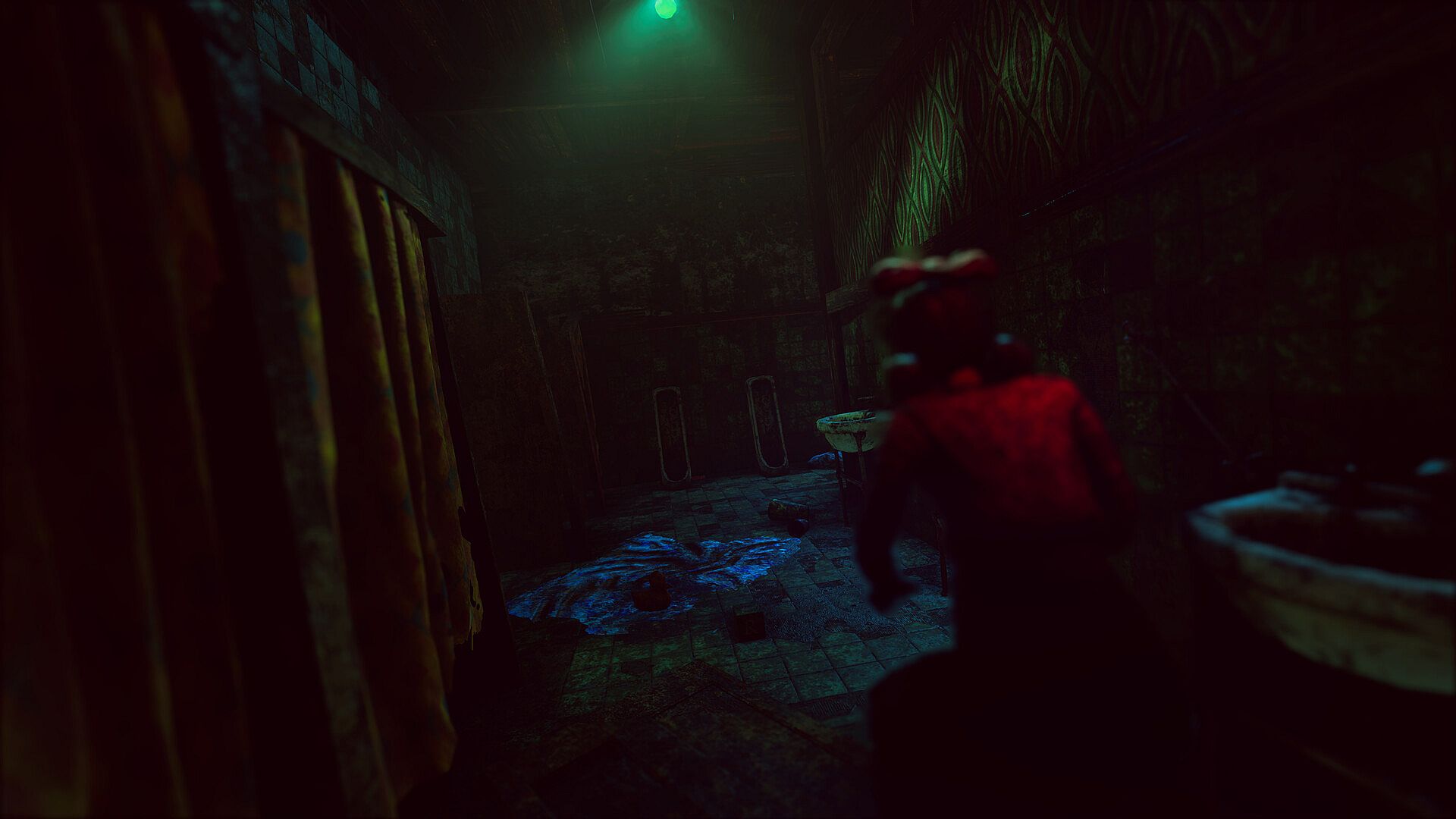
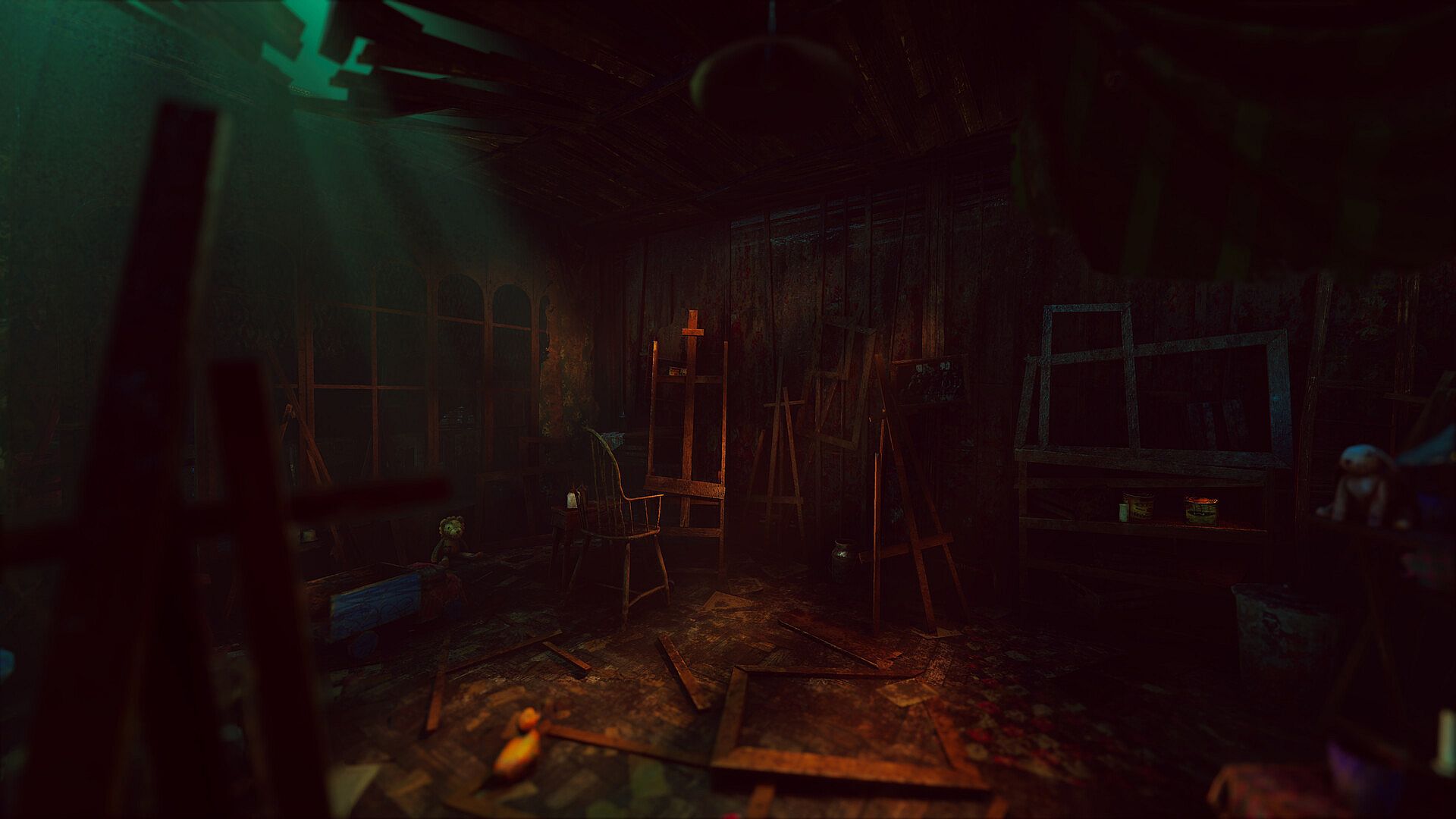
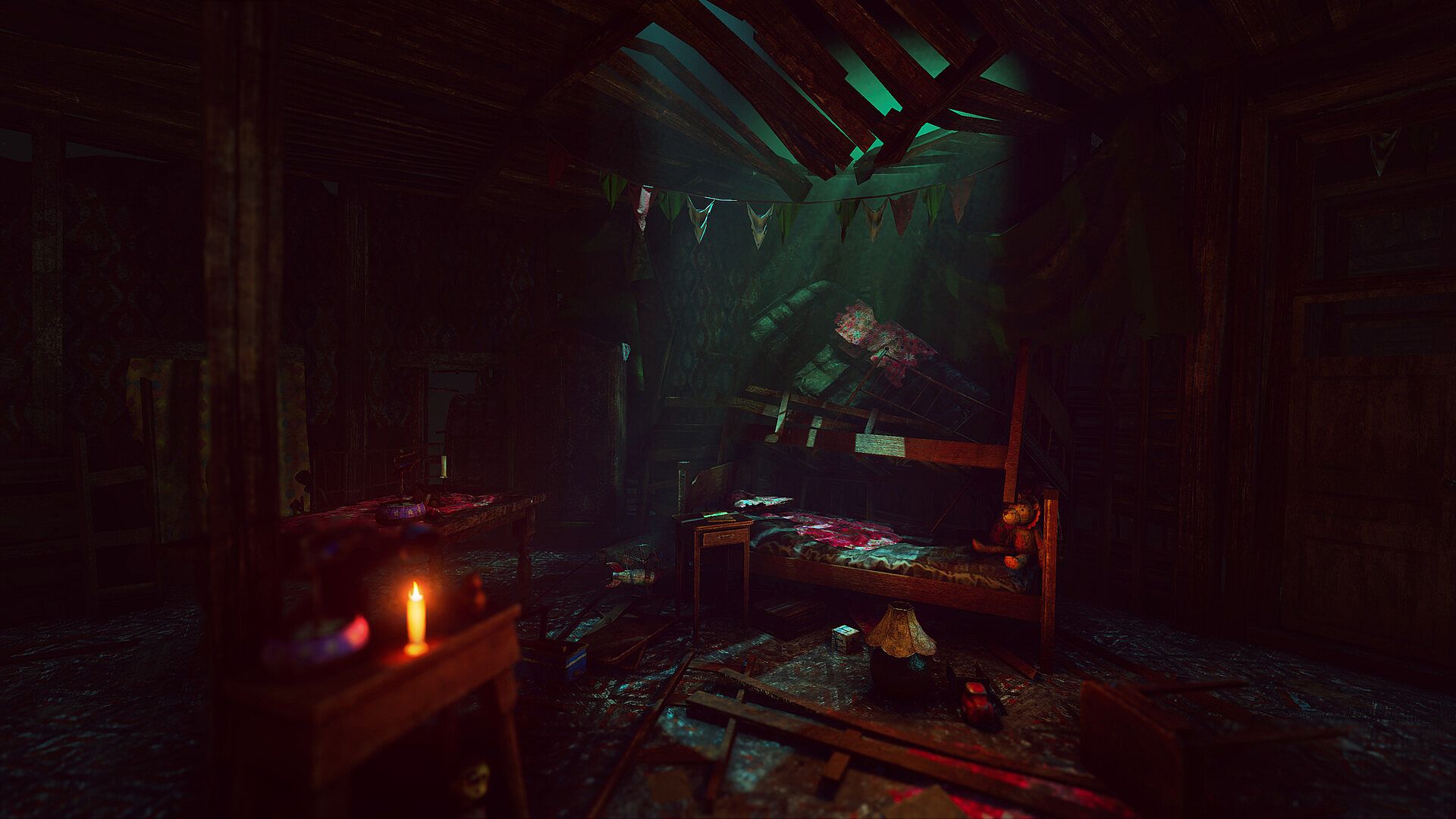
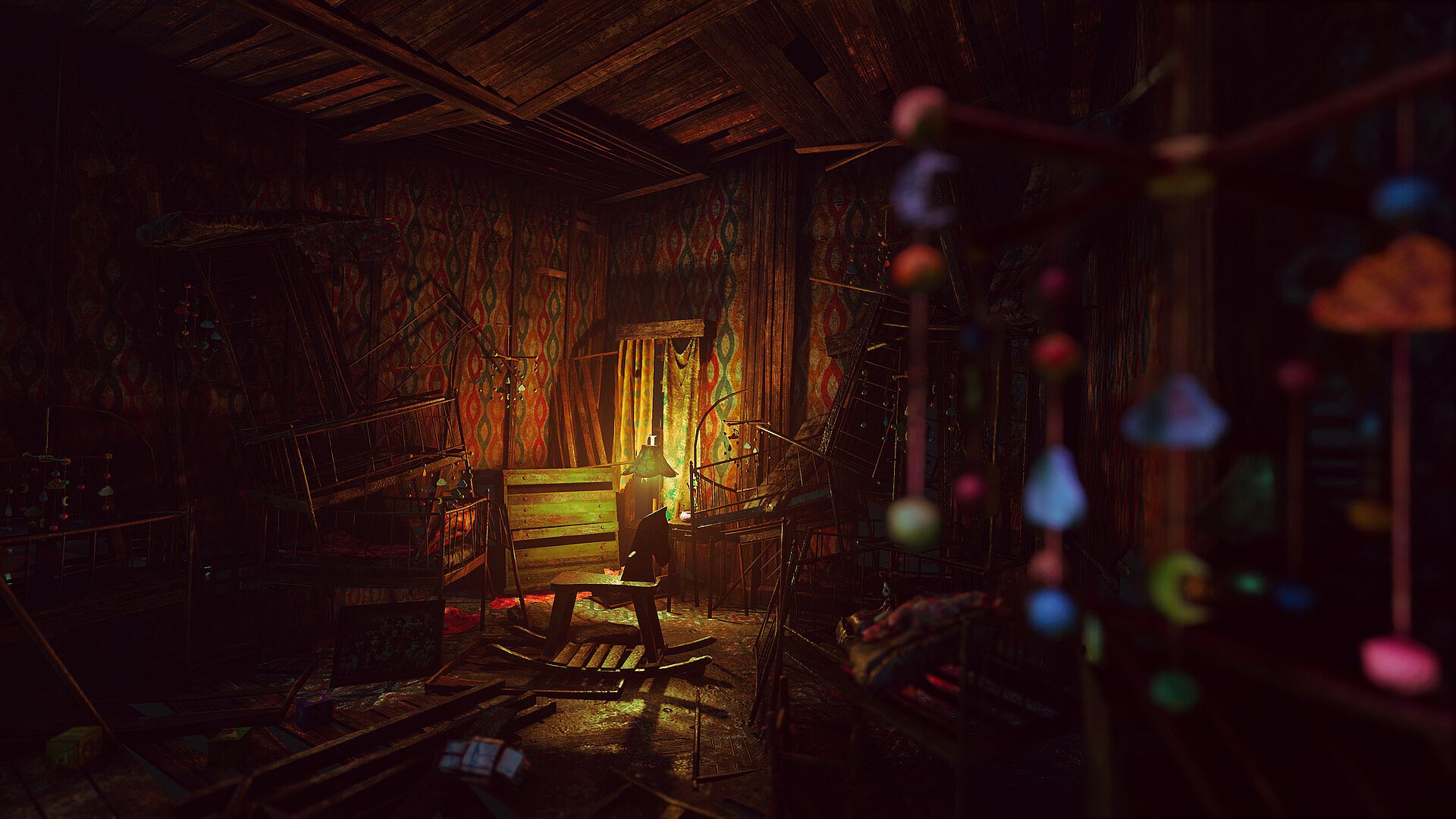
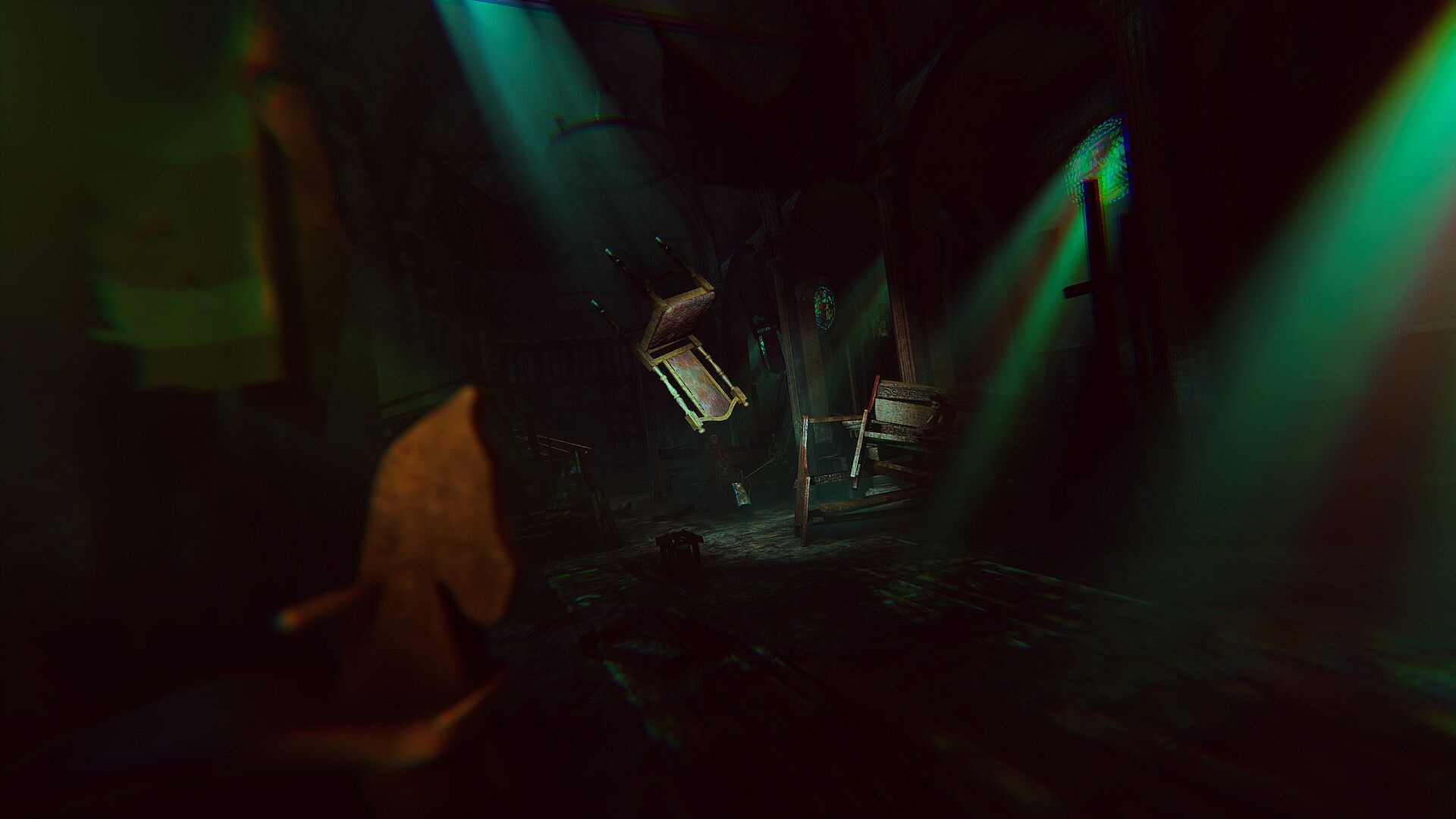
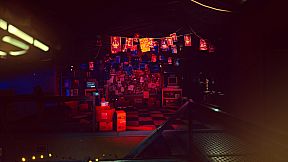
Visuals emphasize burned-out hallways, faded 1960s and 1970s decor, and shifting light sources that create pockets of near-total darkness. Sound design incorporates era-appropriate effects alongside ghostly audio cues that players must interpret in real time. The garage hub reinforces the 1980 setting with period details and functional screens for team coordination.
Equipment ranges from basic detection devices to more specialized tools that reveal different types of evidence. Each session rewards careful observation and methodical searching rather than direct confrontation, aligning with the investigative horror focus.
Is It Worth Playing?
Player reviews on the primary distribution platform stand at Mostly Positive after more than four hundred submissions. The current Early Access build includes the first two story chapters and the full co-op framework, with the remaining chapters scheduled for later release. Those who enjoy methodical ghost-hunting loops, puzzle-driven storytelling, and small-team coordination will find the systems rewarding, especially once the complete four-chapter narrative arrives. The shifting map and voice interaction features provide replay value beyond the initial story playthrough. Solo participants can complete every objective without assistance, while groups gain efficiency and shared discovery moments. The game suits players comfortable with atmospheric tension and evidence-based progression rather than fast-paced action.