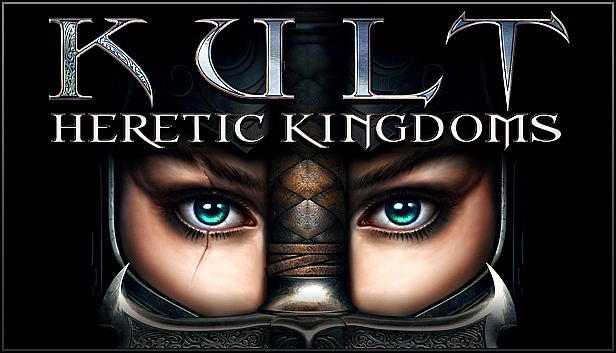











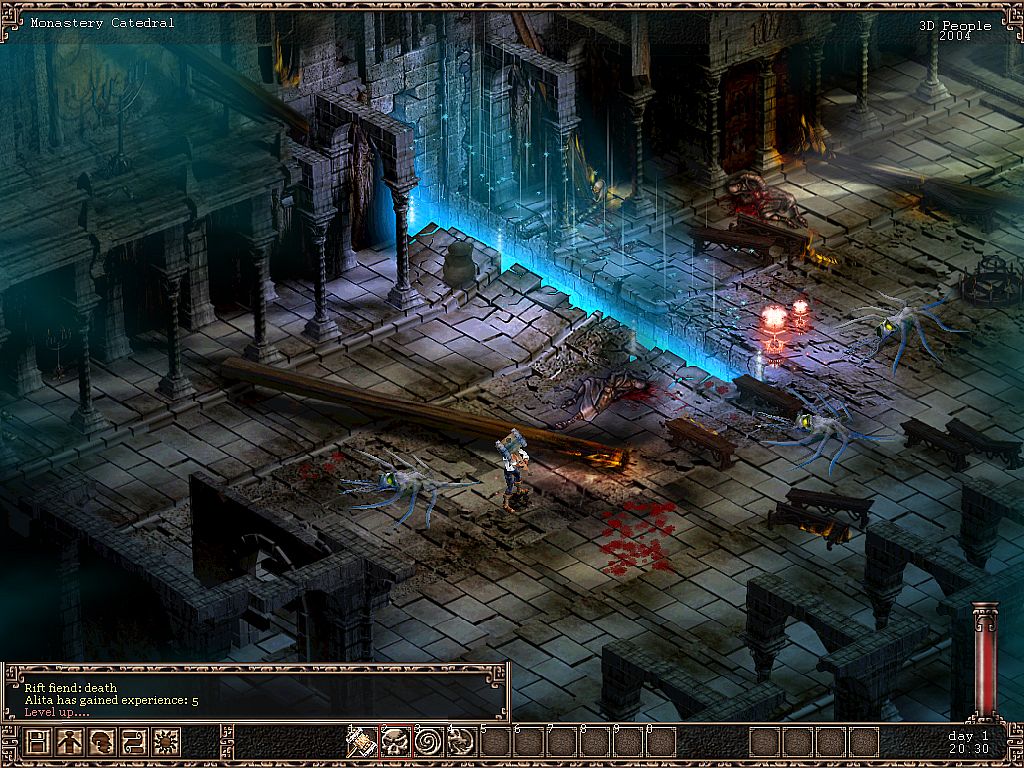
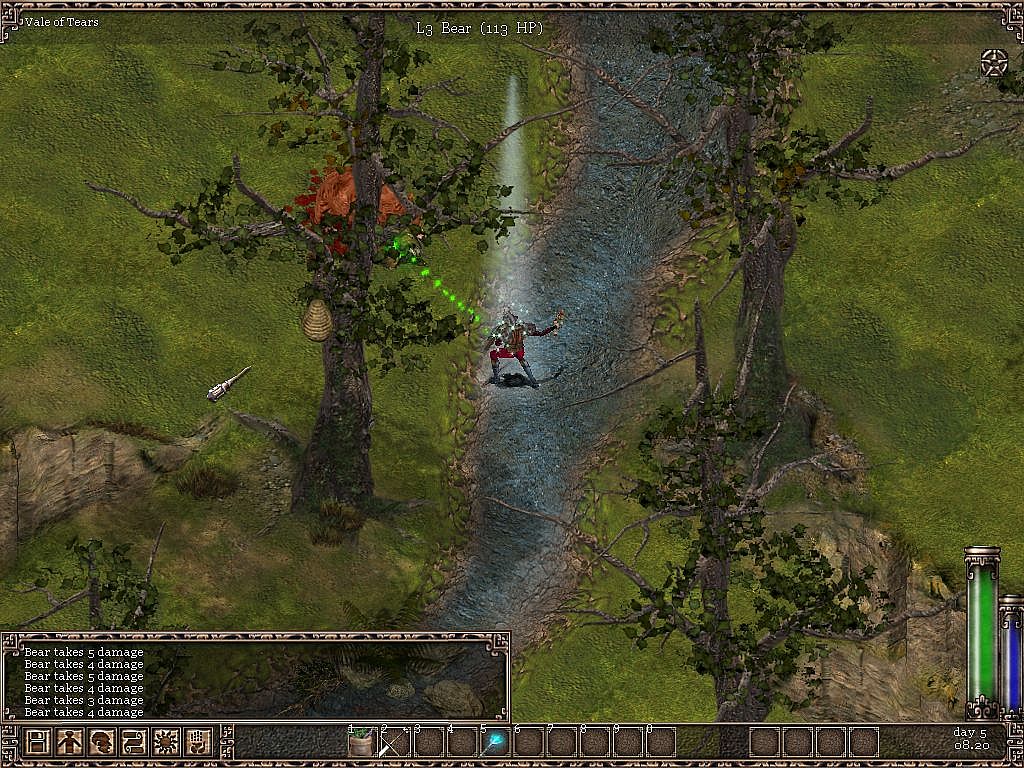
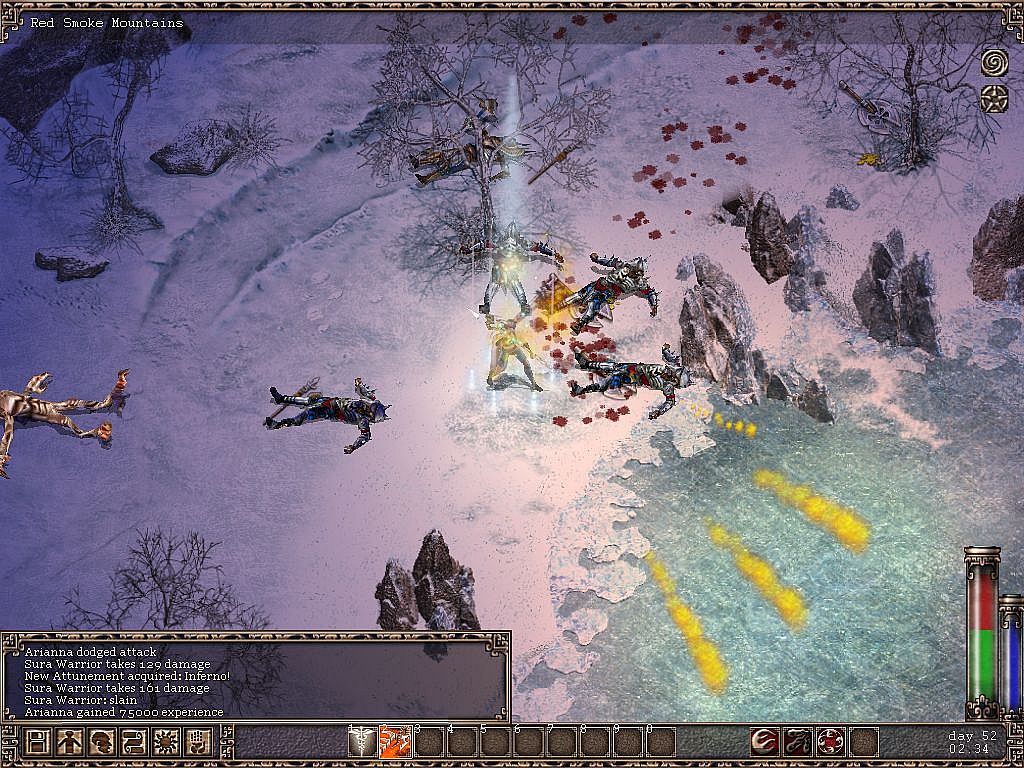
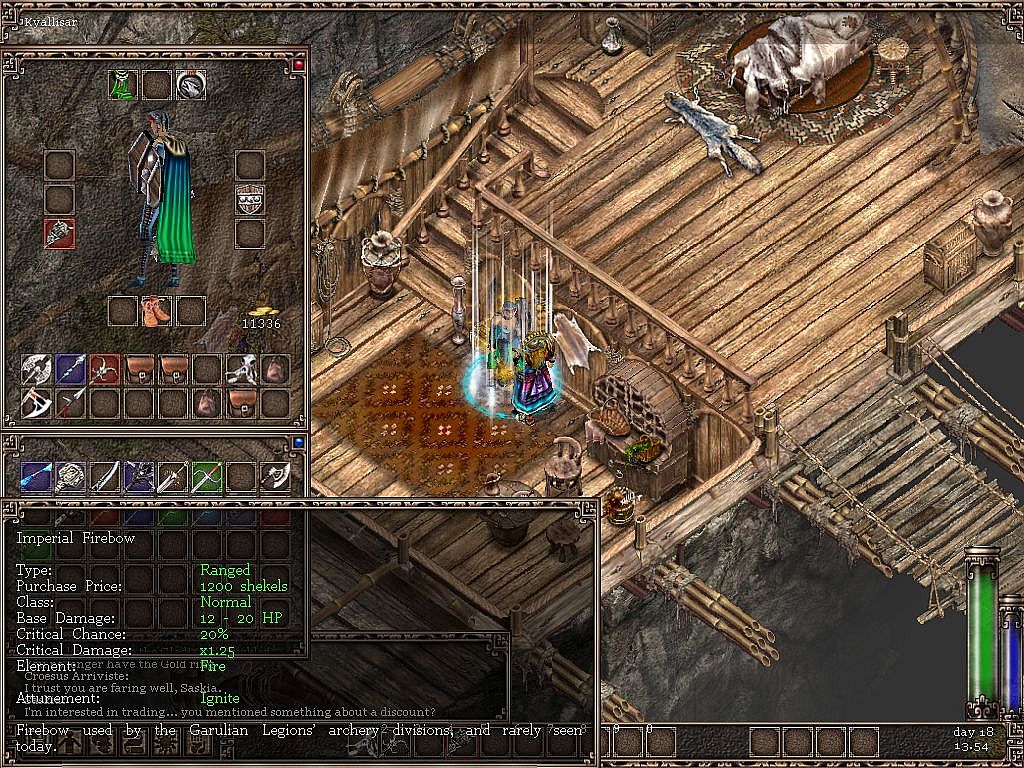
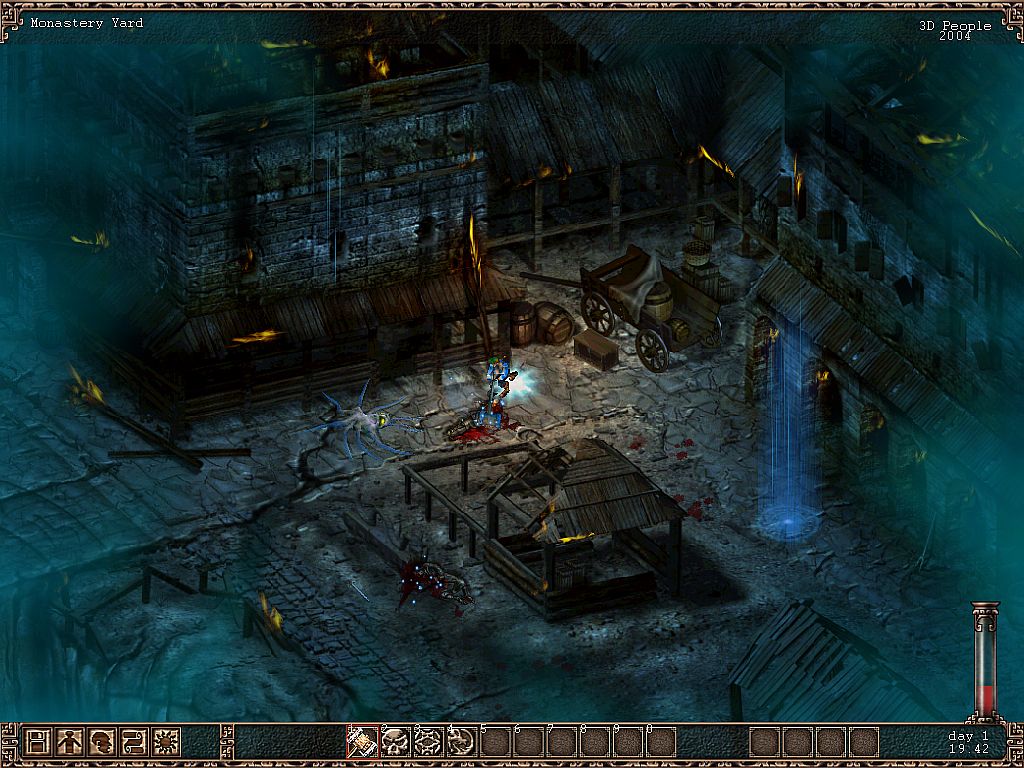
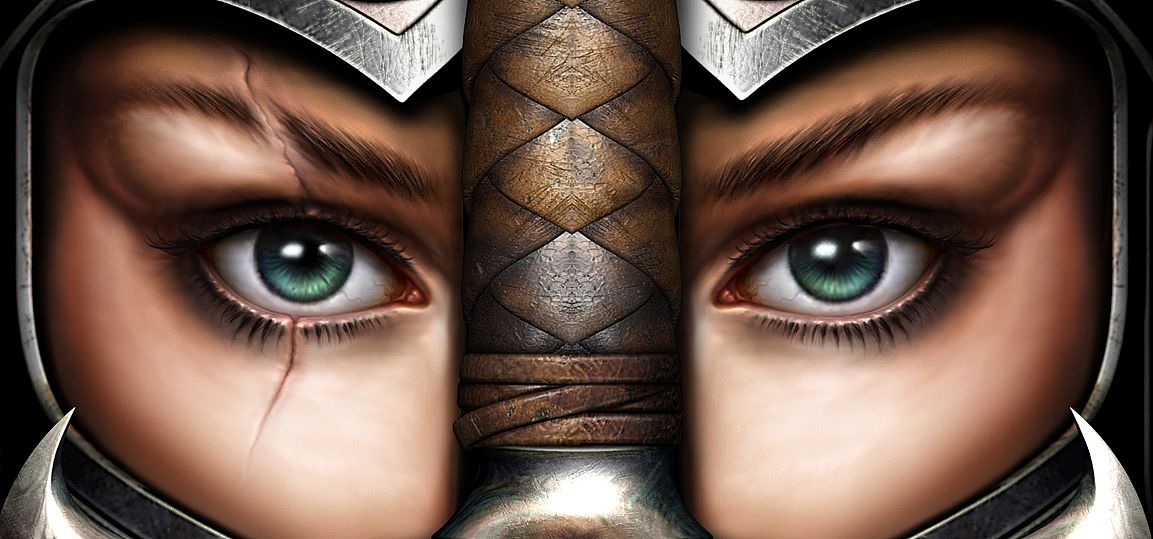
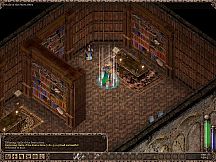
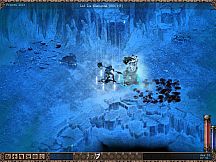
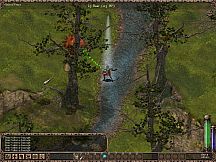
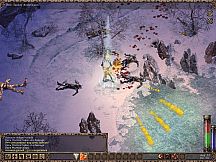
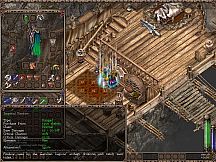
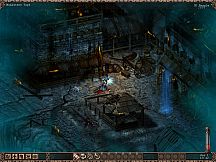
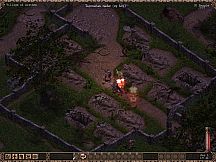

Kult: Heretic Kingdoms is an isometric action RPG that places players in the role of Alita, a young inquisitor tasked with eliminating religious remnants in a world where God is dead and faith itself counts as heresy. The game blends exploration, combat, and narrative decisions in a single-player experience focused on personal morality and long-term consequences.
Gameplay
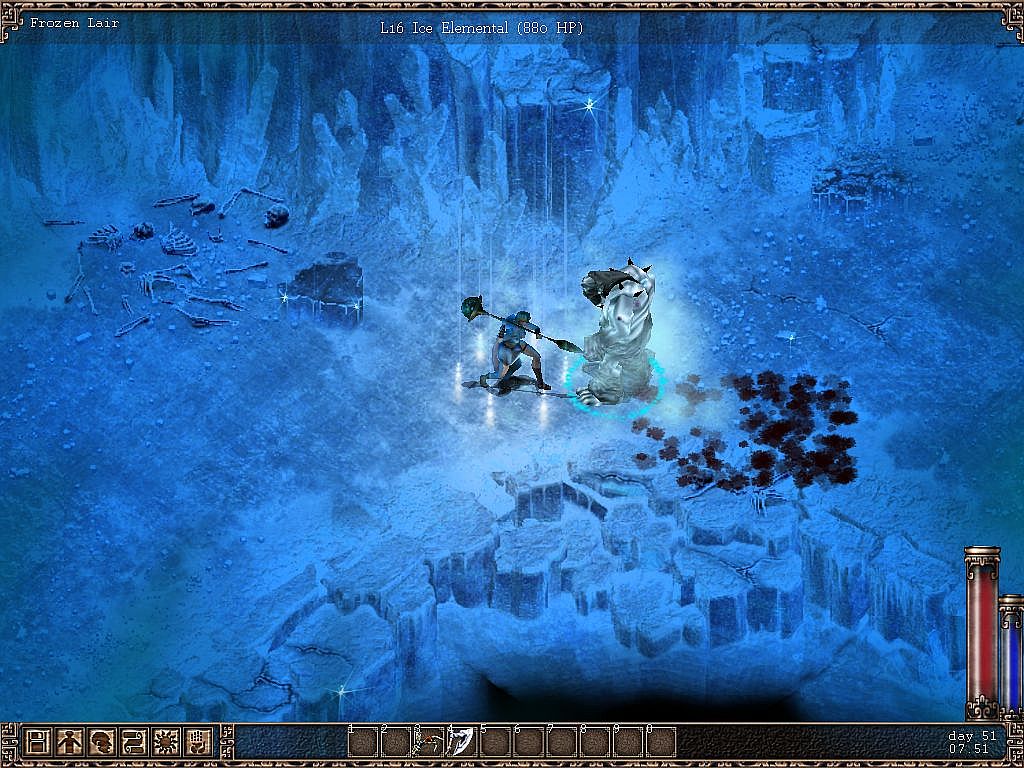
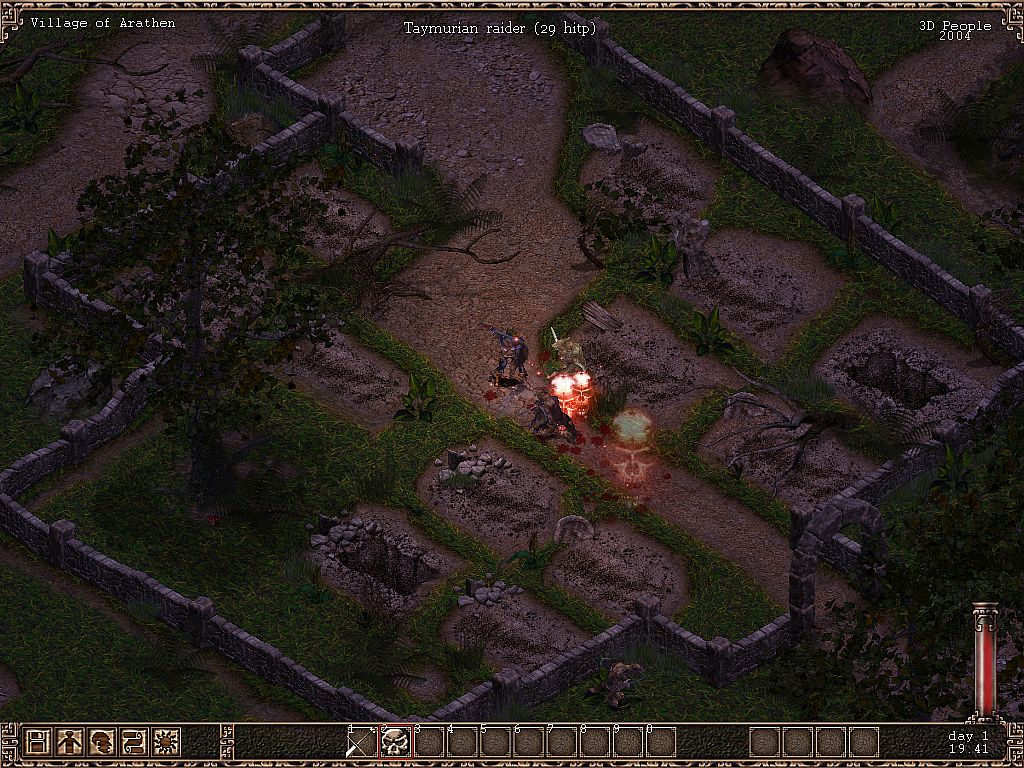
Combat operates through a straightforward action system that emphasizes quick decisions and item experimentation. Players control the protagonist in real time, switching between melee strikes, ranged attacks, magic, and movement speed as core stats that improve with experience. A distinctive attunement mechanic replaces traditional skill trees. By using weapons, armor, and other equipment in battle, the character unlocks hidden abilities tied to those items. These attunements can then be activated during rest periods and become permanent once earned, often requiring specific conditions such as fighting without armor for certain bonuses.
Healing introduces risk through a dual resource system of hit points and blood points. Each restoration lowers blood points, which in turn caps maximum hit points and leaves the character more vulnerable over prolonged fights. Full recovery occurs only at campfires, inn beds, or a purchased house. A parallel Dreamworld layer adds another dimension, allowing brief escapes into a spirit realm populated by ghosts and wraiths. Time spent there is limited, but it yields essence points that speed attunement unlocks while presenting its own dangers and travel options.
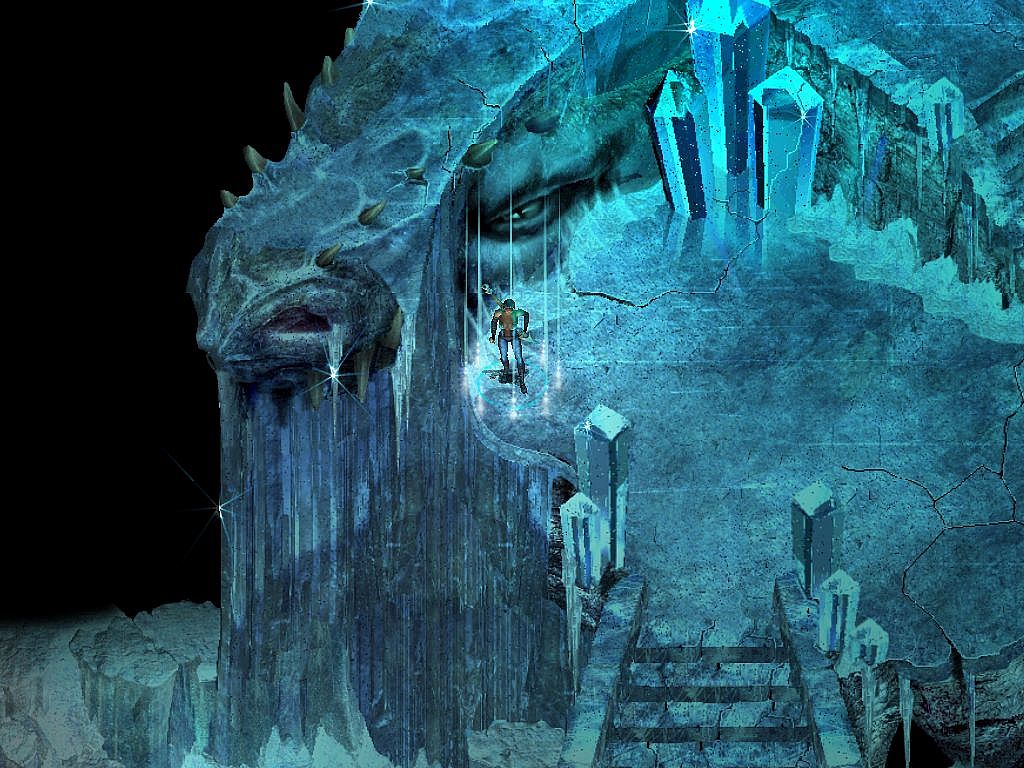
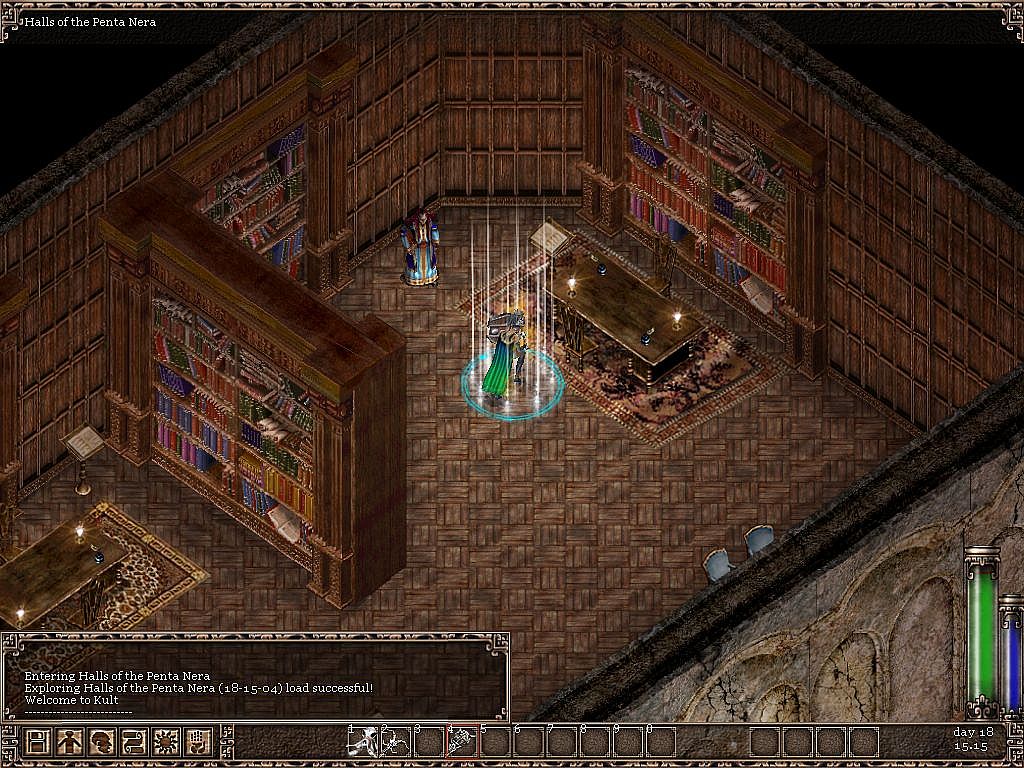
Exploration spans roughly fifty distinct locations filled with unique monsters and loot. The isometric perspective combines pre-rendered backgrounds with 3D character models, supporting steady progression through combat encounters and environmental interaction without complex menus interrupting the flow.
Game Modes
The game offers a single-player campaign centered on story progression and character development. No separate multiplayer or competitive modes exist. All activity occurs within one continuous narrative that branches according to player decisions, with no additional game types or seasonal content layered on top.
Story and Moral Choices
The plot follows Alita as she receives orders to destroy a dangerous relic, only to become entangled in conflict between a cabal of mages seeking raw power and a cult aiming to revive the Dead God. Script work led by Chris Bateman delivers an amoral setting where actions carry lasting weight. Players shape the protagonist as an idealist, a self-serving opportunist, or a pragmatic operative simply completing assignments. These paths determine loyalty alignments and produce one of six distinct endings, ranging from the complete suppression of religion to its unexpected revival.
Is It Worth Playing?
Reception remains mostly positive years after release, with Steam users highlighting the unique attunement progression, itemization depth, and serious tone of the narrative. The game suits players who enjoy older isometric RPGs that reward experimentation and accept consequences without hand-holding. Its compact scope and focused mechanics make it accessible for short sessions, while the branching story encourages replays to explore different moral alignments. Those seeking modern production values or ongoing updates may find the 2004 design dated, yet the core loop of combat, attunements, and choice-driven outcomes continues to appeal to fans of thoughtful single-player adventures.