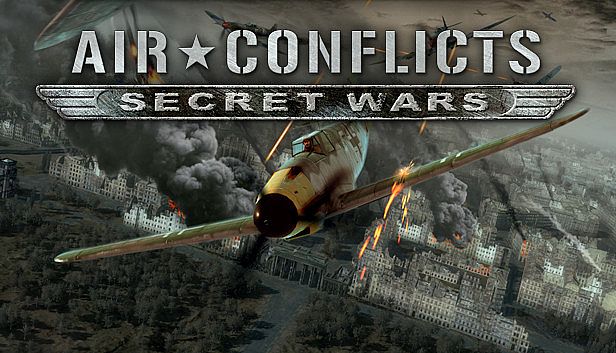












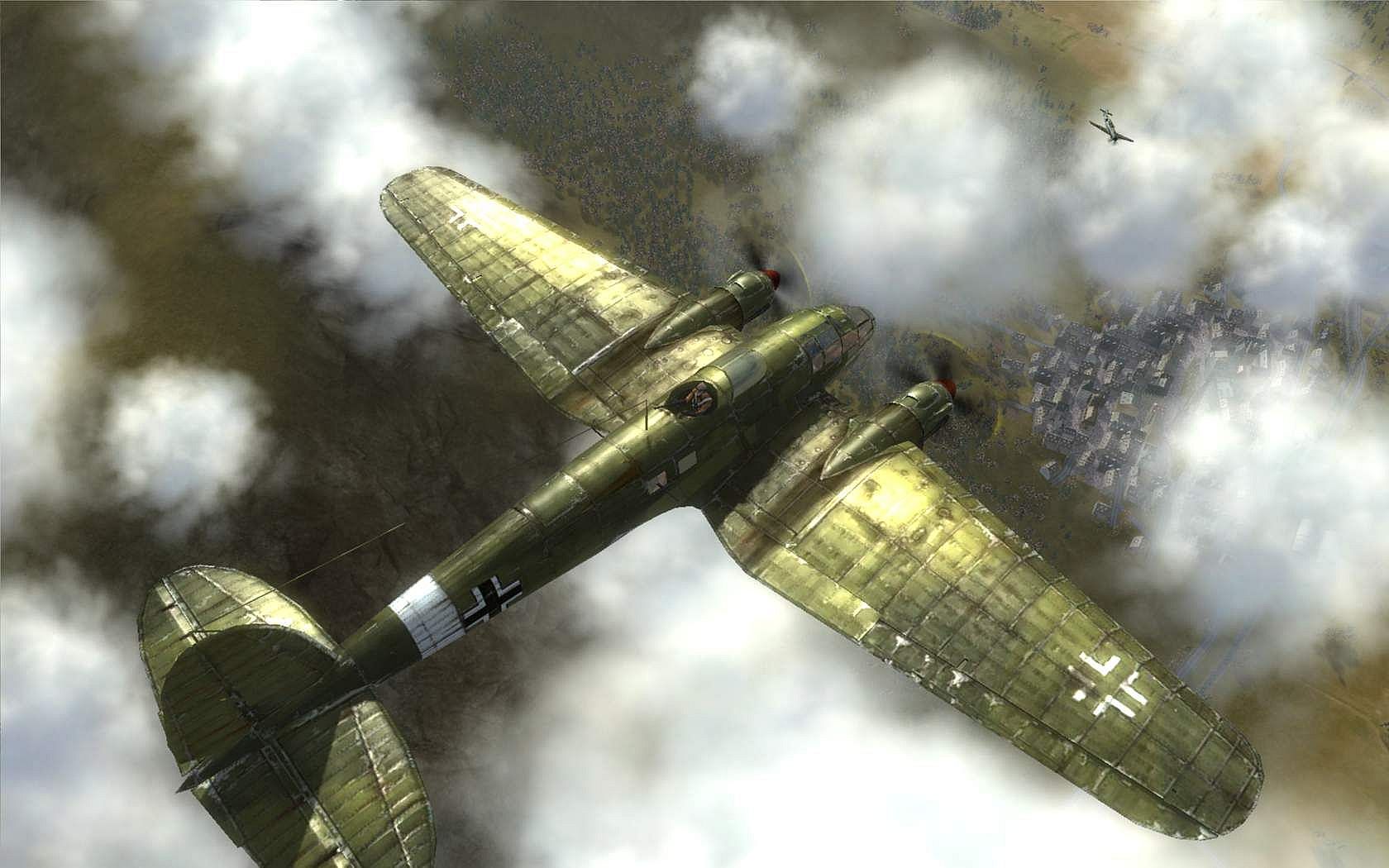
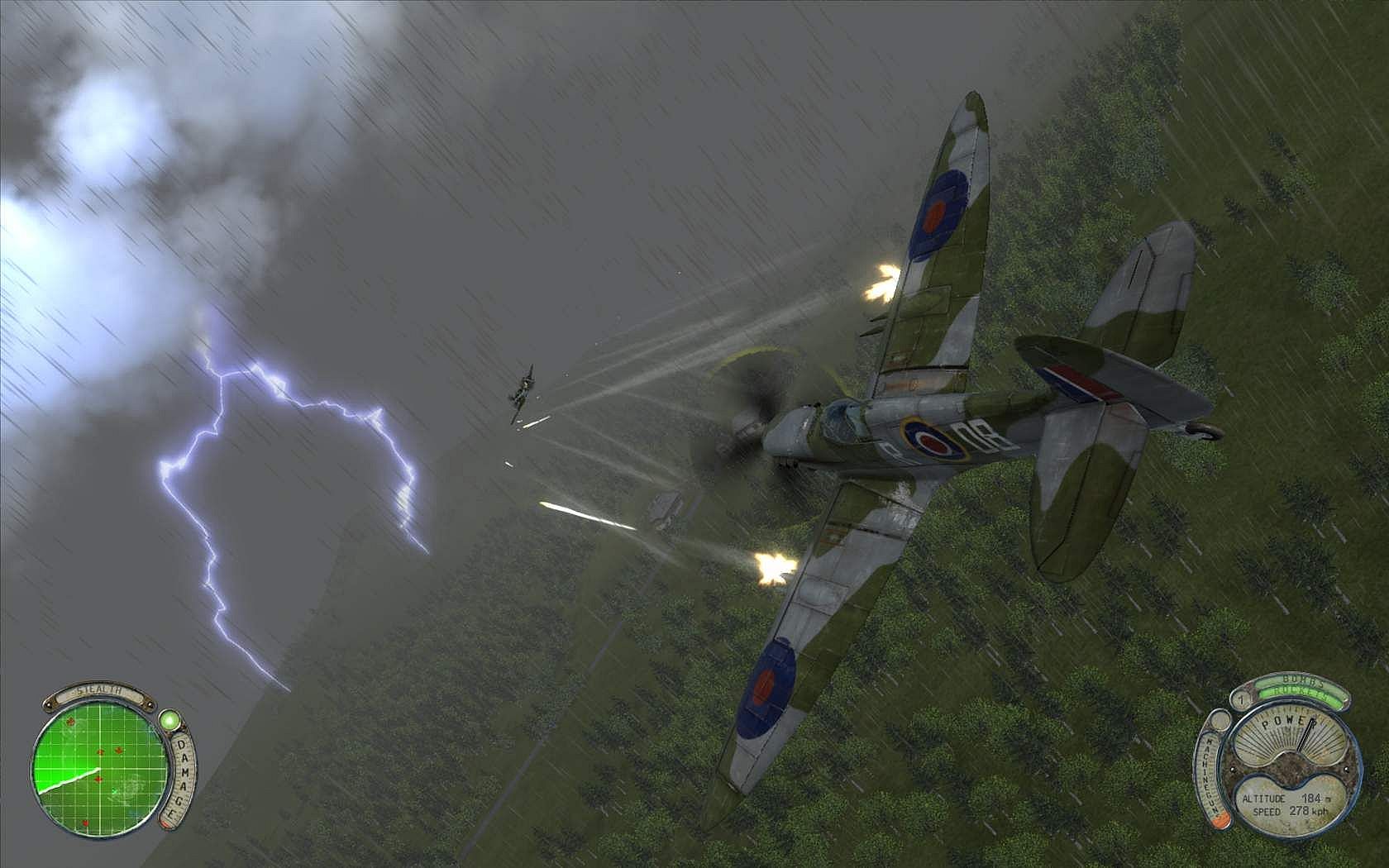
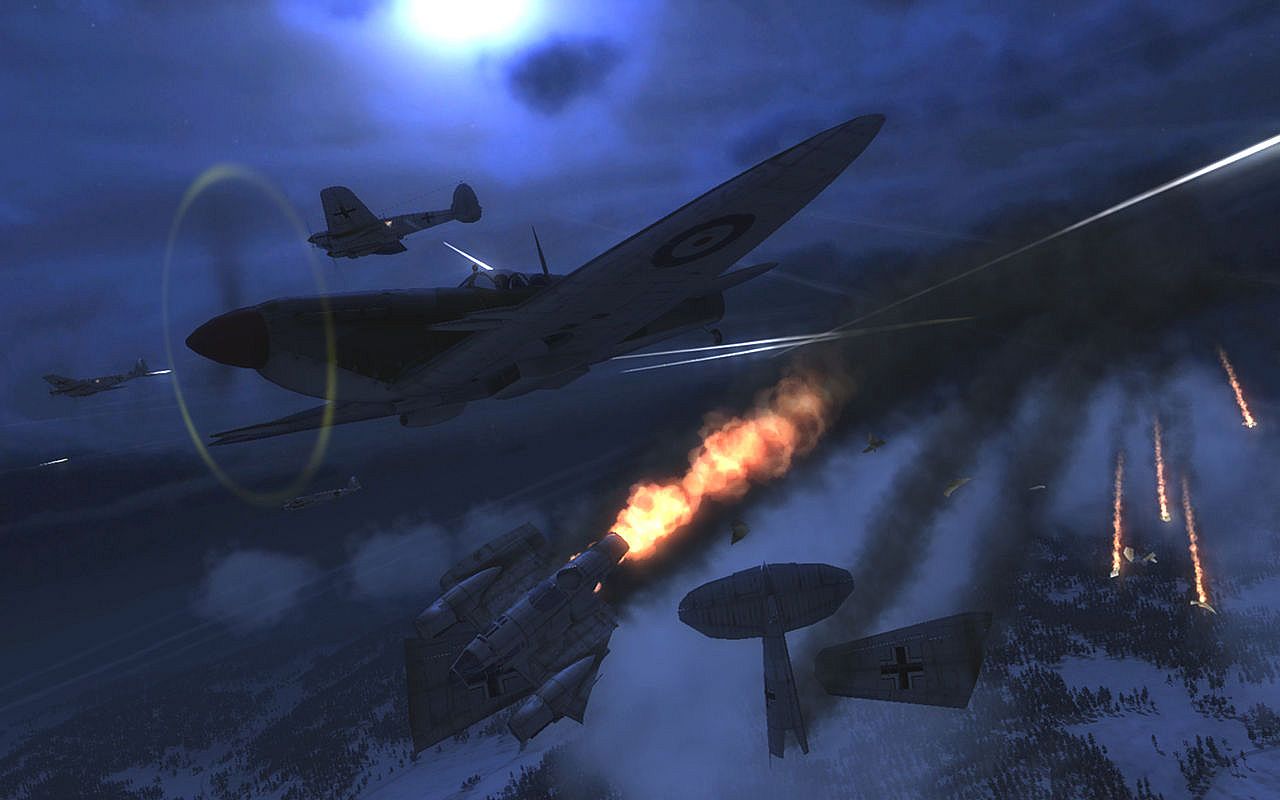
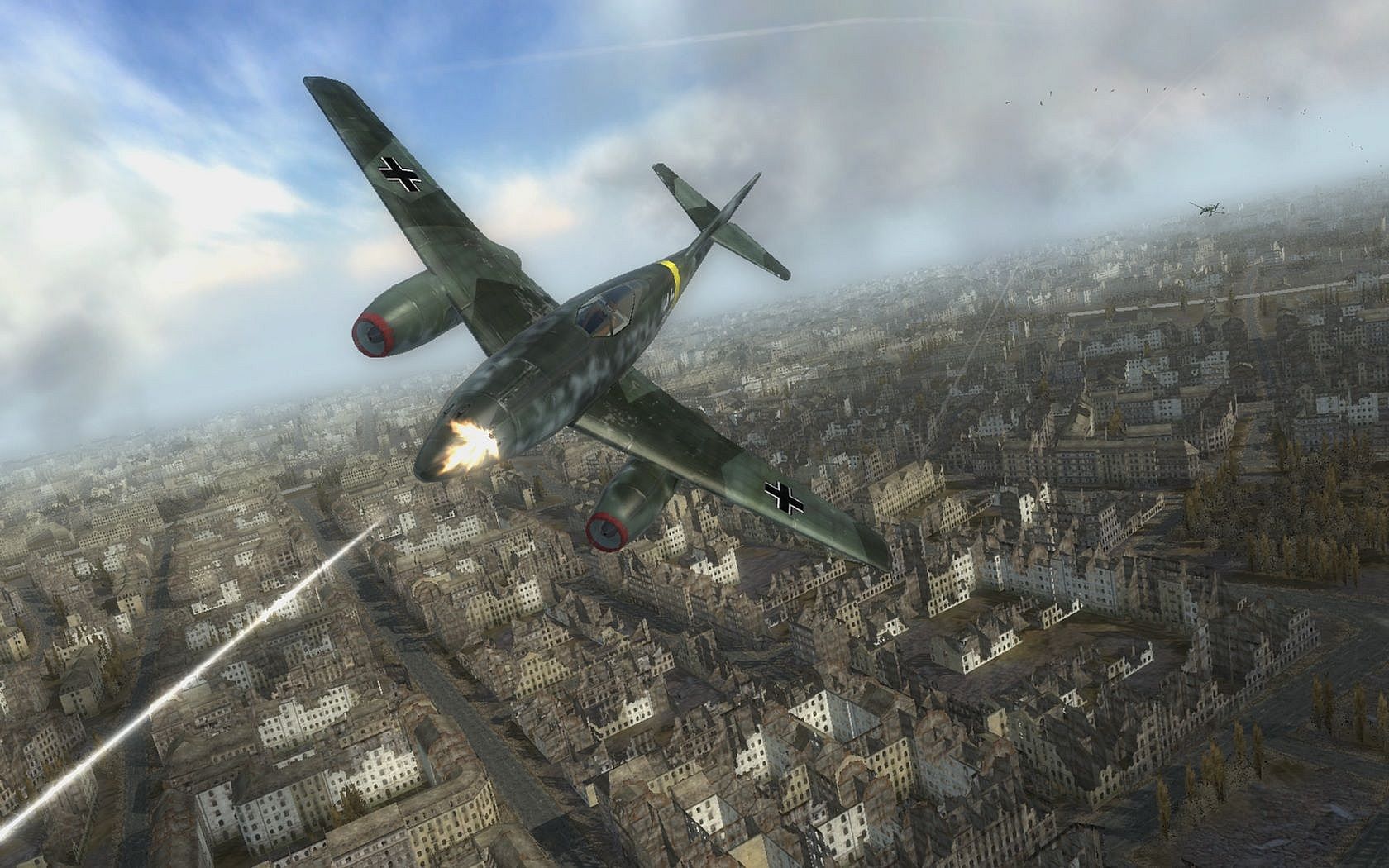
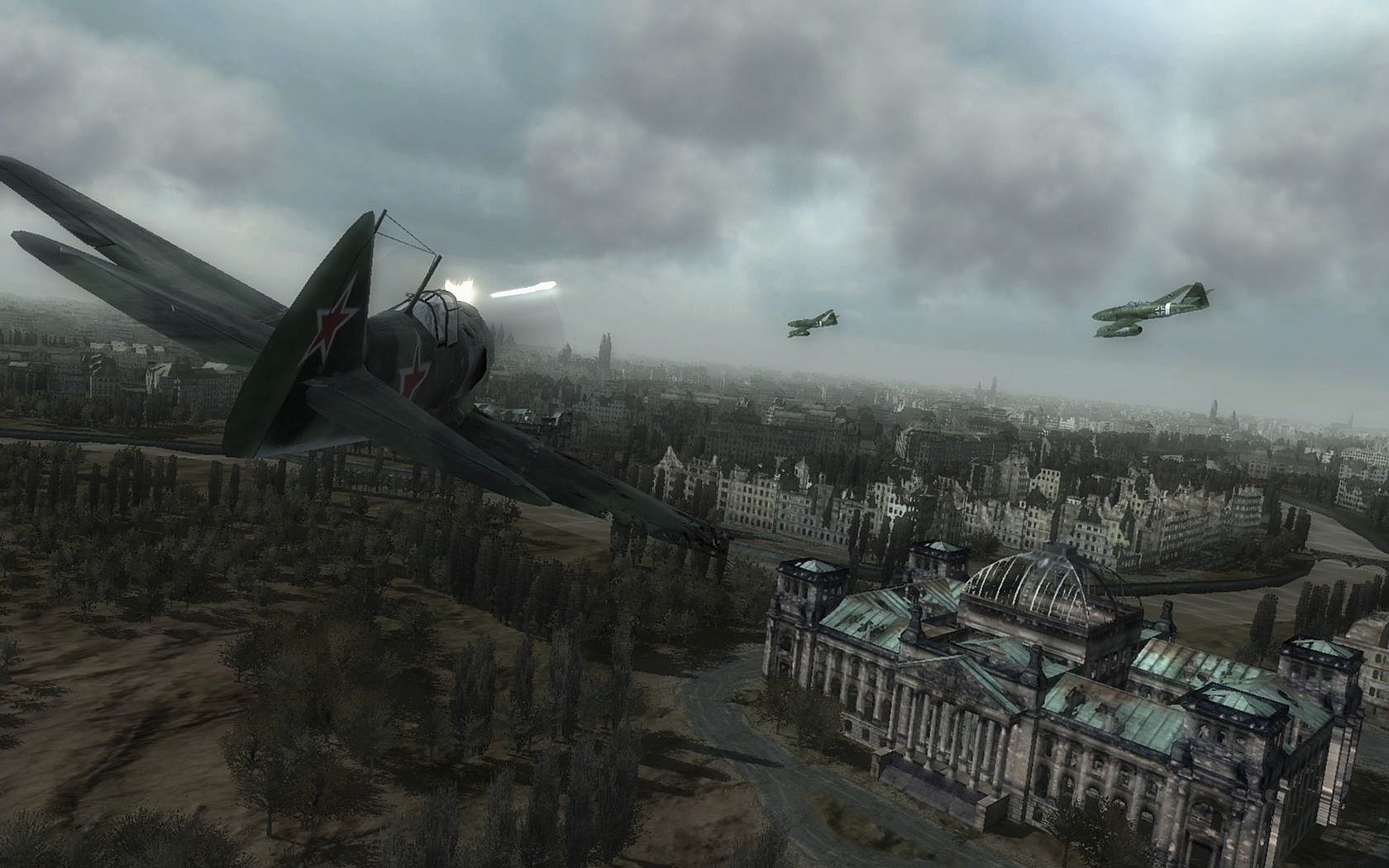
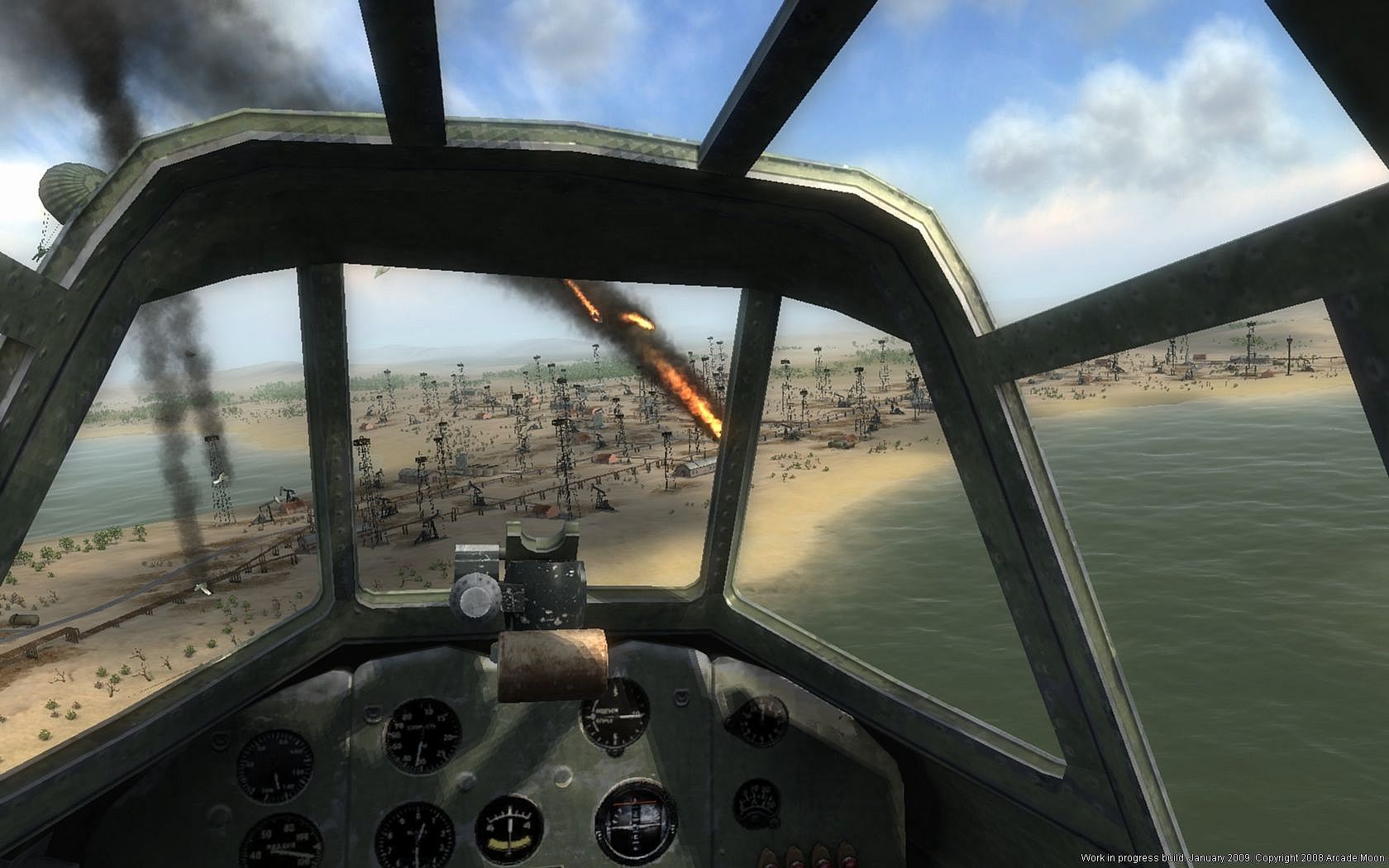
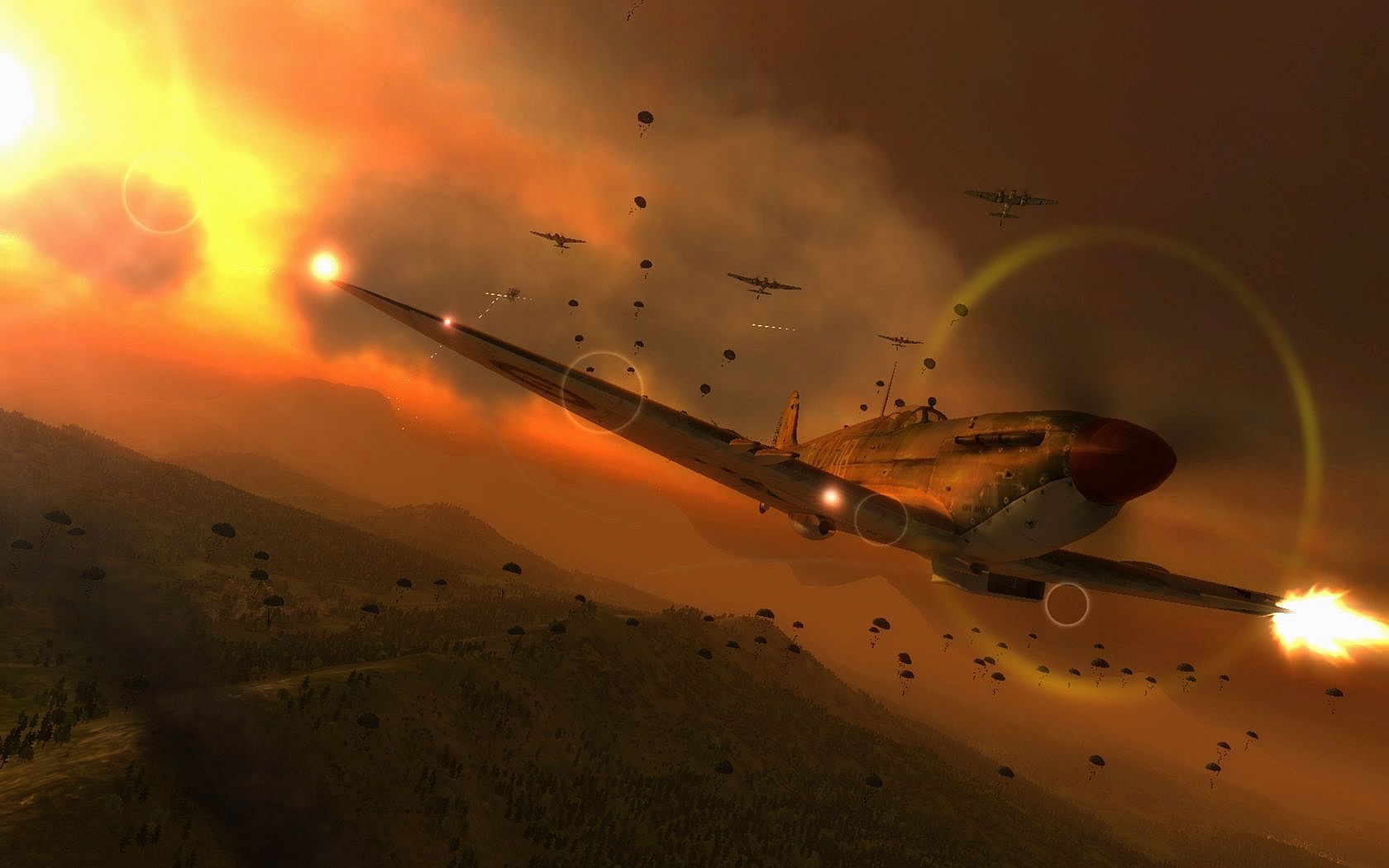
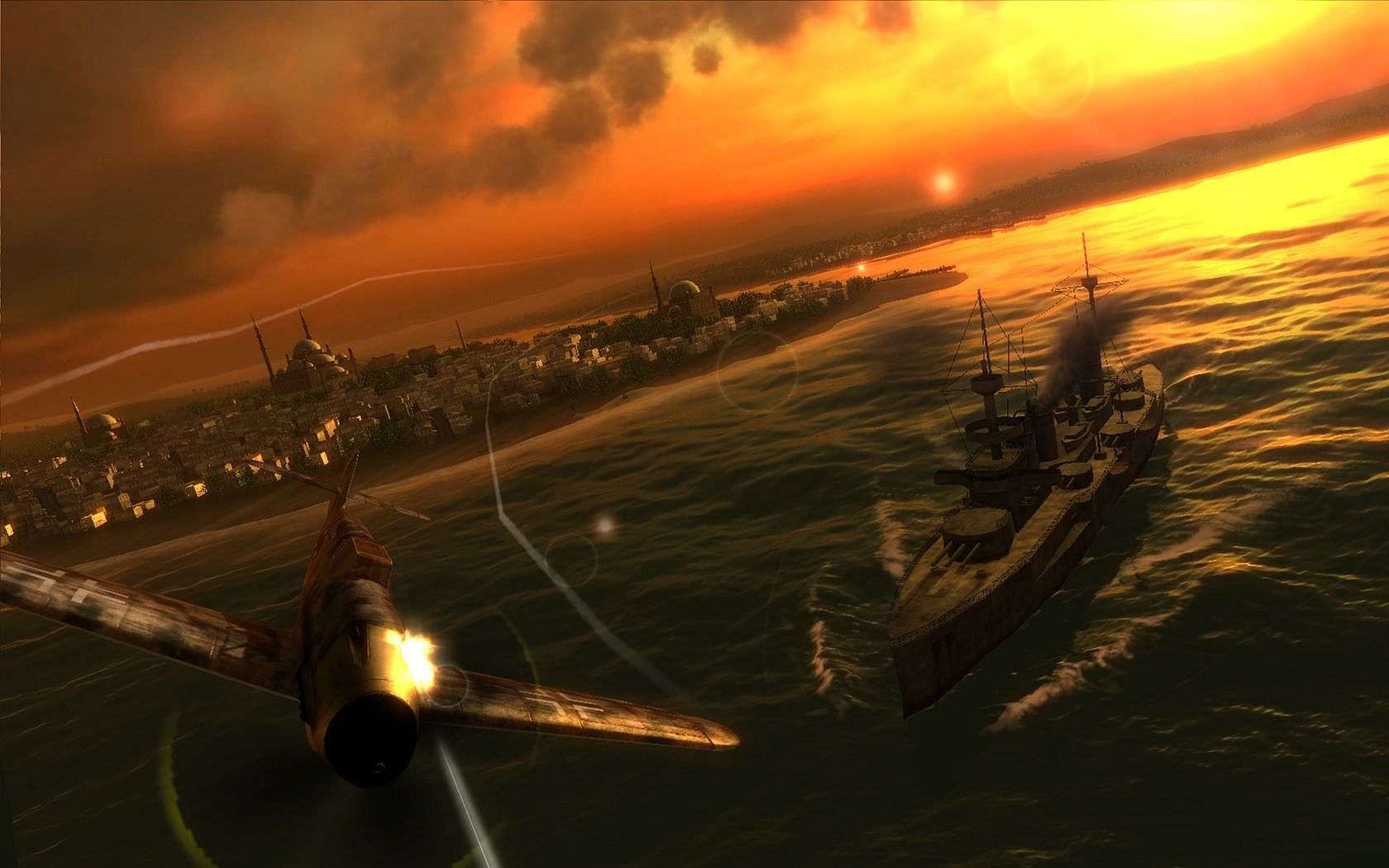
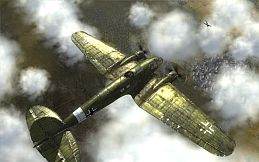
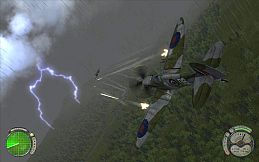
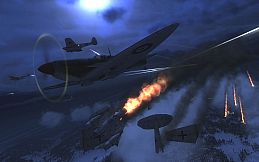
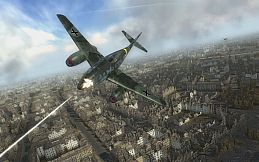
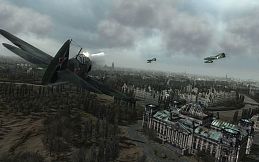
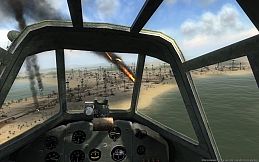
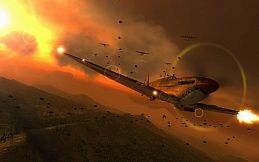
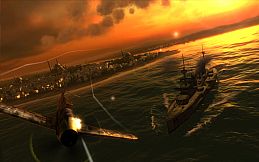
Air Conflicts: Secret Wars is an arcade flight simulation game focused on air combat during World War I and World War II. Players take on the role of pilots in resistance movements, completing objectives across a series of missions while managing aircraft selection and skill progression.
Gameplay
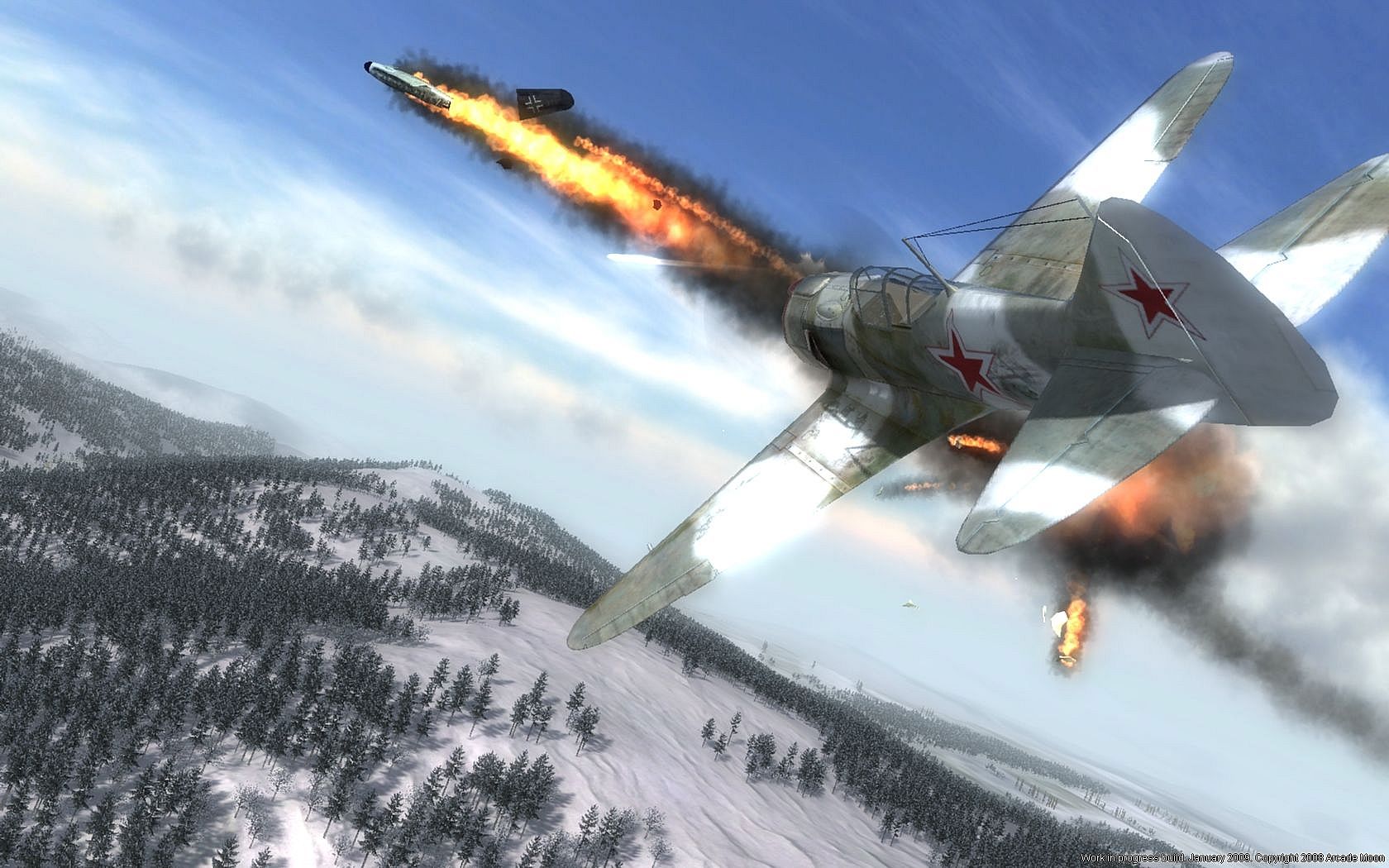
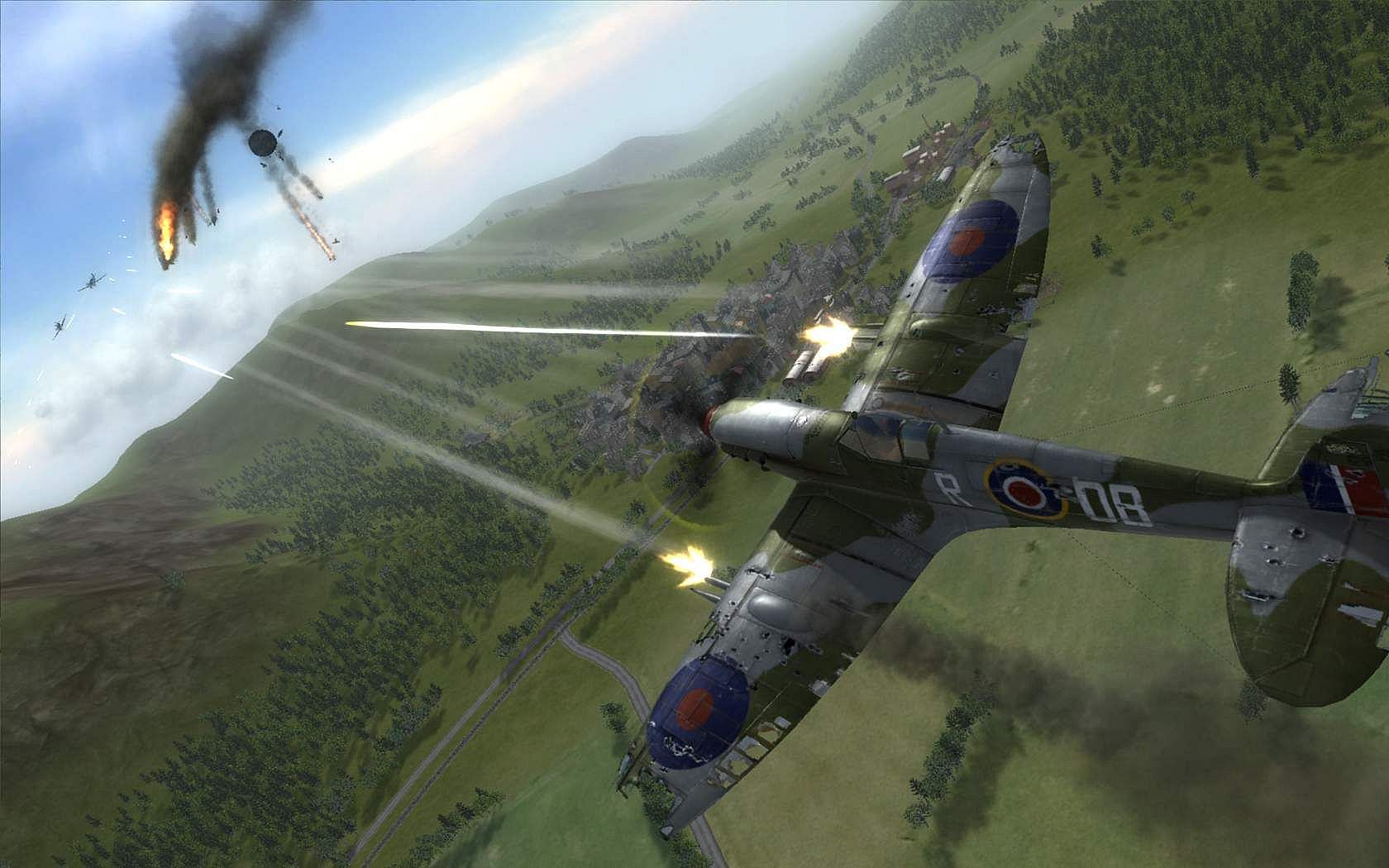
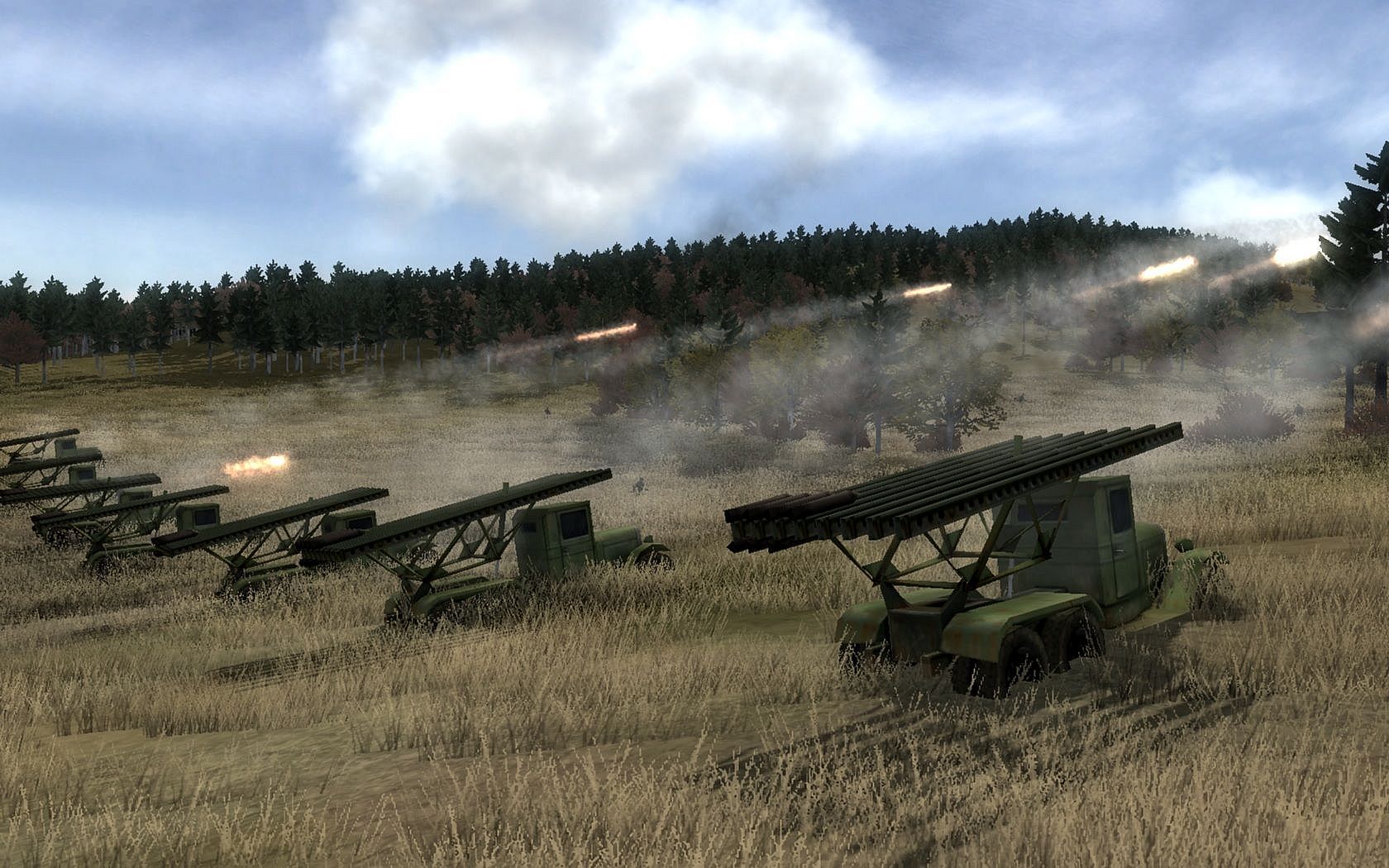
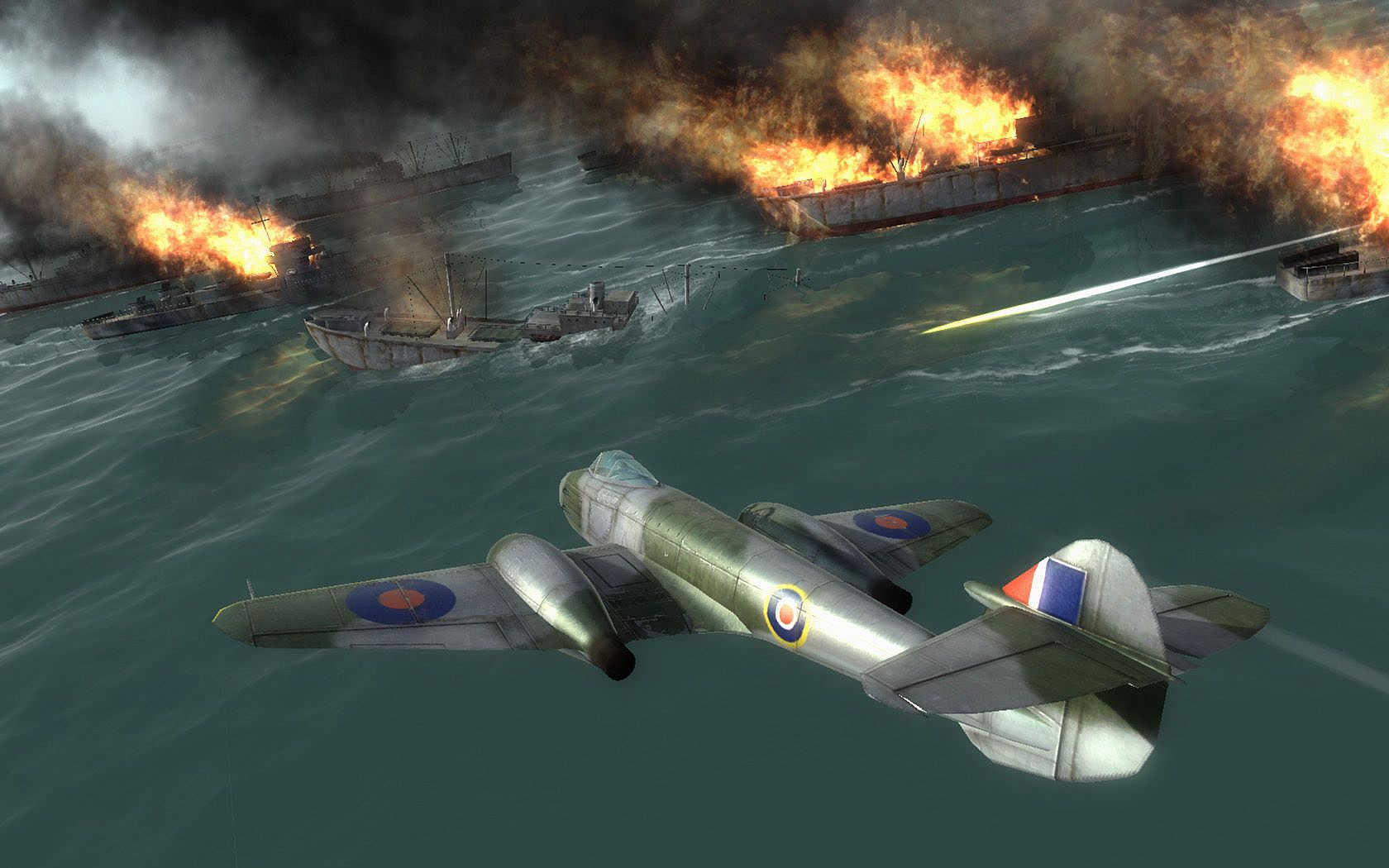
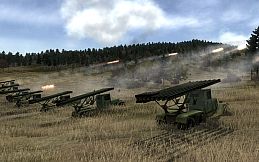
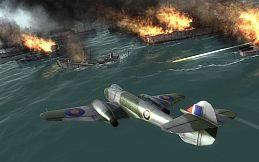
The core loop centers on selecting an aircraft before each mission, with each plane offering distinct strengths and weaknesses in speed, maneuverability, and armament. Missions unfold through objectives communicated via character dialogues, requiring players to handle tasks such as patrolling airspace, sneaking past defenses, executing hit-and-run attacks, bombing targets, or escorting allies. Combat involves machine gun fire in dogfights, bombing ground positions, and launching rockets at troops or vehicles.
After completing certain missions, players earn opportunities to upgrade skills that improve aircraft handling, increase endurance during flights, or enhance wingman performance. Two control schemes allow adjustment of difficulty: the arcade option simplifies inputs for broader accessibility, while the simulation scheme provides finer control over throttle, pitch, and yaw for those seeking greater precision. Controls support mouse and keyboard or gamepad inputs.
Over twenty distinct landscapes appear throughout the experience, rendered with attention to historical detail from the relevant eras. More than sixteen aircraft models from both world wars are available, each modeled with period-appropriate features.
Game Modes
Single-player content forms the main experience through seven campaigns that span resistance operations in the Second World War, incorporating aircraft and elements from the First World War as well. These campaigns deliver more than forty-eight missions that mix direct combat, stealth approaches, and exploratory elements.
Multiplayer support includes several modes playable locally or over the internet with up to four participants. These options extend the air combat focus beyond the campaign structure, allowing competitive or cooperative sessions in the same arcade-style flight mechanics.
Campaign Structure and Progression
Each of the seven campaigns draws from historical resistance movements, guiding players through sequential missions that build on prior events. Aircraft choices influence mission success, and the skill upgrades accumulated over time create a sense of gradual improvement in handling tougher encounters. The mix of mission types prevents repetition by alternating between aggressive engagements and more measured approaches.
Objectives update dynamically during flights, keeping players oriented without overwhelming complexity. This structure suits both short sessions and longer playthroughs, with the two control schemes enabling customization based on player preference.
Is It Worth Playing?
Player reception on major platforms shows mostly positive feedback, with users highlighting the accessible arcade flight mechanics and the variety of missions across the campaigns. The game appeals particularly to those interested in straightforward air combat without the steep learning curve of full simulation titles.
Its 2011 release means no ongoing updates or seasonal content, yet the core systems remain intact for new players seeking a compact single-player campaign paired with limited multiplayer options. Those who enjoy choosing between arcade and simulation controls, upgrading pilot skills, and engaging in dogfights or bombing runs will find a focused experience here.
Overall, the title suits fans of historical air combat games who prefer arcade pacing over realistic physics. It delivers consistent mission variety and aircraft selection without requiring extensive time investment.