


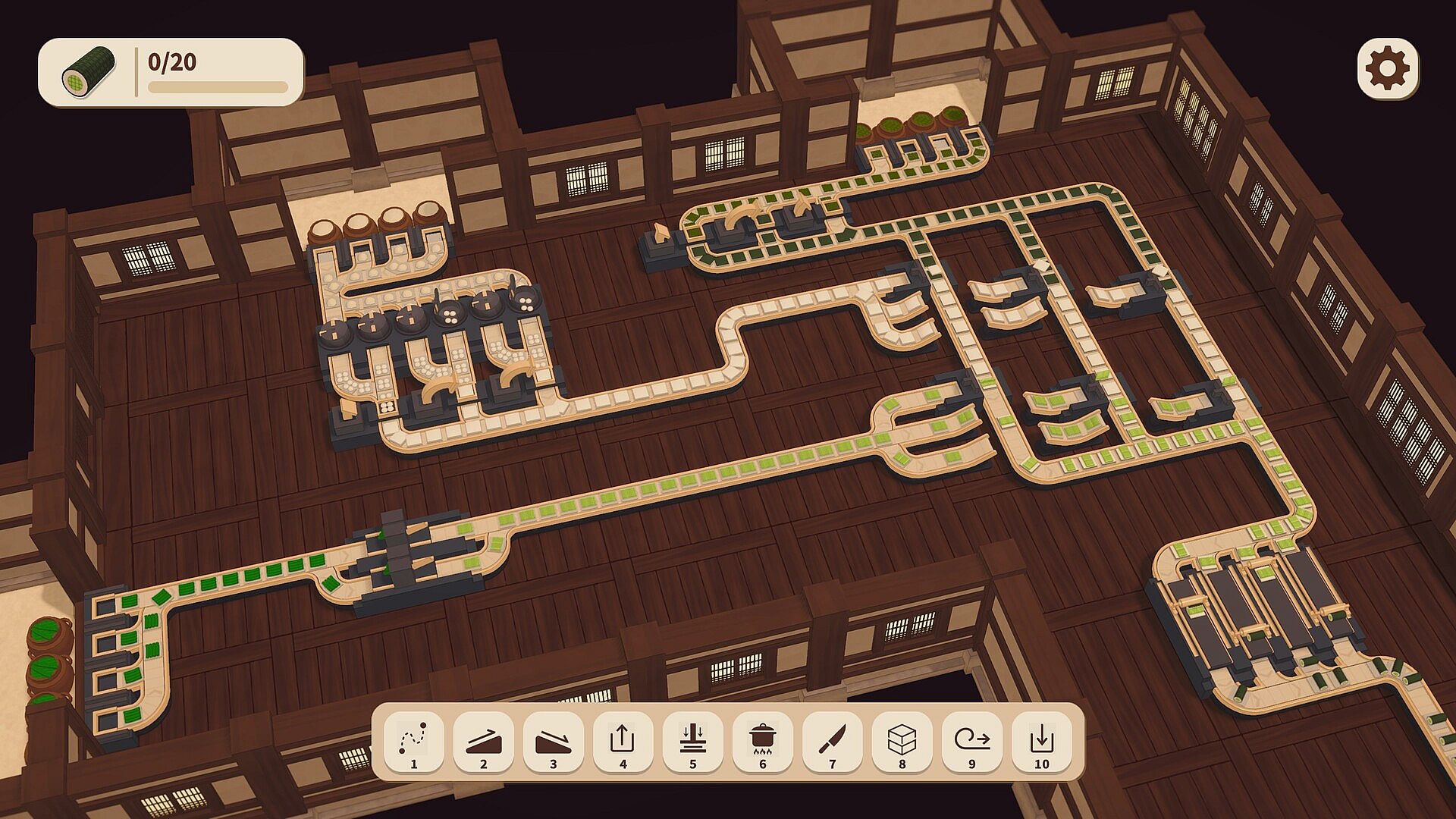
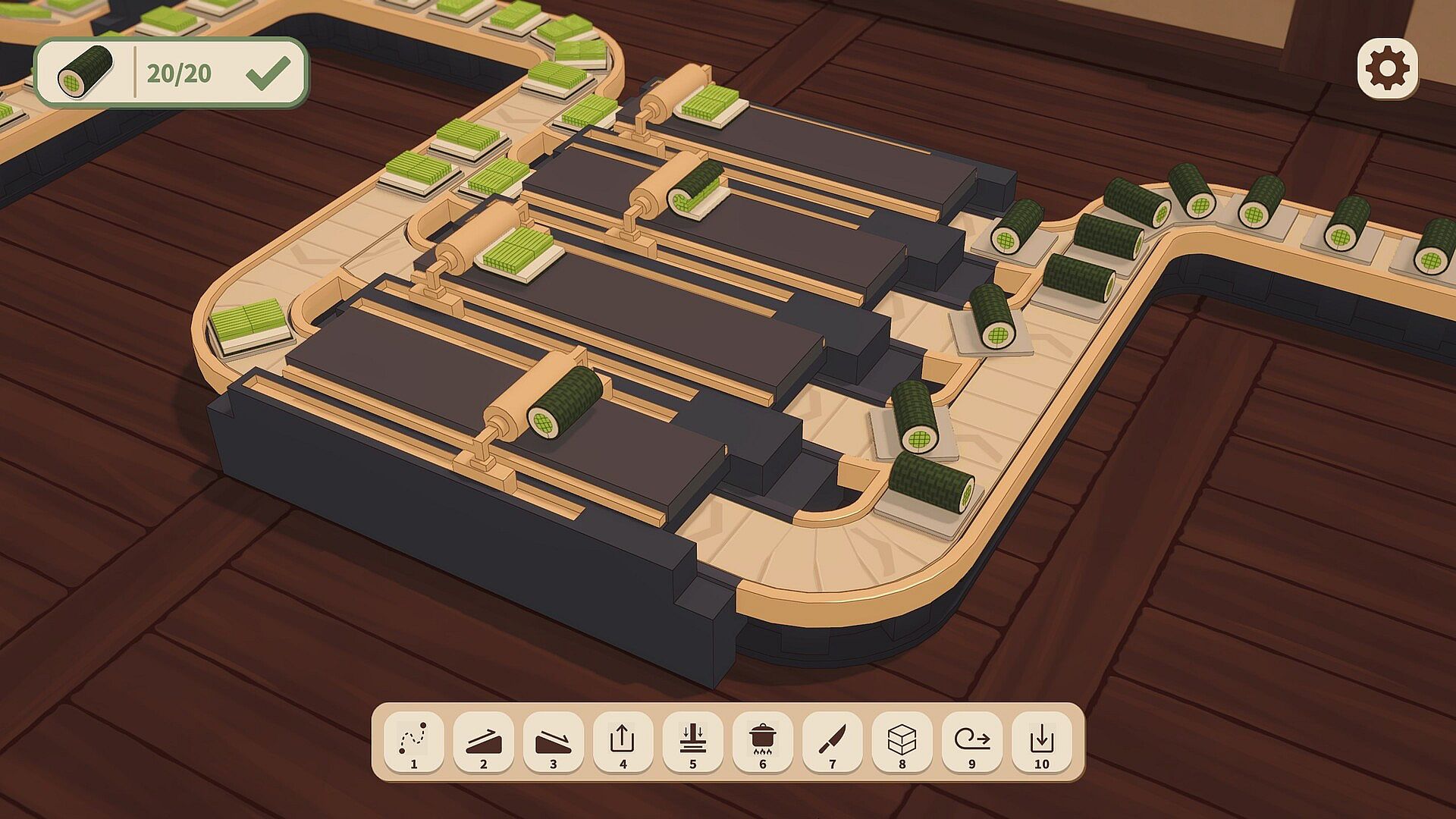
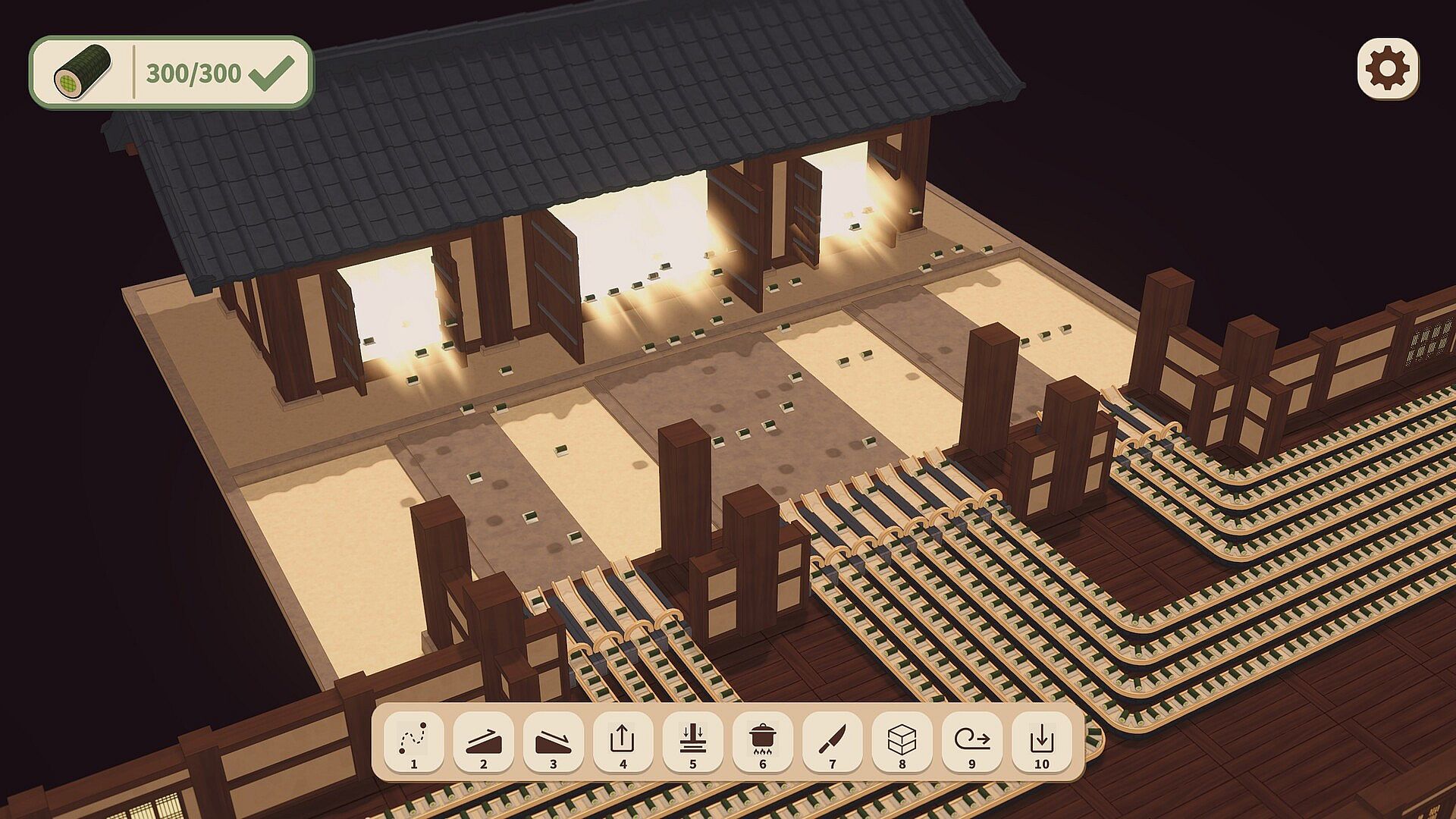
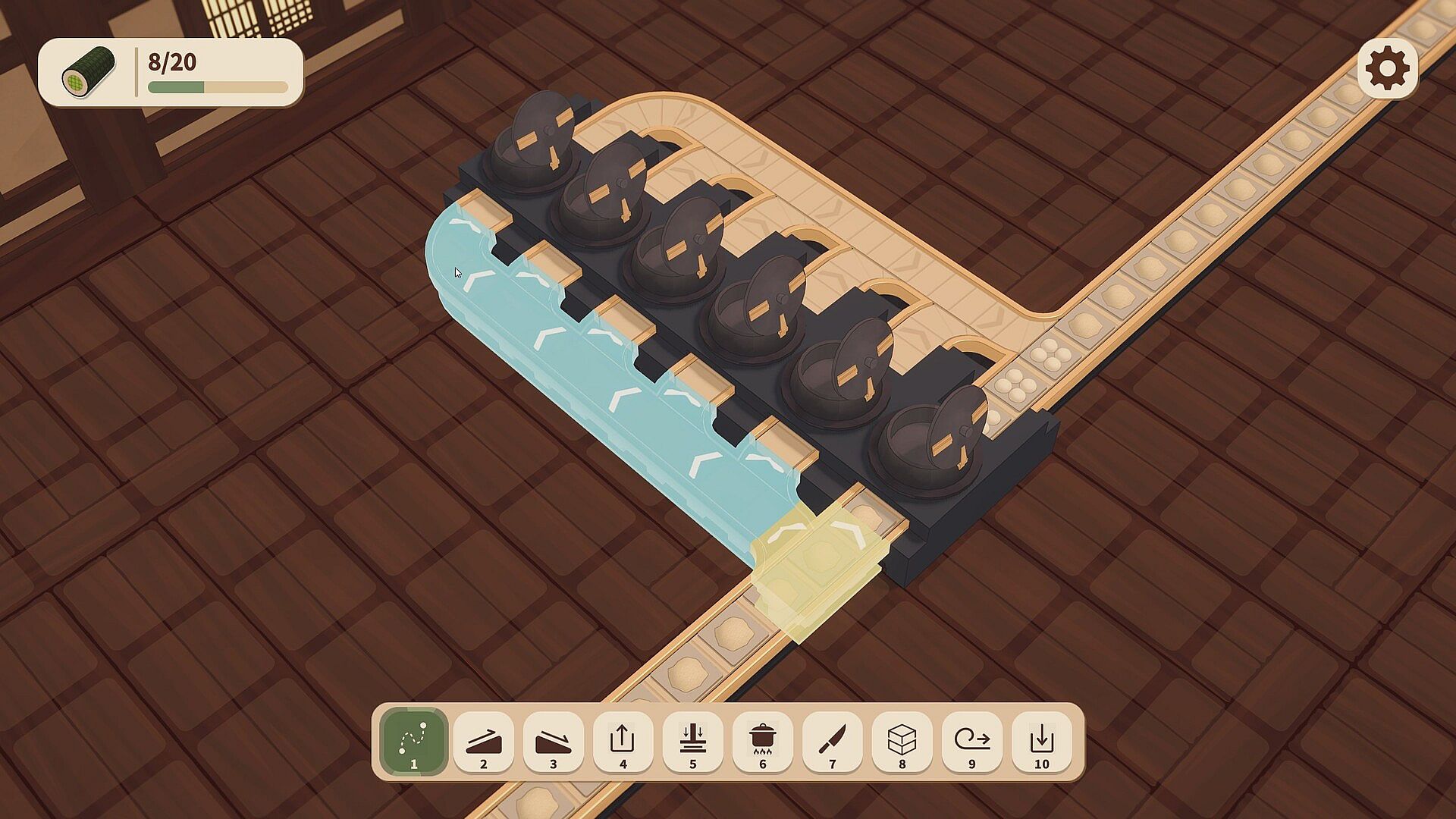
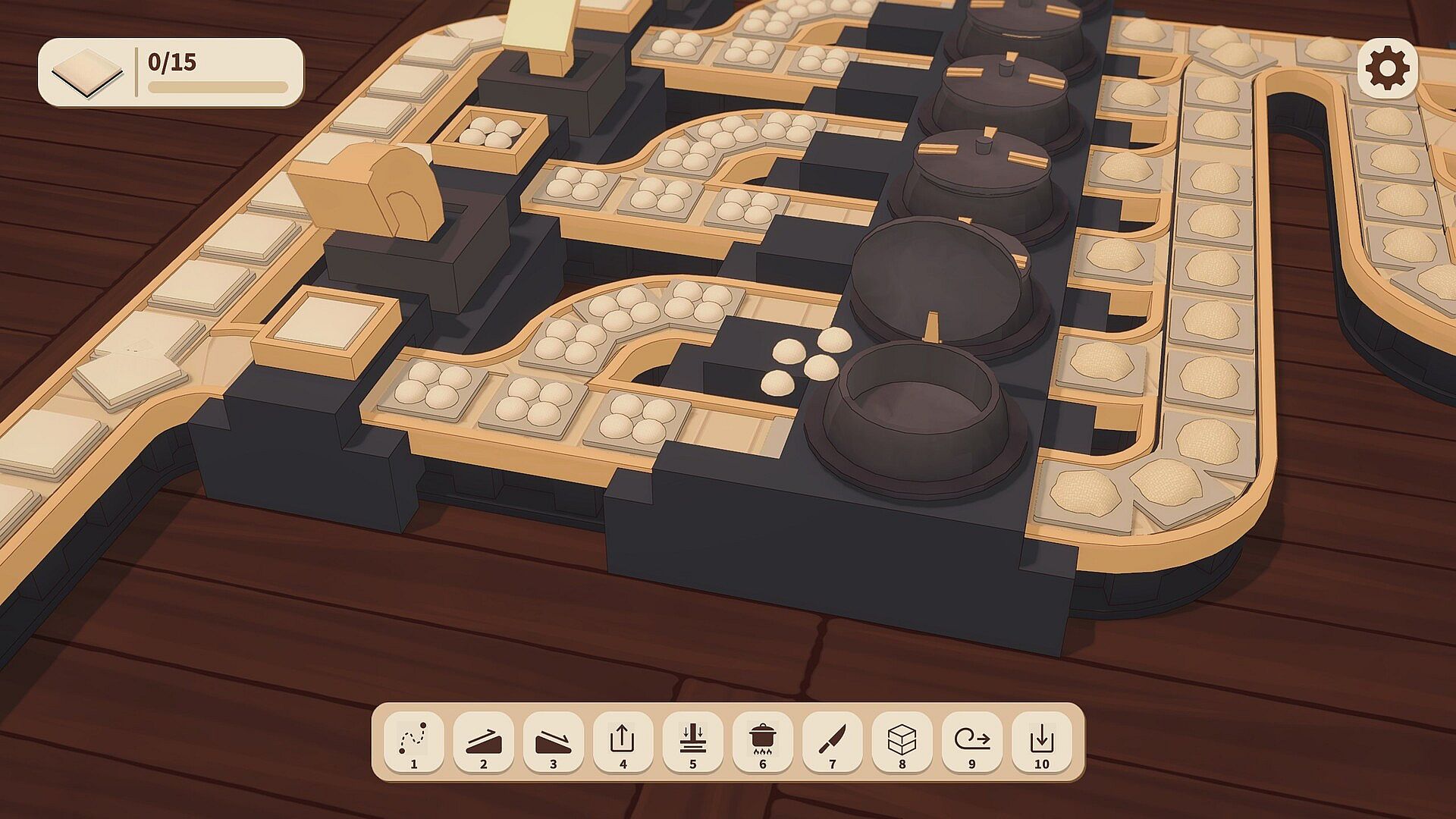
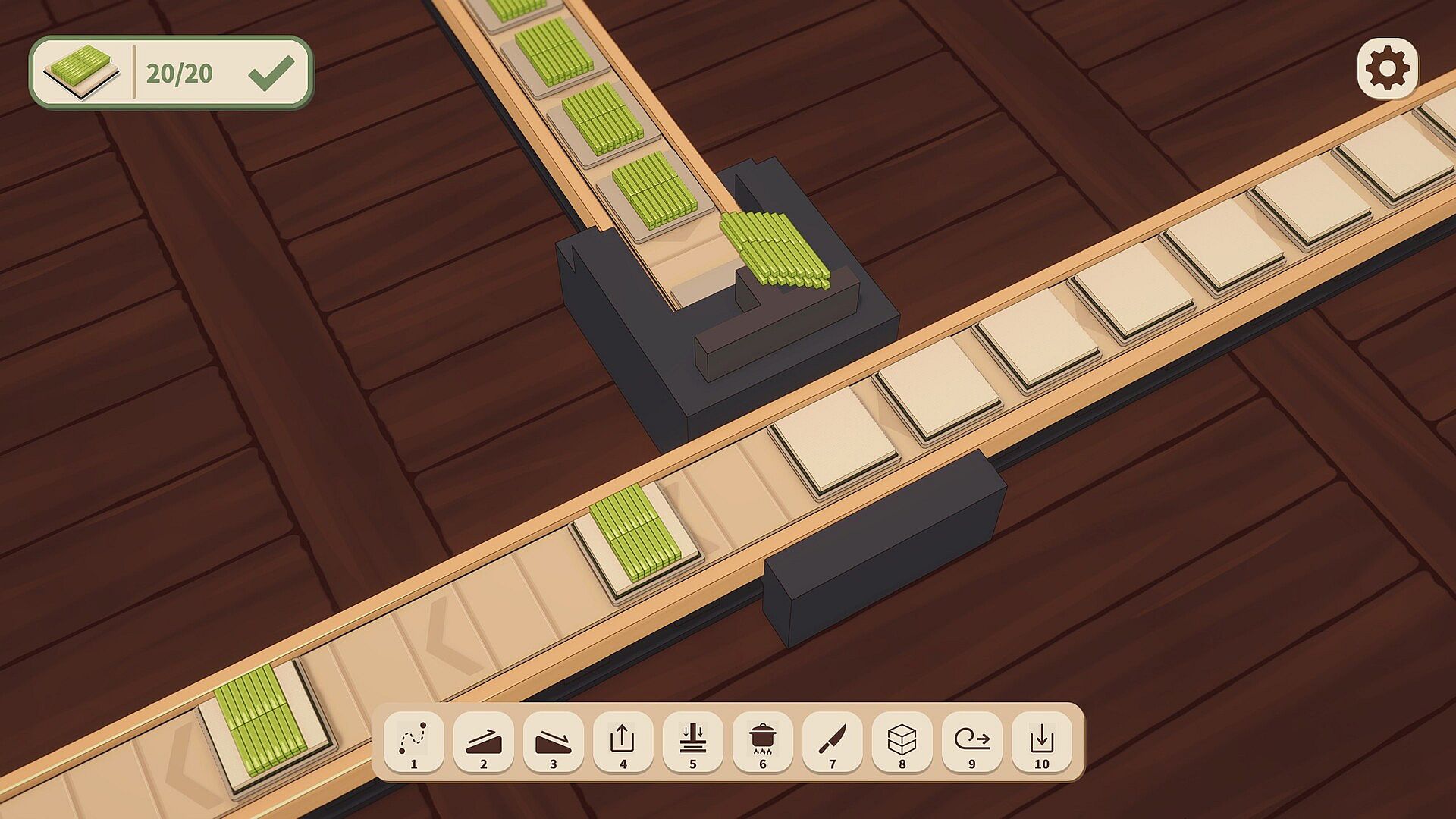
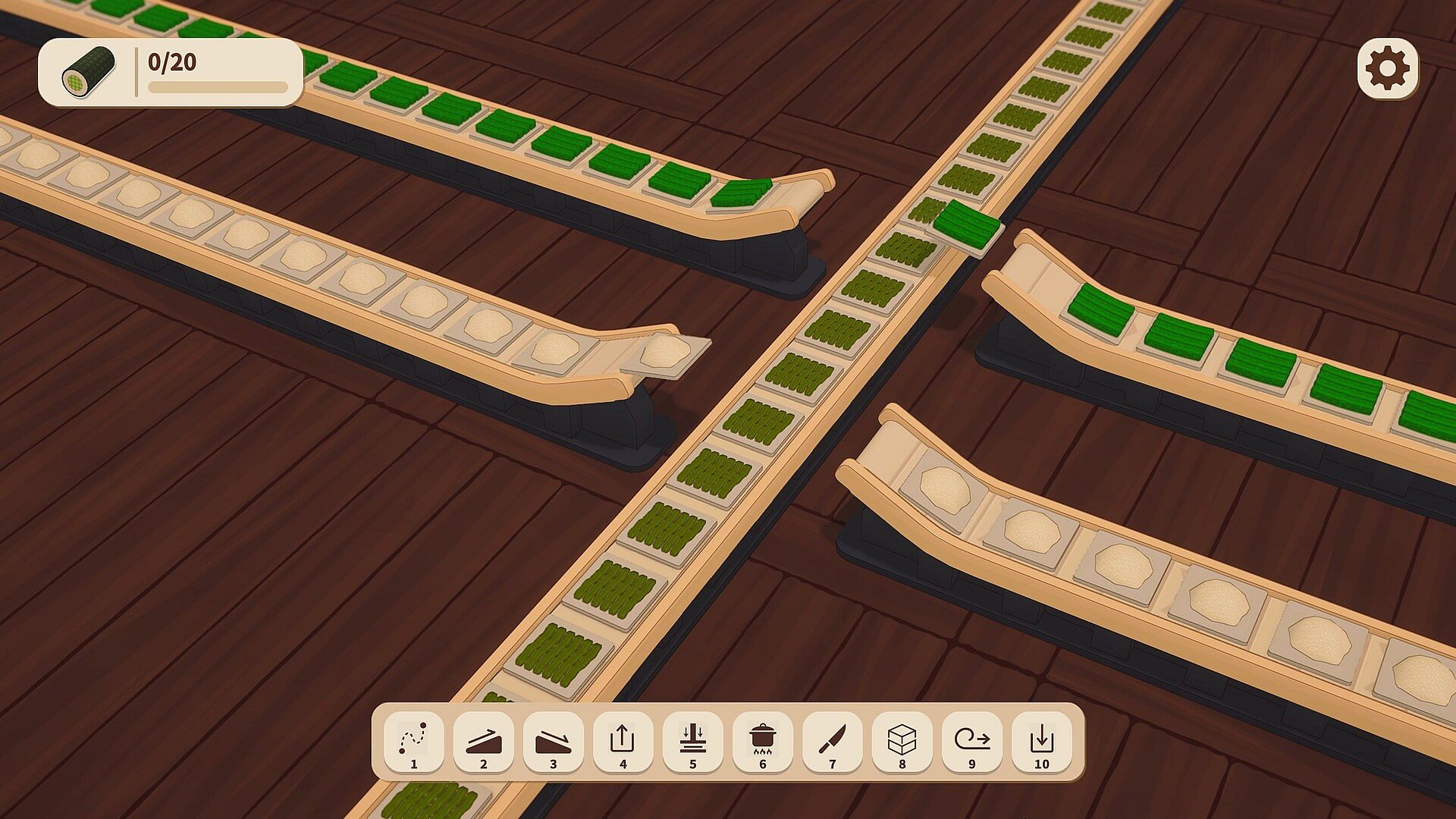
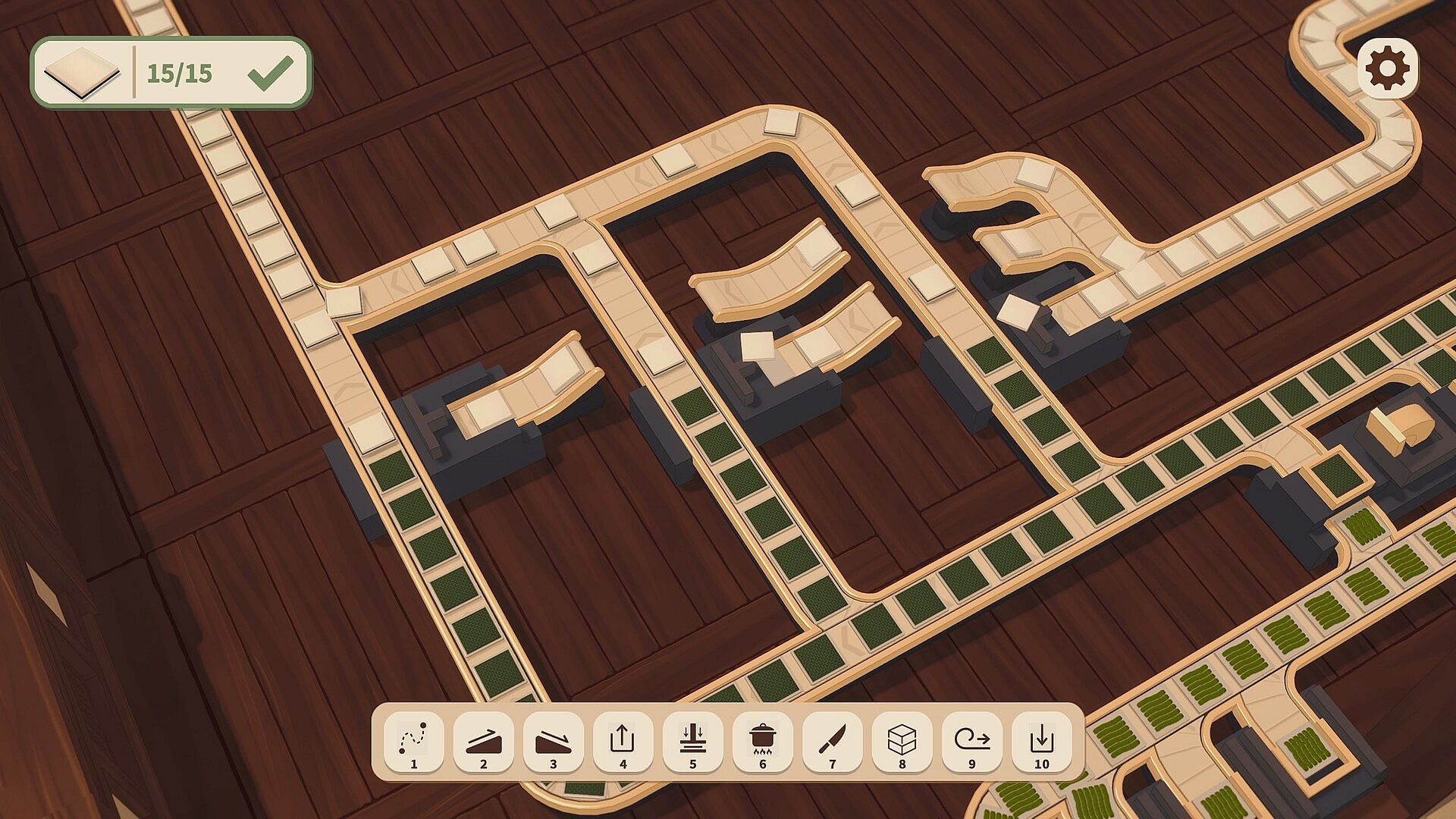
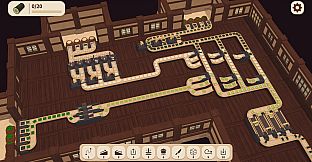
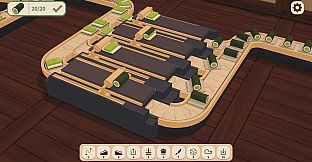
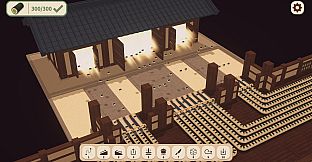
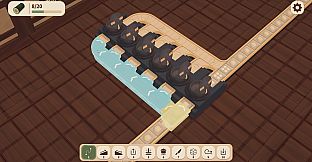
Kimbap Factory is a simulation game on PC that puts players in charge of an automated Korean kitchen dedicated to producing kimbap. The experience centers on conveyor belts, ingredient processing, and precise assembly lines rather than combat or time limits. Players design layouts, route materials, and observe production in real time while uncovering recipes tied to a family legacy.
Gameplay
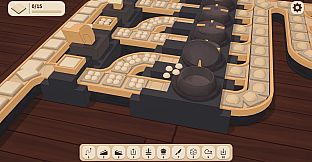
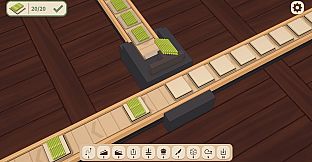
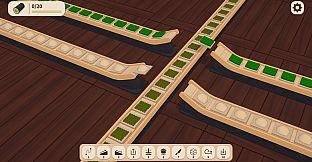
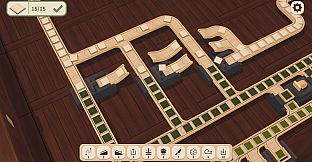
The core loop involves placing specialized machines and connecting conveyor belts to move ingredients through peeling, chopping, shredding, stacking, rolling, and slicing stages. Every step happens visibly on screen, giving immediate visual feedback on line efficiency. Raw items transform step by step as they travel, allowing quick identification of issues like blockages or shortages without opening menus.
Building tools support free placement, demolition, and rebuilding with no resource penalties. Copy, paste, undo, and redo functions encourage experimentation on kitchen layouts. The simulation tracks every ingredient individually even in large setups, maintaining performance regardless of scale. Belt speeds and machine throughput can be upgraded to ease congestion and raise output over time.
Progress comes from fulfilling village requests, which unlock new ingredients and machinery. An unfinished cookbook serves as the main driver, with missing pages revealing additional recipes that incorporate vegetables, meats, and seafood. An interactive databook logs each produced item with exact processing chains and future transformation options to aid planning.
Game Modes
Kimbap Factory operates as a single-player experience with no competitive or timed elements. The entire game runs at the player's chosen pace, emphasizing relaxed factory building and recipe discovery. There are no separate modes listed; progression occurs through kitchen expansion, request completion, and gradual automation improvements within the same continuous environment.
Exploration focuses on restoring an abandoned house by scaling production lines. Visual diagnostics across belts highlight bottlenecks or supply problems at a glance, supporting steady optimization without external pressure or fail states.
Key Features and Mechanics
Conveyor routing forms the foundation, with machines handling physical assembly of each kimbap roll. Ingredients move visibly through processing stages, creating a satisfying loop of observation and adjustment. Recipe variety grows through discovery, covering dozens of combinations drawn from Korean comfort food traditions.
Expansion involves adding specialized equipment and increasing throughput via upgrades. The system simulates every item in real time, supporting sprawling layouts without performance loss. Frictionless tools remove barriers to redesign, letting players refine layouts repeatedly as new elements become available.
Is It Worth Playing?
Kimbap Factory suits players who enjoy methodical factory automation in a low-stress setting. The absence of timers, enemies, or failure conditions makes it accessible for those seeking a calm building experience focused on layout optimization and visual production lines. Progression through recipe discovery and village requests provides steady goals without urgency.
With no user reviews available yet on its Steam page, reception remains unestablished. The game appeals most to fans of casual simulation titles that prioritize creative planning and watching automated systems operate smoothly. Availability is limited to PC through standard digital storefronts, and the current build emphasizes core automation features described in its official listing.