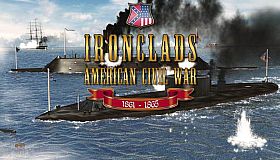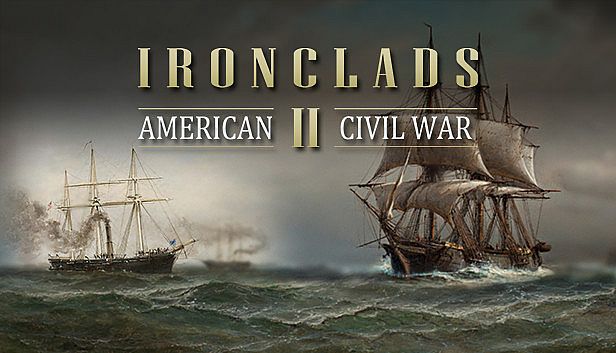















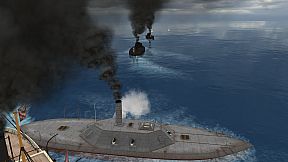
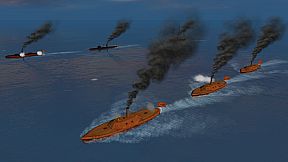
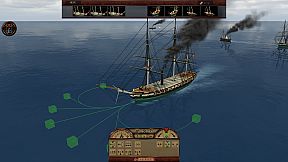
Ironclads 2: American Civil War is a strategy and simulation game centered on naval warfare during the American Civil War. Players manage fleets and armies across a historical setting that begins in 1862, with an alternate history element involving potential Austrian arms deals that could alter Union blockades and Confederate naval power. The title emphasizes realistic ship handling, crew progression, and combined strategic and tactical decision making on PC.
Gameplay
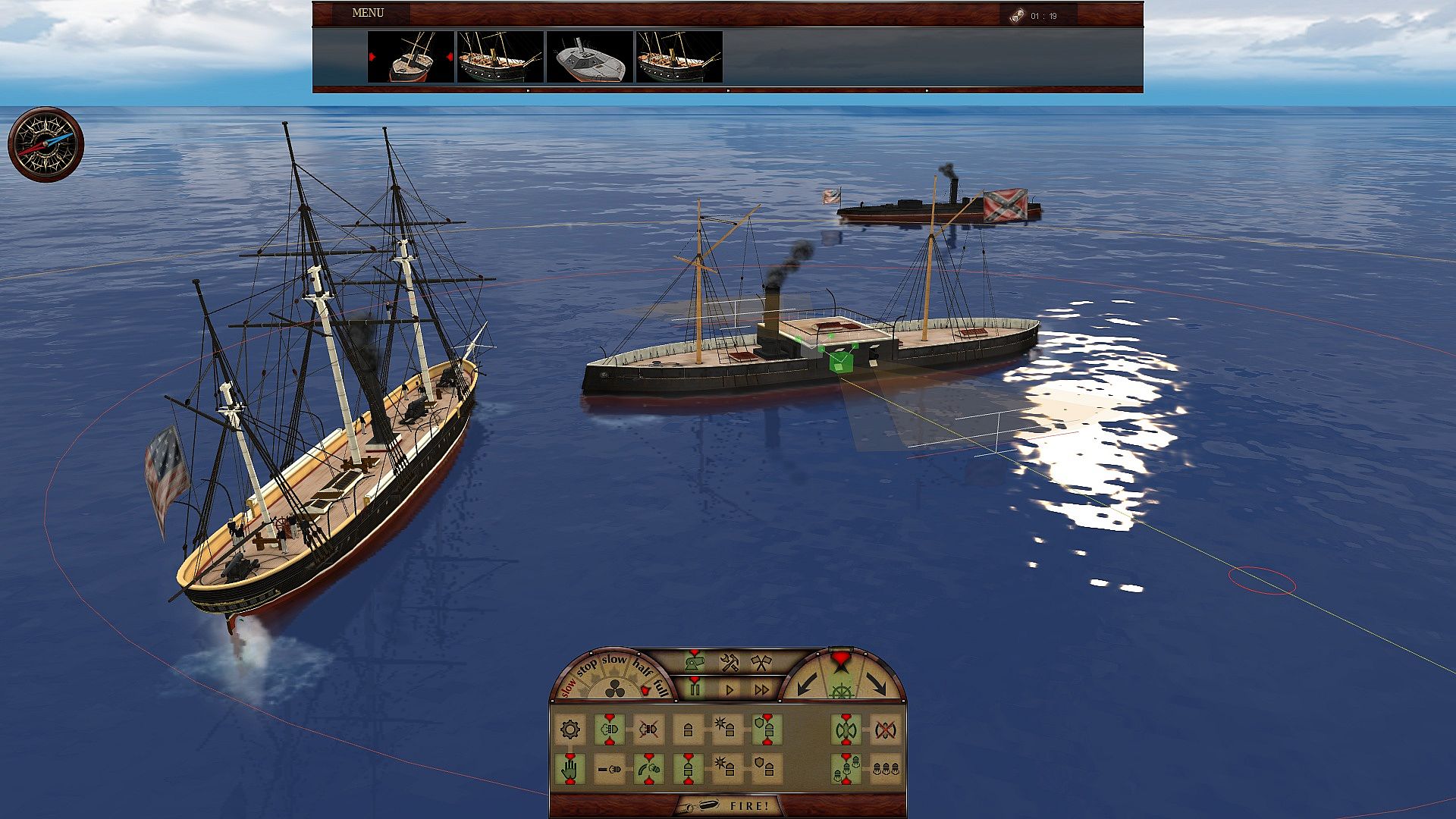
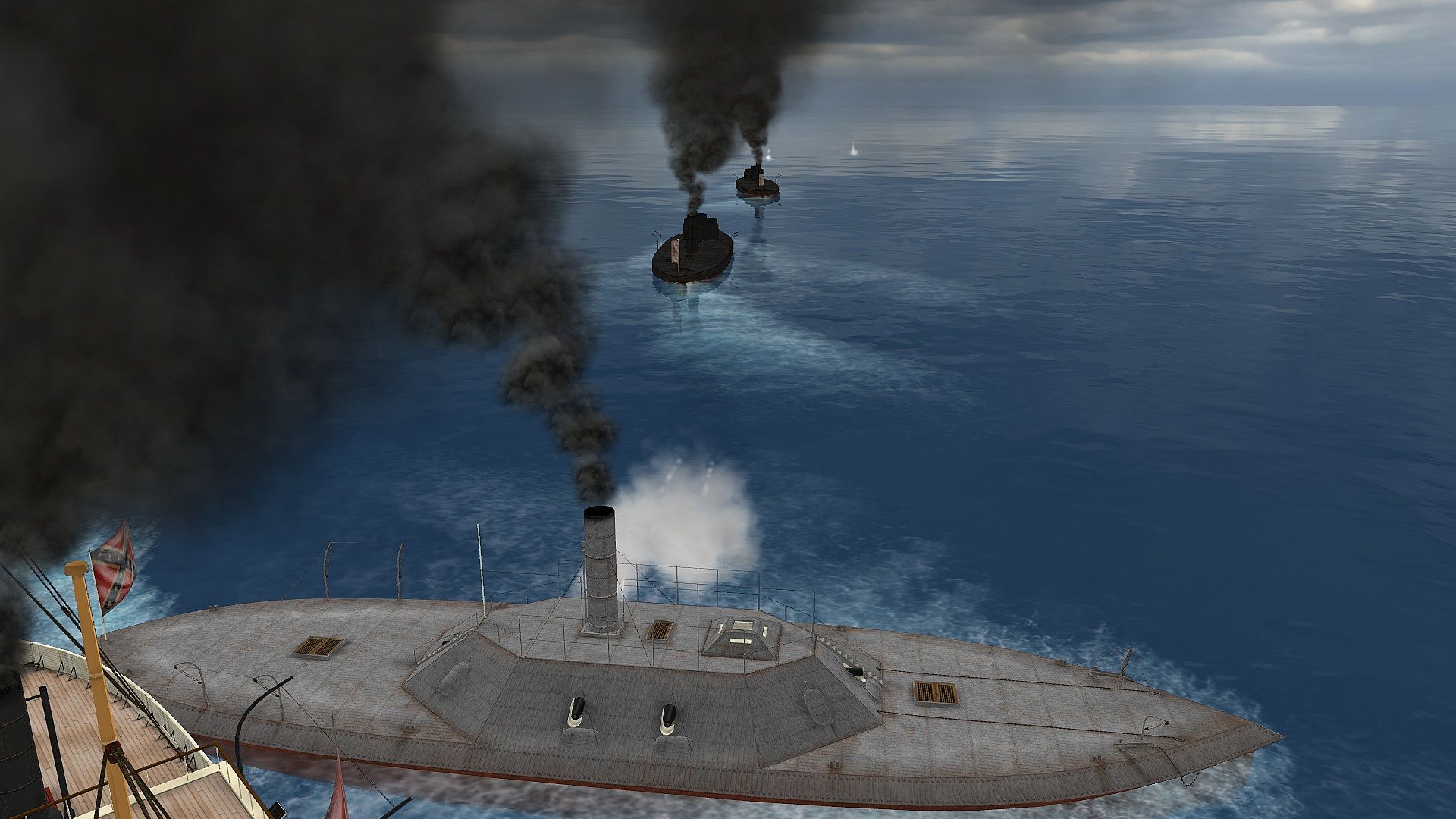
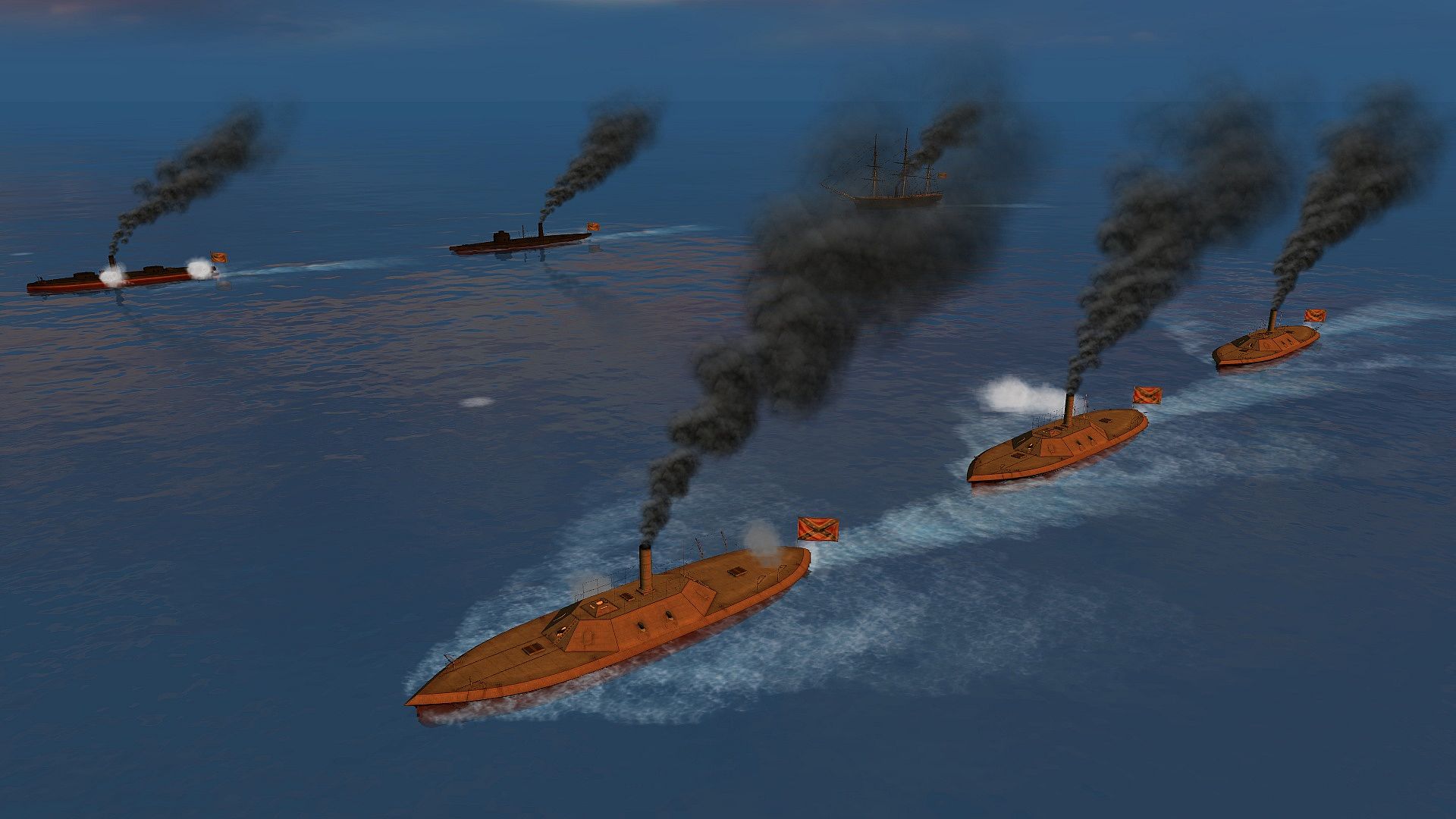
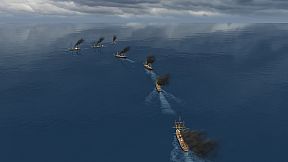
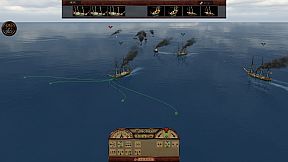
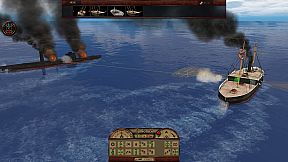
The core loop revolves around building and commanding squadrons of ironclad warships and support vessels. Players select ships with distinct characteristics, assign crews that gain experience over time, and position formations for engagements. Battles incorporate detailed ballistics, weapon performance, and damage modeling that affects ship stability and firepower. Strategic oversight includes protecting trade routes, reinforcing positions, and preparing amphibious operations while responding to enemy movements across the map.
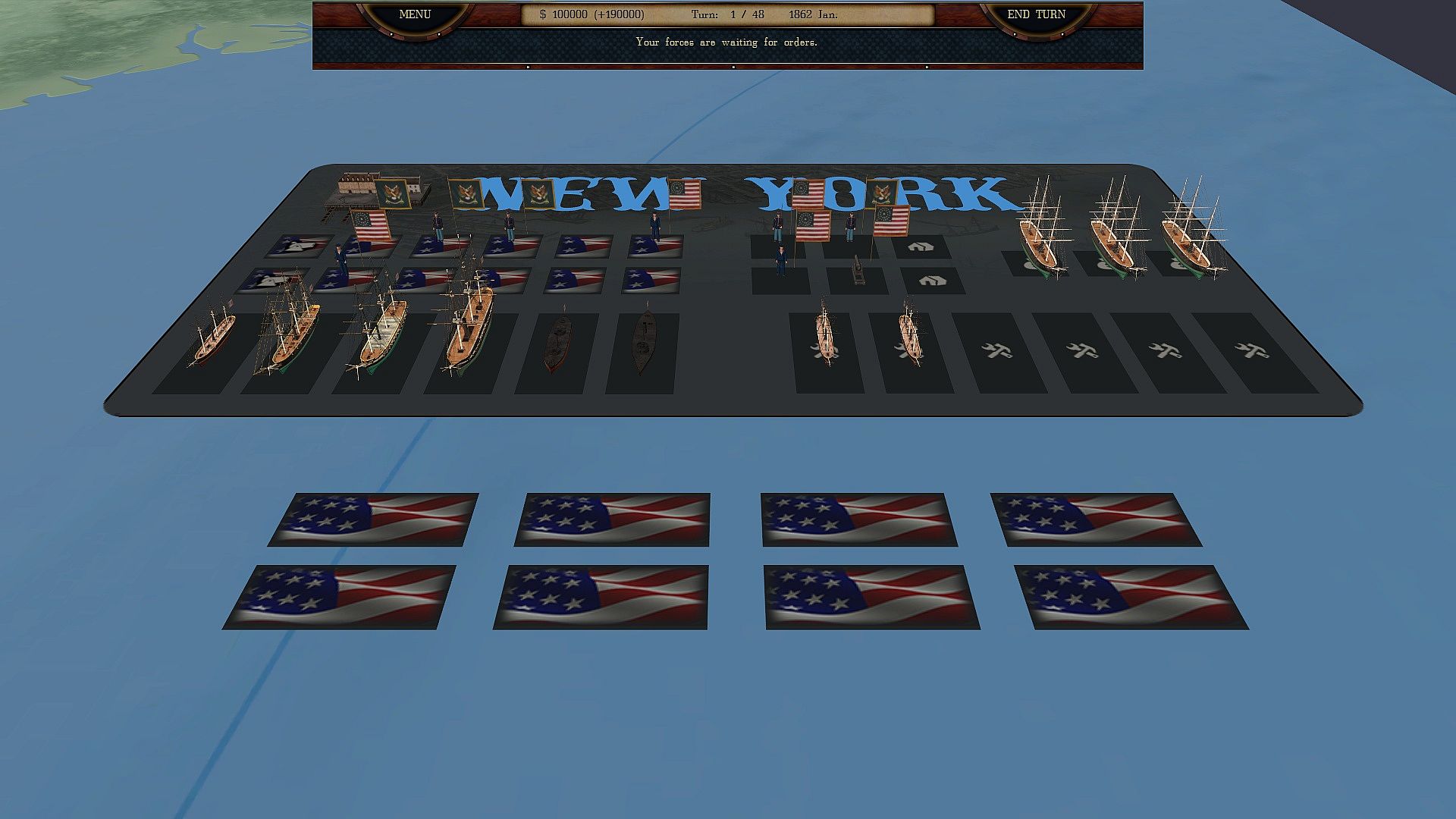
Resource allocation plays a central role, as investments in shore defenses, merchant vessels, or new warships influence long-term options. The game models the challenges of maintaining blockades and responding to threats on individual stations, requiring careful timing for reinforcements and repairs in safe harbors.
Game Modes
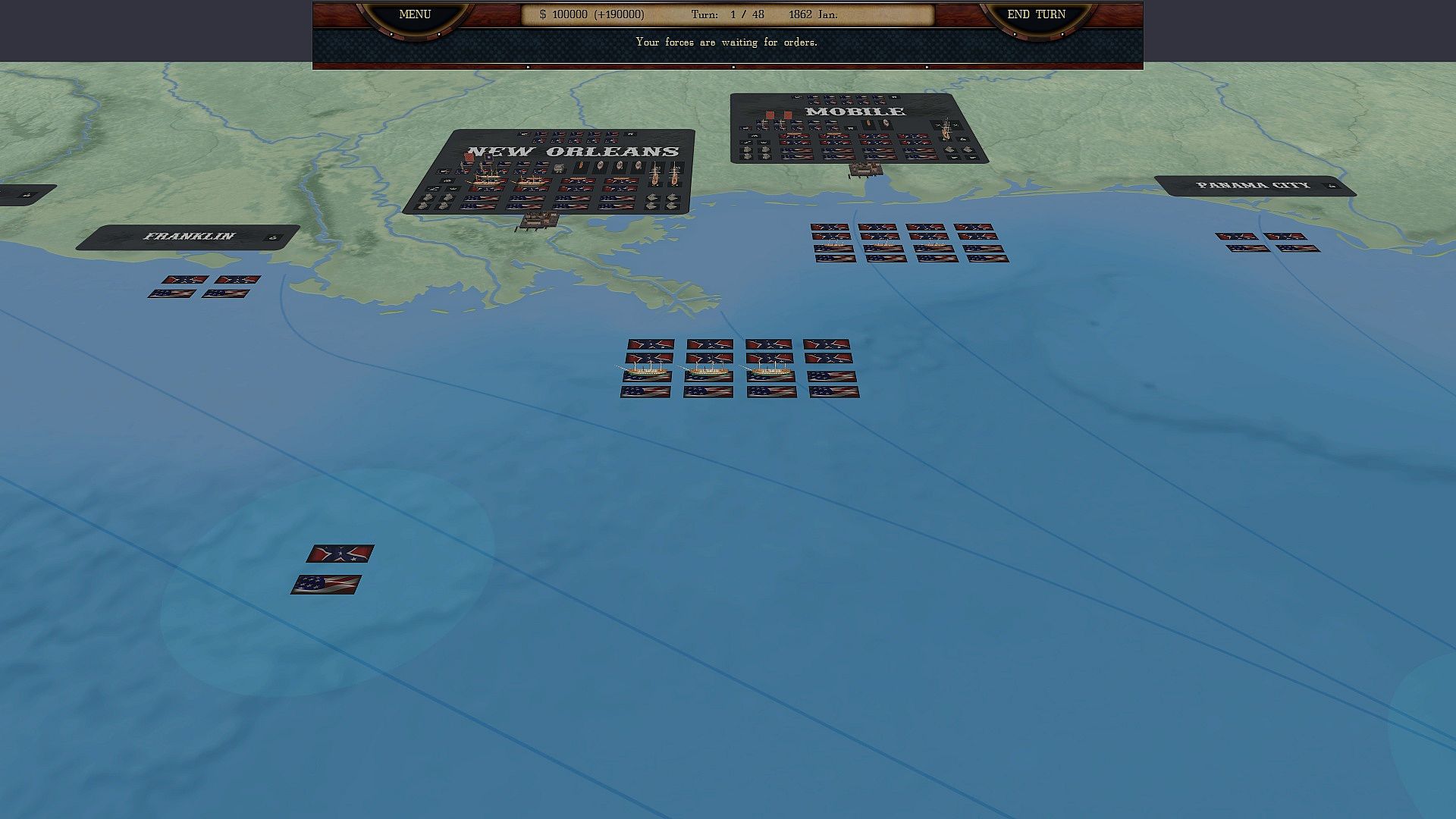
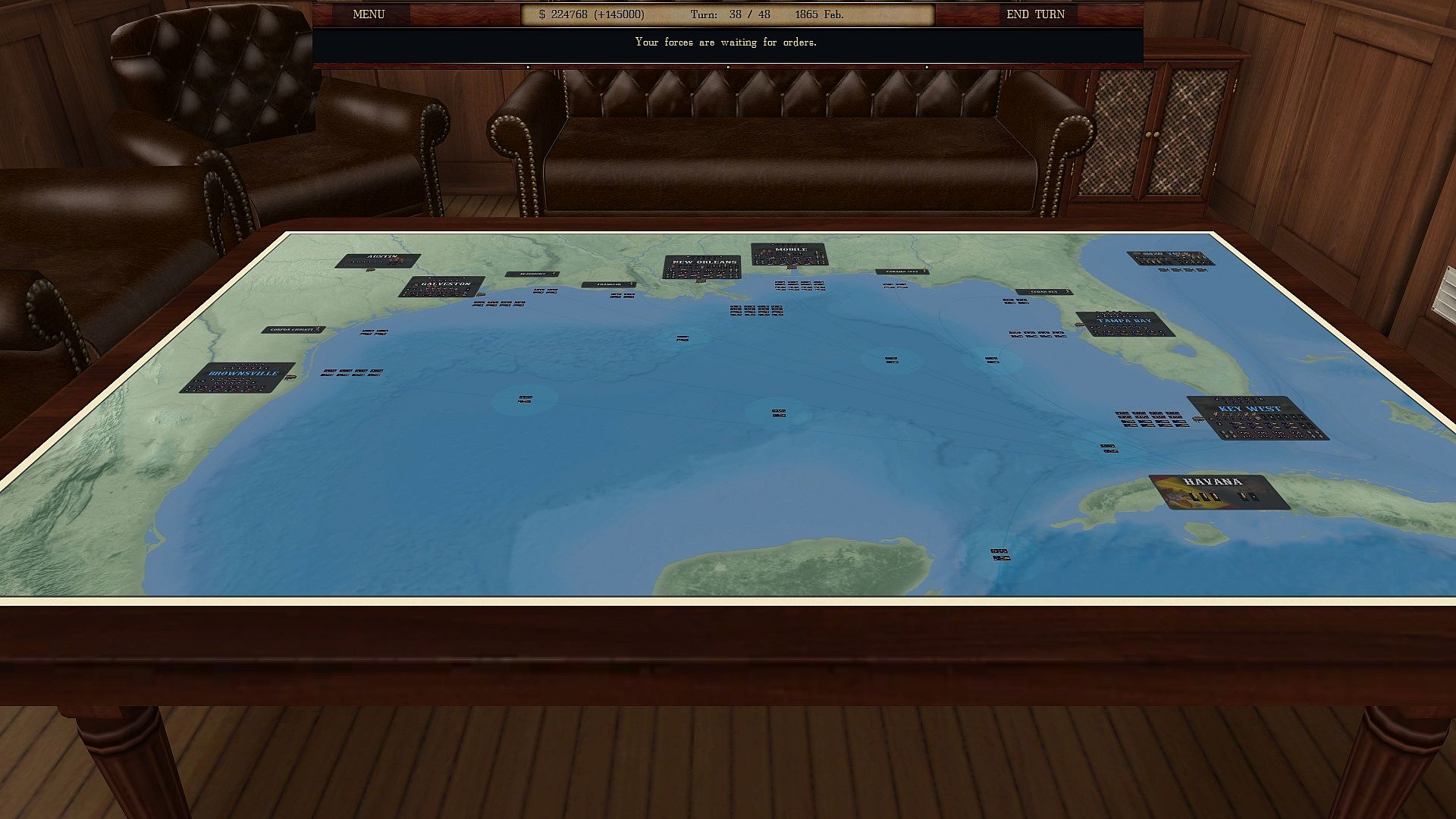
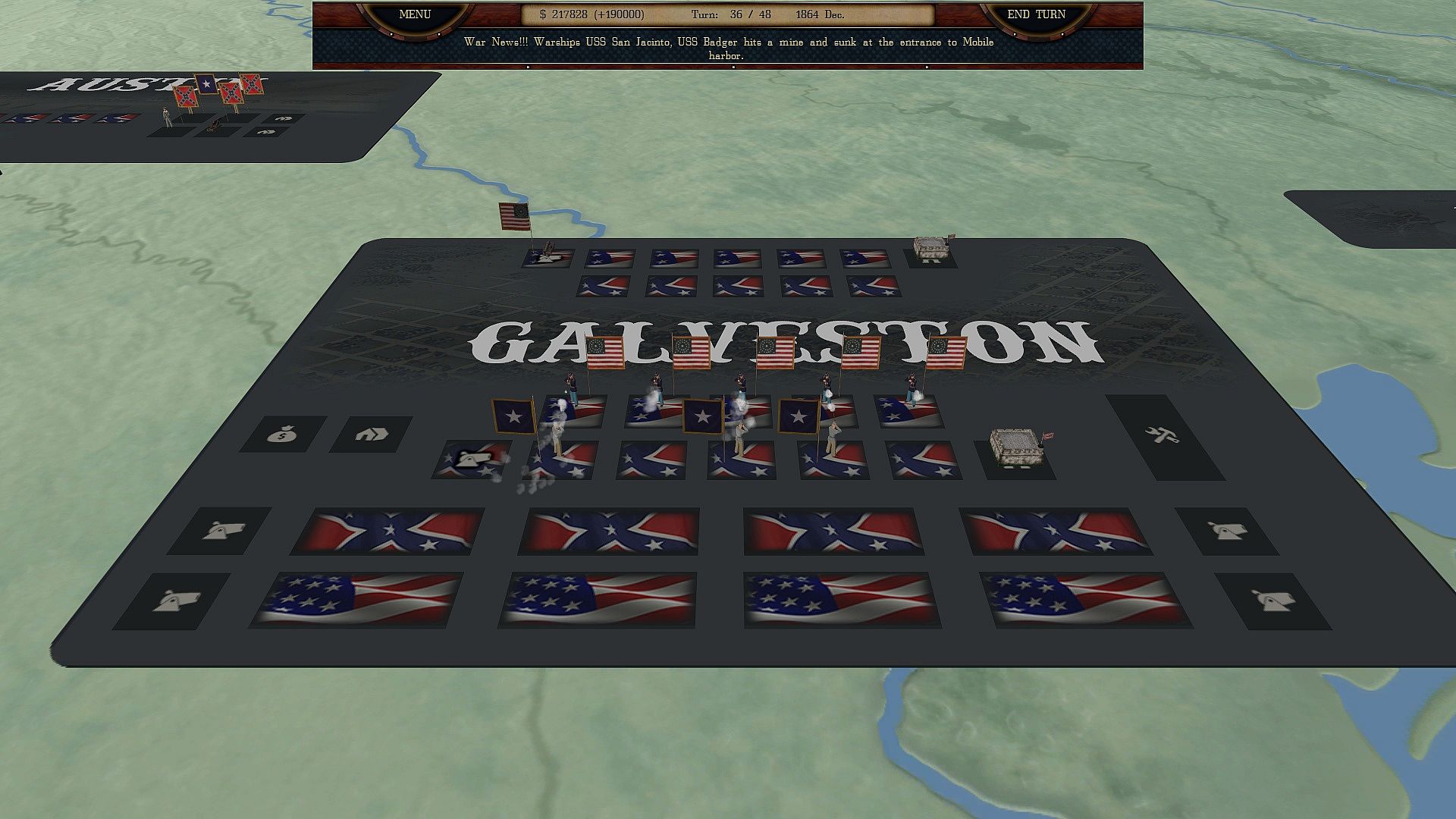
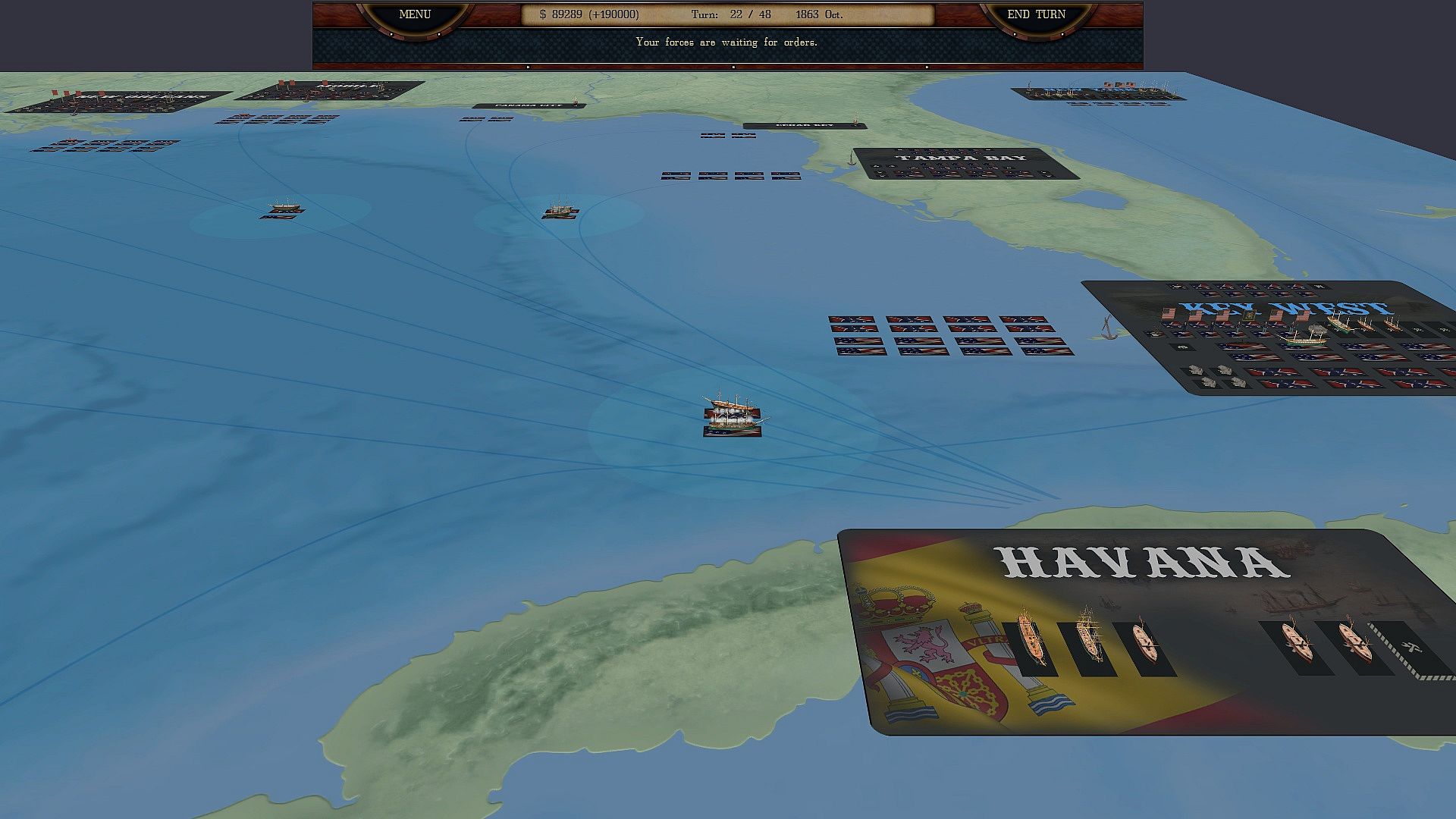
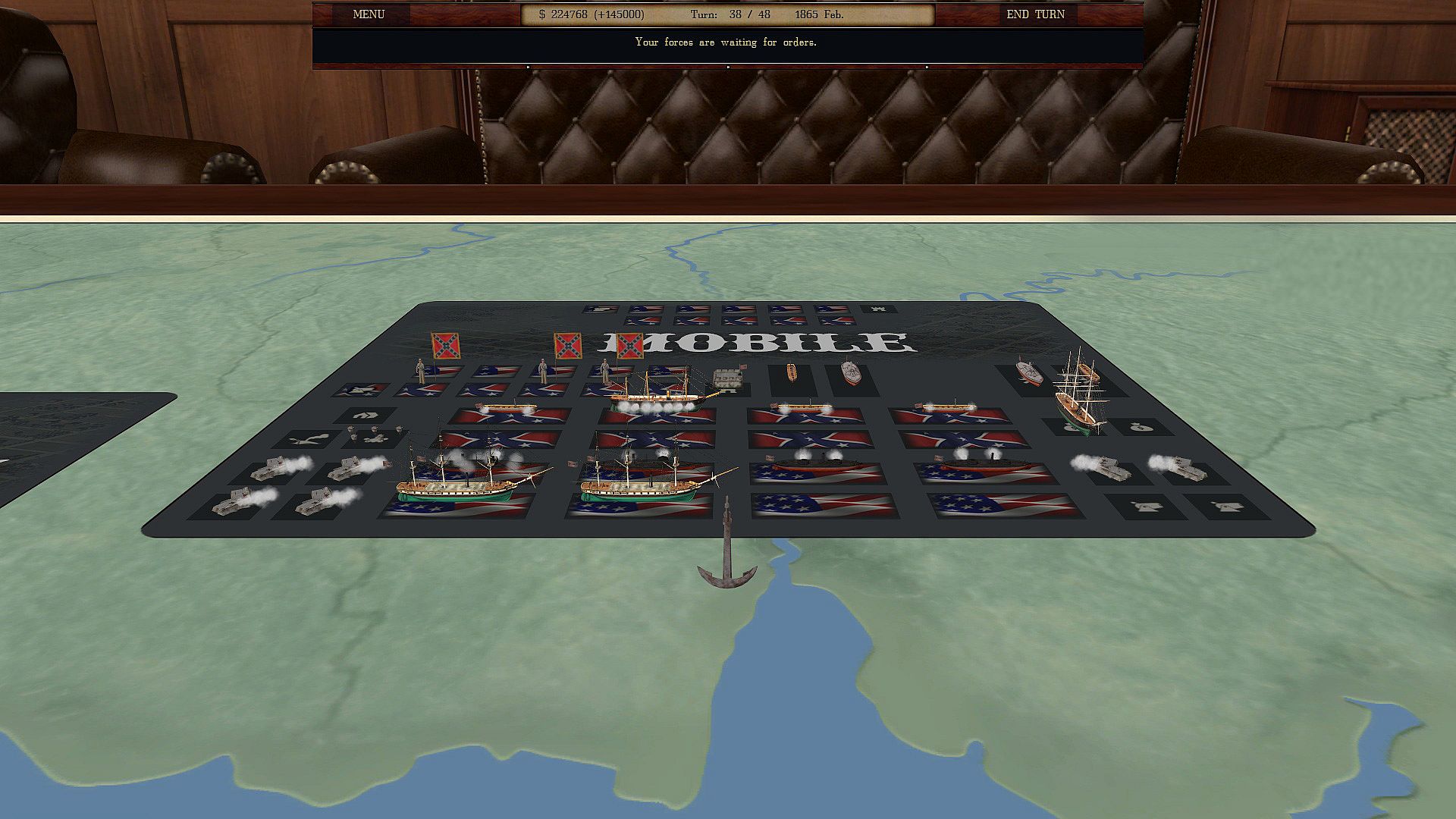
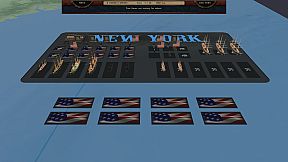
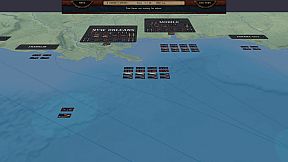
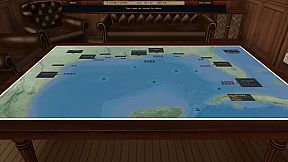
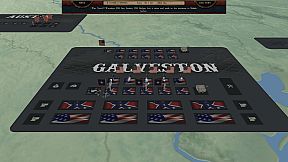
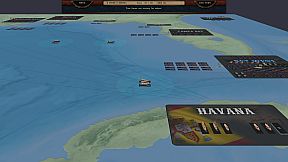
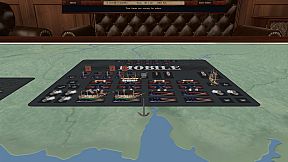
Turn-based strategic mode handles the broader campaign, where players direct fleet movements, conduct harbor sieges, launch amphibious assaults, and contest control of sea lanes over extended periods. This layer generates the context and objectives for individual fights.
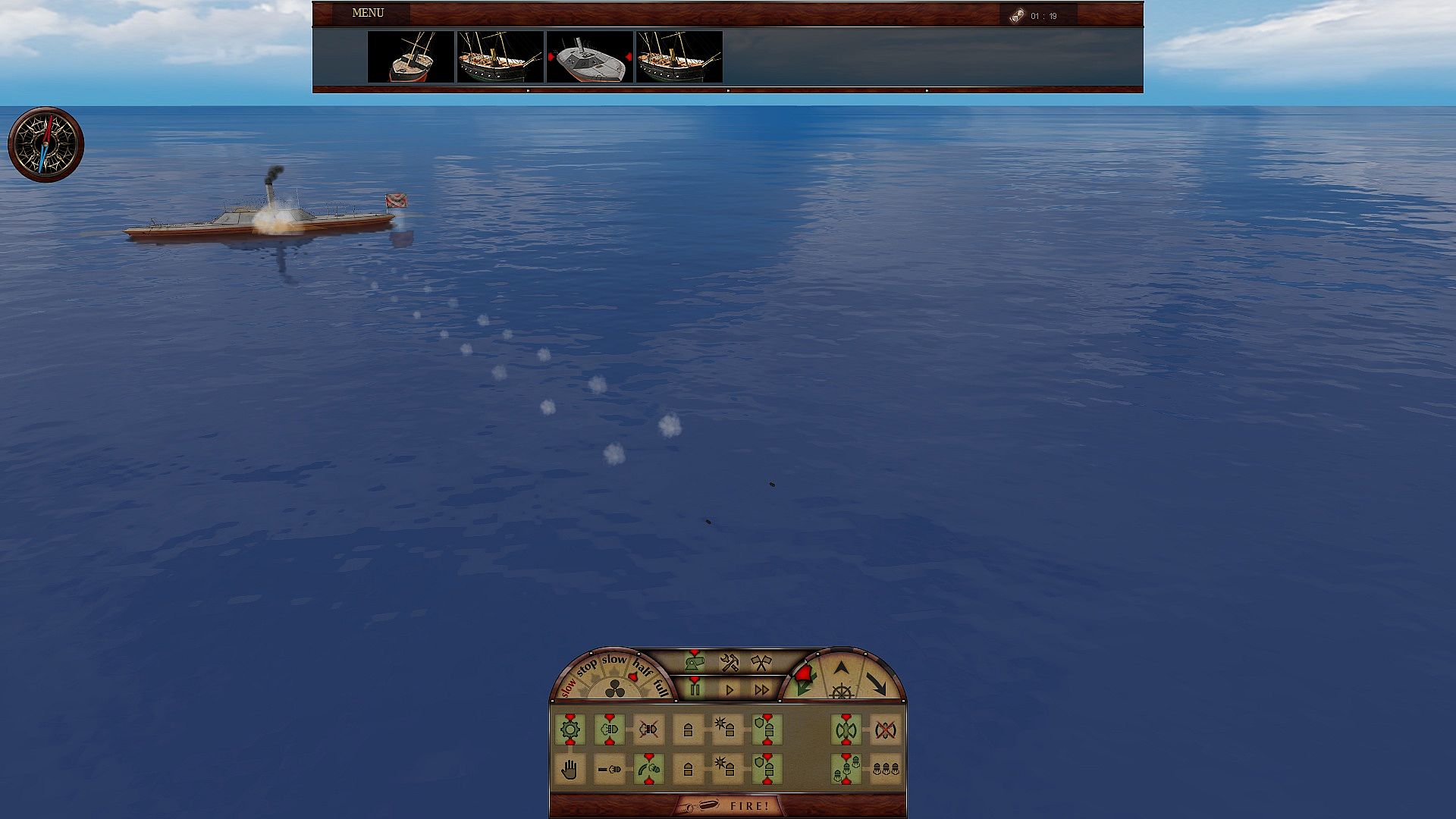
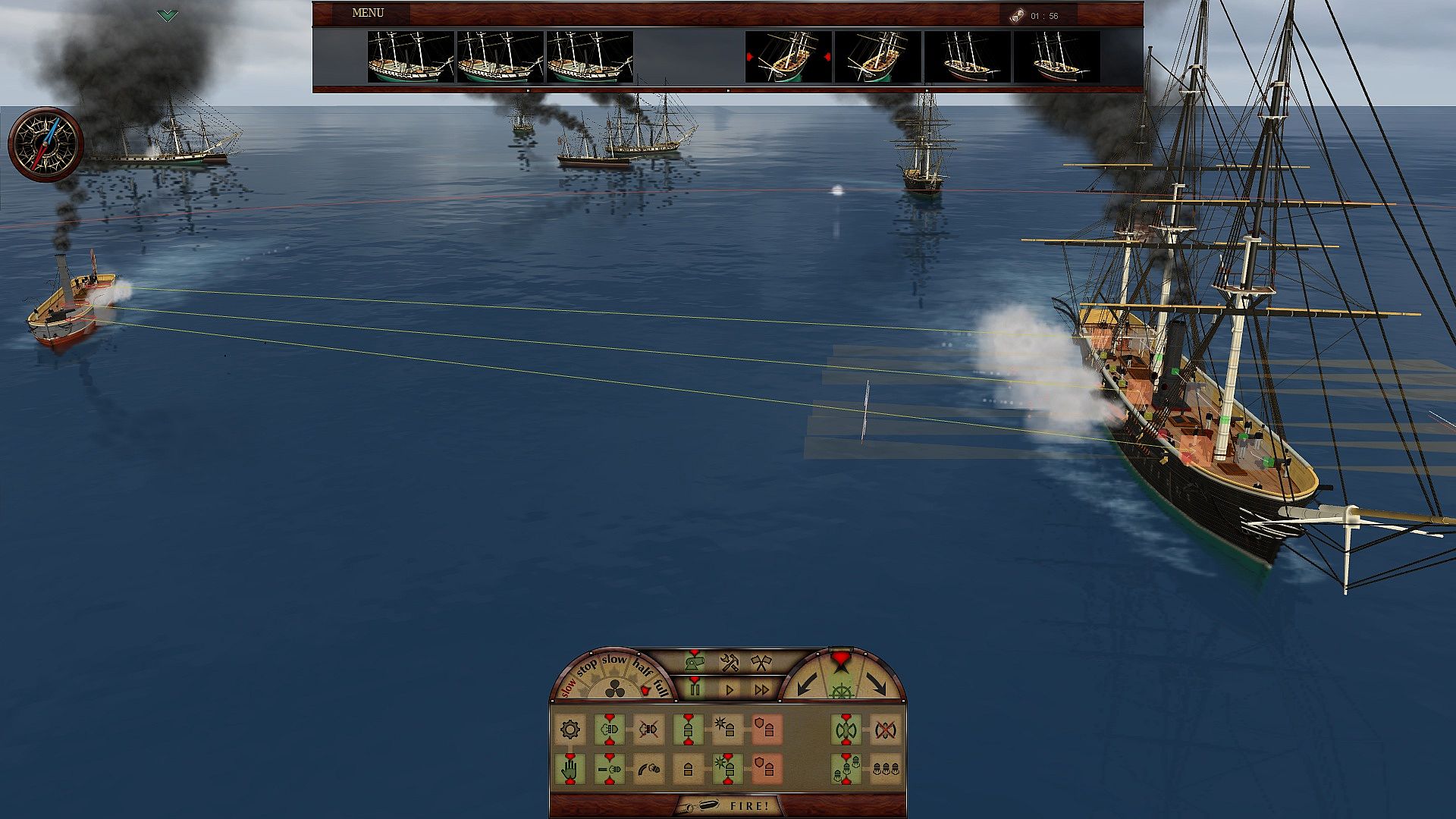
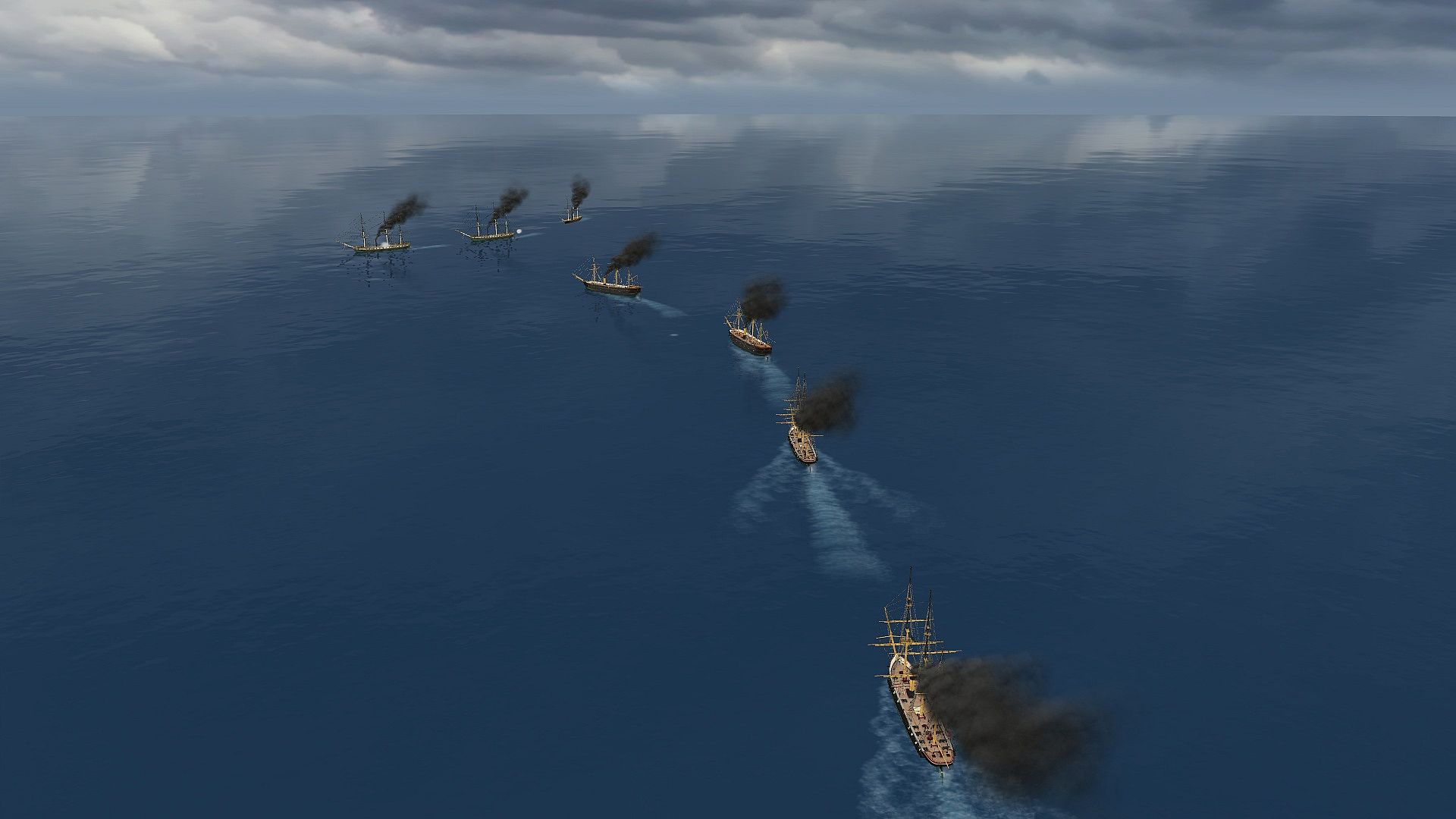
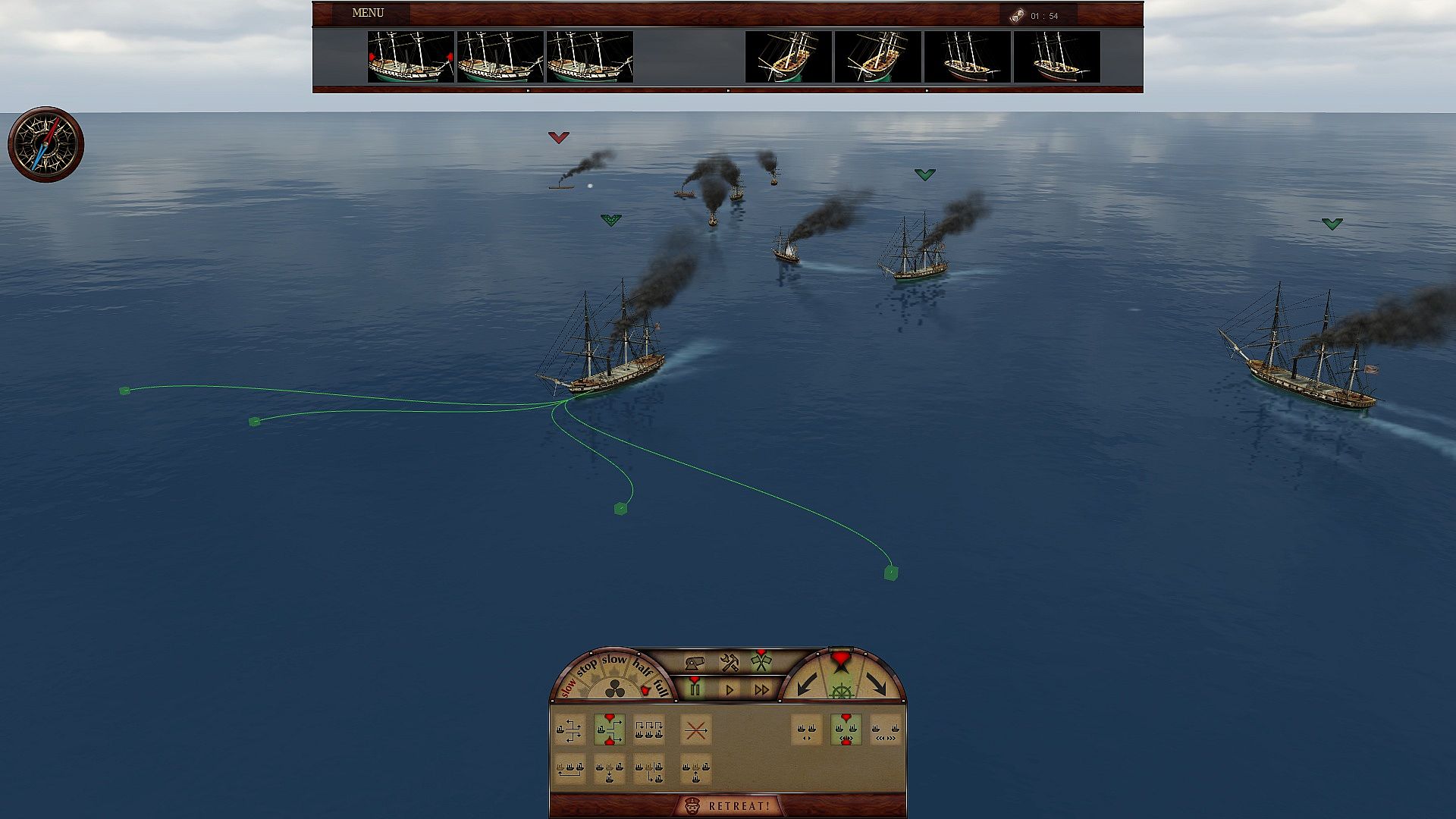
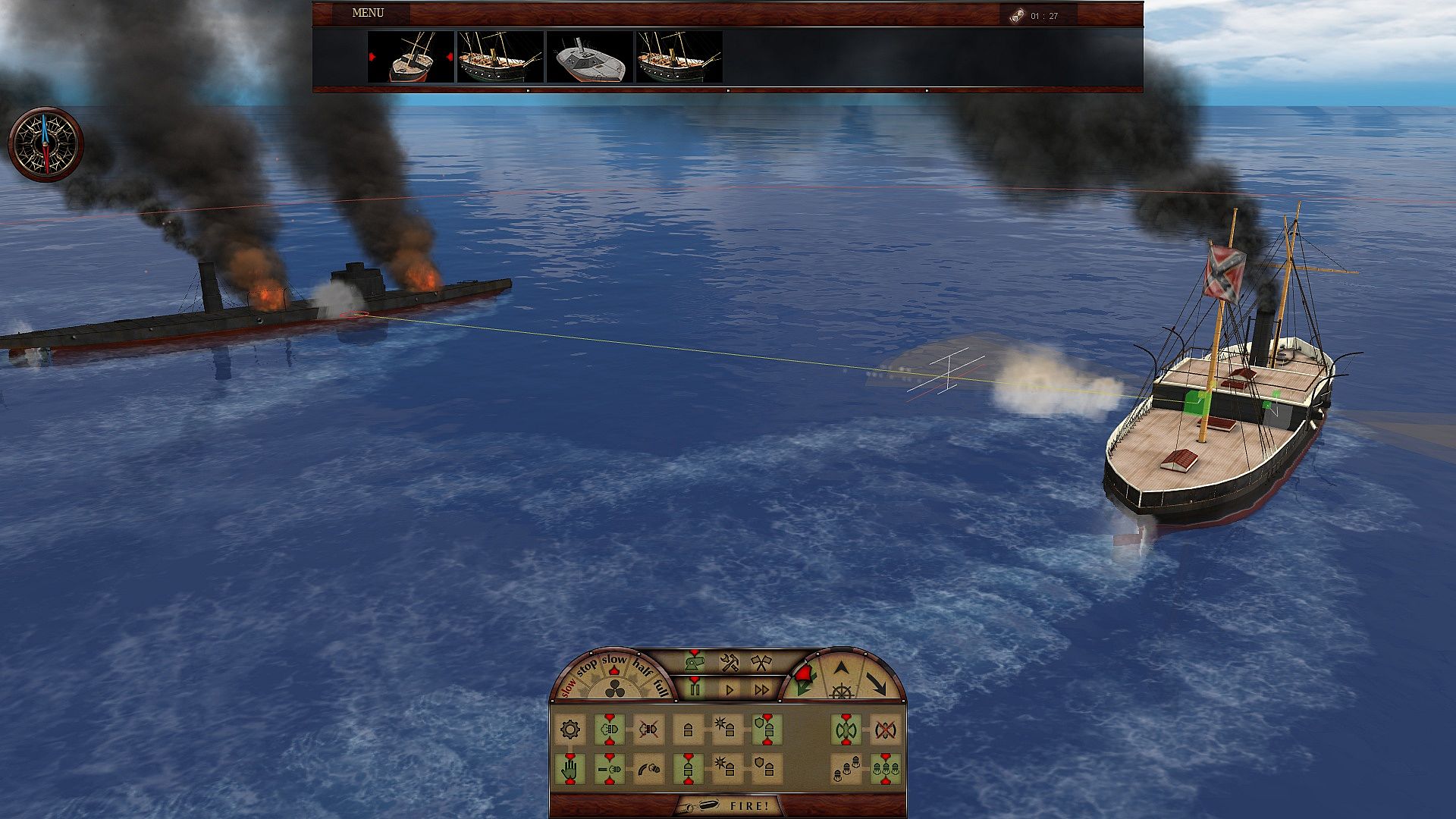
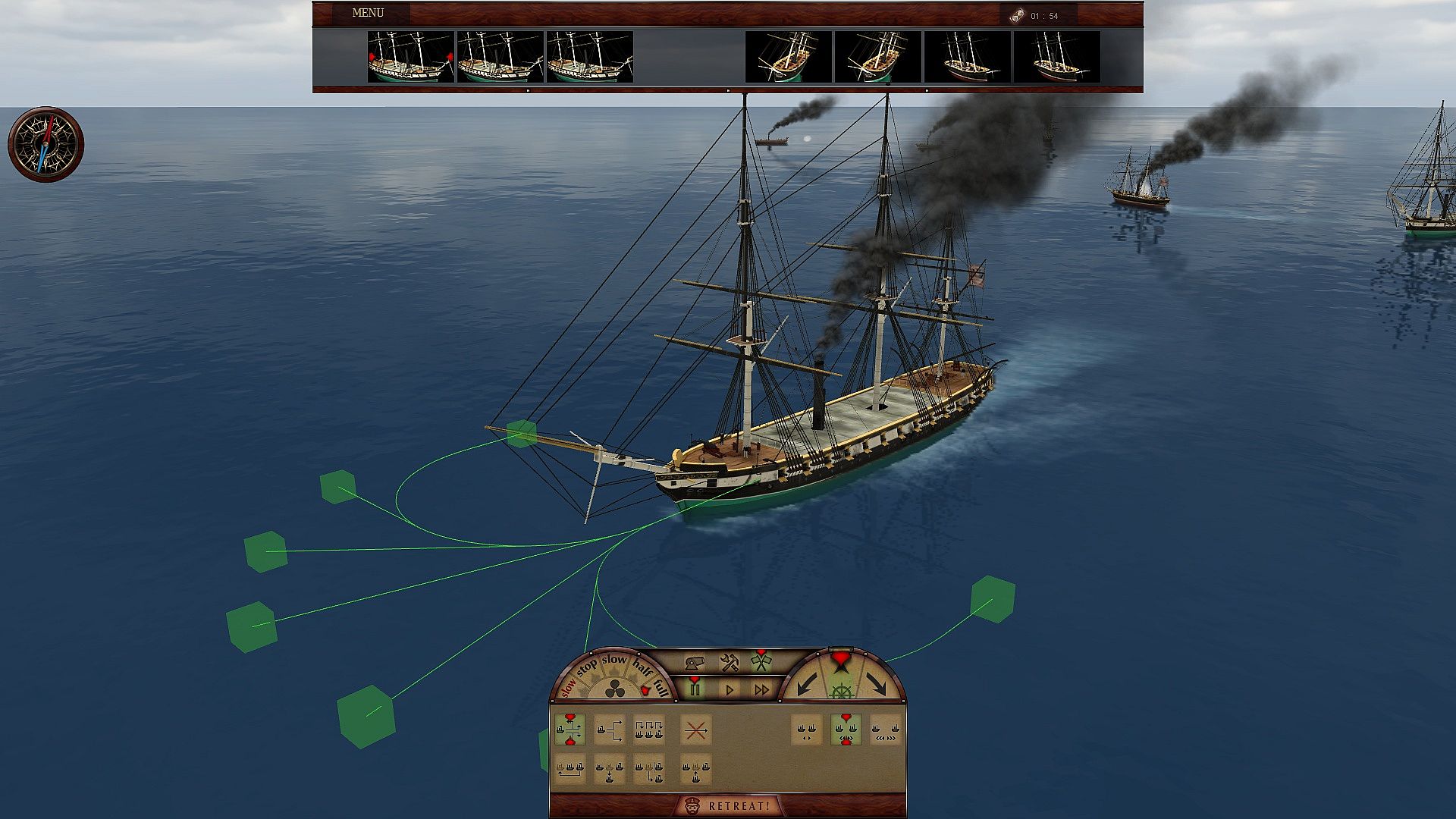
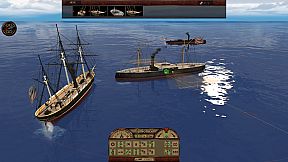
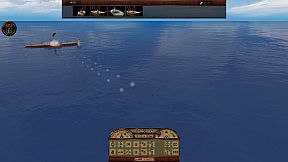
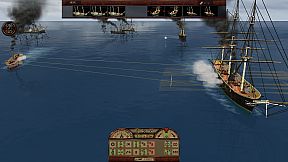
Real-time tactical battle mode shifts focus to direct command of squadrons. Here, players arrange formations, manage ship groups, and execute maneuvers using accurate representations of vessel models and combat physics. The two modes connect directly, with strategic choices determining the scale and conditions of tactical encounters.
Historical Context and Factions
The setting draws from the 1862 period of the American Civil War, pitting Union forces against Confederate ones. An alternate scenario explores what might have occurred if foreign naval support reached the South, introducing ironclads that could challenge blockading squadrons. Players experience these dynamics through fleet construction and operational planning rather than scripted events alone.
Mechanics reflect period-appropriate limitations, such as the need to shelter weaker units until stronger reinforcements arrive and the importance of controlling key ports like New Orleans.
Is It Worth Playing?
With 47 user reviews on its primary distribution platform showing 70 percent positive feedback, the game appeals to those interested in deliberate naval strategy and simulation elements. The strategic layer adds meaningful weight to tactical outcomes, rewarding planning around trade protection, fleet expansion, and defensive investments.
It suits players who enjoy turn-based campaign management combined with real-time ship combat that prioritizes positioning and realistic weapon effects. The title has remained available since its 2015 release without additional seasons or major expansions noted in recent records, making it a self-contained experience for enthusiasts of 19th-century naval simulation.