




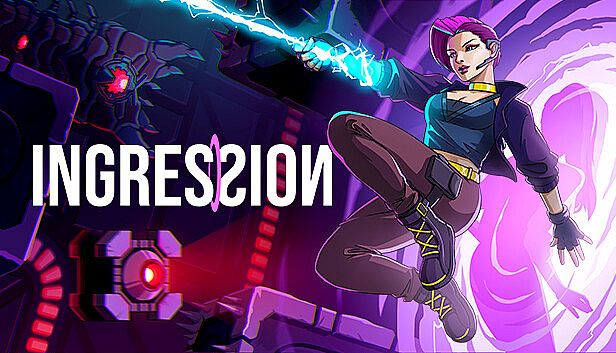










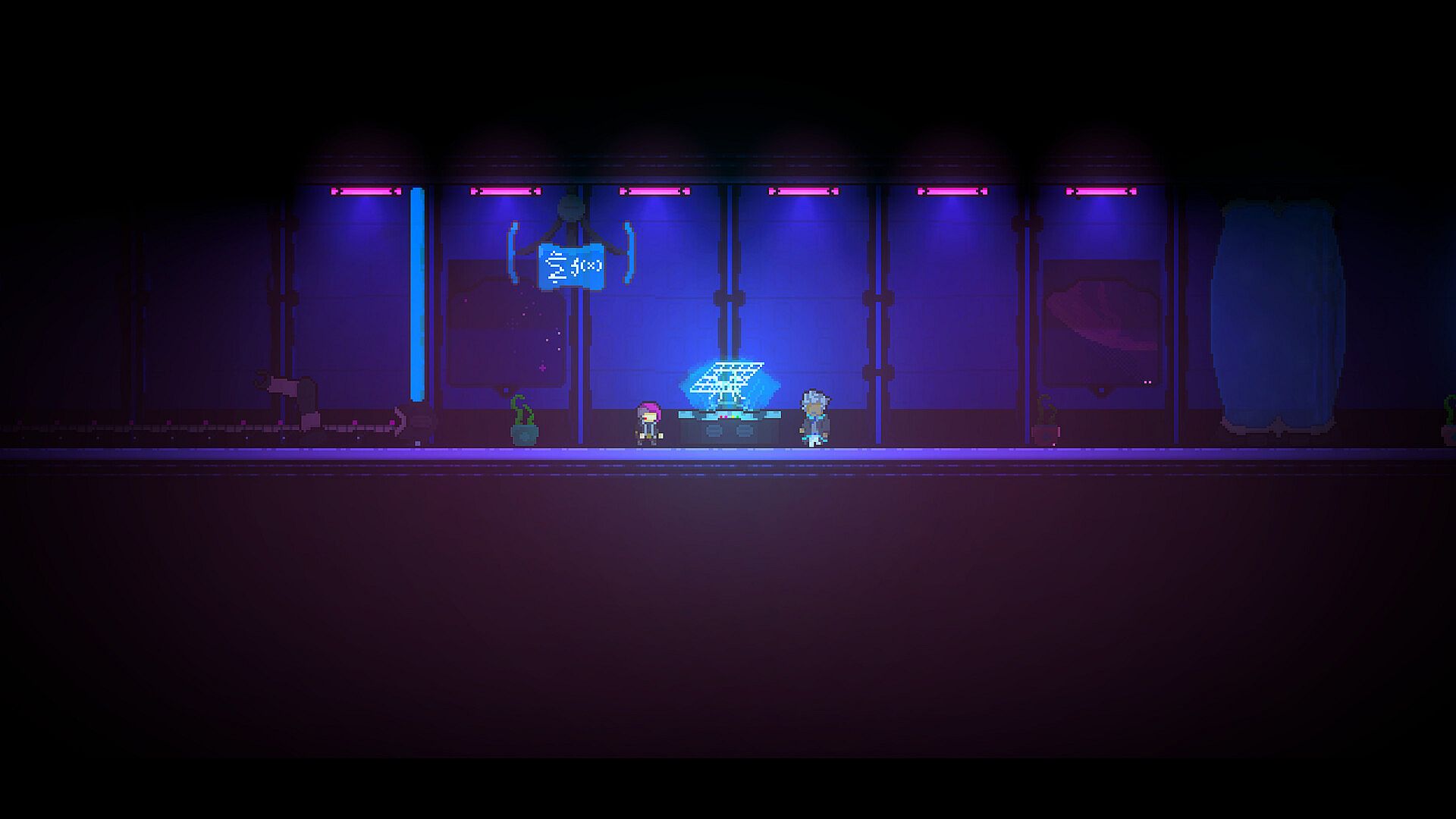

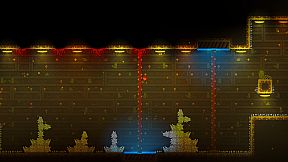
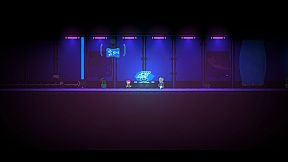
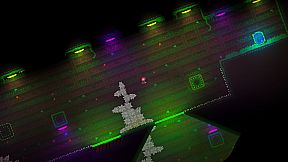
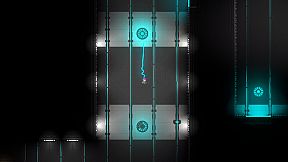
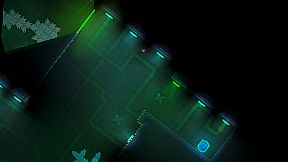
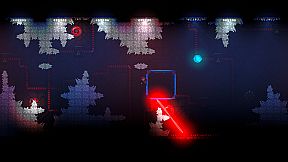
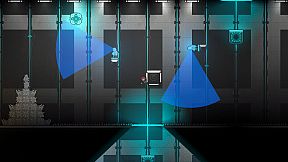
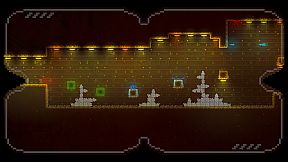
Ingression is a precision platformer that combines action, indie, and adventure elements into a single-player experience focused on portal-based movement and challenging level design. Players take control of Rina, a thief operating in 2152 within a corrupt Galactic Empire, and navigate through time to resolve a paradox that threatens the past. The core loop revolves around fast movement, precise jumps, and strategic portal use to traverse hazardous environments while avoiding instant-death obstacles.
Gameplay
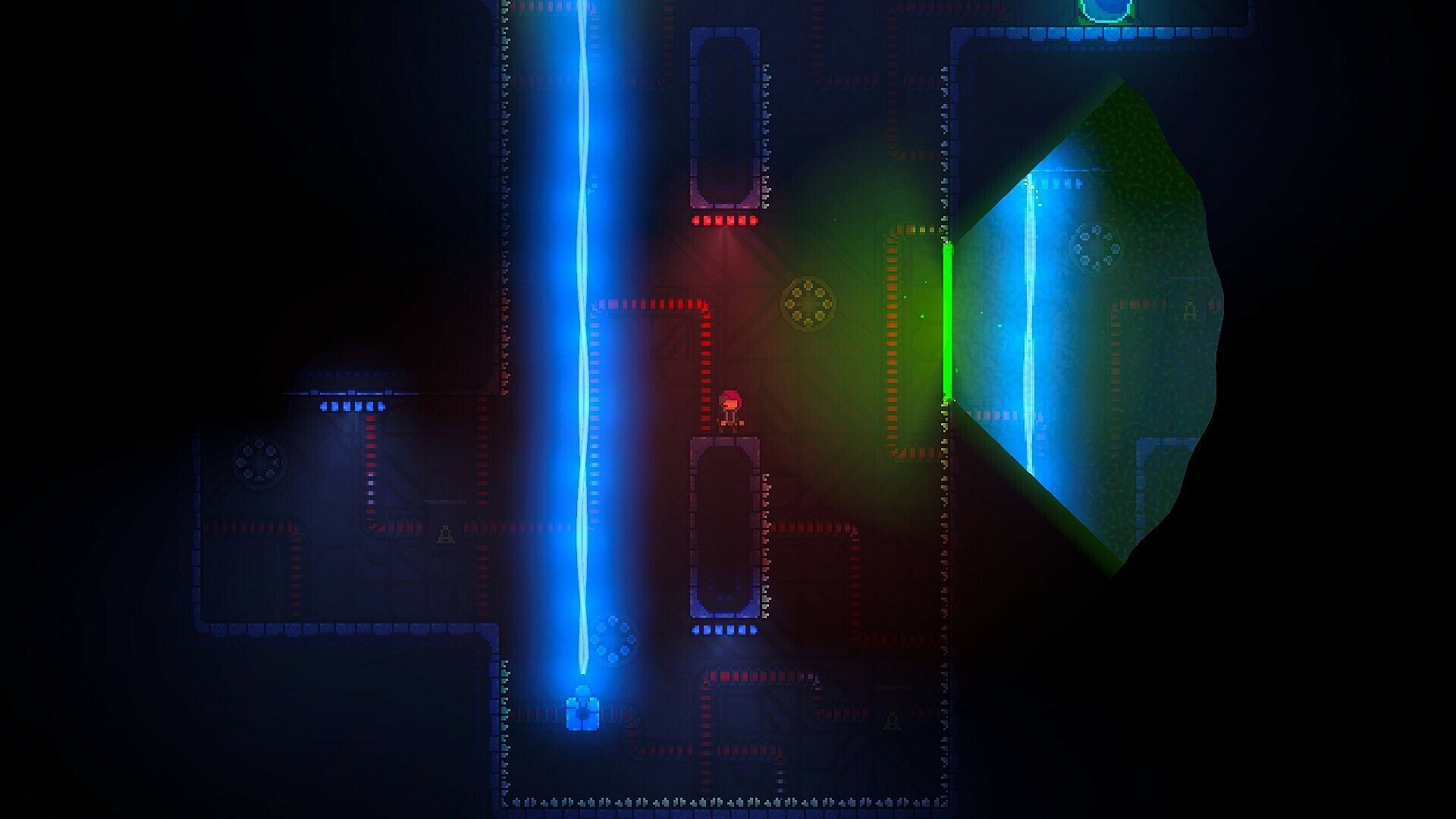
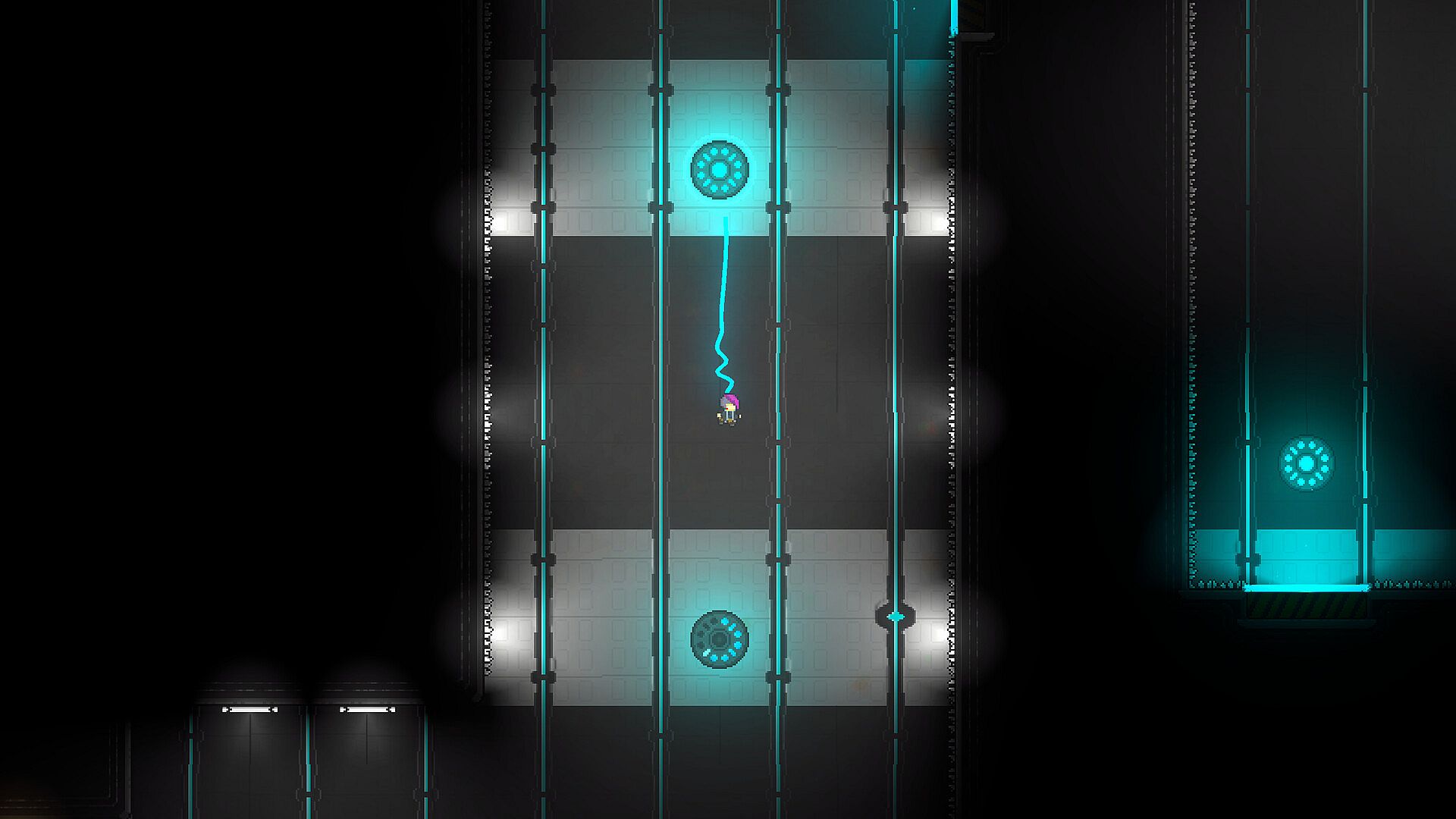
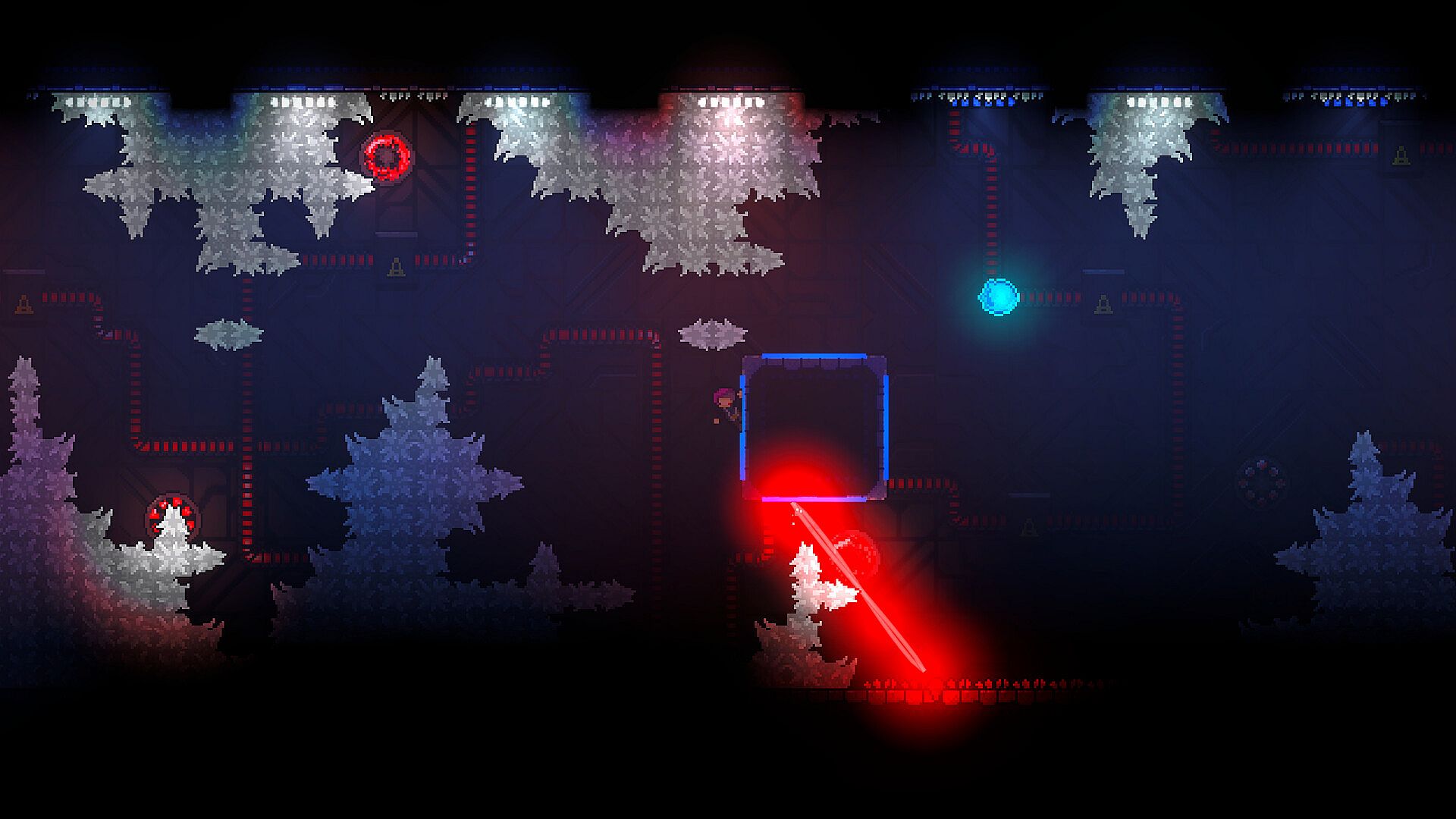
The central mechanic involves seamless portals that allow instant travel across levels while preserving momentum. Players position portals to chain movements, build speed, and reach distant platforms in tight spaces. This system integrates directly with the level geometry, requiring careful placement to maintain flow without losing control.
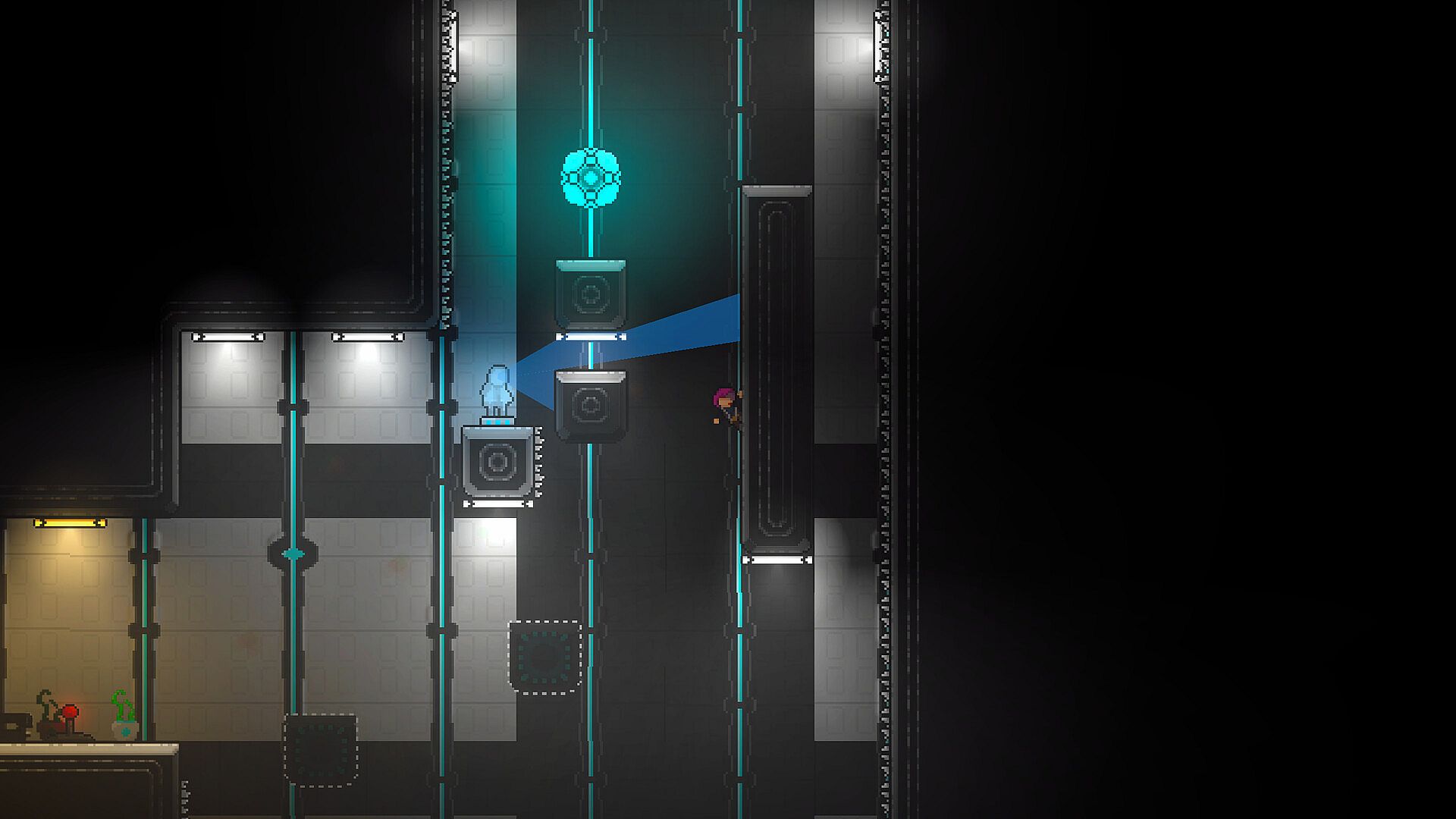
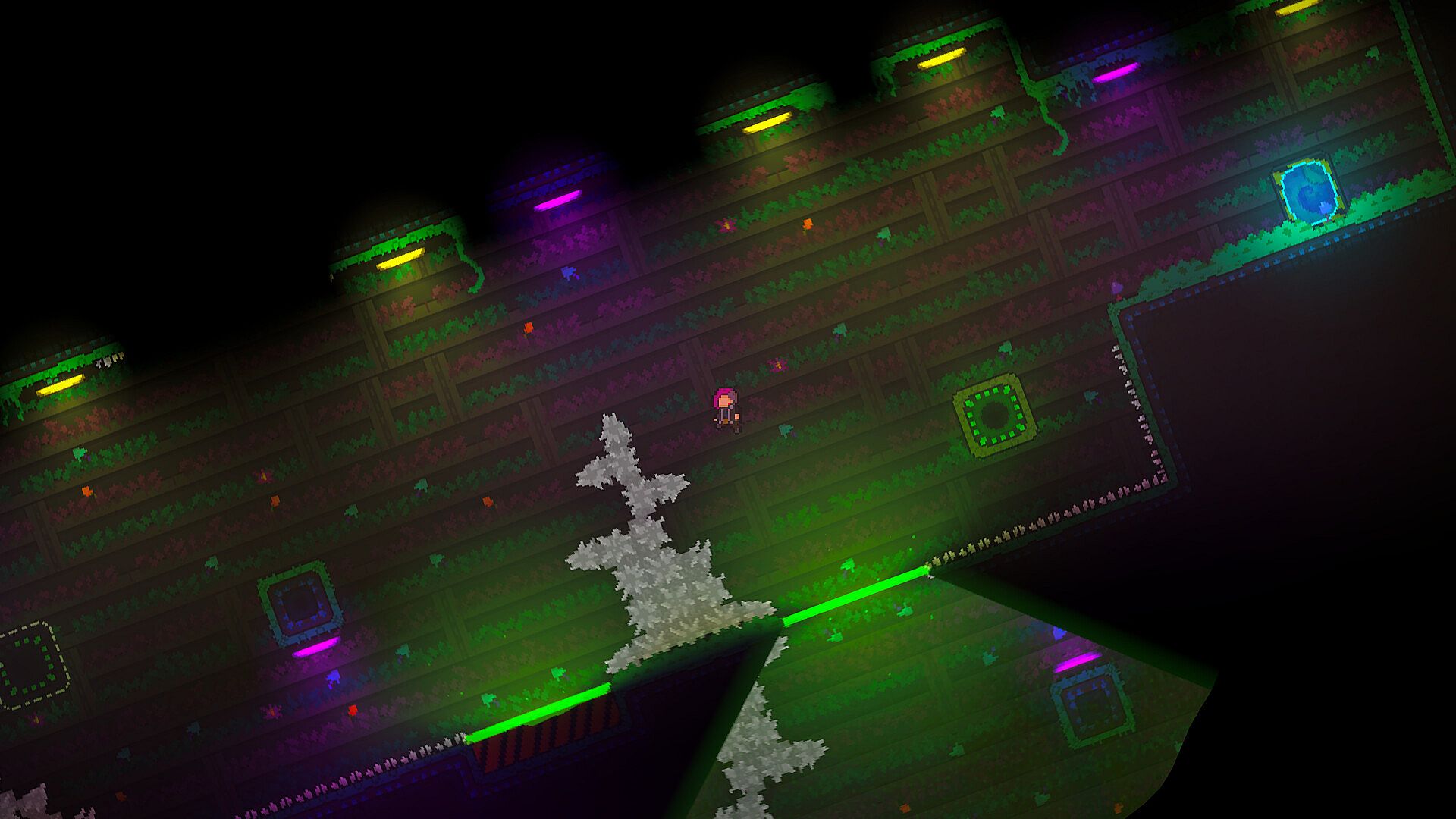
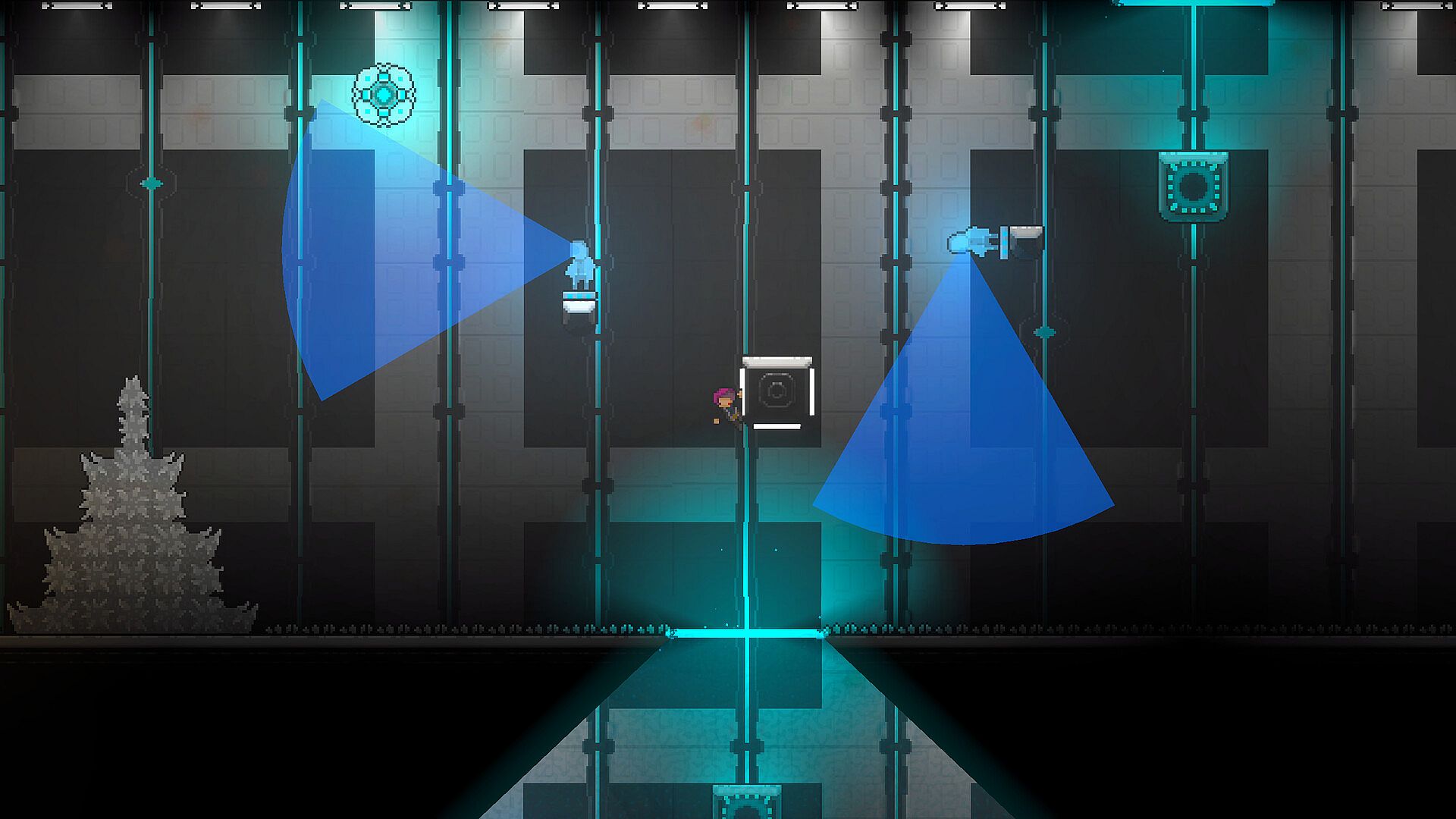
Deadly threats appear throughout each stage, including tracking lasers, pursuing drones, and clusters of spikes. Survival depends on timing portal entries and exits to dodge these hazards while keeping forward progress. Additional mechanics, such as orientation shifts that alter gravity or perspective, force constant adaptation to the changing environment.
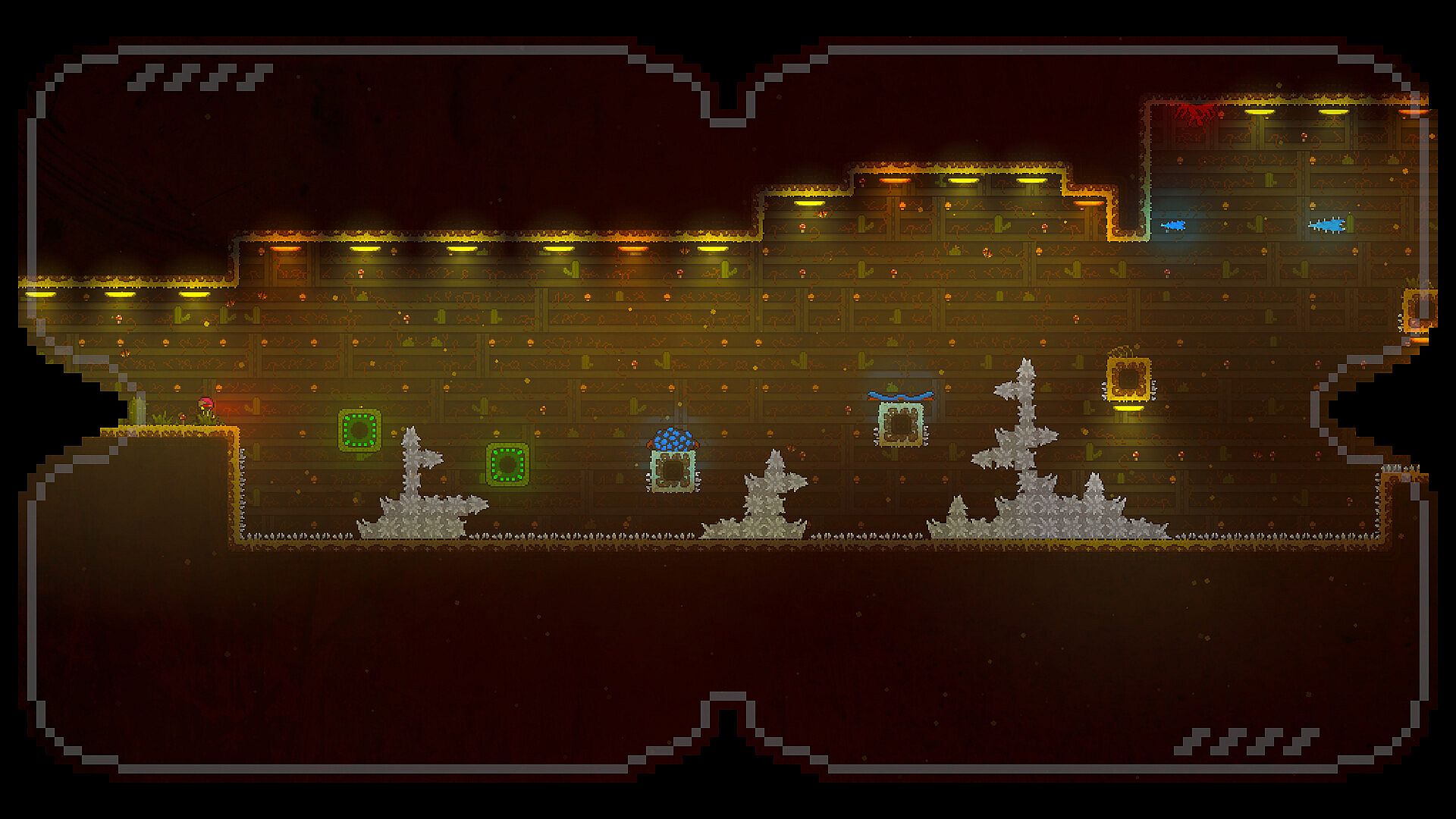
Levels emphasize precision timing and spatial awareness. Short stages pack multiple checkpoints and demand repeated attempts to master sequences that combine portal jumps with threat avoidance. The design keeps sessions focused on individual challenges rather than lengthy exploration.
Game Modes
Ingression delivers its content through a linear single-player campaign structured around successive precision levels. Each stage builds on previous portal techniques while introducing new environmental twists that alter movement rules.
A separate free prologue titled The Portal Trial provides an introductory set of levels that demonstrate the portal system and core threats. This standalone experience serves as an entry point before the full campaign, allowing players to test the mechanics without commitment.
No multiplayer or alternate modes exist. Progress centers on completing the main levels in sequence, with achievements tracking mastery of specific techniques and survival against particular hazards.
Level Design and Challenges
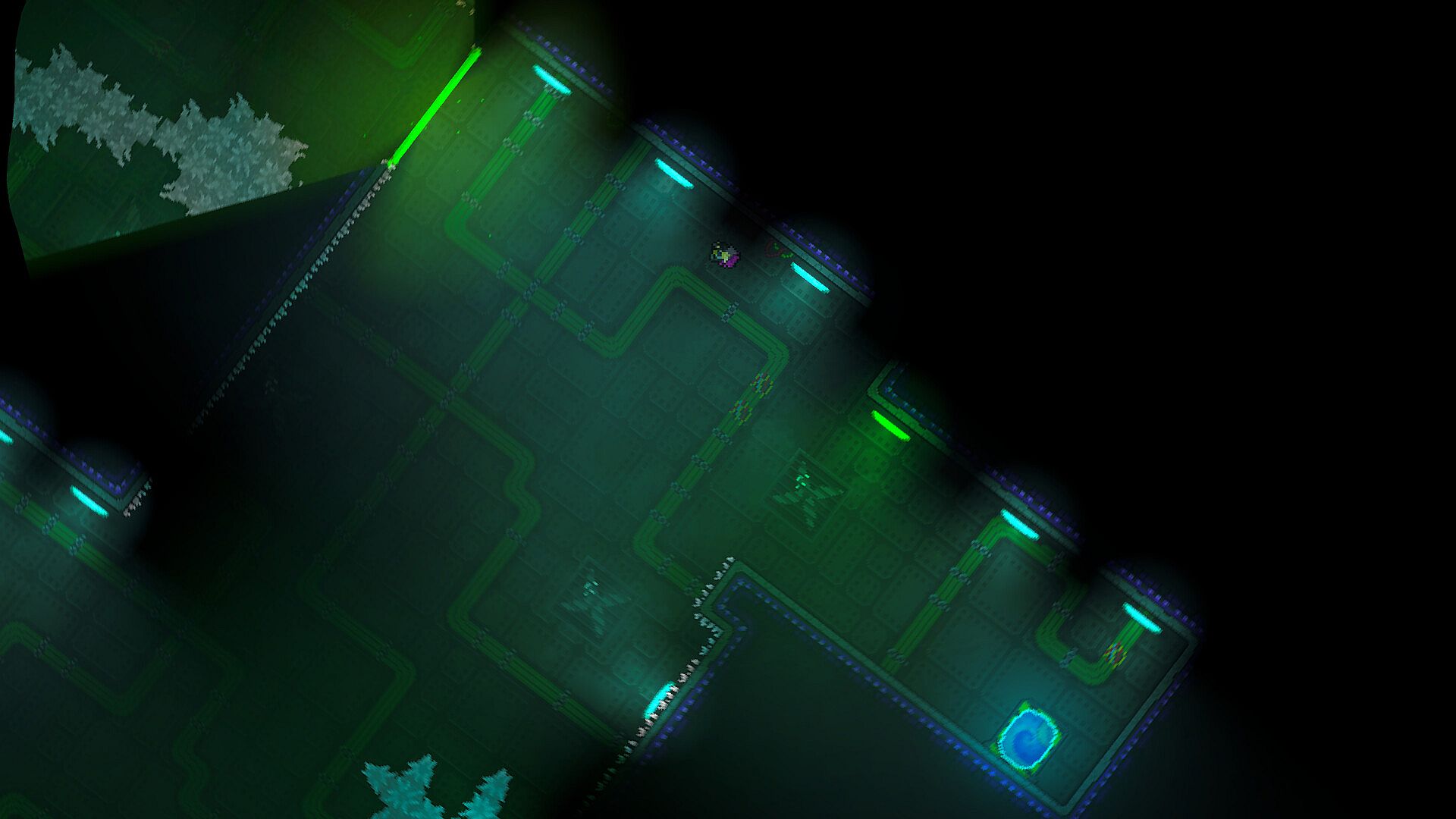
Stages frequently rotate the player's sense of up and down, requiring mental readjustment mid-run. Portal placement must account for these shifts to avoid disorientation while chaining movements across reoriented platforms.
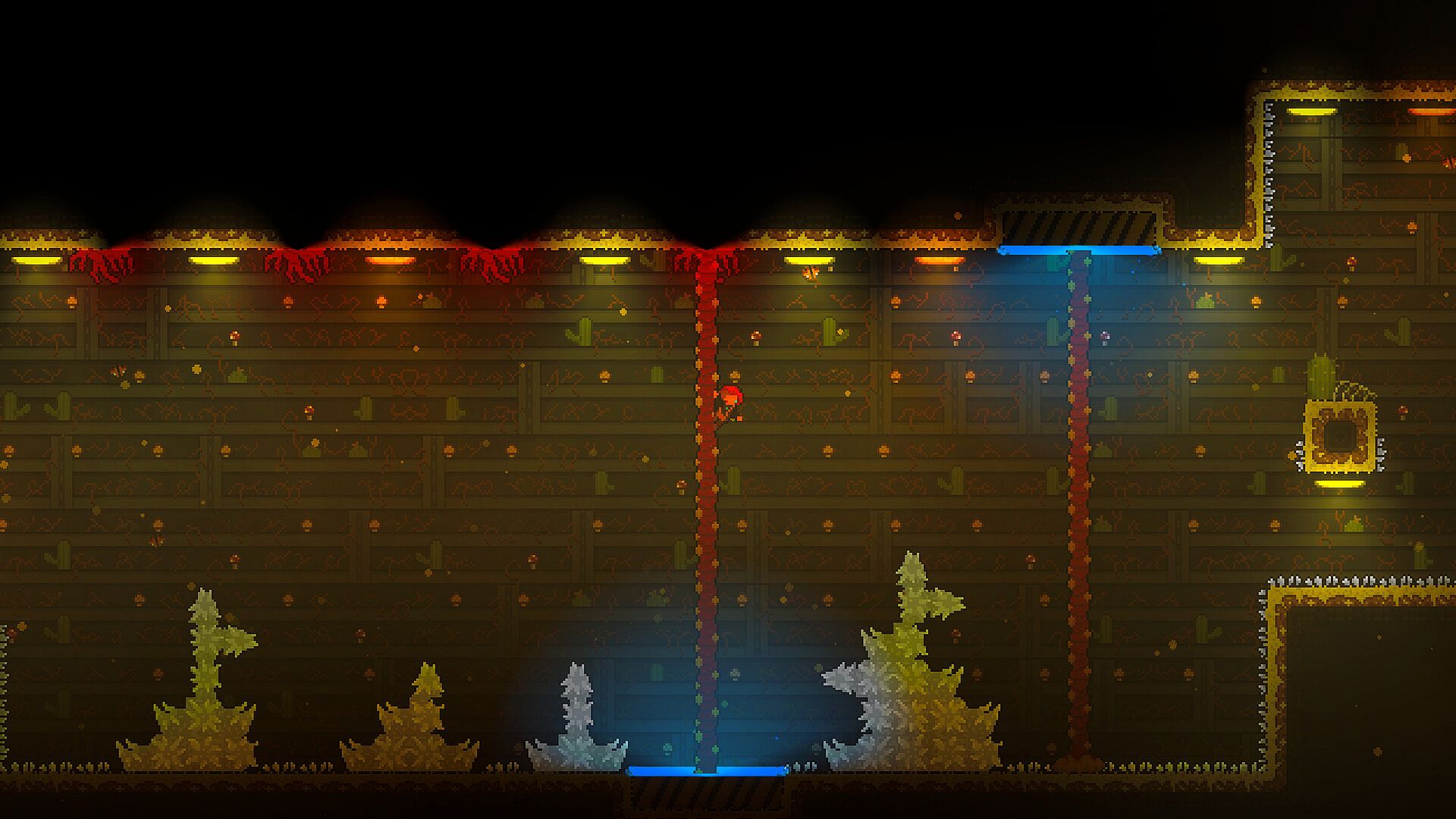
Threat density increases gradually, mixing static spikes with mobile enemies that react to player position. Successful runs rely on learning exact timings and portal angles rather than raw speed alone.
Visual feedback remains clear during high-speed sections, with distinct markers for portal surfaces and hazard zones. This clarity supports the unforgiving nature of the platforming without adding unnecessary confusion.
Is It Worth Playing?
Ingression suits players who enjoy demanding 2D precision platformers that reward practice and spatial problem-solving. The portal system creates unique movement options not found in standard jump-based titles, while the threat variety keeps each level distinct.
Steam user reviews rate the game Very Positive, with 86 percent approval from 69 total reviews. Full controller support and multiple language options broaden accessibility for different input preferences and audiences.
The experience remains focused and self-contained, with no ongoing seasons or live-service elements. Those seeking short, replayable stages centered on mechanical mastery will find consistent challenge across the campaign and prologue. Fans of similar indie platformers will recognize the emphasis on tight controls and level-specific strategies.














