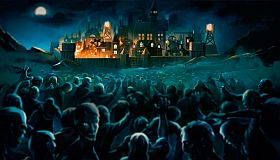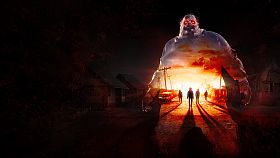


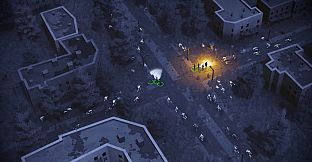
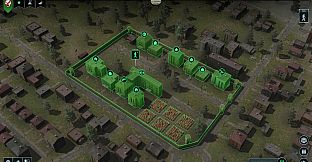
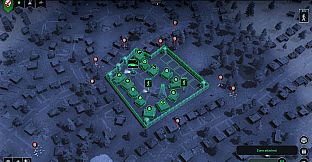
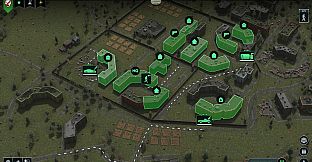
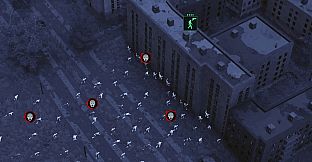
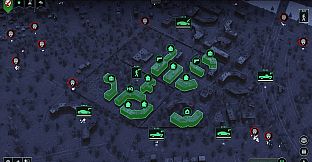
Infection Free Zone is a single-player action strategy simulation that places players in charge of rebuilding civilization after a global viral outbreak. Survivors must select any real-world location as their base and transform it into a fortified settlement capable of withstanding nightly assaults from aggressive infected hordes.
Gameplay
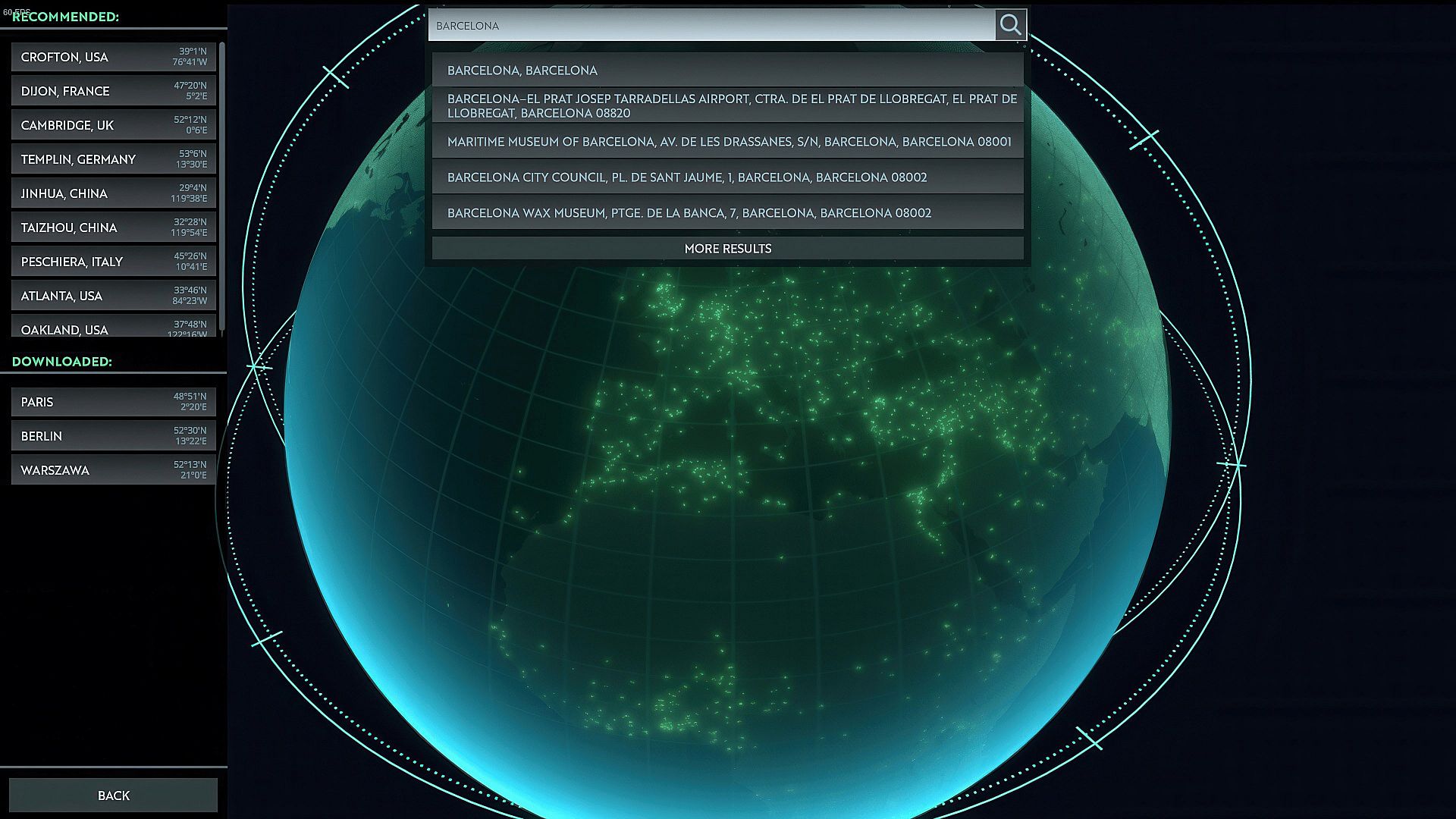
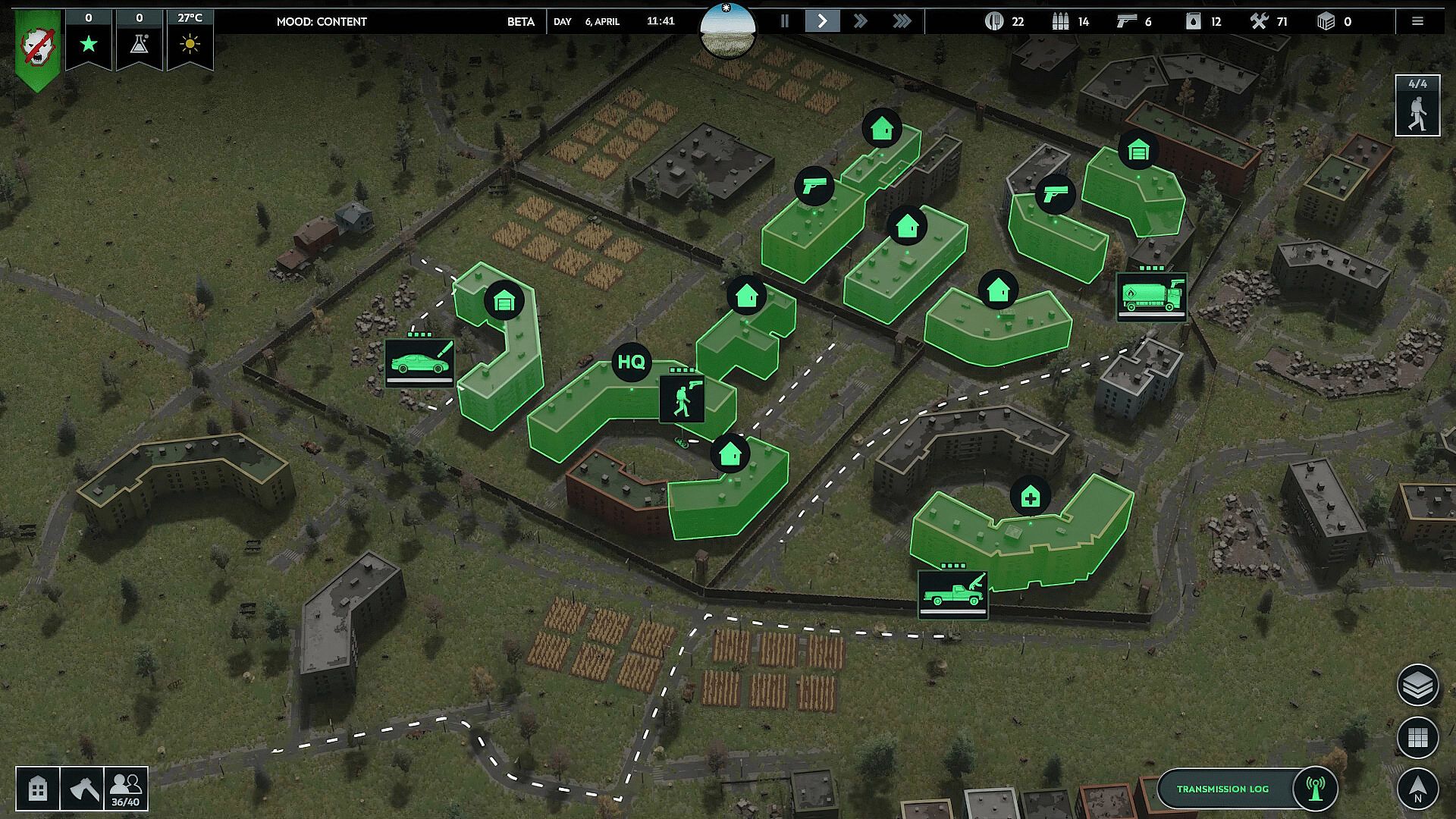
The core loop centers on strategic city management combined with real-time defense. Players begin by entering the name of a city or town, which pulls detailed map data to recreate streets, buildings, and landmarks accurately. This real-world foundation lets survivors leverage personal knowledge of the area when choosing defensible positions or identifying resource-rich sites such as former grocery stores and pharmacies.
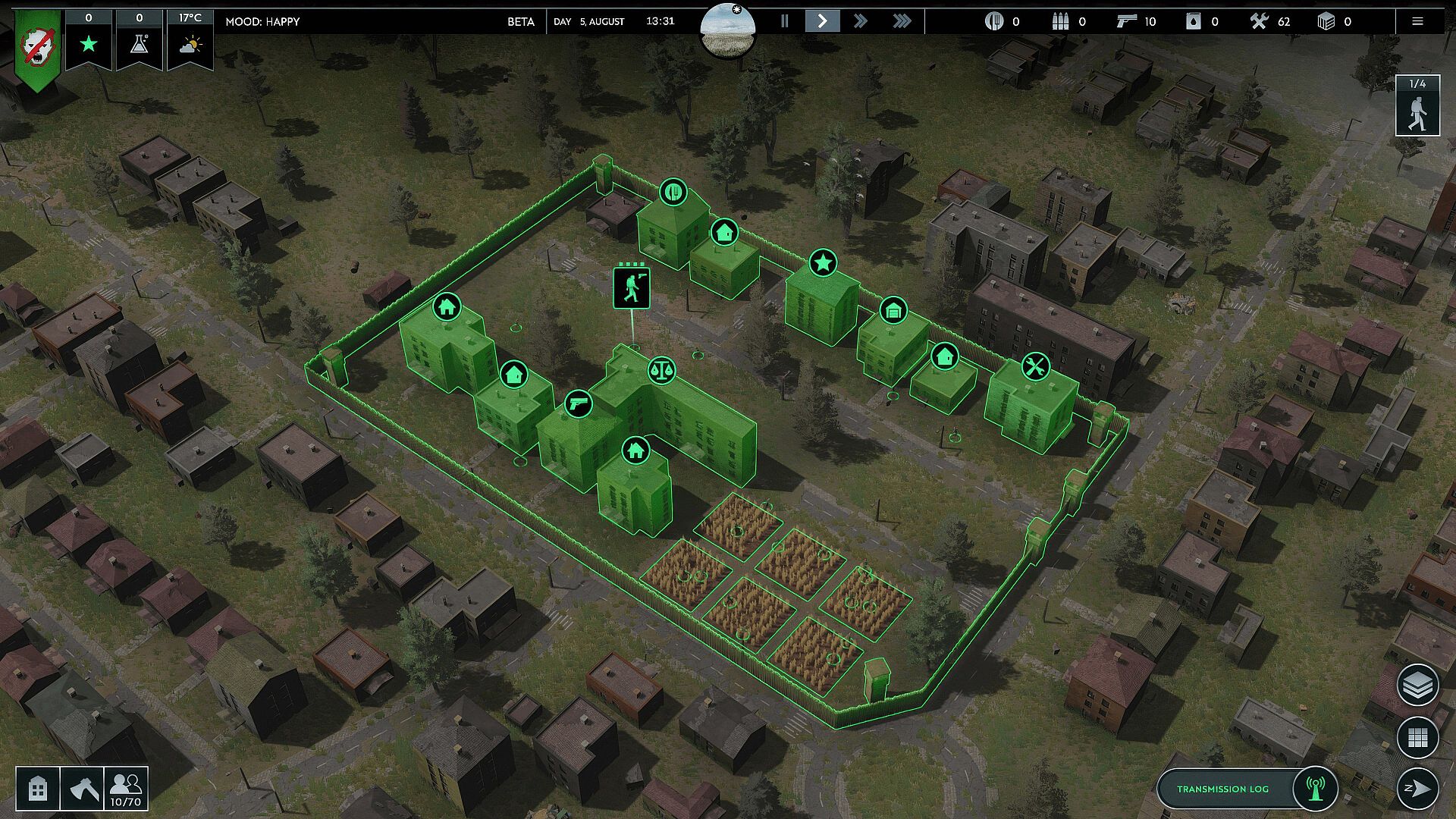
Daytime focuses on construction and resource gathering. Existing structures can be repurposed into shelters, workshops, or storage, while new facilities like farms and power generators must be built from scratch. Defensive infrastructure including walls, gates, and towers forms the backbone of long-term security. Scavenging runs into abandoned buildings carry risk, as infected may still lurk inside, requiring careful planning and armed teams.
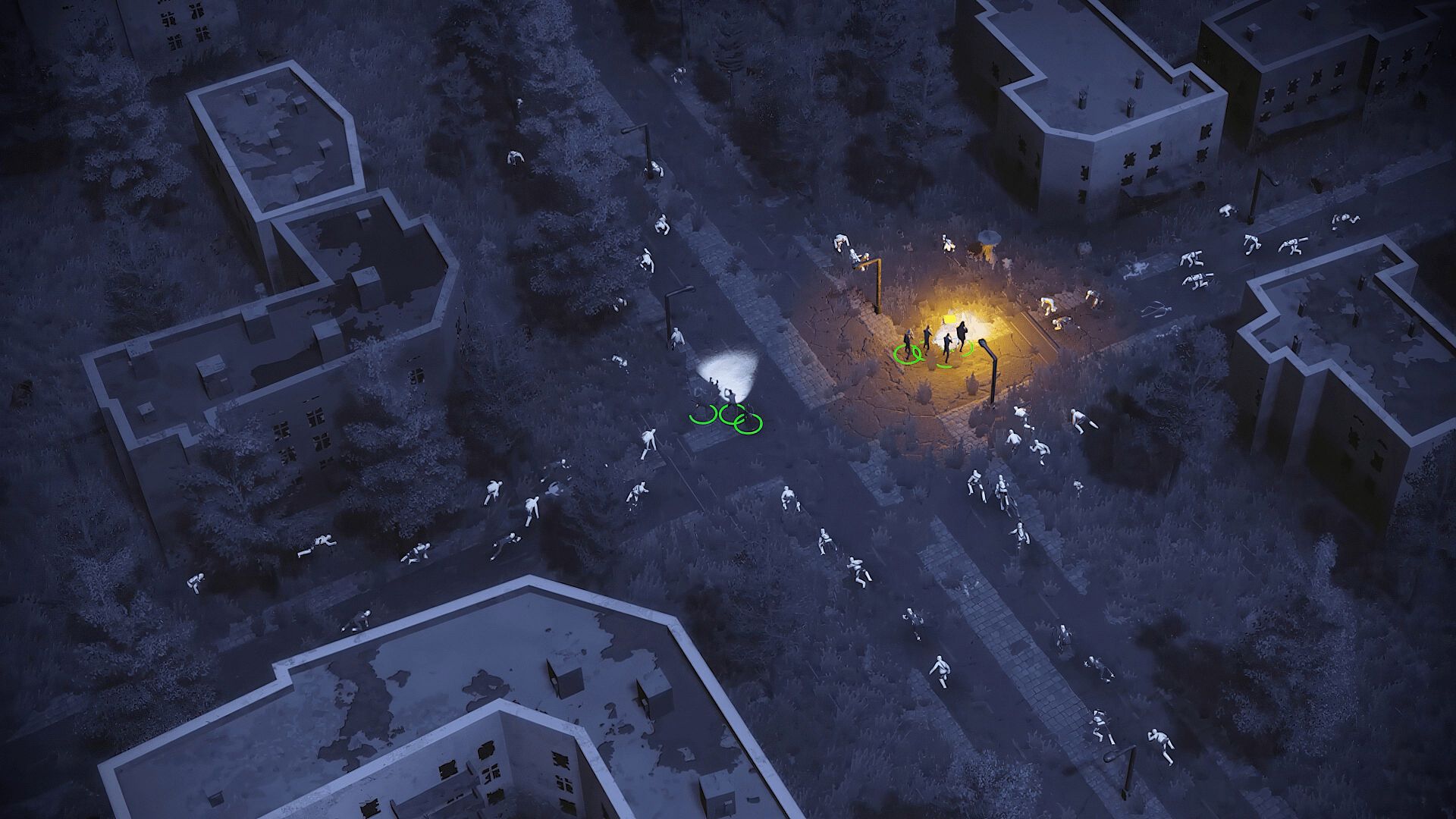
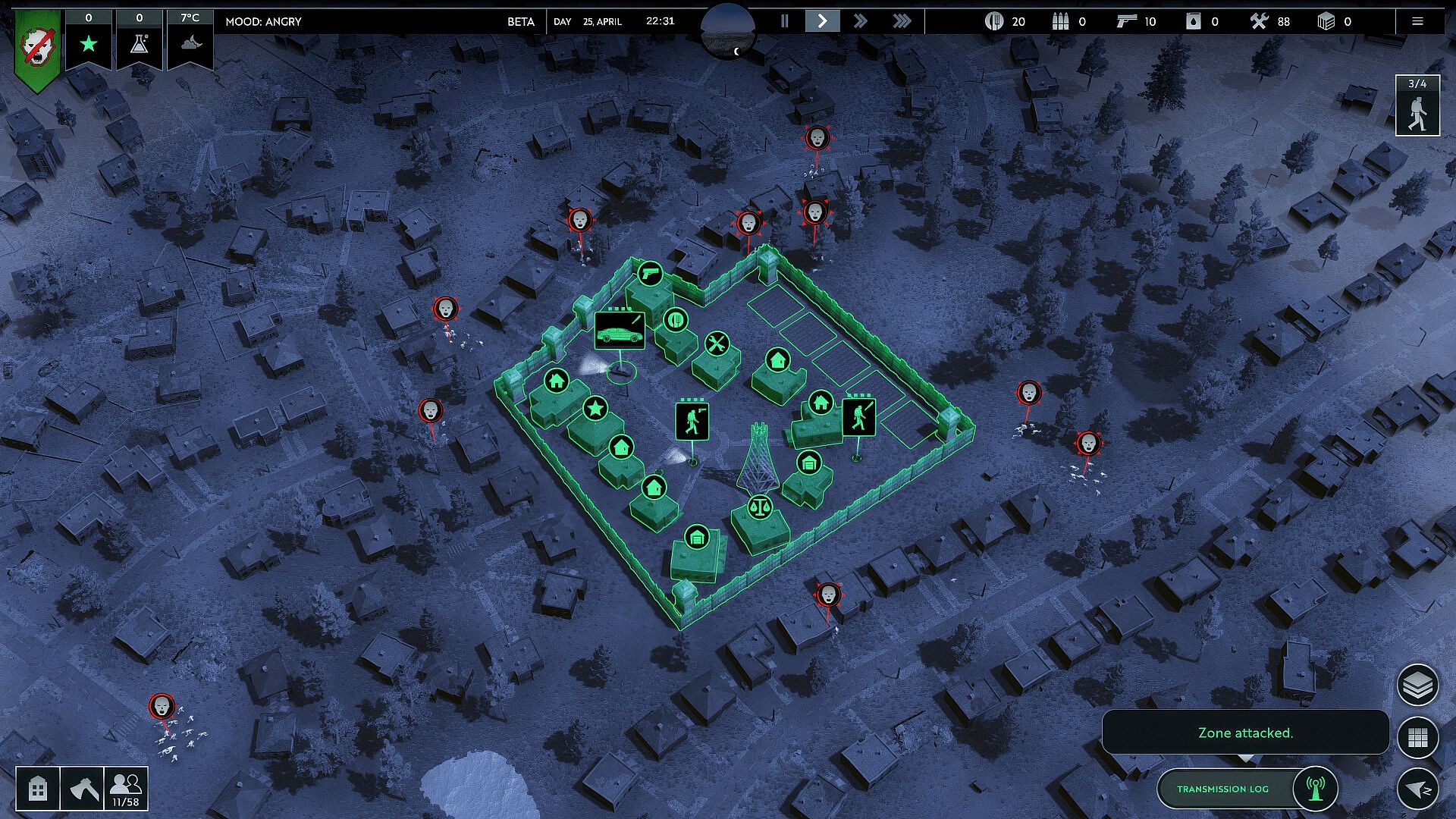
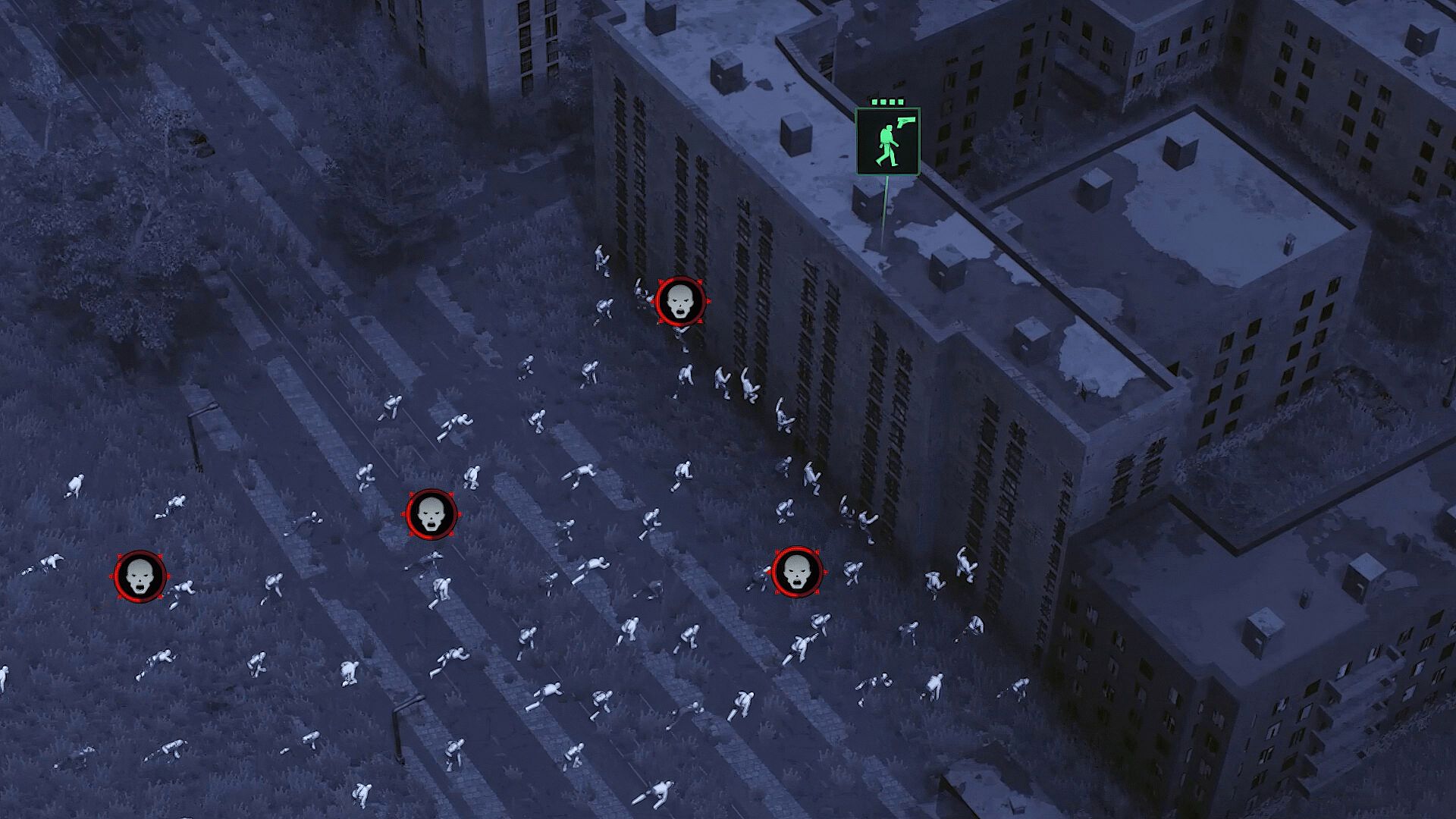
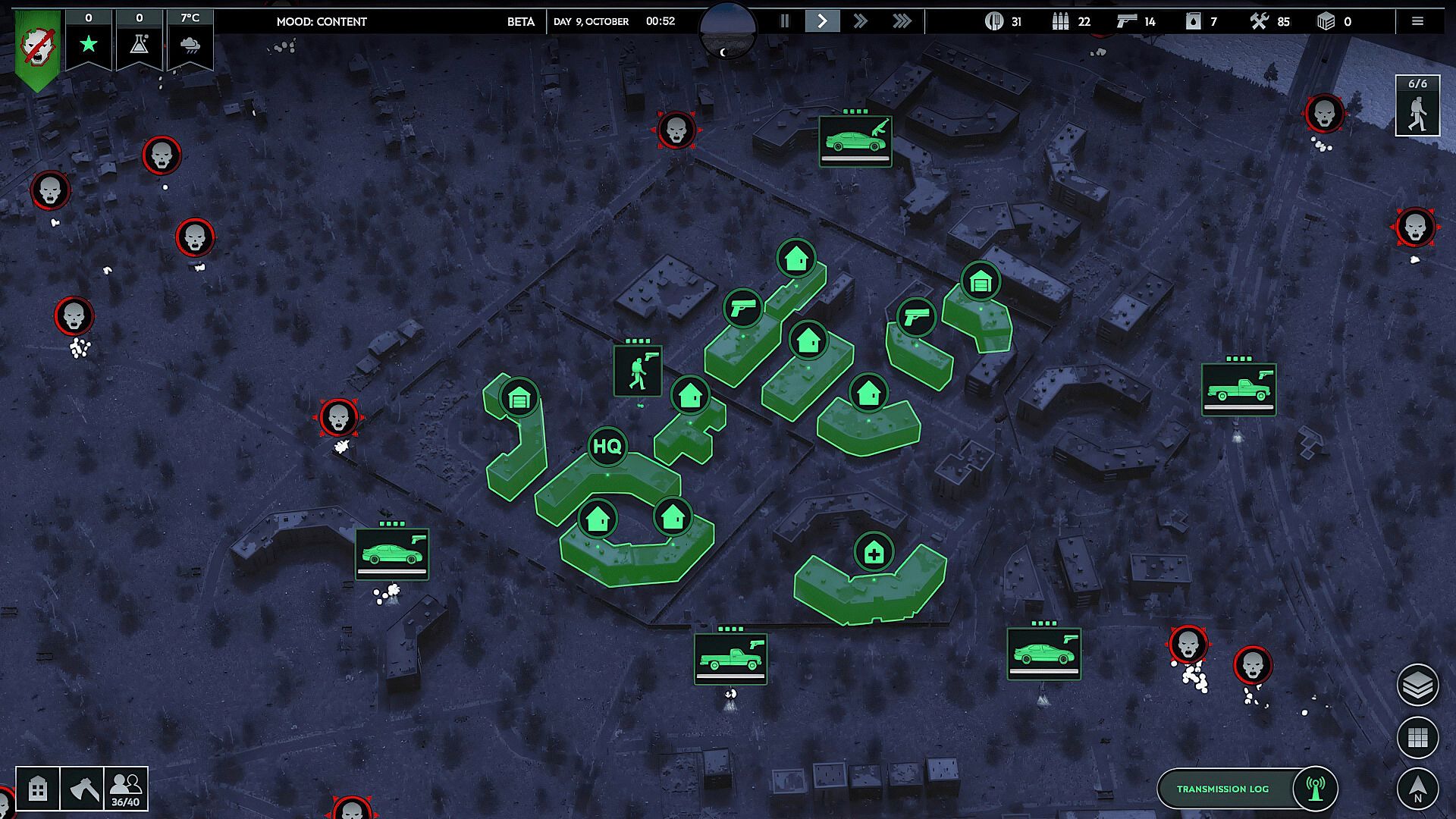
At night the settlement faces waves of fast, strong infected. Combat involves melee weapons, firearms, vehicles for mobility, and environmental tools such as lights to slow or repel attackers. Research trees allow progress toward a vaccine or cure, providing a long-term objective alongside the immediate goal of survival and expansion. Encounters with other survivor groups add layers of diplomacy or conflict, as some factions trade supplies while others launch raids.
Game Modes
The game operates entirely in a single-player sandbox format with no separate multiplayer modes. Players enjoy an open-ended experience where they can focus on rapid base expansion, methodical research toward a cure, or pure defensive survival against escalating nightly threats. The real-world map system ensures each playthrough feels distinct depending on the chosen location, whether a dense urban center or a smaller rural town.
Progression remains flexible across sessions. Some players prioritize self-sufficiency through agriculture and power infrastructure, while others emphasize scouting and combat readiness. The absence of scripted campaigns or time-limited events keeps the emphasis on player-driven decisions about where to settle and how to allocate limited survivor labor.
Setting and Atmosphere
The post-collapse world feels grounded because every location draws from actual geography. Electricity, clean water, and food supplies have vanished, forcing survivors to adapt familiar urban environments into functional strongholds. The infected behave as relentless, coordinated threats that grow more dangerous after dark, creating a constant tension between daytime development and nighttime vigilance.
Interactions with rival or allied survivor groups introduce moral and tactical choices. Trading can bolster supplies, yet hostile encounters may require diverting resources to offensive operations or reinforced perimeters.
Is It Worth Playing?
Infection Free Zone suits players who enjoy blending city-building mechanics with survival defense in a realistic setting. The use of authentic maps adds a layer of personal investment that generic procedurally generated worlds cannot match. Those who appreciate methodical base planning, resource management, and tactical nighttime combat will find substantial depth in the systems already present.
The title remains in active development with ongoing updates that refine balance and add content. On Xbox Series X|S it delivers the full single-player experience optimized for the platform, making it a strong choice for fans of strategy survival games who want to test their own city's defensive potential against a zombie apocalypse.