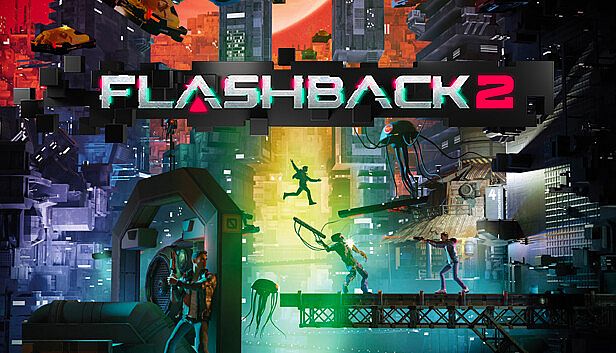
















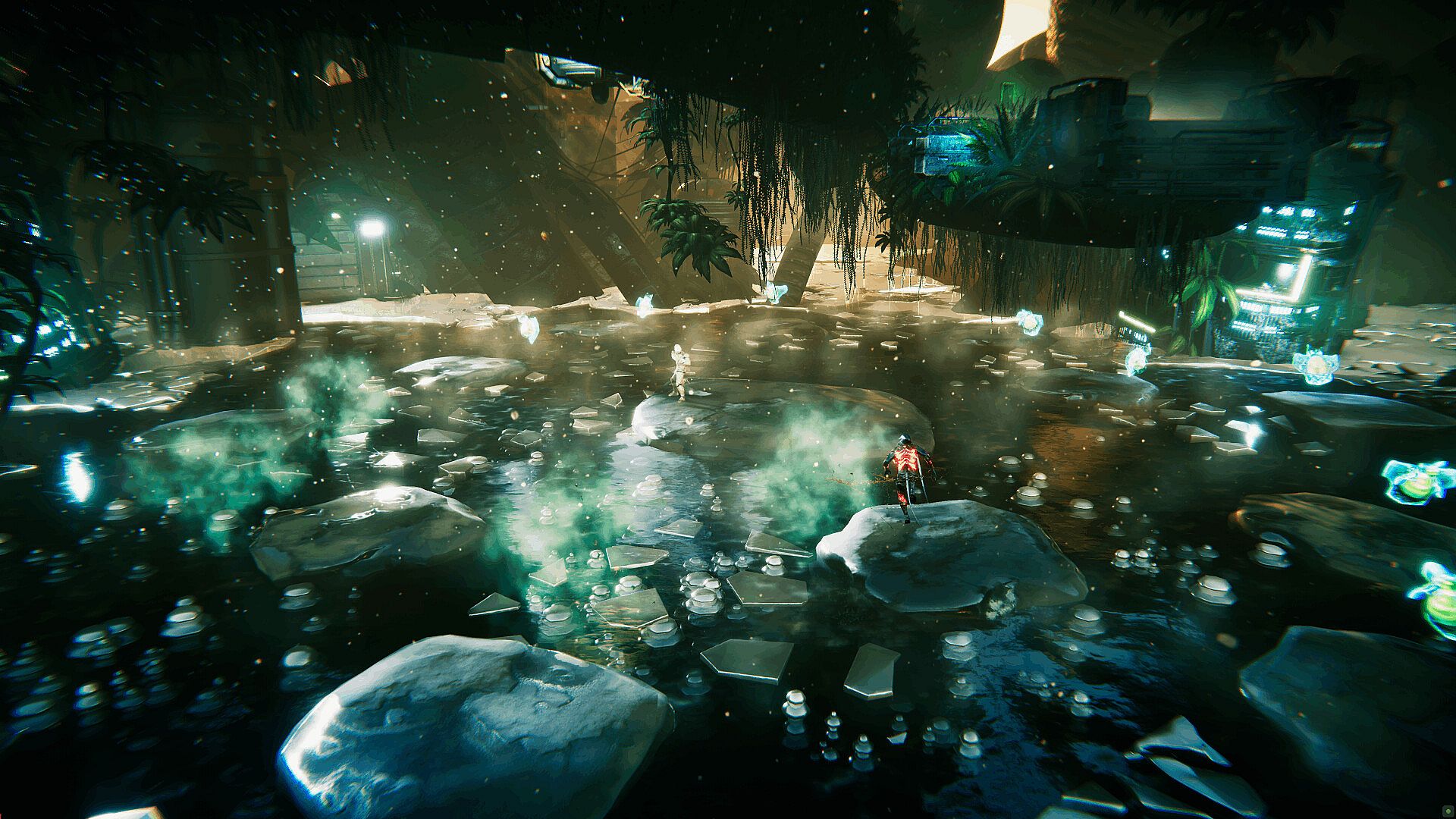
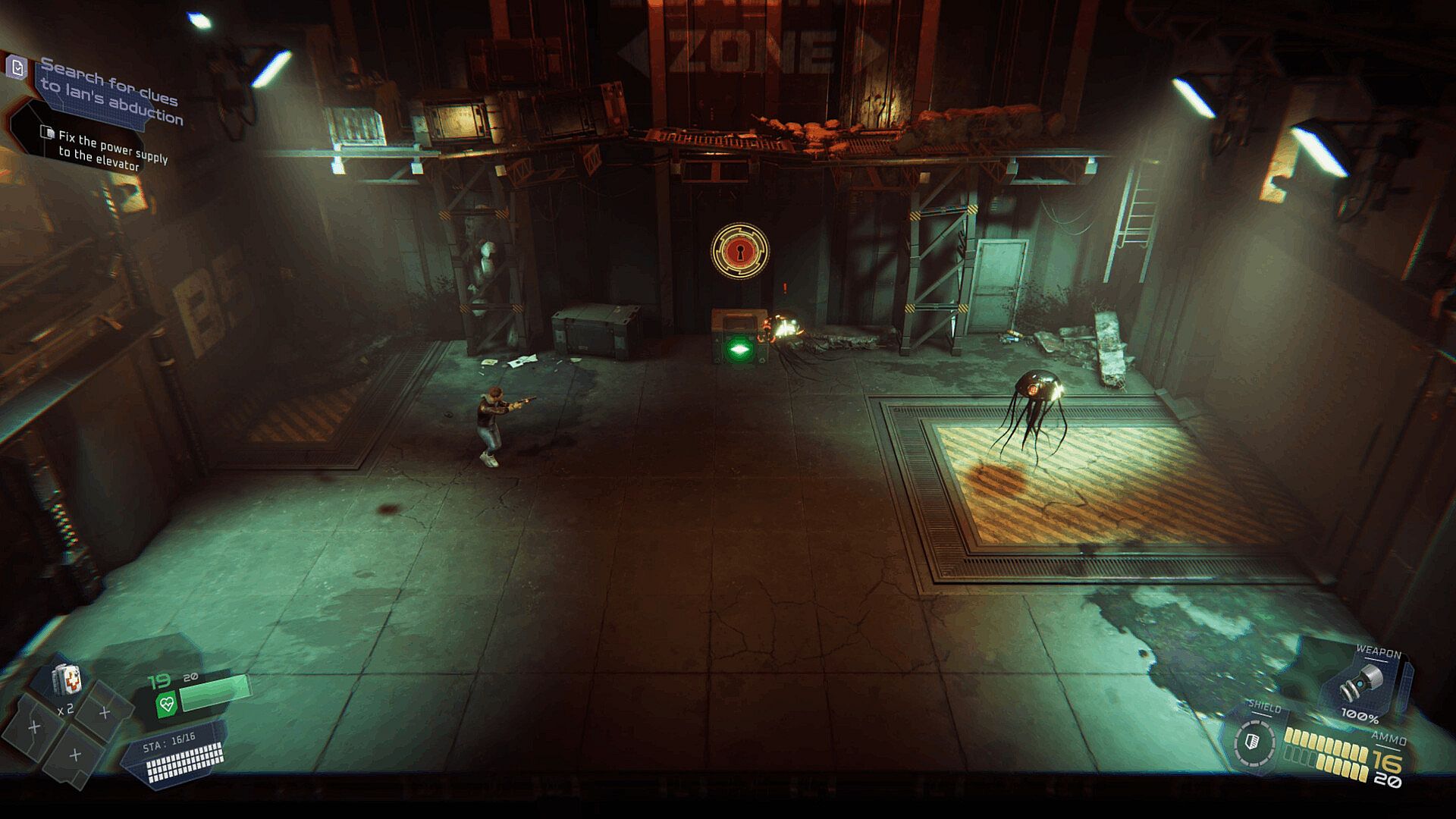
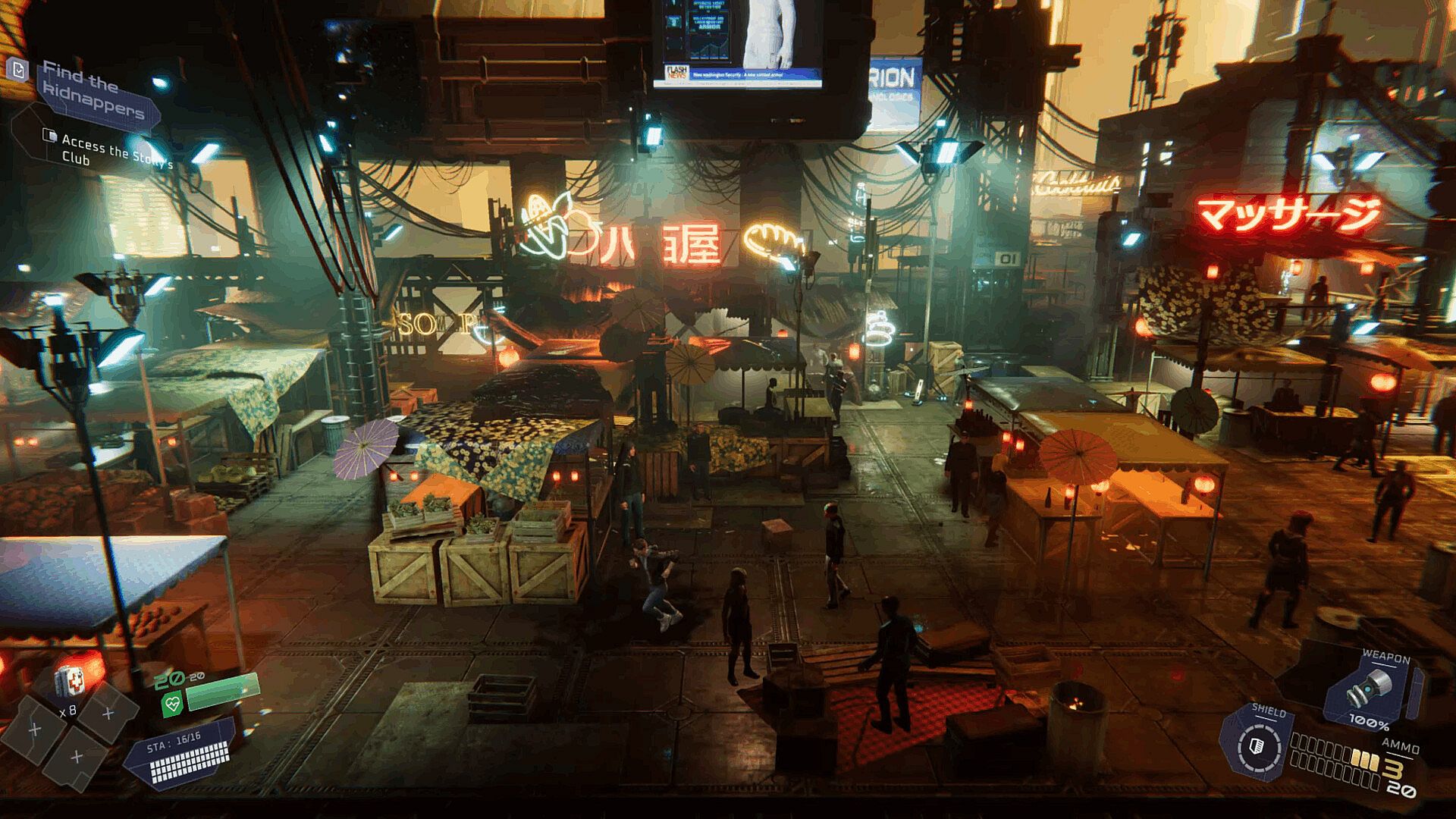
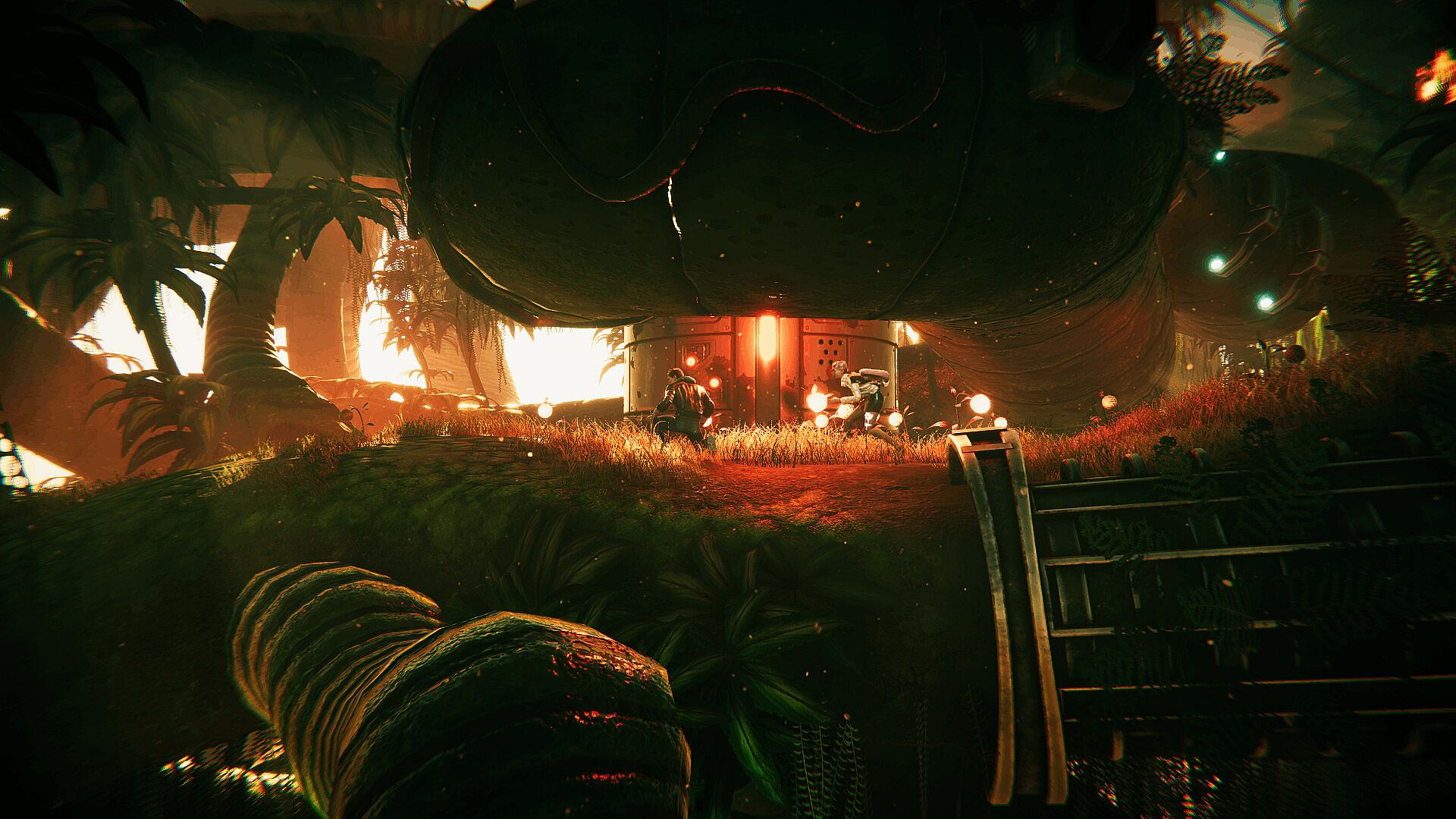
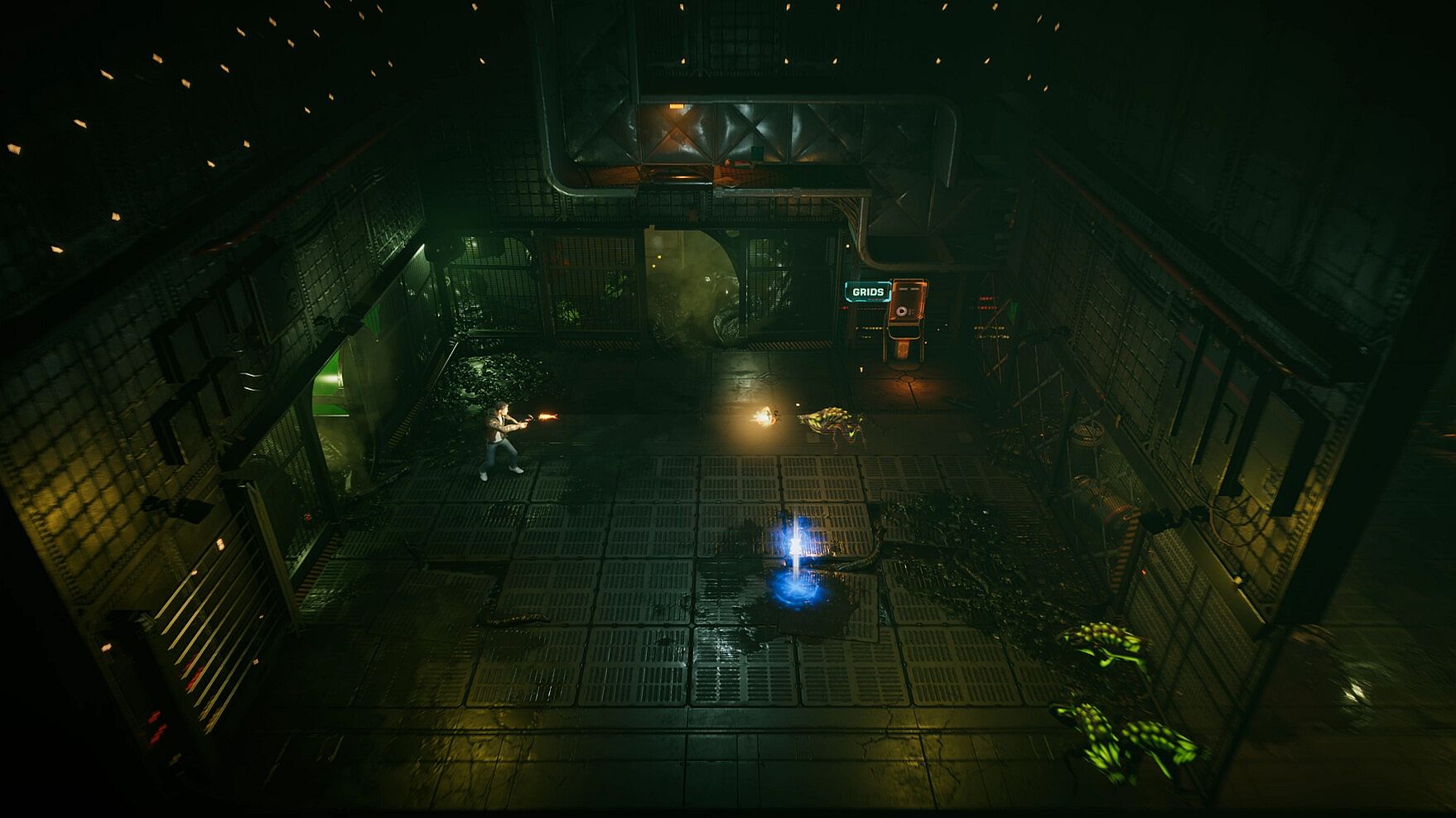
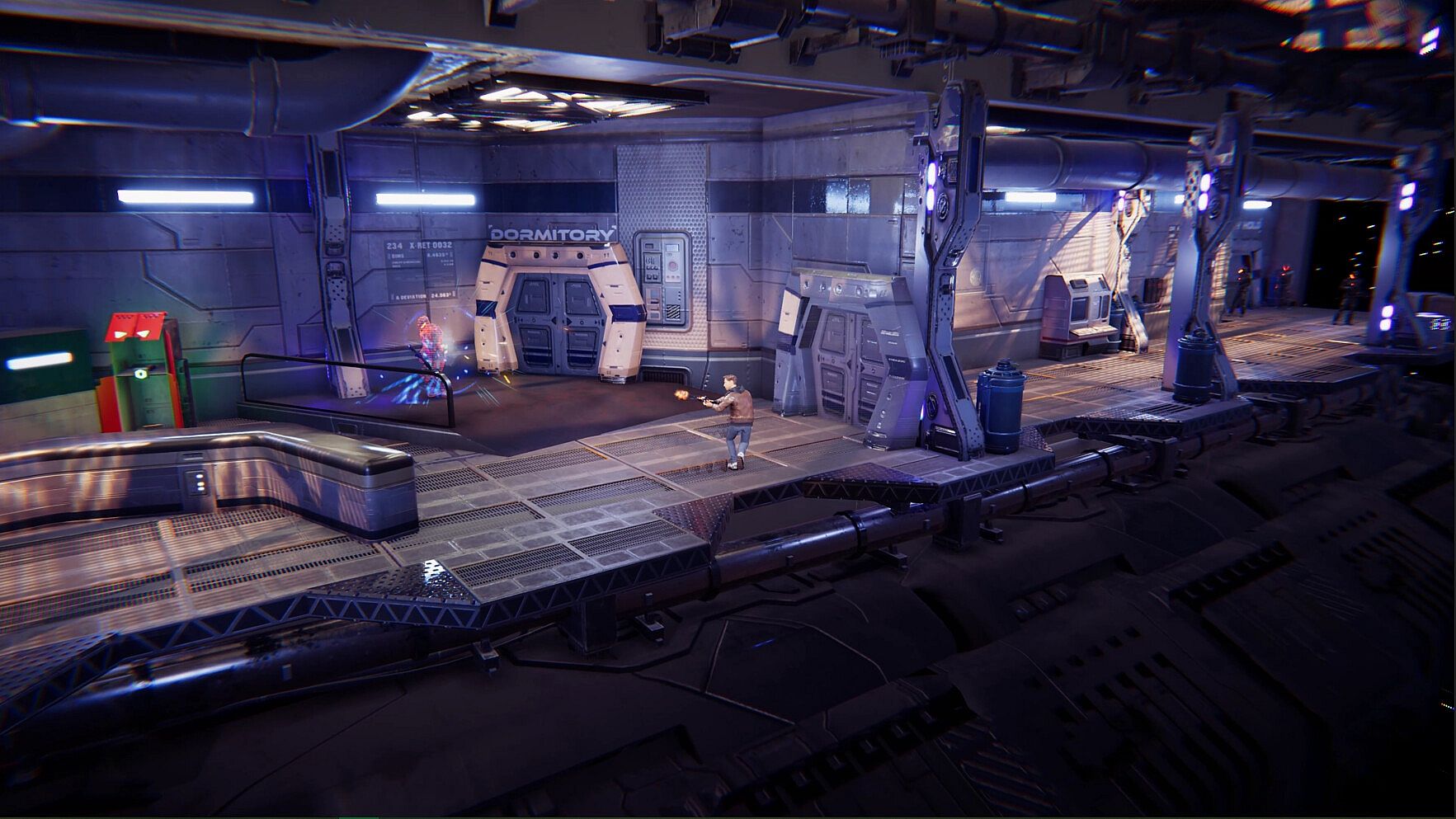
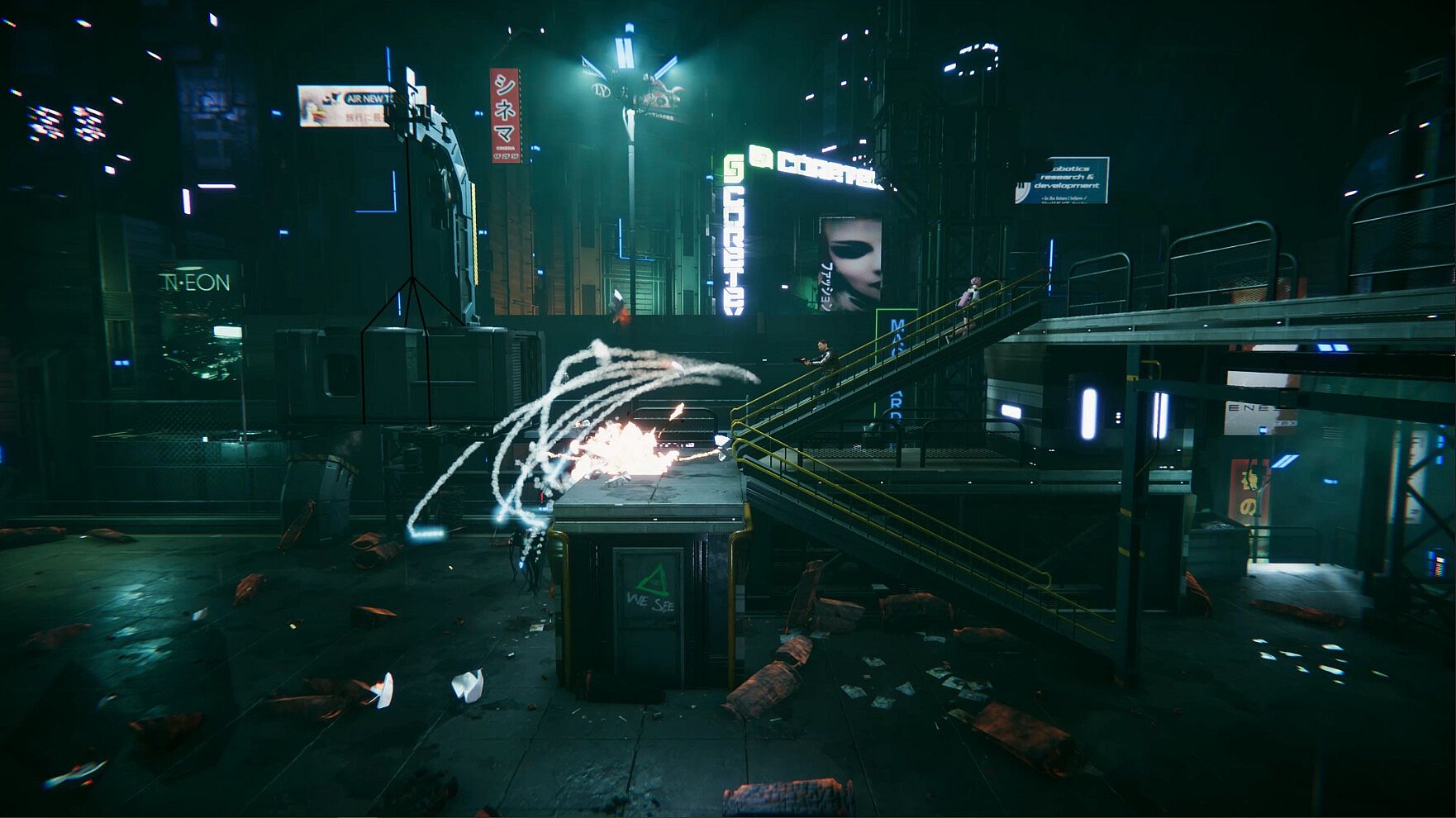
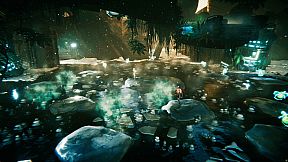
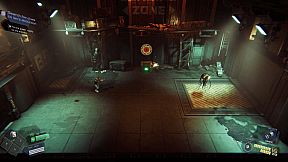
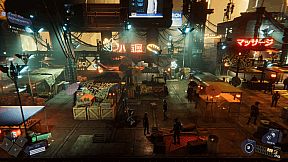
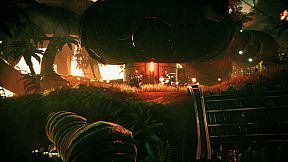
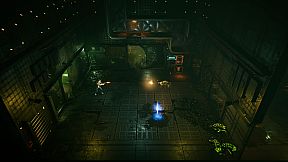
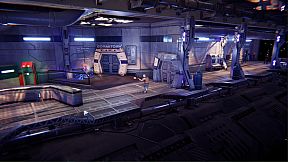
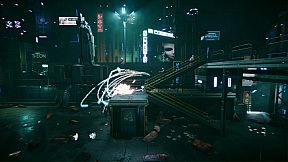
Flashback 2 is a single-player action-adventure platform shooter developed by Microids in collaboration with the original creator Paul Cuisset. Set in a sci-fi universe, the game follows agent Conrad B. Hart as he confronts an alien threat known as the Morphs while searching for his friend Ian. Players navigate cyberpunk cities, jungles, and other environments using platforming, shooting, and puzzle elements in a 2.5D perspective that blends side-scrolling movement with limited depth.
Gameplay
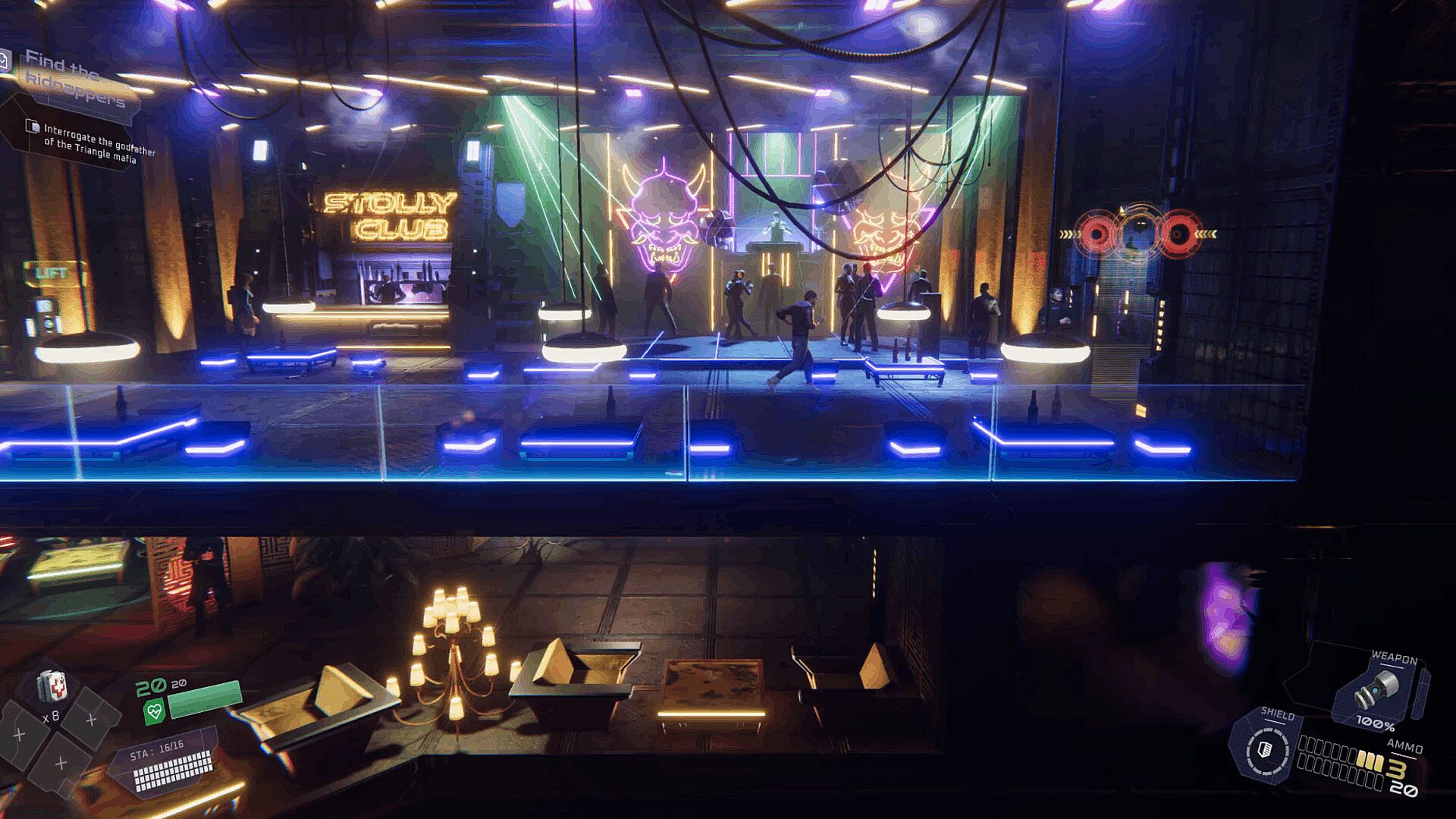
The core loop centers on exploration and combat within linear levels. Conrad moves through detailed locations such as New Washington and jungle areas, jumping between platforms, interacting with objects, and engaging enemies. The signature weapon A.I.S.H.A. provides adaptive firepower that evolves during play, allowing different attack styles against foes. Puzzle sections require environmental interaction and occasional hacking sequences that function as simple mini-games.
Controls emphasize fluid movement and shooting, though the fixed camera angle in 2.5D scenes can limit aiming precision during fights. Players collect power-ups with time limits and manage resources while progressing through story-driven objectives. The design mixes classic platforming challenges with occasional vehicle sections, including a mech confrontation that serves as a set-piece encounter.
Technical updates released after launch improved responsiveness, combat feedback, and the save system, addressing some early performance concerns on PC and consoles. The single-player campaign remains the sole focus, with no additional systems layered on top of the main progression.
Game Modes
Flashback 2 offers only a single-player campaign structured around sequential missions and objectives. Players advance by completing tasks assigned through in-game systems, such as job agency requests that unlock new areas and story beats. These missions incorporate platforming sequences, enemy encounters, and light puzzle solving without branching paths or alternative routes.
Progression follows a linear narrative that ties directly to the original 1992 game, emphasizing story revelations over replayable content. No separate difficulty modes, challenge arenas, or cooperative options exist. The experience stays contained within the main adventure, where exploration and combat drive the pace from start to finish.
Story and Setting
The narrative continues the events of the first Flashback, placing Conrad in the 22nd century amid a Morph invasion led by General Lazarus. Peace across the United Worlds faces disruption, prompting the protagonist to reunite with allies including the AI companion A.I.S.H.A. Multiple environments reflect the cyberpunk aesthetic, from urban sprawls to dense jungles, each supporting the plot through visual storytelling and character interactions.
Twists and revelations unfold as Conrad investigates leads and confronts threats. The story integrates with gameplay objectives rather than standing apart, keeping the focus on forward momentum through the campaign.
Is It Worth Playing?
Flashback 2 received generally unfavorable reviews across platforms, with Metacritic scores in the low 30s for both PC and console versions. Common points of criticism include technical issues such as frame rate instability, glitches, lengthy load times, and imprecise controls that affect combat reliability. Patches released in late 2023 and mid-2024 refined several of these areas, yet the overall reception stayed negative.
The game suits players specifically interested in the Flashback series or retro-inspired platform shooters who accept its limitations. Those seeking polished modern action-adventure titles may find the execution lacking in responsiveness and polish. Availability remains limited to the base campaign with no free trials or additional modes confirmed. Potential buyers should weigh the mixed technical state against personal tolerance for older-style design quirks before purchasing.