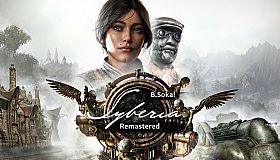






























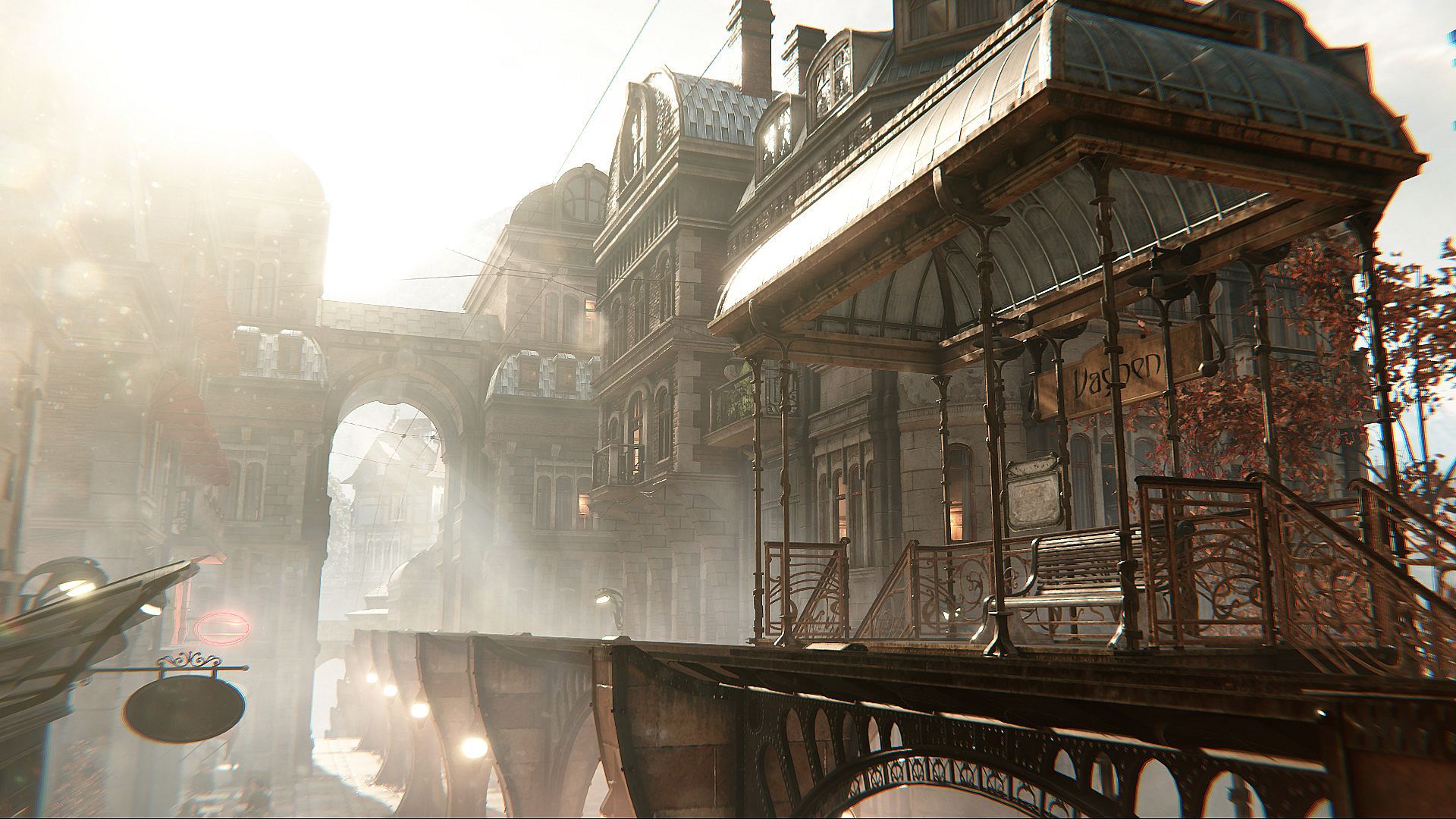
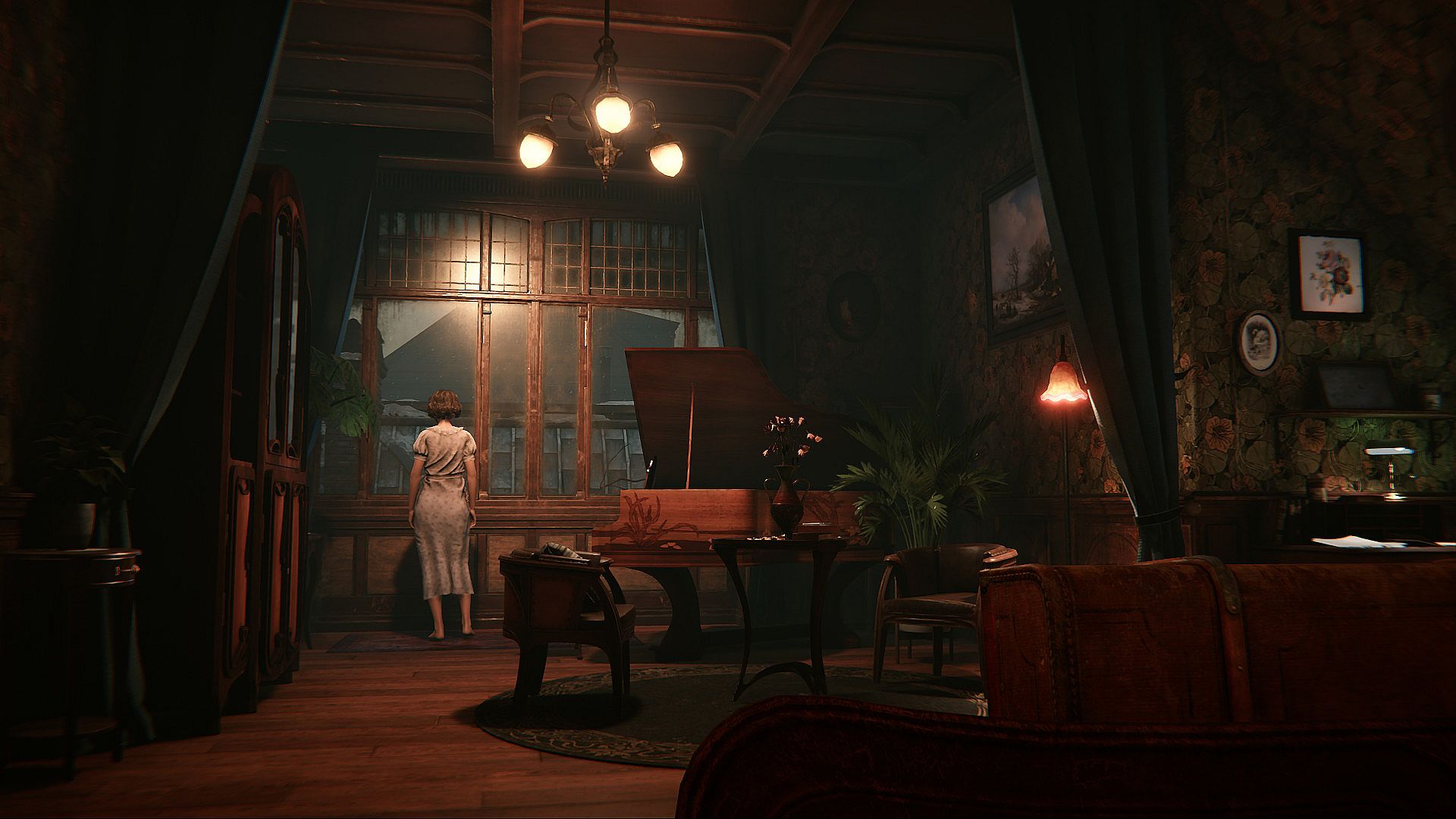
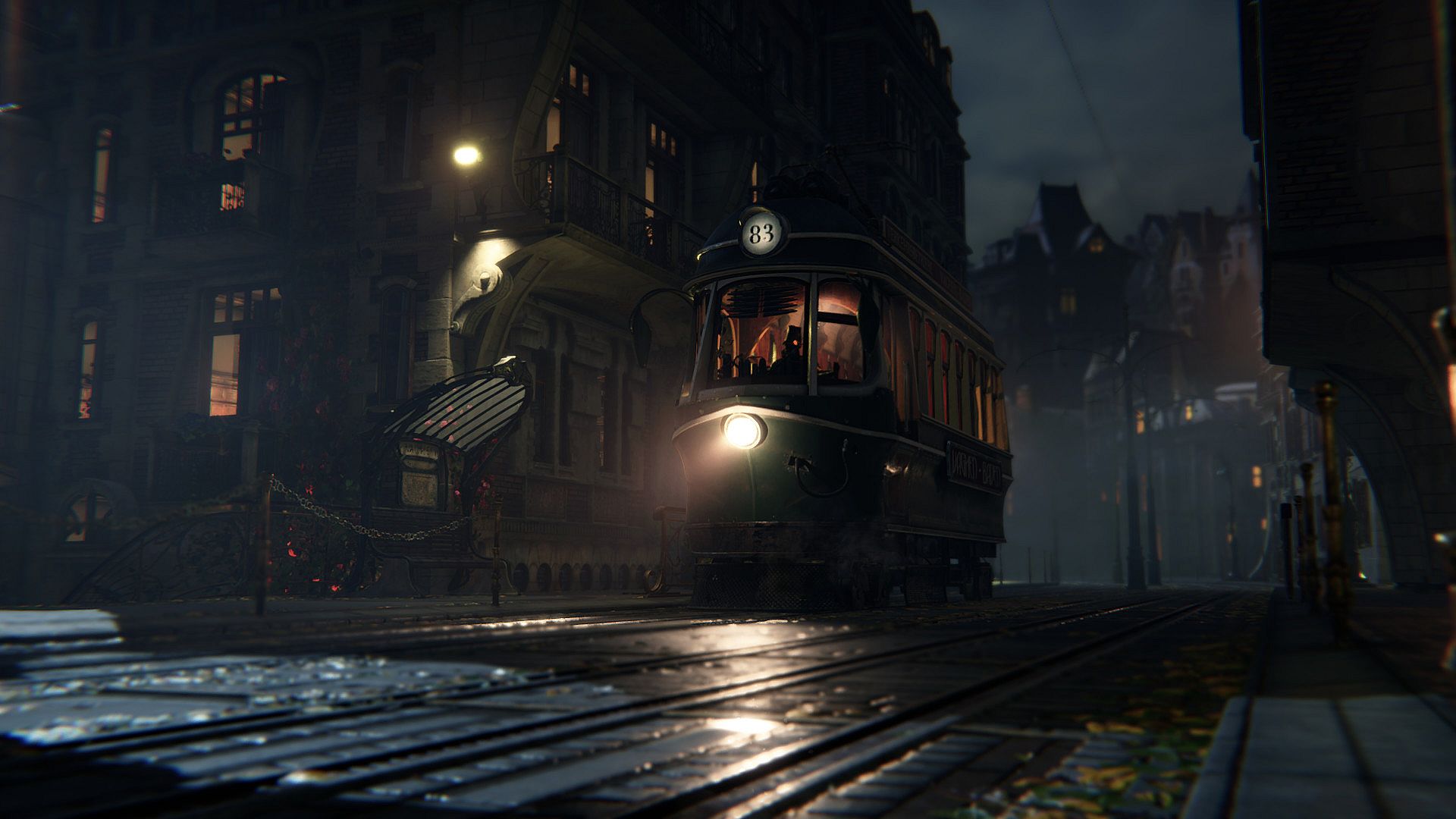
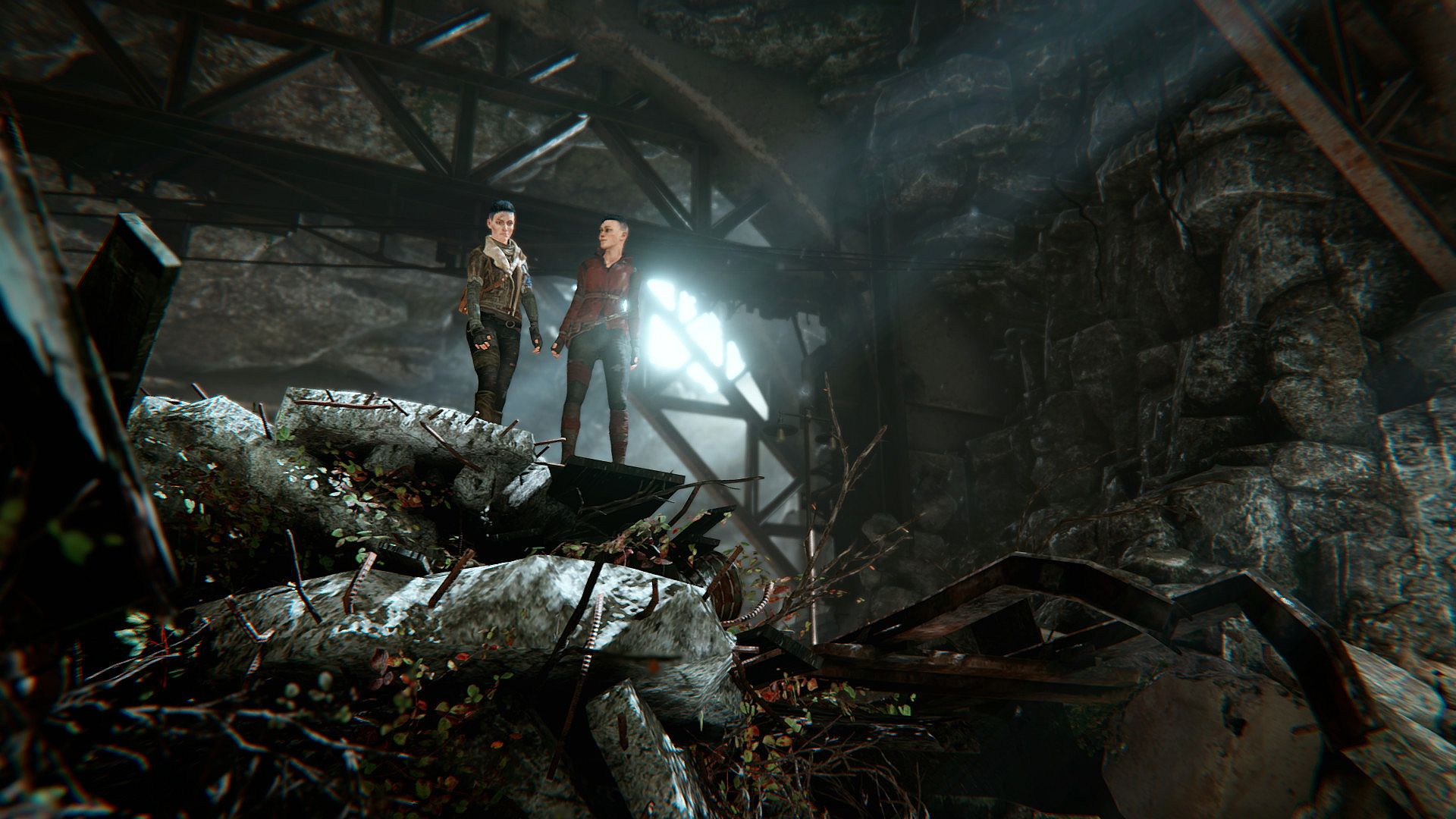
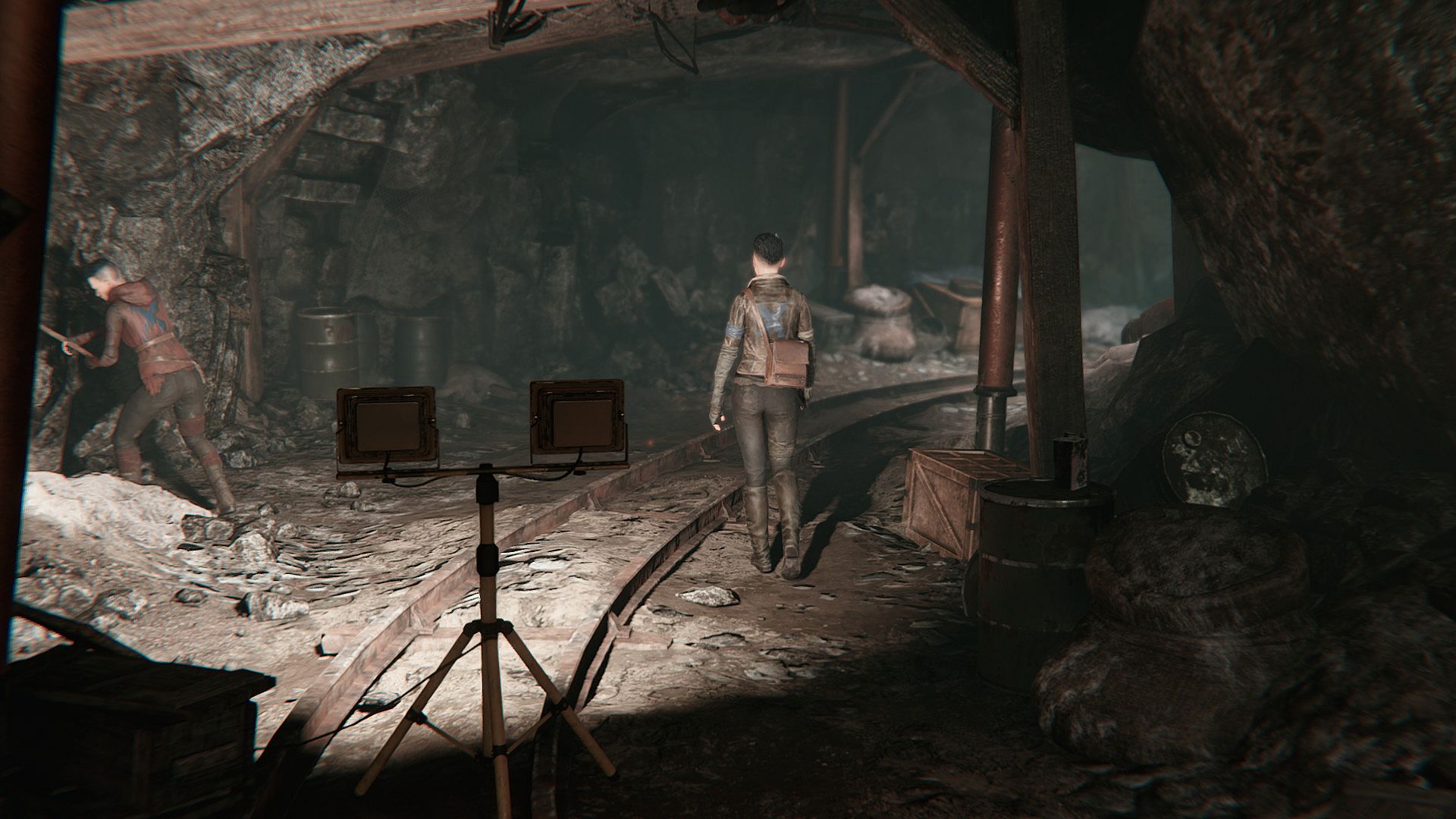
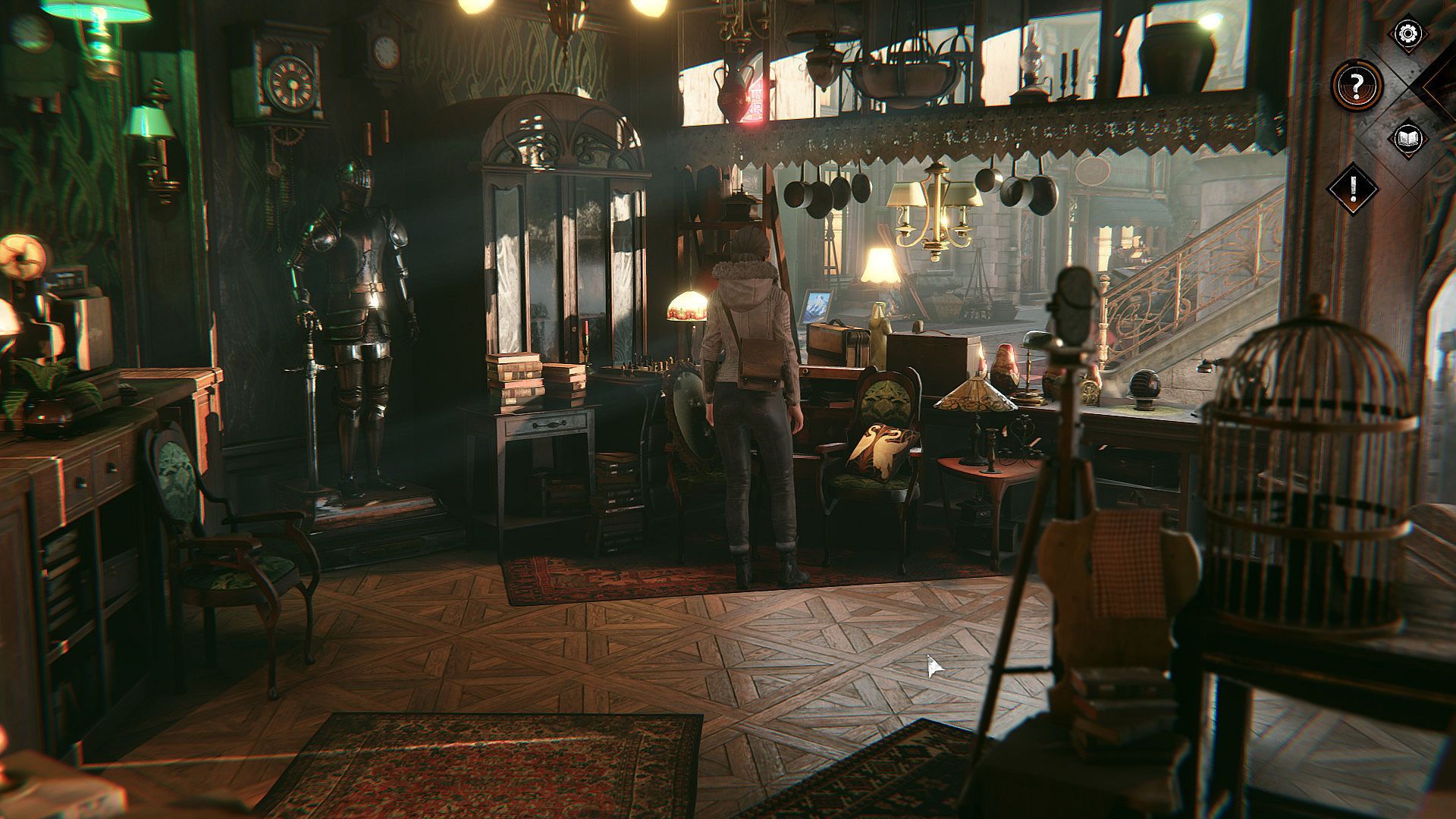
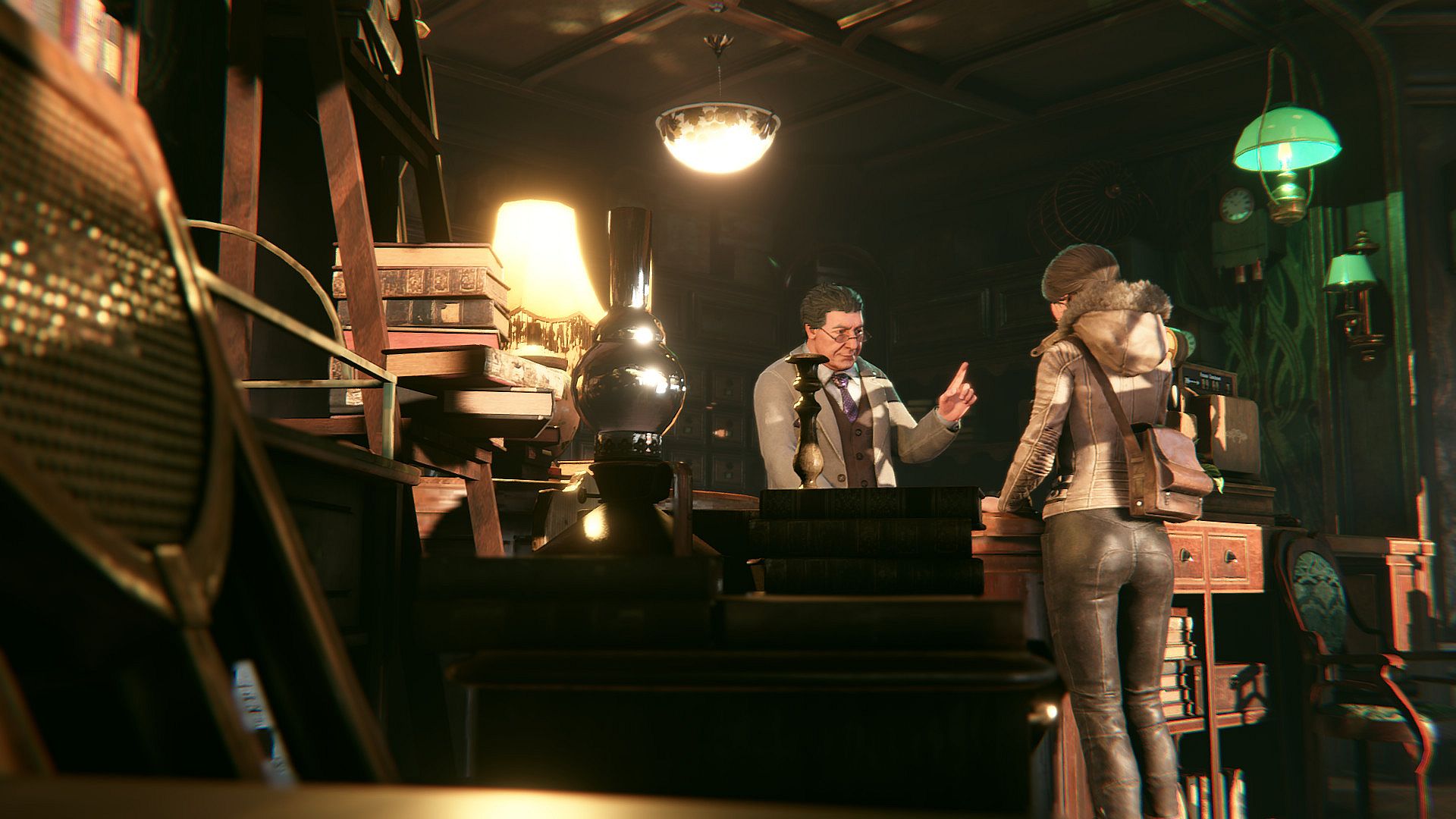
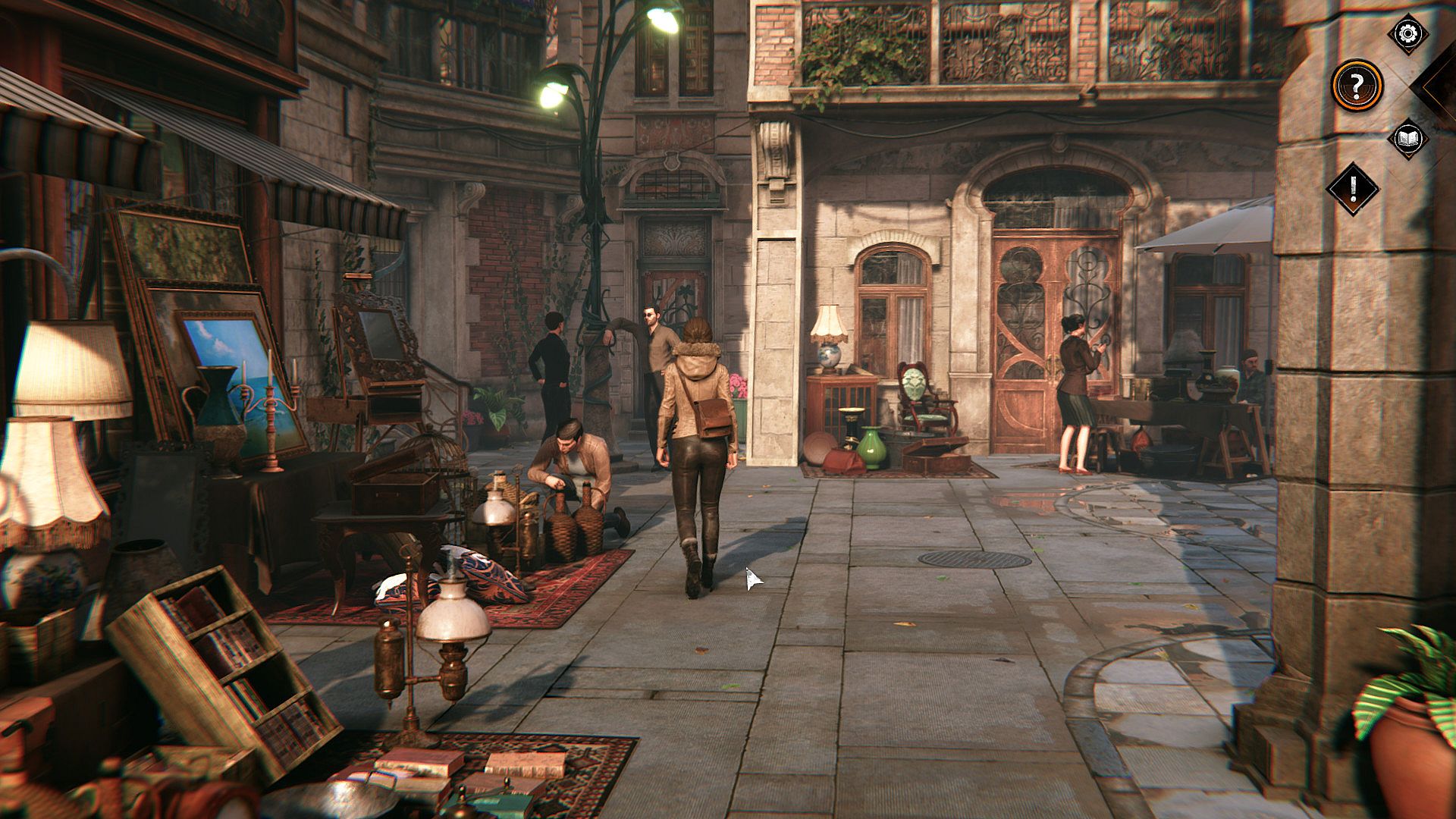
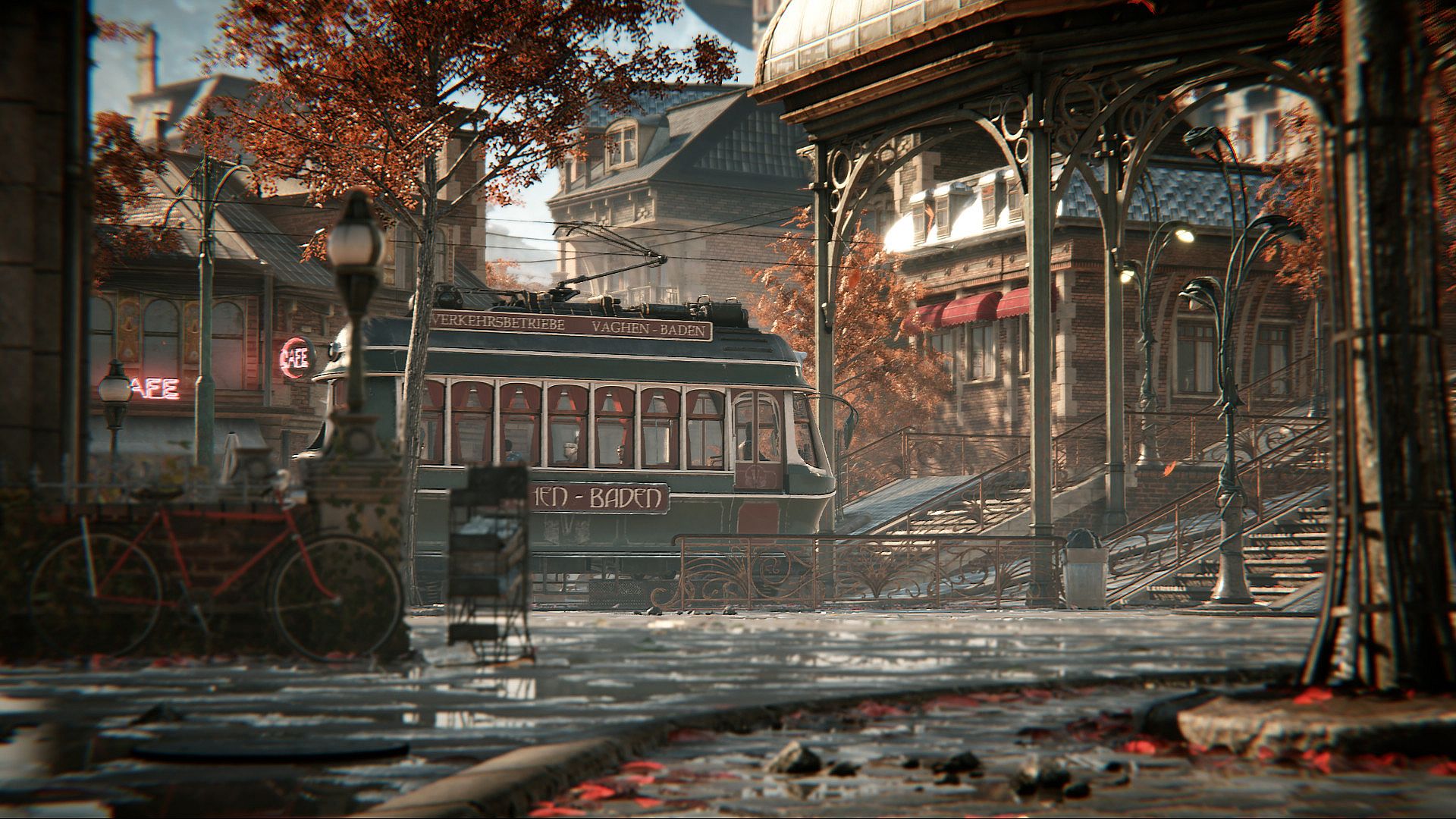
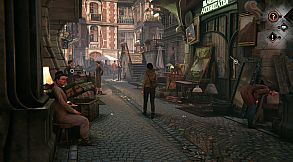
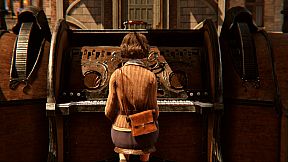
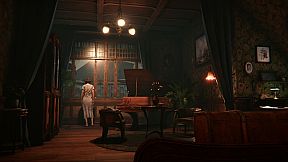
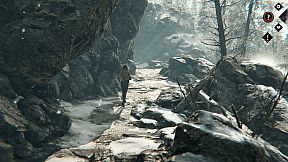
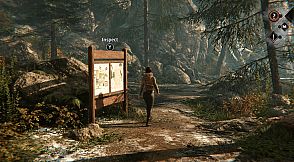
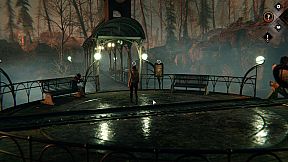
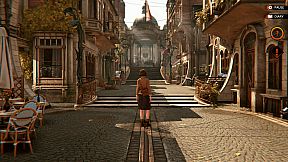
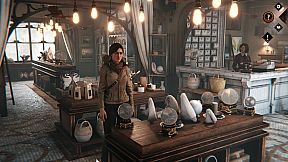
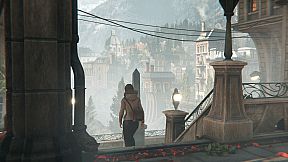
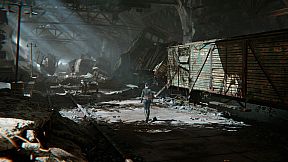
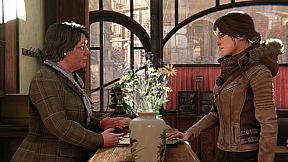
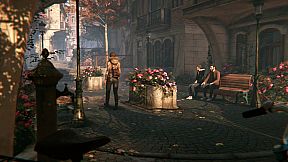
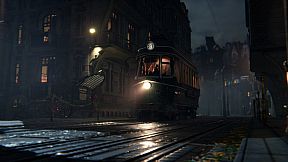
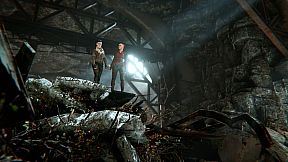
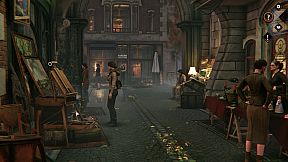
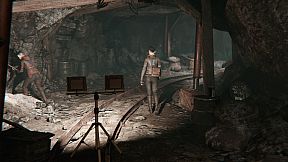
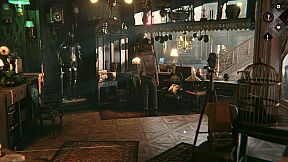
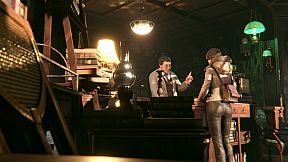
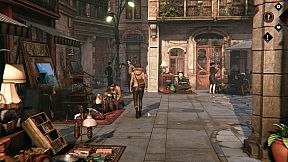
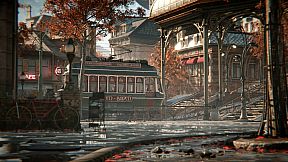
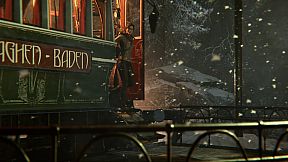
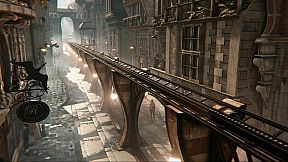

Syberia: The World Before is a graphic adventure game developed for PC that centers on narrative exploration and puzzle solving across two distinct time periods. Players follow the stories of Kate Walker, a New York attorney drawn into a larger mystery, and Dana Roze, a talented young pianist facing challenges in 1937 Vaghen as the shadow of the Second World War approaches. The experience alternates between these eras in eastern European settings, emphasizing careful observation and logical problem solving to connect the threads of their lives.
Gameplay
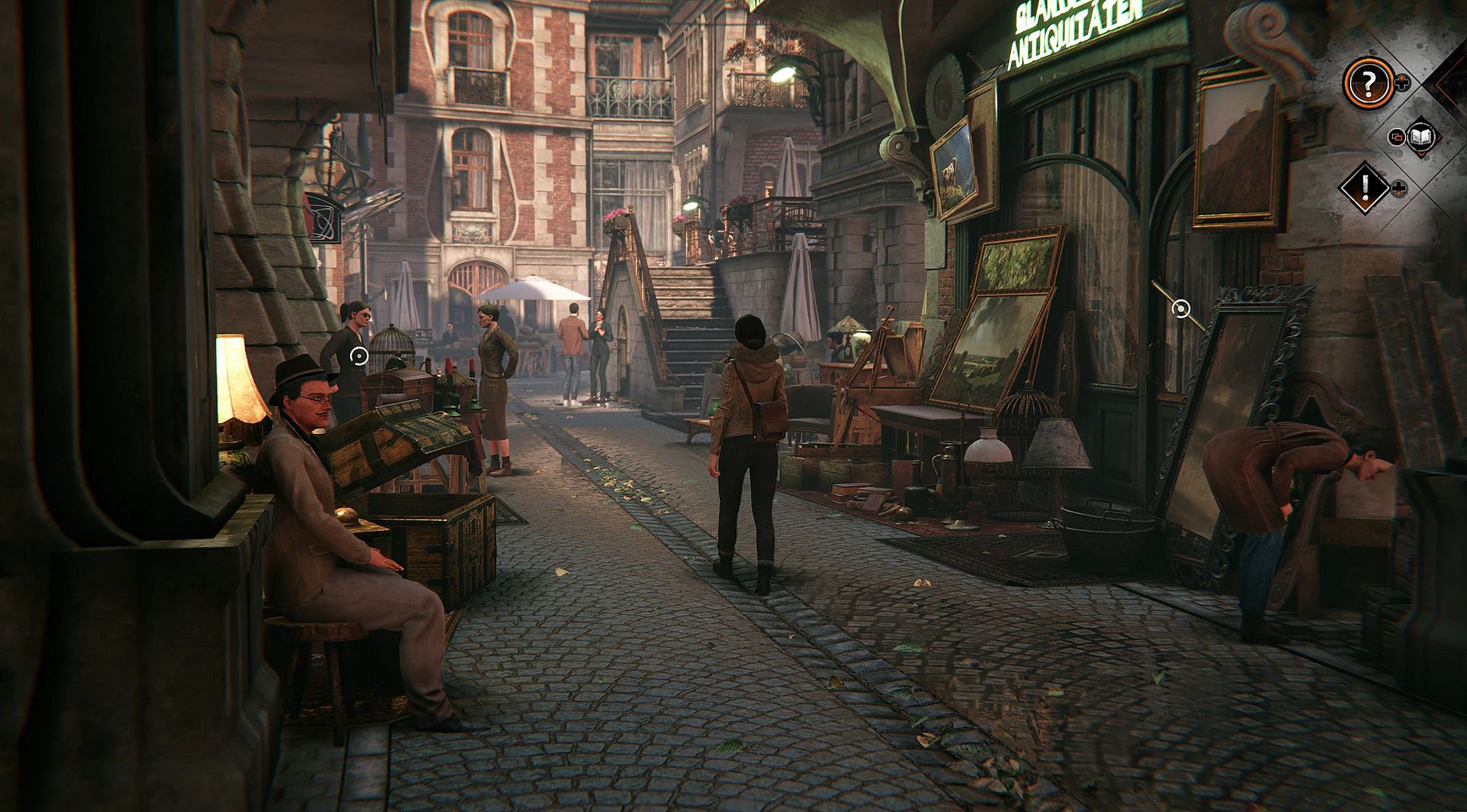
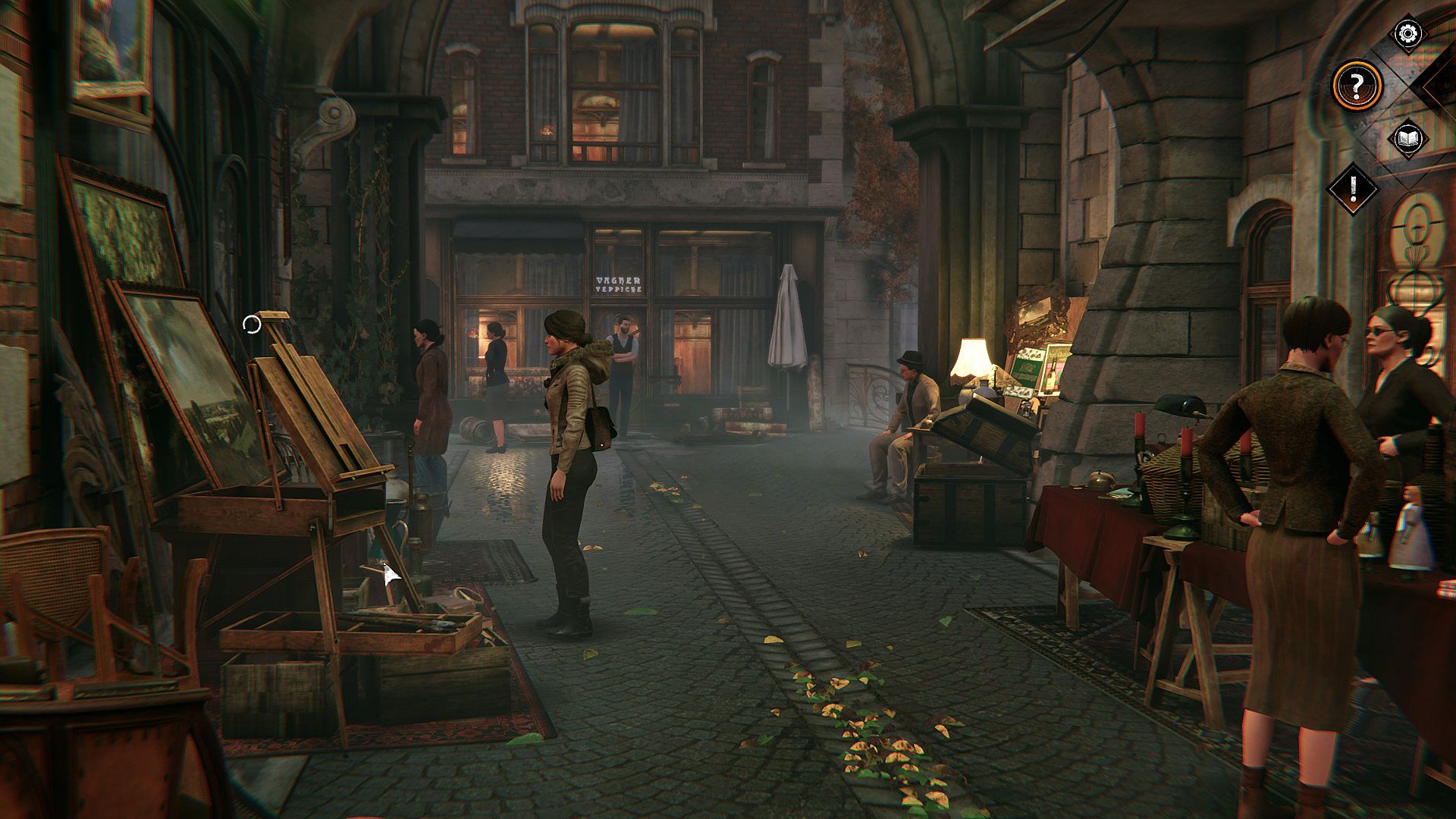
The core loop revolves around point and click interactions in detailed environments. Players examine objects, gather clues from their surroundings, and apply them to progress. Common tasks include repairing broken instruments, manipulating locks, and activating aged mechanisms through precise sequences of actions. Each puzzle requires attention to visual details and environmental context rather than trial and error alone. Movement occurs through fixed camera perspectives typical of the genre, with players selecting hotspots to interact or travel between locations. The dual timeline structure means solutions in one era often inform events or objects in the other, creating a layered progression that rewards patience and note taking. No combat or resource management systems appear, keeping the focus squarely on deduction and discovery.
Game Modes
The game offers a single player experience with no additional modes such as multiplayer or competitive elements. The entire narrative unfolds in a linear campaign that can be completed independently without prior knowledge of earlier entries in the series. Progress saves automatically at key points, and players can revisit locations to review clues or complete any missed interactions. A demo version exists for those wanting to sample the opening sections before committing to the full release.
Story and Setting
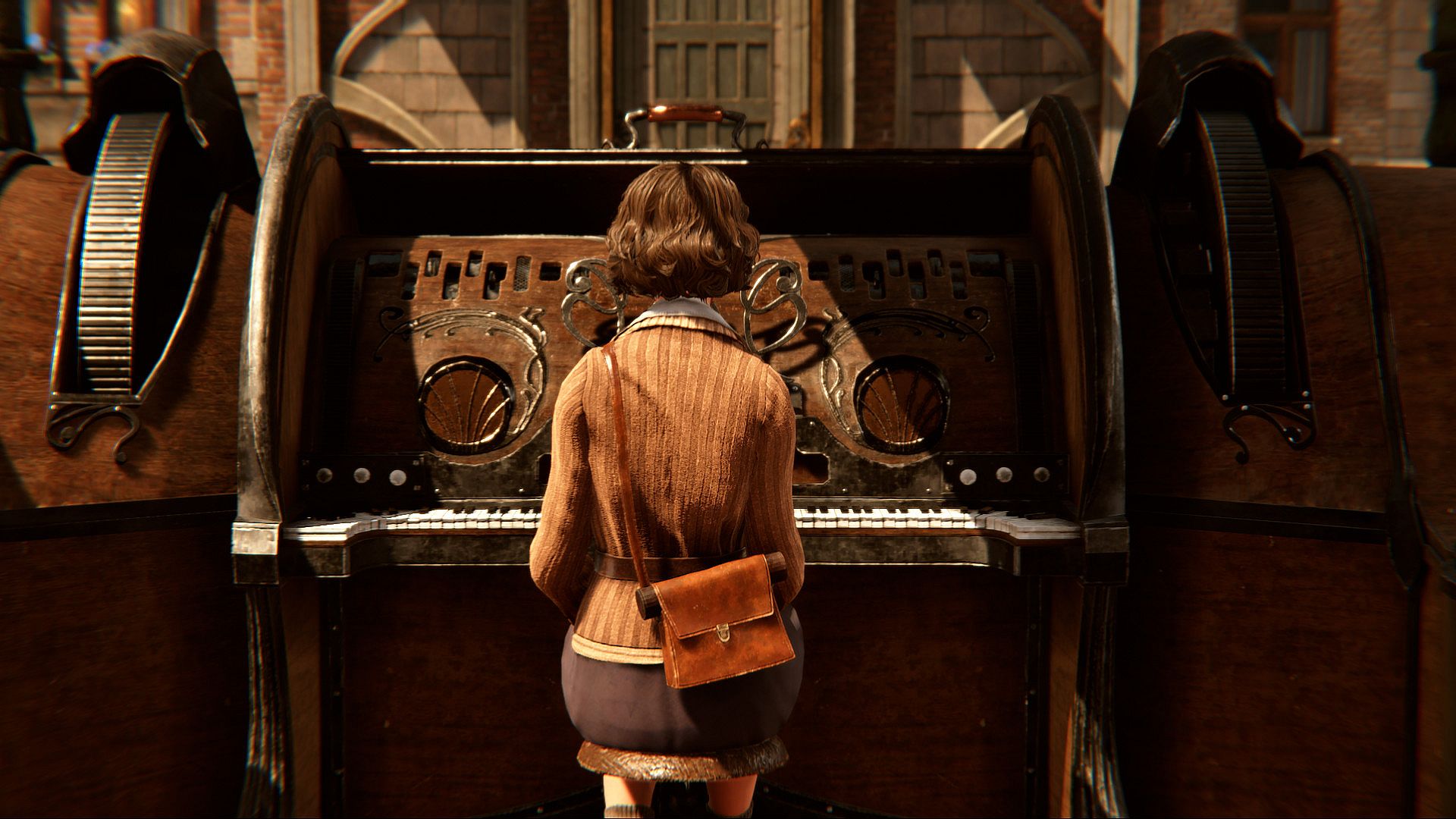
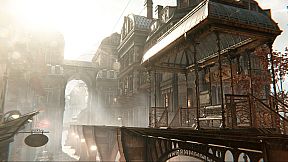
The plot weaves together personal ambitions and historical pressures through the parallel journeys of its two protagonists. In 2004, Kate investigates connections that lead her through cities filled with remnants of earlier eras. In 1937, Dana navigates the early stages of her musical career amid rising tensions. Eastern European locations feature a blend of real world architecture and mechanical inventions that define the series aesthetic. The story builds through dialogue, documents, and environmental storytelling rather than direct exposition, encouraging players to piece together motivations and events themselves.
Visuals and Audio
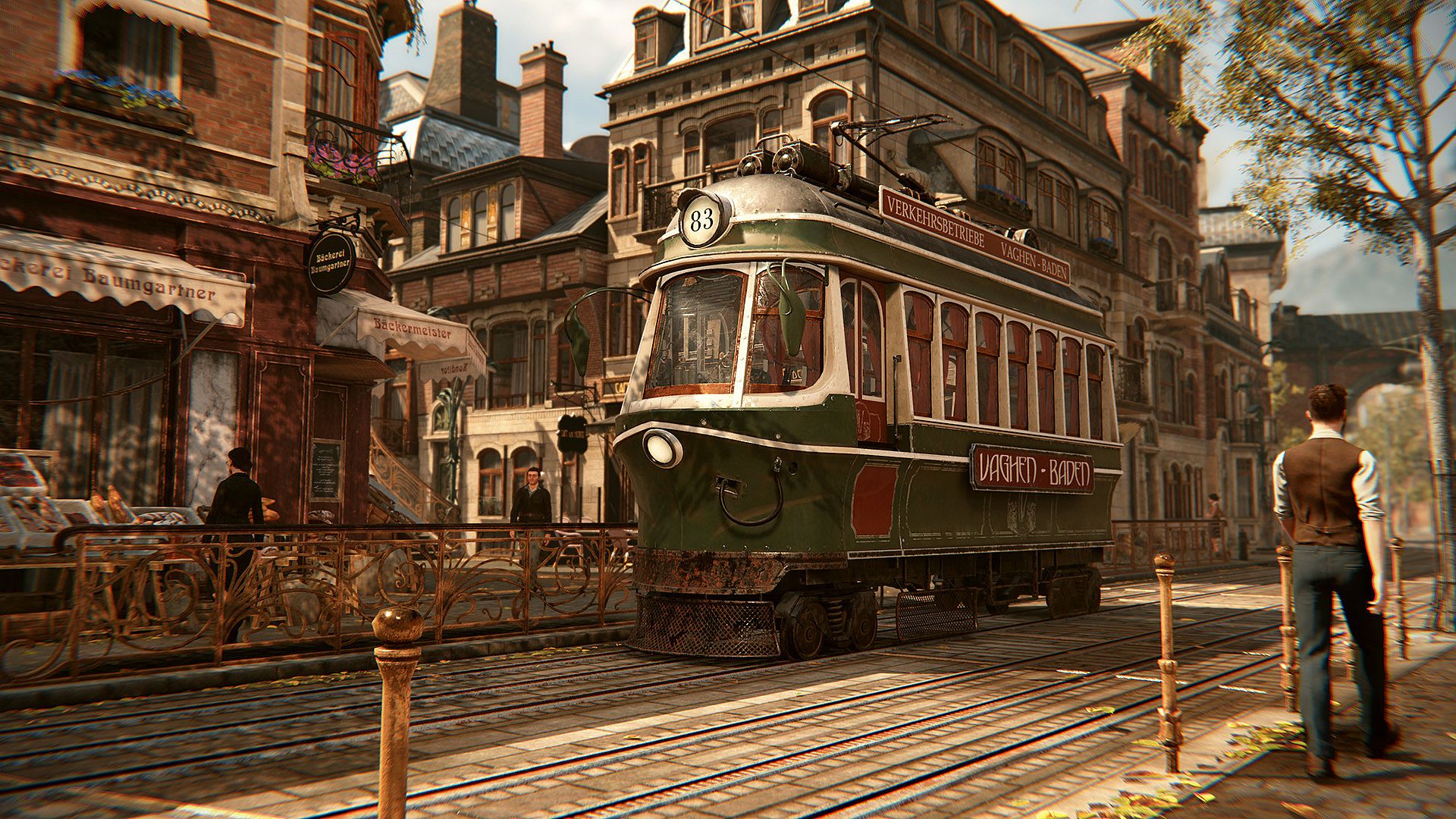
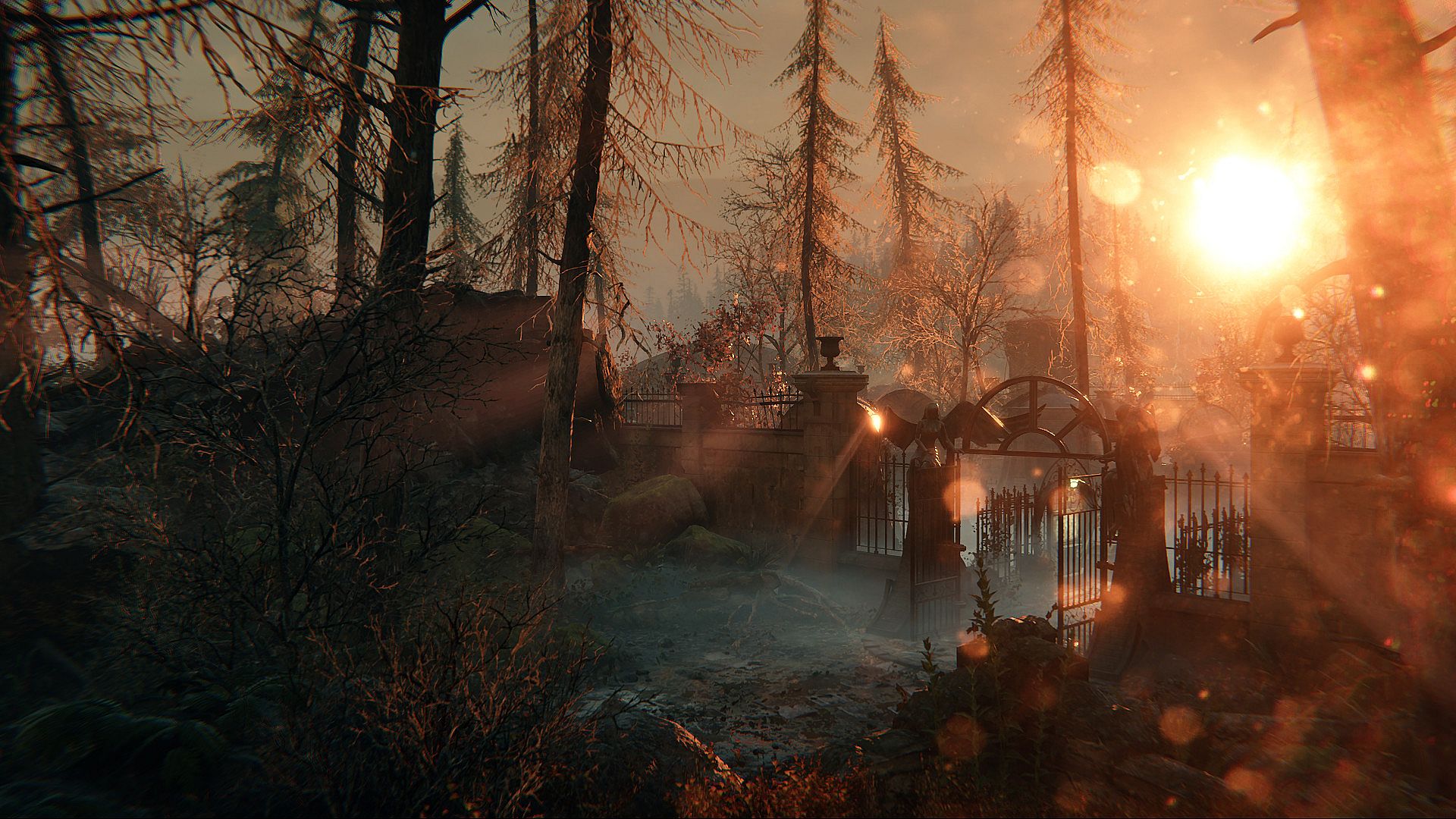
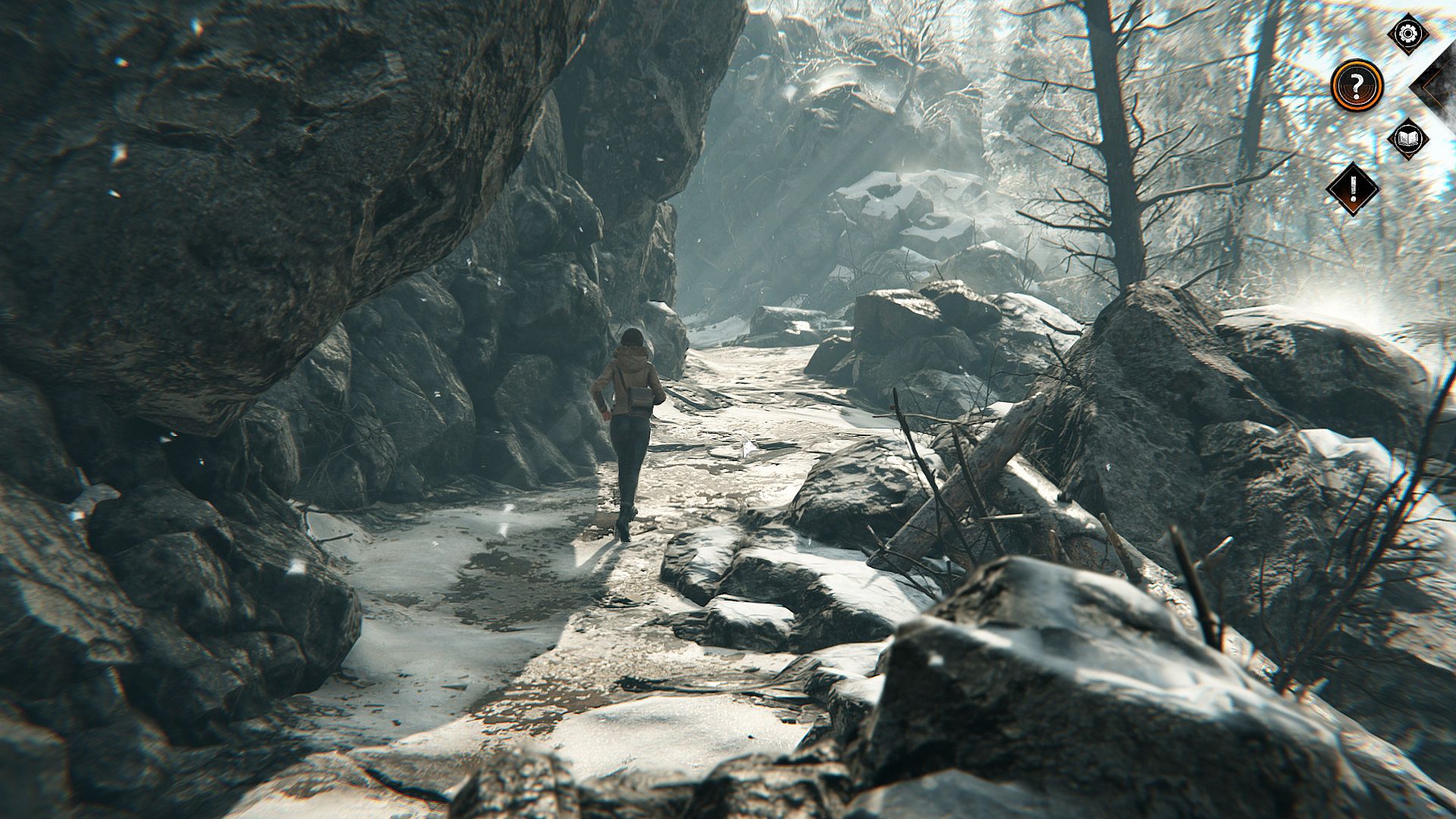
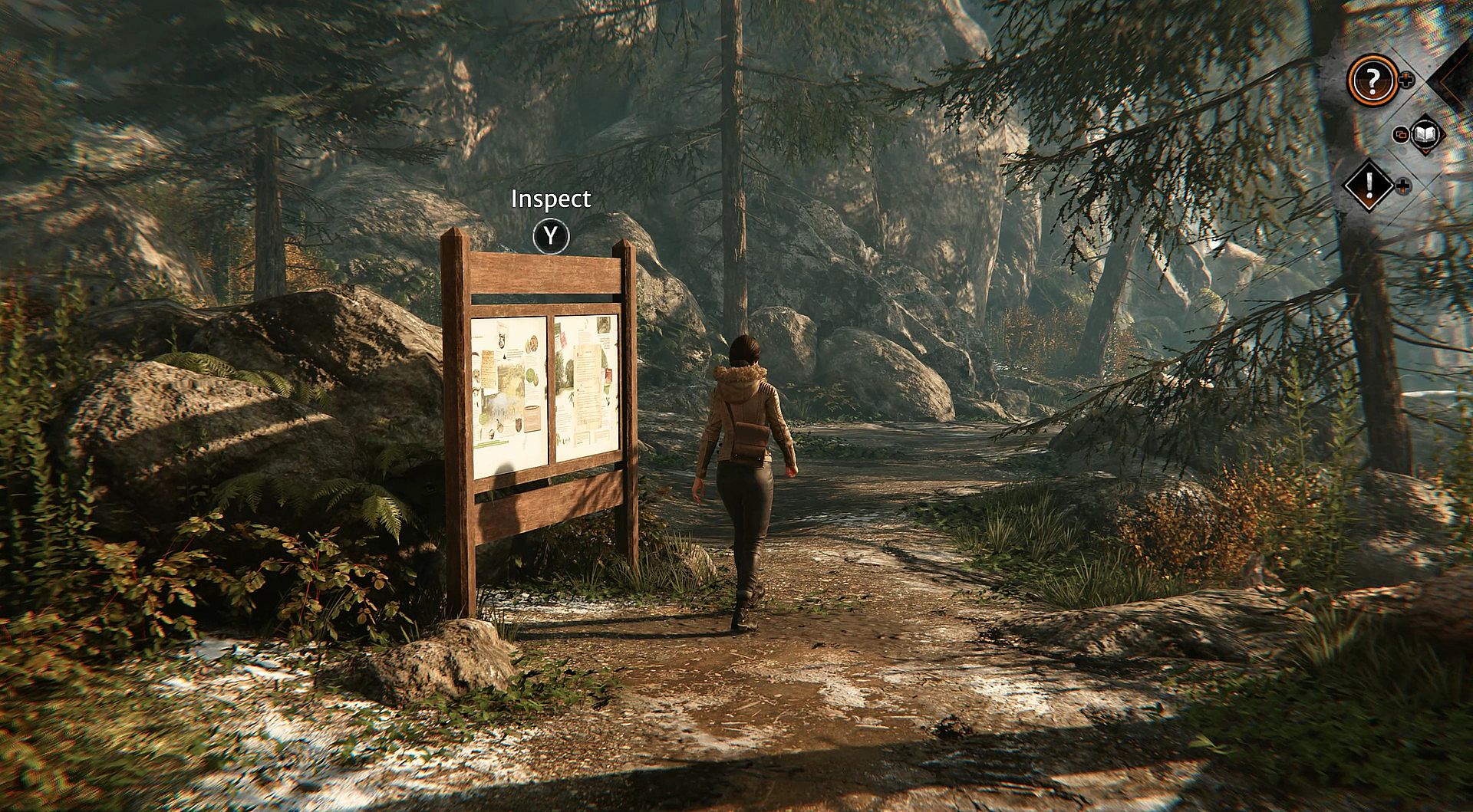
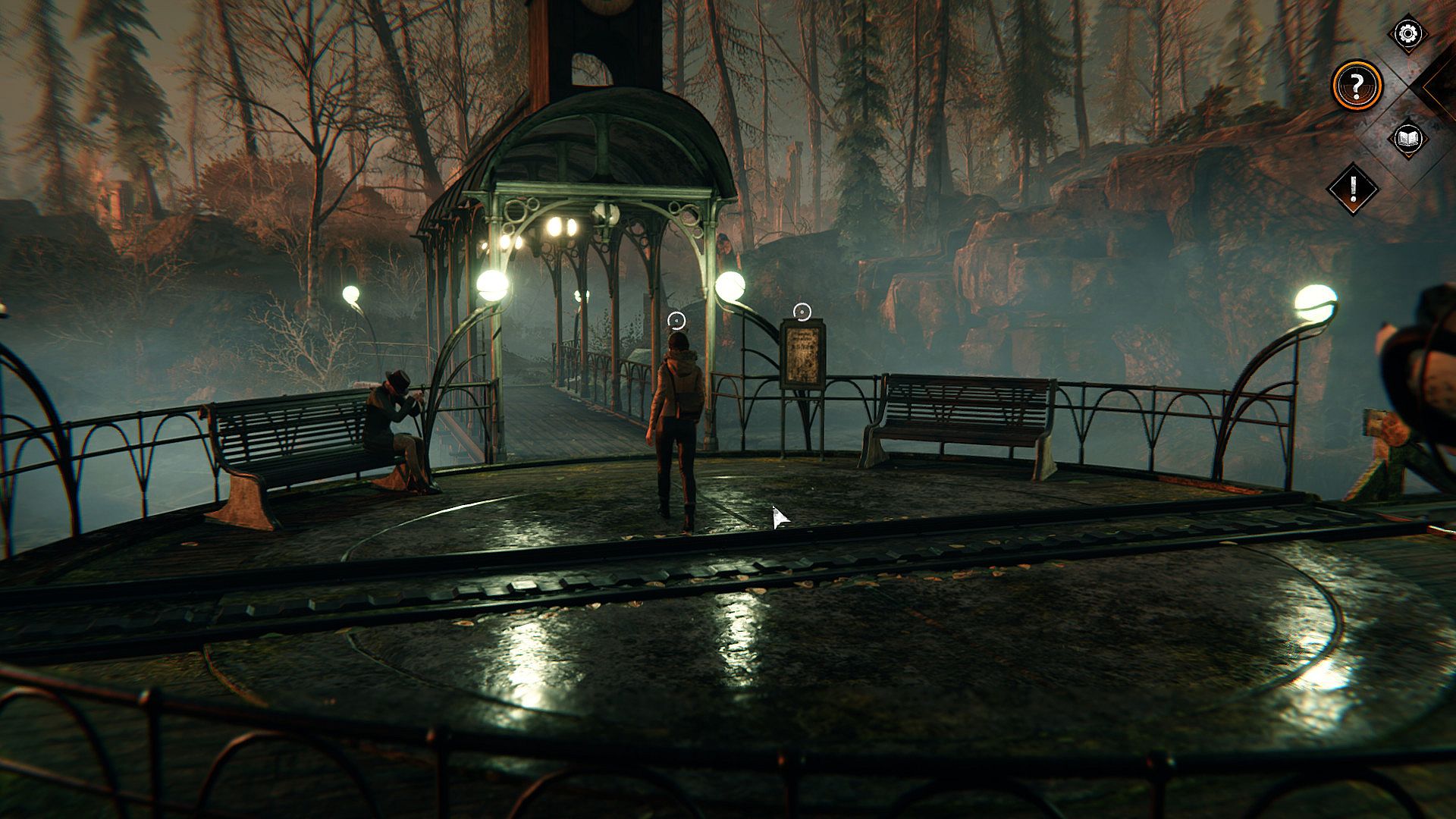
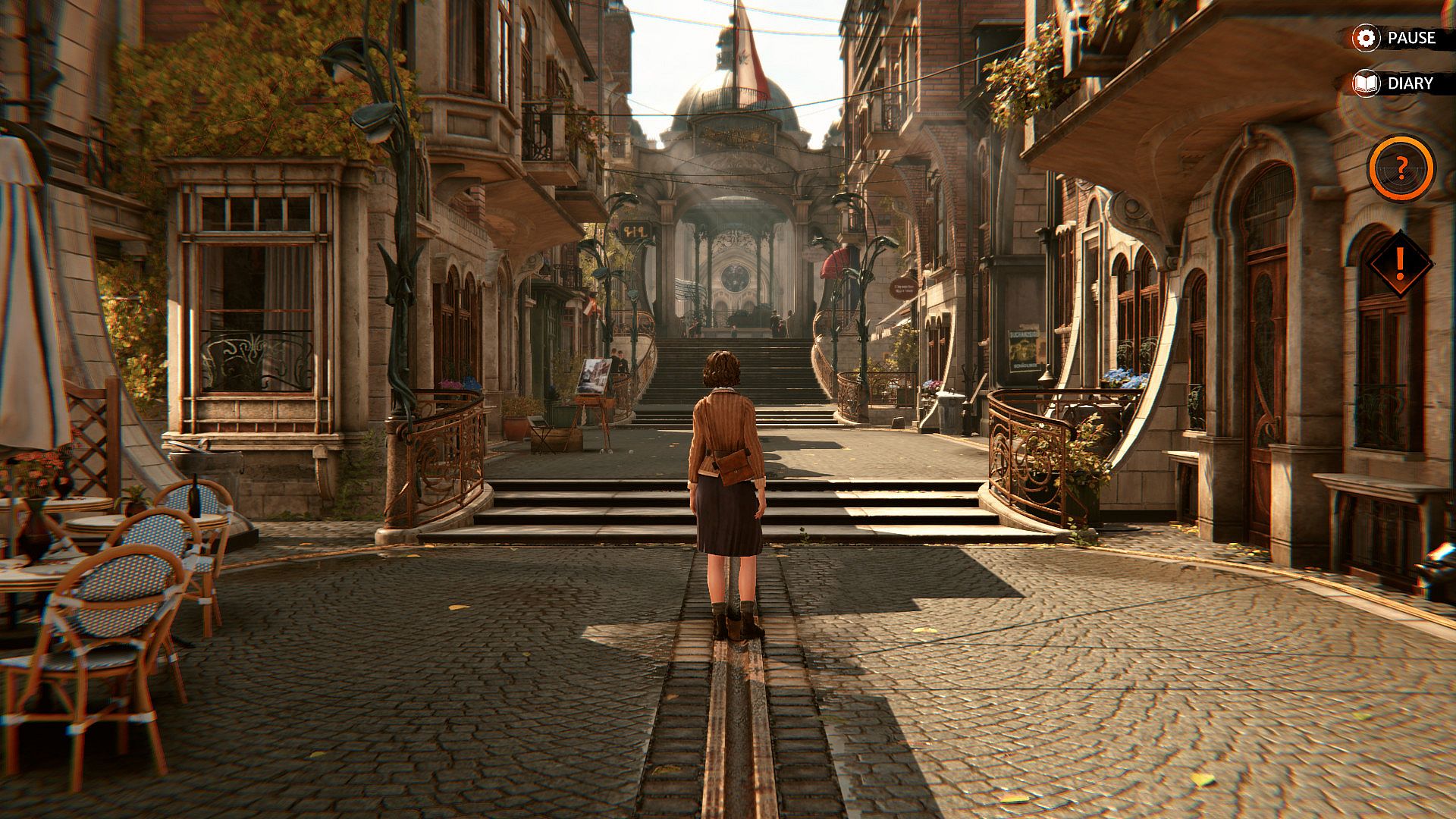
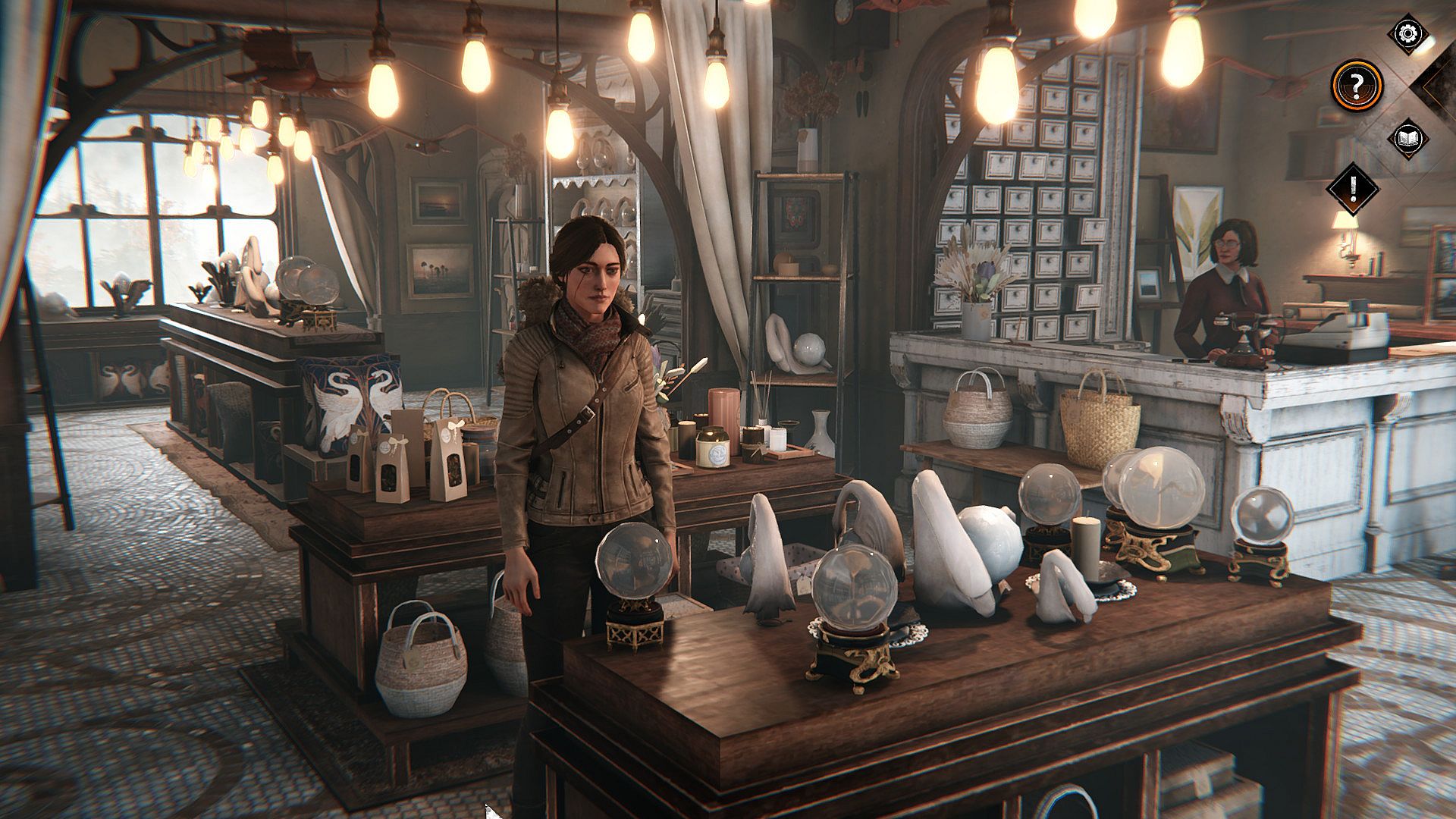
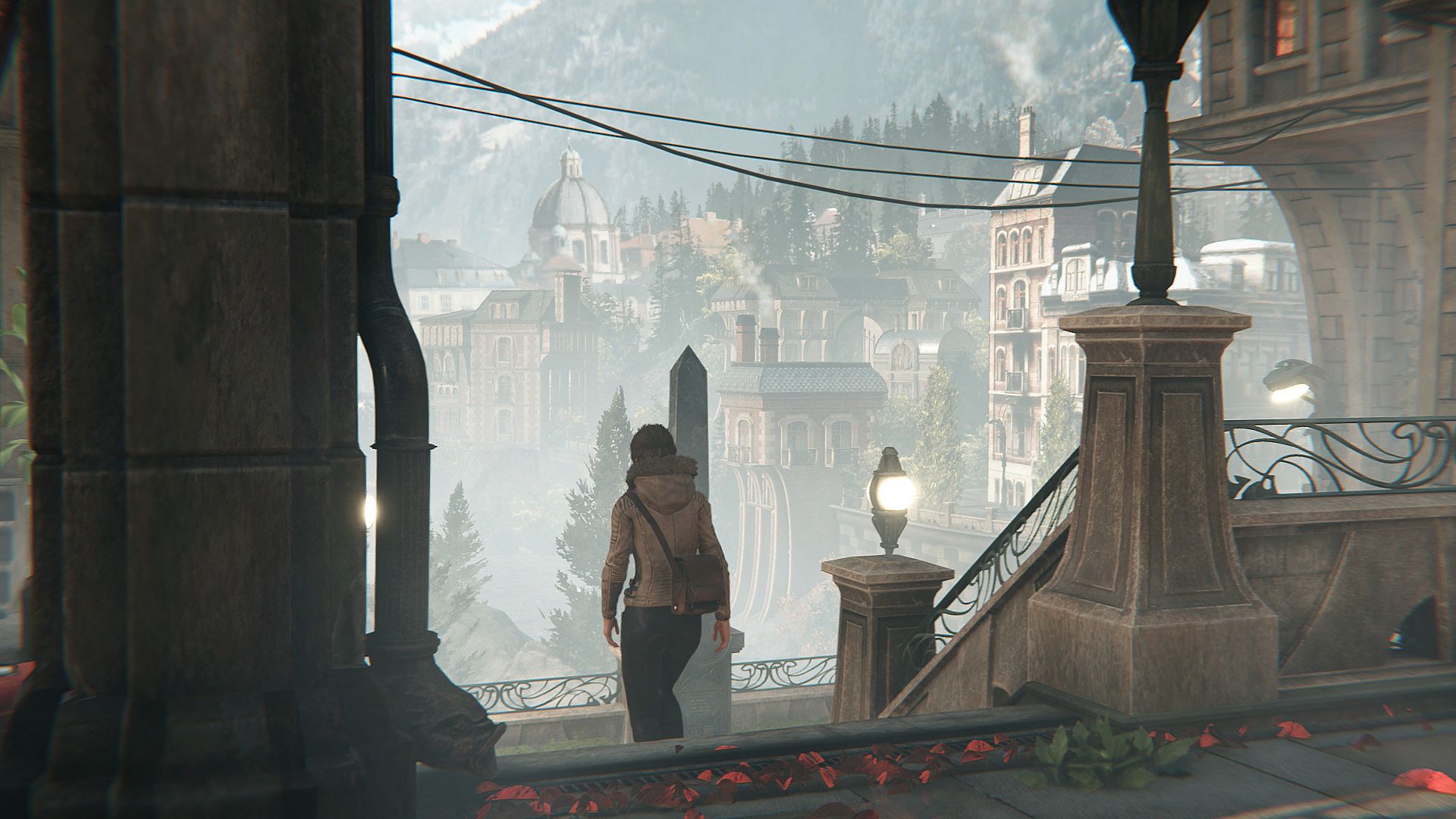
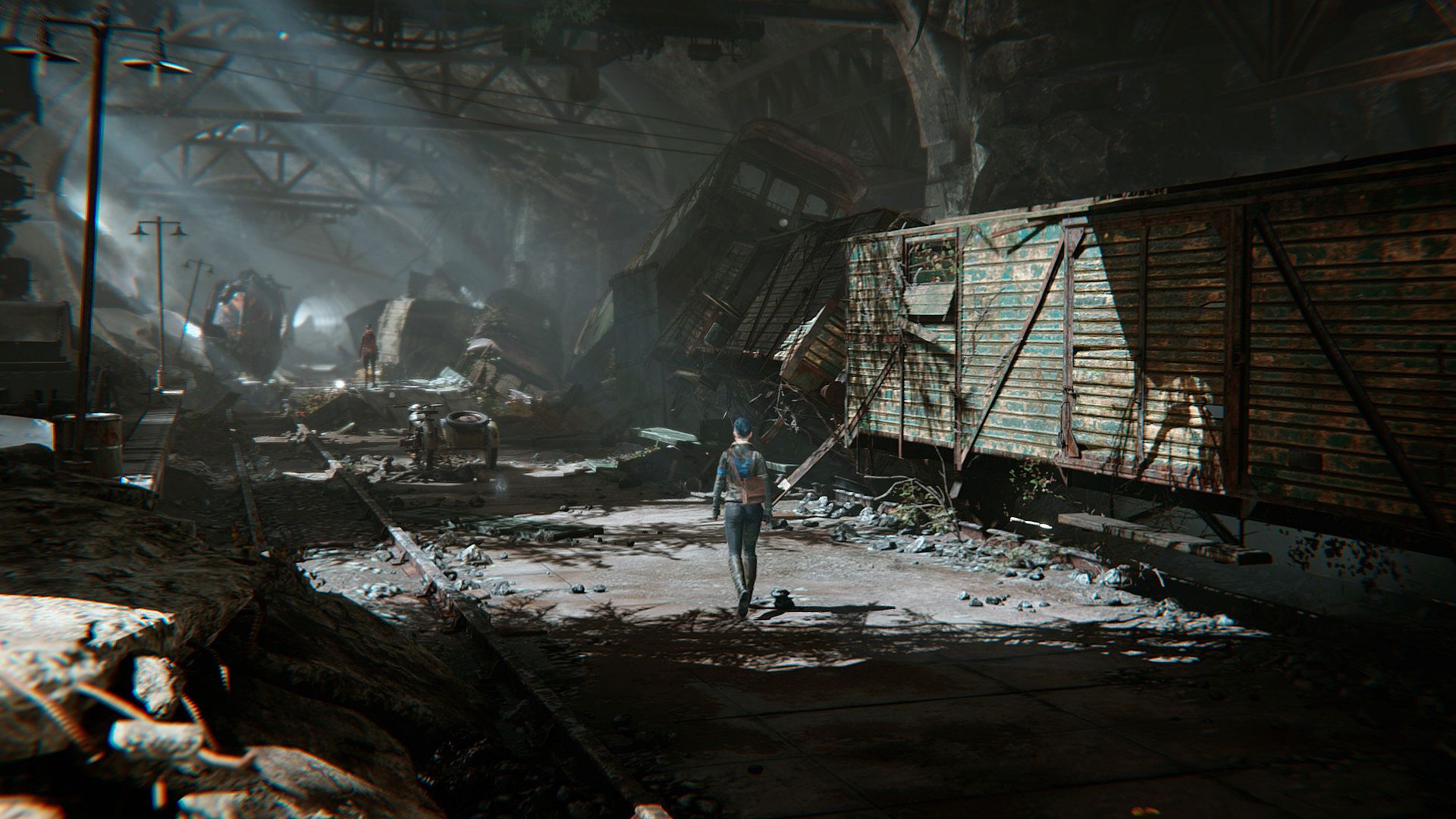
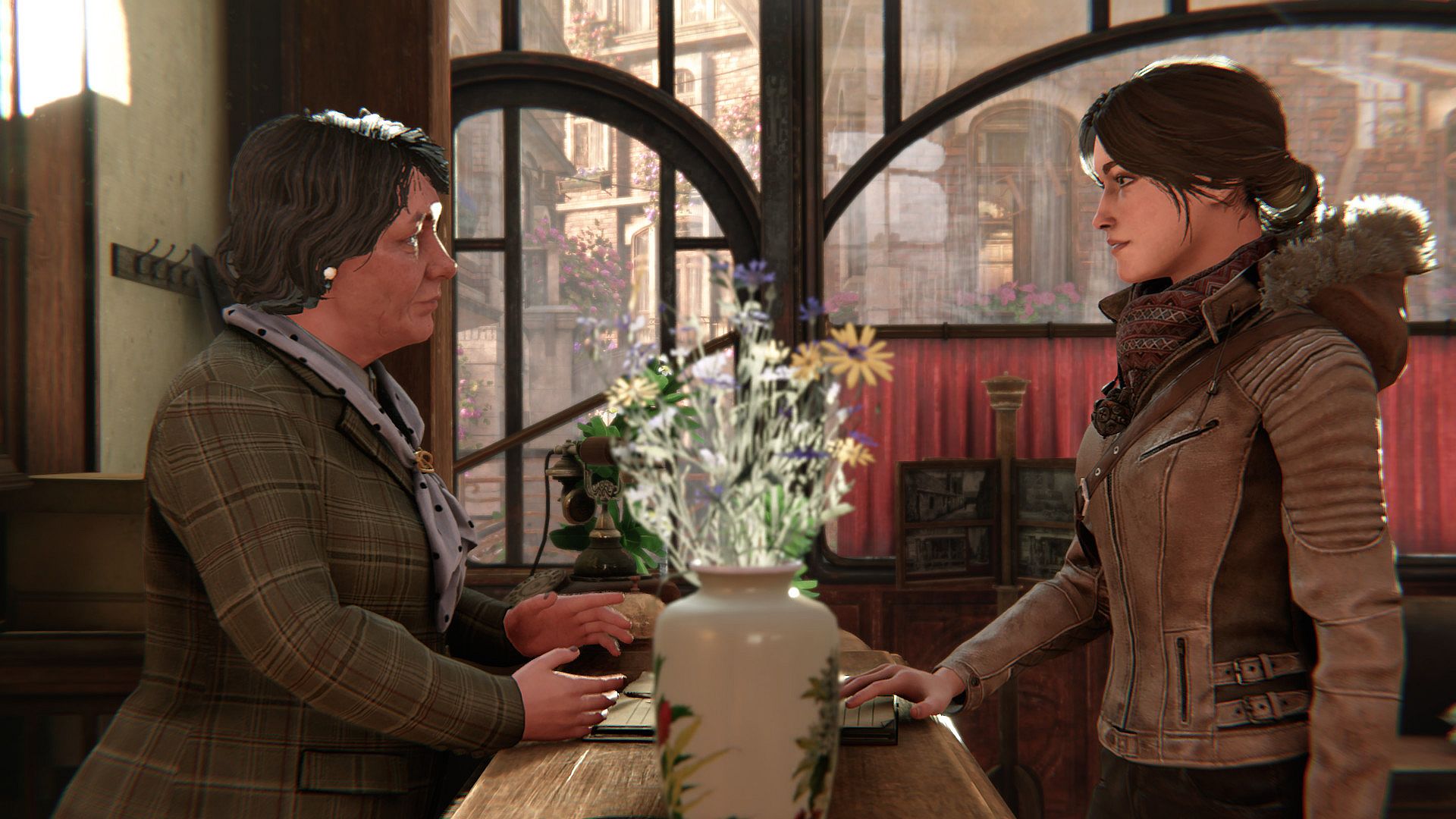
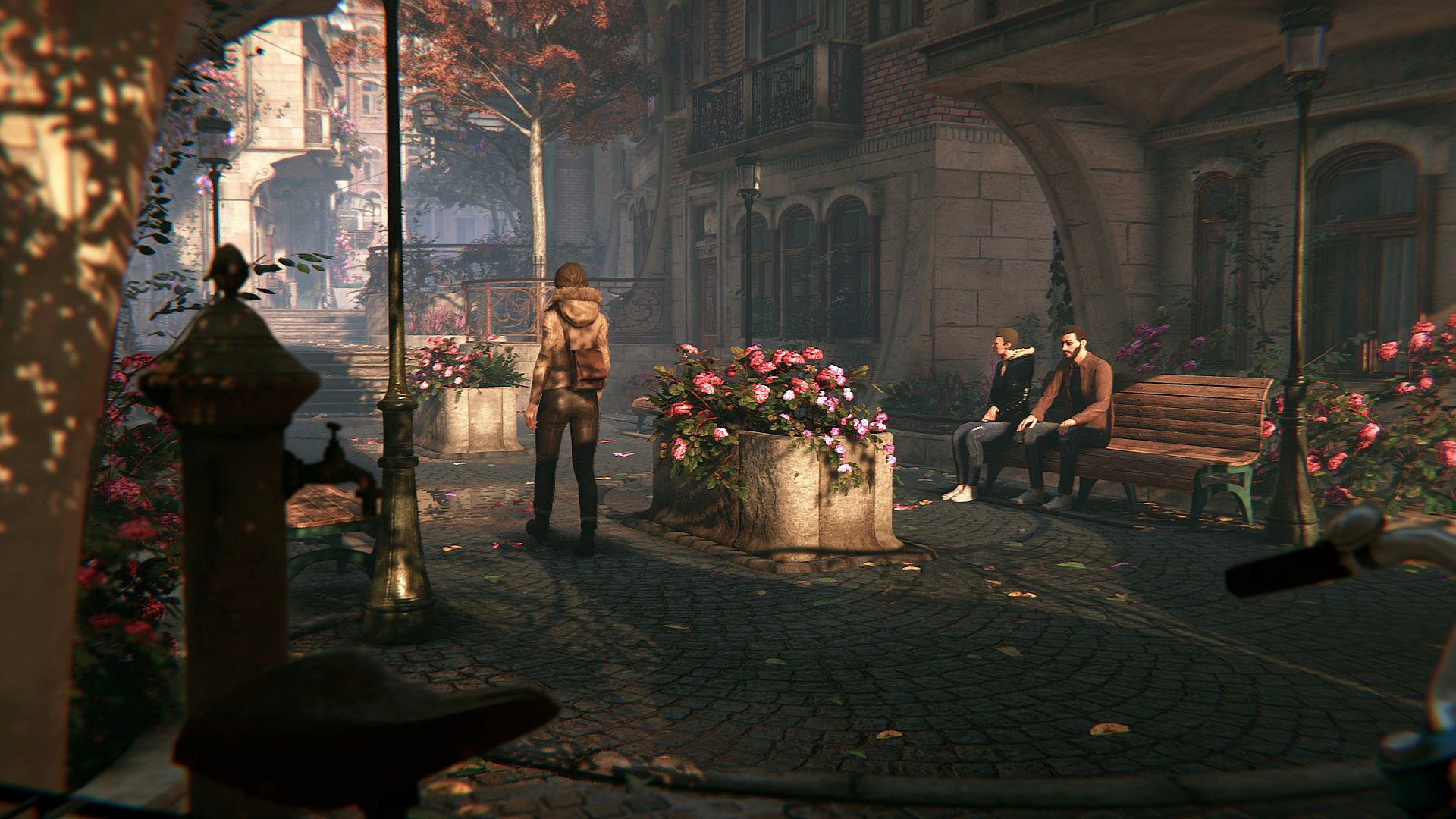
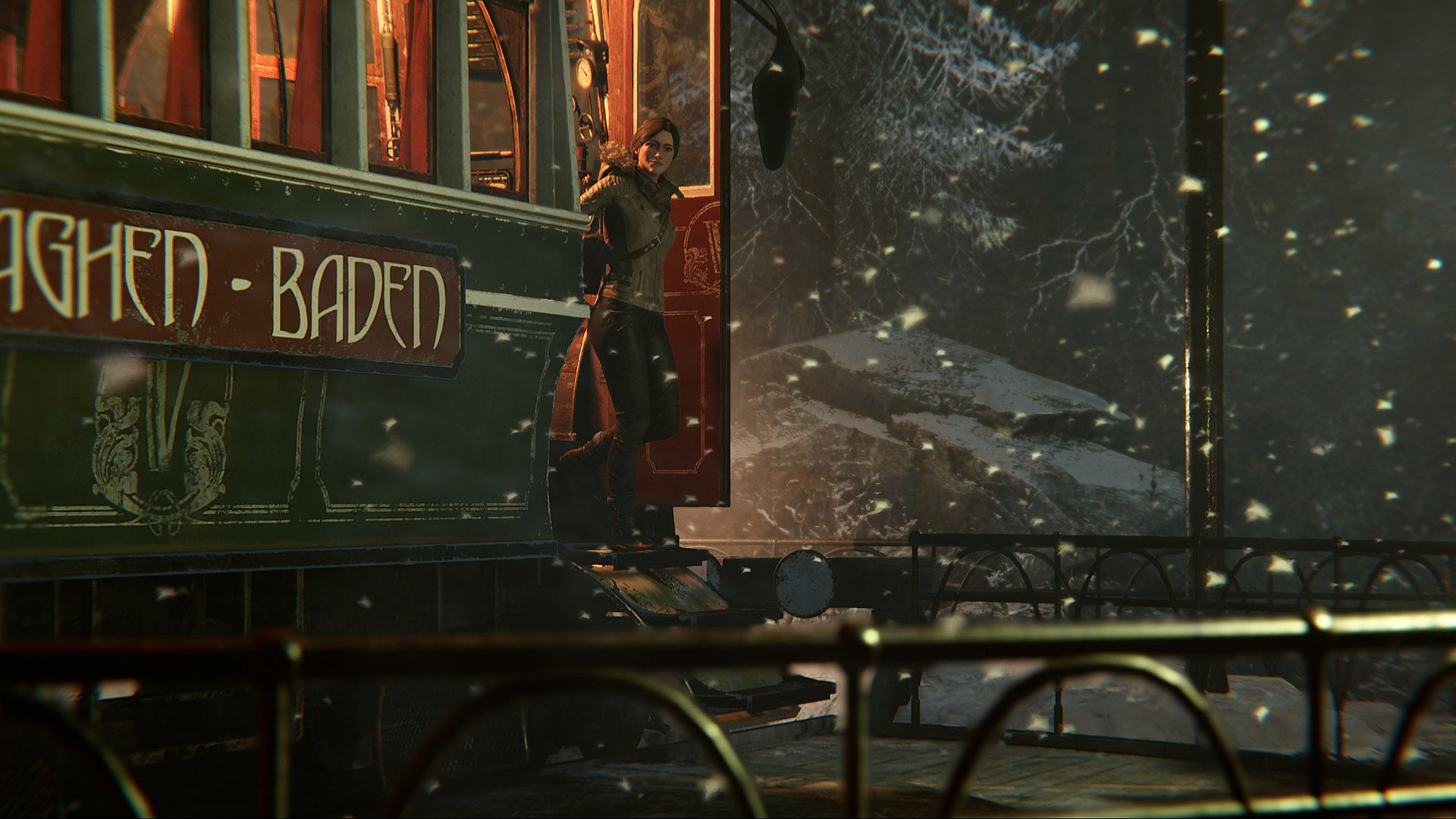
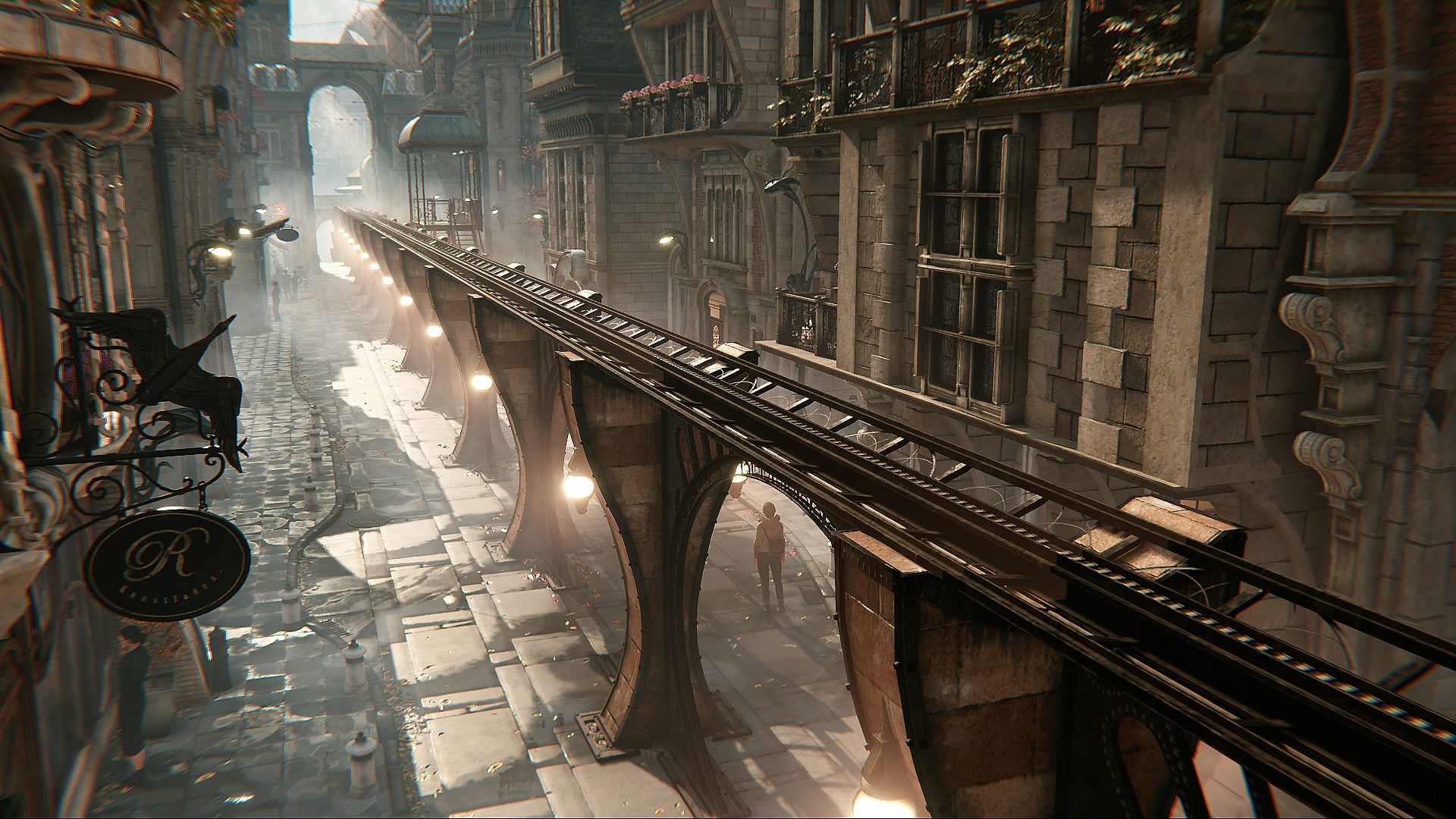
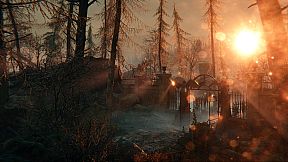
Modern graphics render the steampunk influenced cities with high detail, allowing close inspection of machinery, architecture, and character models. Lighting and color palettes shift appropriately between the pre war and contemporary periods to reinforce the temporal contrast. The soundtrack, composed by Inon Zur with performances from the Budapest Film Symphony, provides thematic motifs tied to specific characters and locations. Music cues often align with puzzle solutions or narrative beats, enhancing immersion without overpowering the sound design of mechanical interactions and ambient effects.
Is It Worth Playing?
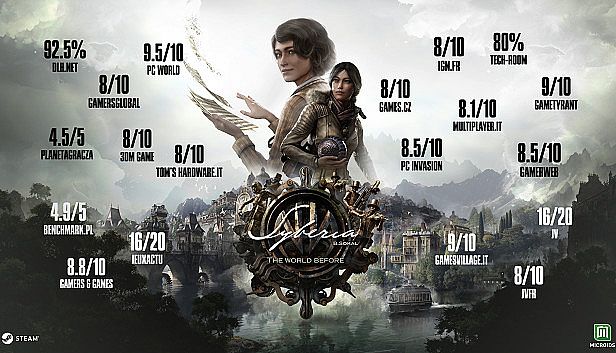
Players who enjoy deliberate, story driven adventures with inventive puzzles will find strong value here. The game receives consistently positive feedback for its logical challenges, memorable characters, and atmospheric presentation. Completion typically requires 11 to 13 hours, making it a focused experience rather than an open ended one. Those seeking fast action or branching choices may prefer other genres, but the title stands as a solid entry for fans of classic point and click design updated with contemporary production values. Recent user reviews on major platforms remain very positive, reflecting appreciation for the narrative payoff and technical polish. Availability on PC includes full controller support, broadening accessibility for different play styles.