

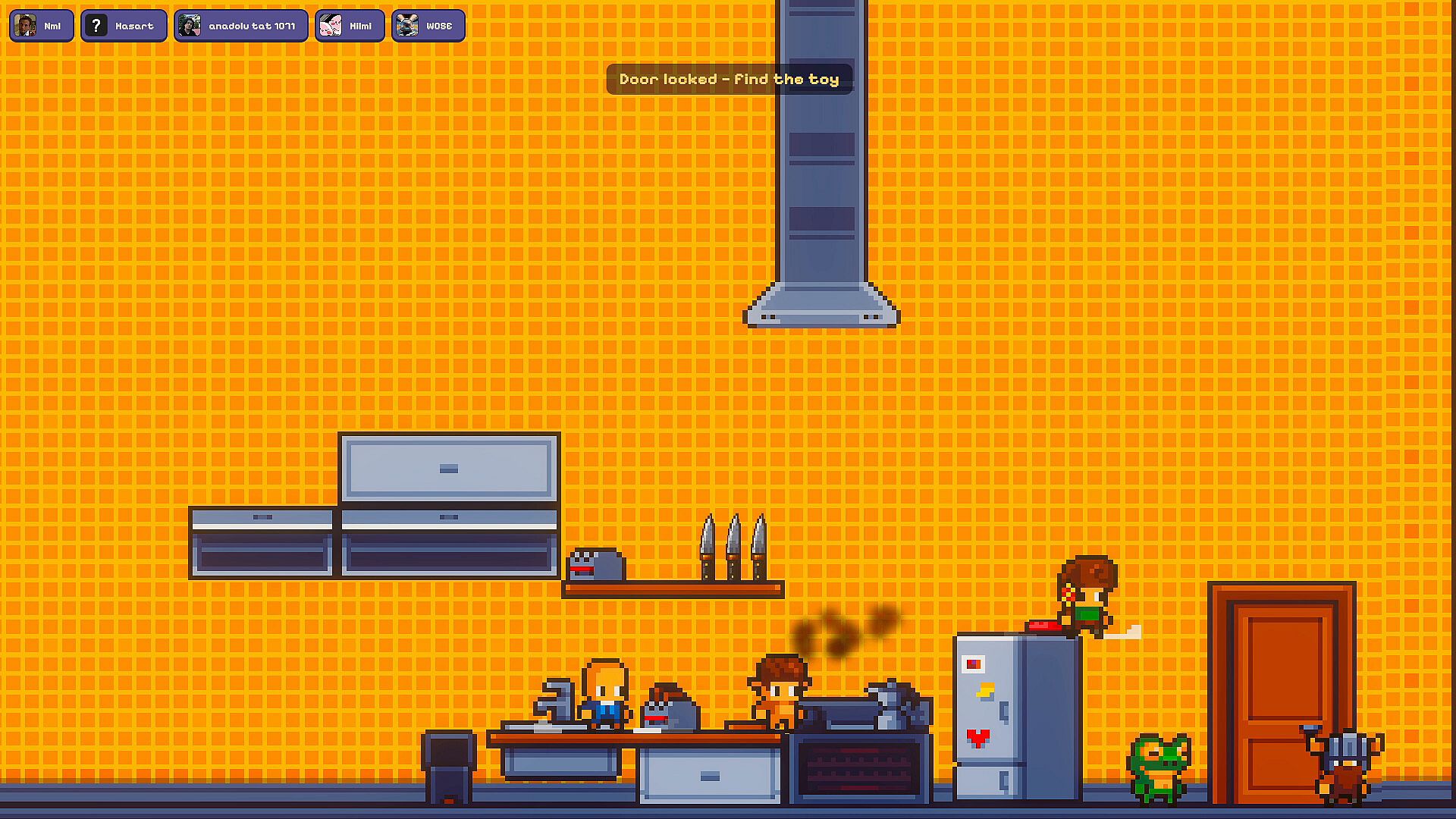
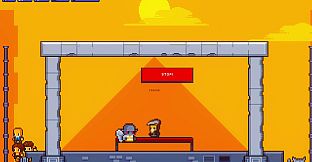
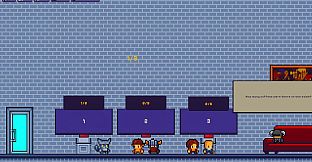
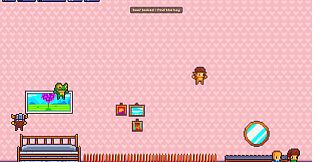
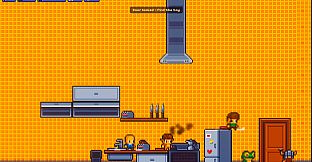
DONT BE FOOL is an indie casual early access online co-op puzzle platformer designed exclusively for groups of two to five players on PC. The core premise centers on teamwork in environments where no single person can complete a level alone, forcing constant communication and split-second decisions among friends.
Gameplay
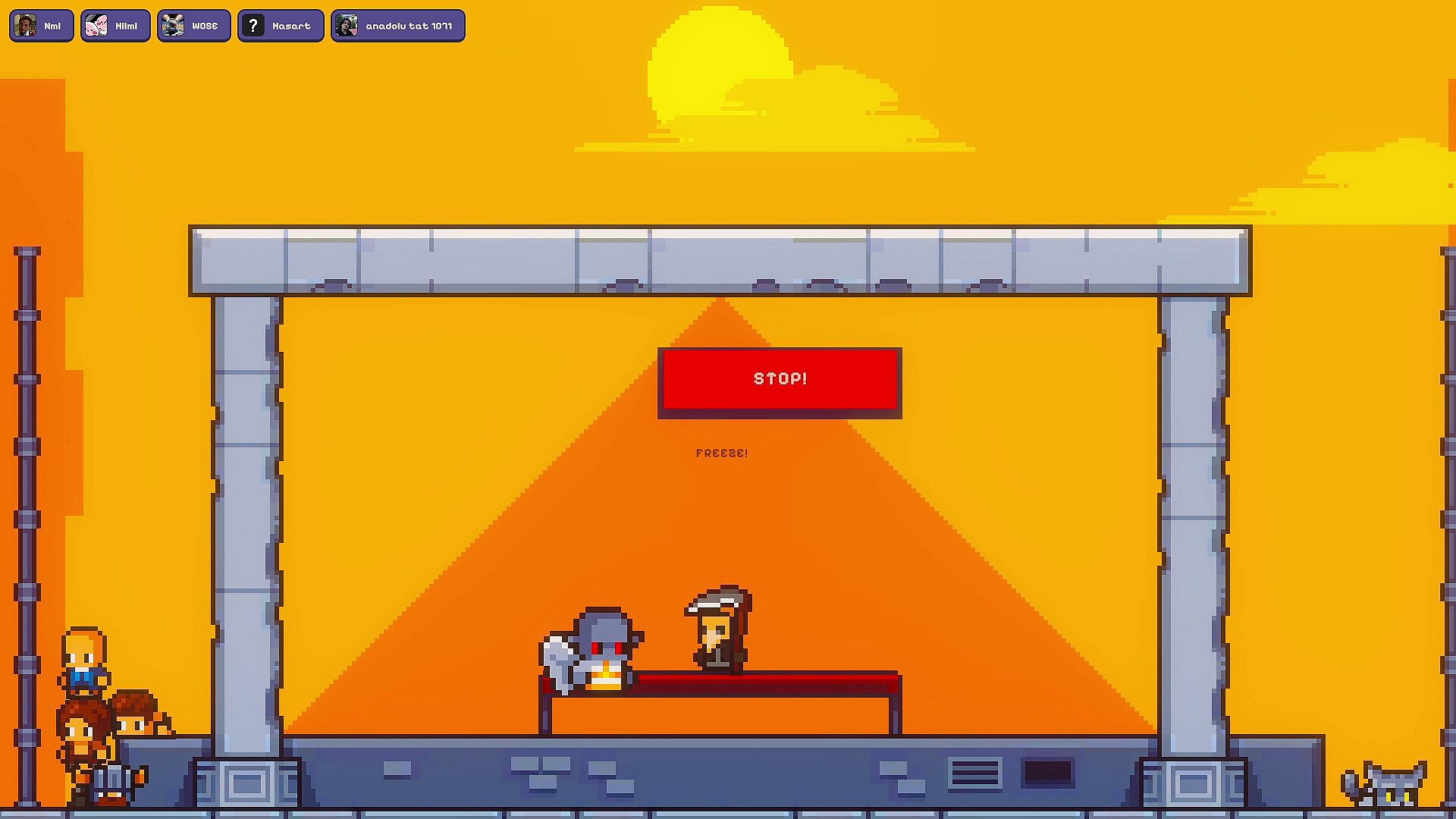
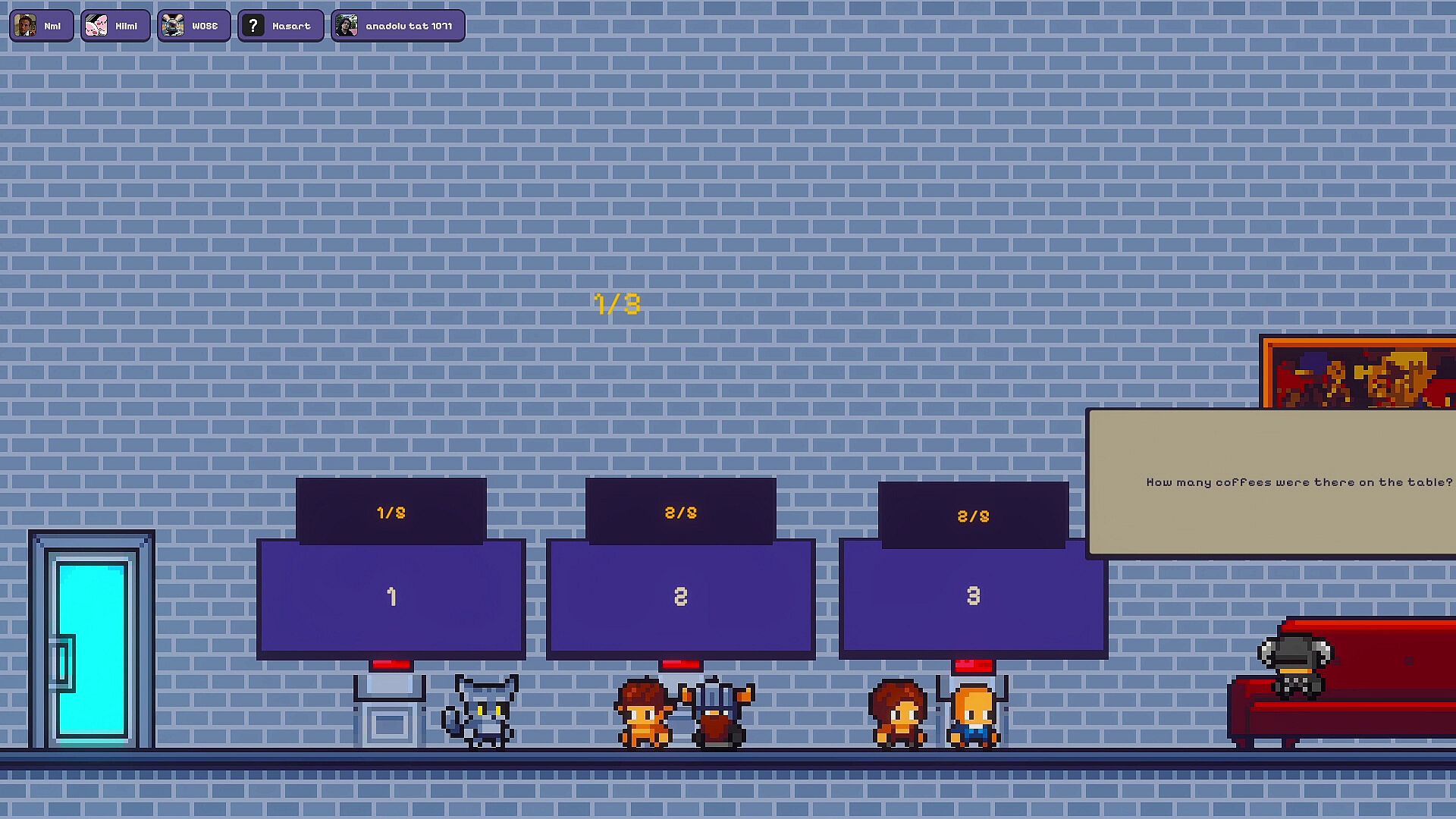
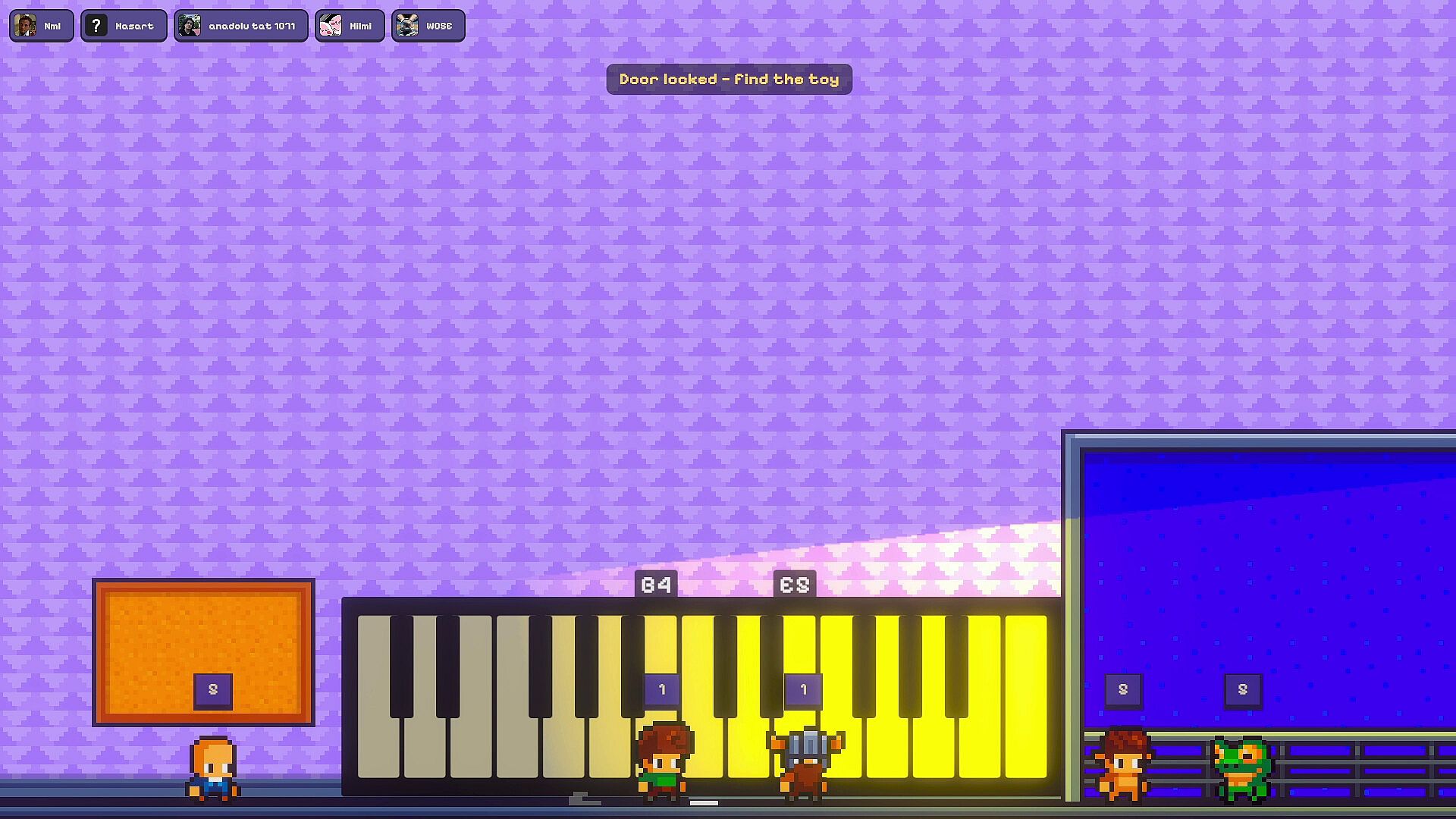
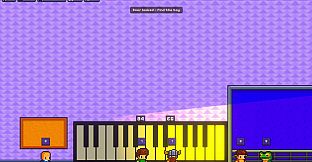
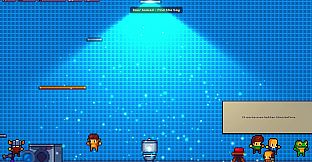
Controls stay deliberately simple with just movement and one action button. Players grasp the basics in seconds, yet the real challenge emerges from coordinating those inputs across multiple people. Pressure plates demand extra weight that one character cannot provide, while elevators rise only when someone remains behind to operate them. A piano sequence requires the group to remember and execute a melody that exceeds any individual's memory, leading to shared note-taking and debate over the correct order.
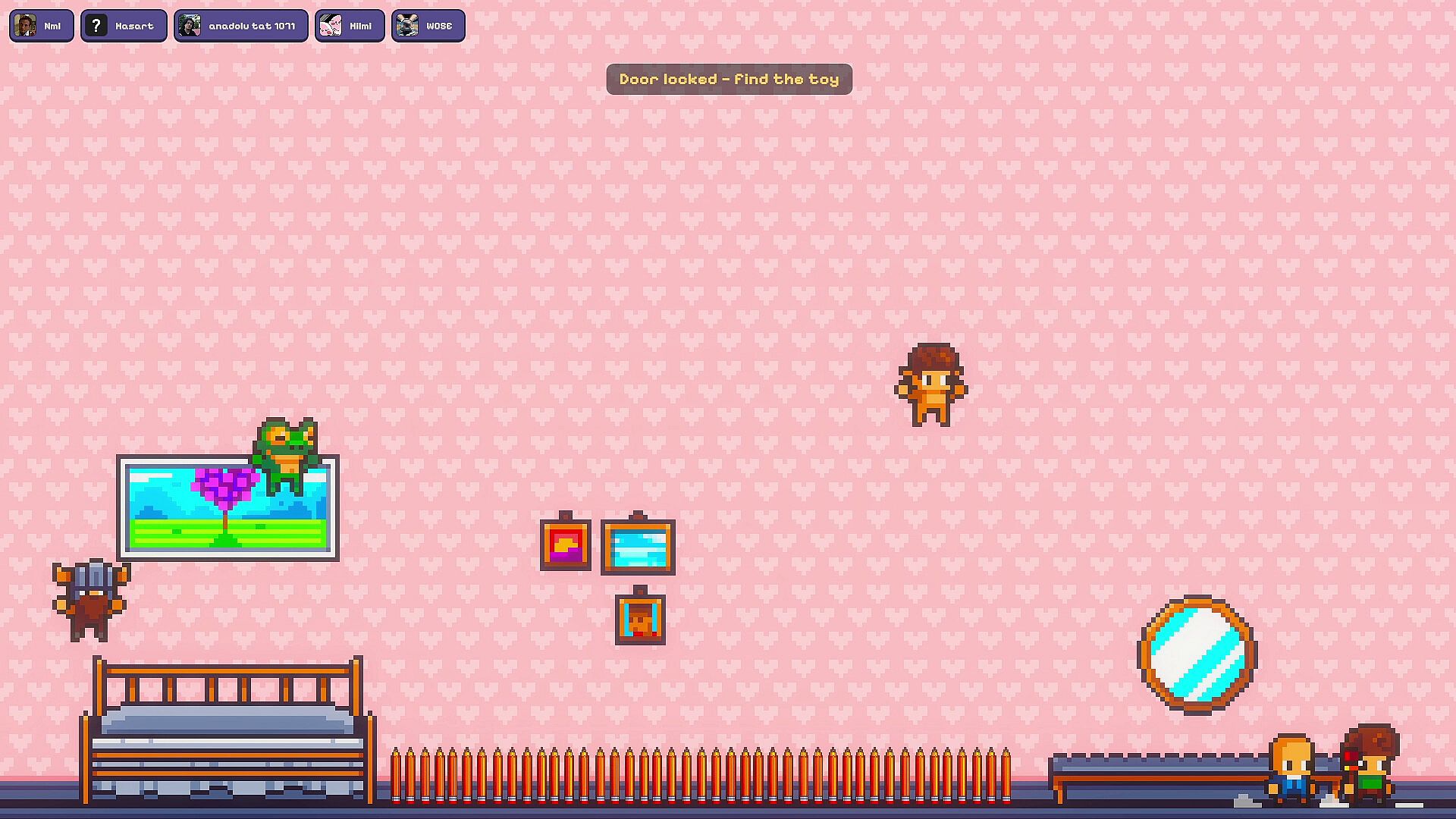
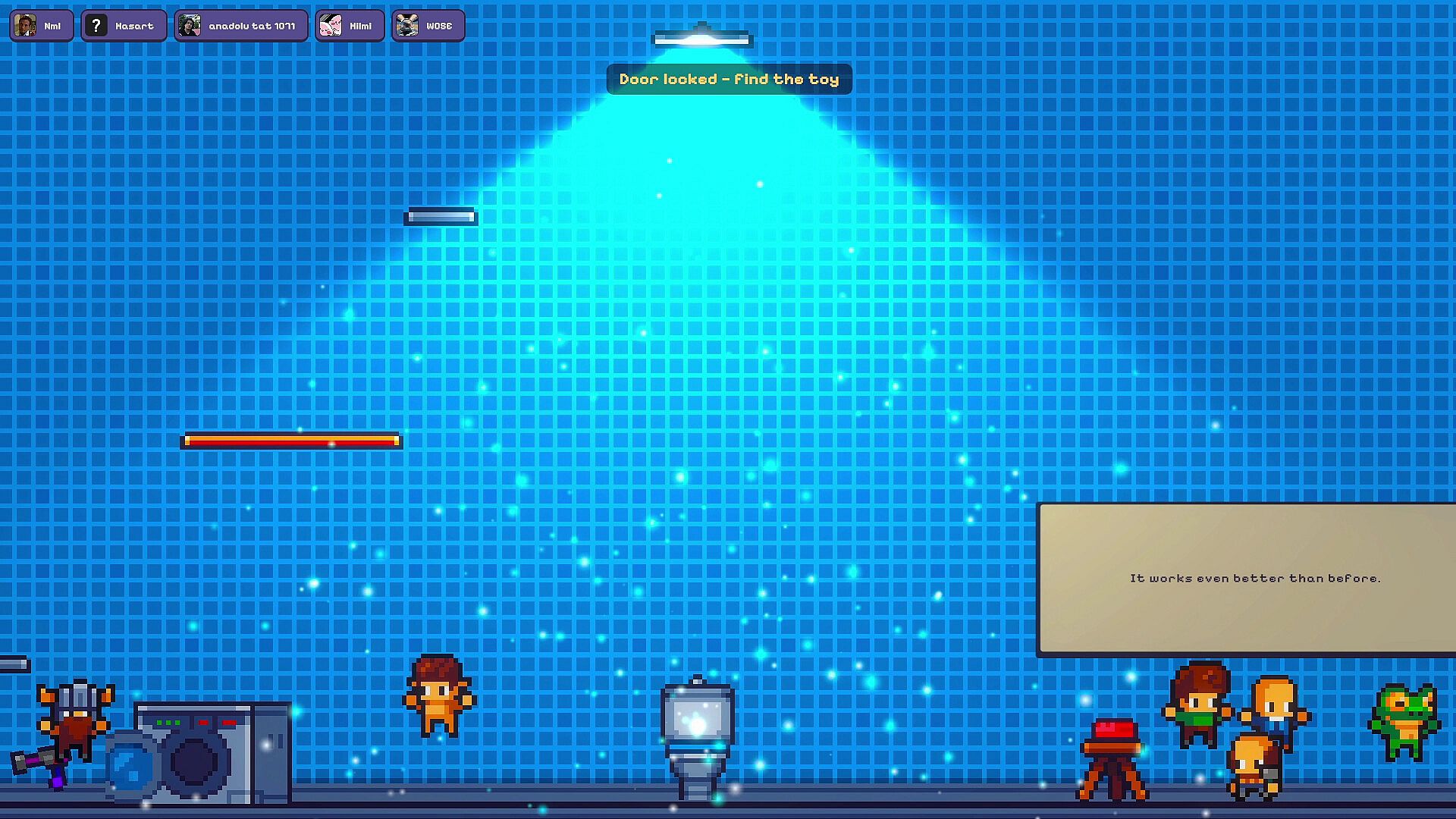
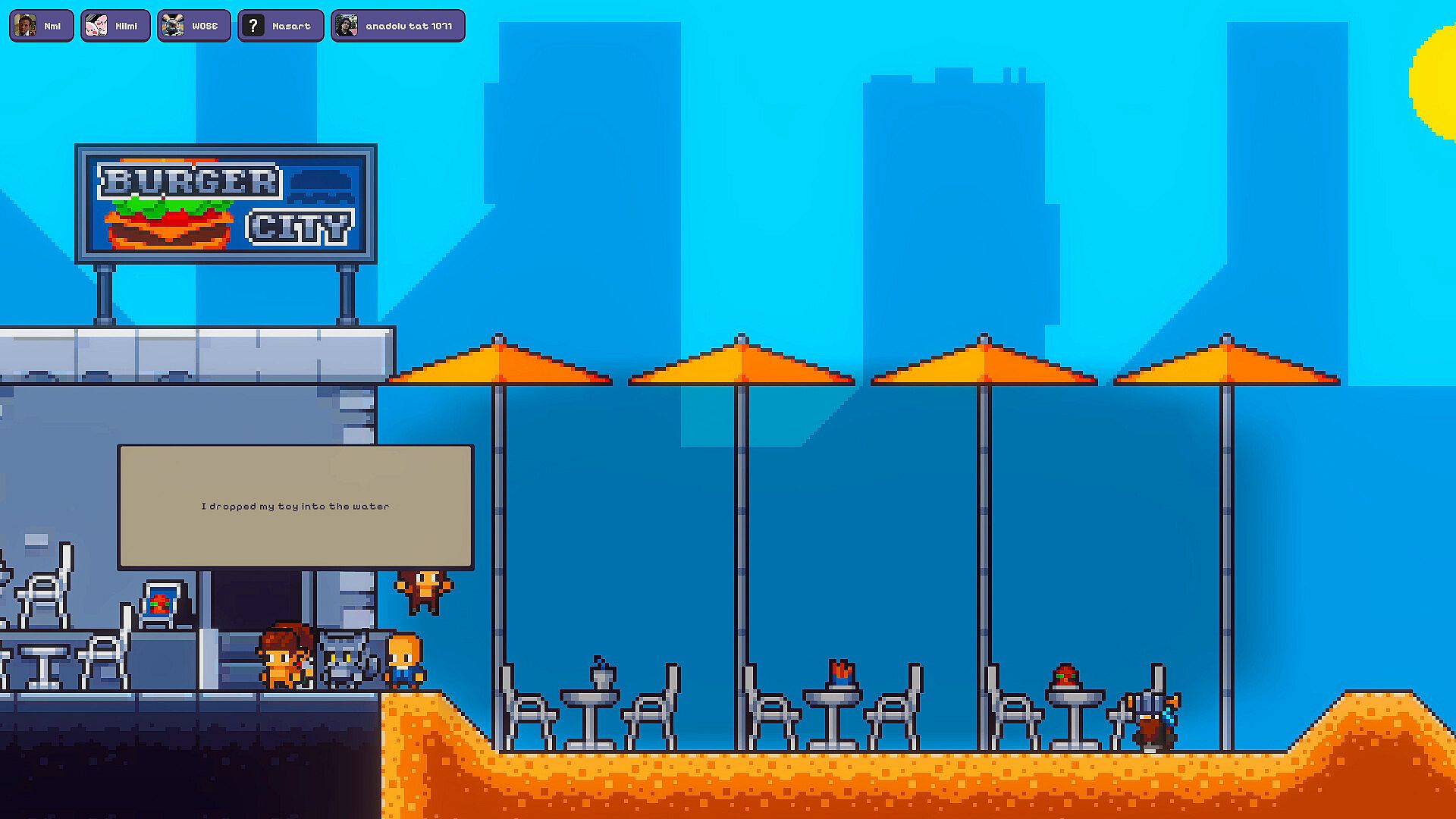
Levels introduce fresh mechanics each time rather than repeating patterns. One stage might hinge on timing a sequence of switches, while the next emphasizes positioning and sacrifice. The design ensures variety through hand-crafted content spread across multiple worlds, with each new rule testing different aspects of group problem-solving. Death carries no lasting penalty thanks to instant restarts, shifting the focus to the humor in failed attempts rather than frustration. Players can also punch one another, adding a layer of playful interference during tense moments.
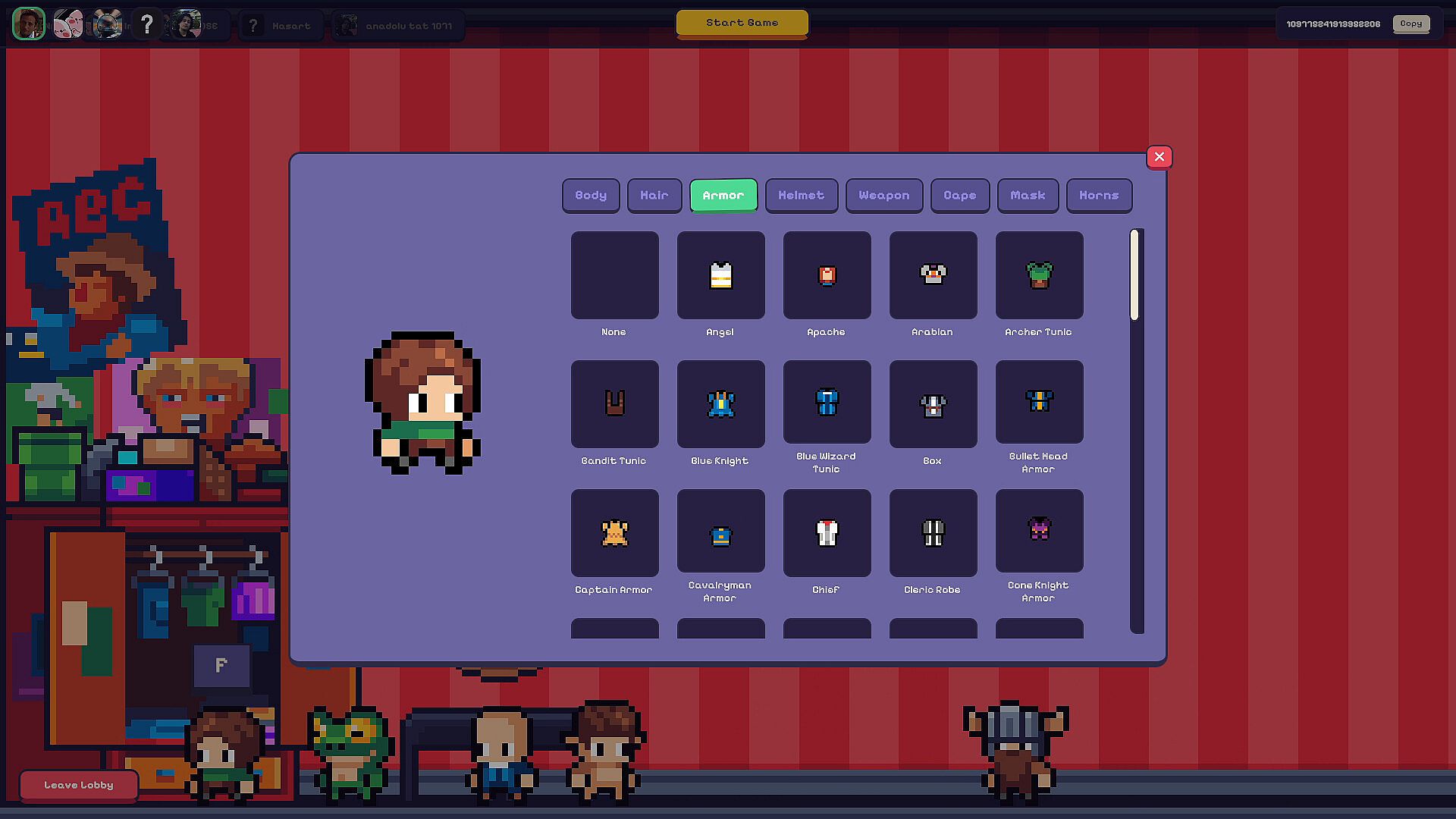
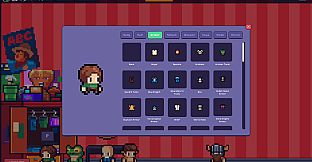
Character customization options and expressive emotes support personality in the group dynamic. These elements help convey intent without voice chat when needed, though most sessions rely on direct discussion to align on who holds a switch or who advances first.
Game Modes
The game offers only online co-op play for two to five participants, with no solo option built into the experience. Sessions run through Steam's peer-to-peer networking and friend invite system, allowing seamless connections without additional accounts or port configuration. Remote Play support extends participation to those without the game installed on their own machine.
Progression follows a linear path through hand-crafted levels grouped into worlds. Each world layers new coordination challenges on top of previous ones, encouraging repeated attempts as a team to master the latest trick. The absence of competitive or single-player modes keeps the emphasis squarely on collaborative puzzle resolution.
Levels and Progression
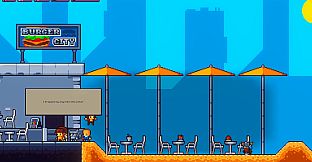
Hand-crafted stages avoid repetition by changing the fundamental rule from one to the next. Early levels establish basic coordination around weight distribution and timing, while later ones combine multiple constraints into single sequences. The piano puzzle stands out as a memorable example where collective recall replaces individual skill. Multiple worlds provide distinct visual and mechanical themes, building toward greater complexity without overwhelming newcomers to the format.
Character options and emotes remain available throughout, letting groups personalize their avatars and signal plans during play. The structure rewards groups that communicate clearly and adapt quickly when a plan falls apart.
Is It Worth Playing?
DONT BE FOOL targets players who enjoy puzzle platformers that demand real-time coordination with others. Its minimal controls lower the barrier to entry while the level design raises the stakes through social interaction and shared responsibility. Groups that thrive on discussion, quick thinking, and occasional friendly sabotage will find repeated value in the instant-restart loop and rotating mechanics.
The title enters Early Access with two fully playable worlds and all core systems intact, including online co-op, customization, and the punching mechanic. Developers plan to expand with additional worlds, levels, achievements, and controller refinements based on community input over the coming months. Those seeking a polished, complete experience may prefer to wait for full release, while teams comfortable with iterative development can contribute feedback through the Steam hub.
Overall, the game suits friend groups looking for short, replayable sessions centered on clever puzzles rather than combat or exploration. Its focus on agreement and timing creates memorable moments of success and failure that stand apart from typical platformers.