

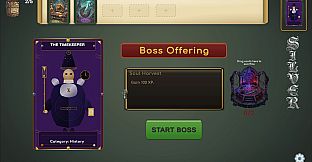
Datum is a single-player quiz roguelike deck builder that blends trivia knowledge with strategic card crafting on PC. Players answer questions from various categories and then construct powerful decks around those answers to push further through runs. The game emphasizes building synergies between cards and relics while managing risk during boss encounters and progression systems.
Gameplay
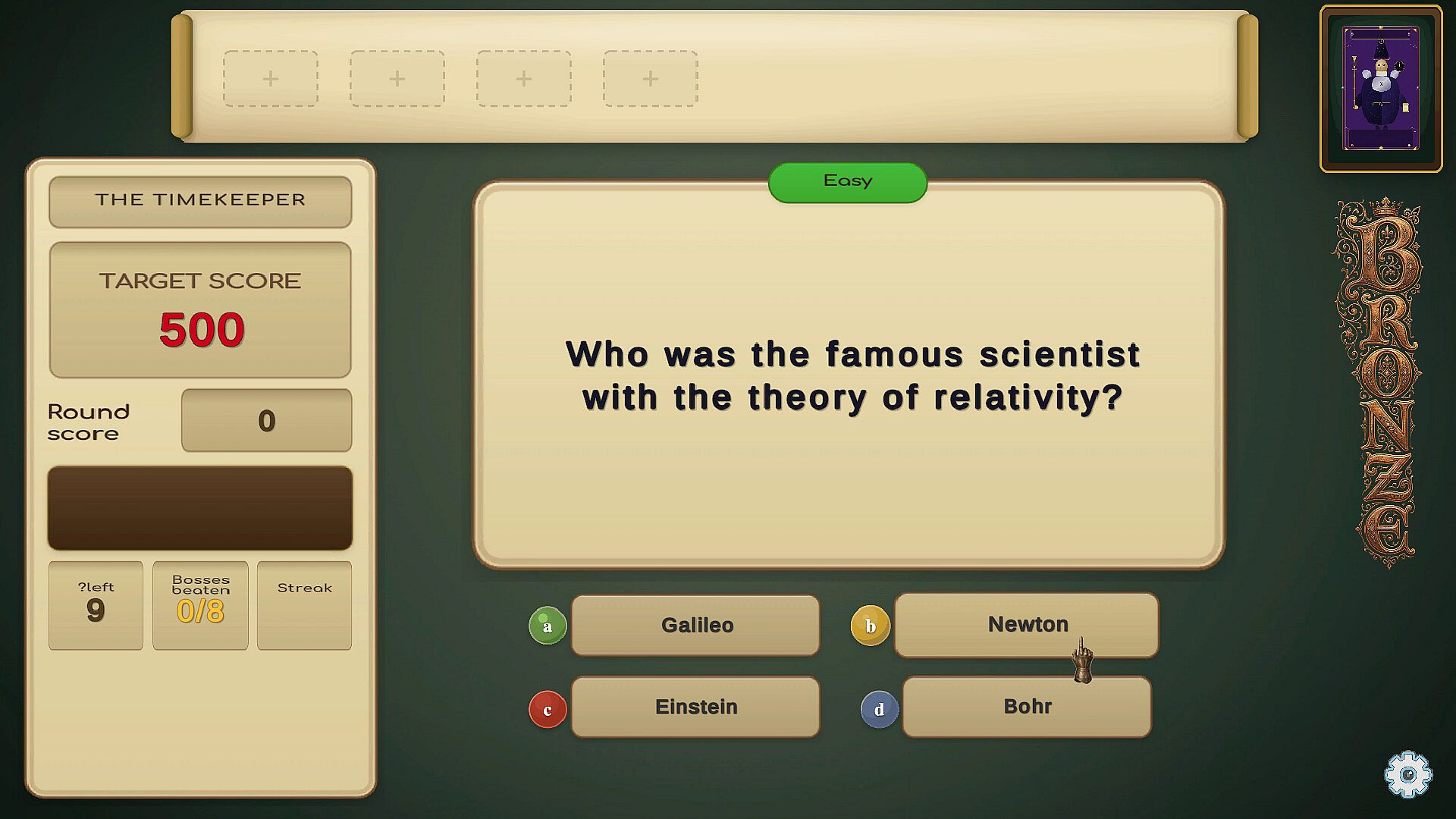
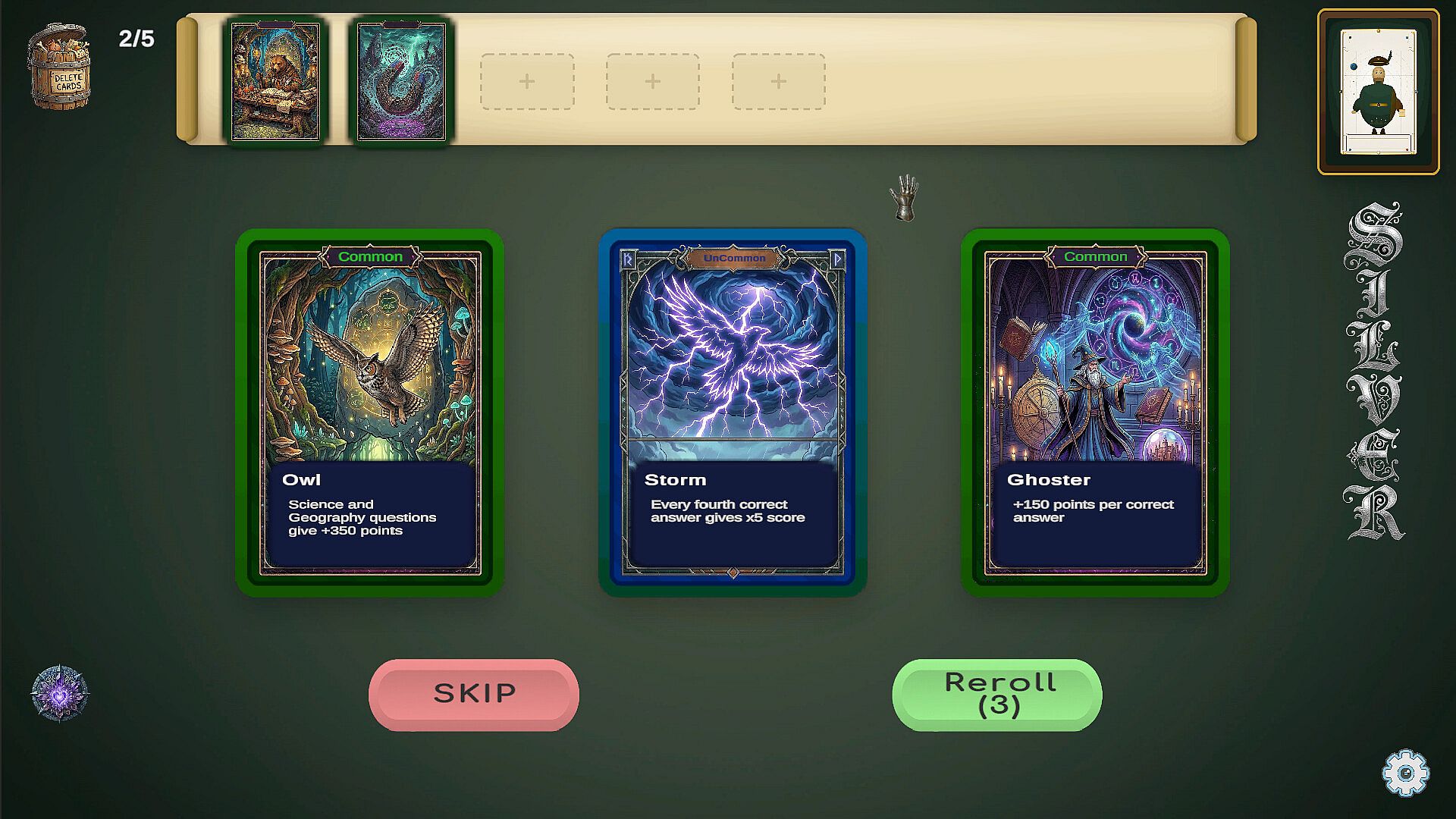
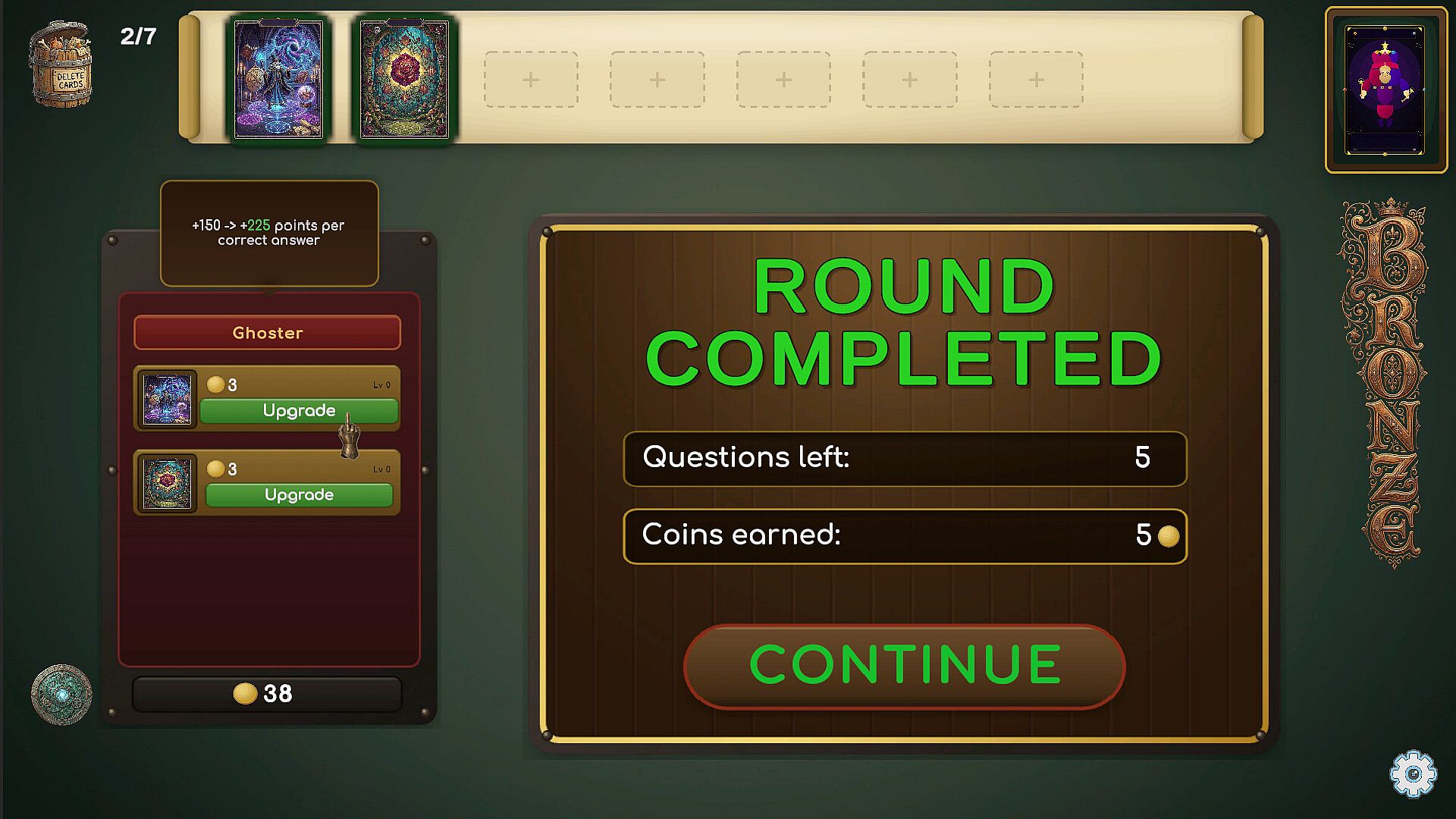
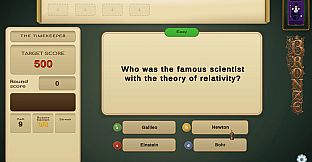
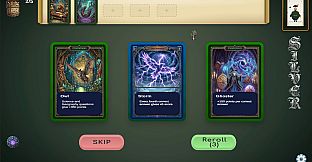
The core loop centers on answering trivia correctly to generate resources and opportunities for deck building. Correct responses provide the foundation, but the real depth comes from cards that alter scoring rules or create multipliers. Examples include options that reward incorrect answers under certain conditions or cards named Black Hole and Chaos Theory that reshape how points accumulate across a run.
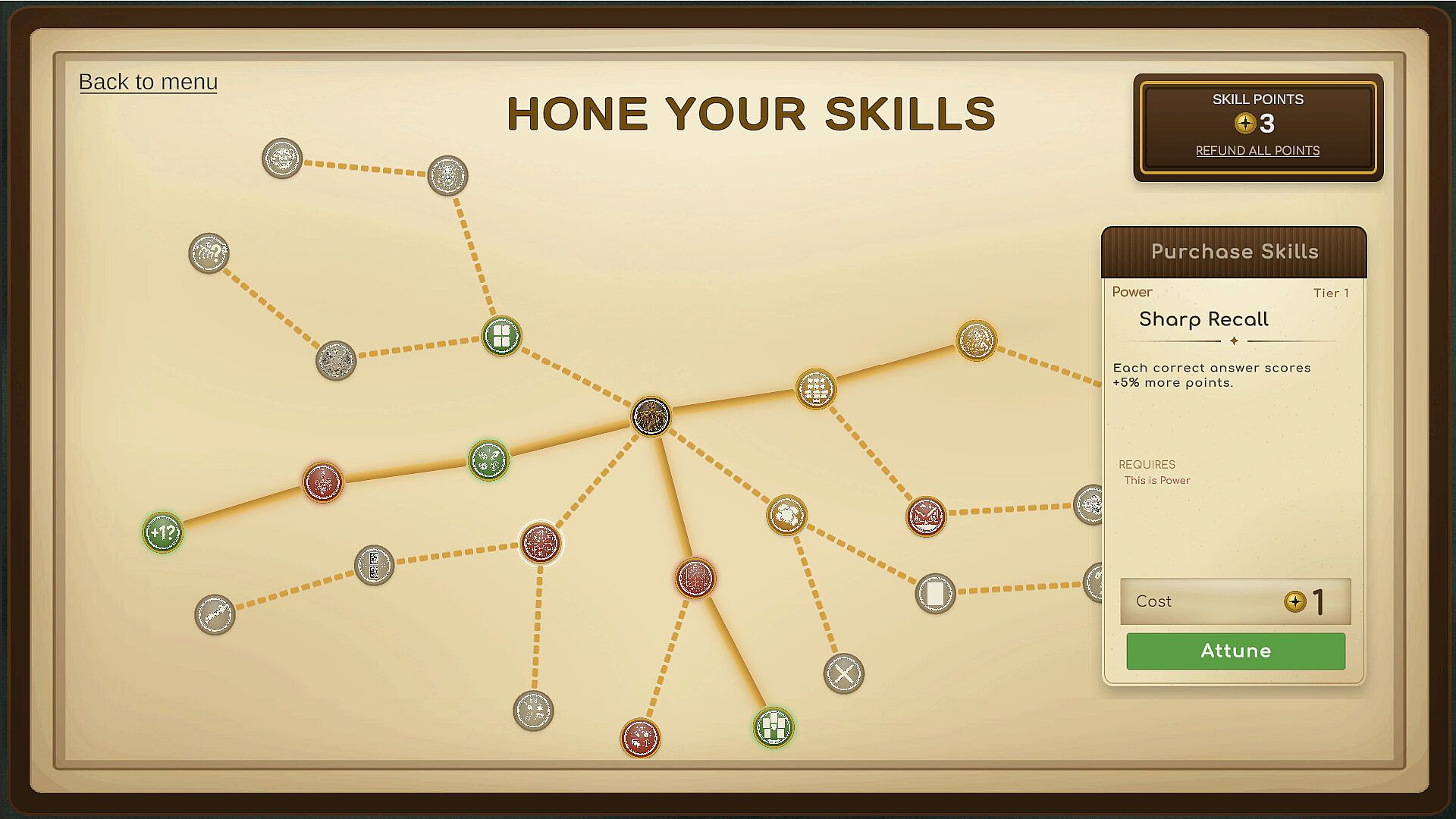
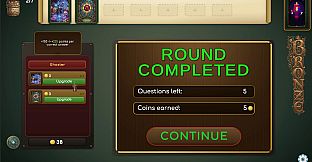
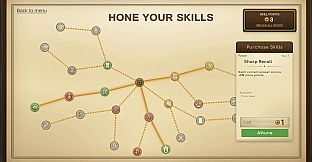
Relics add another layer by providing persistent advantages that stack across multiple rounds. Players upgrade cards they favor and experiment with combinations that can lead to exponential scoring growth. A skill tree offers meta progression options that carry benefits between attempts, allowing gradual improvement in how runs unfold.
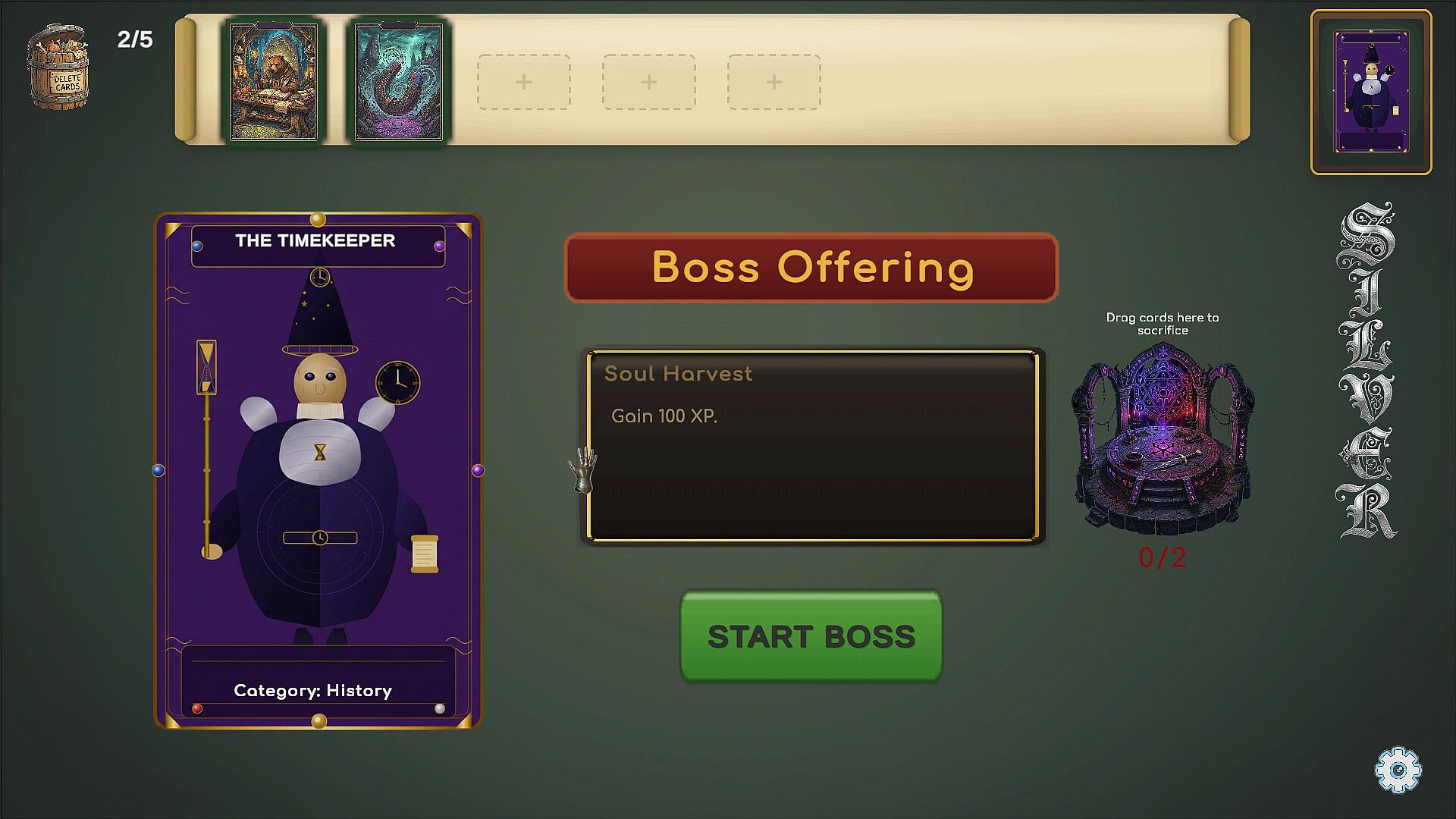
Every few rounds, a boss encounter presents a choice to sacrifice existing cards in exchange for a powerful new ability. This system encourages players to evaluate their current build and decide whether to pivot toward higher risk for greater rewards. Difficulty stages increase the challenge as runs progress, testing how well the deck and relics hold up under tougher trivia and stricter conditions.
Game Modes
Datum structures its experience around individual runs that vary based on card selections, relic combinations, and player choices at key moments. No two attempts play identically because the trivia questions, card draws, and boss pacts interact differently each time. The focus remains on single-player progression rather than competitive or cooperative formats.
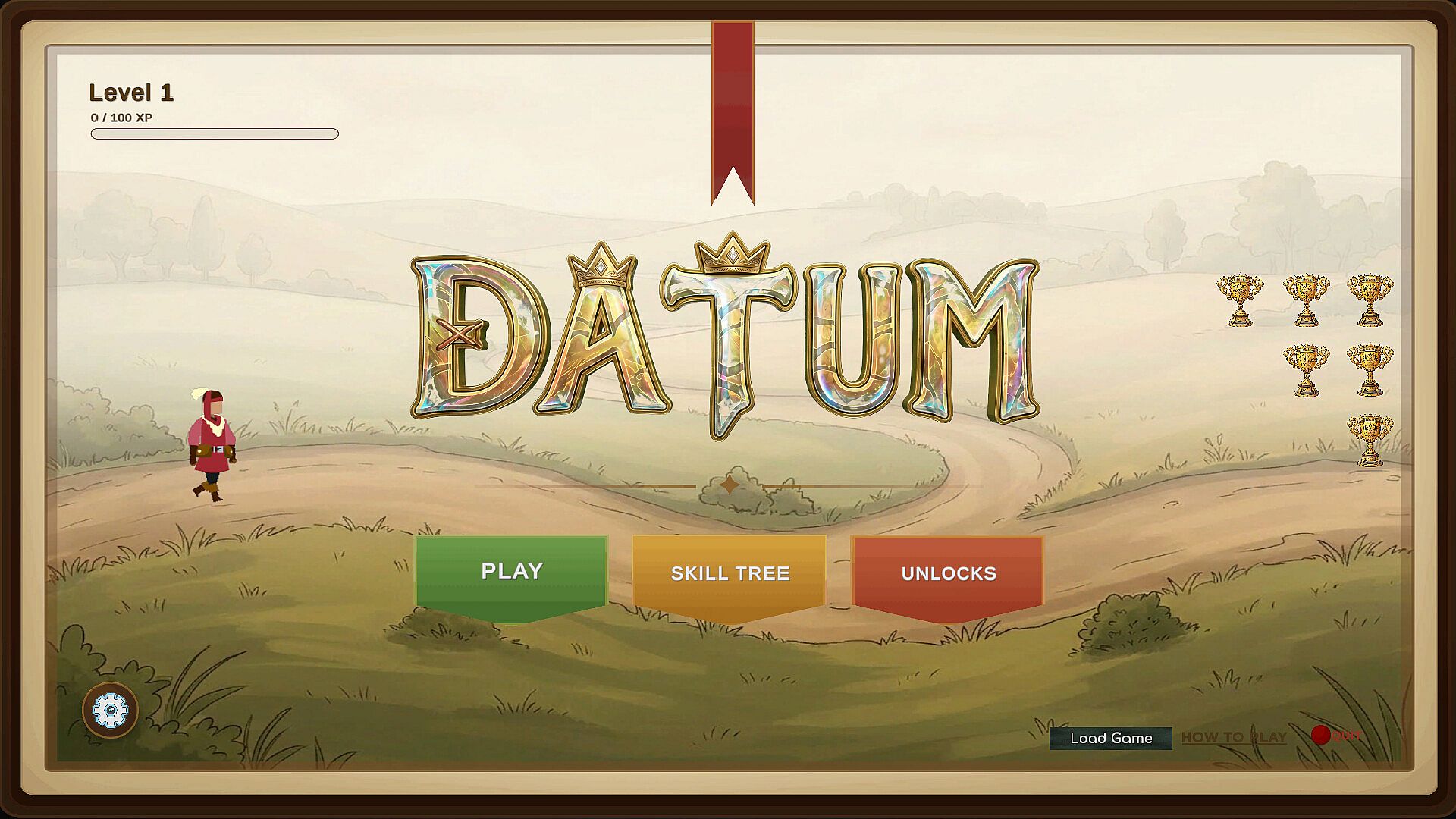
Climbing through difficulty stages serves as the primary way to measure advancement within a run. Unlocks in the Hall of Renown provide new cards, relics, and awards that expand options for future attempts. This creates a cycle of discovery where players refine strategies over multiple plays without relying on external matchmaking or shared sessions.
Progression and Builds
Meta progression through the skill tree lets players unlock permanent improvements that influence starting conditions or available choices. Collecting and experimenting with relics encourages long-term planning, as certain combinations only reveal their strength after several successful runs. The emphasis stays on adapting to the cards drawn and the trivia presented rather than following a fixed path.
Card upgrades and synergies form the heart of replayability. A hot streak multiplier might pair with a relic that boosts scoring on consecutive correct answers, while a card that benefits from wrong answers could open entirely different strategies. Players learn to chain effects across rounds to overcome later challenges.
Is It Worth Playing?
Datum targets players who enjoy roguelike deck builders combined with trivia elements and single-player runs on PC. The mechanics reward experimentation with card synergies and relic stacking, along with thoughtful decisions during boss pacts. Since the game remains in development with a planned 2026 release and no user reviews available yet, its appeal depends on interest in the described systems of trivia-driven deck crafting and meta unlocks in the Hall of Renown.
Those drawn to strategy games that mix knowledge tests with building game-breaking combos may find the core loop engaging once it launches. The absence of multiplayer keeps the focus entirely on personal progression and run variety through difficulty stages and skill tree growth.