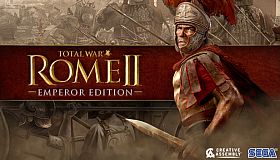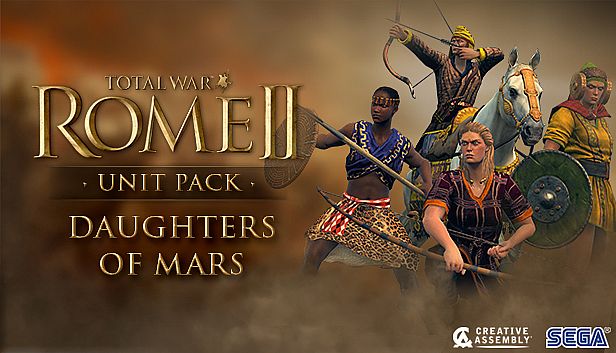









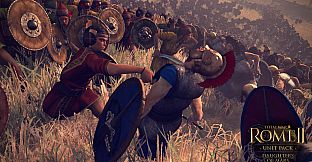
Total War: Rome II - Daughters of Mars Unit Pack expands the strategy game with a selection of female combat units drawn from ancient cultures. These additions fit into the existing roster of Rome II, allowing commanders to field specialized troops alongside standard forces in both large-scale campaigns and individual engagements. The pack emphasizes historical variety through units that bring distinct combat styles, from arena-trained fighters to tribal skirmishers and archers.
Gameplay
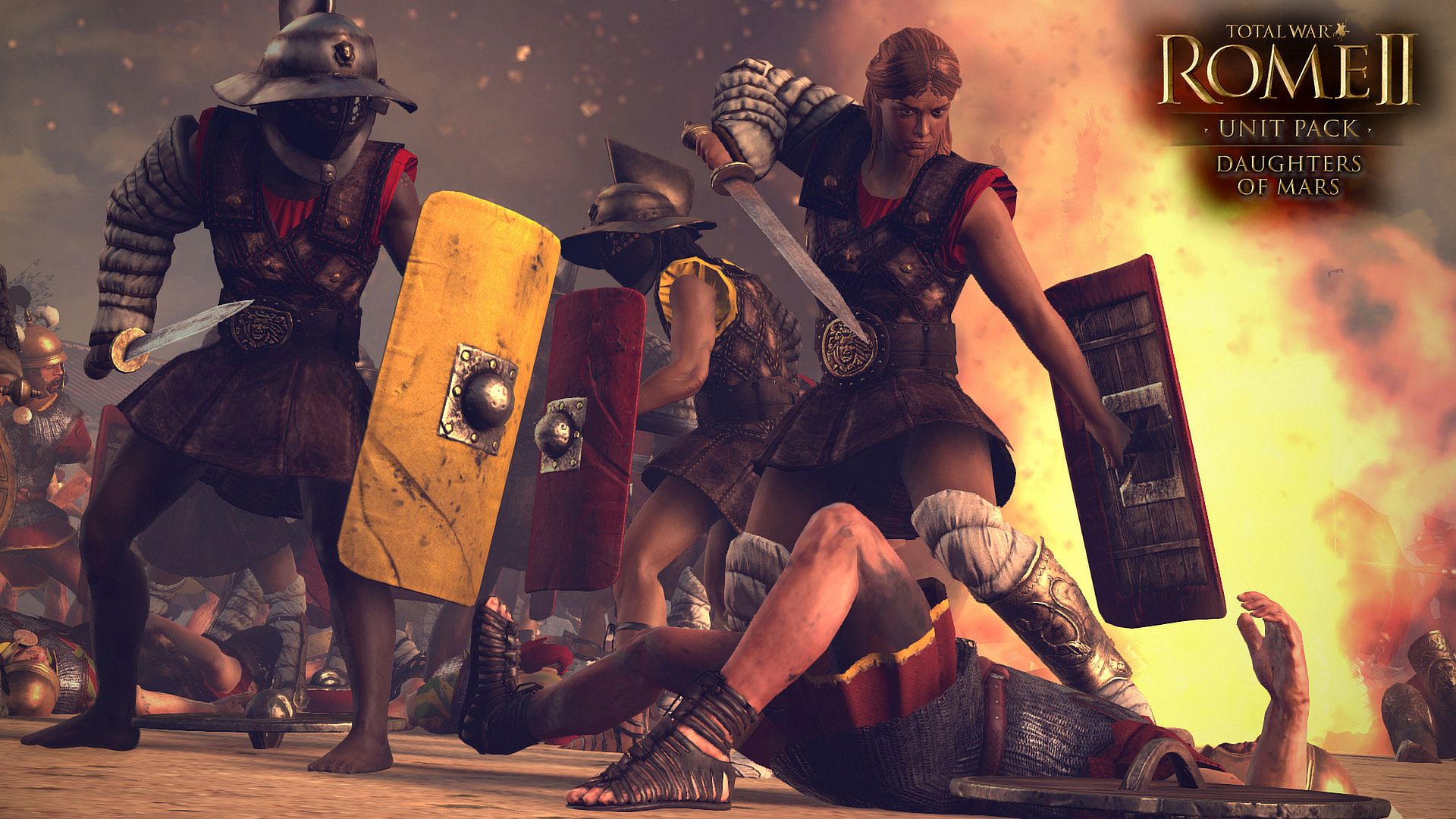
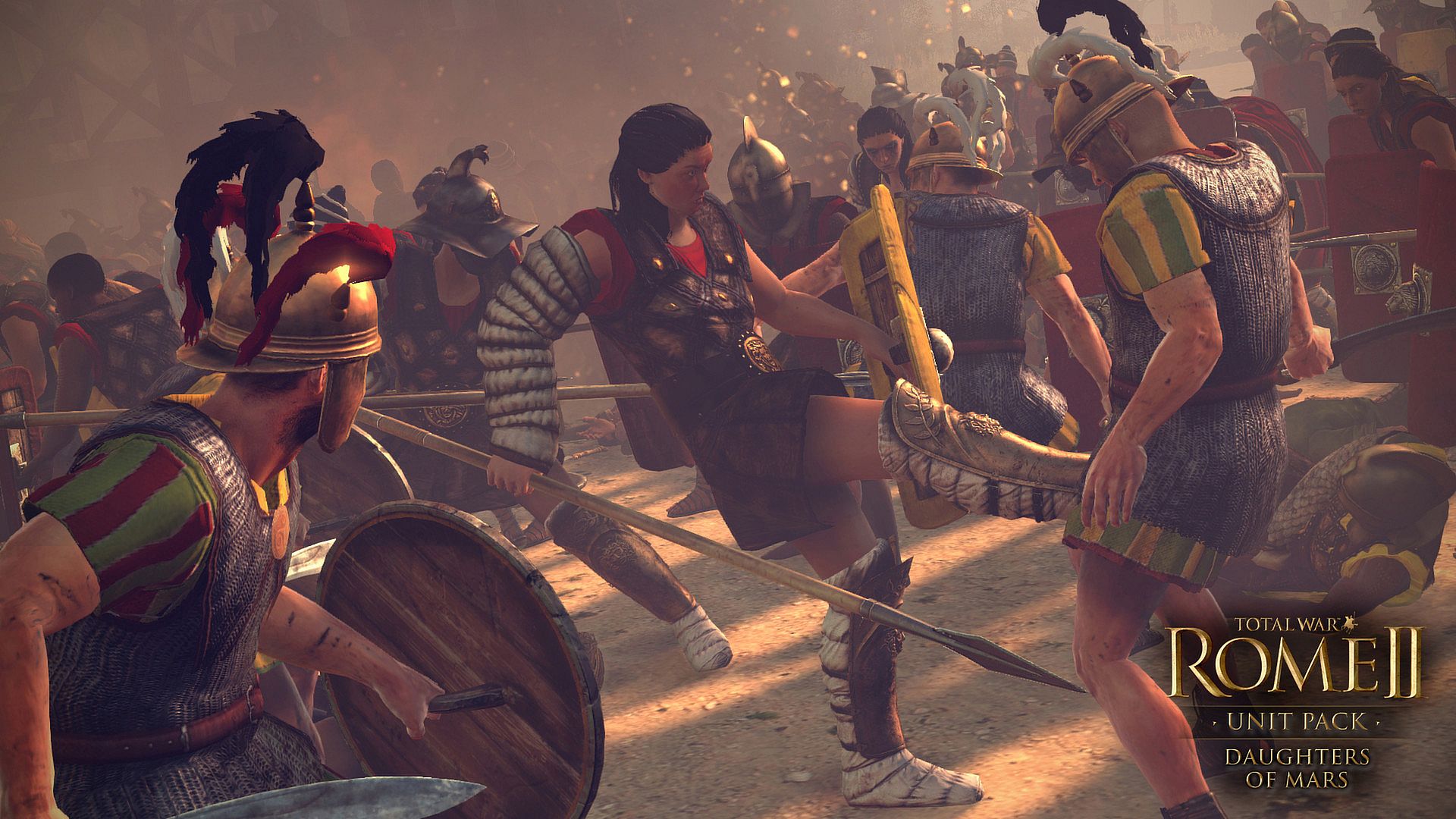
The core loop revolves around recruiting these units during the campaign and deploying them in real-time battles. Generals integrate the new troops into armies based on faction access or mercenary availability in specific regions. Gladiatrices, for instance, serve Rome directly or appear as mercenaries in Italia, offering heavily armored melee options that excel in prolonged defensive stands. Their training in arena drills translates to strong performance against conventional infantry when positioned to absorb and counter attacks.
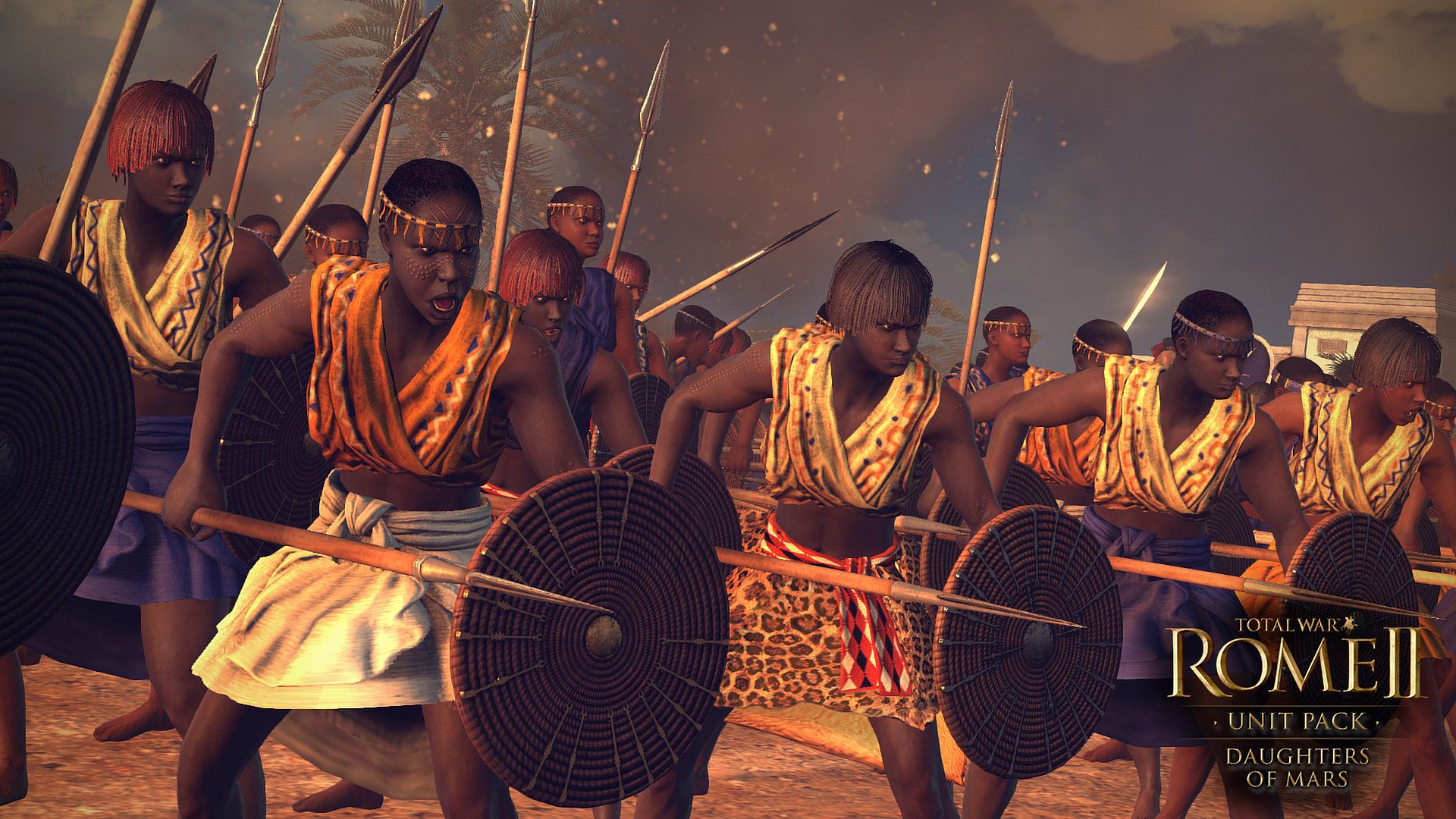
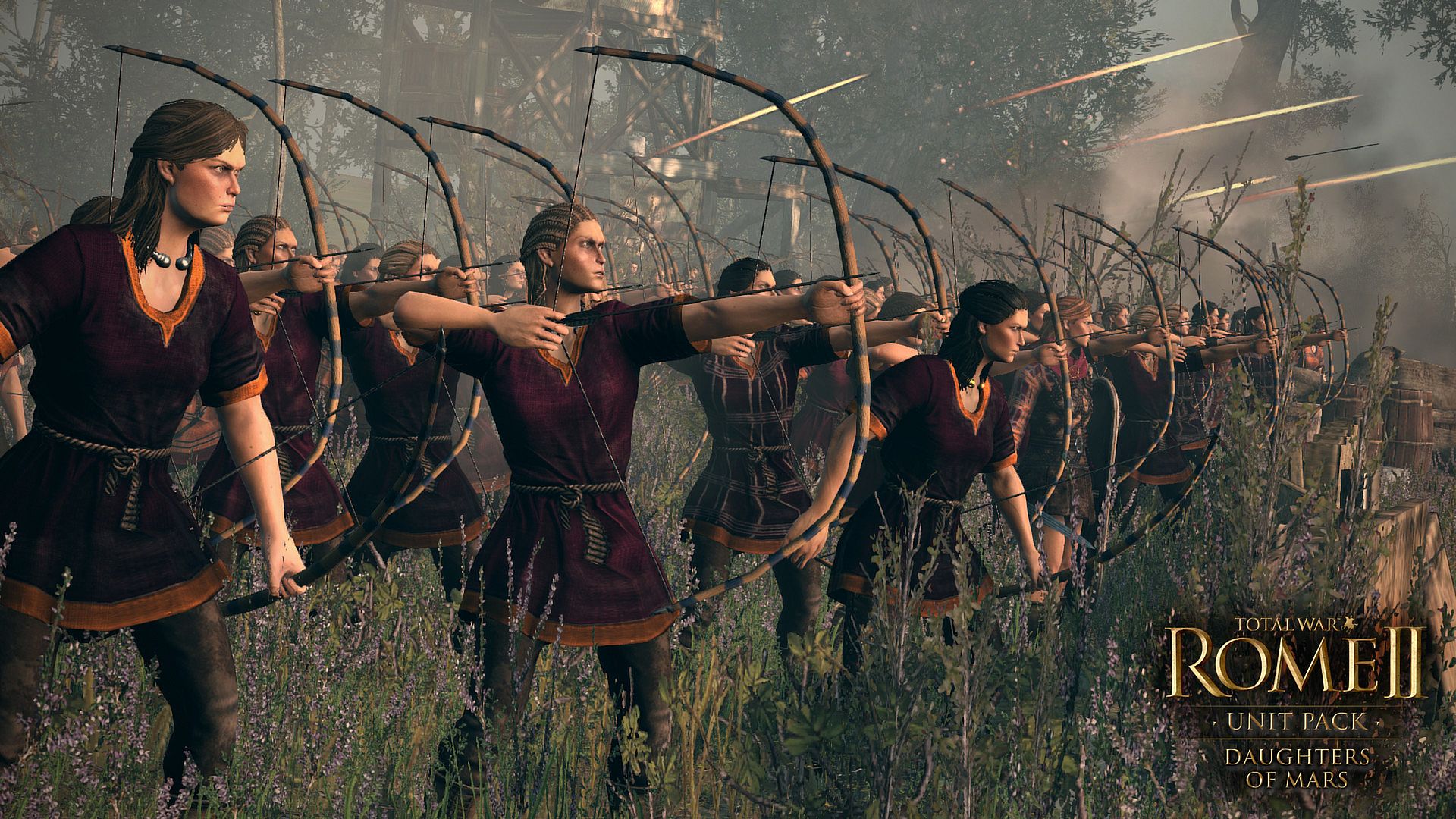
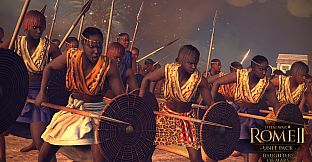
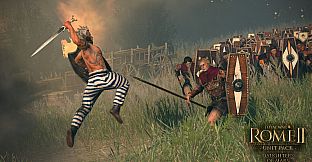
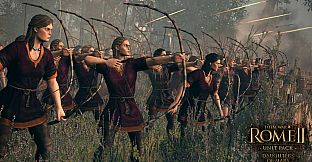
Mercenary Kushite shieldwomen become available in Aethiopia and provide agile spear units suited for woodland ambushes and quick defensive formations. Lusitani Swordswomen, recruitable by the Lusitani or as mercenaries in Lusitania, leverage guerrilla tactics with swift charges from concealed positions after supporting fire from other units. Cimbri Bow-Women join Suebi forces with extended range and damage output, ideal for striking before detection while retaining some melee capability if pressed.
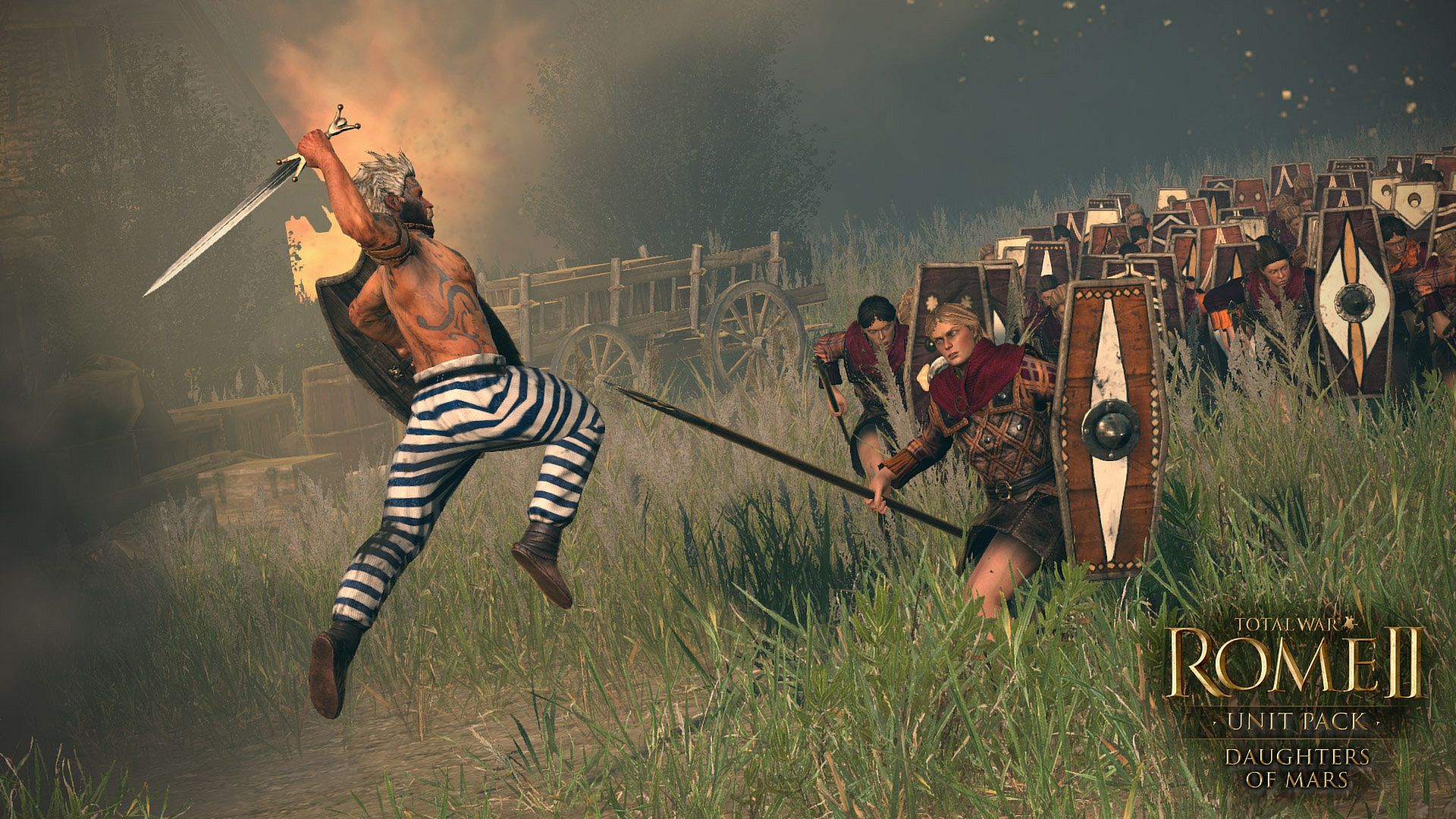
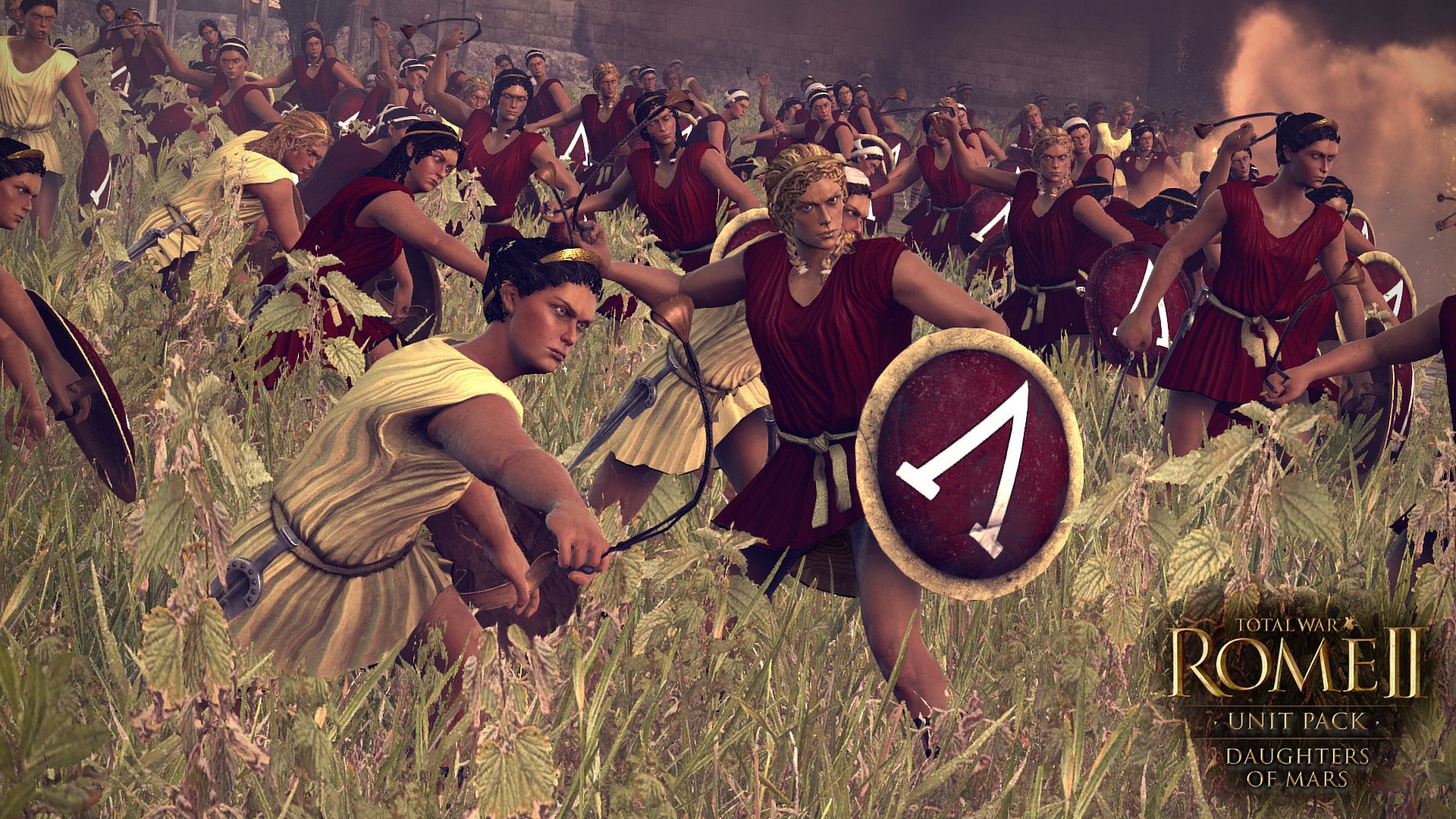
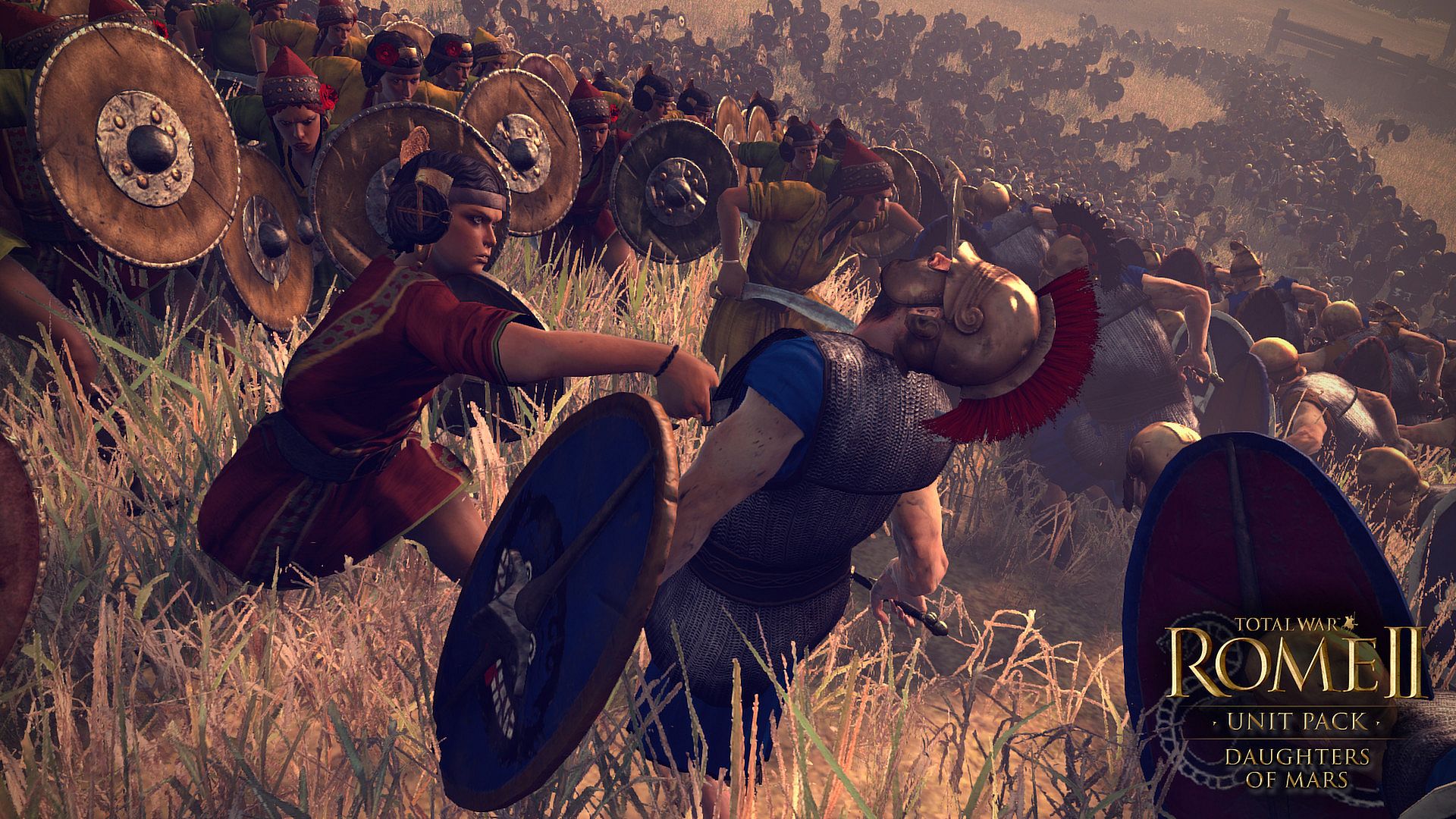
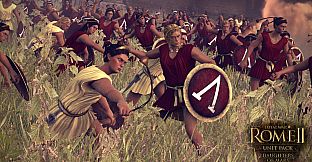
Spear Gladiatrices add a defensive variant for Roman or mercenary rosters in Italia, using spears to blunt cavalry charges effectively before launching counterattacks. Gorgo's Skirmishers enhance Spartan armies or appear as mercenaries in Hellas with faster-firing and heavier slings compared to standard units. Spearwomen integrate with Suebi forces or mercenaries across Suebia, Silesia, and Magna Germania, serving as versatile defenders that can shift to offense as needed.
Game Modes
Players engage these units primarily through the single-player campaign, where recruitment occurs at appropriate settlements or via mercenary pools tied to geography. Battles unfold in real time, with the new units contributing to both offensive pushes and defensive lines depending on their equipment and training. Custom battles allow direct testing of combinations without campaign progression.
Multiplayer elements support the units in competitive matches, where their specialized roles can influence army composition and tactics. The pack does not alter core mechanics but layers additional choices into existing army building and battlefield decisions.
Units Across Factions
Each unit ties to particular factions or regions, reflecting cultural fighting traditions. Roman access focuses on gladiatorial styles with both sword and spear variants for shock and defense. Suebi options emphasize archery and spear defense suited to forested terrain. Spartan additions center on skirmishing with slings, while Lusitani and Kushite units highlight ambush and mobility strengths. This distribution encourages faction-specific strategies without requiring new campaigns.
Commanders benefit from mixing these units with standard troops to cover weaknesses, such as pairing ranged elements with melee defenders or using agile forces to exploit terrain. The emphasis remains on historical authenticity in unit capabilities rather than fantasy elements.
Is It Worth Playing?
This unit pack suits players already invested in Total War: Rome II who seek expanded roster options for variety in army composition. The added units provide meaningful tactical alternatives in both campaign conquests and standalone battles, particularly for those favoring defensive setups or guerrilla approaches. Availability depends on ownership of the base game, and the content integrates seamlessly with ongoing play without requiring separate progression systems. Those drawn to strategy titles centered on ancient warfare will find the pack a direct enhancement to existing faction rosters.