


















Stellaris: Nemesis is a grand strategy simulation expansion for the PC game Stellaris. It expands the core experience of building and managing interstellar empires by introducing tools for espionage, diplomatic maneuvering, and high-stakes endgame decisions that let players shape or destroy the galaxy.
Gameplay
The expansion centers on empire management in a galaxy facing mounting threats. Players direct their civilization through exploration, resource allocation, and technological advancement while contending with rival powers. New systems emphasize information warfare and covert actions that influence events without direct confrontation.
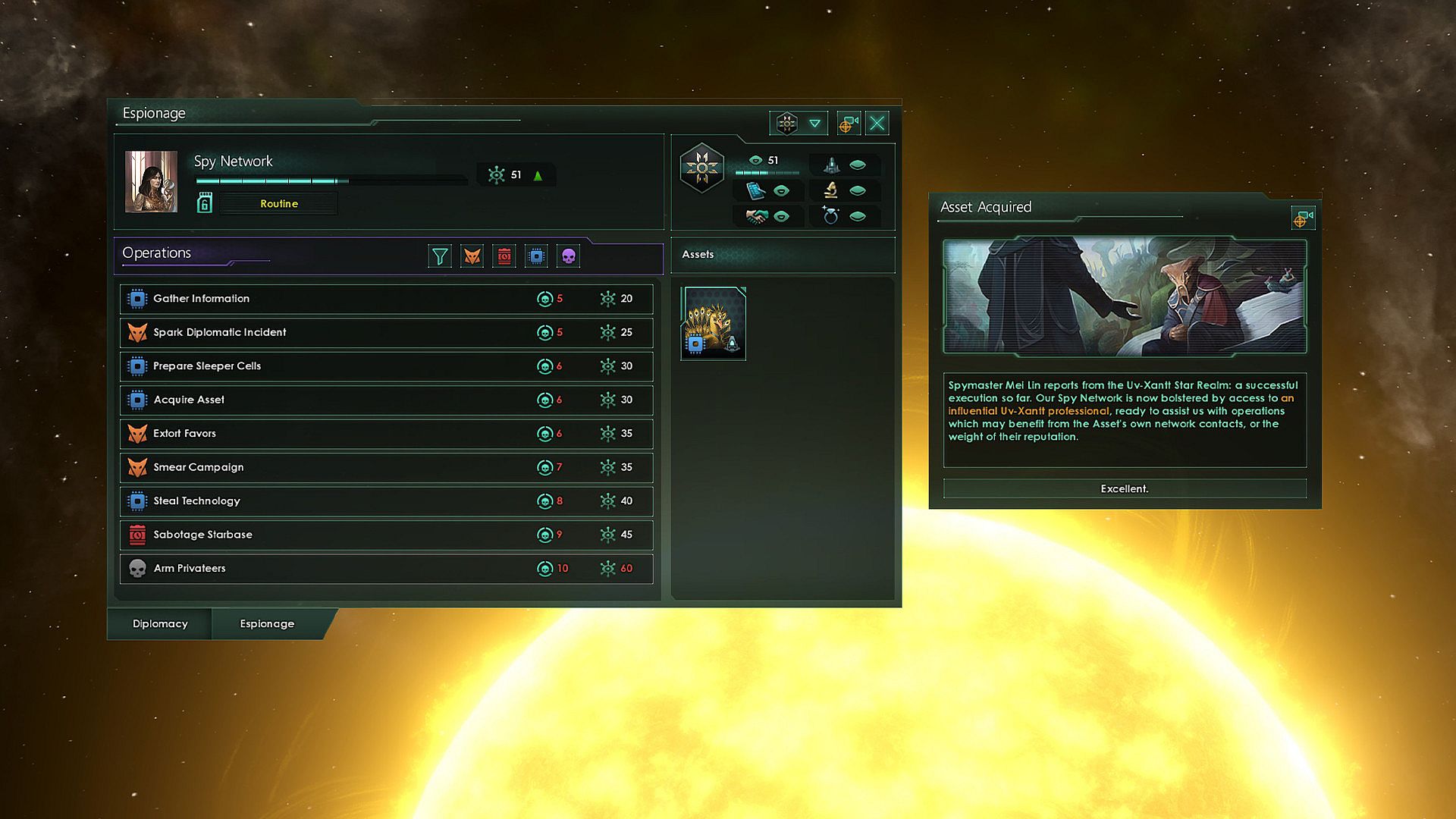
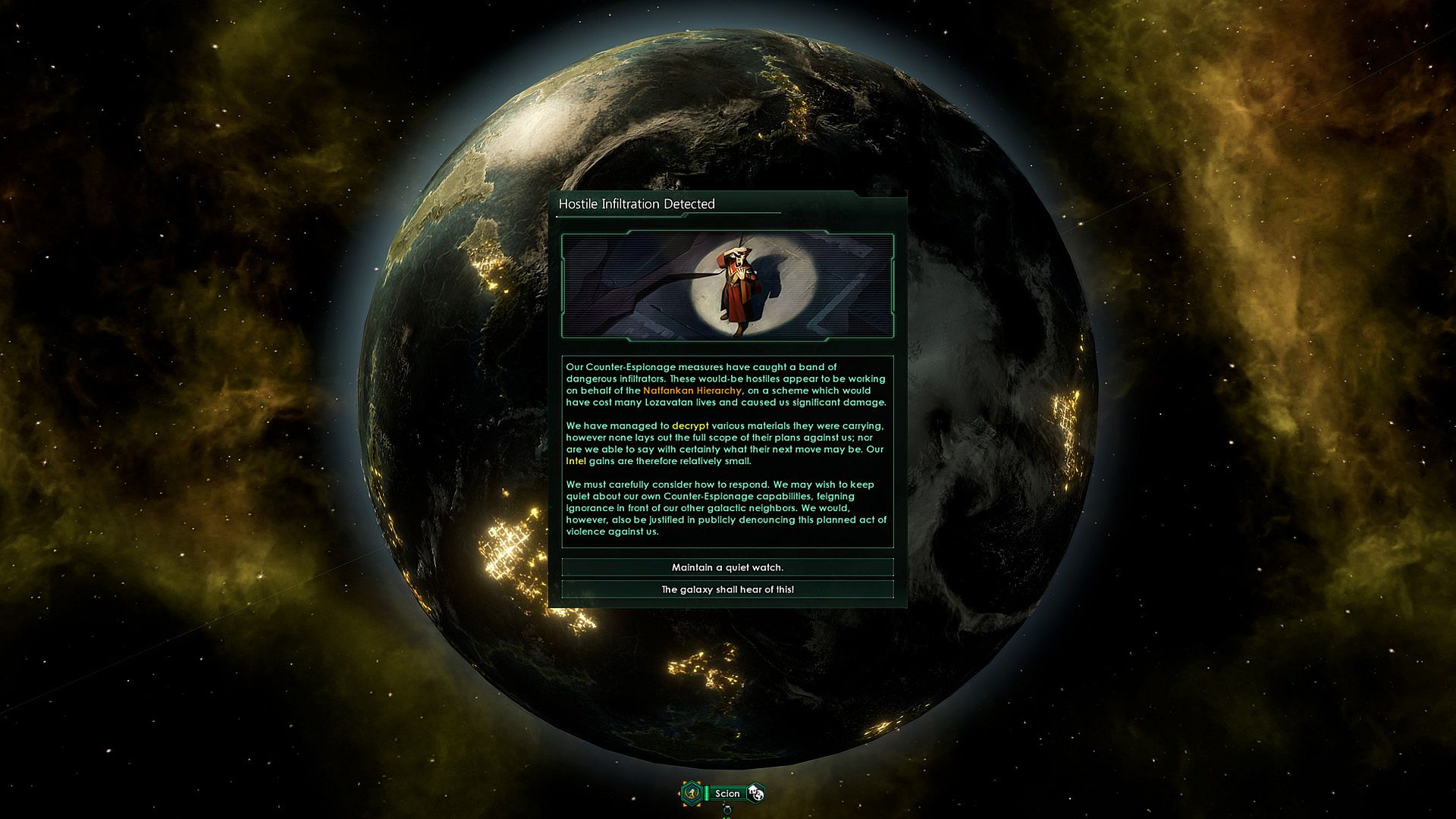
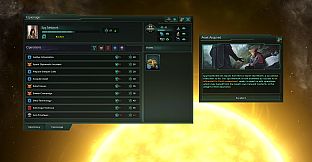
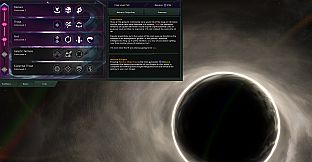
Espionage forms a core addition. Envoys can be assigned to conduct operations across borders, building infiltration levels that unlock abilities such as sabotaging starbases, acquiring assets, or stealing technology. Counterintelligence efforts help protect against similar actions from opponents. Diplomatic tools allow smear campaigns and engineered incidents that strain relations between other empires, creating openings for advantage.
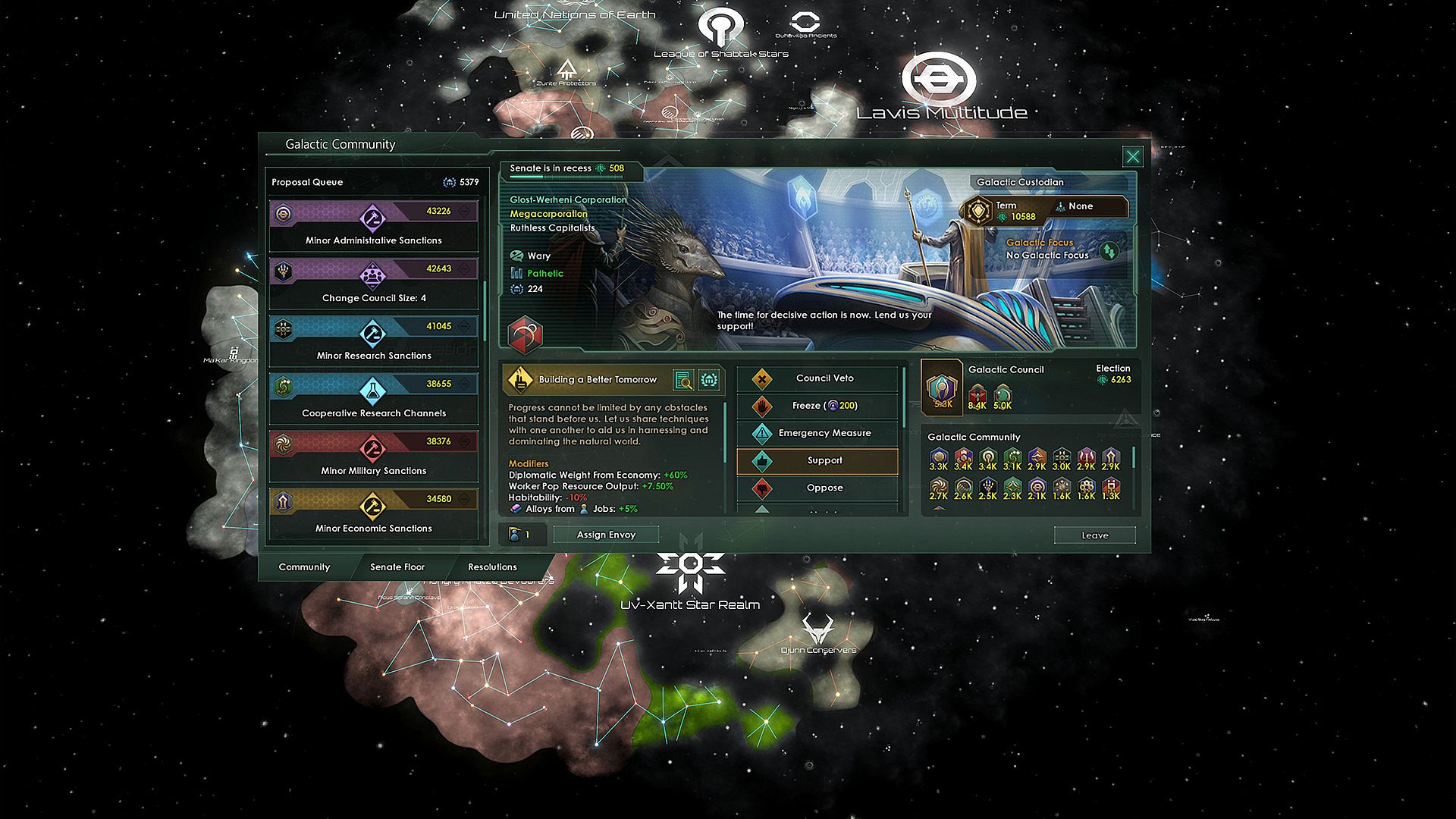
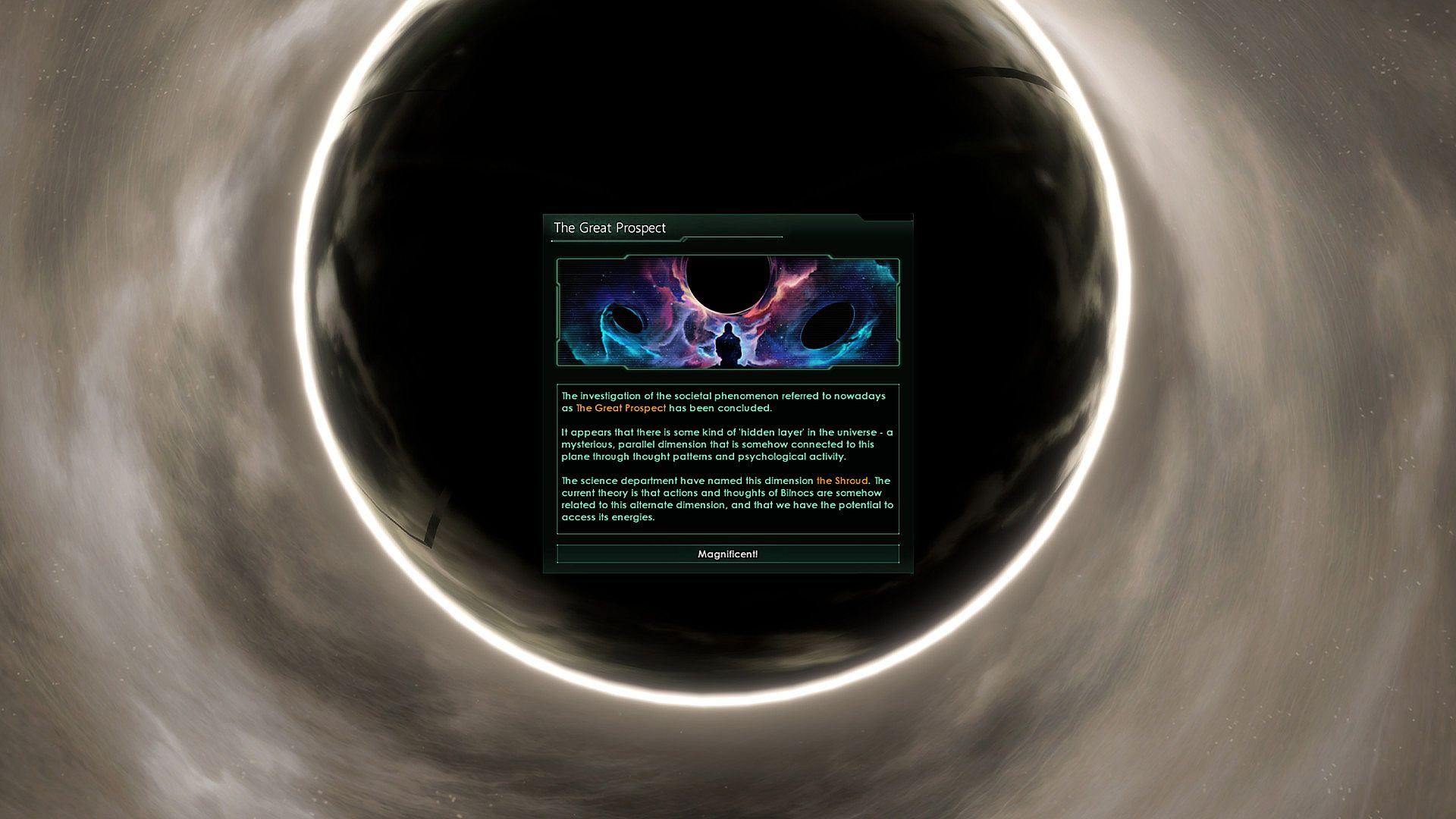
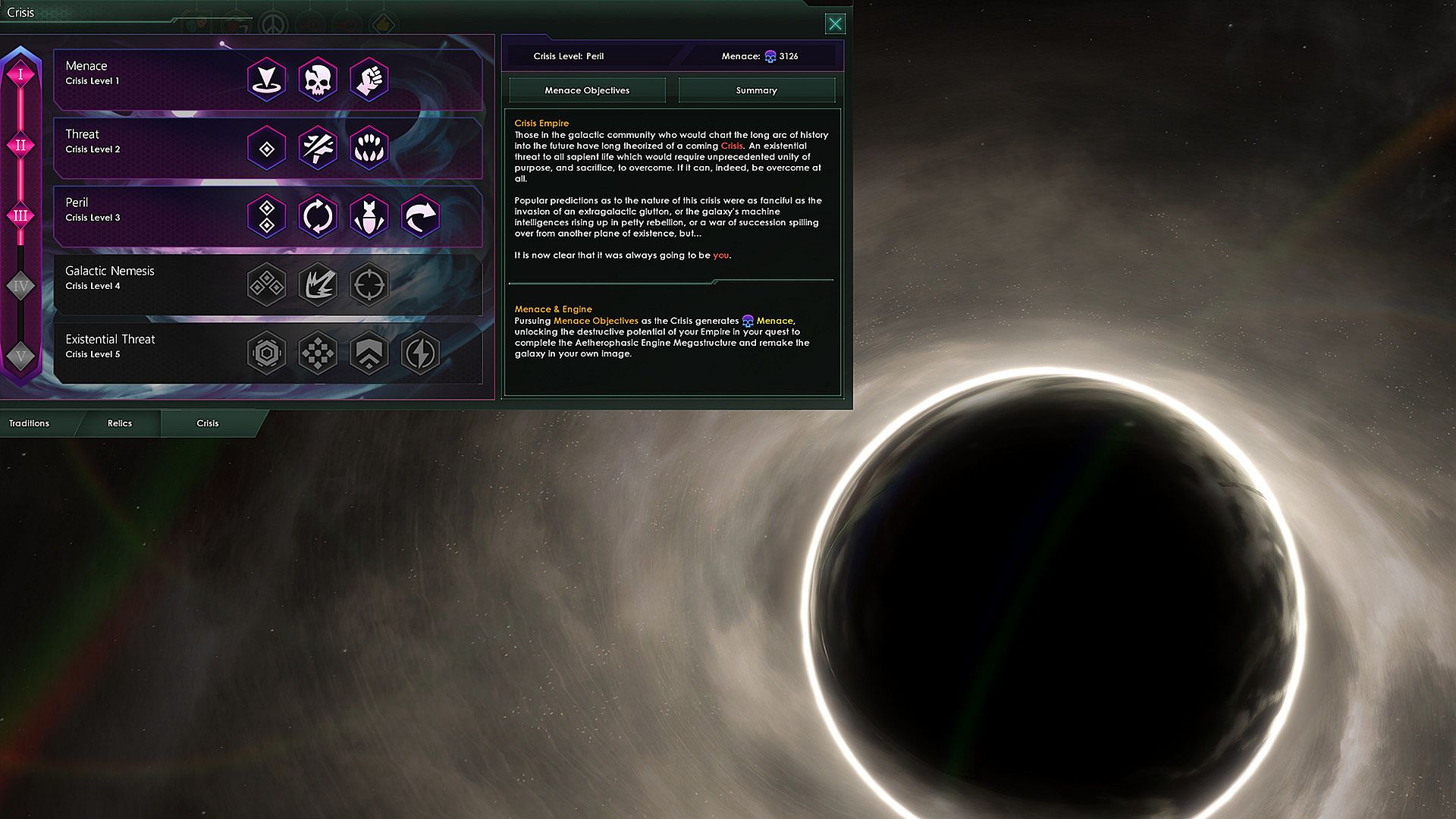
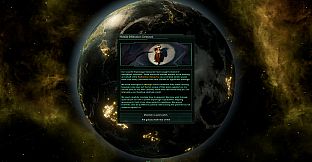
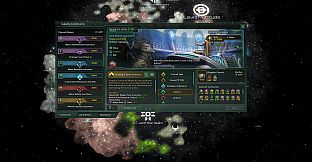
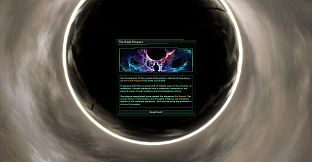
Two major paths emerge as crises intensify. One route involves positioning an empire as the Galactic Custodian, gaining emergency authority to coordinate defenses and stabilize the galaxy. Success can lead to retaining those powers and establishing a lasting imperium. The alternative path lets an empire embrace menace, accumulating strength to become the crisis itself and potentially end the game on its own terms through overwhelming force.
Game Modes
Stellaris: Nemesis integrates its features into the existing single-player and multiplayer frameworks of the base game. The new mechanics support both solitary campaigns focused on long-term empire evolution and shared sessions where multiple players navigate alliances and betrayals.
Endgame scenarios gain structure through the custodian and crisis options. These create distinct strategic arcs within a match, shifting focus from steady expansion to urgent power consolidation or aggressive destabilization. Operations and diplomatic maneuvers add layers that can alter the pace and outcomes of these late-game phases across different session types.
Key Mechanics and Features
Espionage operations scale with infiltration progress, rewarding careful planning and envoy management. Players must balance visible diplomacy with hidden actions to avoid detection while pursuing objectives like technology theft or base disruption.
The custodian route grants temporary authority that can be used to rally the galactic community against threats. Decisions at the conclusion of a crisis determine whether powers are returned or consolidated into a new imperial structure. The menace path offers escalating bonuses that reward aggressive playstyles aimed at galactic domination or destruction.
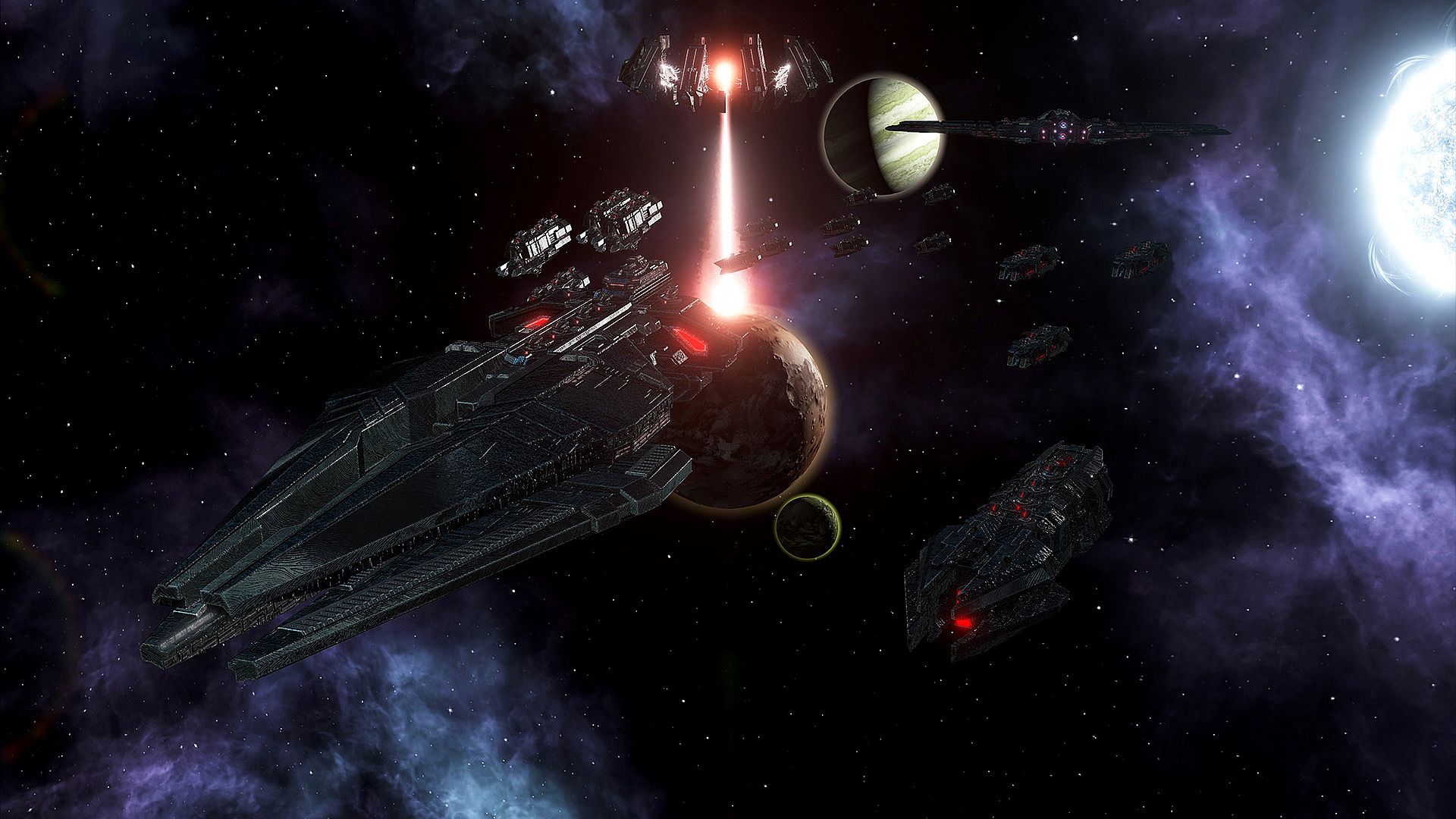
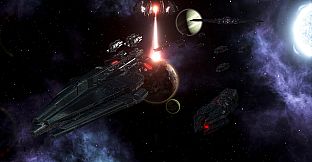
A new ship set provides visual options for fleets, drawing from imposing science fiction designs that suit empires pursuing control or annihilation.
Is It Worth Playing?
Stellaris: Nemesis suits players who enjoy detailed grand strategy with opportunities for both cooperative defense and competitive subversion. The espionage layer adds depth to interactions between empires, while the crisis paths provide clear late-game objectives that can resolve prolonged stalemates.
Those who prefer straightforward expansion and warfare may find the new systems optional rather than essential. The expansion builds directly on the base game's systems, enhancing replayability for veterans without requiring mastery of entirely new concepts.
Stellaris continues to receive updates that maintain the overall experience, making the Nemesis content a relevant addition for anyone invested in the title's ongoing development. It delivers targeted tools for players interested in espionage and endgame agency within a space strategy context.