




















Stellaris: Federations serves as a major expansion for the grand strategy simulation game Stellaris on PC. It emphasizes diplomatic maneuvering and empire management across a vast galaxy filled with alien civilizations. Players build and lead spacefaring empires through exploration, resource management, and interactions that range from alliances to subtle influence operations.
Gameplay
The core loop revolves around developing an empire from humble beginnings into a galactic power. Exploration reveals new systems and anomalies while construction ships establish outposts and stations. Research advances technology trees that unlock better ships, buildings, and societal traits. Economy management balances resources like minerals, energy, and alloys to support fleets and infrastructure.
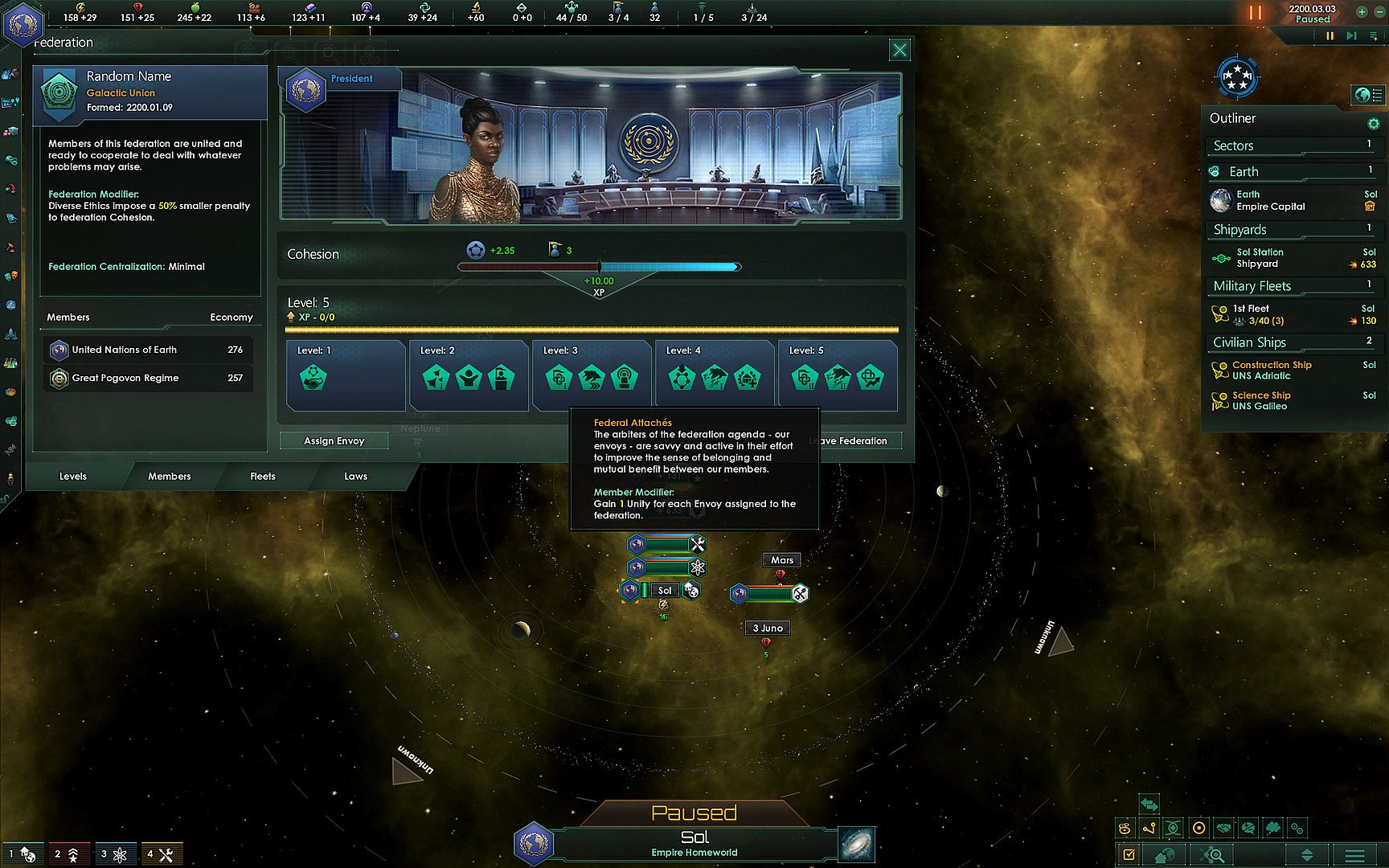
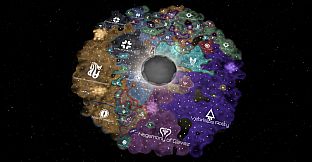
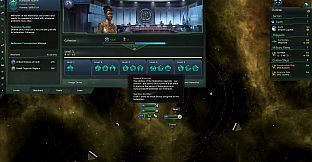
Diplomacy takes center stage with tools to shape relations without immediate conflict. Envoys improve opinions or spread influence among other empires. Federations allow groups of empires to pool strength through shared laws and progression systems that grant collective benefits as cohesion grows. Different federation types provide specialized advantages such as trade efficiencies or coordinated military responses.
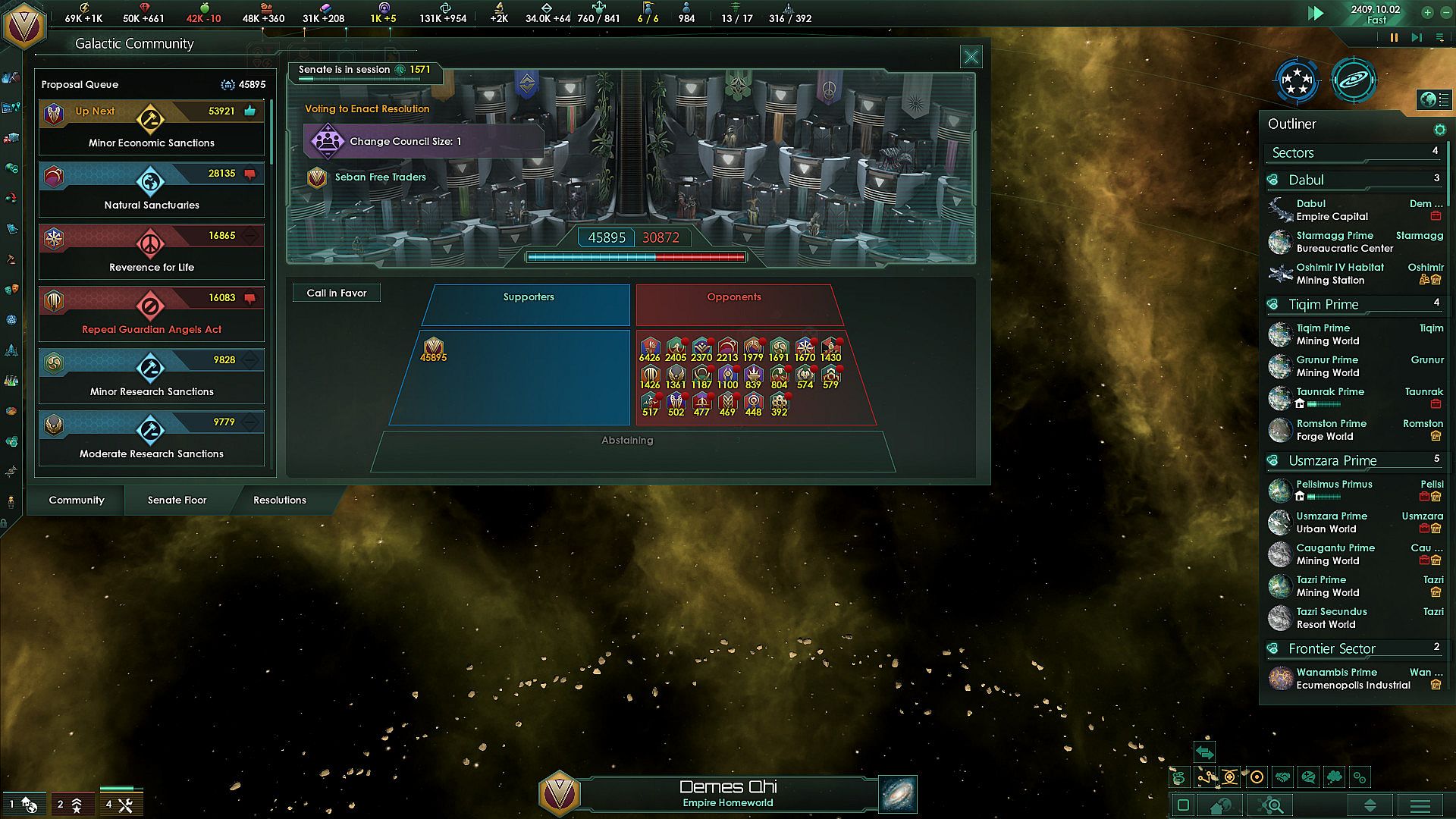
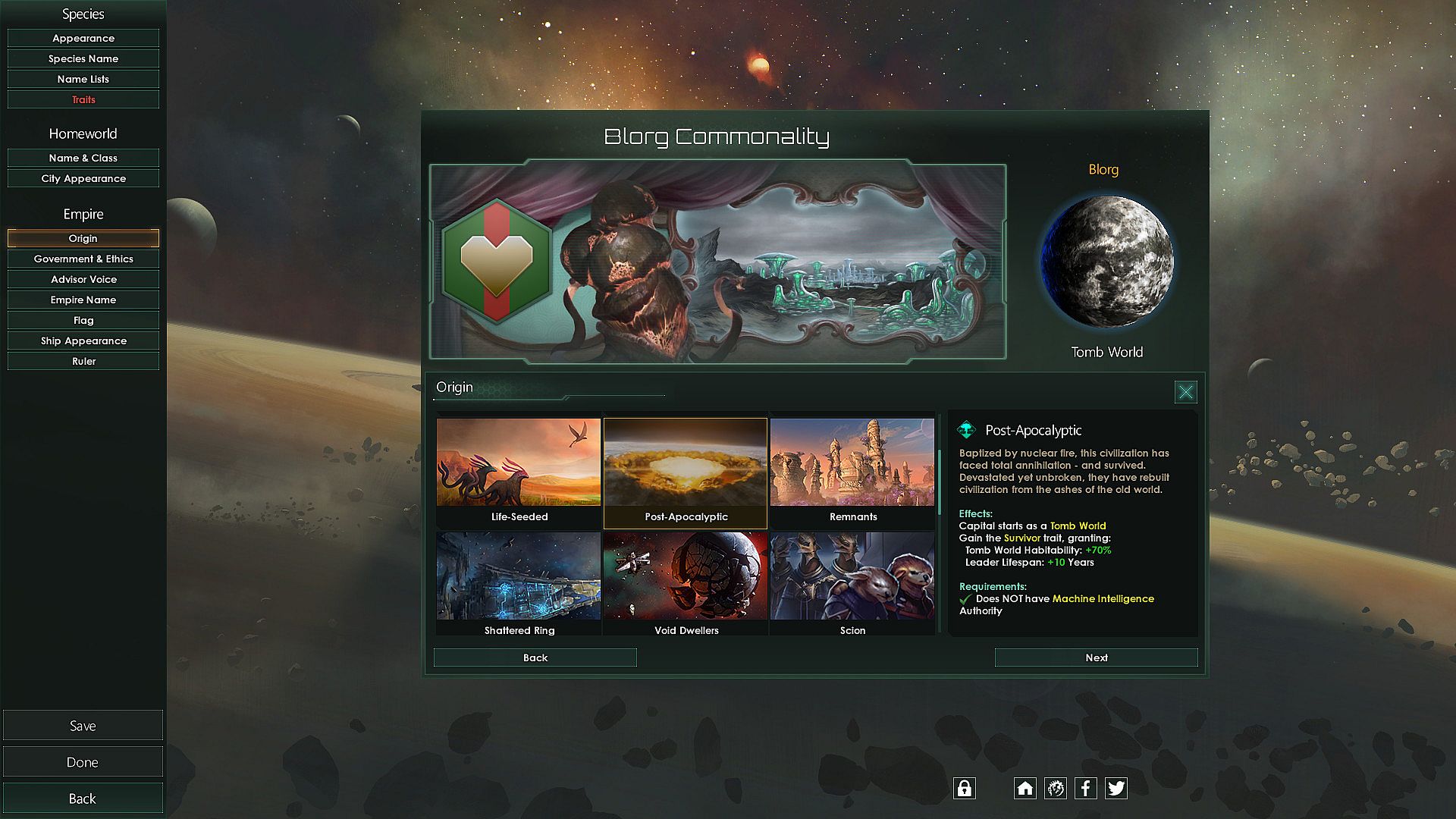
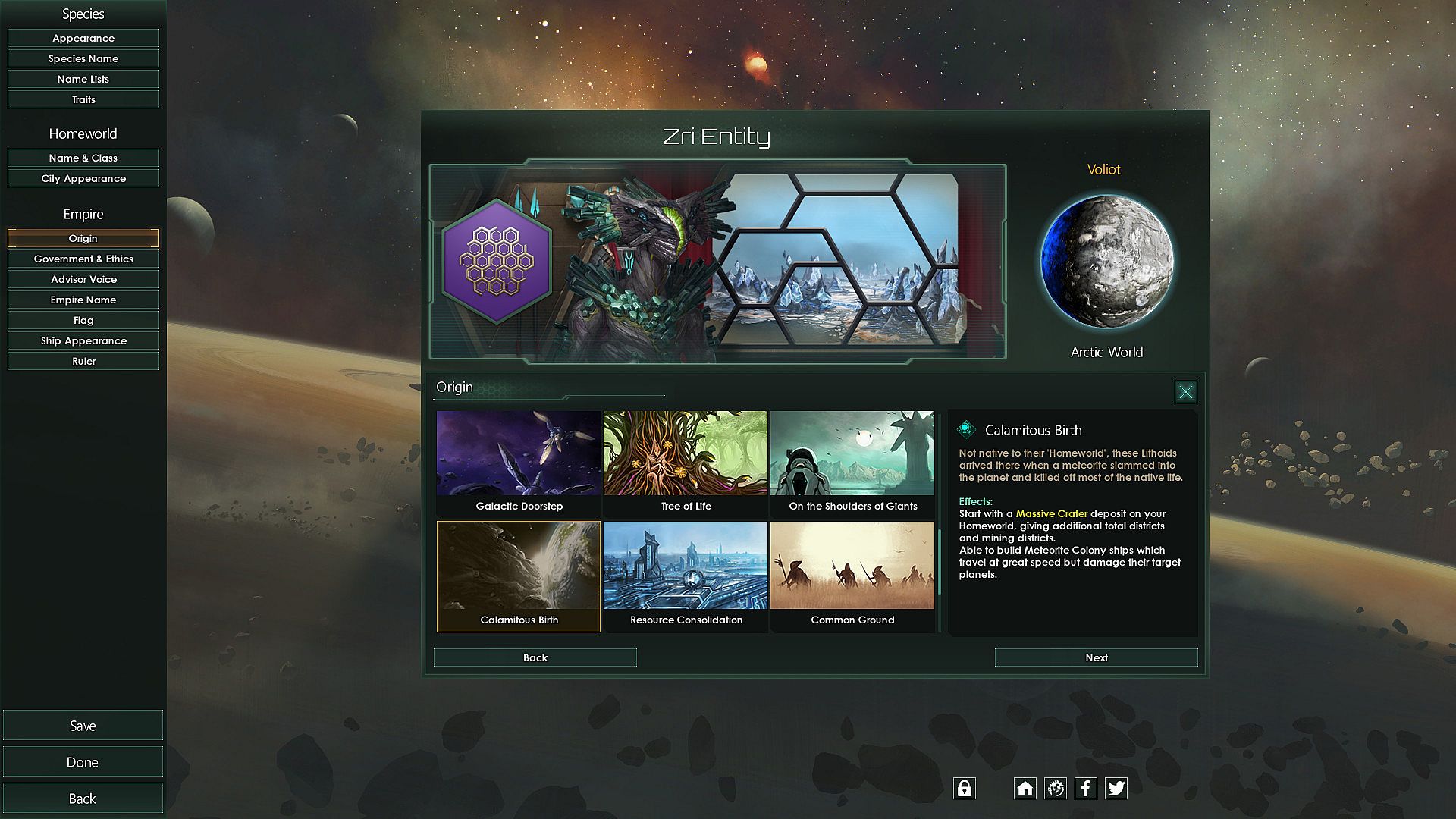
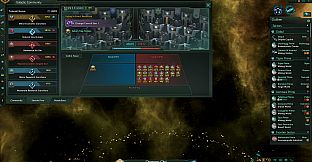
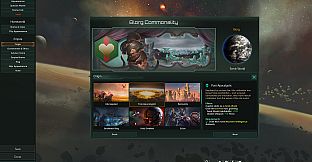
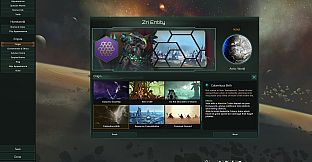
The Galactic Community introduces a senate where members propose and vote on resolutions. These can enforce collective defense pacts, redirect economic outputs, or impose sanctions on noncompliant empires. Influence accumulates through favors and maneuvering to steer outcomes toward personal goals. Origins add starting variety by altering initial conditions and backstory for each empire, such as societies adapted to orbital habitats or those centered around a sacred living tree.
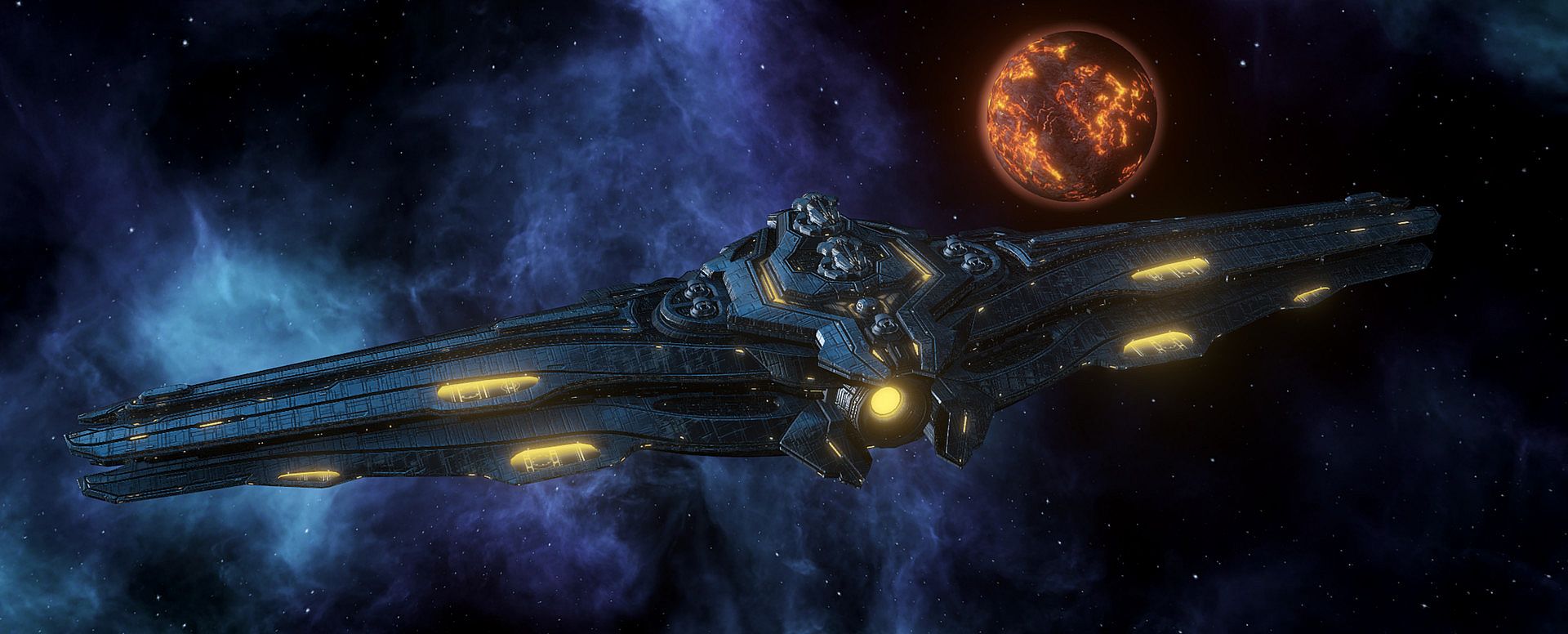
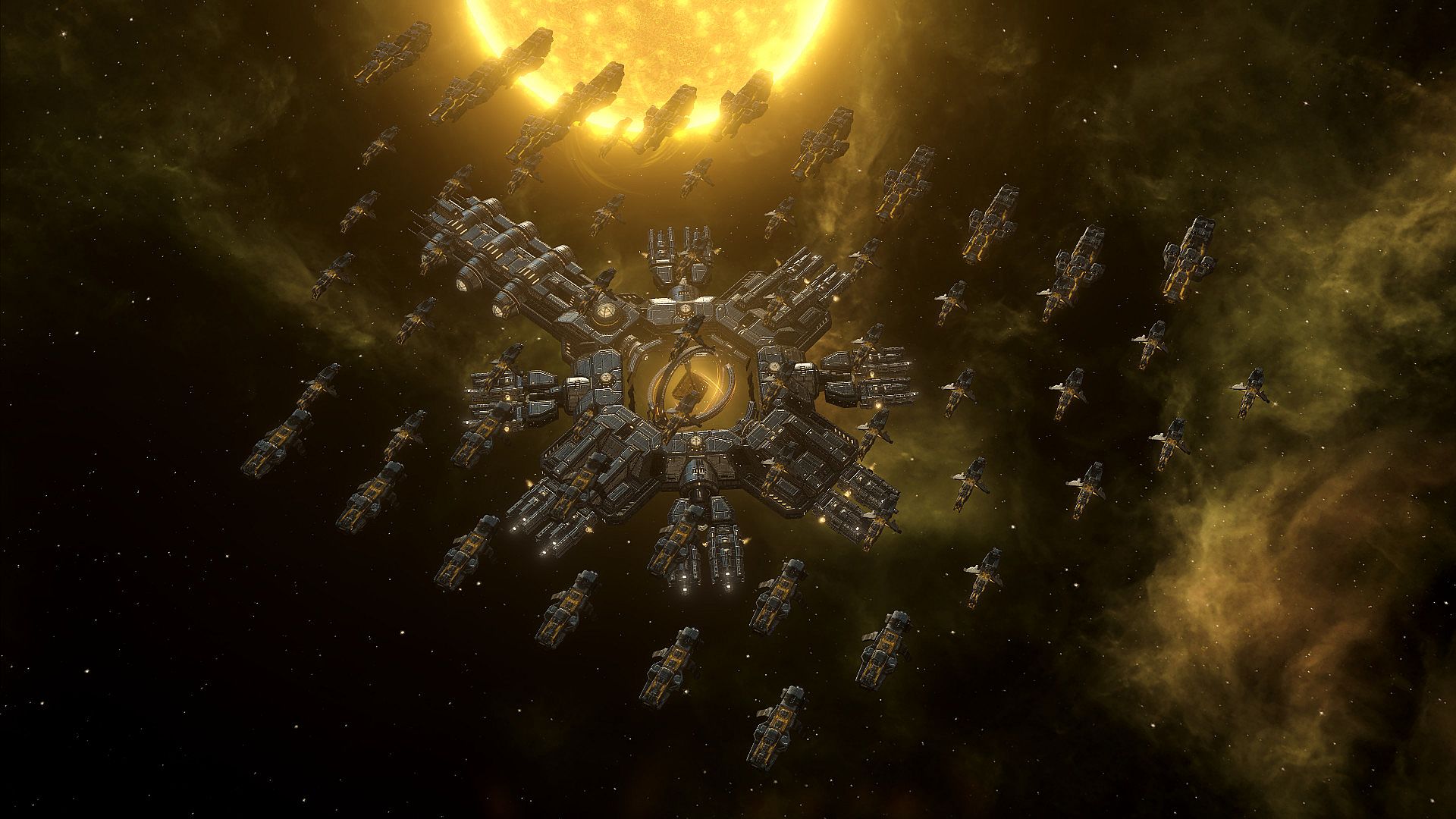
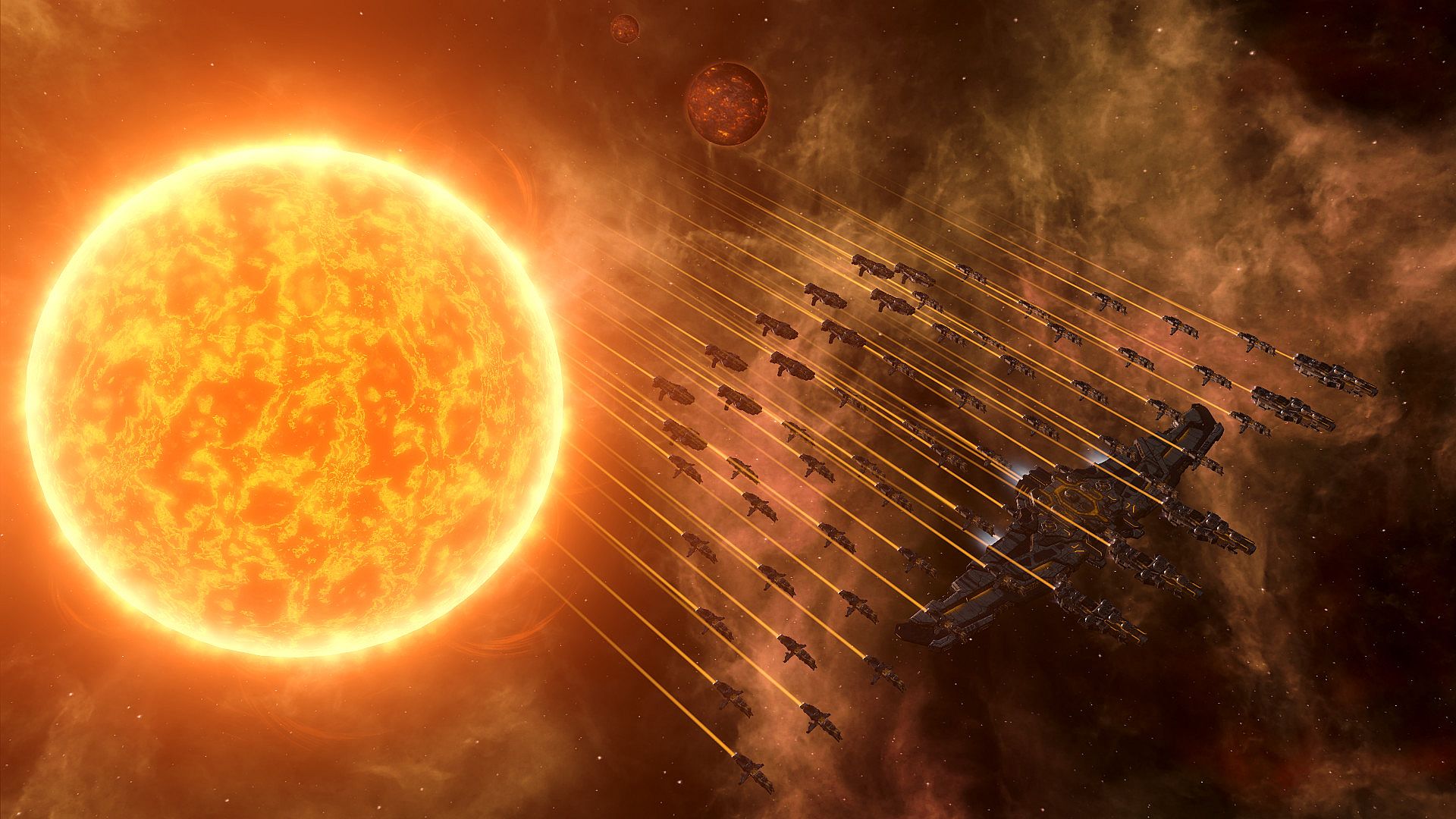
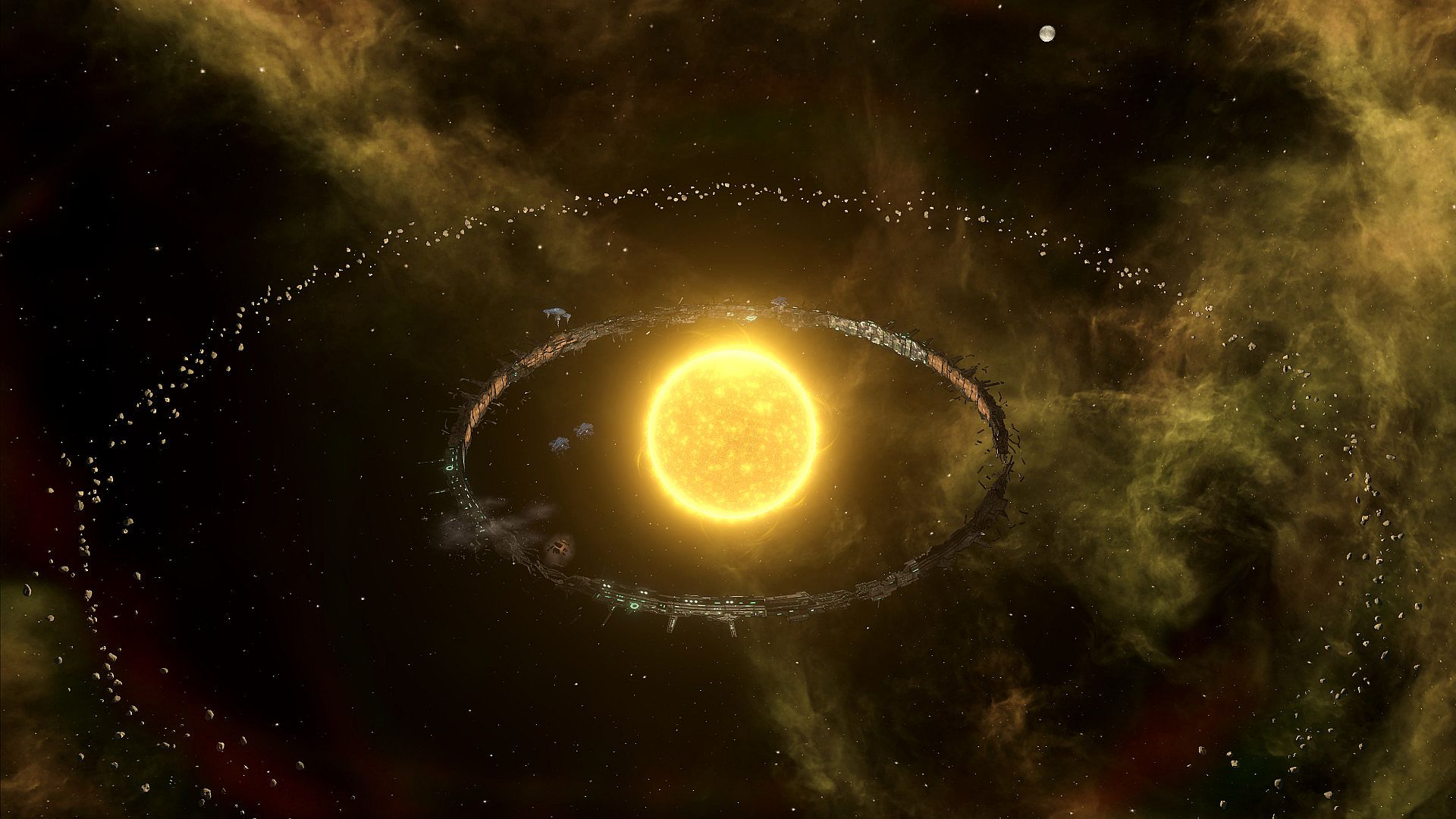
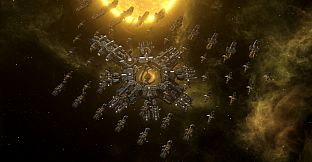
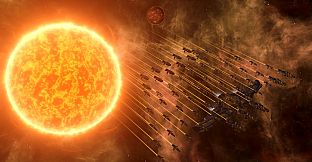
New megastructures expand options for late-game power projection. The Juggernaut functions as a mobile starbase capable of repairs deep in hostile space. The Mega Shipyard accelerates fleet production on a massive scale, offering both practical edges and visual impact during conflicts or shows of force.
Game Modes
Stellaris: Federations integrates into the base game's sandbox structure rather than introducing separate modes. Players engage in long-term empire simulation where diplomatic paths complement or replace military conquest. Singleplayer campaigns focus on personal empire stories shaped by chosen origins and ongoing decisions in the galactic senate.
Multiplayer sessions support cooperative or competitive play among human participants. Alliances form organically through federation mechanics, allowing groups to coordinate against external threats or internal rivals. The emphasis remains on strategic depth over time rather than quick matches, with sessions often spanning hundreds of in-game years as empires evolve.
Empire Customization and Progression
Origins provide narrative foundations that influence early development and long-term playstyles. Void Dwellers start without a planetary homeworld and rely on habitats for population growth. Tree of Life societies gain unique bonuses tied to protecting and expanding their central organism. These choices affect resource availability, pop traits, and diplomatic standing from the outset.
Federation progression rewards investment in internal unity. Members unlock tiered perks that benefit the entire group, from economic multipliers to fleet contributions. Laws within federations allow customization of leadership selection, war policies, and resource sharing to suit the alliance's direction.
Is It Worth Playing?
Stellaris: Federations appeals to players who enjoy grand strategy with a focus on diplomacy and long-term planning. It strengthens the non-military aspects of empire building, making interactions with other civilizations more meaningful and varied. The addition of origins encourages repeated playthroughs with different starting conditions and roleplaying opportunities.
Reception highlights improvements to federation systems and the introduction of legislative tools that add layers to galactic politics. The expansion pairs with the free accompanying patch that refined related mechanics. Stellaris continues to receive updates that maintain compatibility and add content, keeping the experience current for both new and returning players.
Those drawn to detailed simulation of space empires, alliance management, and strategic influence will find substantial value. It suits singleplayer campaigns centered on peaceful dominance or multiplayer groups seeking coordinated galactic influence. Players preferring pure conquest may see less immediate impact but still benefit from the expanded options during mixed-strategy runs.