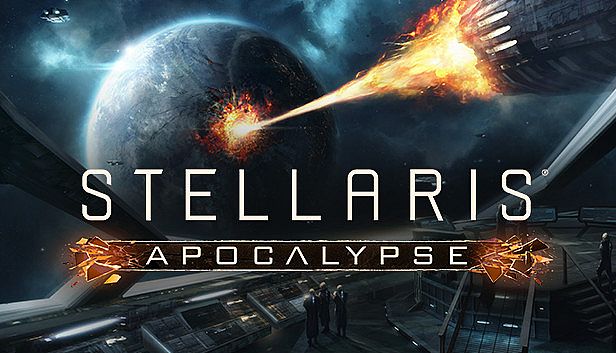


















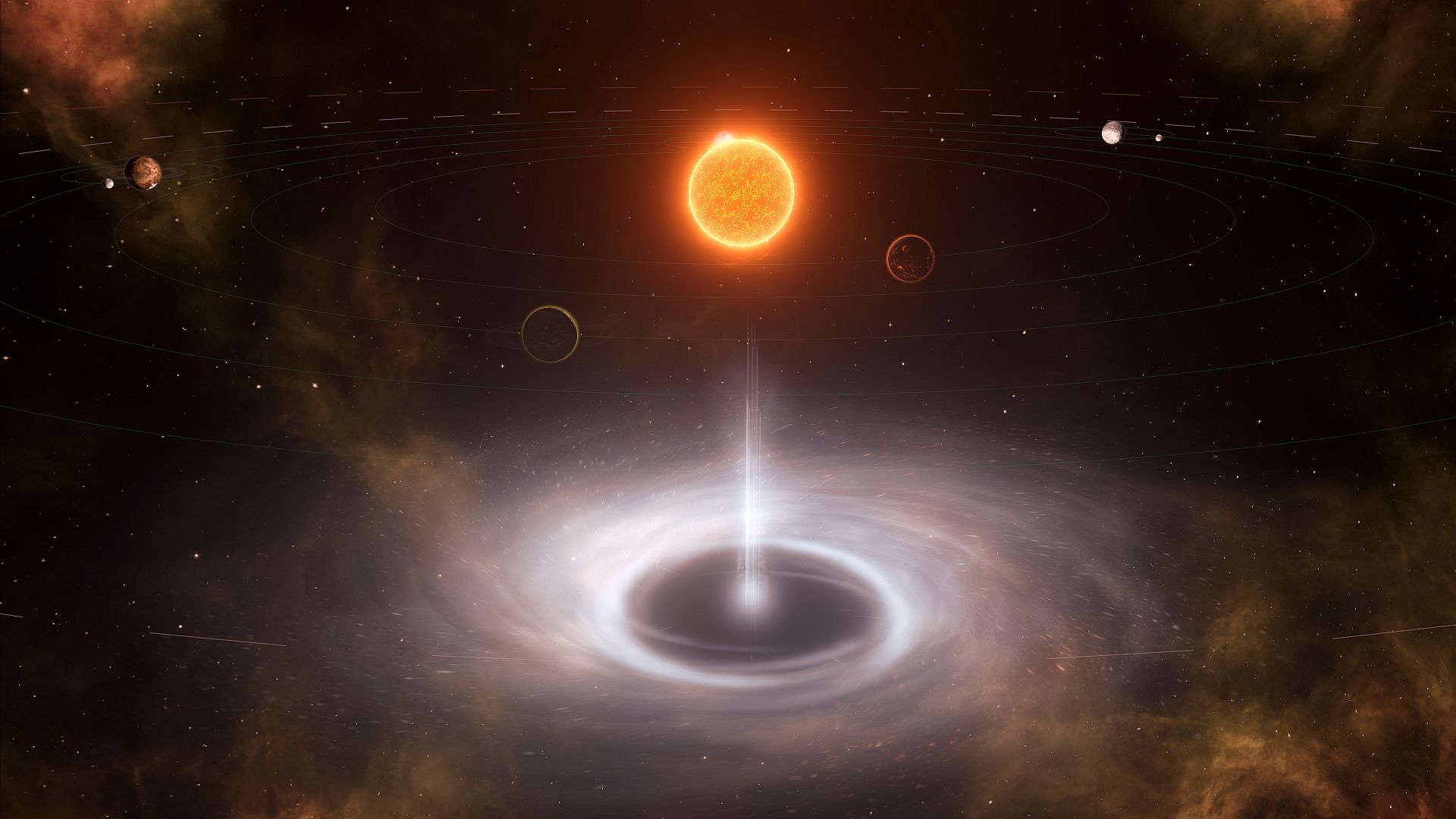
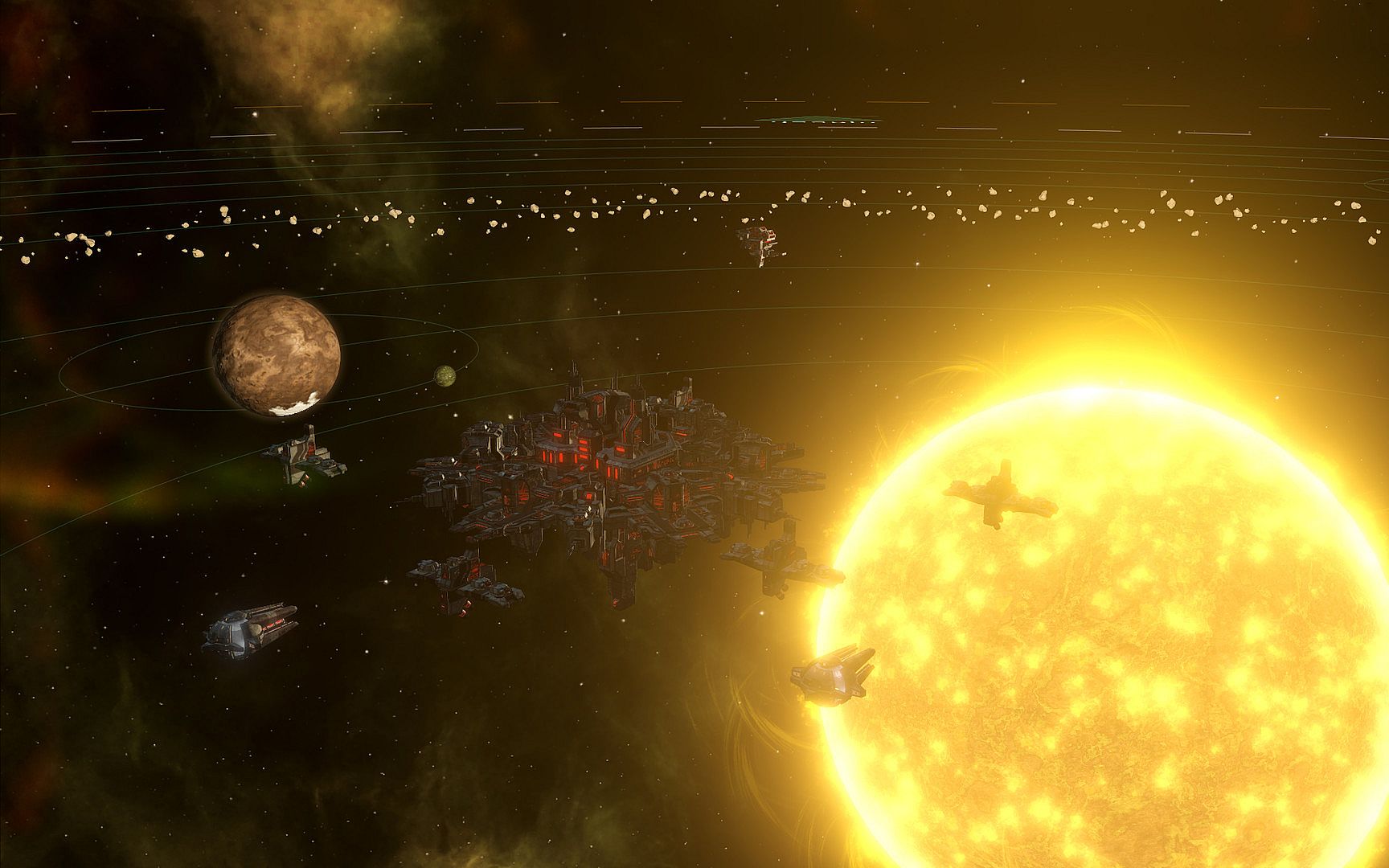
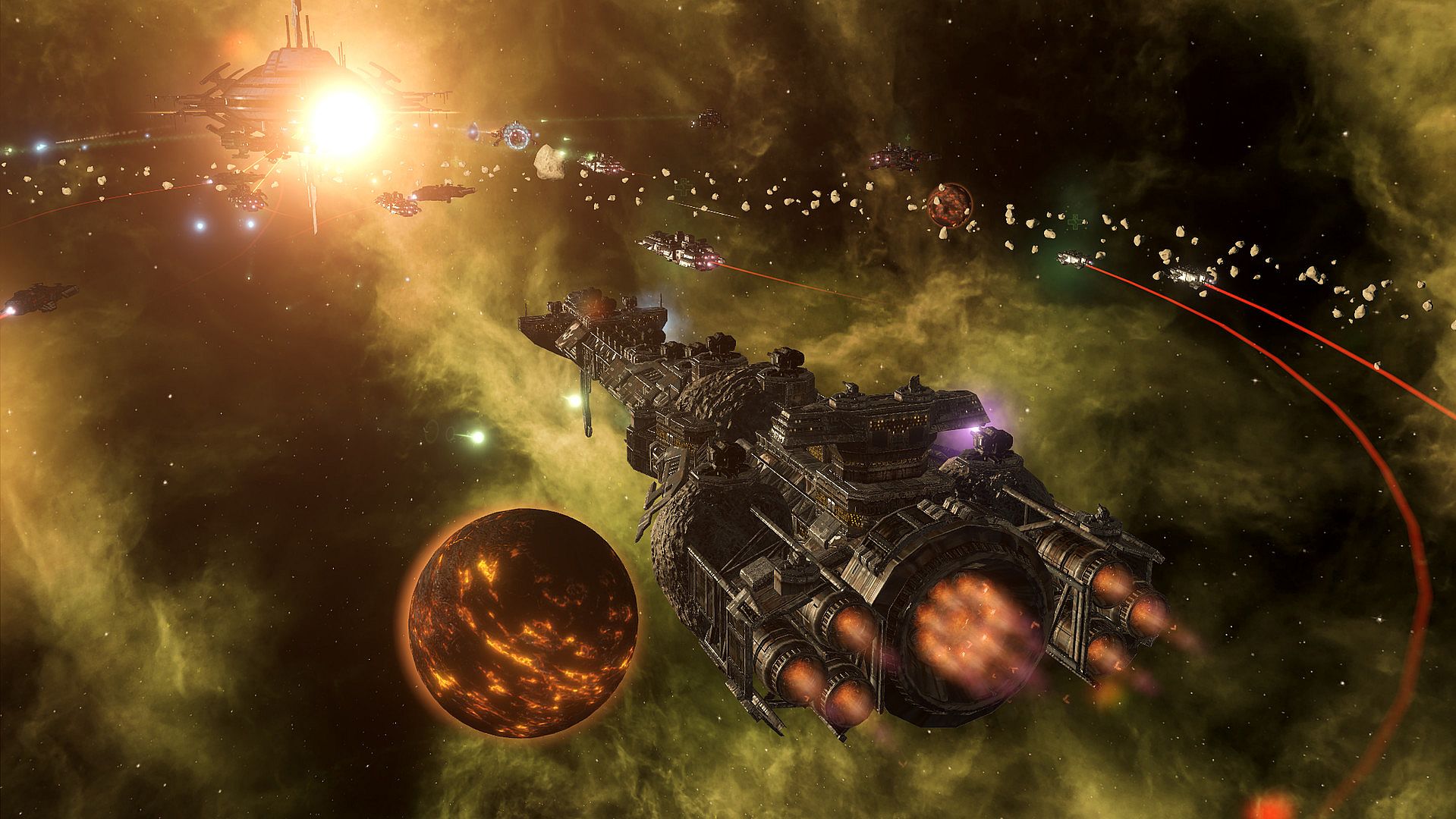
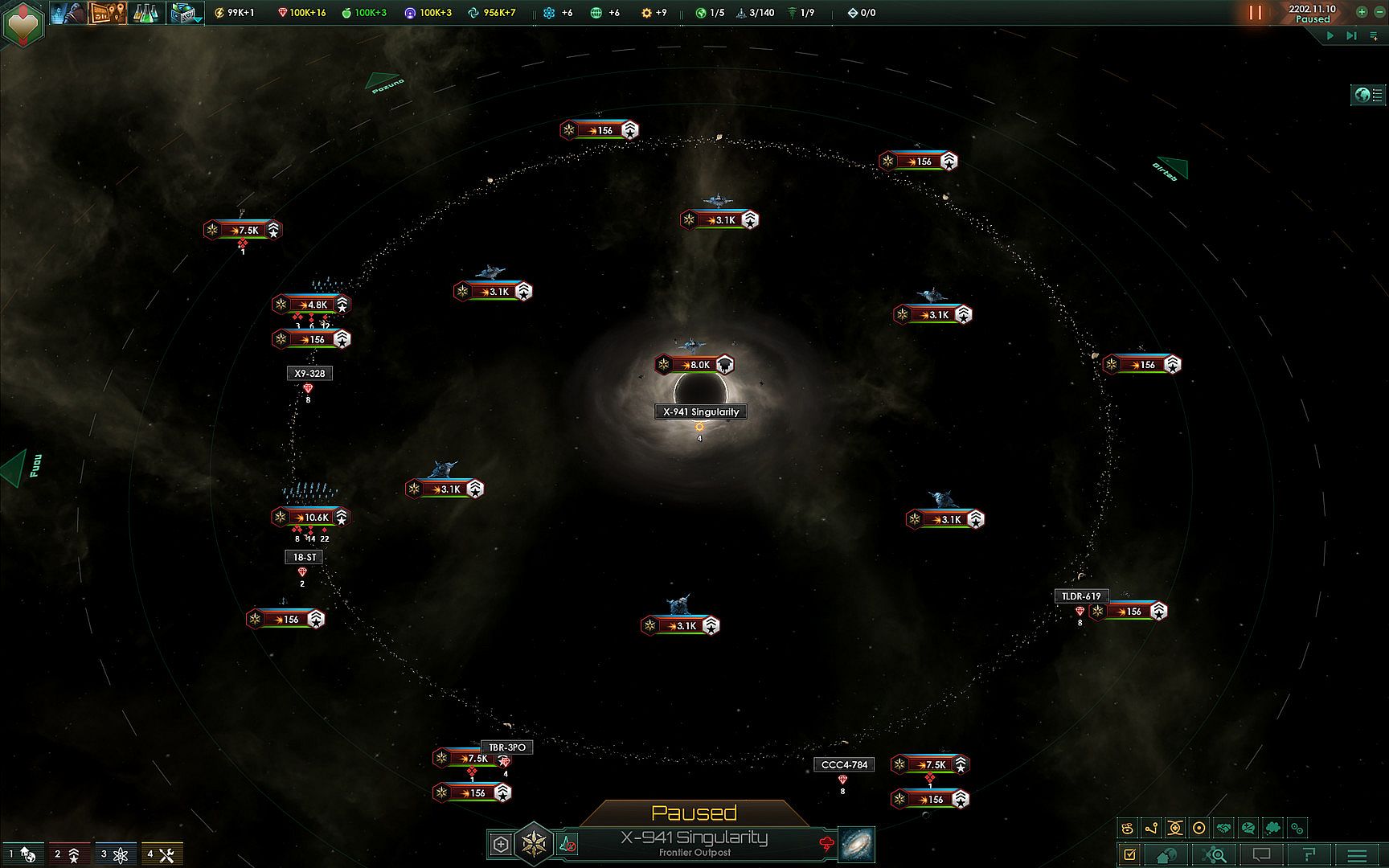
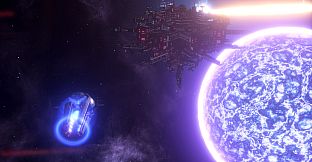
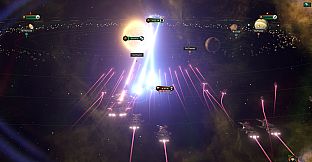

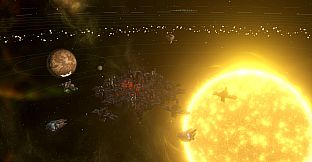
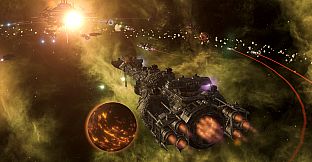
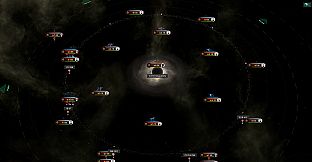
Stellaris: Apocalypse serves as a major expansion for the grand strategy simulation Stellaris, focusing on enhanced space warfare and empire management on PC. Released as a standalone add-on, it introduces powerful late-game tools that shift how conflicts unfold across the galaxy while adding options for customization outside of combat.
Gameplay
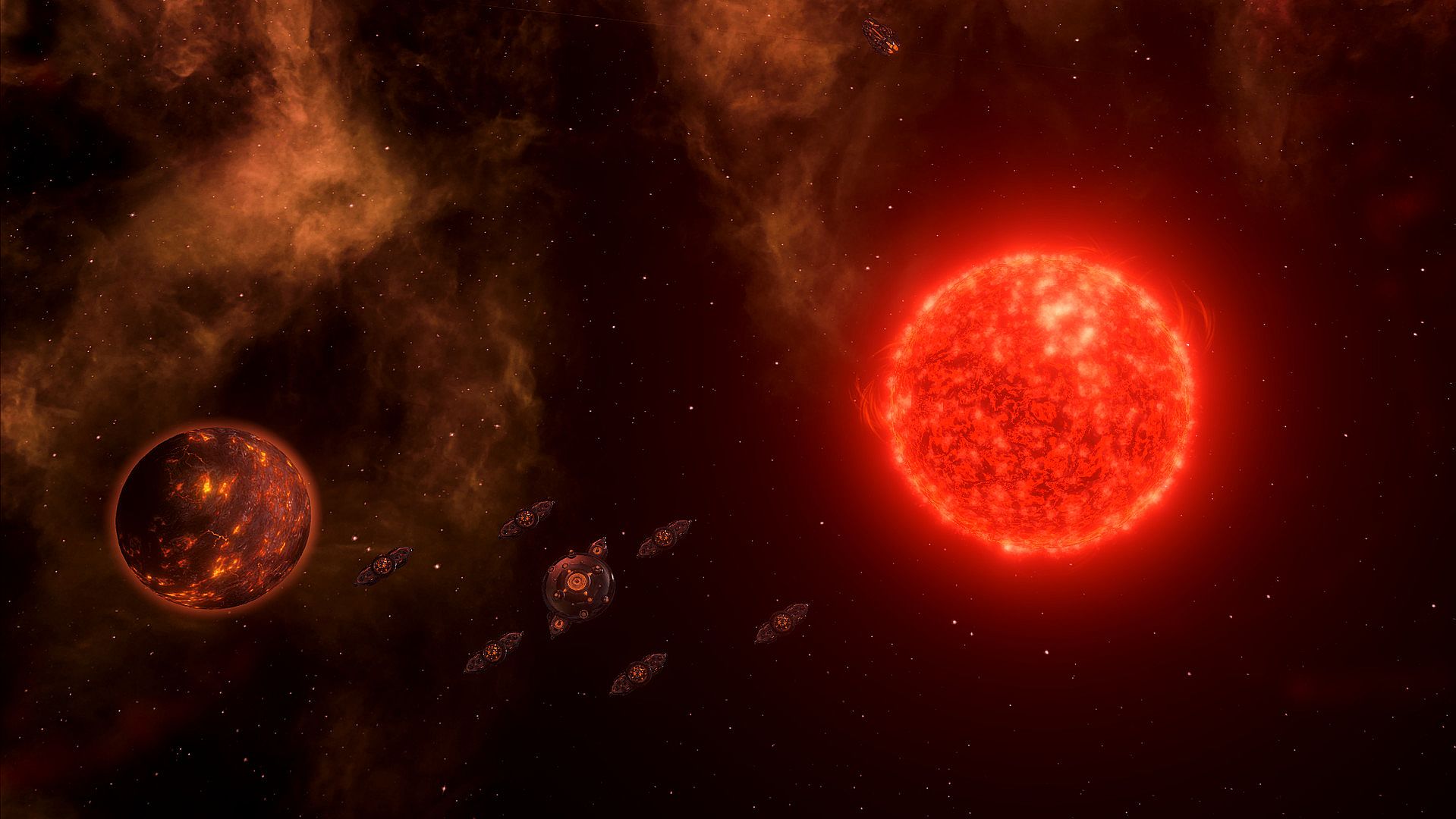
The core loop revolves around building and guiding an interstellar empire through exploration, resource management, diplomacy, and eventual confrontation. Players develop technology trees, colonize planets, and balance internal politics with external threats. Apocalypse layers in specialized mechanics that emphasize fleet composition and system defense during the mid to late stages of a campaign.
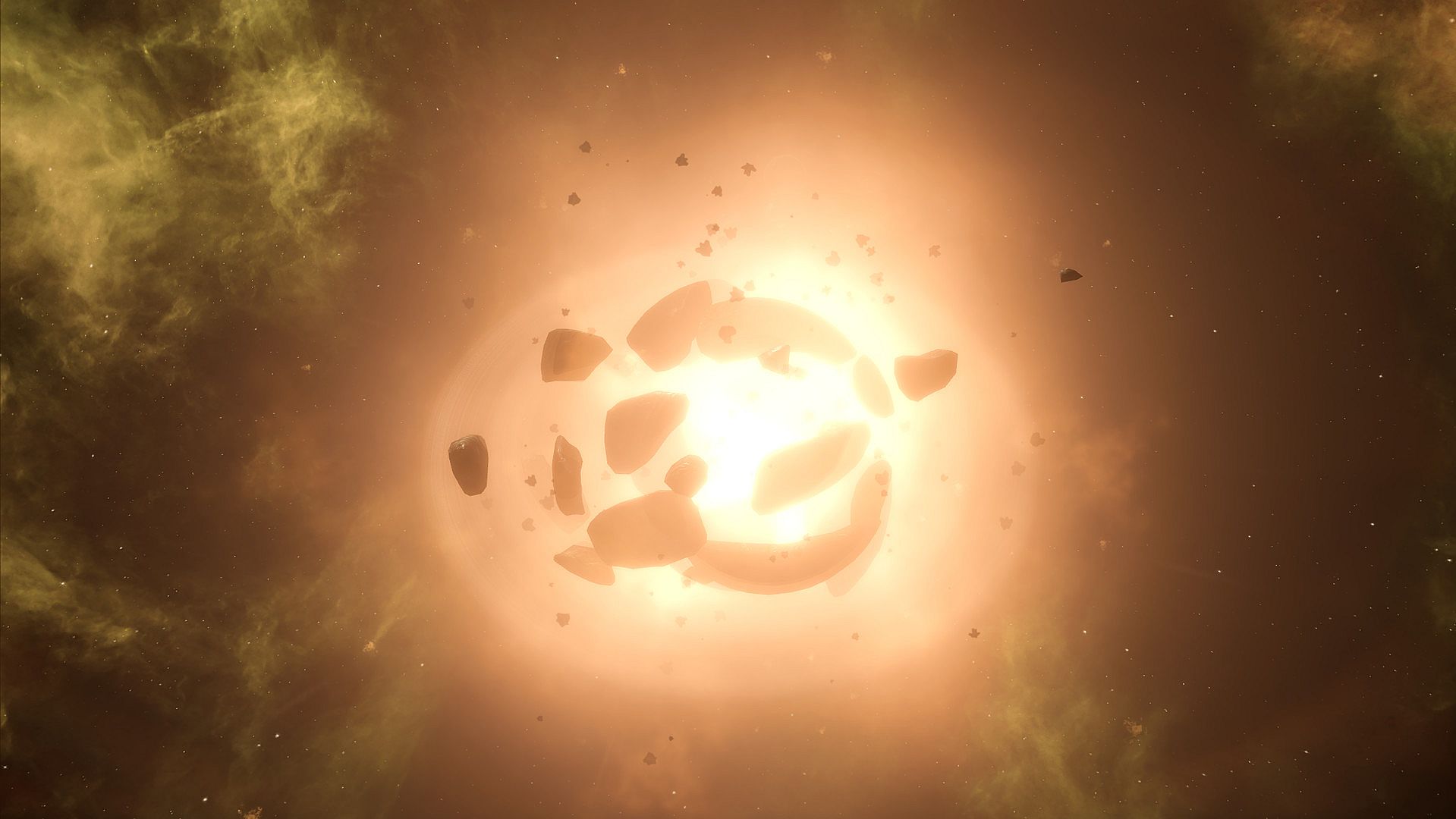
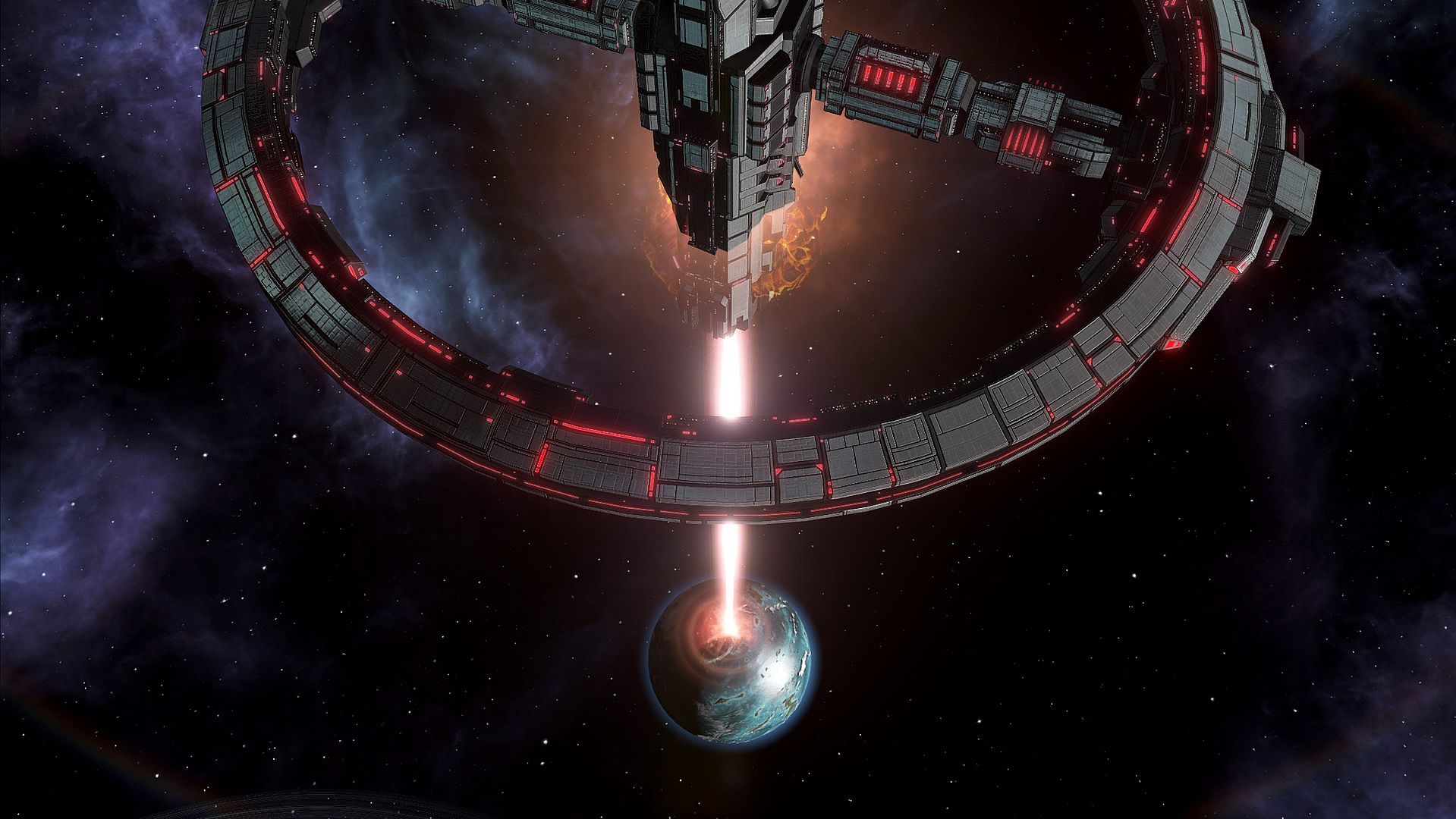
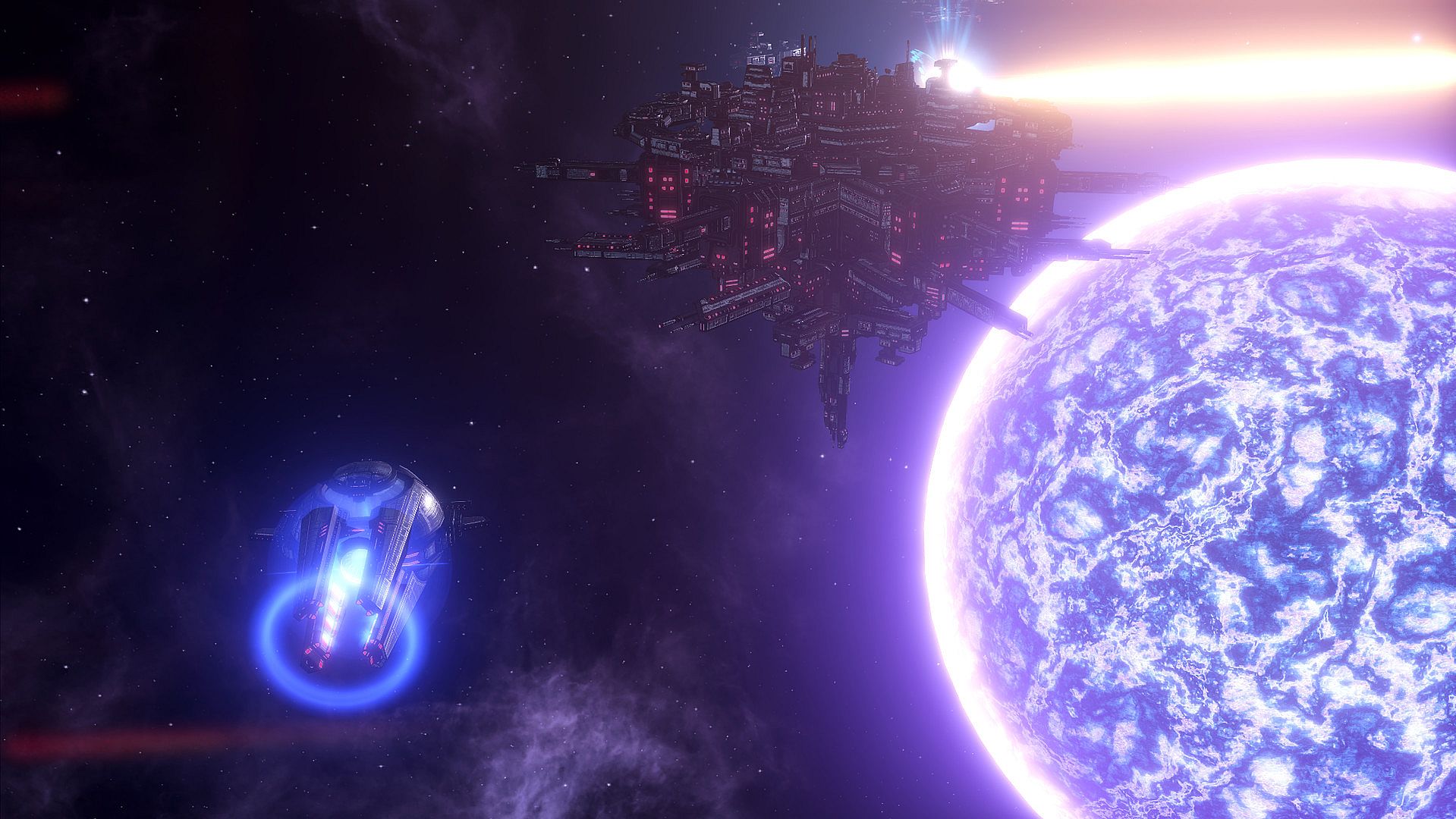
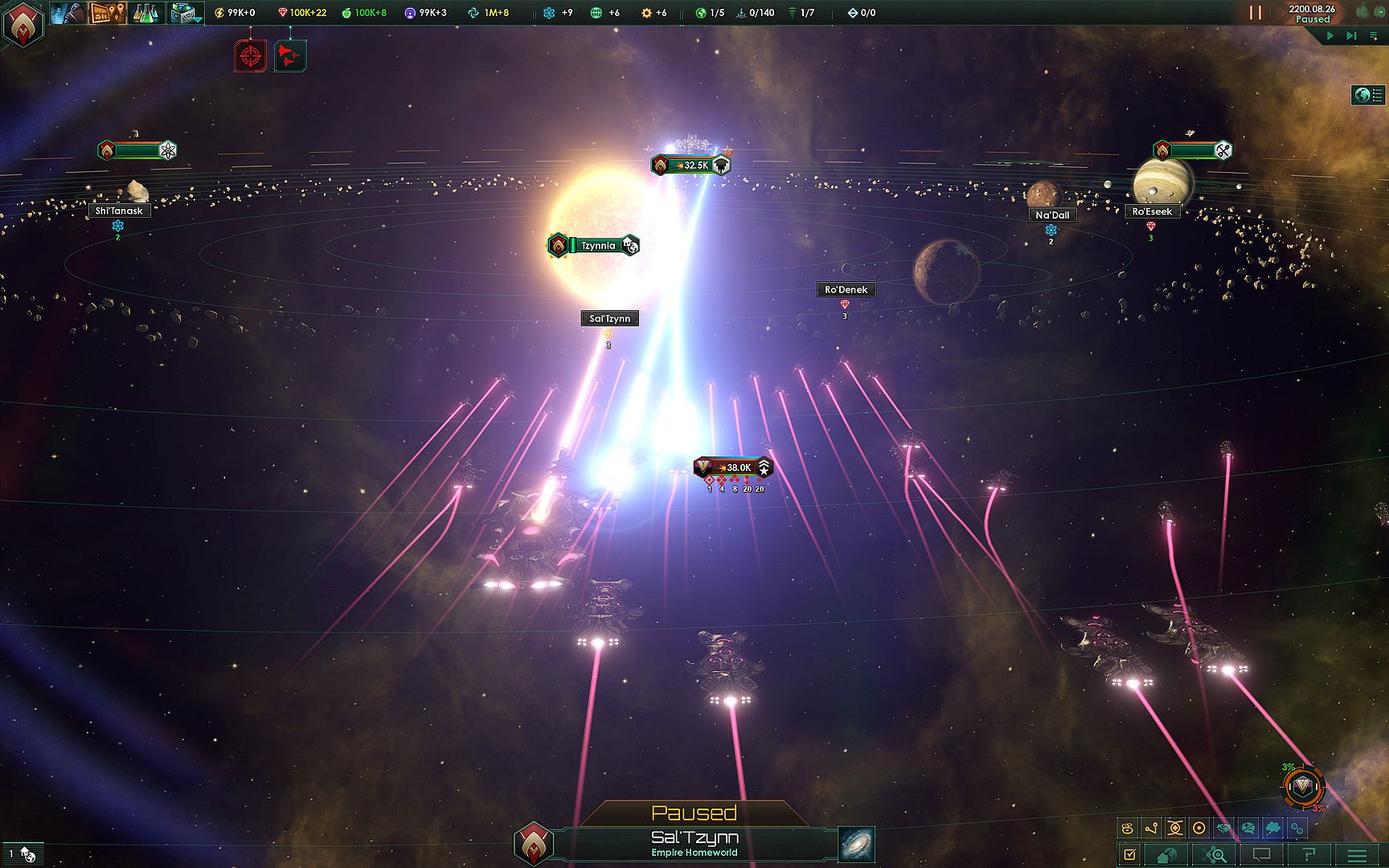
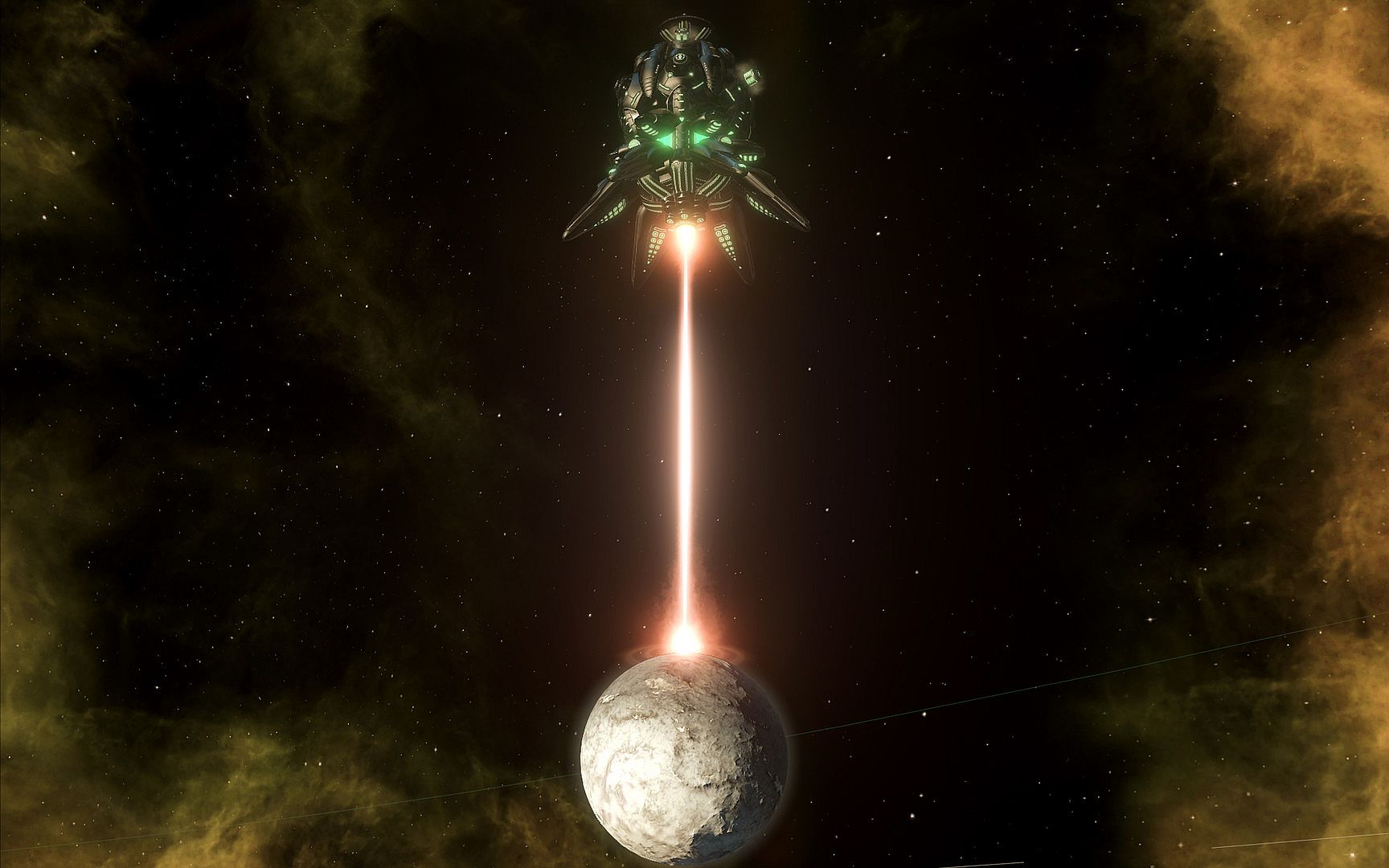
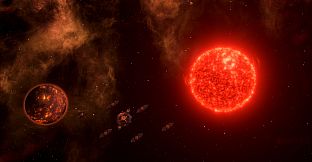
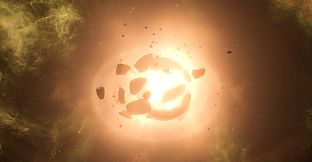
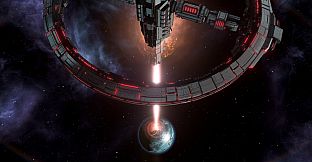
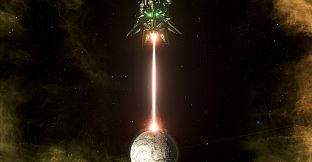
Central additions include the Colossus, a massive vessel equipped with planet-killing armaments capable of erasing entire worlds in a single strike. This weapon comes in multiple configurations, each altering the strategic impact of its use. Titans function as flagship capital ships that provide area bonuses to accompanying vessels, encouraging players to rethink fleet formations around these behemoths. Orbital installations allow fortification of key chokepoints, turning vulnerable systems into strongholds.
Marauders appear as nomadic factions on the galactic fringes. They conduct raids against established empires and offer mercenary contracts for hire. Unchecked growth among these groups can escalate into a unified crisis that disrupts ongoing campaigns. Beyond combat, the expansion supplies new Ascension Perks, Civics, and Unity Ambitions that expand paths for non-military progression and resource allocation.
Game Modes
Stellaris supports both singleplayer sessions against artificial intelligence opponents and multiplayer matches where participants control separate empires in shared galaxies. Singleplayer emphasizes long-term planning and narrative emergence from procedural events. Multiplayer introduces direct competition or cooperation, with adjustable settings for galaxy size, AI density, and victory conditions.
Apocalypse features integrate across these formats without altering the fundamental structure. Marauder interactions add unpredictable raids and hiring opportunities that affect both solo and group play. The Colossus and Titan systems reward coordinated fleet maneuvers, proving especially relevant when multiple human players contest the same regions of space.
Key Additions and Mechanics
Three new musical tracks composed by Andreas Waldetoft accompany the expansion's destructive themes. These pieces play during key moments involving planetary-scale events. The overall design maintains the simulation's emphasis on emergent storytelling while providing concrete tools for players who favor aggressive expansion or defensive consolidation.
Fortification options extend to homeworld protection, allowing empires to establish bastions that deter invasions. Combined with the new ship classes, these elements create layered decision points around military investment versus technological or diplomatic alternatives.
Is It Worth Playing?
Stellaris: Apocalypse appeals to players who enjoy grand strategy simulations with a focus on late-game military escalation and empire customization. Its additions to fleet leadership and planetary destruction provide tangible variety in how wars conclude, while Marauder mechanics introduce ongoing external pressures. The non-combat perks and ambitions offer meaningful alternatives for those prioritizing internal development.
The expansion remains relevant in the current version of the game, with its features continuing to appear in ongoing updates and bundled content. Those already invested in Stellaris will find the warfare refinements and customization depth enhance existing campaigns without requiring a full restart. Newcomers benefit most when paired with the base game, as the mechanics build directly on core systems of exploration and empire growth.