


Mostroscopy is a 2D fighting game developed as an indie title for PC that draws directly from the visual style and themes of 1950s Mexican horror films and luchador cinema. Players control fighters from a roster of masked wrestlers and supernatural creatures in one-on-one matches that emphasize straightforward inputs and combo potential over complex execution.
Gameplay
The core loop revolves around a simplified three-button control scheme consisting of a normal attack, a special attack, and a guard. Directional inputs modify these actions to create varied moves, allowing chains of attacks that feel responsive even with the reduced command list. Each of the sixteen characters brings distinct animations and properties to their moveset while sharing the same basic structure, which keeps the focus on timing and positioning during matches. The presentation includes retro filters and an optional anaglyph 3D mode that adds a vintage visual layer without altering the underlying mechanics.
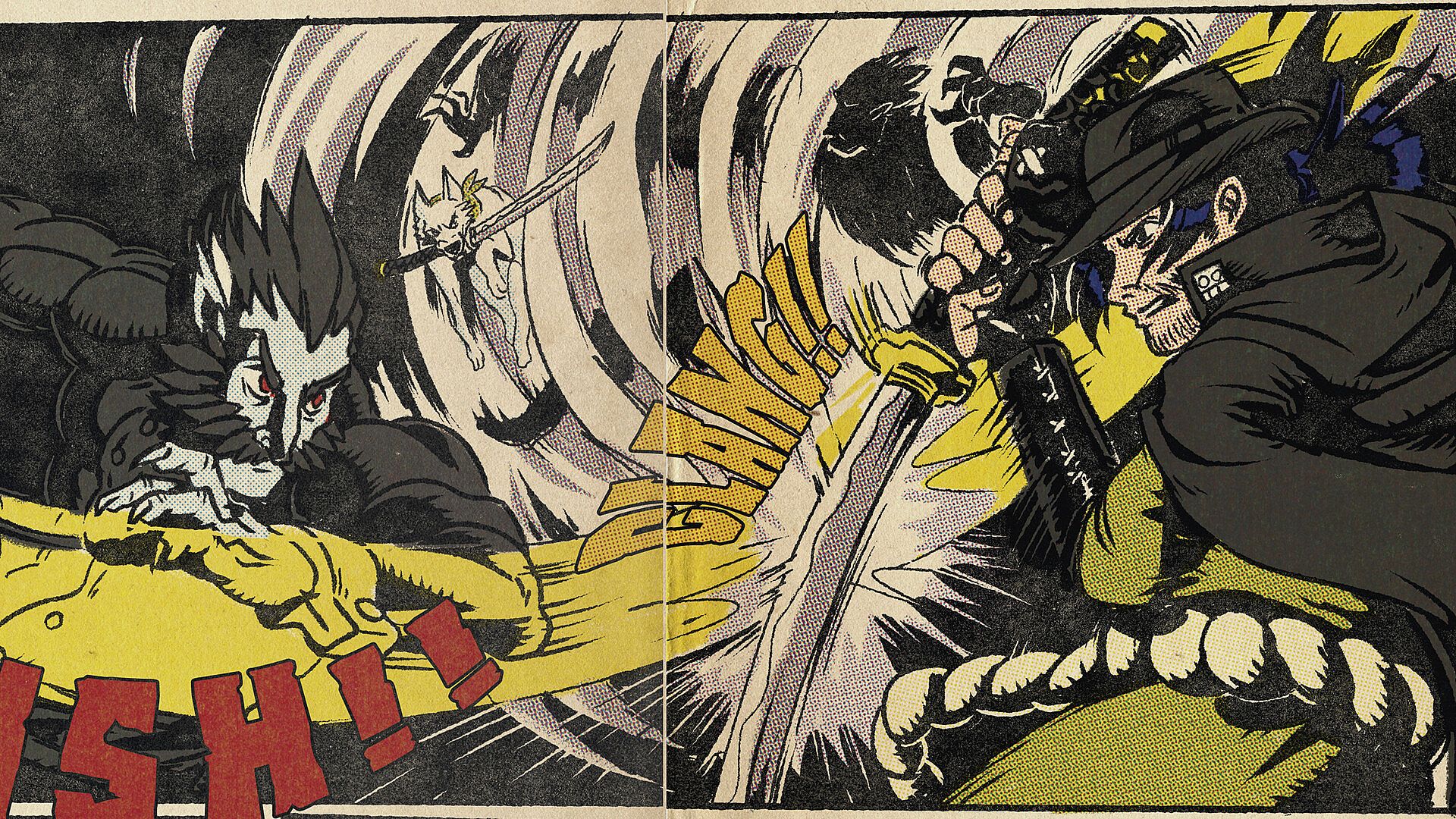
Matches play out in a side-view 2D plane where players manage spacing, block attempts, and special attacks to build momentum. The system supports satisfying strings of hits once the basic timing is learned, though the limited buttons mean depth comes from reading opponents rather than memorizing long strings. Character designs span masked luchadores alongside vampires, werewolves, ghosts, mummies, and other primal monsters, each with unique visual flair tied to the source material.
Game Modes
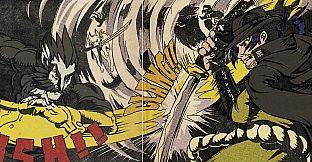
Arcade mode serves as the primary single-player experience. Selecting a fighter leads through a series of matches that culminate in a final boss encounter, after which unique ending sequences reveal that character's fate through static comic-style images. Versus mode supports local two-player matches, with options for player versus player, player versus CPU, or CPU versus CPU. Training mode provides a dedicated space to practice specific combos and movement without opponents. Challenge mode presents a series of combo-based trials tailored to each fighter, encouraging repeated attempts to master particular sequences.
Online functionality includes random matchmaking and custom rooms for those seeking remote opponents. Additional features such as a jukebox for the soundtrack and difficulty settings ranging across multiple levels round out the available options, allowing players to adjust the challenge in arcade runs.
Lore Expansions
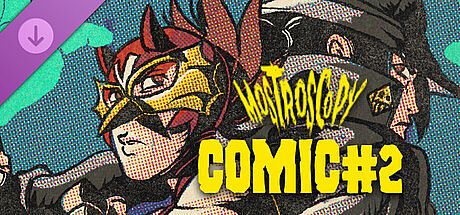
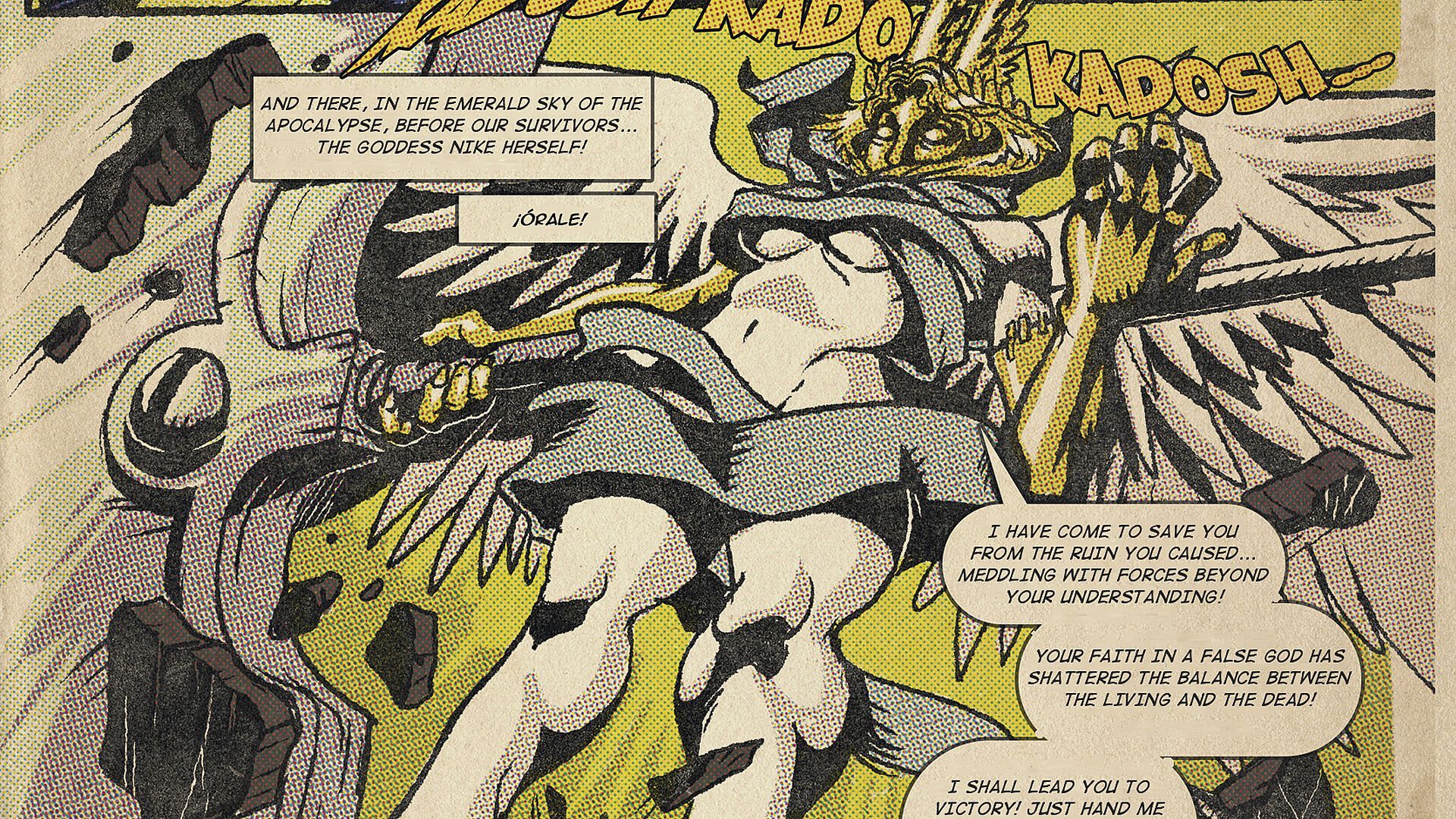
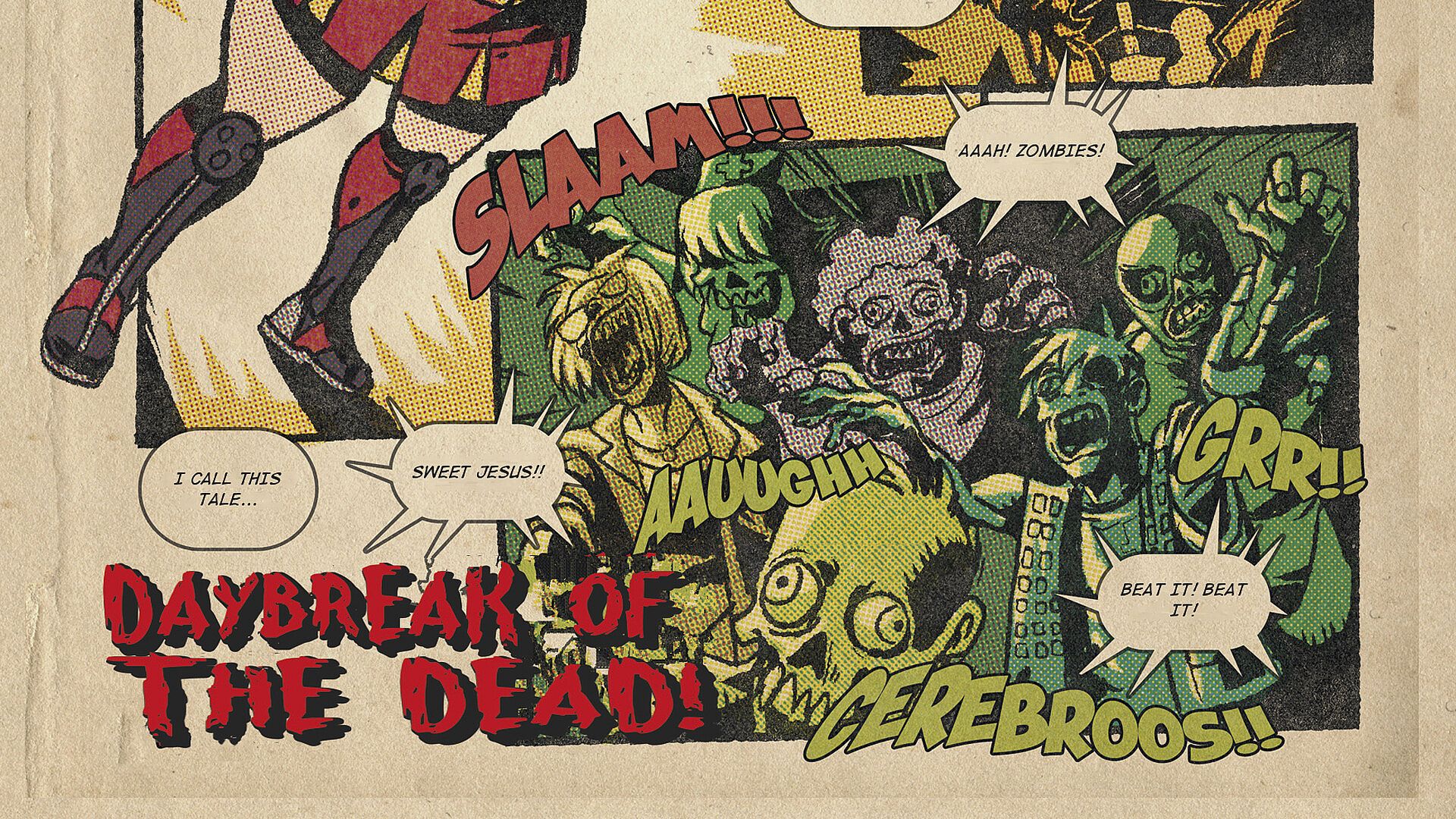
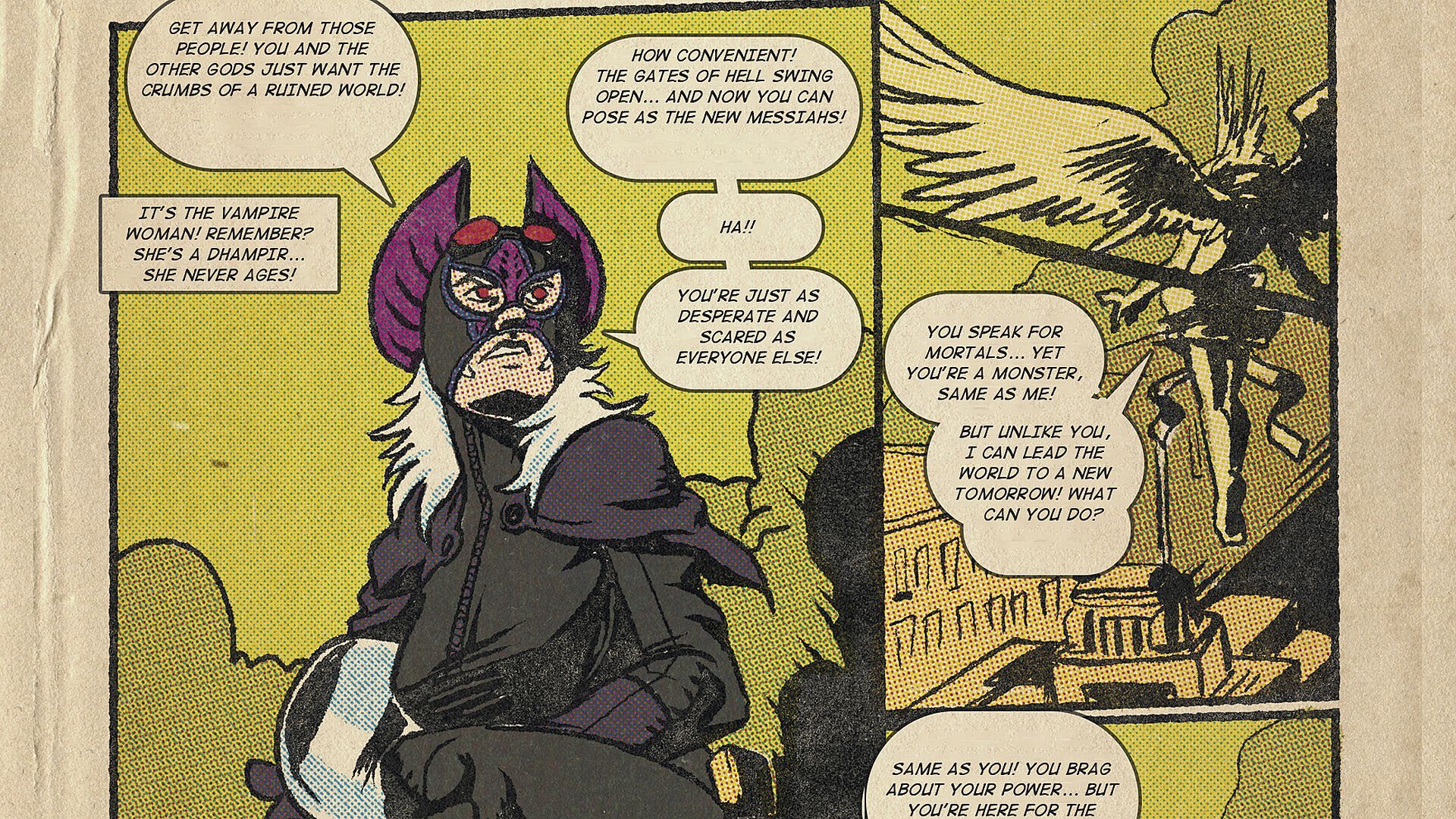
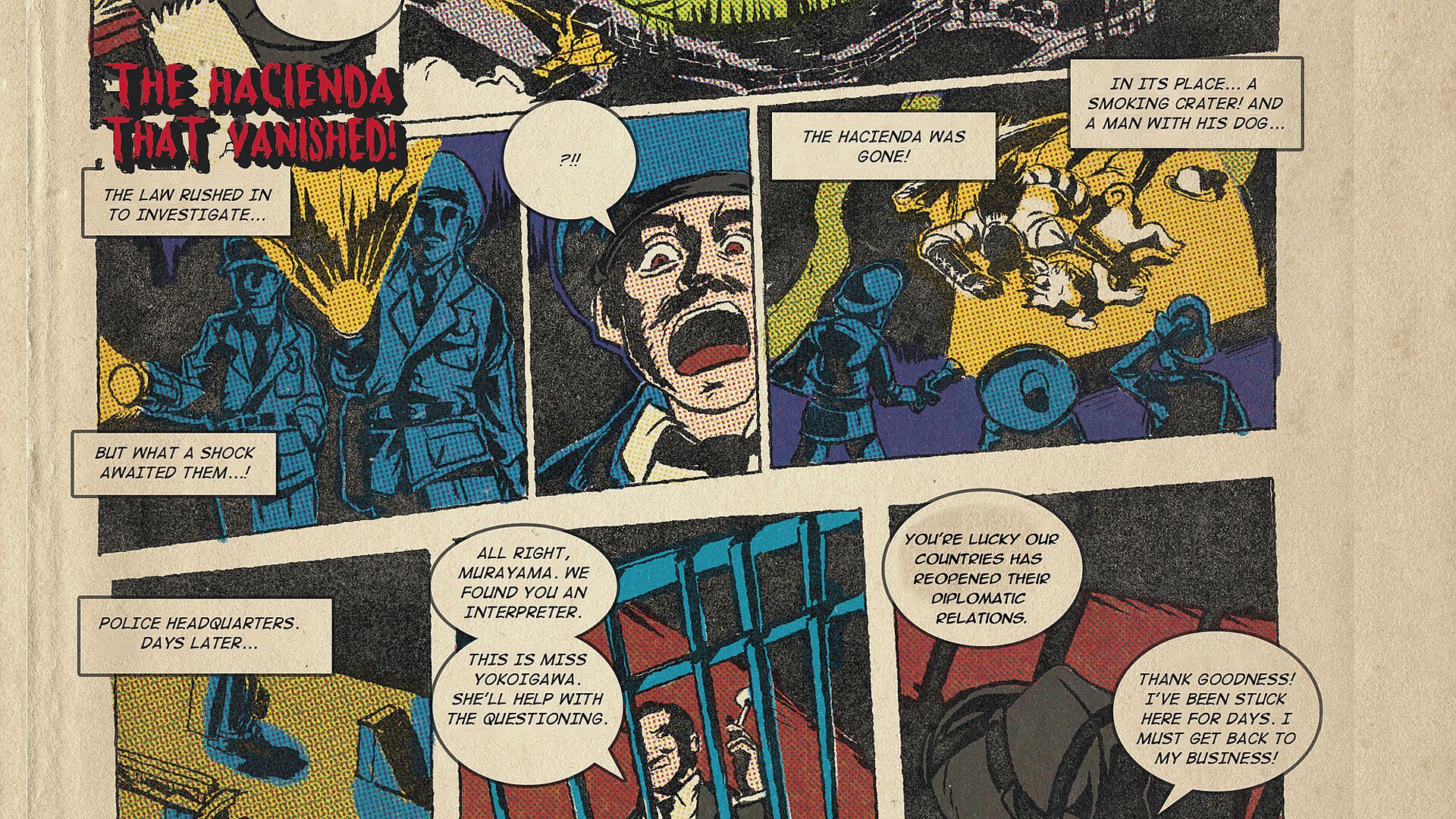
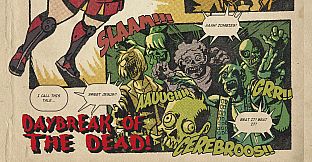
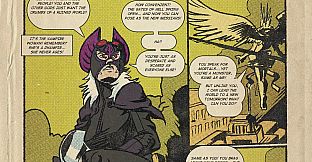
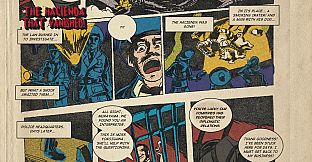
Mostroscopy includes supplementary comic content that broadens the universe beyond the in-game endings. One such comic follows Toshiro and his dog Godo as they search for a lost love across locations in Mexico. Another storyline is set in 1985 and centers on survivors navigating a zombie apocalypse while hunting for a book that holds the key to averting global catastrophe. These PDF files appear in a dedicated folder within the game installation and are available in multiple language versions for readers who want to explore the background stories at their own pace.
Is It Worth Playing?
Mostroscopy appeals most to players who enjoy accessible fighting games with a distinctive thematic hook and a compact roster that avoids overwhelming choice. The straightforward controls lower the barrier for newcomers while still offering room for local sessions or solo runs through arcade and challenge content. Reviews on Steam have settled into the very positive range, with praise centered on the character variety and retro aesthetic. Those seeking deep competitive systems or extensive online infrastructure may find the package limited, yet the title delivers consistent value for short play sessions focused on its core roster and modes. The bundled comics provide extra narrative context without requiring additional purchases, making the complete experience self-contained for fans of the style.