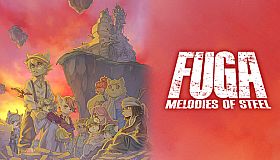



Fuga: Melodies of Steel is a tactical role-playing game that blends strategy and simulation mechanics on the PC platform. Players guide a group of anthropomorphic animal children as they operate the massive tank Taranis through a conflict involving the Berman Empire and the lands of Gasco.
Gameplay
The core loop centers on managing the Taranis during travel segments and engaging in turn-based combat. The tank features three weapon positions that players assign pairs of children to, with each weapon type offering distinct advantages: machine guns deliver accurate multi-hits, grenade launchers apply status effects, and cannons deal heavier damage. Matching attacks to enemy weaknesses delays opponent turns and shifts battle momentum.
Character relationships play a central role outside direct combat. Spending time in intermission phases builds affinity levels between crew members, unlocking support effects in battle and occasional story events. These phases also involve resource management on the tank, including limited action points spent on activities such as scrap fishing, farming, crafting upgrades, and sending teams into ruins for materials.
Travel occurs along linear routes with occasional branches marked by difficulty indicators. Safer paths reduce combat encounters while riskier ones yield better rewards. Expeditions into ruins add light action elements where selected children navigate traps and gather items using basic tools.
A signature mechanic is the Soul Cannon, a high-damage option activated in dire situations that requires sacrificing one crew member. This choice influences both immediate survival and longer-term story branches, as surviving characters carry forward altered relationships and potential endings.
Game Modes
The experience consists entirely of a single-player campaign structured across multiple chapters. Each chapter follows a consistent pattern of route navigation, intermission management, and escalating battles that culminate in boss encounters. Route selection and affinity decisions create replay variety without separate modes or multiplayer components.
Progression emphasizes preparation through upgrades and relationship building rather than separate competitive or cooperative formats. The structure rewards careful resource allocation and tactical positioning during fights.
Story Context
The narrative follows the children after their village is attacked, prompting them to board the ancient Taranis in search of captured family members. Themes of war, sacrifice, and survival shape interactions aboard the tank, with player choices during combat and intermissions affecting character development and multiple possible conclusions.
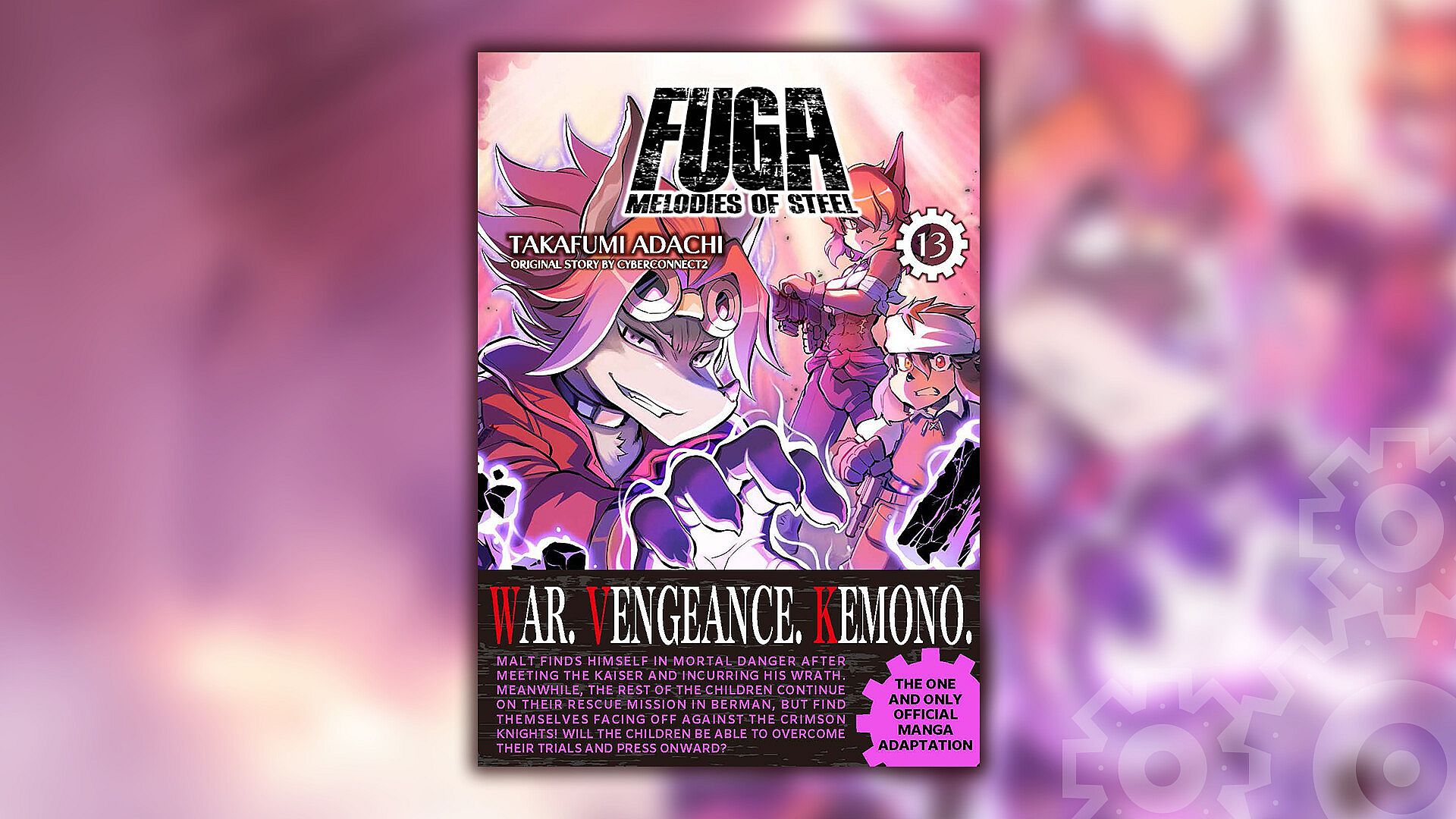
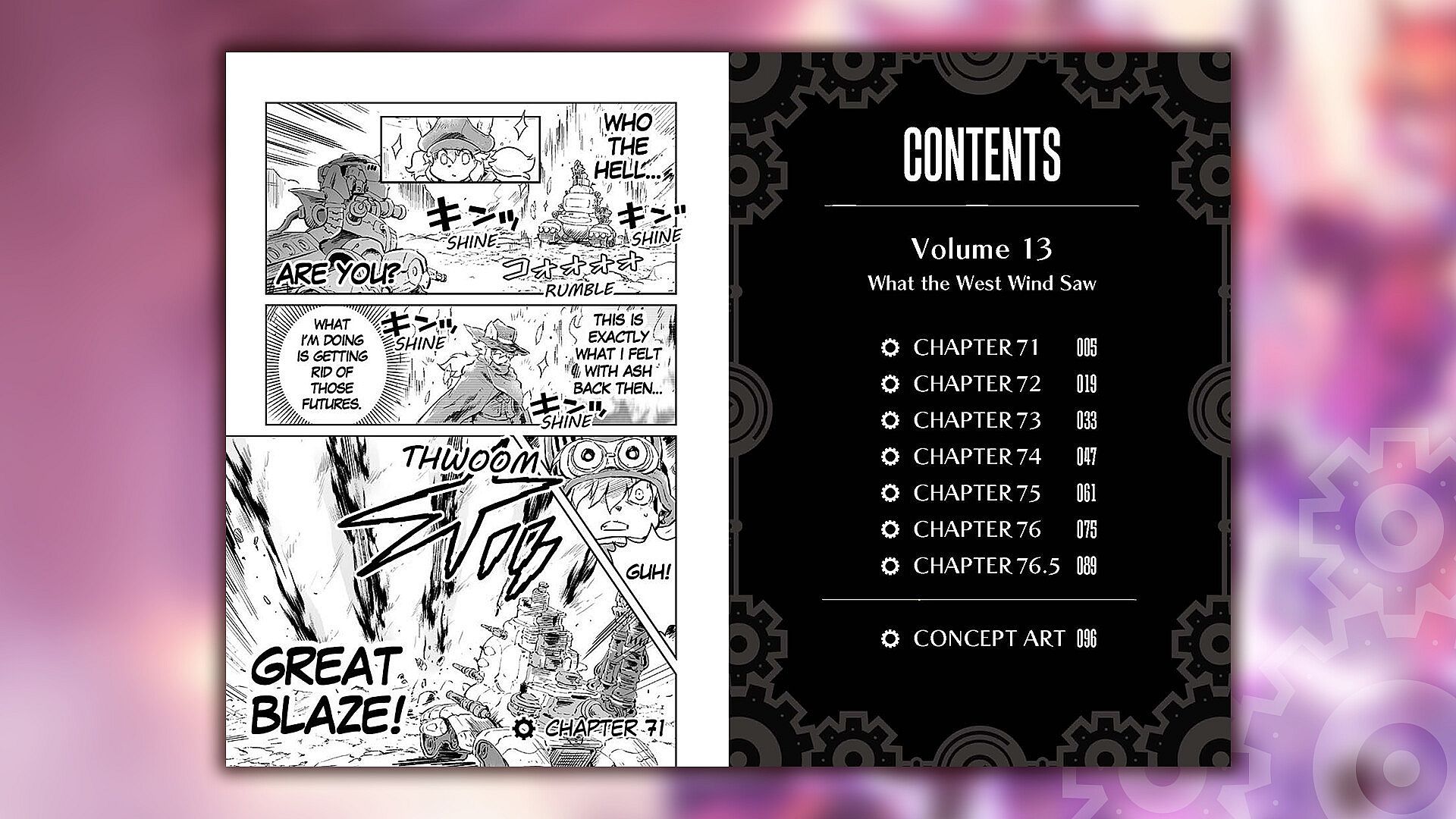
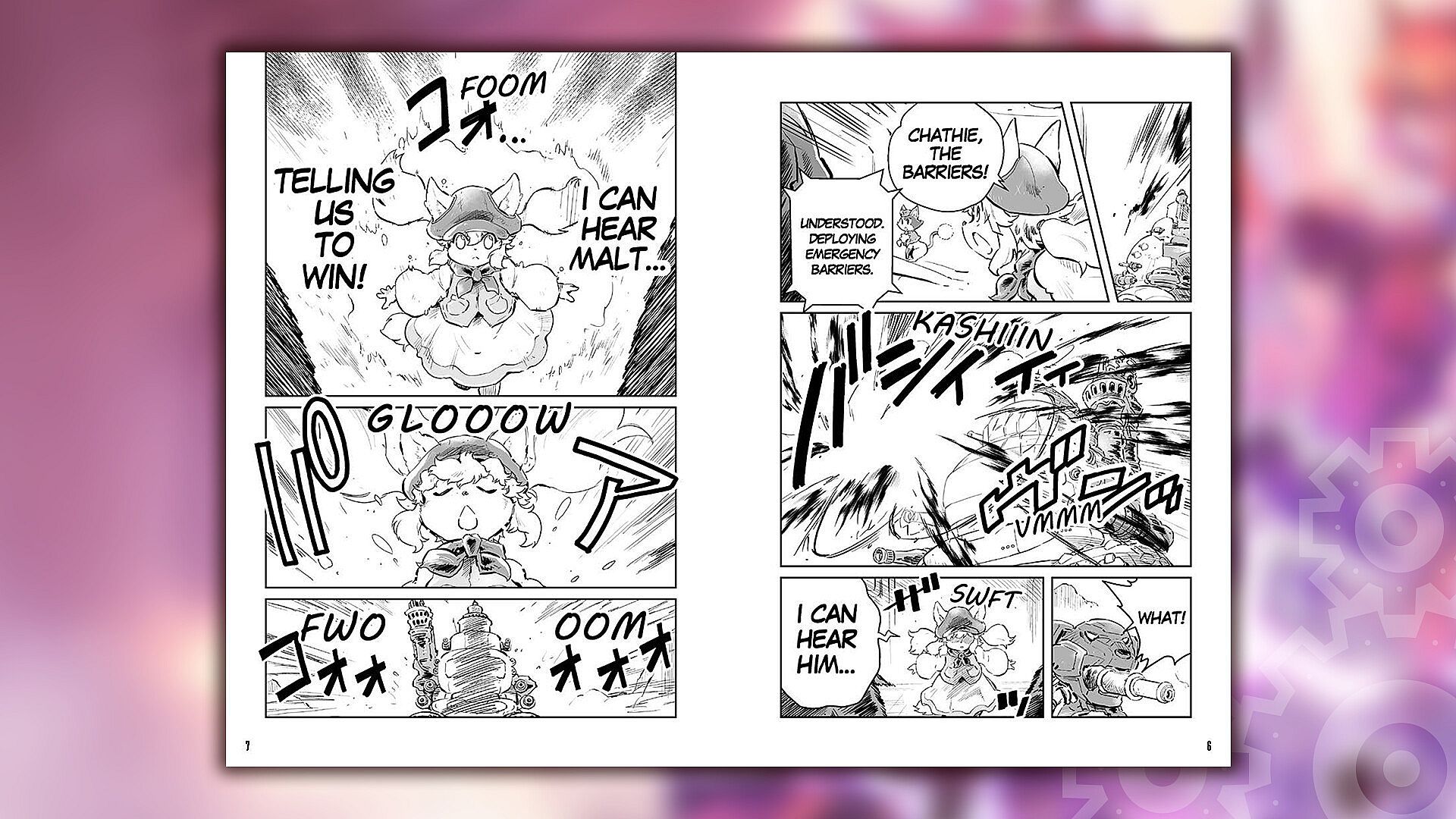
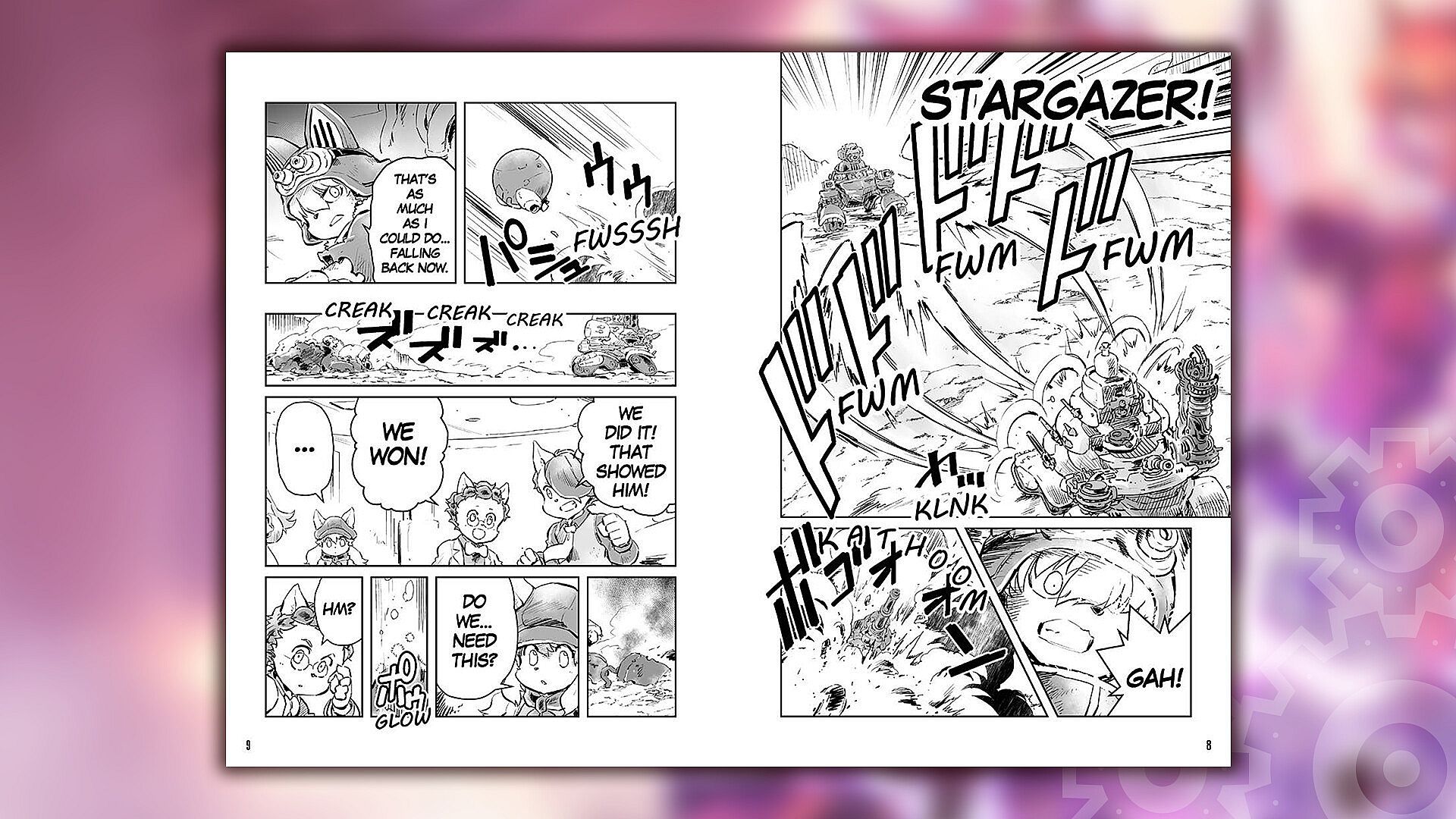
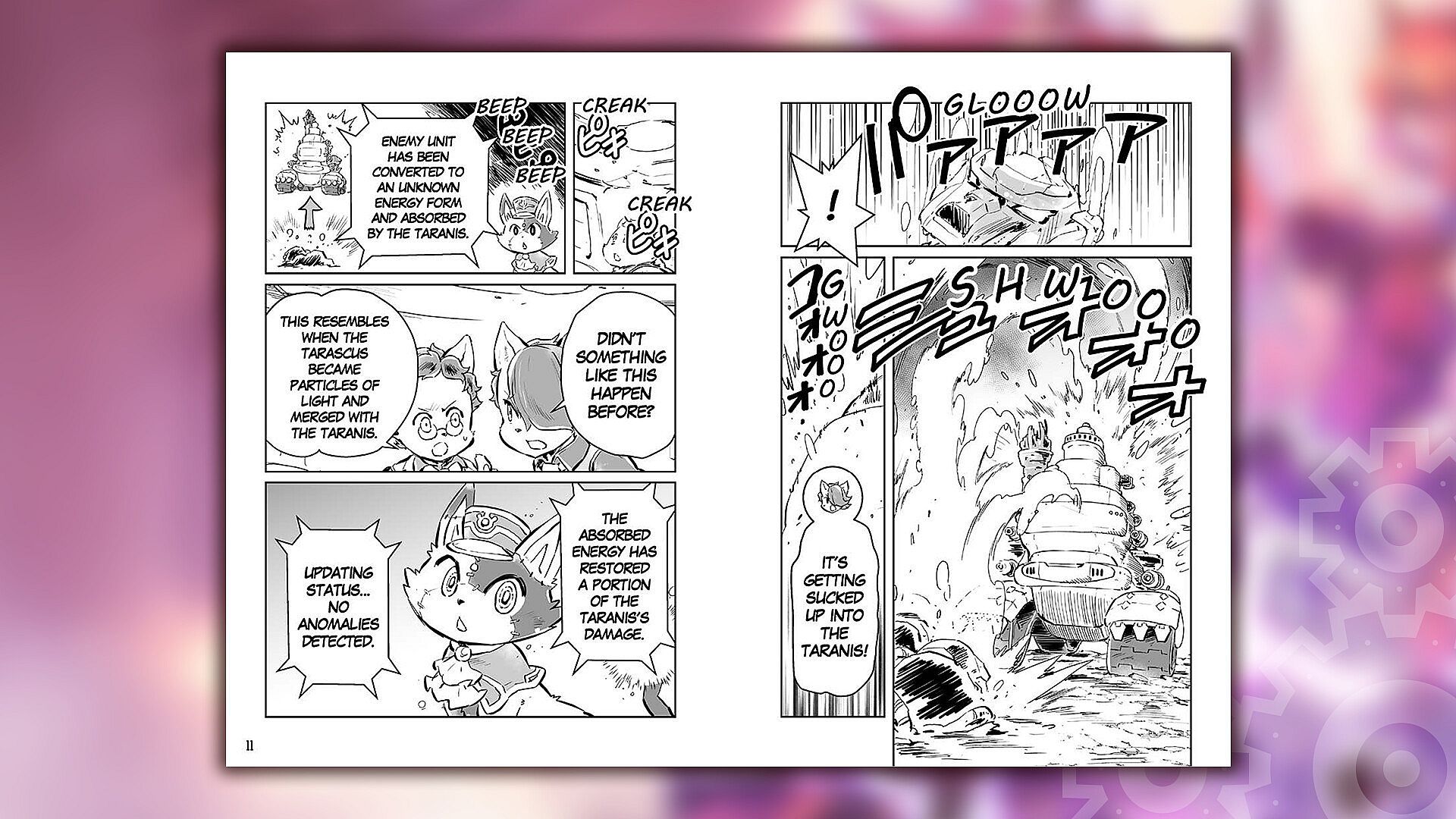
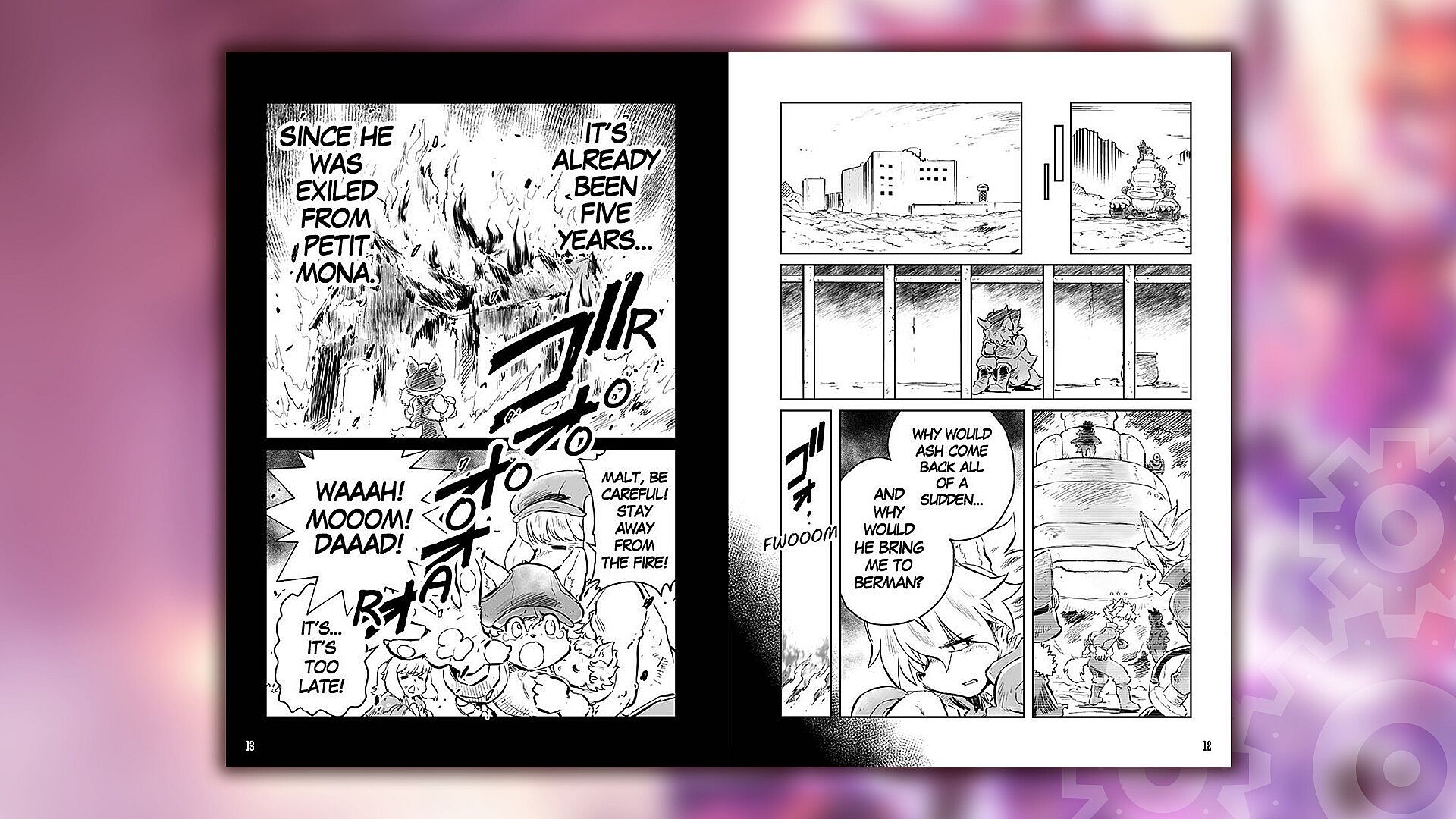
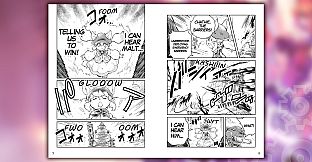
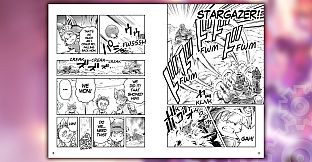
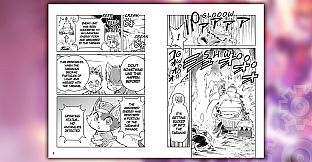
Adaptations of the story exist in other formats, including manga volumes that expand on specific events such as confrontations with key antagonists and rescue operations involving the Crimson Knights.
Is It Worth Playing?
Player feedback highlights the tactical depth of combat combined with the weight of decisions around the Soul Cannon and crew bonds. The game has sold over 550,000 units worldwide and maintains very positive reception on digital storefronts.
It suits those seeking a focused single-player strategy experience with simulation elements for tank upkeep and character interactions. The campaign length and branching outcomes support multiple playthroughs for players interested in exploring different affinity paths and survival choices.
- Turn-based tank combat with weapon assignment and weakness exploitation
- Intermission management including relationship building and resource activities
- Route-based exploration with risk-reward decisions
- Meaningful sacrifice mechanics tied to story outcomes