






































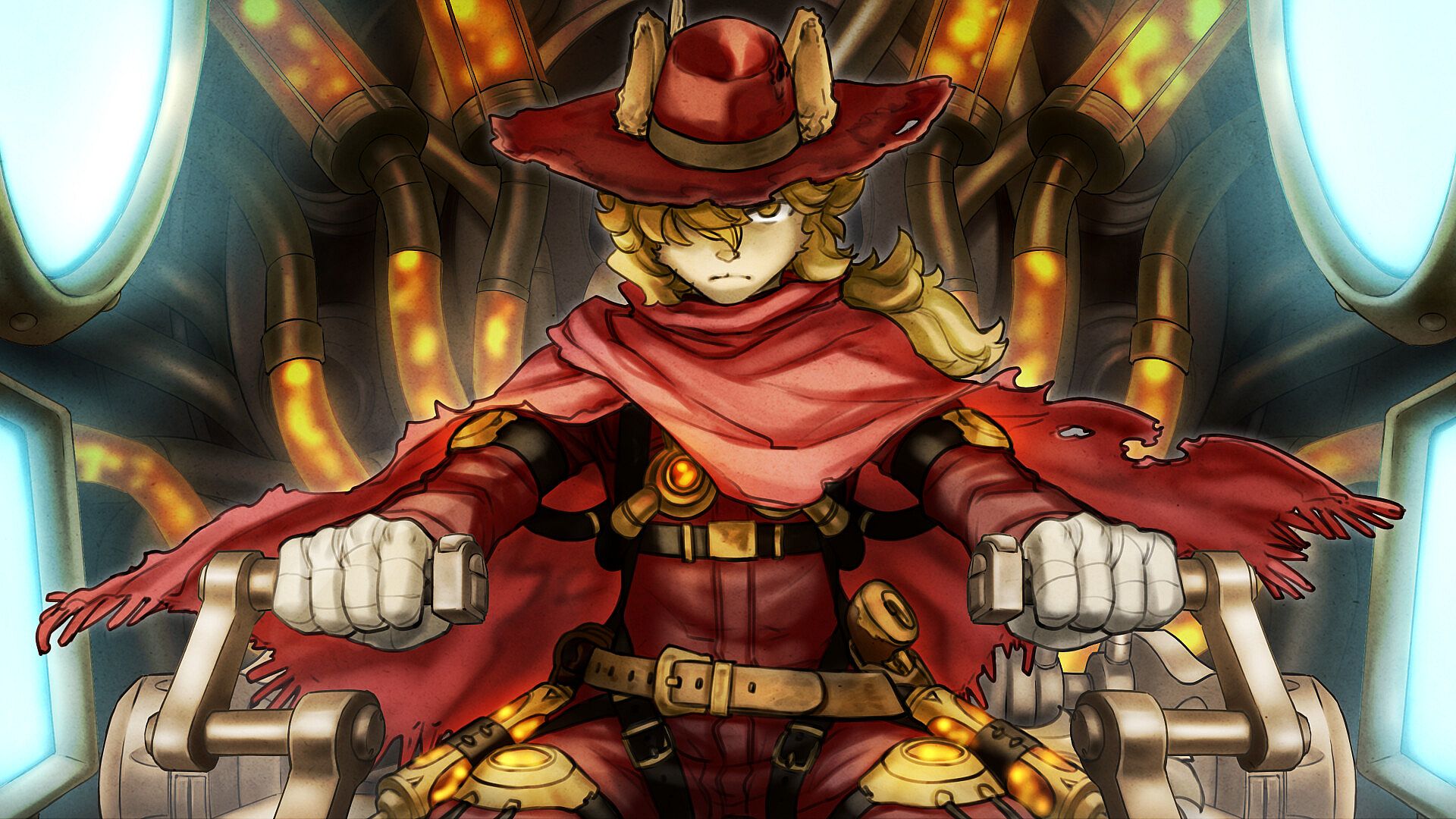
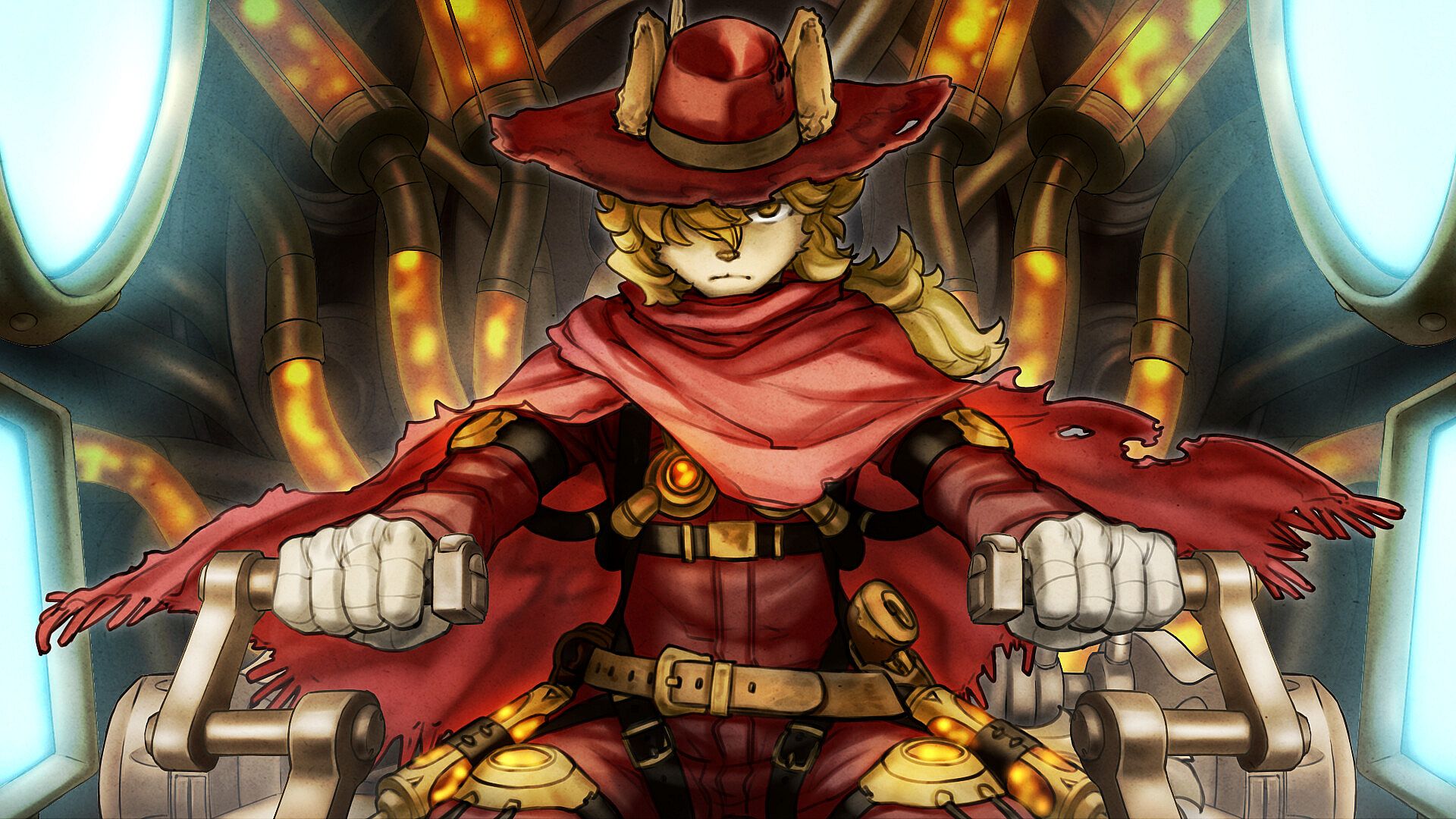




Fuga: Melodies of Steel 3 is a strategy RPG that combines tactical combat, character development, and narrative choices in a single-player experience on PC. The game follows a group of children who pilot the massive tank known as the Taranis into the heart of the Berman Empire to rescue their missing friend Malt. Players guide the crew through a story-driven campaign that emphasizes strategic decision-making and emotional stakes without requiring prior knowledge of earlier entries in the series.
Gameplay
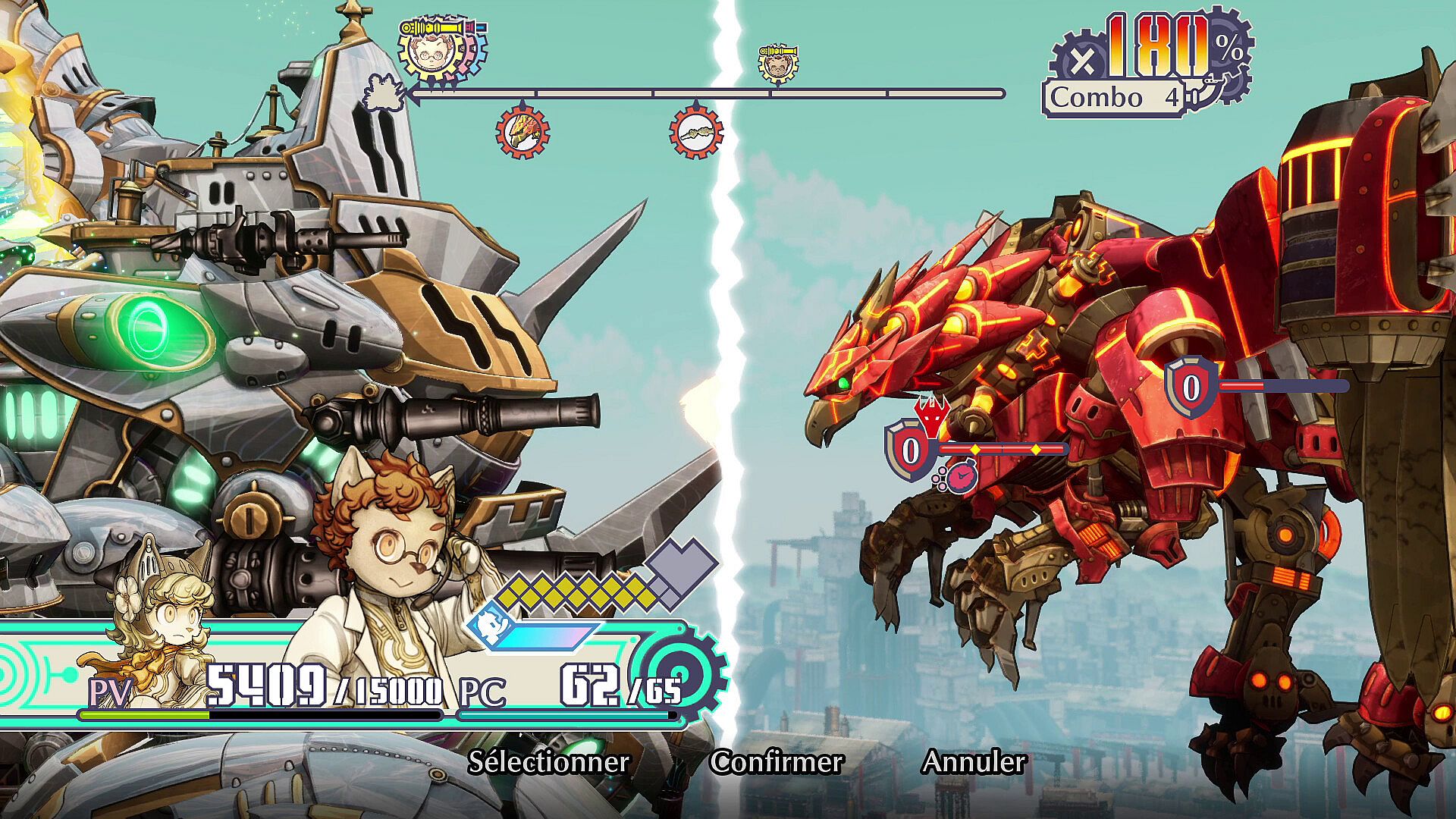
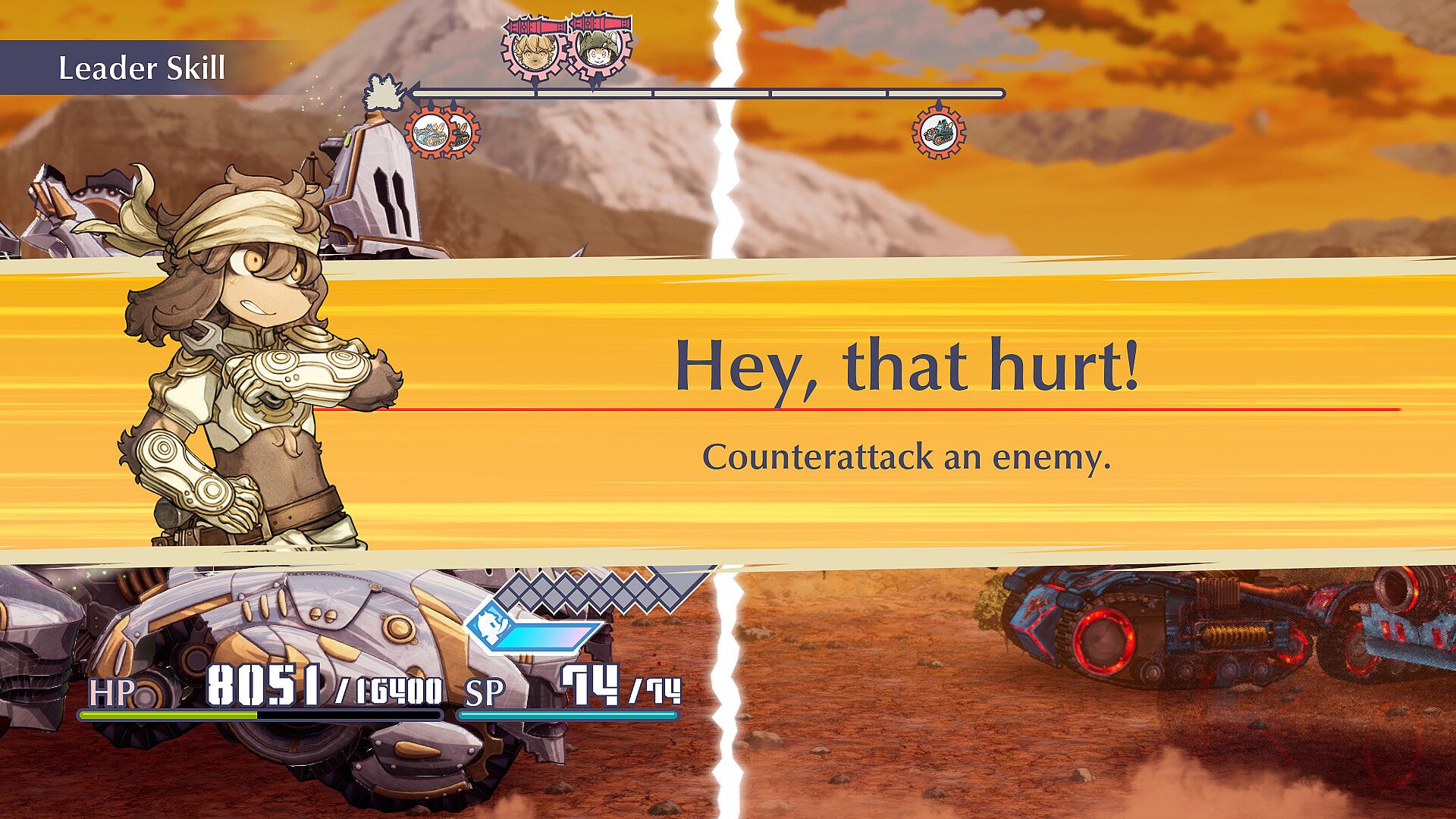
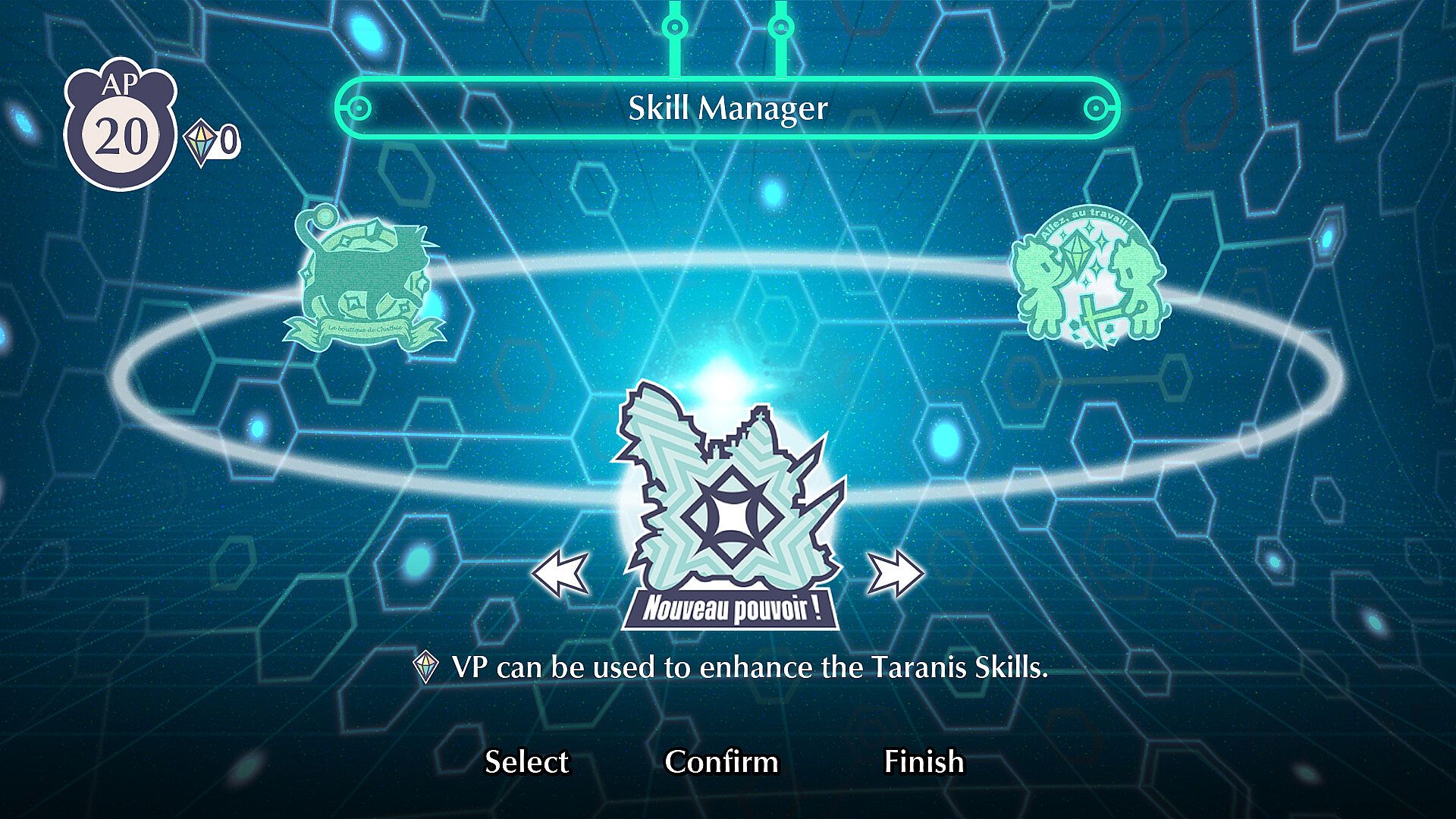
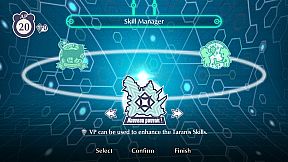
The core loop revolves around piloting the Taranis through hostile territory while managing resources and crew abilities during combat encounters. Battles feature a revised system built around weakness combos that chain damage by targeting specific enemy vulnerabilities in sequence. Assist attacks bring in support from former adversaries and a returning legendary figure to shift momentum in key fights. Outside of combat, the intermission phase lets players upgrade the Taranis through the Omega Terminal, unlocking new skills and enhancing its capabilities for upcoming challenges.
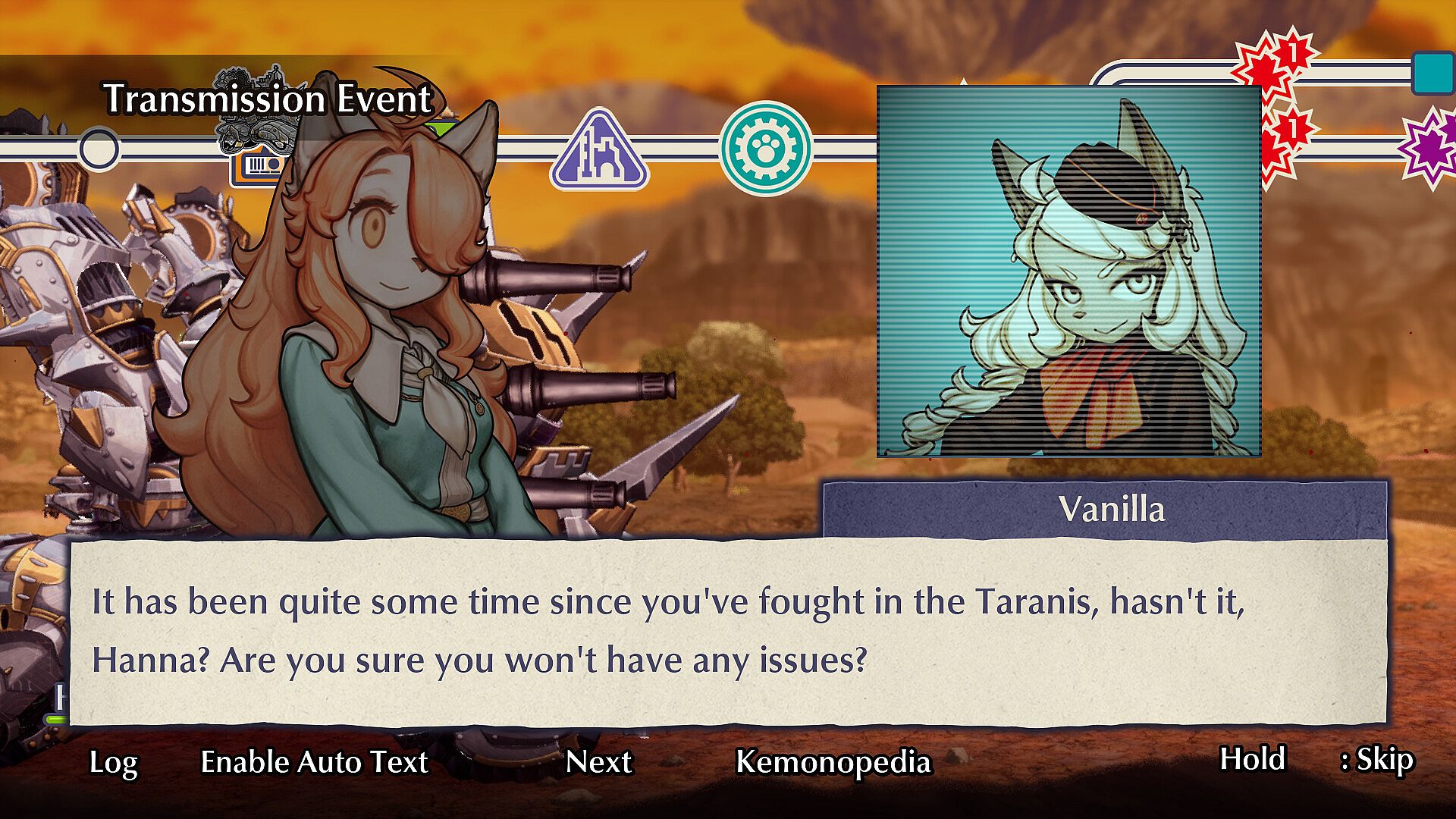
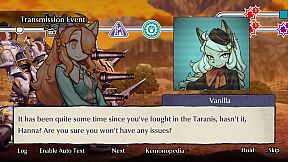
Route progression adds layers of strategy with Power Spots that reveal hidden tank abilities and Assist Transmissions that connect the crew to off-screen allies. The Akasha Panel system presents a timeline interface where players can explore alternate paths and trigger secret events, directly influencing outcomes and character arcs. These elements create a loop of exploration, preparation, and high-stakes tank combat that rewards careful planning over repeated attempts.
Game Modes
The primary experience centers on the main campaign, which unfolds through linear story chapters punctuated by branching route selections and event battles. Players navigate strategic maps, engage in tank-based encounters, and make choices that affect crew relationships and mission results. The Akasha Panel serves as an integrated tool for replaying sections and uncovering different narrative branches within the same save file.
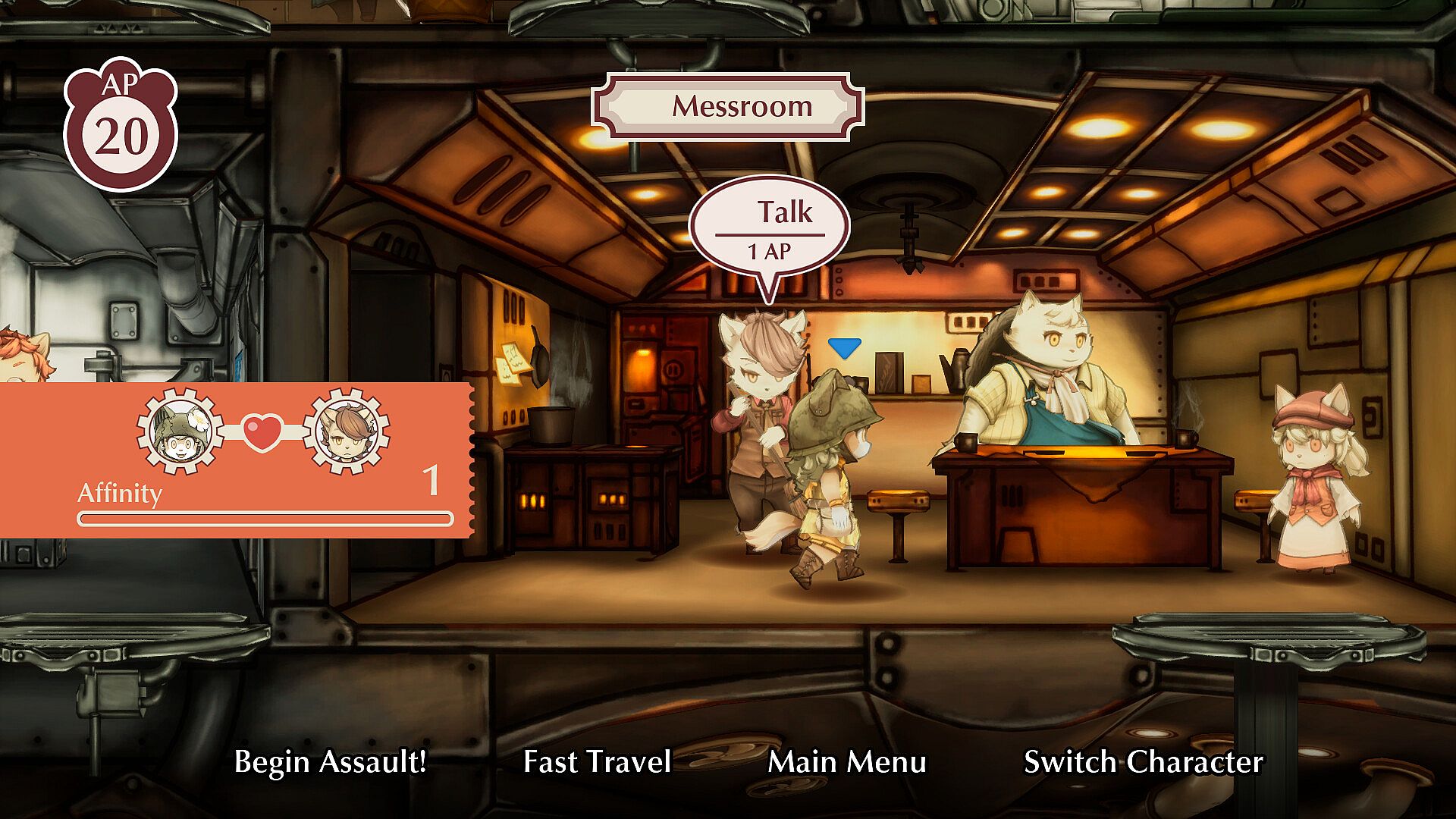
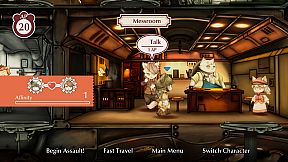
Intermission segments function as a dedicated preparation mode where upgrades and skill unlocks occur between major story beats. This phase supports experimentation with Taranis configurations and crew assignments to prepare for tougher encounters ahead. No separate multiplayer or competitive modes exist; all activity stays within the single-player structure focused on story progression and tactical refinement.
Story and Setting
The narrative places the young crew against the Berman Empire and its elite Crimson Knights unit. A mysterious voice directs the children toward the recovered Taranis, setting them on a path that mixes infiltration missions with personal growth. Decisions made during route planning and event battles carry weight, leading to varied emotional resolutions across multiple playthroughs enabled by the timeline navigation tool.
World-building expands on the tank's role as both vehicle and character, with upgrades tied directly to story milestones. The campaign builds toward a conclusion that resolves lingering threads from the broader series while standing complete on its own terms.
Is It Worth Playing?
Reviews from major outlets describe the game as a strong finish to its trilogy, with praise for the integration of new combat mechanics and the emotional payoff of its story. Aggregate scores sit around 83 percent on tracking sites, and individual critiques often highlight the satisfying blend of strategy and narrative. Some note that certain new systems feel less impactful than core elements and that difficulty can lean forgiving on standard settings.
The title suits players who enjoy strategy RPGs with tank combat, crew management, and choice-driven storytelling. Its standalone design and focus on a complete campaign make it accessible for newcomers, while the Akasha Panel encourages multiple runs for those who want to explore all outcomes. As of mid-2026 the game remains available on PC with no reported major ongoing seasonal content, delivering a self-contained experience for fans of the genre.