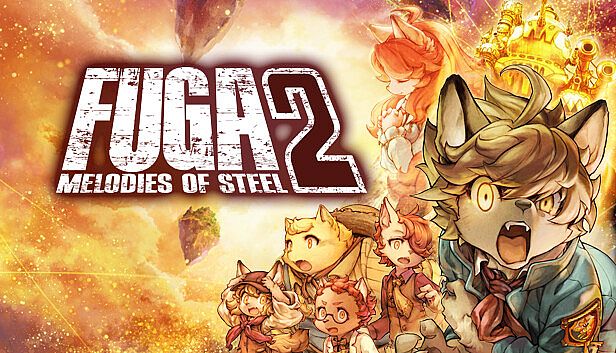












































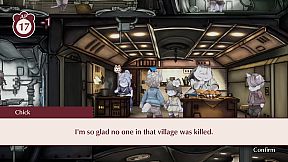

Fuga: Melodies of Steel 2 is a strategy RPG with simulation elements that places players in command of a group of children piloting massive tanks through a war-torn world. The game centers on tactical decision-making during combat and narrative choices that shape the outcome of events. A year after the first game's conclusion, the story resumes with the children investigating the recovered Taranis, only for it to activate uncontrollably and carry off several of their companions. The survivors pursue in the Tarascus, an enemy tank from prior events, in an effort to recover their friends.
Gameplay
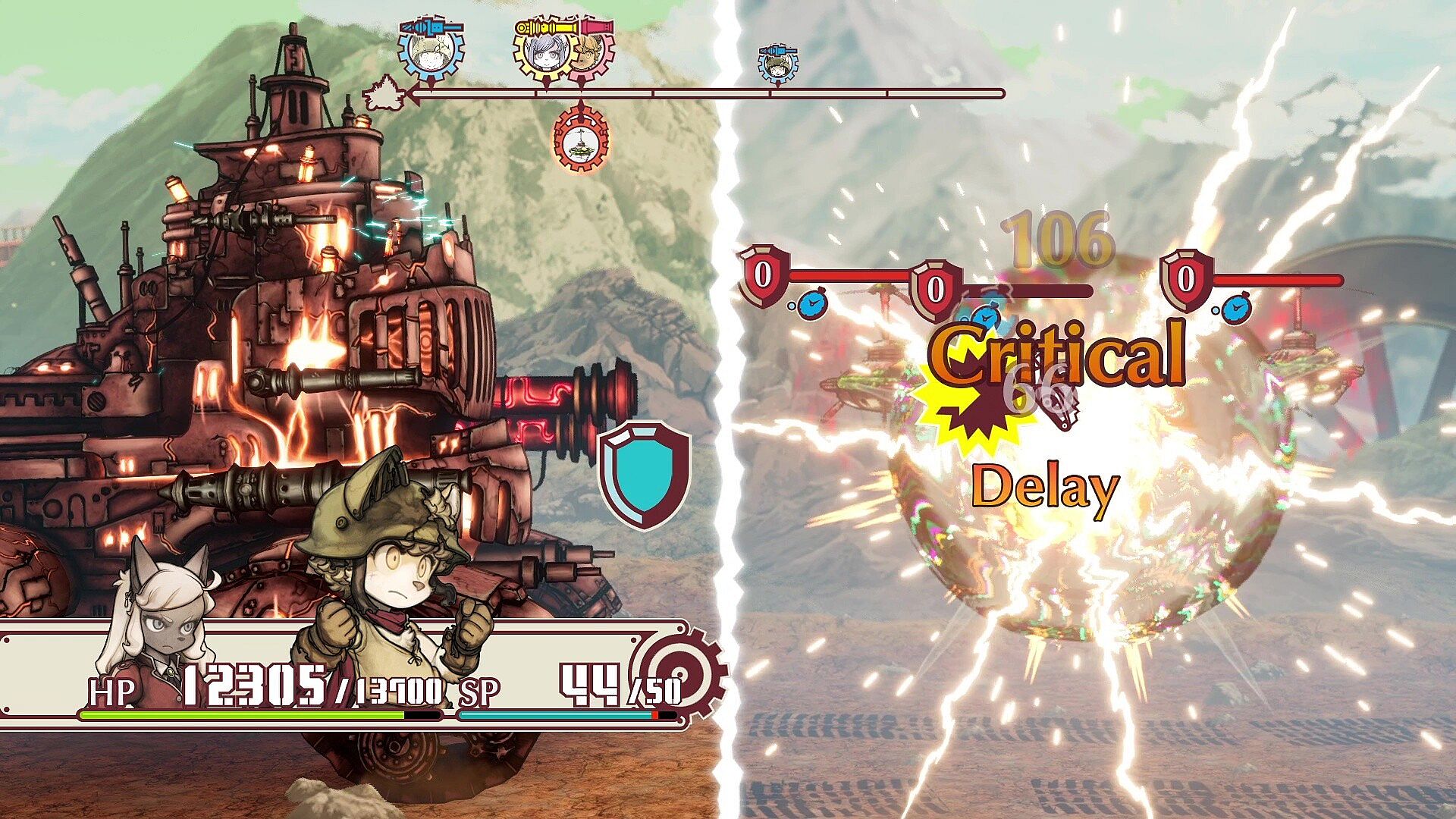
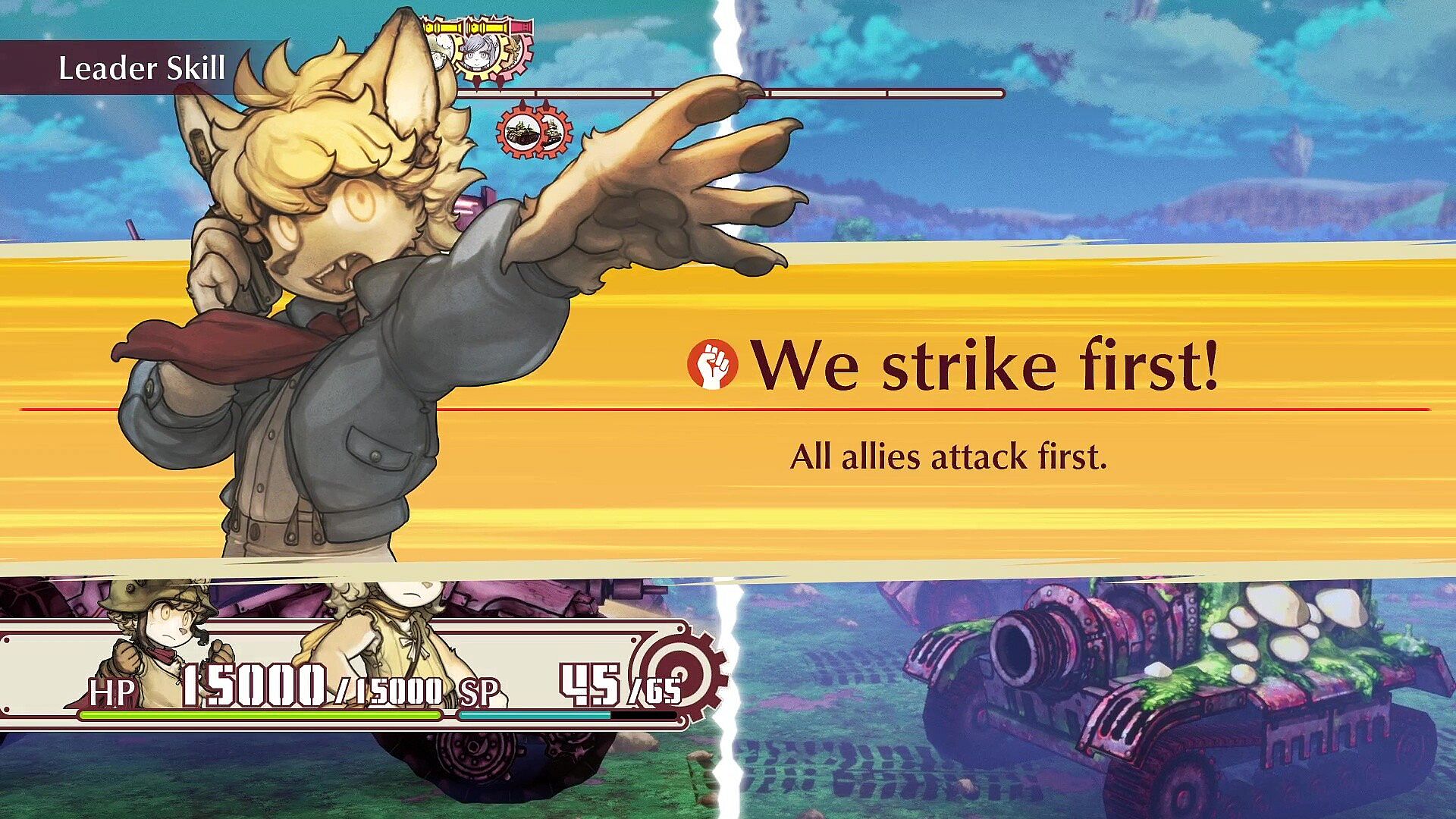
The core loop revolves around managing a crew of young characters aboard the Tarascus as they navigate battlefields and story sequences. Combat takes place in a revamped tactical system that incorporates player feedback from the previous title. Key additions include a reworked Soul Cannon, which serves as a high-risk ultimate weapon capable of turning the tide against strong opponents, and the newly added Managarm, which provides an alternative tactical option during engagements. Players position crew members across three turrets and select actions that balance offense, defense, and resource management.
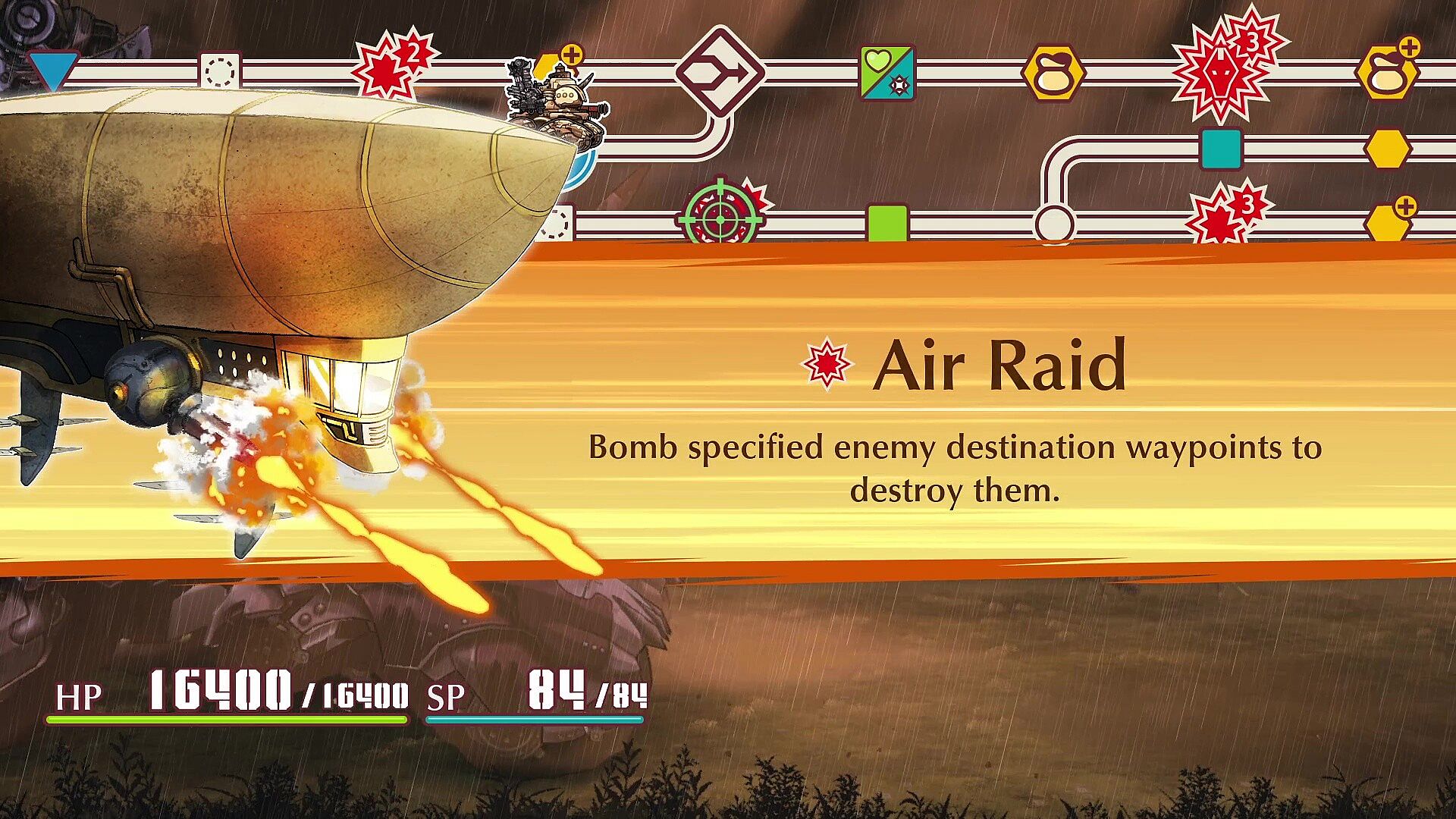
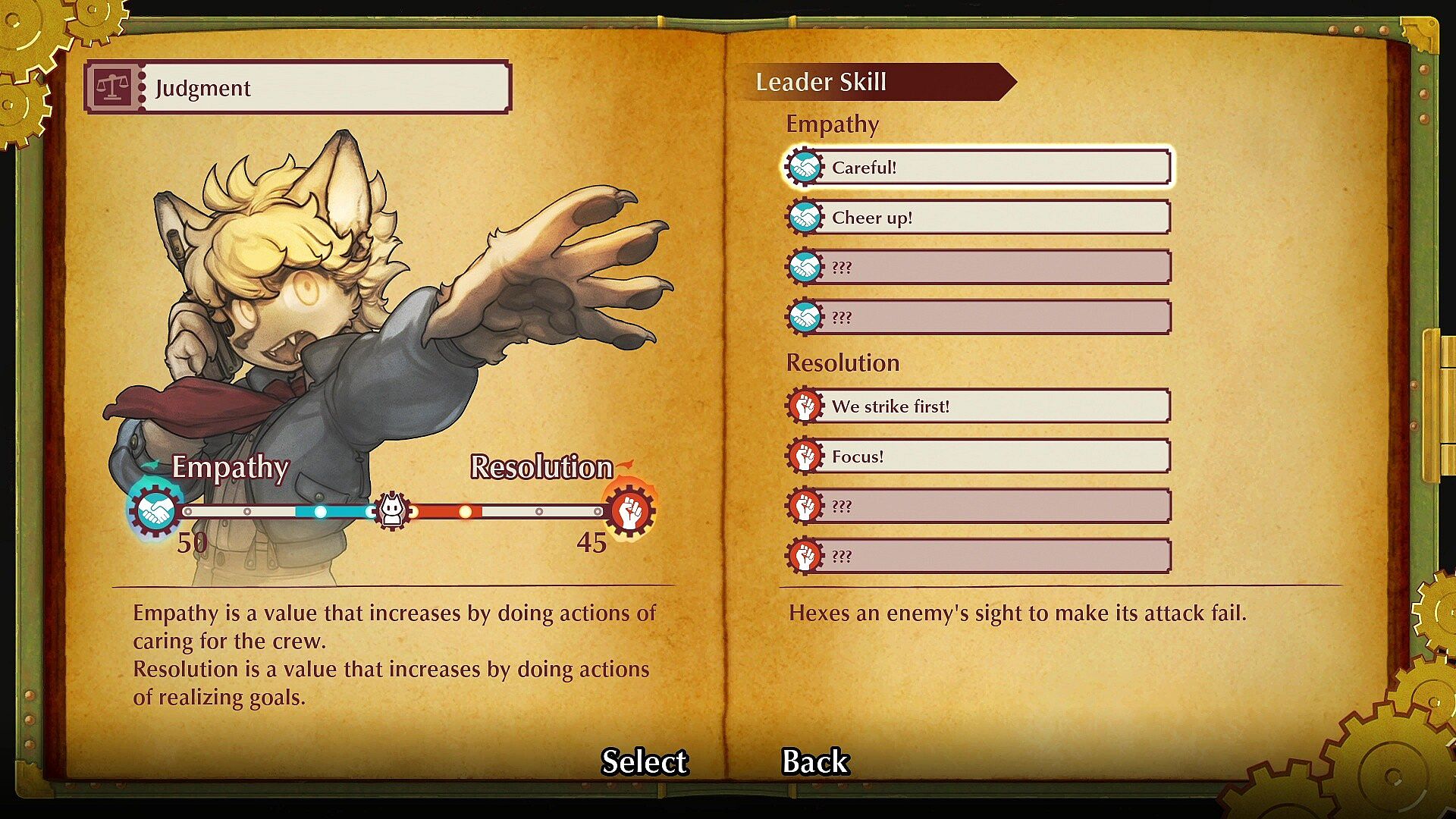
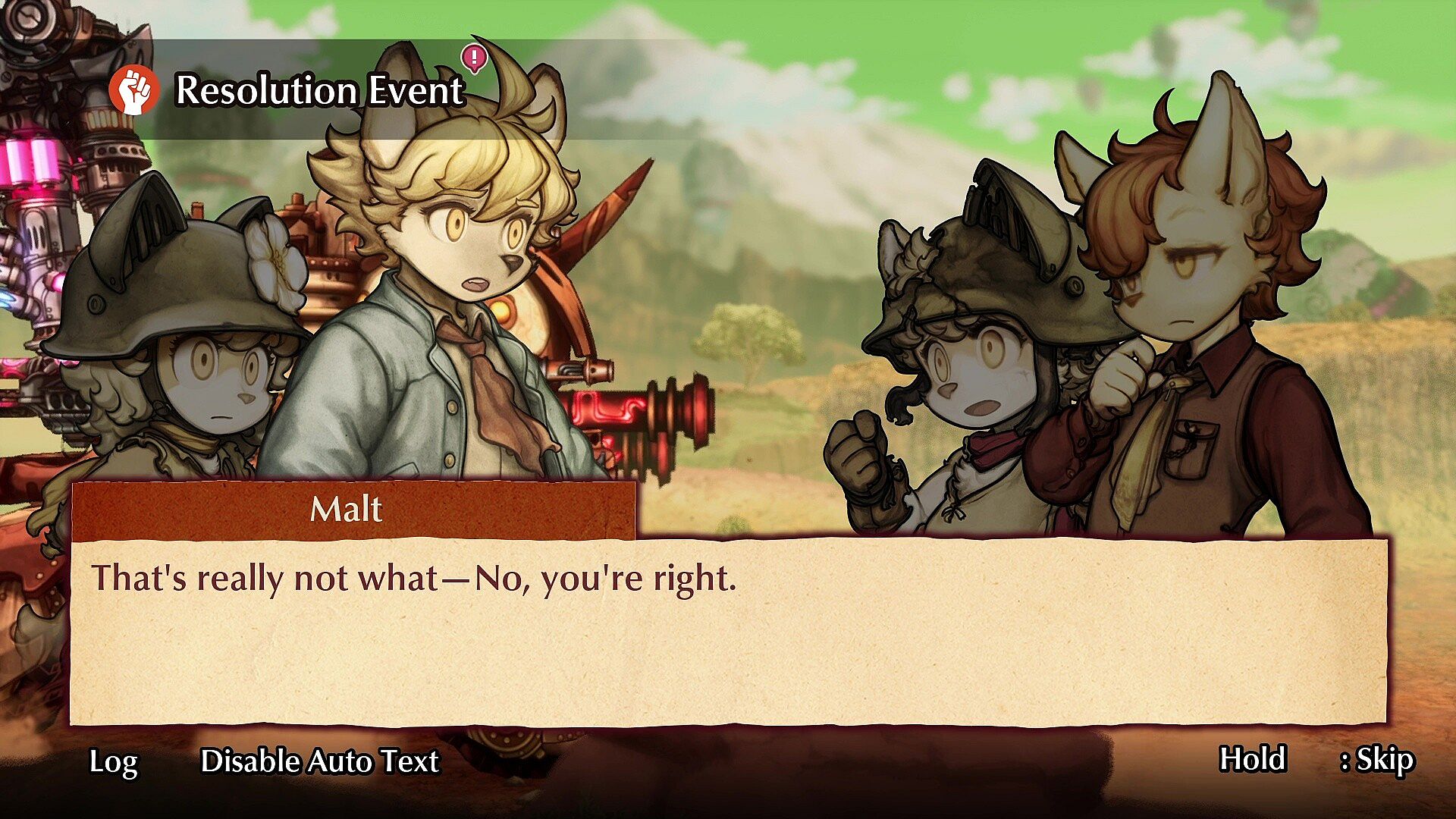
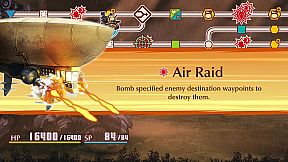
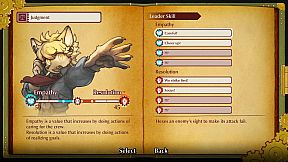
Outside of direct combat, the game emphasizes preparation and path selection. Branching routes on each battlefield let players choose different approaches, while an airship support system introduces additional strategic layers such as reinforcements or reconnaissance. Choices made throughout missions influence Judgment Gauges, which track emotional and moral states and alter subsequent events and endings. This creates a loop where tactical execution feeds into broader narrative consequences, requiring careful consideration of both immediate battle outcomes and long-term story impacts.
Game Modes
The game operates primarily as a single-player experience focused on story progression and tactical battles. Fast Mode provides a streamlined option that prioritizes narrative delivery over extended combat encounters, allowing quicker advancement through dialogue and key scenes while retaining core decision points. No separate multiplayer or competitive modes exist. The structure encourages repeated playthroughs to explore different route choices and gauge outcomes rather than competitive or cooperative formats.
Story and Choices
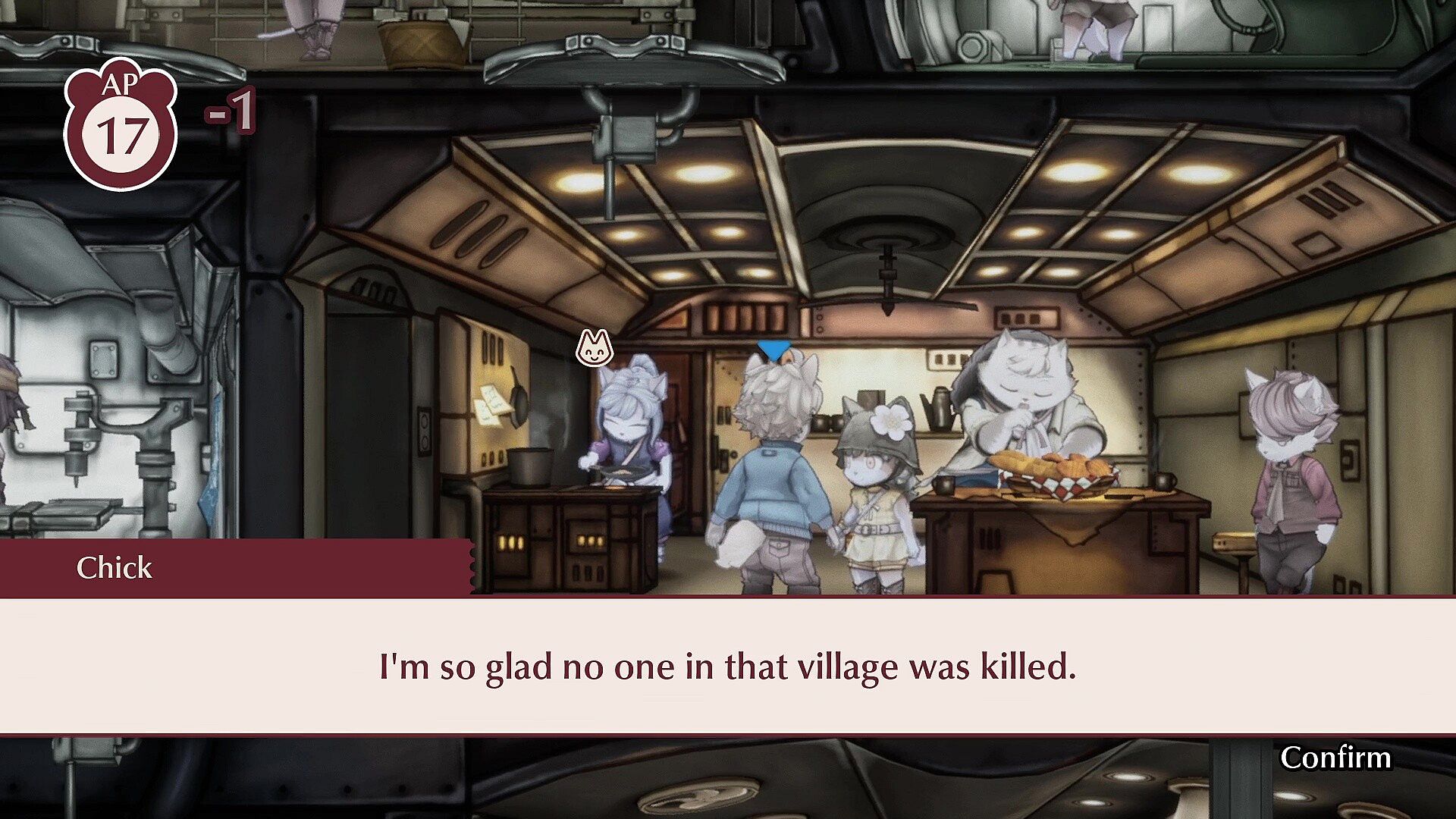
Events unfold through a combination of tank-based travel, battlefield skirmishes, and character interactions. The narrative explores themes of loss, responsibility, and resilience as the children confront both external threats and internal conflicts. Decisions during battles and intermissions directly affect crew relationships and available options, with the Judgment Gauges serving as a visible indicator of how prior actions steer the plot. This system rewards thoughtful play without requiring prior knowledge of the first game, as the sequel stands independently while building on established world elements.
Is It Worth Playing?
Fuga: Melodies of Steel 2 suits players who enjoy tactical RPGs that blend turn-based combat with meaningful story branches and character management. The refined battle mechanics, including the Soul Cannon and Managarm, deliver engaging strategic depth, while the emphasis on choices creates replay value through varied outcomes. The game maintains a consistent single-player focus with no seasonal updates or live-service elements required. Overall reception has been very positive, with the majority of players highlighting the tactical systems and emotional weight of decisions as strengths. Those seeking a self-contained experience centered on hard choices and crew survival will find it aligns well with that preference.