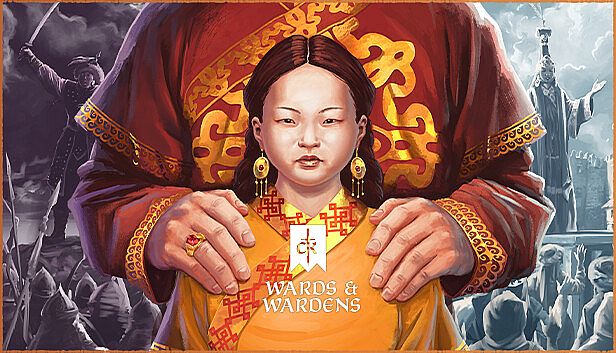

















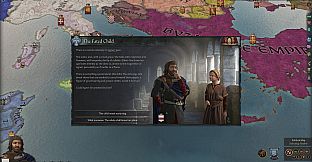
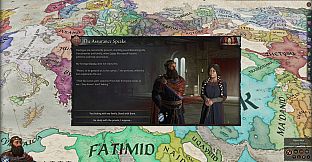
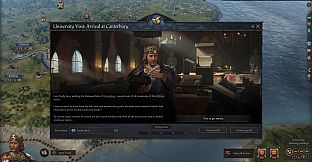
Crusader Kings III: Wards & Wardens expands the core strategy, RPG, and simulation experience of managing medieval dynasties with a focus on the challenges of raising noble children and handling young rulers. This event pack introduces systems centered on education, guardianship, and the use of hostages to influence diplomacy and power dynamics within the game's detailed realm management.
Gameplay
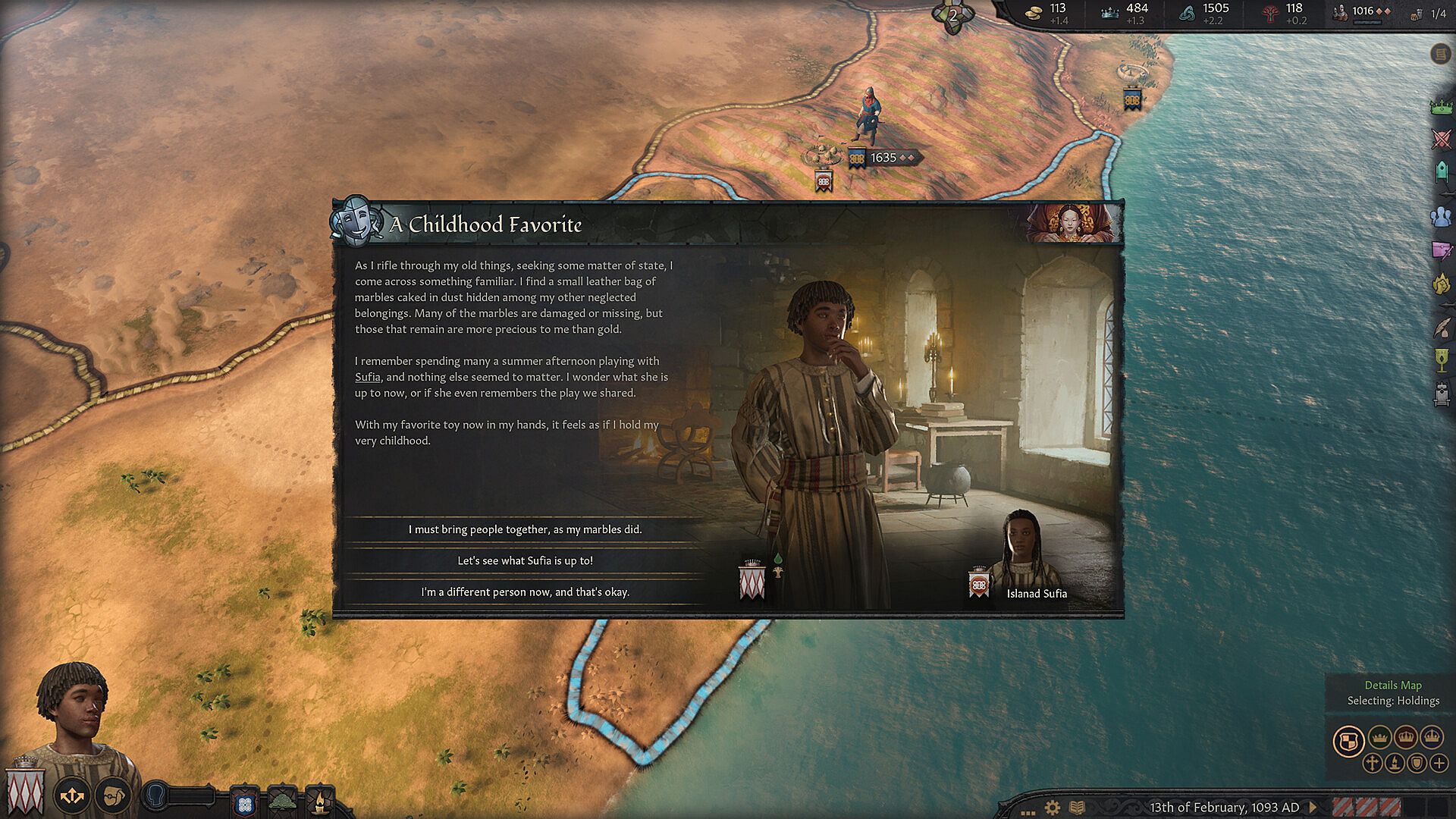
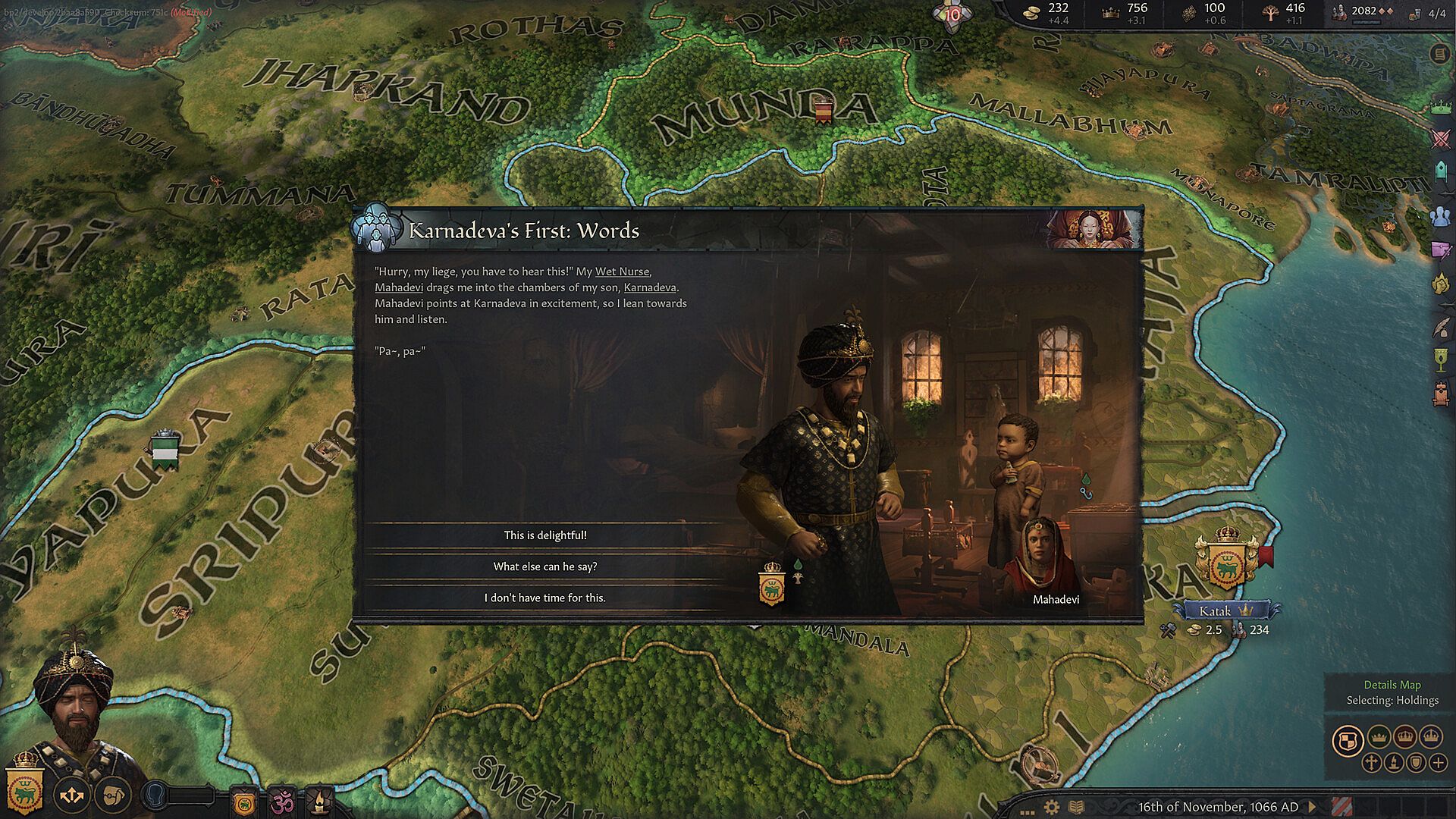
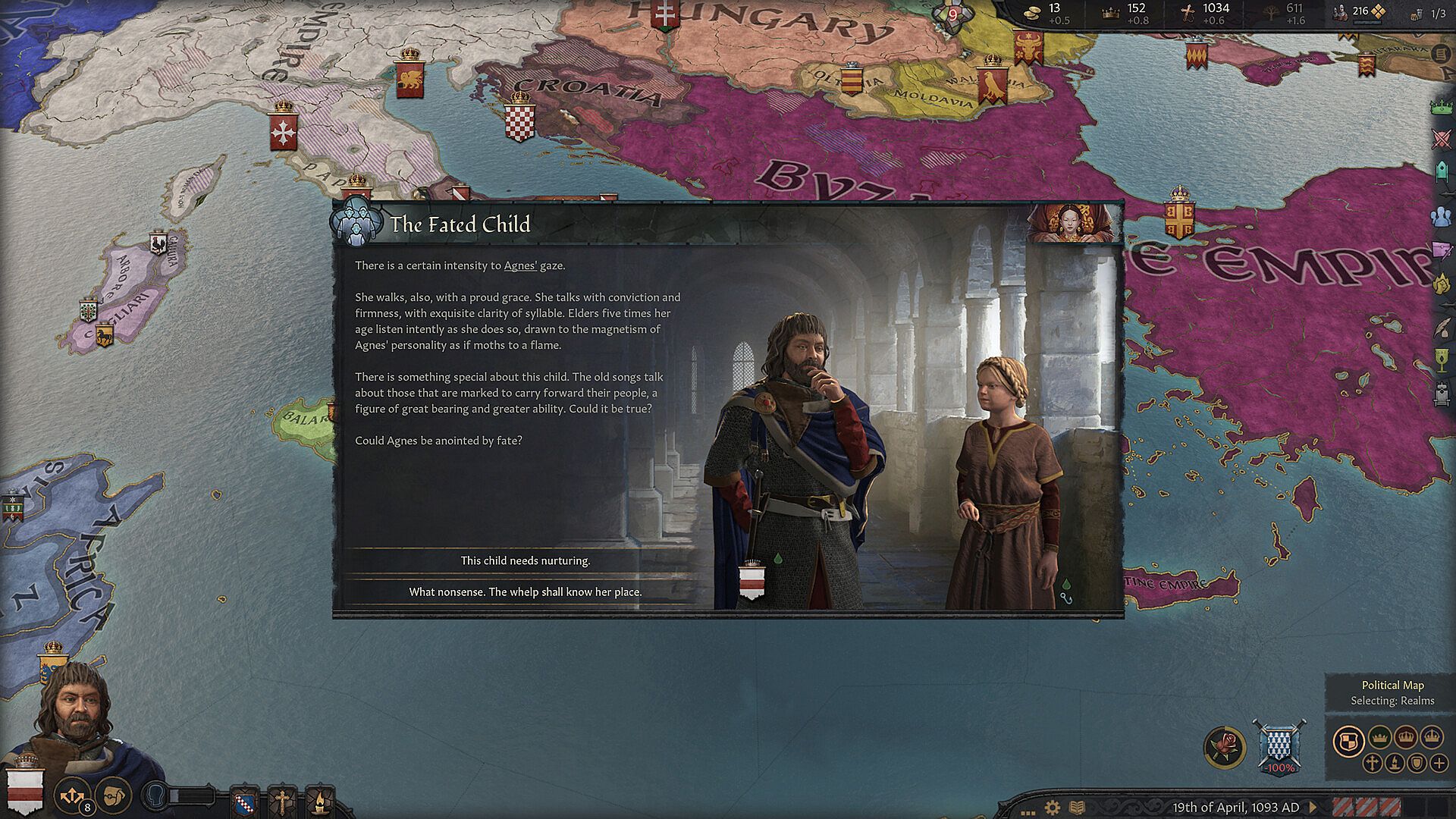
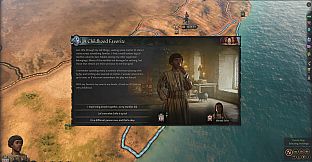
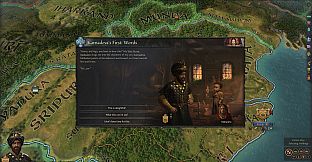
The pack adds layers to how players interact with children at court through expanded education events. Formal tutoring sessions and informal life lessons now allow greater control over both skill development and personality traits, guiding young characters toward traits that align with future roles in politics or warfare. Wet nurses appear as a new court position that can shape early development alongside councillors and knights.
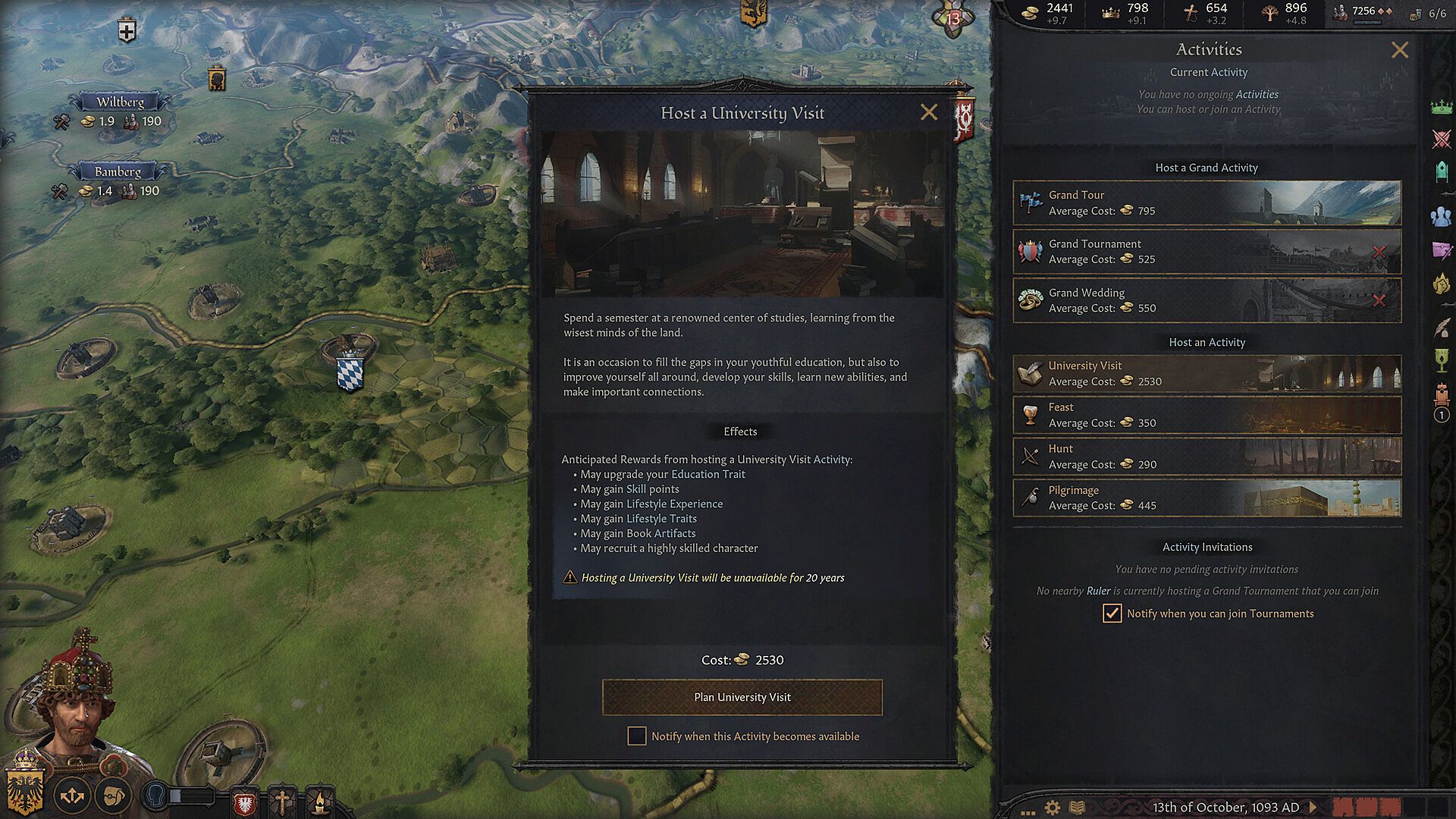
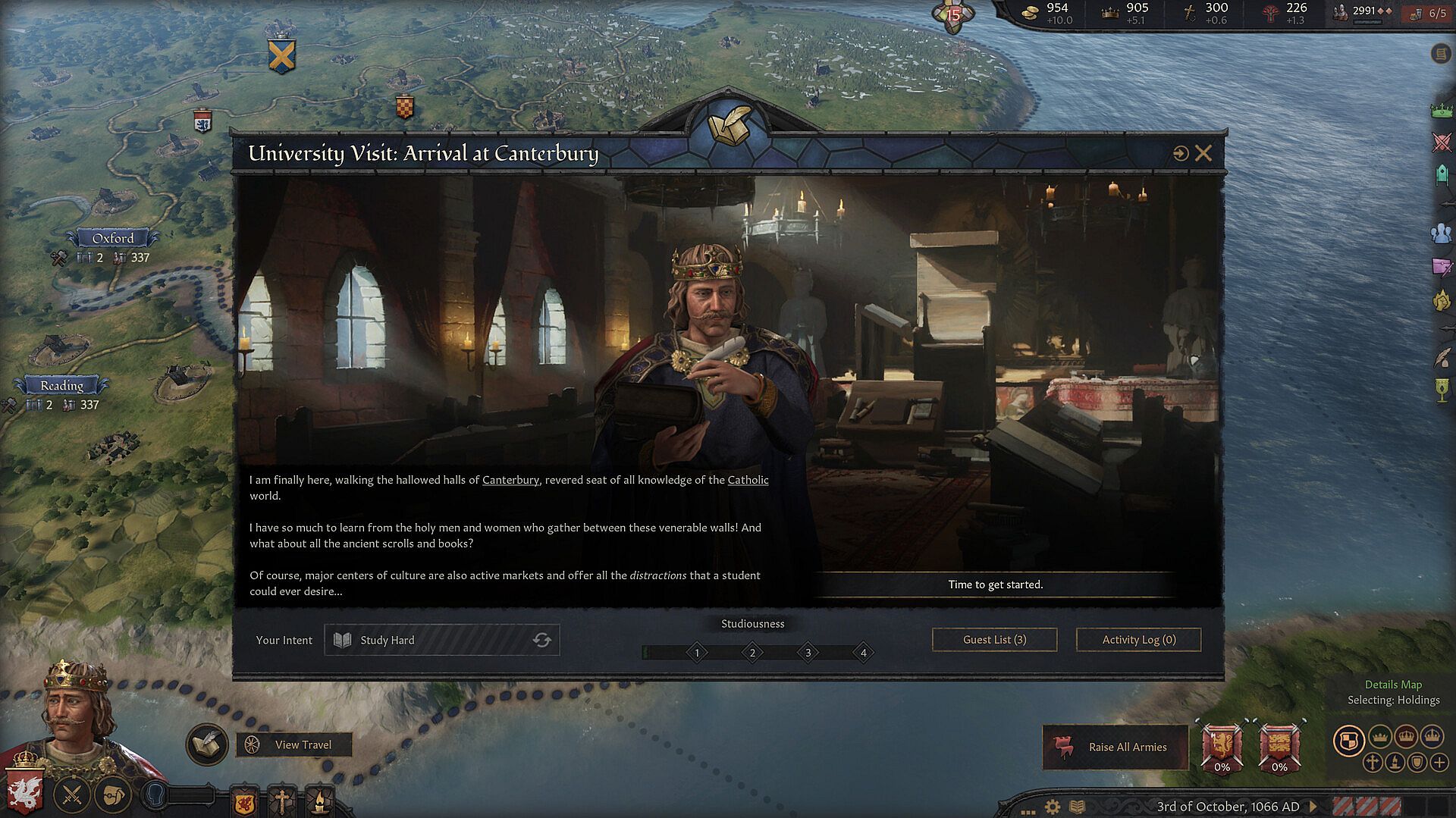
Child rulers face heightened risks from regents who may pursue their own agendas, requiring careful oversight to prevent manipulation during vulnerable years. Education extends beyond childhood, as adult characters gain options to attend university and refine their knowledge of the world. These changes emphasize long-term character building within the existing framework of dynasty succession and court intrigue.
Game Modes
Wards & Wardens operates entirely within the established single-player grand strategy structure of Crusader Kings III. Players continue to oversee realm expansion, succession planning, and interpersonal relationships without any separate modes or multiplayer variants introduced by the pack. The new systems integrate directly into ongoing campaigns, affecting how dynasties evolve across generations through child-focused interactions.
Hostage Diplomacy and Court Influence
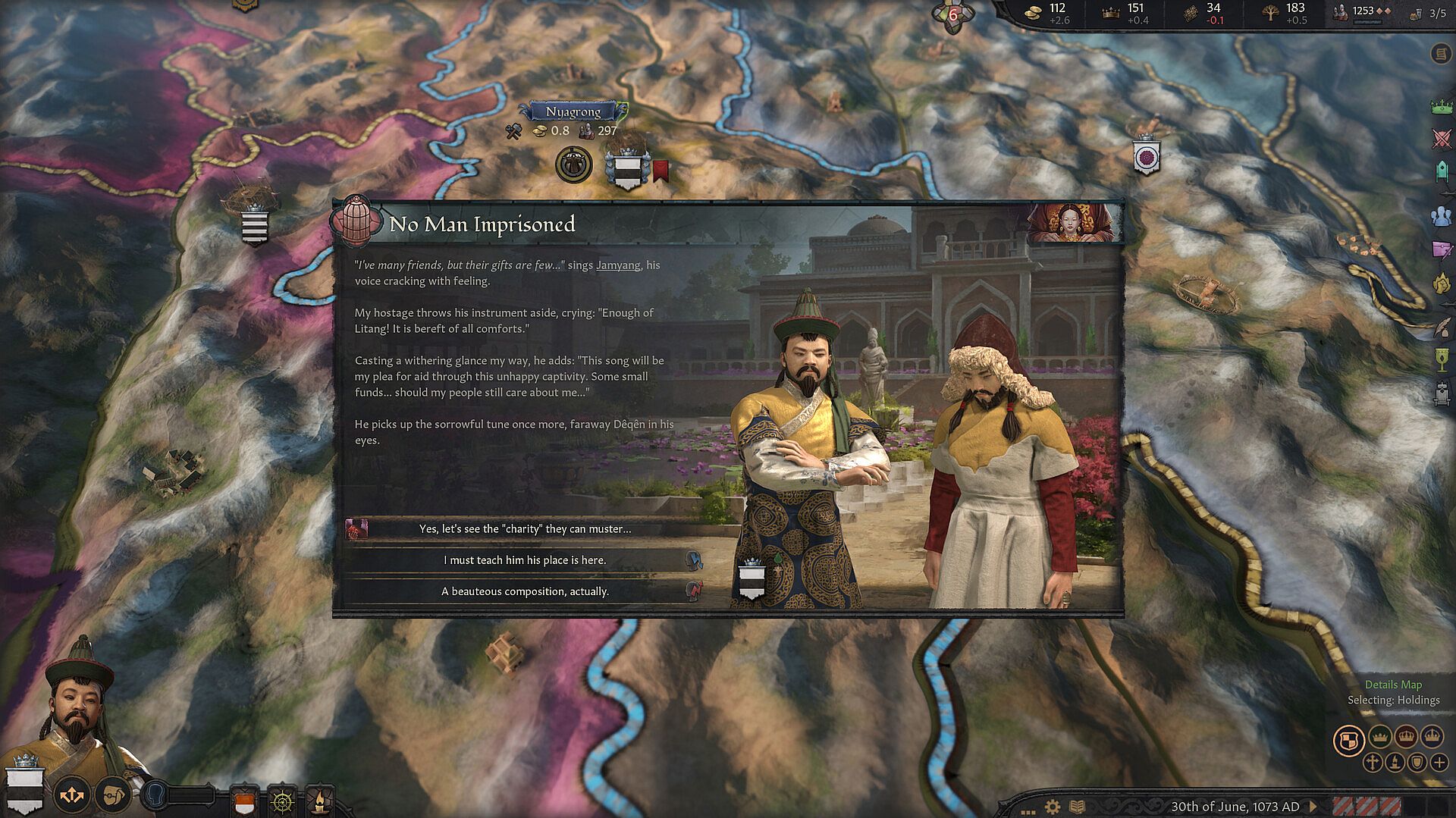
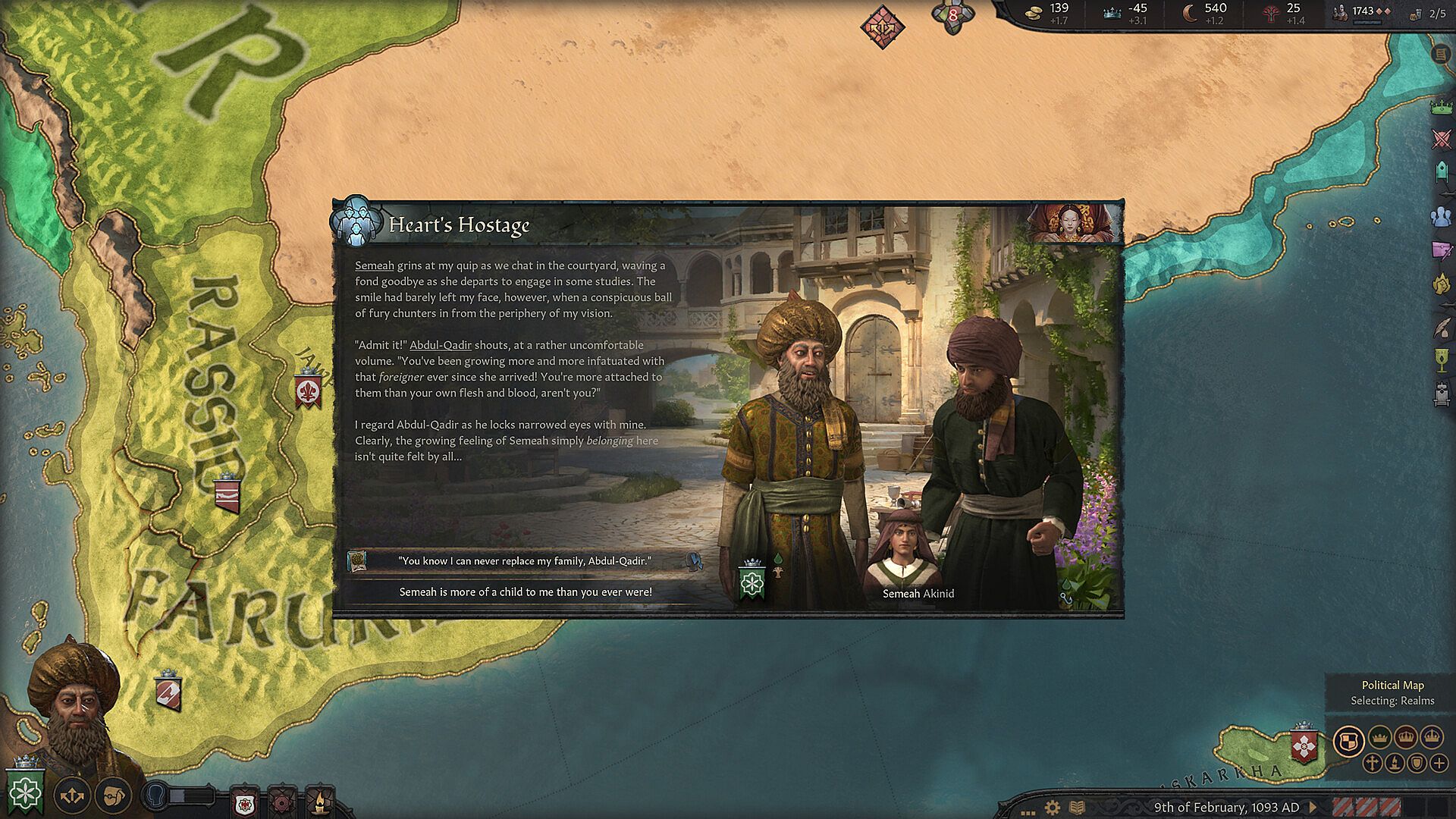
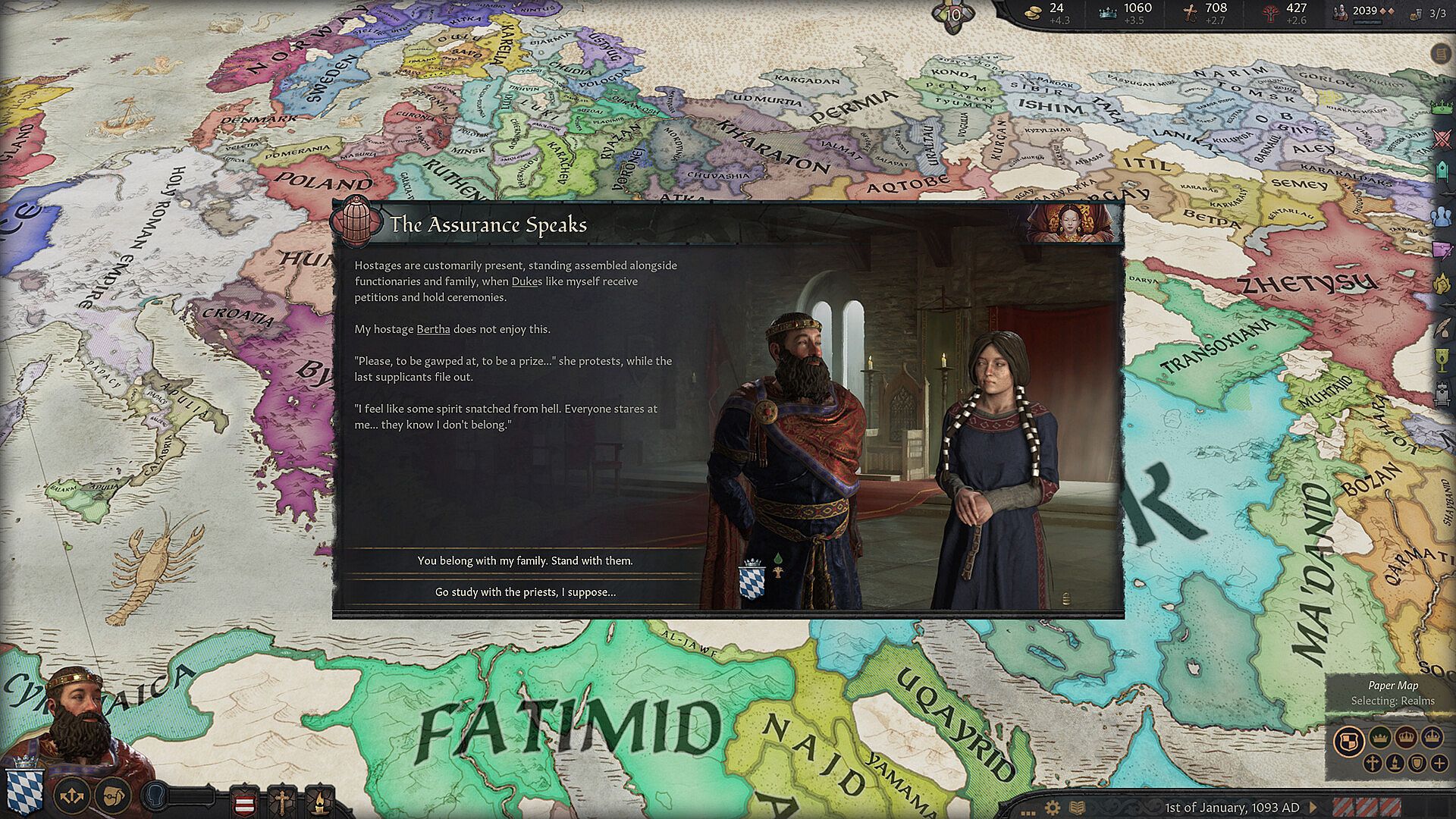
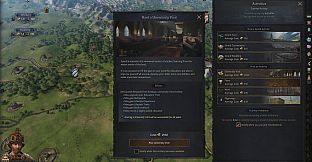
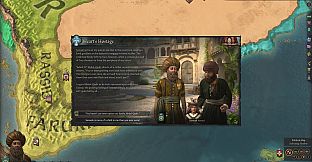
Hostages serve as a strategic tool, placed in foreign courts to secure loyalty or deter aggression. These characters function as a distinct relation type, residing under guardianship while carrying divided loyalties that can lead to internal conflicts. Successful treatment of hostages may generate lasting connections that provide leverage in negotiations or conflicts.
Regents and guardians must balance influence over these young figures, as poor management risks backlash or divided allegiances that complicate alliances. The system adds depth to interactions between courts by turning children into assets that influence military and diplomatic decisions.
Is It Worth Playing?
Reception for the pack has been mixed among players, with feedback highlighting both the added event variety and questions about its overall impact on core progression. It suits those who enjoy detailed role-playing elements around family and succession in long campaigns.
The focus on education events and hostage mechanics rewards players who invest time in character development and court management. Those seeking broader mechanical overhauls may find the changes narrower in scope. The pack remains available as an optional addition to the base game for players interested in these specific themes.