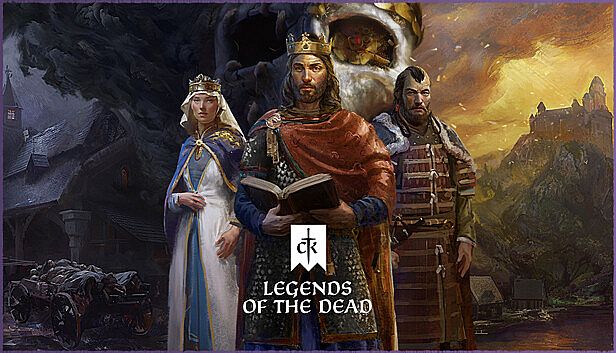

















Crusader Kings III: Legends of the Dead is a core expansion for the grand strategy game Crusader Kings III. It blends strategy, role-playing, and simulation elements on PC, focusing on dynasty management across medieval Europe and beyond. Players guide ruling families through generations, balancing political intrigue, warfare, and personal decisions while contending with new systems centered on reputation and mortality.
Gameplay
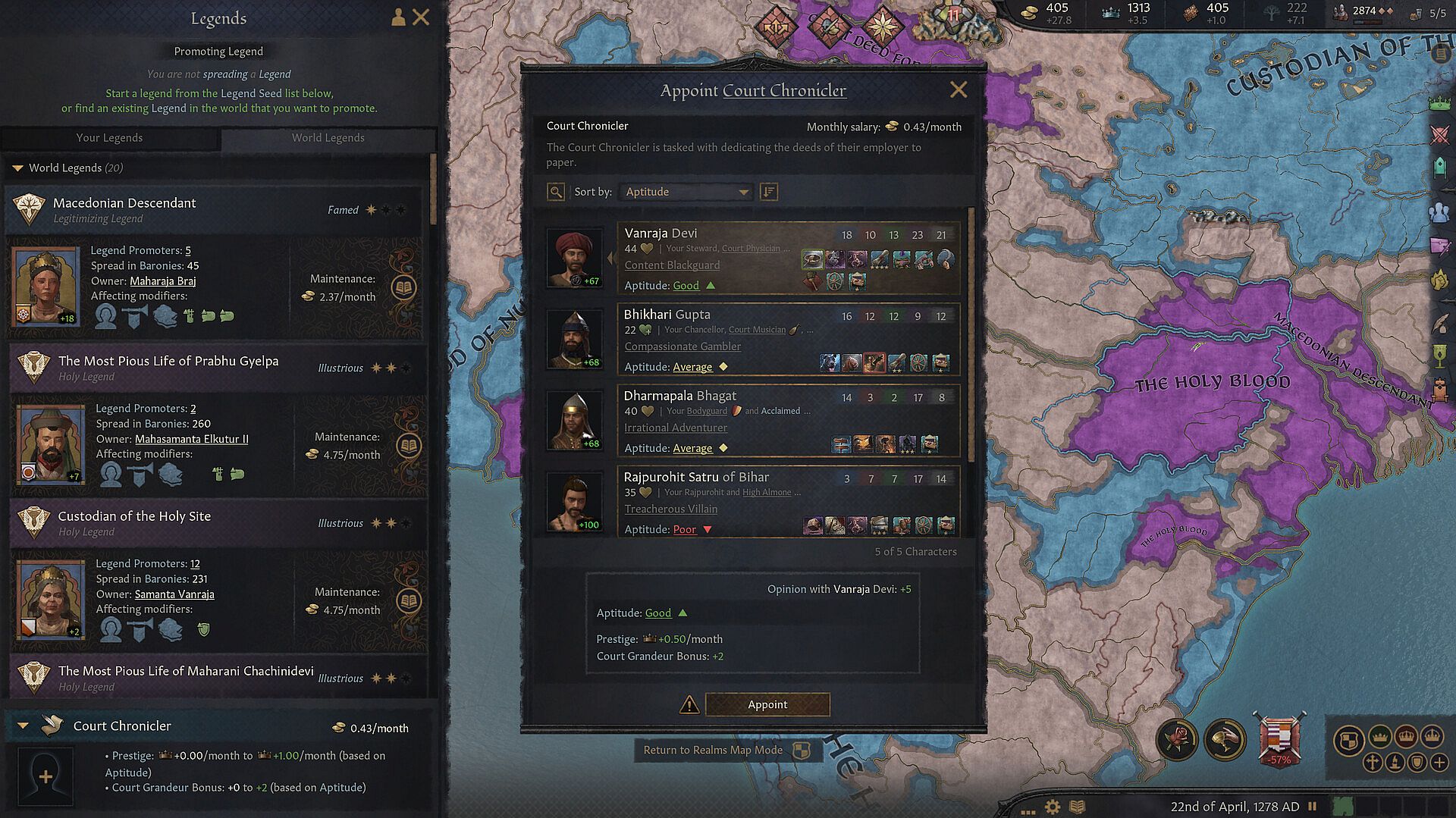
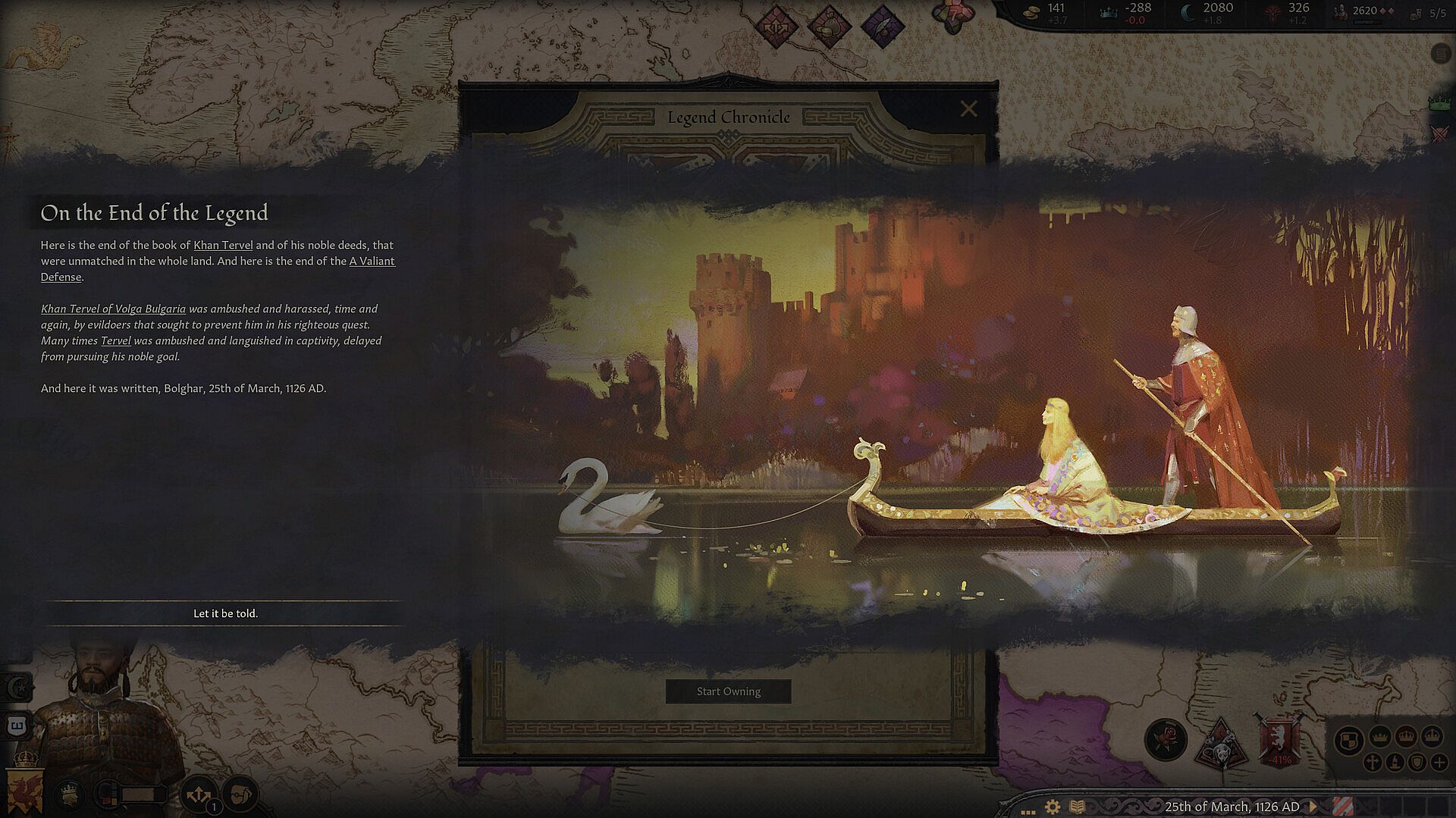
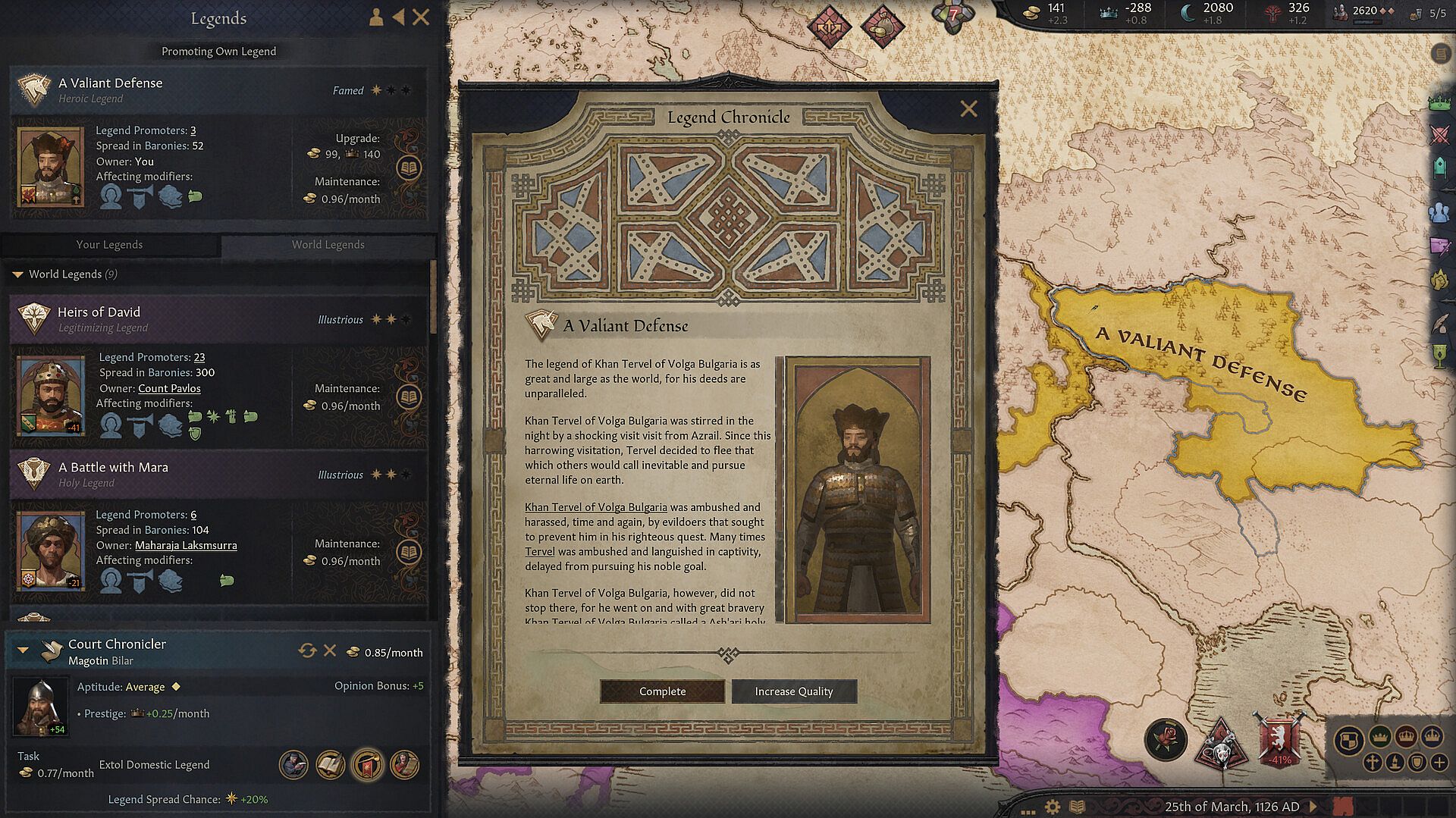
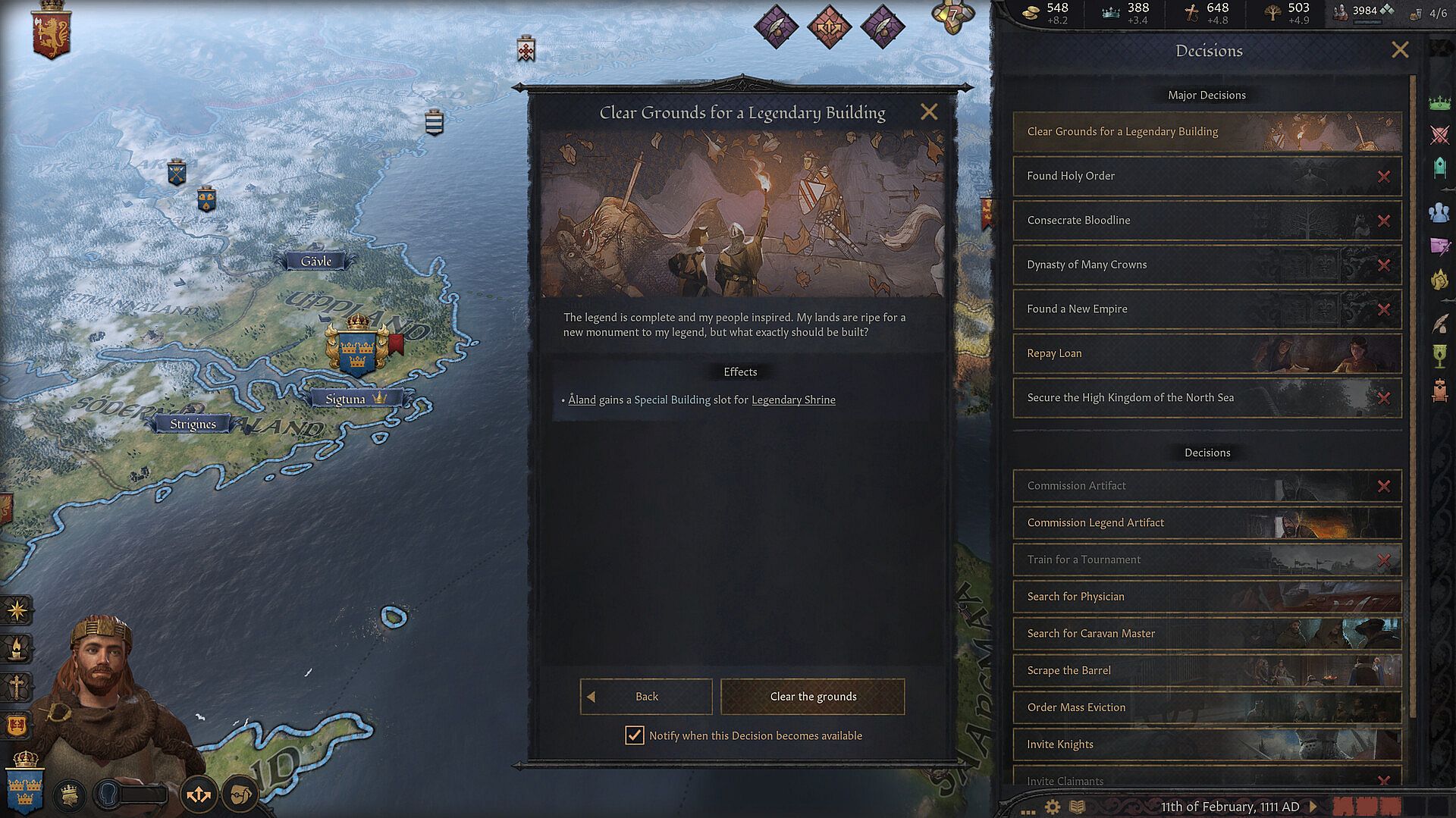
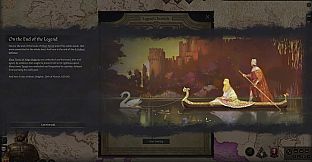
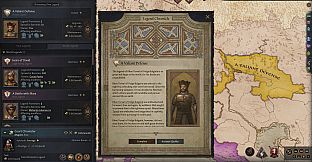
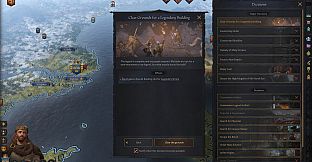
The core loop revolves around building and maintaining a dynasty while navigating the challenges of rule. Players commission legends that recount family history or personal achievements, then promote those stories to spread influence across realms. This process involves spending resources like prestige and gold to upgrade tales, which in turn unlock decisions that bolster legitimacy and open new options for governance.
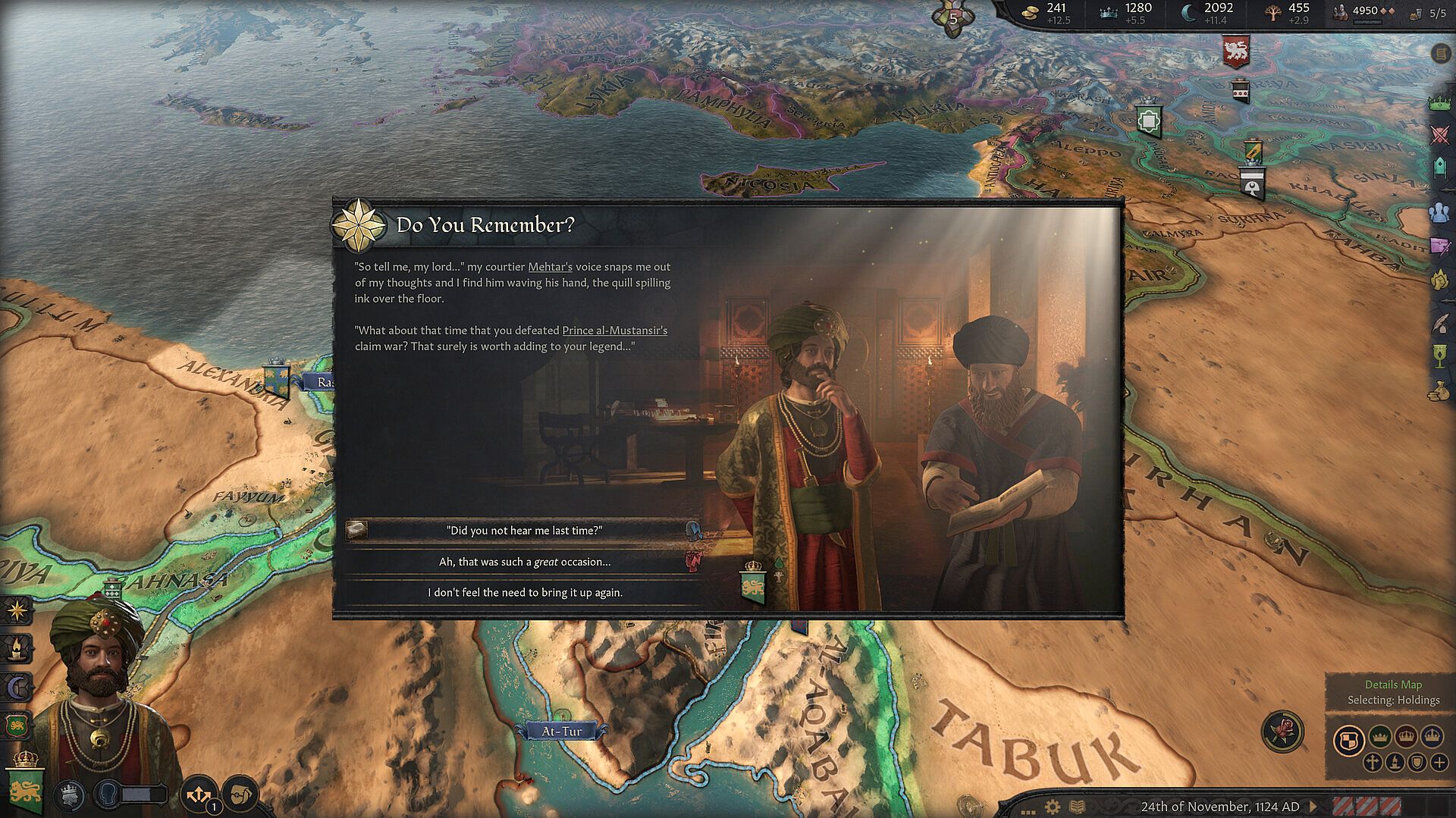
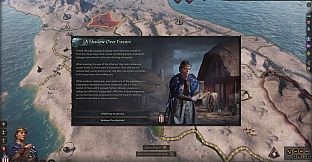
Legendary status grants access to specialized buildings that provide long-term advantages for heirs. Court events now include feasts enhanced by poets and bards, where performances can amplify a ruler's renown and encourage guests to carry stories forward. Chroniclers can be appointed to document accomplishments, turning actions into lasting cultural elements that affect future generations.
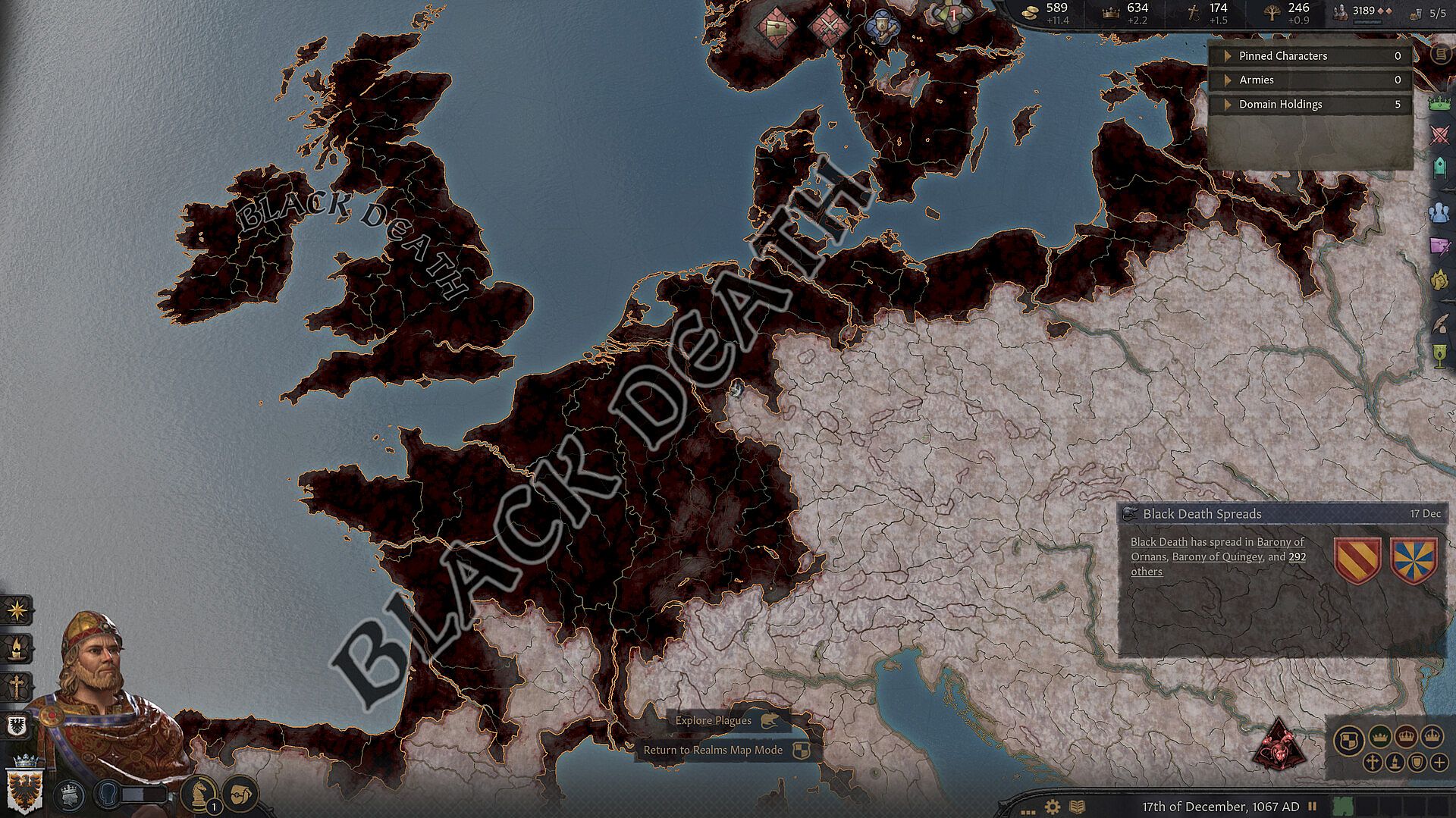
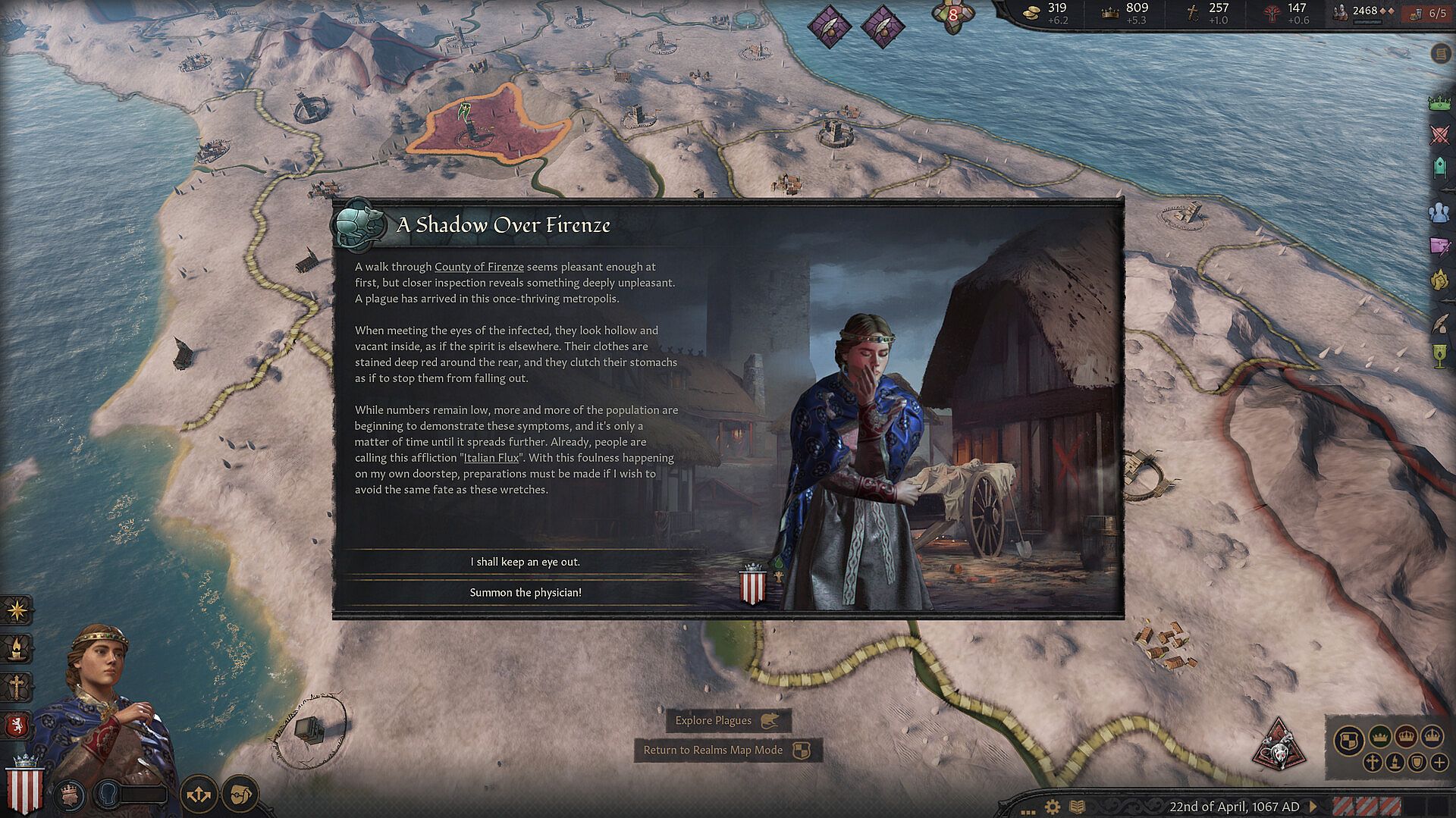
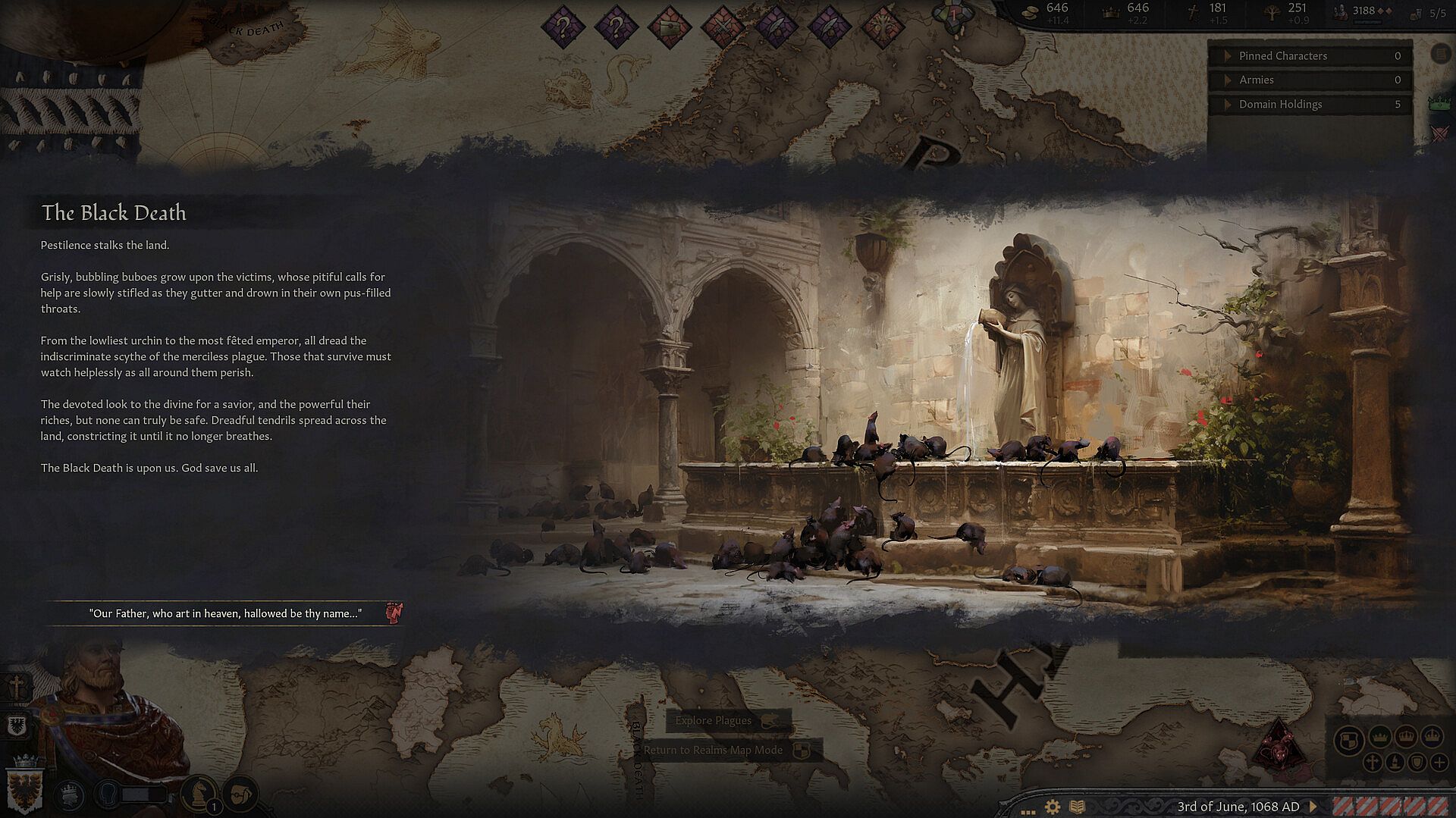
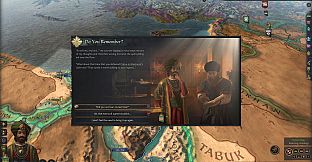
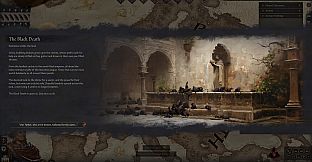
Health mechanics expand with new illnesses such as the Bloody Flux, Measles, and Holy Fire that can strike courts. Funeral rites allow players to honor the dead according to their faith, providing closure and potential benefits. The Black Death arrives as a major event capable of reshaping entire regions by affecting both nobility and commoners, forcing adaptations in realm management and personal strategy.
Game Modes
Legends of the Dead operates within the single-player campaign structure of Crusader Kings III, where players control a character and dynasty across centuries. No separate multiplayer modes or distinct scenarios are introduced by the expansion. Instead, the new systems integrate directly into ongoing playthroughs, altering how players approach late-game stability and succession planning.
Two new dynastic legacies become available. The Heroic legacy lets descendants draw on ancestral deeds for claims and advantages, while the Legitimacy legacy strengthens a family's position as rightful rulers. These elements encourage long-term thinking about reputation rather than short-term gains.
Key Mechanics and Systems
Players interact with legends through a dedicated system that tracks promotion and spread. Success depends on consistent great deeds and strategic use of court positions. Legendary playstyle decisions allow rulers to leverage fame for concrete benefits, such as stronger alliances or internal stability.
Illness and mourning add layers to character management. Outbreaks require preparation, while proper rites can mitigate negative effects on heirs and vassals. The Black Death stands out as a transformative force that can redistribute power and resources across the map.
Art updates accompany these features, including a new map table, varied clothing, unit models, and holding designs that reflect the themes of life, death, and legacy.
Is It Worth Playing?
This expansion suits players who enjoy deep dynasty simulation and appreciate mechanics that reward sustained reputation building. It adds meaningful choices around legacy and crisis management that can refresh extended campaigns. Some players note the legends feature as a repeatable element that requires careful resource allocation, while the plague systems introduce heightened tension in later stages.
Reception describes the content as solid for those invested in the base game's style, particularly for the added depth in late-game scenarios. Availability comes through the standard PC platform where Crusader Kings III runs, with the expansion enhancing existing saves and new starts alike. Those drawn to strategic depth over rapid action will find the most value here.