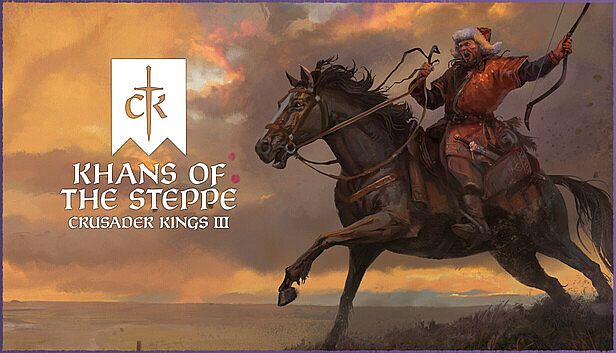

















Crusader Kings III: Khans of the Steppe is a core expansion for the grand strategy game Crusader Kings III that shifts focus to nomadic governance and life on the Great Steppe. Released on April 28, 2025, alongside the free 1.16 Chamfron update, this strategy RPG simulation title adds systems centered on herds, seasonal migration, and flexible subject relations. Players manage dynasties through mobile realms rather than fixed holdings, with options to pursue conquest as the Great Khan or resist such ambitions.
Gameplay
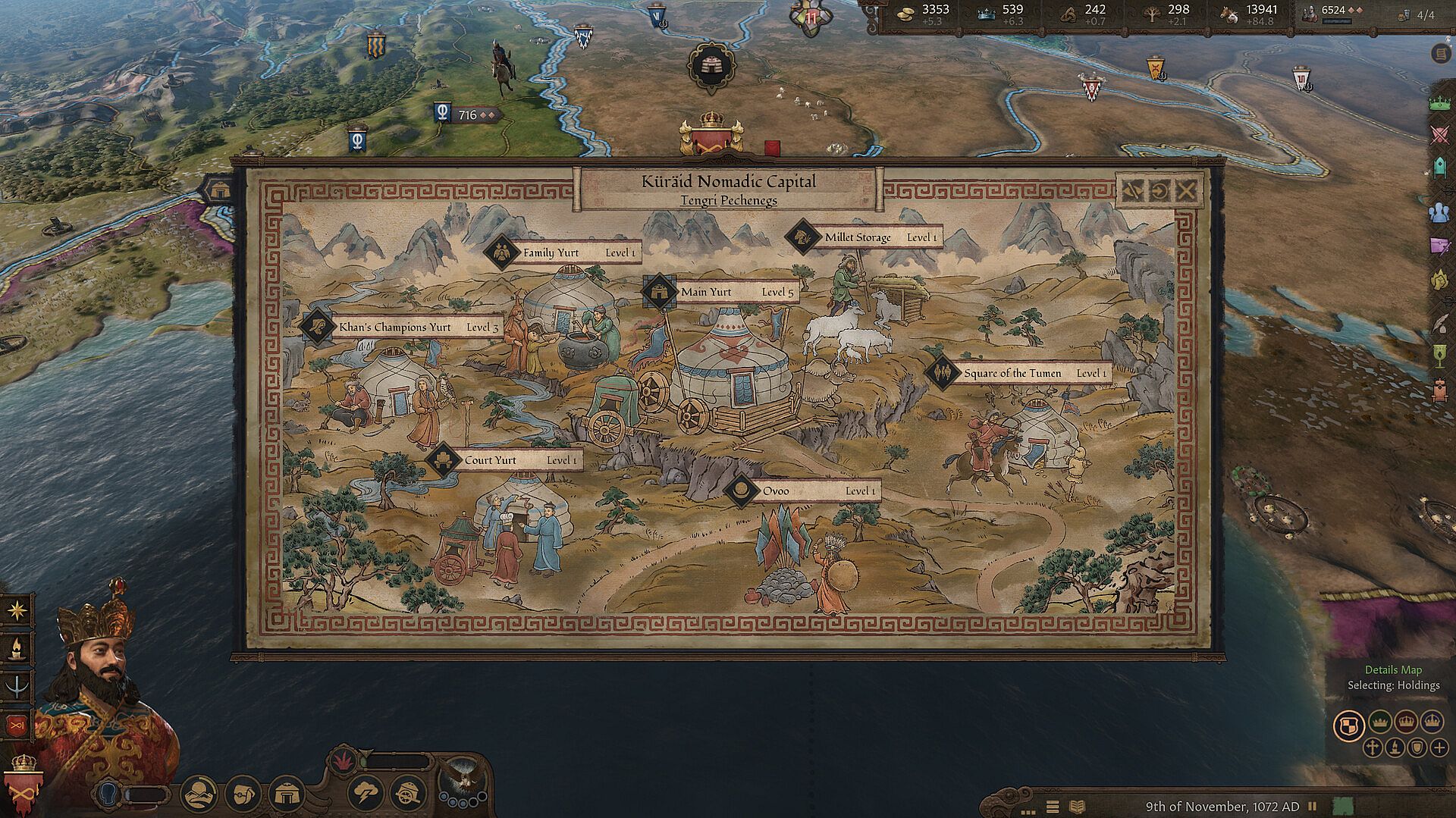
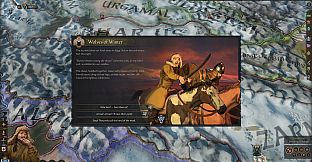
The core loop revolves around nomadic government mechanics built around a herd as the central resource. Rulers maintain mobility by migrating across territories as fertility shifts with the Steppe Season system, which alters land productivity over time and pushes clans toward greener pastures. Dominance grows through successful management of obedience among subjects, allowing leaders to bind followers without traditional feudal structures.
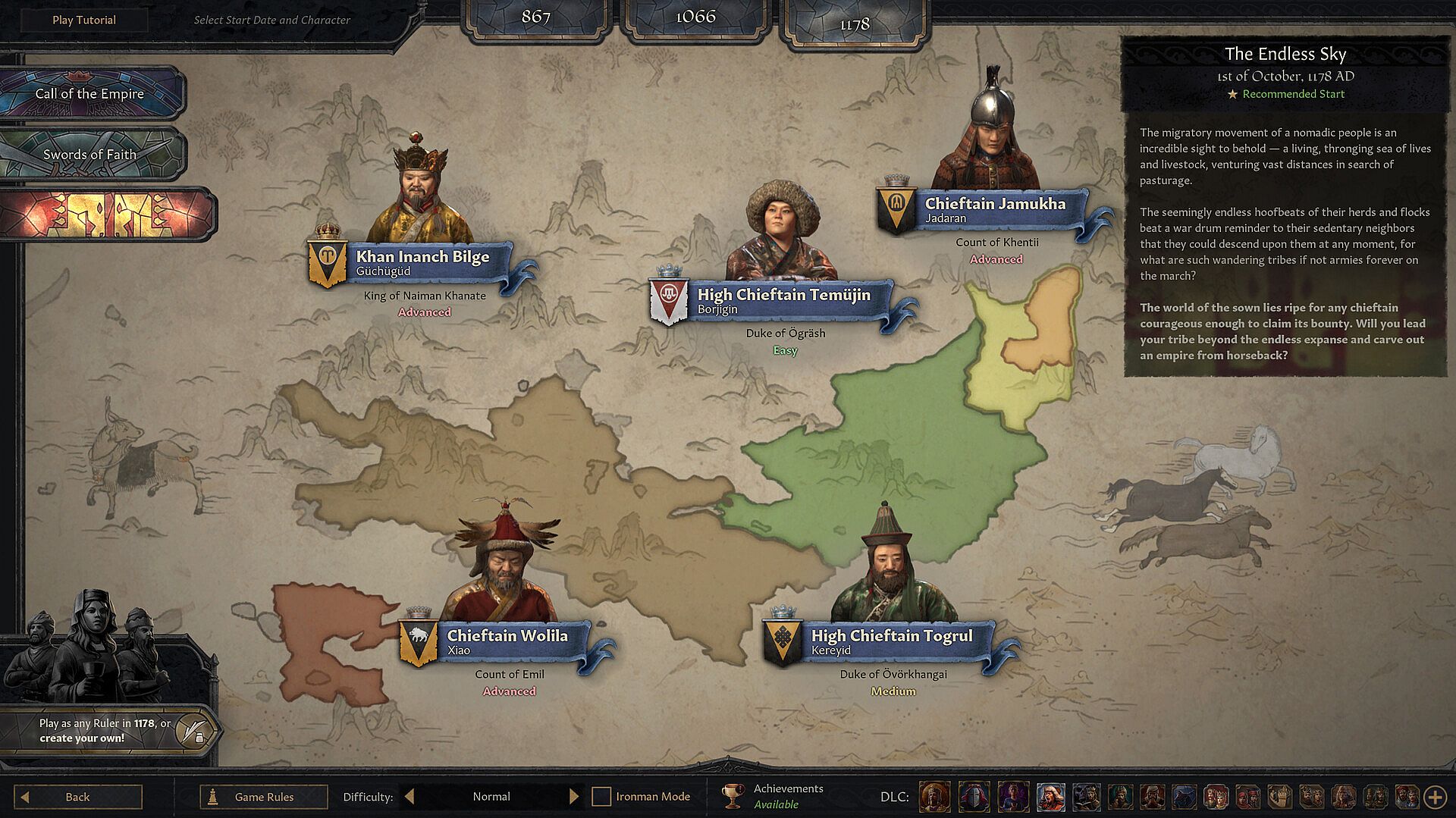
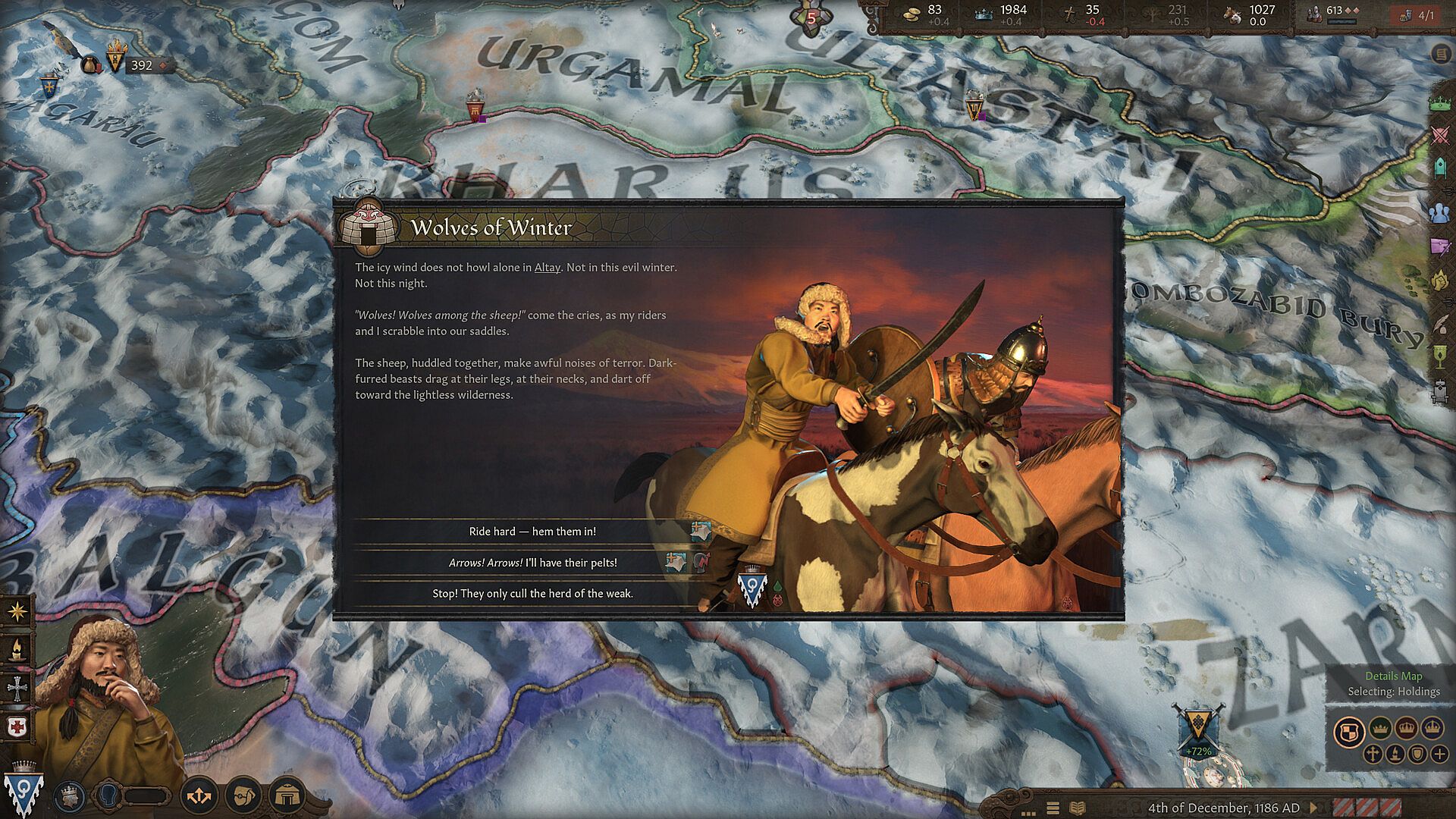
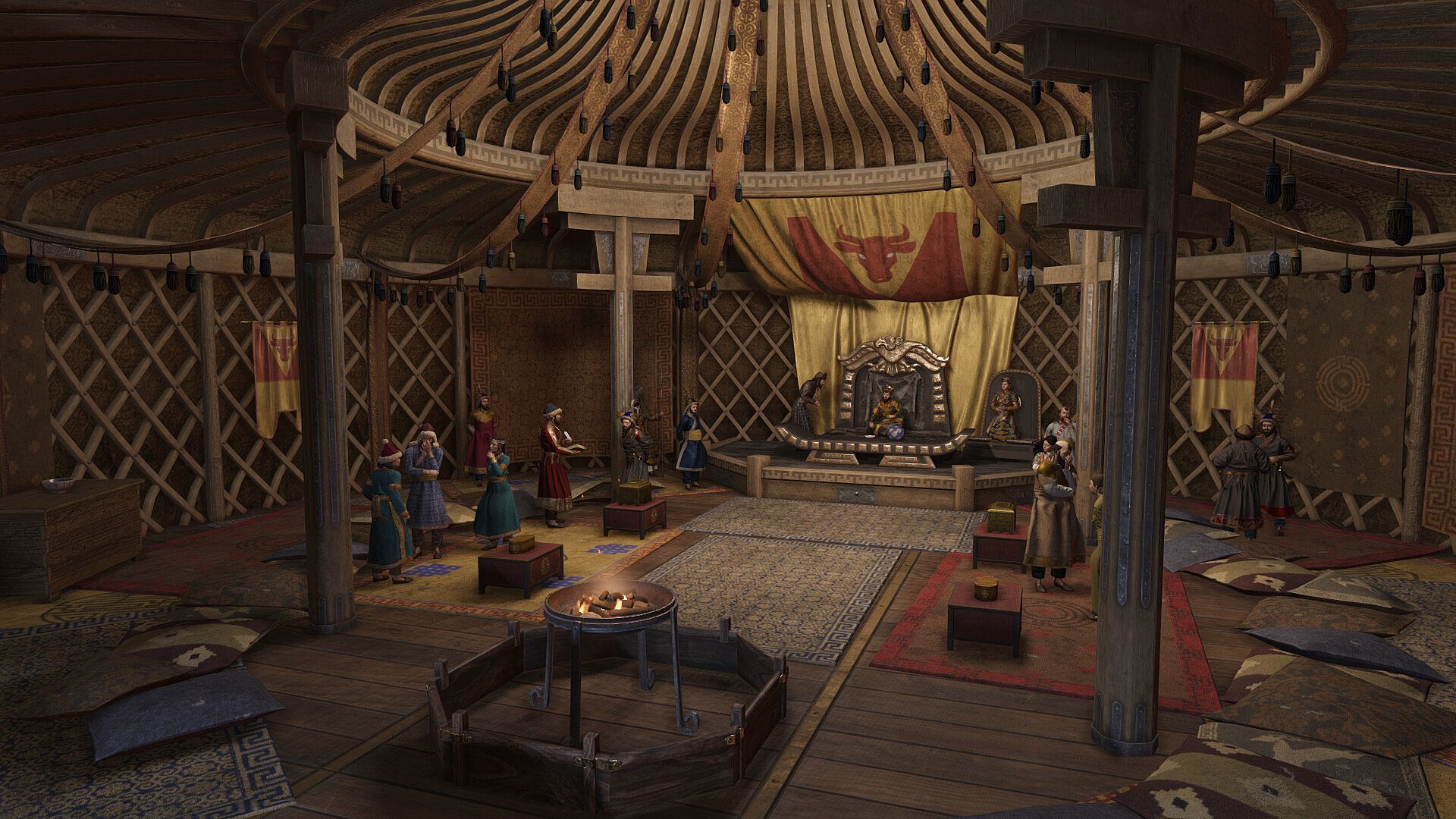
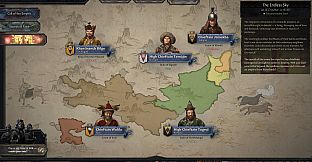
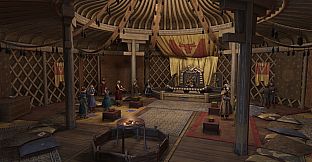
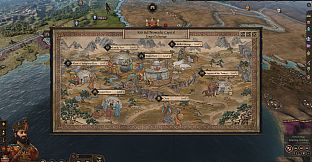
Tributaries provide an alternative to vassalage, offering overlords resource access and subjects greater independence while preserving adaptability in alliances. The Steppe region features distinct challenges that reward adaptation, including new succession types and council systems tailored to Mongol traditions. A starting bookmark places players as the young Temujin, with access to the Kurultai council and activities such as Tsagaan Sar celebrations that integrate cultural practices into dynasty management.
Game Modes
Crusader Kings III supports both singleplayer campaigns and multiplayer sessions where participants can interact across the expanded map. The nomadic focus integrates into existing dynasty-building play without introducing separate modes, allowing players to experience migration and conquest either alone or with others in real-time or turn-based sessions. The expansion emphasizes long-term realm management through seasonal cycles and subject relations rather than isolated scenarios.
Key Mechanics and Systems
Nomadic play emphasizes resilience through movement, with herds serving as the foundation for power and population stability. Players navigate fertility changes by relocating clans, claiming new lands, and balancing dominance with obedience to prevent internal fractures. The tributaries system adds diplomatic depth, enabling resource flows without full integration of subject realms.
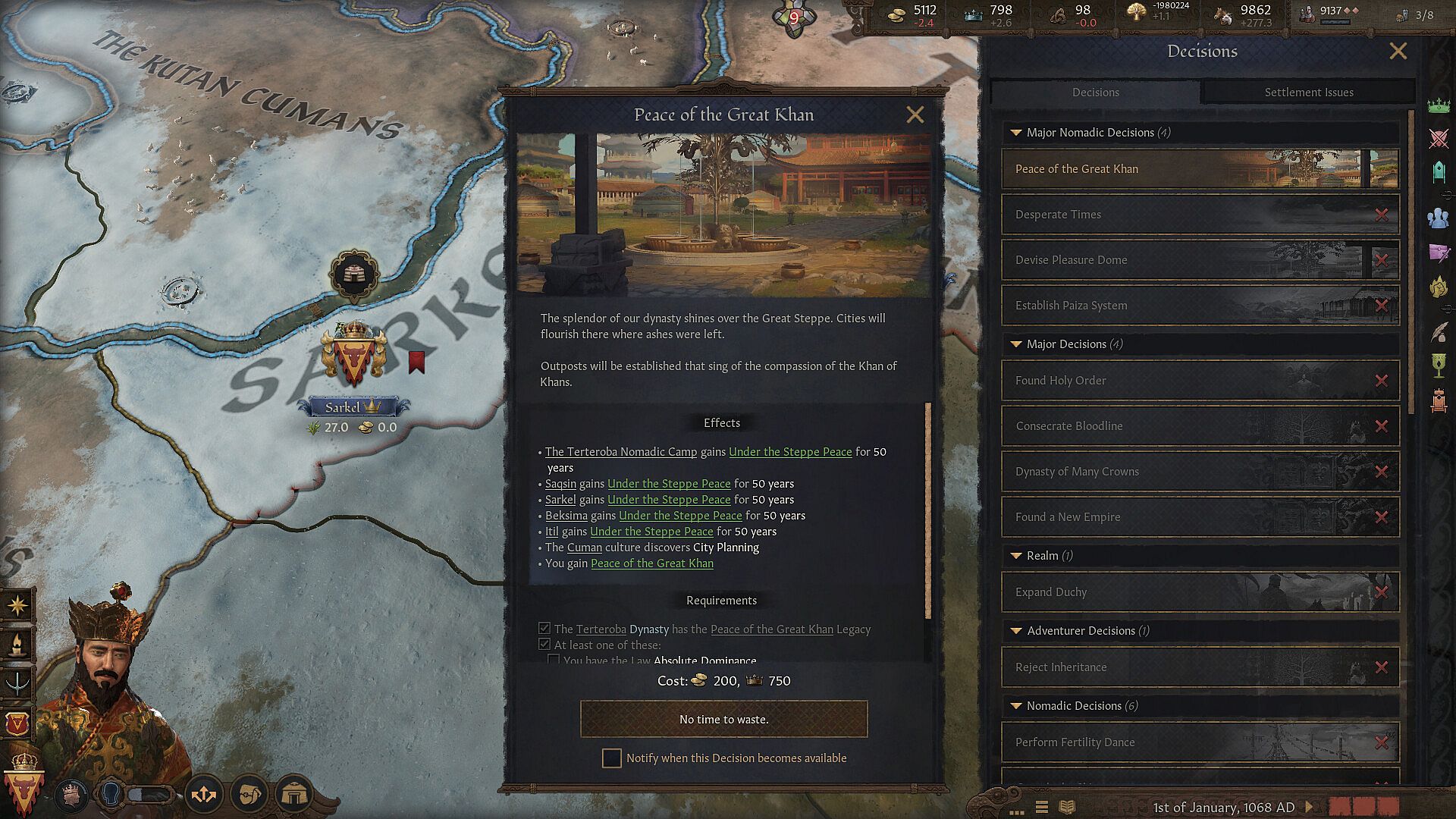
Mongolian flavor elements include specific succession rules and council interactions that differ from feudal counterparts. Conquest paths allow unification of the Steppe under one ruler, with options to extend influence outward as the Scourge of God. These systems encourage repeated playthroughs focused on adaptation to environmental and political shifts.
Is It Worth Playing?
Steam user reviews for the expansion stand at mixed, with approximately 60 percent positive from nearly 700 ratings. The title appeals to players who enjoy grand strategy with emphasis on mobile societies and cultural specifics rather than settled empires. It receives praise for fresh mechanics that feel distinct from prior content, though some note limitations in broader Asian representation beyond the Steppe focus.
Those interested in dynasty simulation, migration strategies, and historical Mongol-inspired elements will find substantial depth in the new government and seasonal systems. The expansion pairs with the base game and prior content for expanded singleplayer or multiplayer campaigns. Availability remains through standard PC digital platforms following its 2025 launch.