

Crosstalk: The Decompiler Xpansion expands a strategy simulation experience centered on electronic design and circuit construction. Players engage with systems that mirror professional tools for creating and testing hardware layouts on PC. The core loop revolves around assembling components into functional structures while managing project elements like progress tracking and analysis tools.
Gameplay
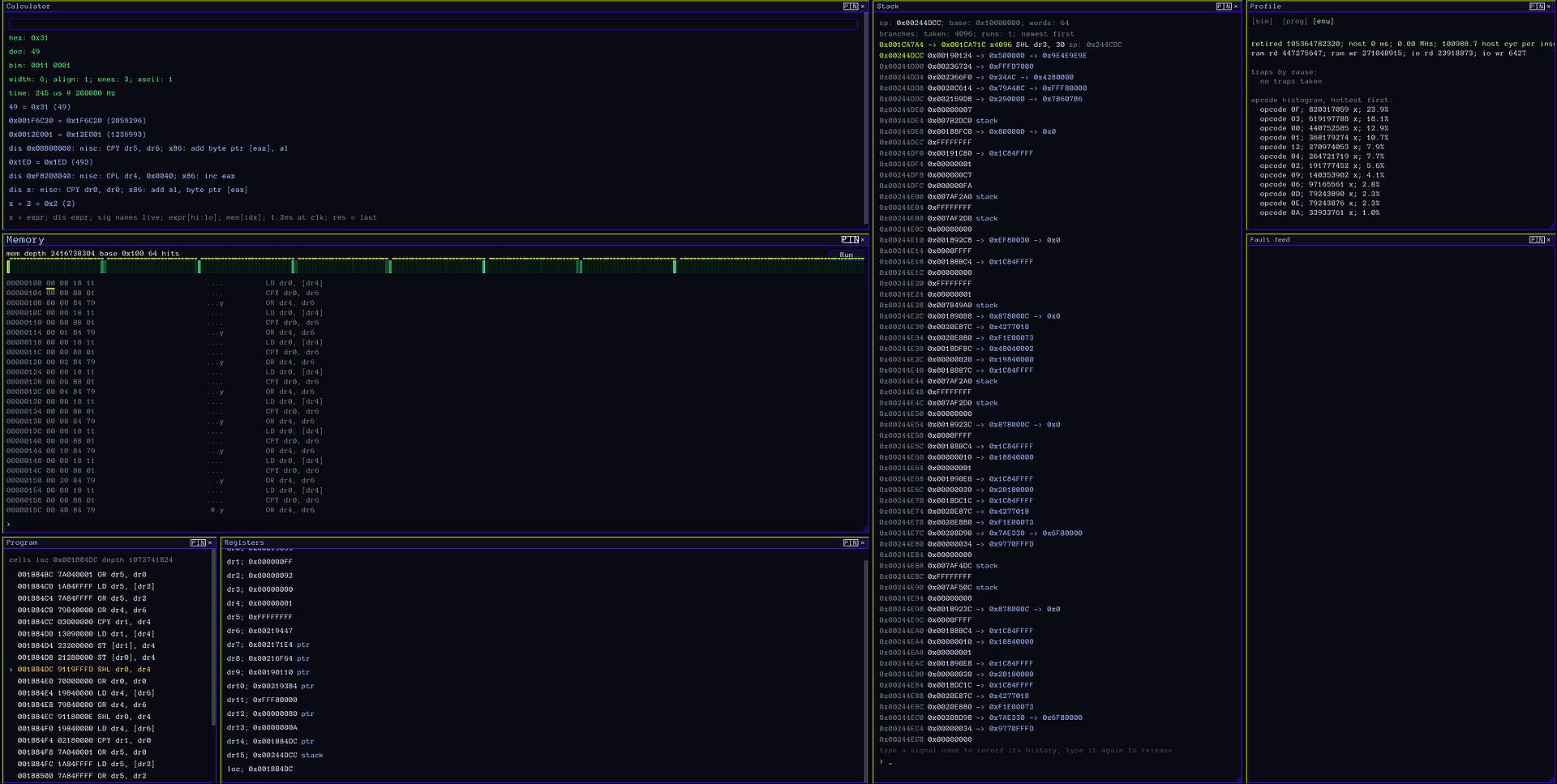
The gameplay centers on building and refining electronic designs through detailed assembly processes. Users work with compilers, assemblers, linkers, and disassemblers that handle multiple architectures including x86, x64, ARM, MIPS, SPARC, PPC, and MISC variants. These tools allow direct manipulation of code at the hardware level, supporting the creation of custom processors and systems within simulated environments.
Project management features integrate tasks, timers, and a knowledge base to organize development efforts. Inspection scopes, scanners, and calculators provide precise measurement and verification capabilities during the building phase. This setup encourages iterative refinement, where designs are tested for structural and electrical validity through built-in simulation layers.
Guided challenges introduce structured exercises that teach specific techniques for component placement and optimization. The simulation aspect emphasizes realistic outcomes, such as verifying that constructed layouts behave as intended when executed in the virtual environment.
Game Modes
Single-player campaign mode presents a structured progression through increasingly complex design objectives. Players advance by completing builds that incorporate the full range of compiler and analysis tools, focusing on individual mastery of the systems.
Multi-player campaign mode extends the experience to shared projects, where participants collaborate on larger-scale constructions. Coordination around tasks and knowledge base elements becomes essential for success in group settings.
Competitive mode shifts the focus to direct comparison, with players racing to optimize designs or meet performance benchmarks using the same suite of assemblers, disassemblers, and inspection utilities. This mode highlights efficiency in project tracking and tool application.
Core Systems and Mechanics
The integration of multiple architecture support creates depth in how players approach processor simulation and code handling. Scanners and calculators enable fine-tuned adjustments during assembly, while timers enforce pacing in task completion. The knowledge base serves as a central repository for recording insights from completed challenges and builds.
Mechanics reward systematic approaches, such as breaking down complex circuits into manageable segments tracked via the progress system. Simulation runs reveal performance characteristics, prompting refinements through the disassembler and linker tools.
Is It Worth Playing?
This title suits players drawn to strategy and simulation genres that blend creative construction with technical precision. The combination of single-player and multi-player campaigns alongside competitive elements offers varied engagement levels for solo or group play. The decompiler-focused tools and guided challenges provide clear entry points for learning hardware simulation concepts without prior expertise.
With development ongoing toward a September 2026 release, the experience emphasizes verifiable design outcomes and project organization features. Those who enjoy methodical building, analysis, and iterative testing will find the systems rewarding for extended sessions. The indie approach prioritizes depth in electronics-related mechanics over broad accessibility features.