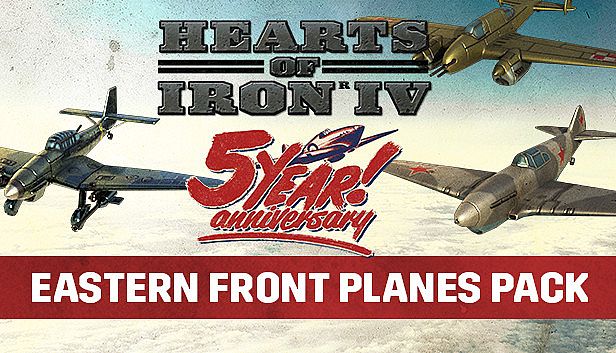









Hearts of Iron IV stands as a detailed grand strategy simulation set during World War II. Players select any nation and guide its development from the mid-1930s onward, balancing political decisions, industrial output, and military campaigns across land, sea, and air. The Eastern Front Planes content pack expands the visual and historical depth of aerial units for several nations involved in the conflict's eastern theater.
Gameplay
Core systems revolve around managing national resources through factories that produce equipment and dockyards that construct ships. Research trees advance technology in infantry, armor, artillery, naval vessels, and aircraft, while national focus trees direct political and military priorities. Political power serves as a key resource for appointing advisors, enacting laws, and pursuing diplomatic actions. Warfare occurs through division templates that combine infantry, tanks, and support units, with battle plans executed on a map that accounts for supply lines, terrain, and weather. Air operations involve assigning aircraft to missions such as interception, bombing, and close support, where model variety influences effectiveness and appearance during conflicts over Eastern Europe.
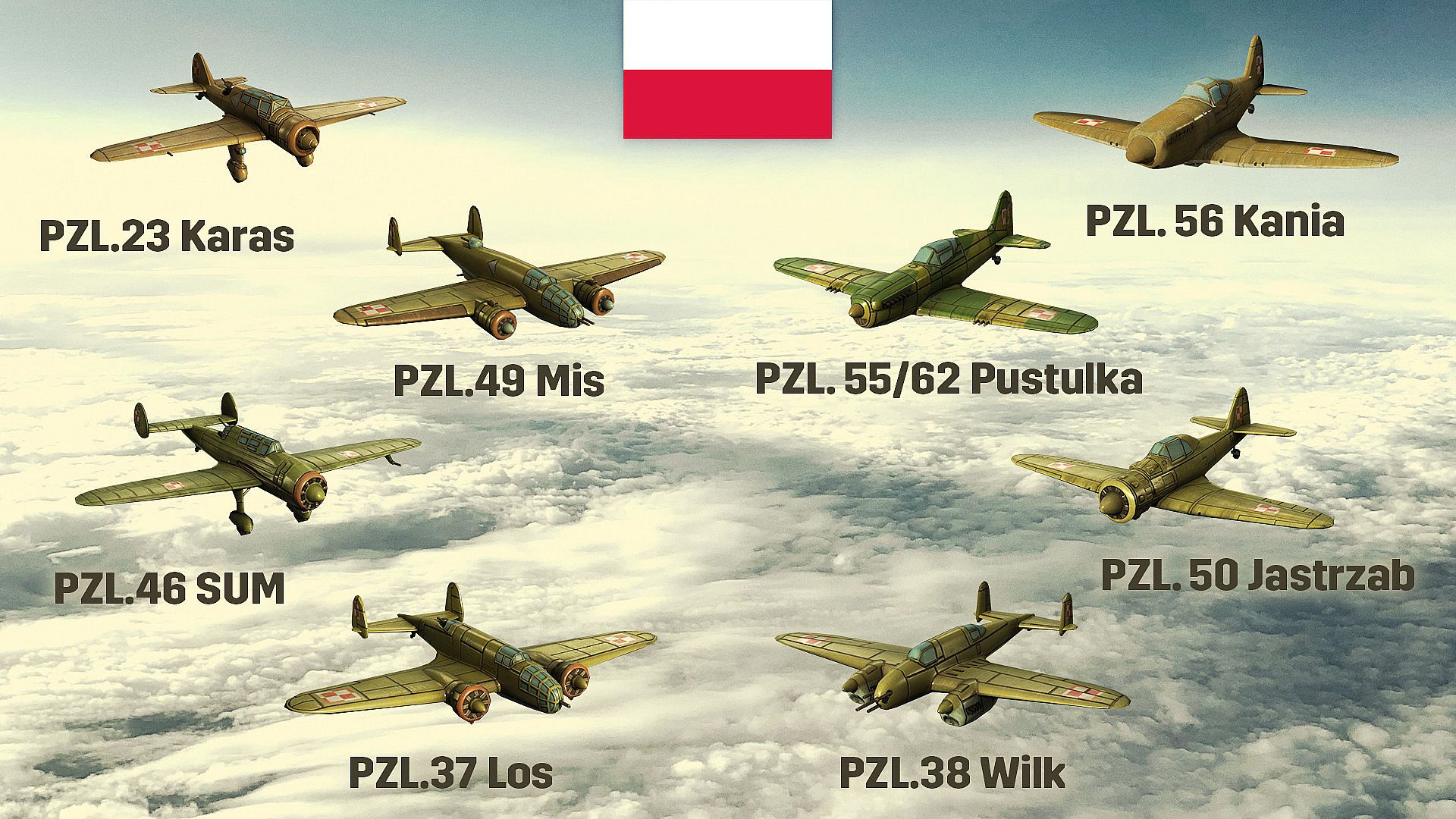
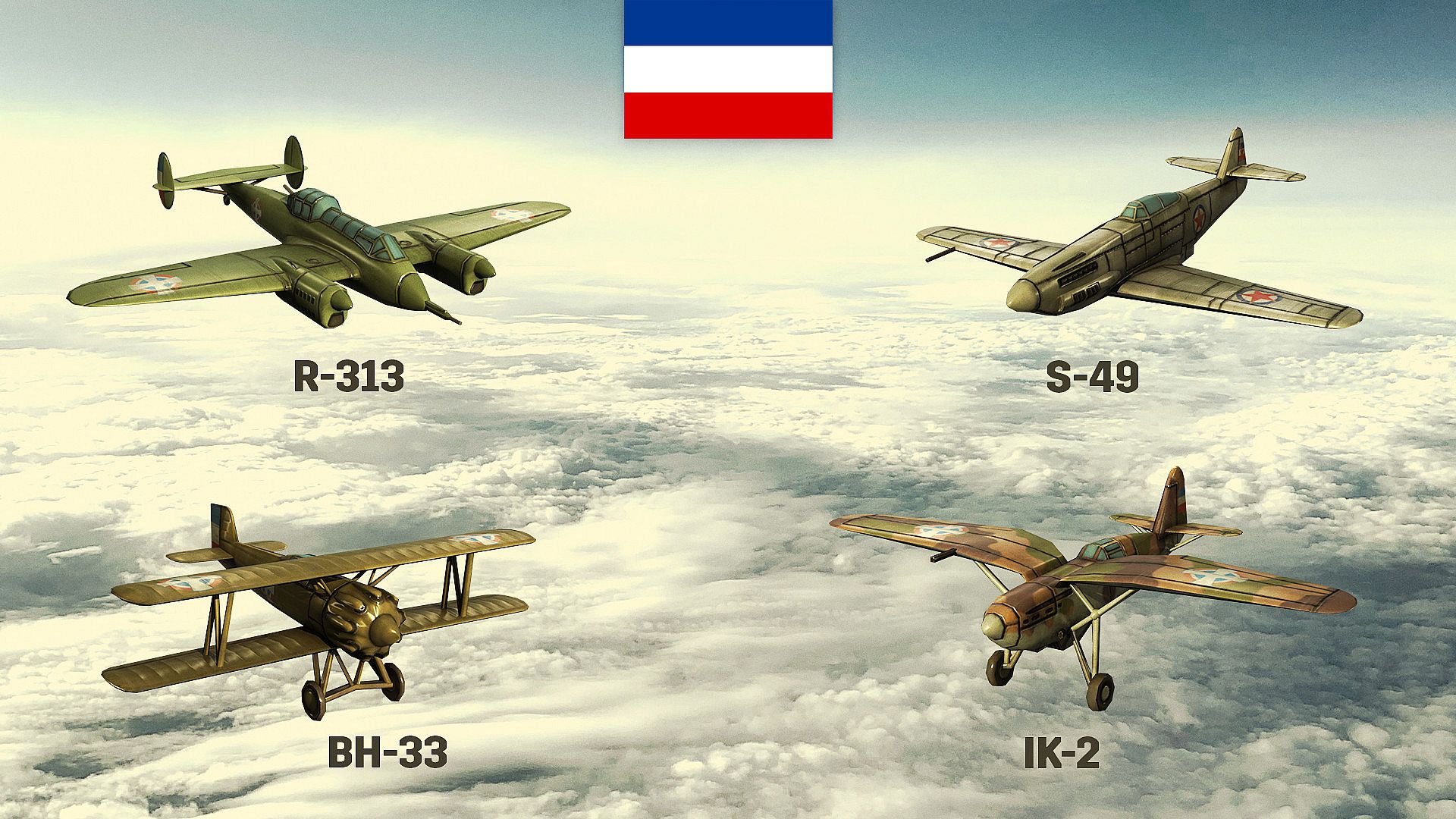
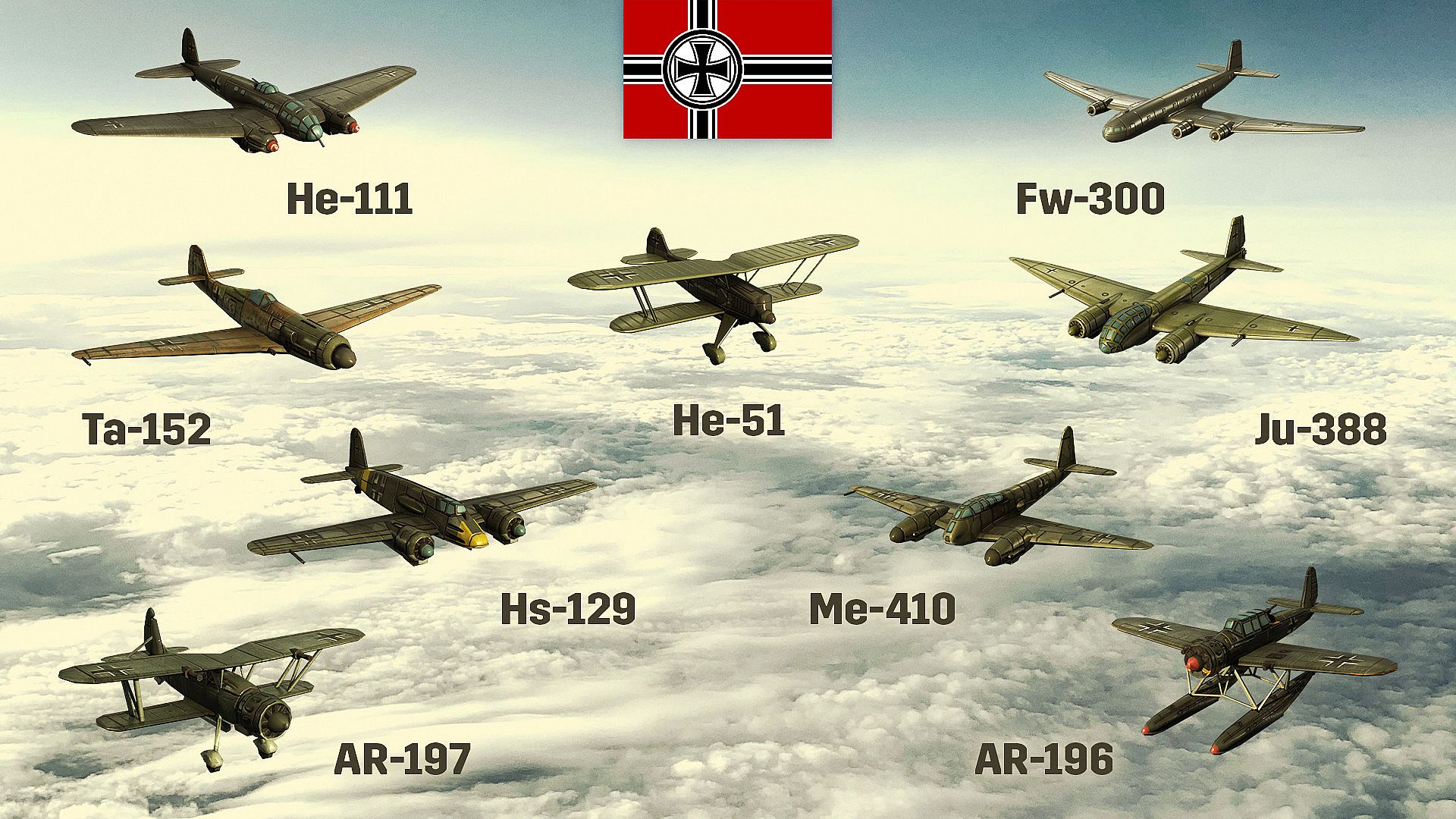
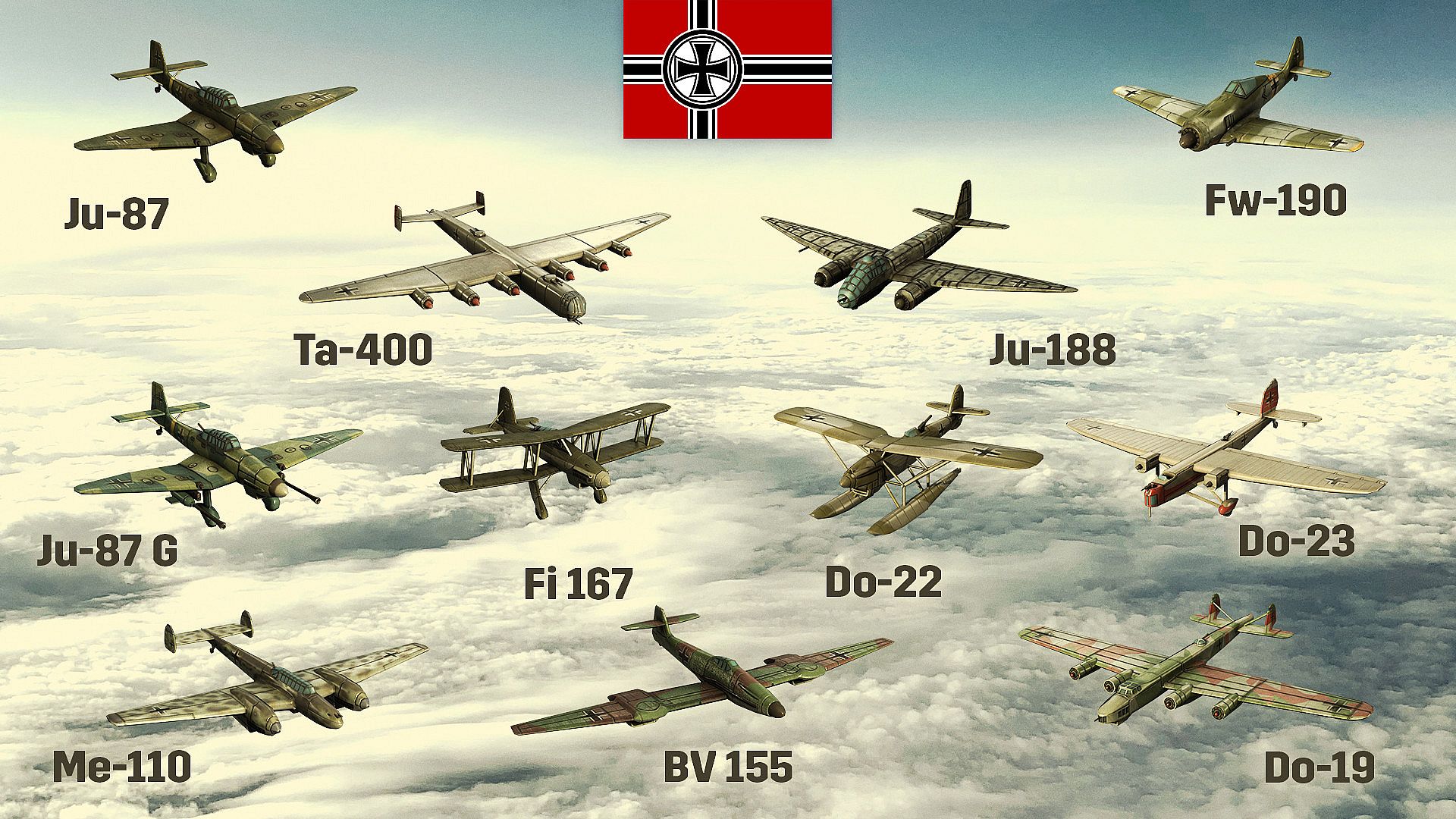
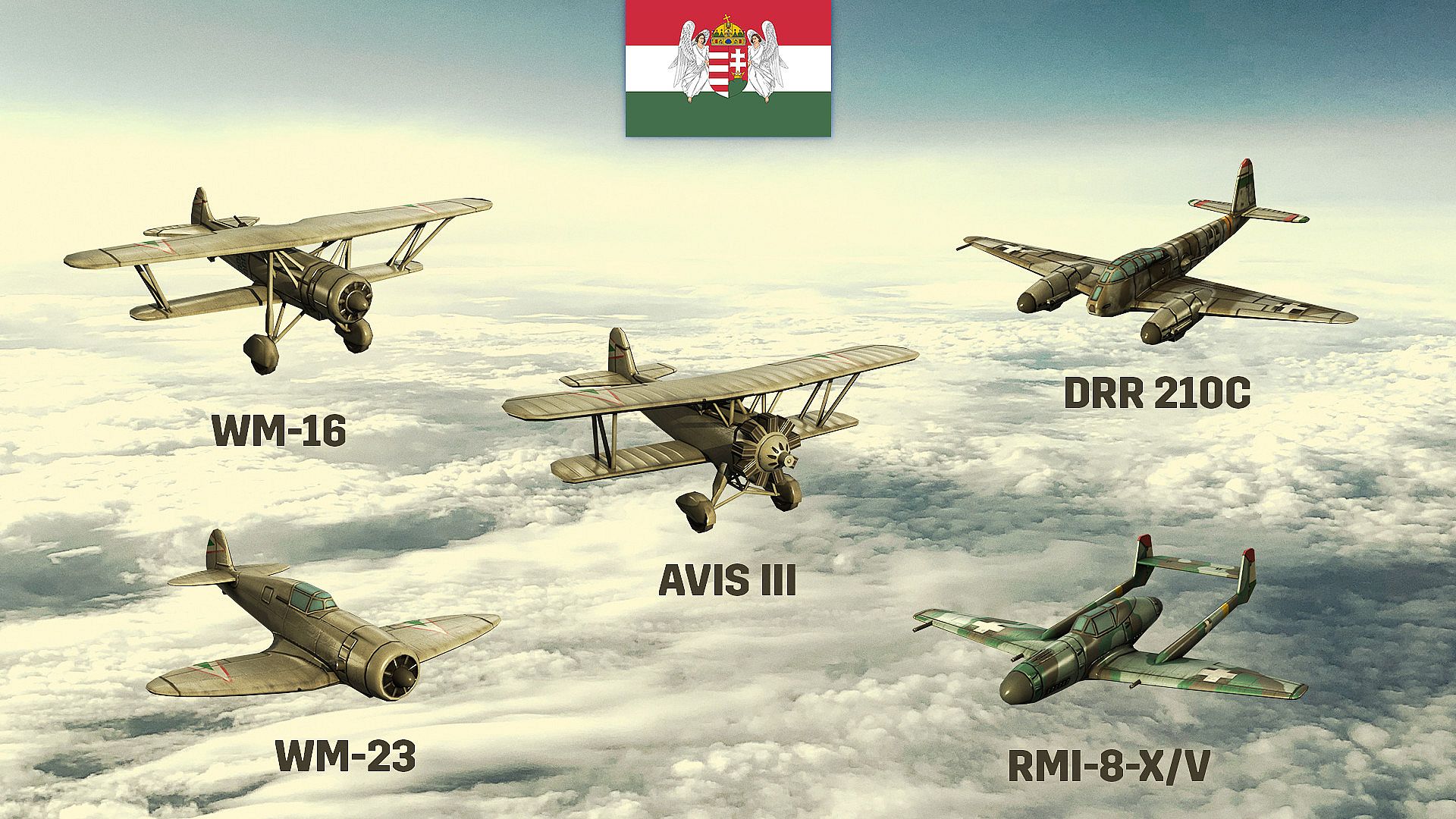
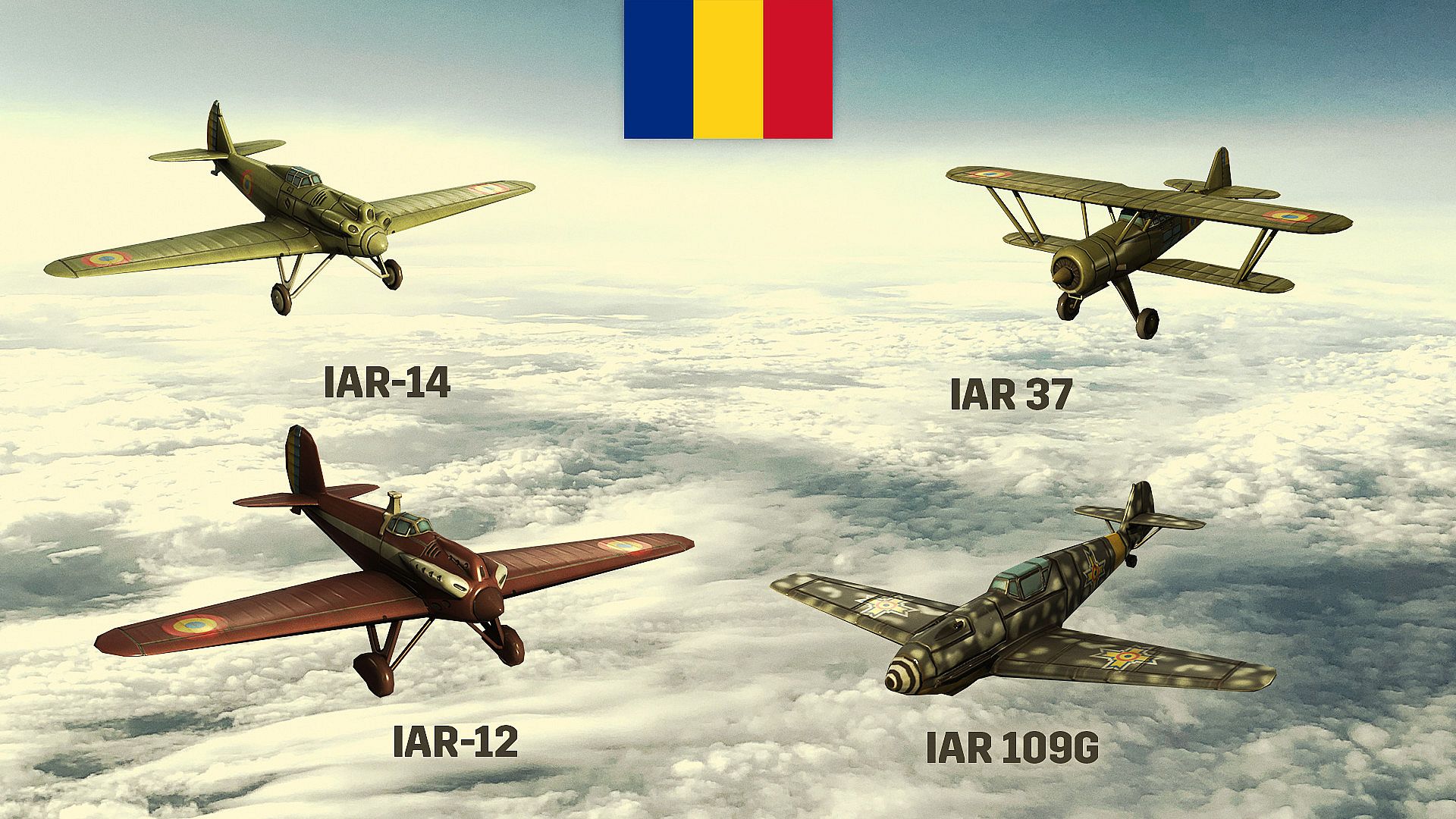
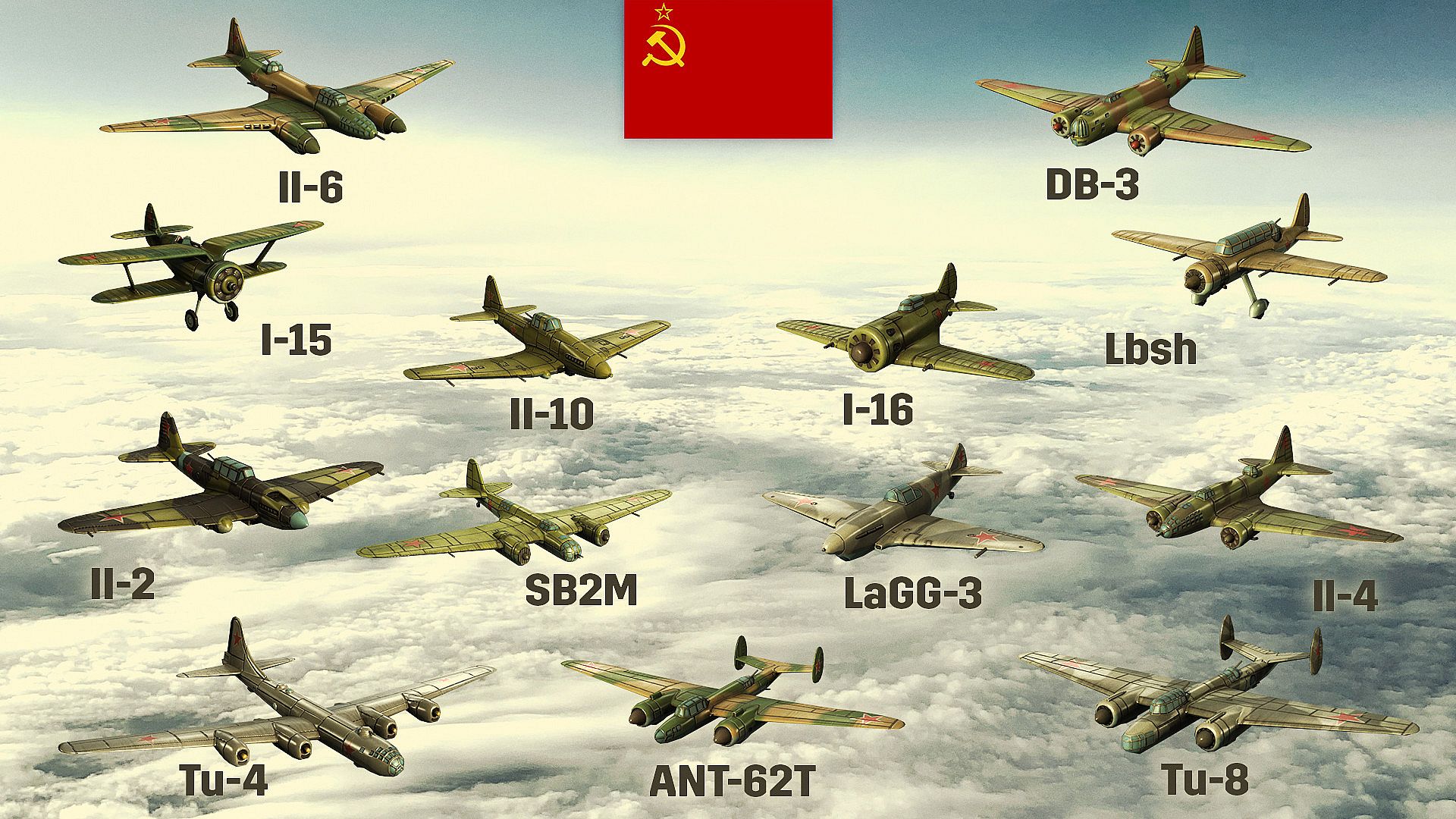
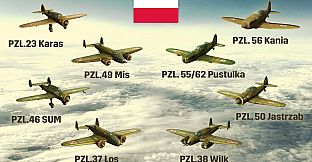
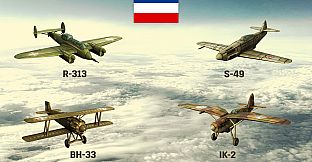
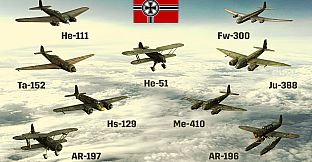
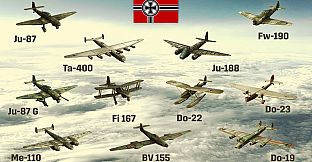
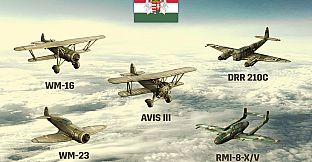
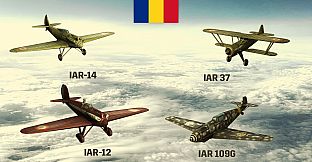
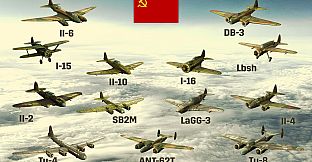
The Eastern Front Planes pack introduces more than fifty new aircraft designs across six nations. German options include variants of the Ju-87 Stuka dive bomber and He-111 medium bomber along with experimental carrier-based types. Soviet additions feature the LaGG-3 fighter, the Il-2 ground attack aircraft, and the Tu-4 strategic bomber. Polish models cover the PZL.37 Łoś bomber and prototype fighters like the PZL.56 Kania. Romanian designs add IAR fighters and the IAR 37 light bomber. Hungarian entries include the WM-16 biplane bomber and the RMI-8-X/V experimental fighter. Yugoslavian planes incorporate the BH-33 and the R-313 prototype fighter-bomber. These models integrate into existing air technology and doctrine systems without altering core mechanics.
Game Modes
Players engage through single-player campaigns or multiplayer sessions that support up to dozens of participants. Historical mode encourages events and decisions aligned with actual World War II timelines, while non-historical settings allow greater divergence through alternate national paths and alliances. Both approaches operate within the same underlying systems of production, research, and combat, differing primarily in how artificial intelligence nations respond to player actions.
Key Mechanics and Factions
Factions form through diplomacy and shared ideologies, influencing trade, military cooperation, and territorial claims. Manpower pools limit unit recruitment, while logistics networks determine how effectively forces sustain operations far from home territory. Air warfare mechanics assign planes to strategic and tactical roles, where the expanded Eastern Front models provide additional variety for nations such as Germany, the Soviet Union, Poland, Romania, Hungary, and Yugoslavia during campaigns in that region. Updates continue to refine these layers, maintaining active development years after initial release.
Is It Worth Playing?
Player feedback consistently rates the experience as very positive, with recent reviews reflecting strong approval for its depth and replayability. The simulation appeals to those who enjoy managing interconnected systems of economy, politics, and large-scale warfare over extended campaigns. Individuals seeking a focused WWII grand strategy title with ongoing content support, including visual enhancements to air units via packs like Eastern Front Planes, will find substantial value in the current version. Those preferring lighter or faster-paced strategy experiences may find the learning curve and session length demanding.