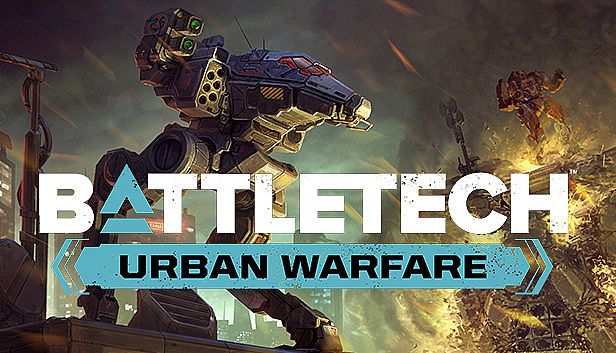

















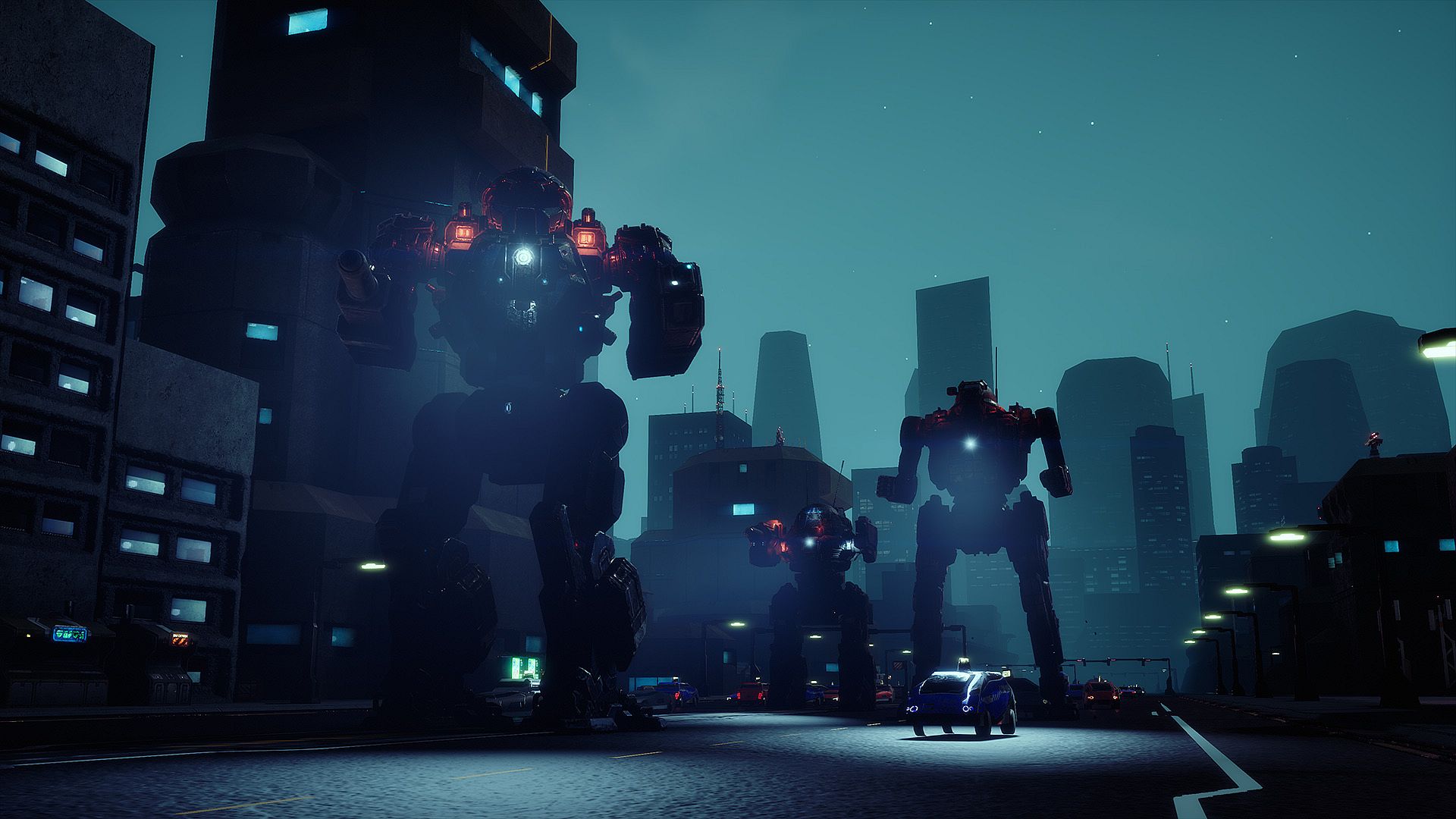
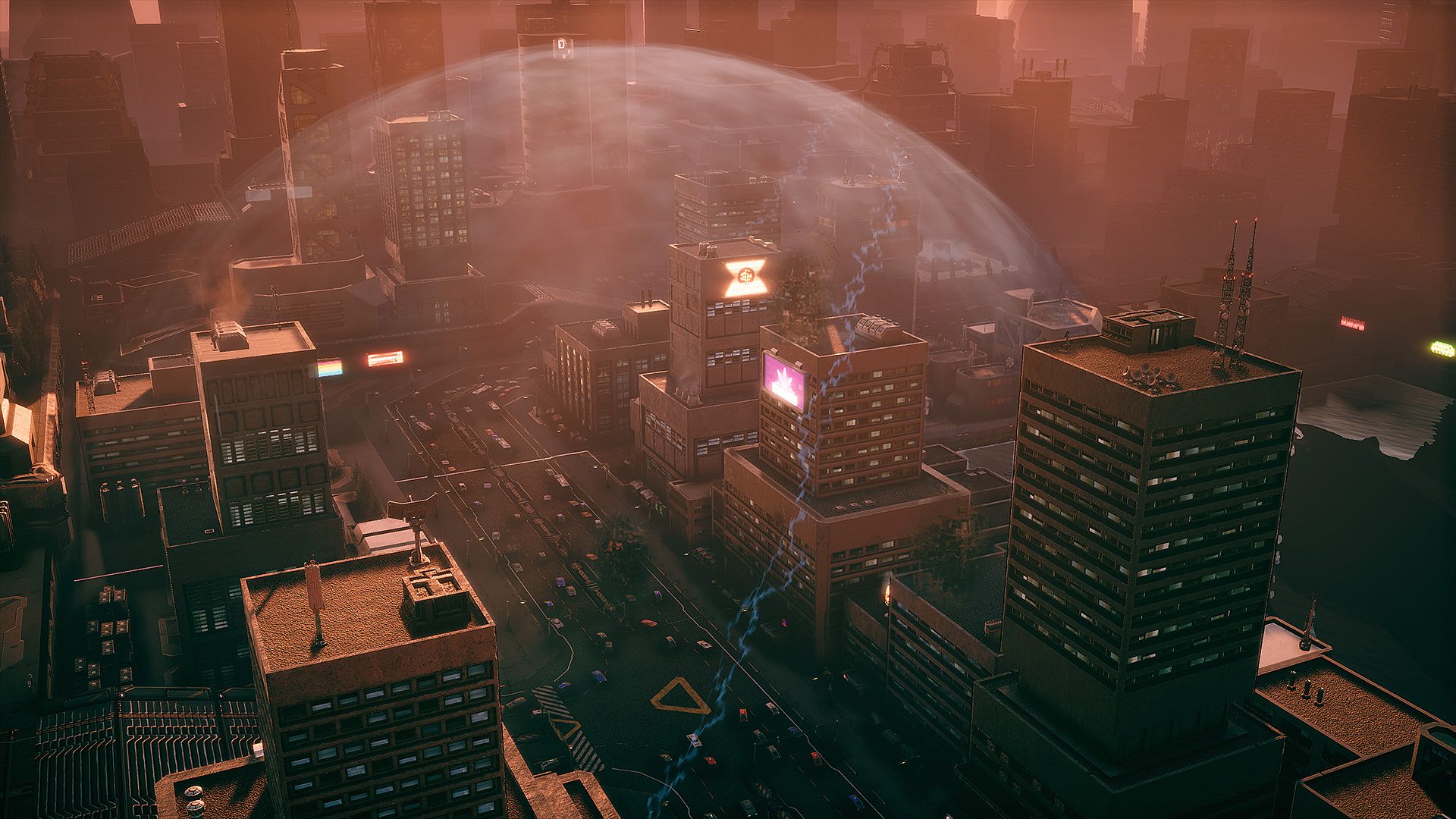

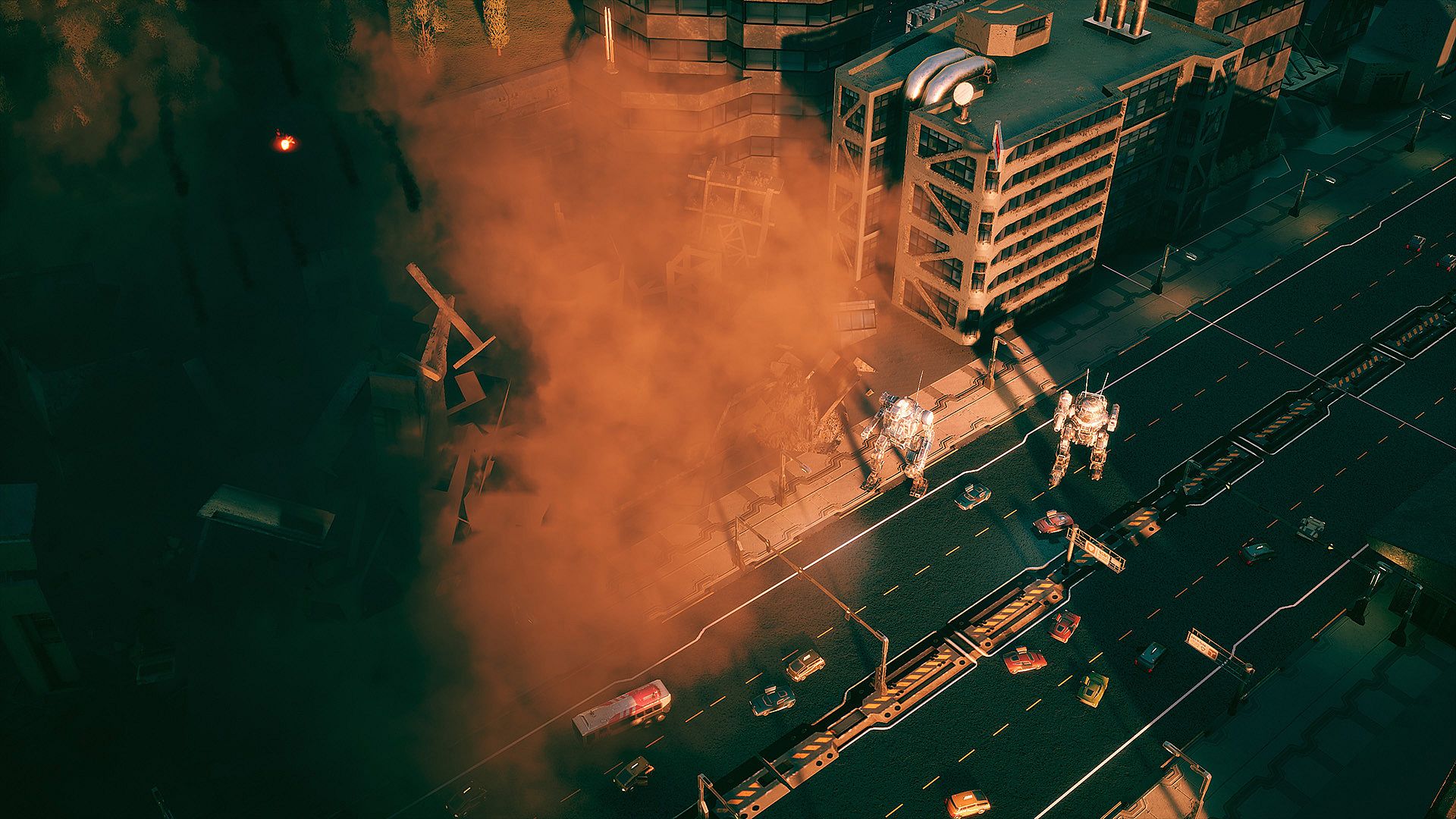
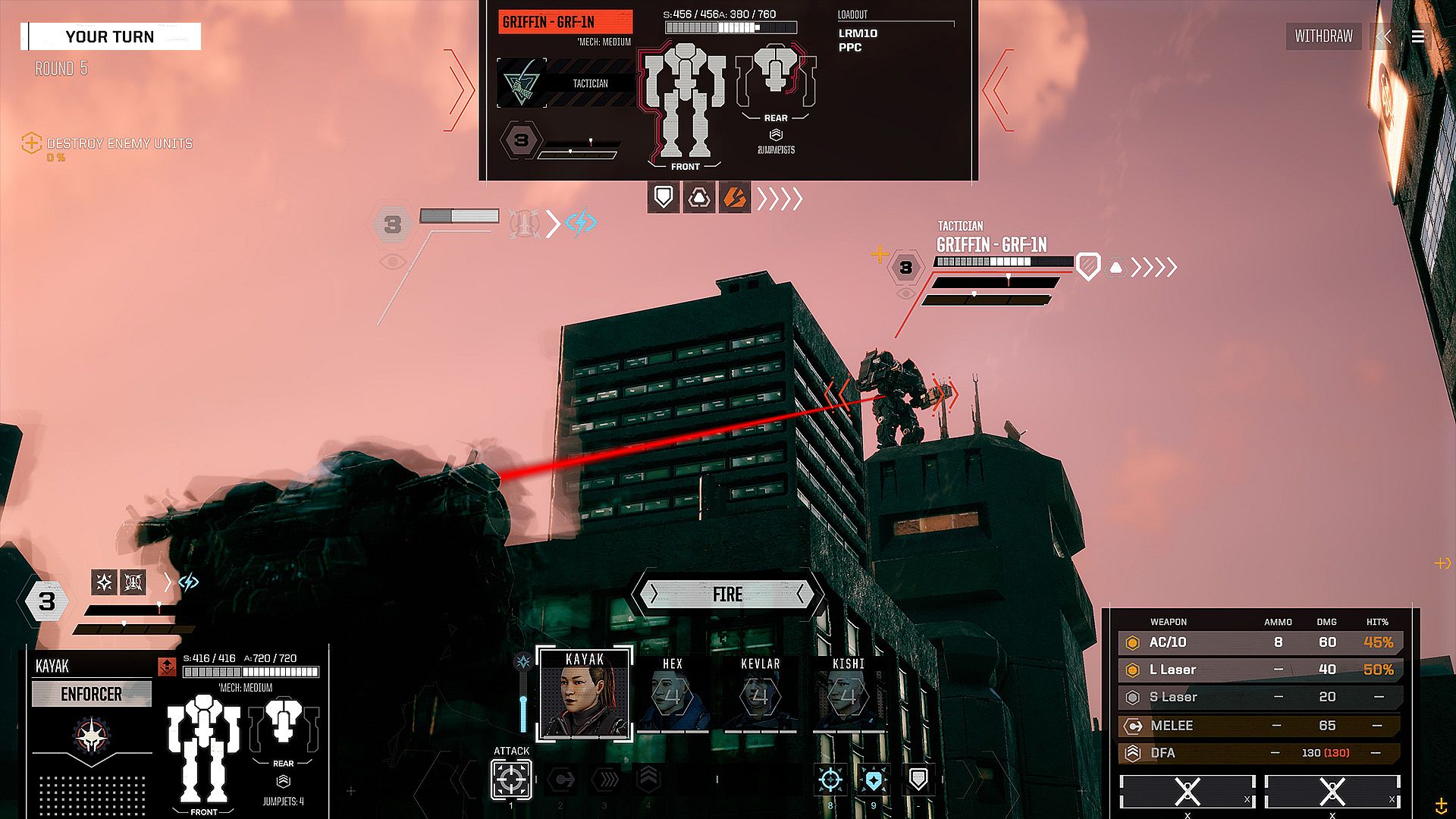
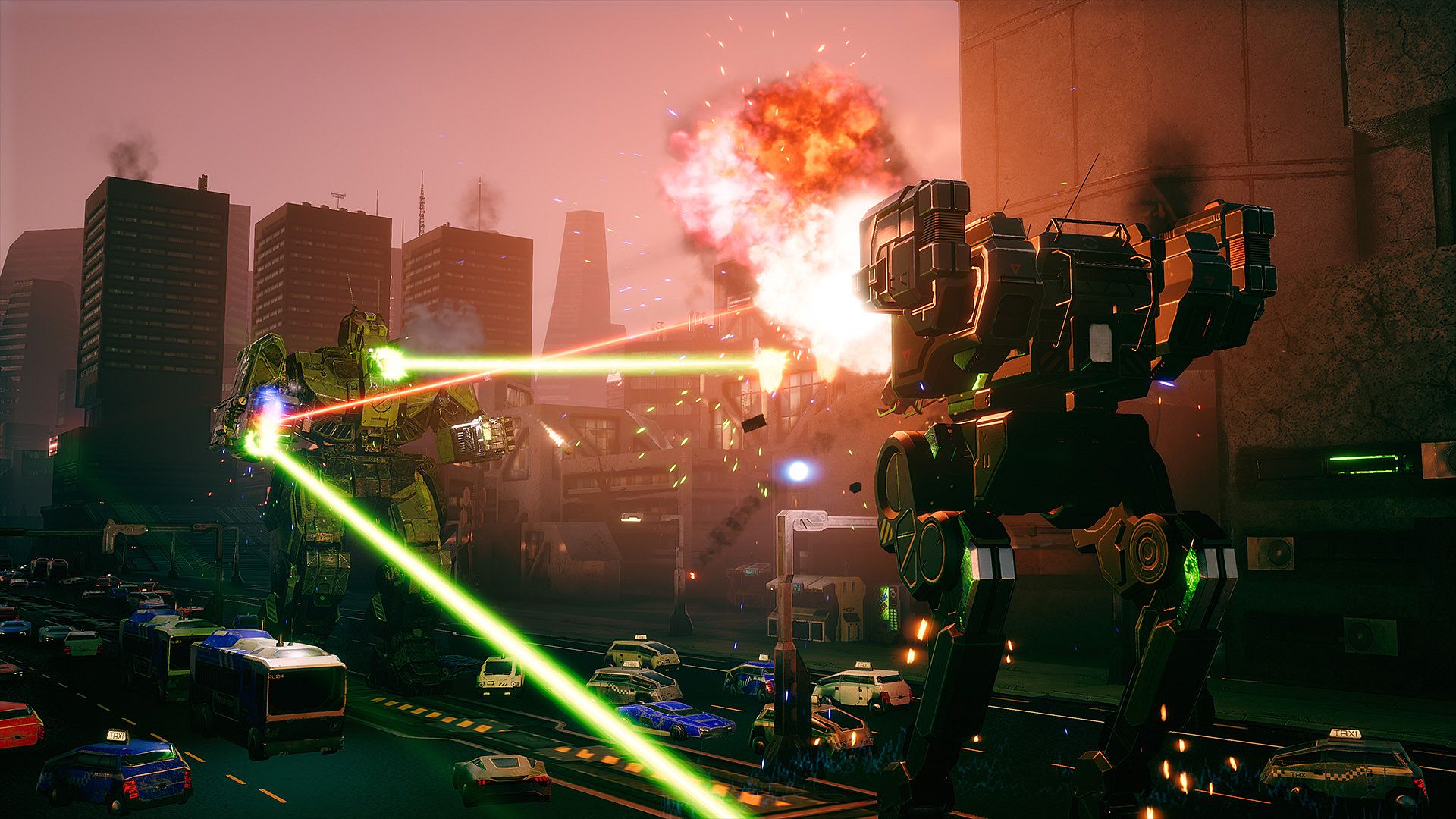
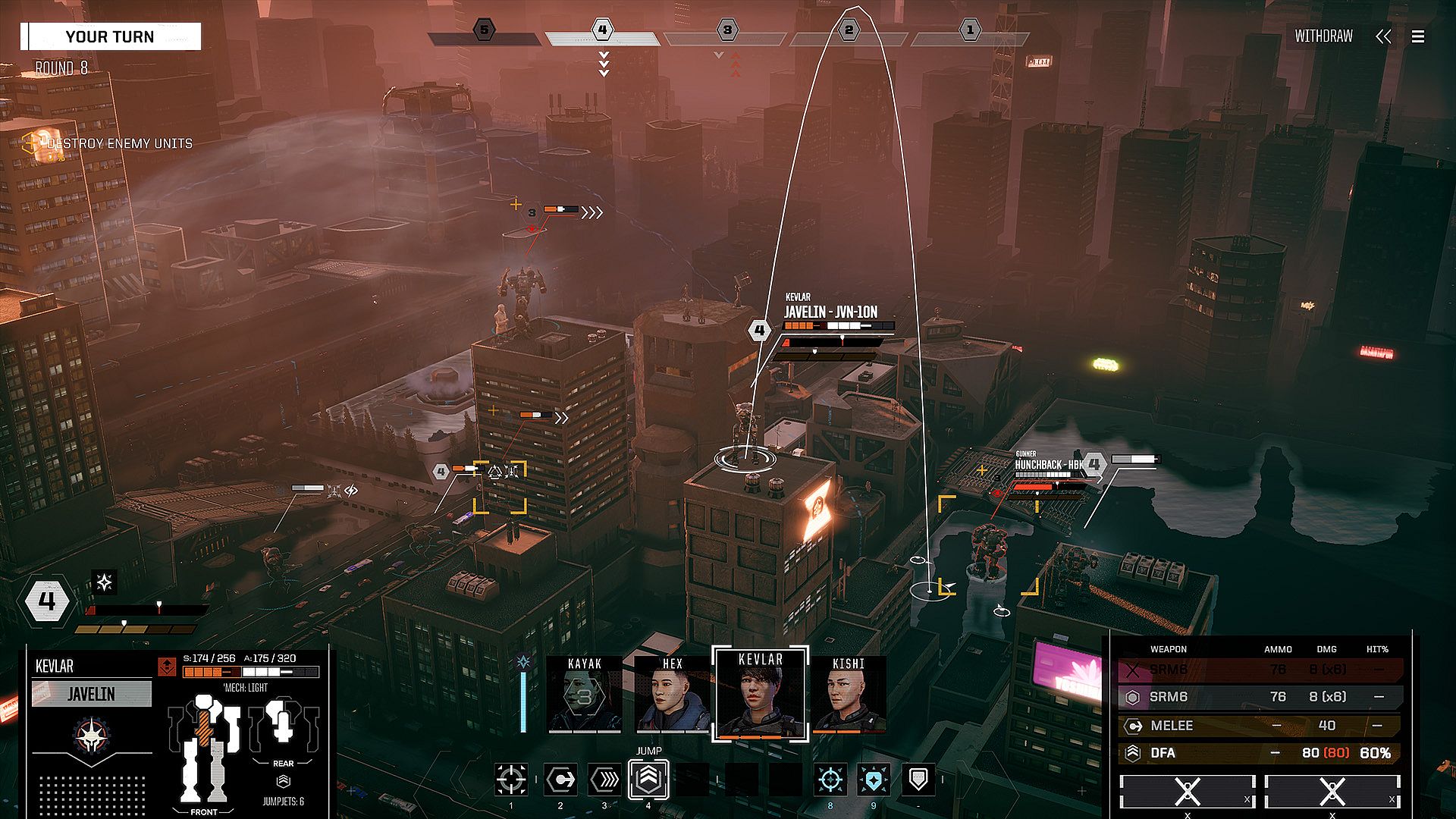
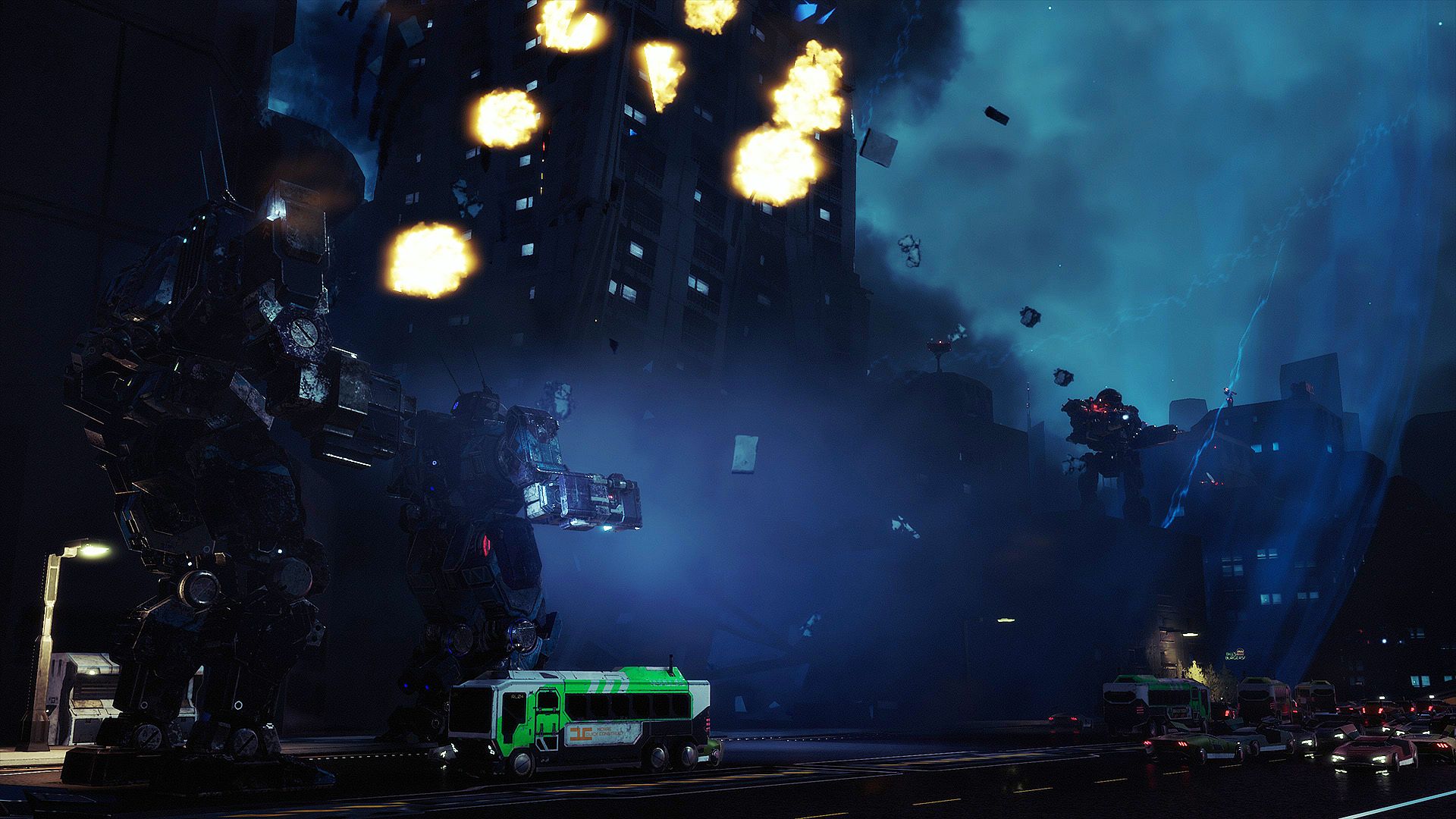
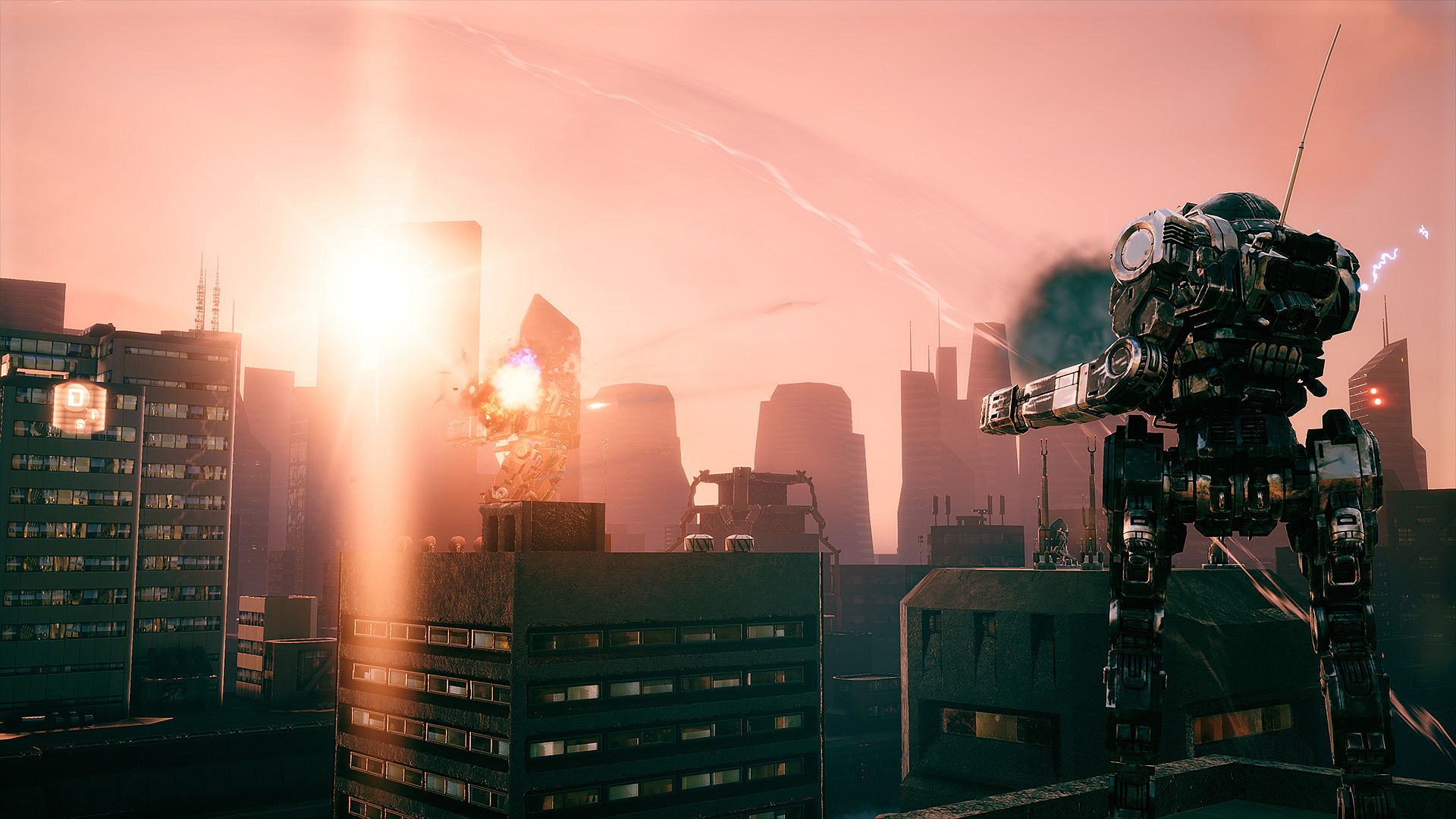
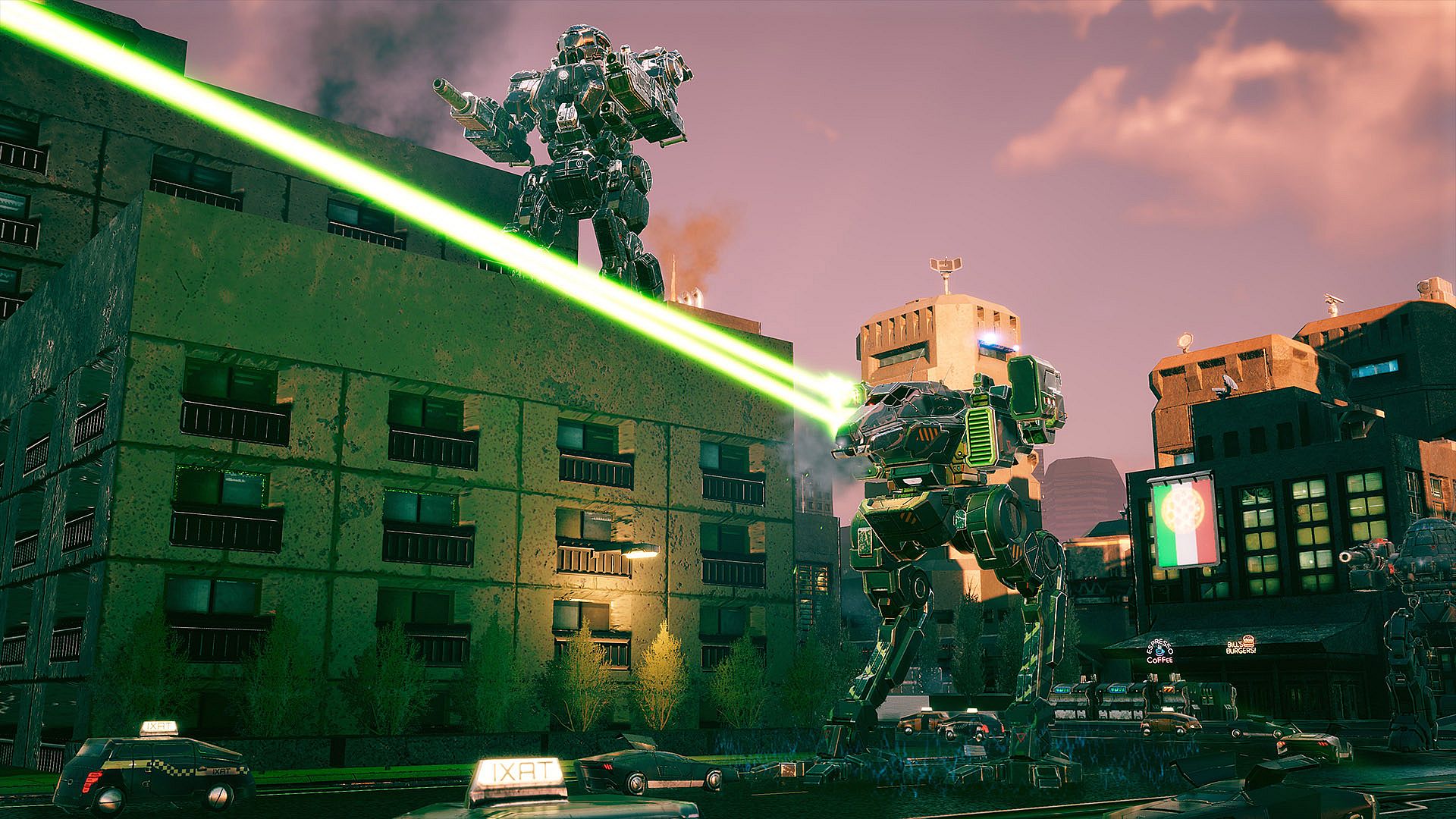
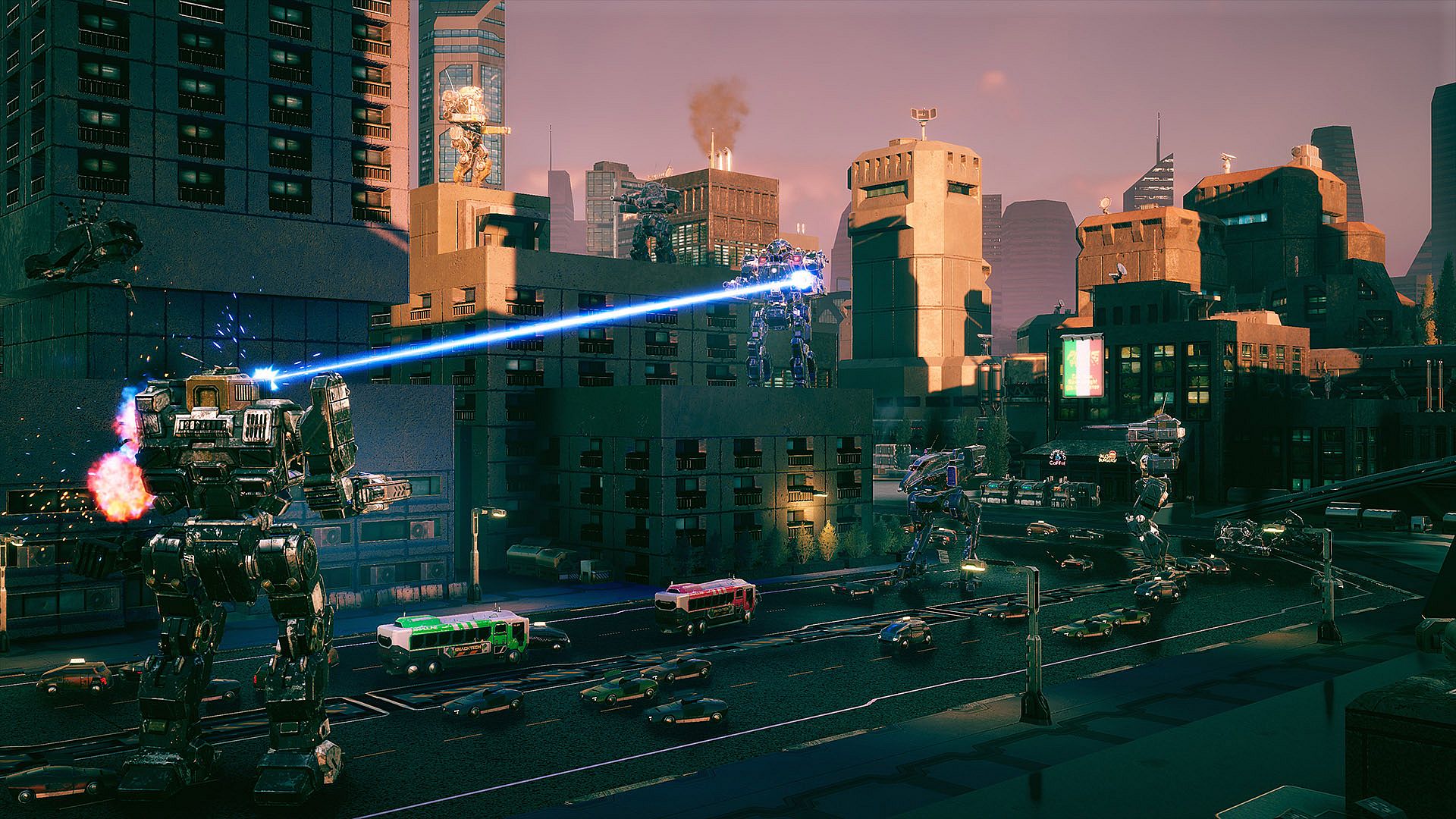
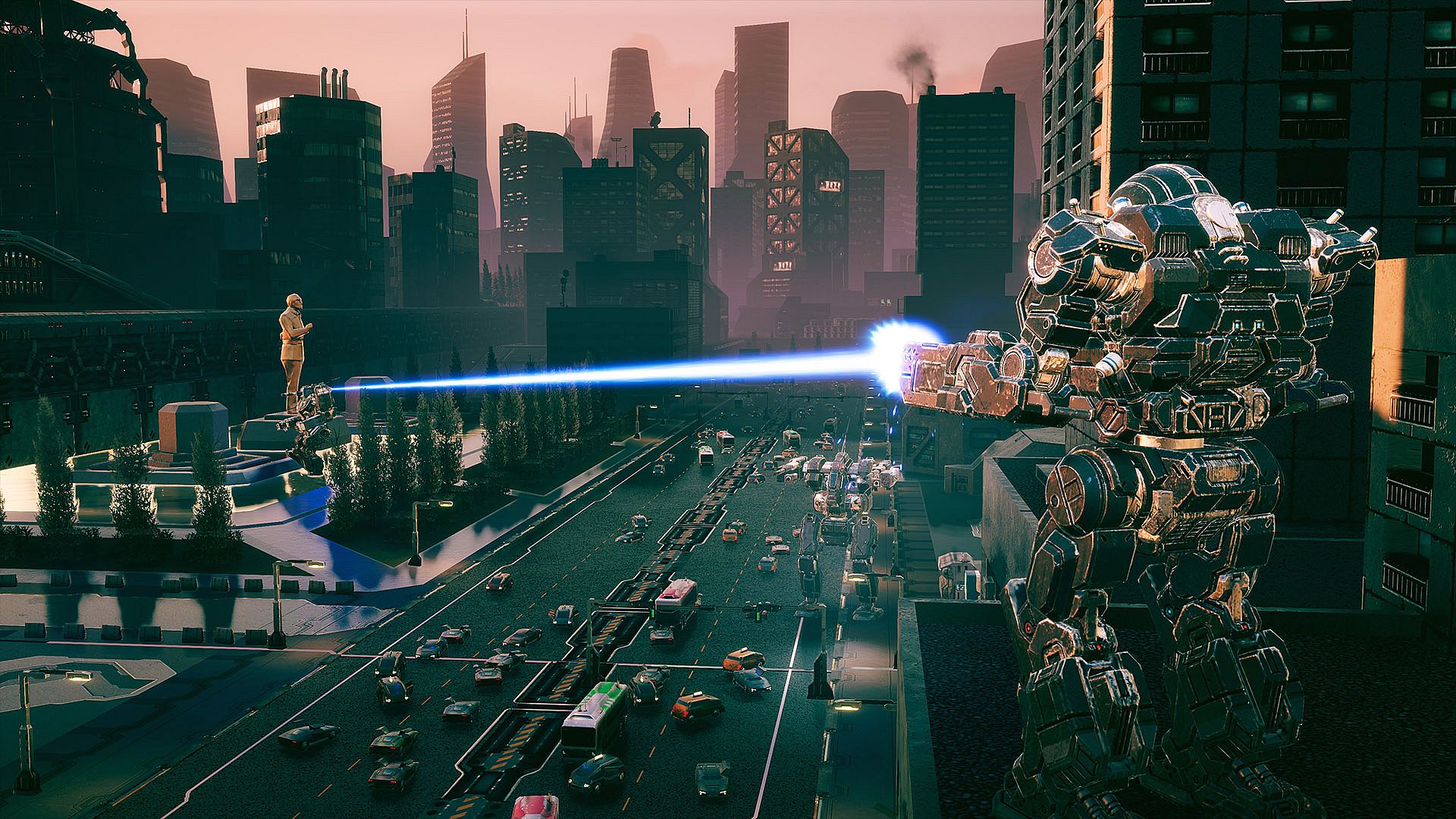
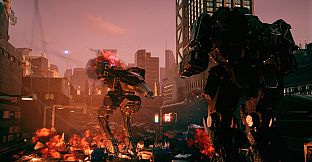

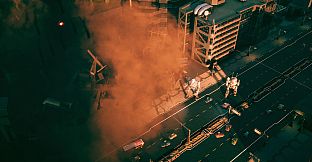
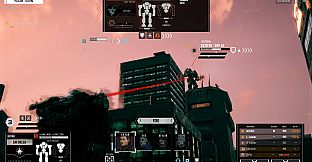
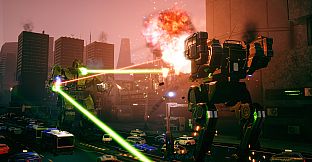
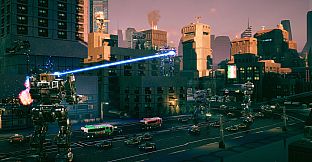
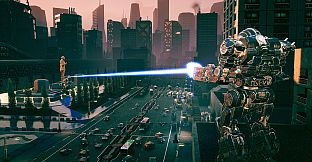
BATTLETECH Urban Warfare is a turn-based strategy expansion that shifts mech combat into dense city environments within the established Battletech universe. Players command lances of BattleMechs through missions that emphasize positioning, line of sight, and resource management in sprawling urban settings. The expansion integrates directly with the base game campaign, adding new biomes, equipment, and mission structures without altering the core turn-based combat loop of movement, targeting, and heat management.
Gameplay
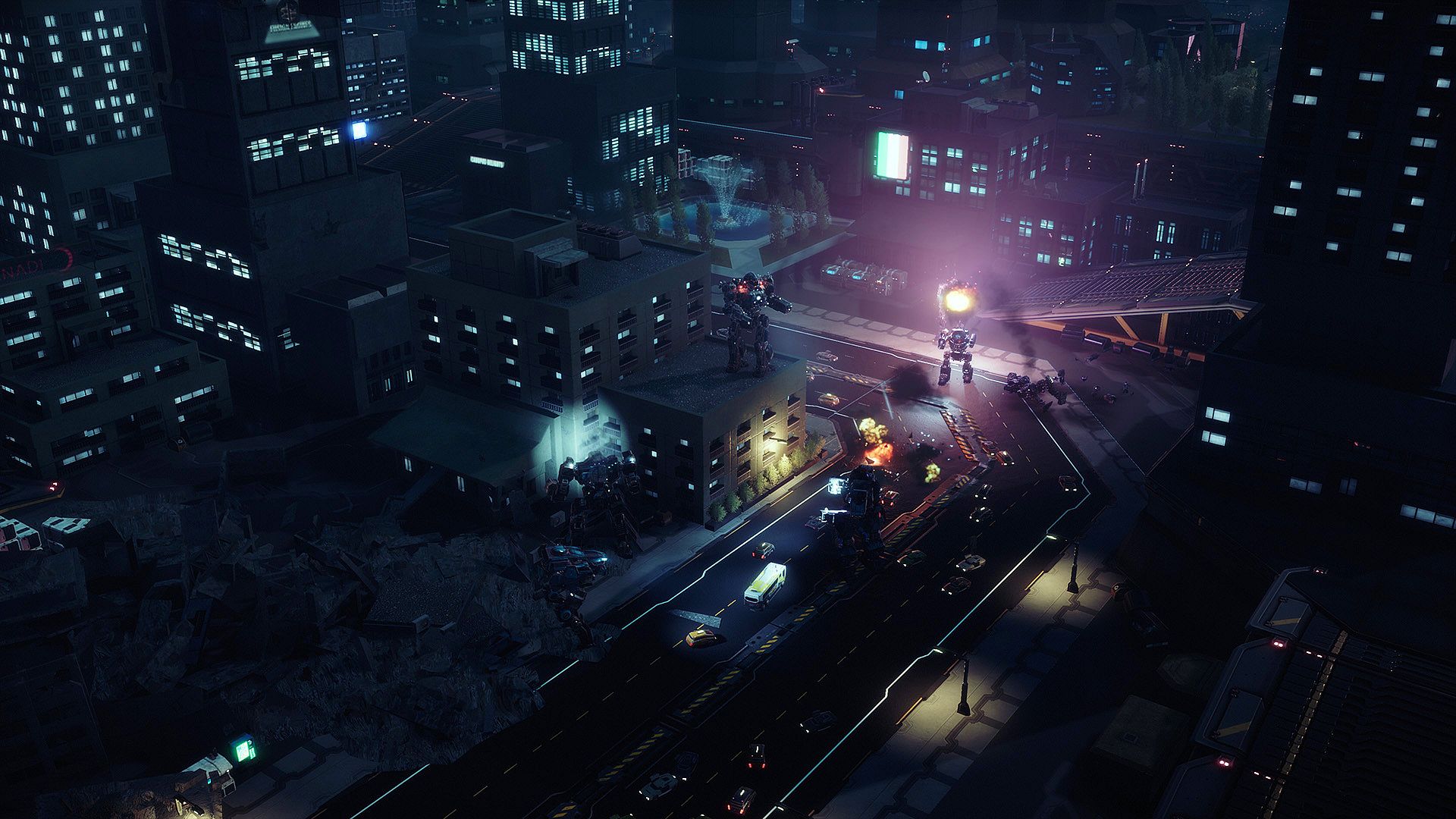
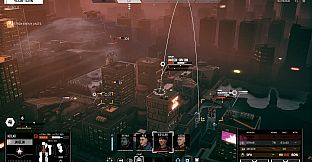
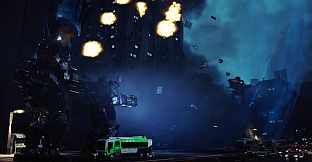
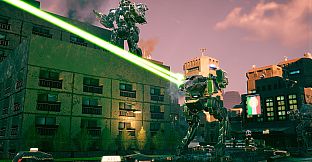
Combat takes place on fully destructible city maps where buildings block sight lines and provide cover until damaged or collapsed. Destroying structures can open new firing angles or create rubble piles for temporary protection, while certain environmental features like coolant exchangers and electrical transformers introduce ongoing effects that interfere with targeting or heat dissipation. These changes force players to adapt tactics mid-battle as the battlefield evolves with each salvo.
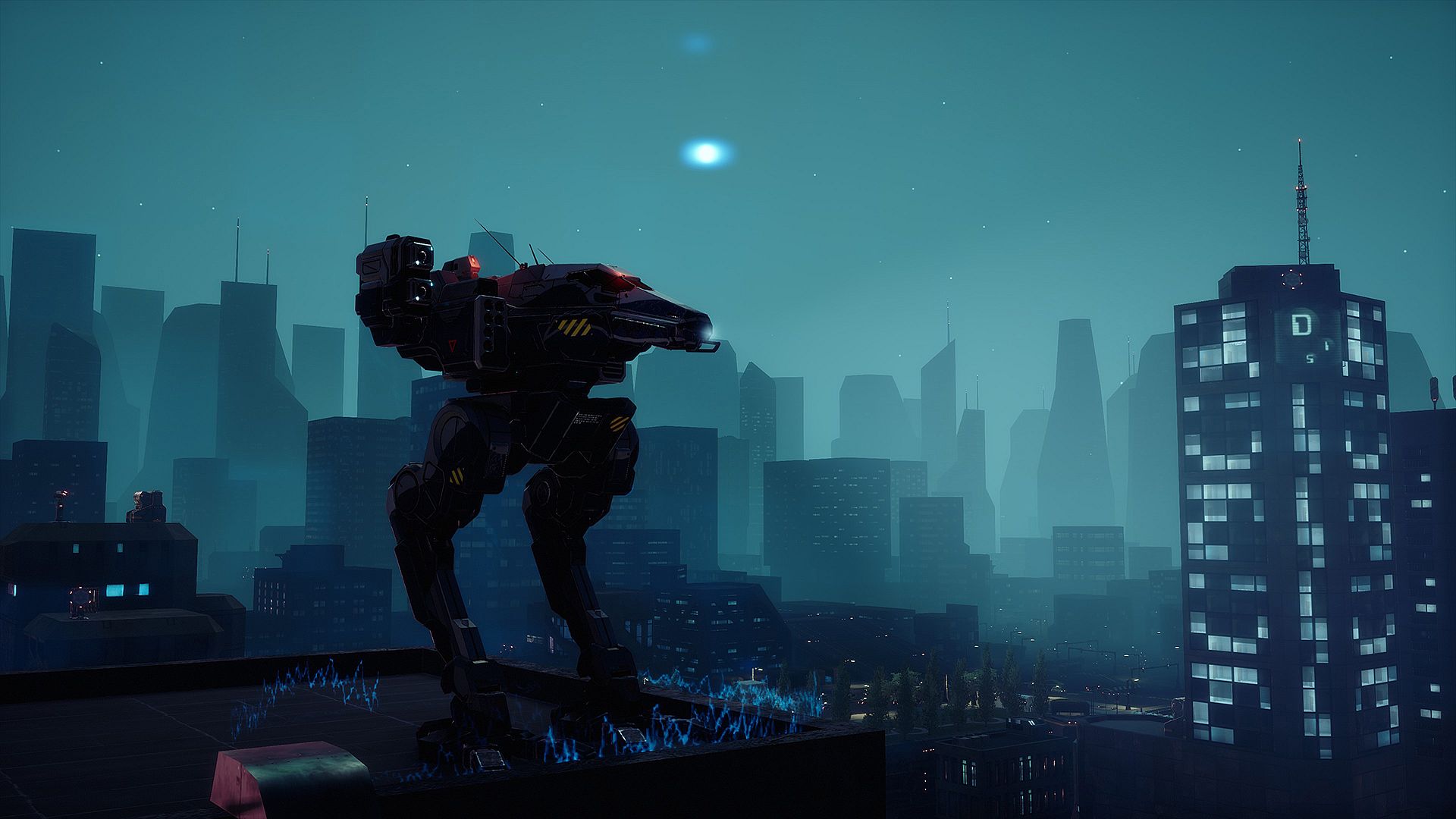
Electronic warfare systems return as key mechanics. Mechs equipped with ECM obscure nearby allies from enemy sensors and block indirect fire, while Active Probe units detect and mark hidden opponents for targeting. The Raven 1X combines both systems in a single lightweight package suited for scouting roles. The Javelin offers a balance of mobility and close-range firepower for aggressive engagements. Enemy forces gain supporting vehicles including the agile Gallant Urban Assault Tank with multi-range weapons, the Packrat equipped with prototype ECM, and the Rotunda carrying prototype Active Probe technology.
These additions create layered decision-making around sensor ranges, cover usage, and priority targeting. Light mechs gain renewed value for flanking and probing, while heavier units benefit from the new defensive options provided by rubble and disrupted enemy coordination.
Game Modes
The expansion introduces Attack and Defend as a distinct mission type. In these scenarios, players must push forward to eliminate an enemy base generating reinforcements while simultaneously protecting their own employer installation from waves of attackers. Success requires balancing offensive progress against defensive endurance, often under pressure from sustained enemy pressure.
Flashpoints appear as linked chains of mercenary contracts. Each sequence weaves together combat missions, crew dialogue events, branching choices, and occasional bonus rewards. The urban setting influences these stories through new environmental hazards and tactical constraints that shape how objectives unfold across multiple stages.
Standard campaign missions also incorporate the new urban biome, allowing players to select city maps when available and experiment with the expanded equipment roster in familiar contract structures.
The Urban Battlefield
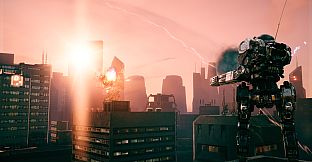
City maps feature tall structures that create narrow corridors and vertical sight lines absent from open terrain. Rubble from collapsed buildings alters movement costs and provides fresh cover options as fights progress. Environmental interactions extend beyond destruction to include targeted strikes on utility buildings that impose temporary debuffs on enemy accuracy or heat efficiency.
These elements reward careful positioning and timing. Players learn to use ECM to mask advances, Active Probes to strip concealment from foes, and building demolition to reshape the engagement area. The result is a more claustrophobic and reactive style of mech combat compared to rural battlefields.
Is It Worth Playing?
BATTLETECH Urban Warfare requires ownership of the base game and adds targeted content focused on urban tactics and electronic warfare. Player reception on Steam sits at mixed levels, with feedback highlighting the fresh challenges of city maps and the utility of new systems while noting performance considerations in dense environments. The expansion suits players who enjoy the base game's turn-based strategy and want additional variety in mission design and equipment choices. Those seeking deeper campaign integration through flashpoints and a new encounter format will find the most direct value, particularly if they appreciate adapting established mech loadouts to restricted sight lines and sensor warfare. The content remains available as a one-time addition with no ongoing seasonal updates required for play.