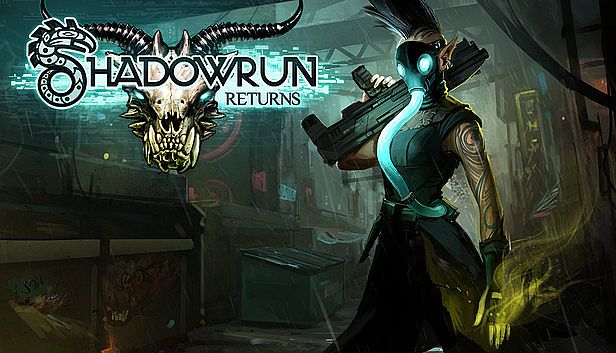





















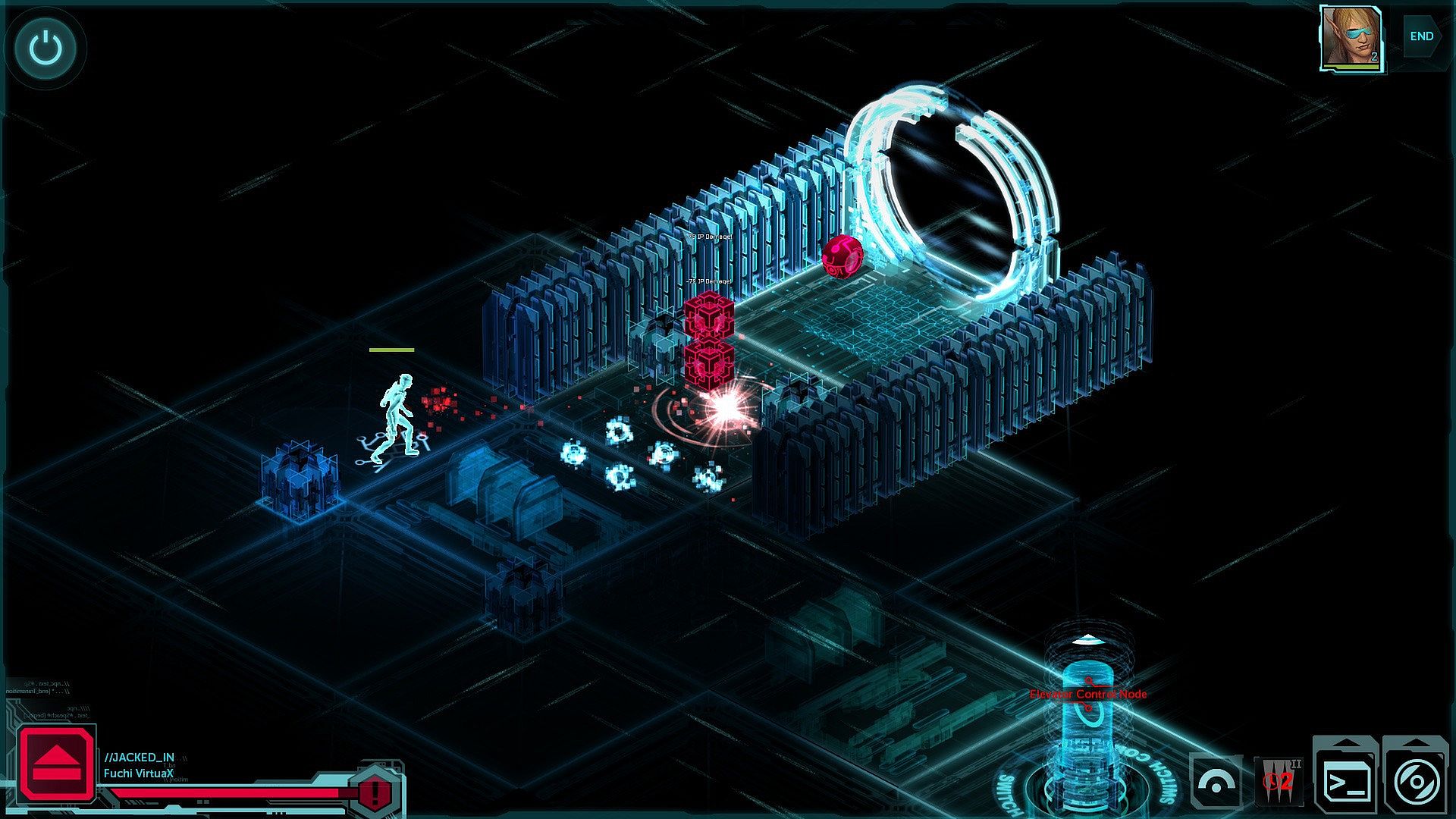
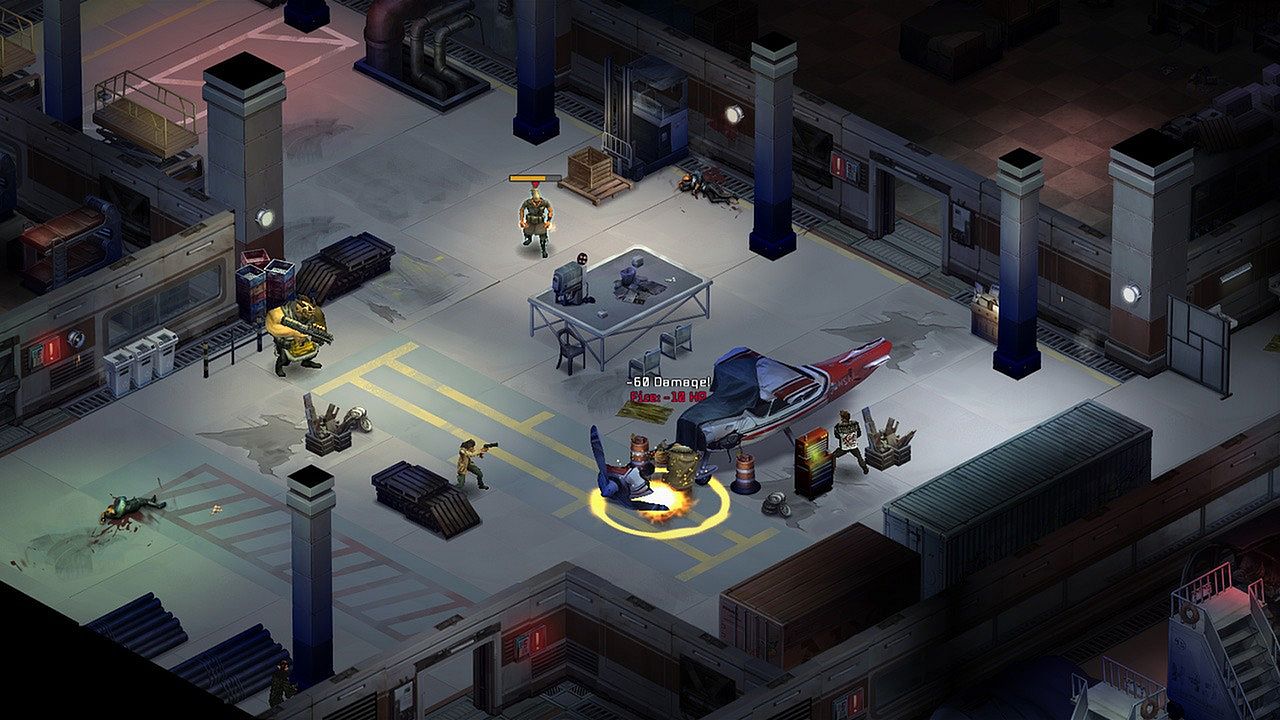
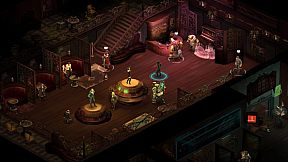
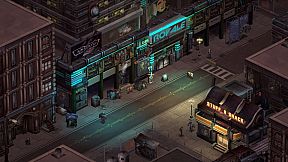
Shadowrun Returns is a single-player turn-based tactical RPG set in a cyberpunk world where magic has returned to Earth. Players take on the role of a shadowrunner operating in the Seattle metroplex during the year 2054, navigating a society shaped by megacorporations, advanced technology fused with biology, and mythical creatures. The game emphasizes strategic decision-making in combat alongside character customization that draws from both technological and magical disciplines.
Gameplay
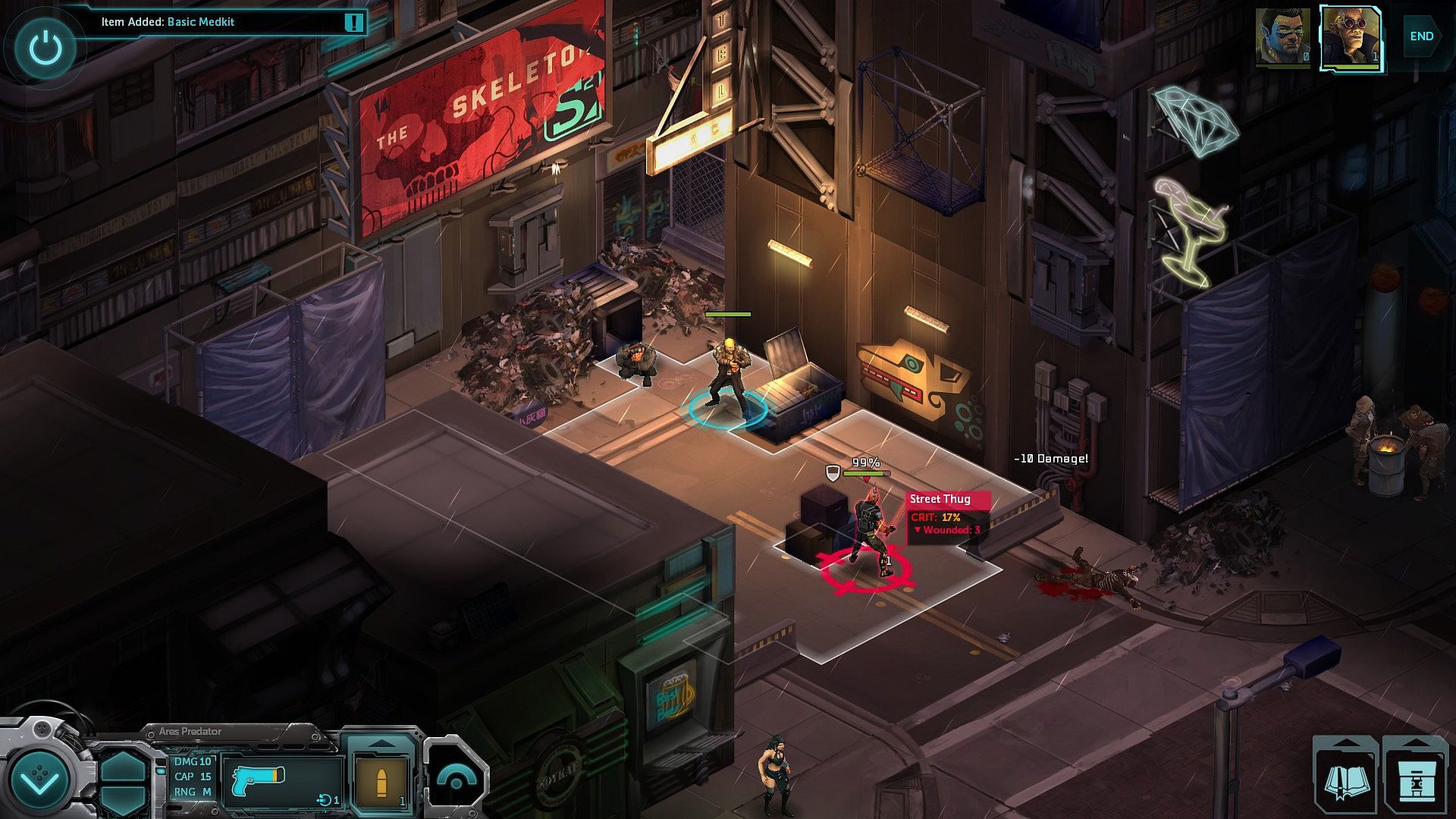
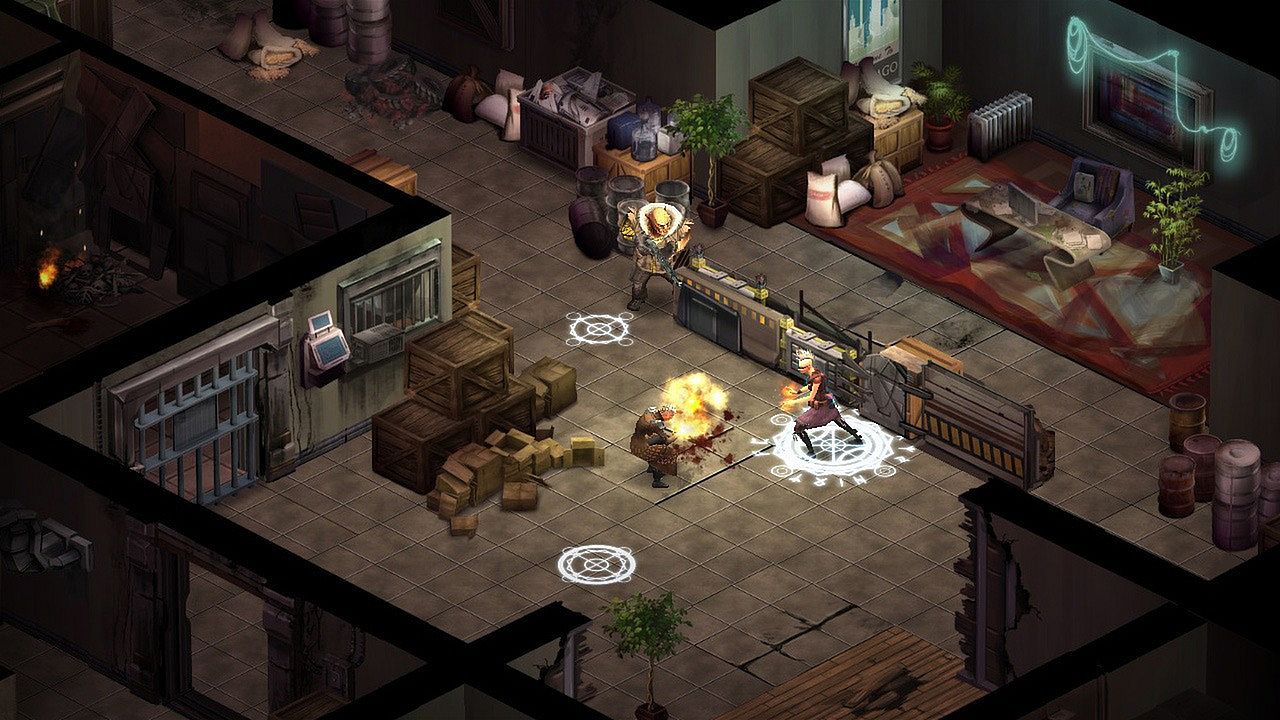
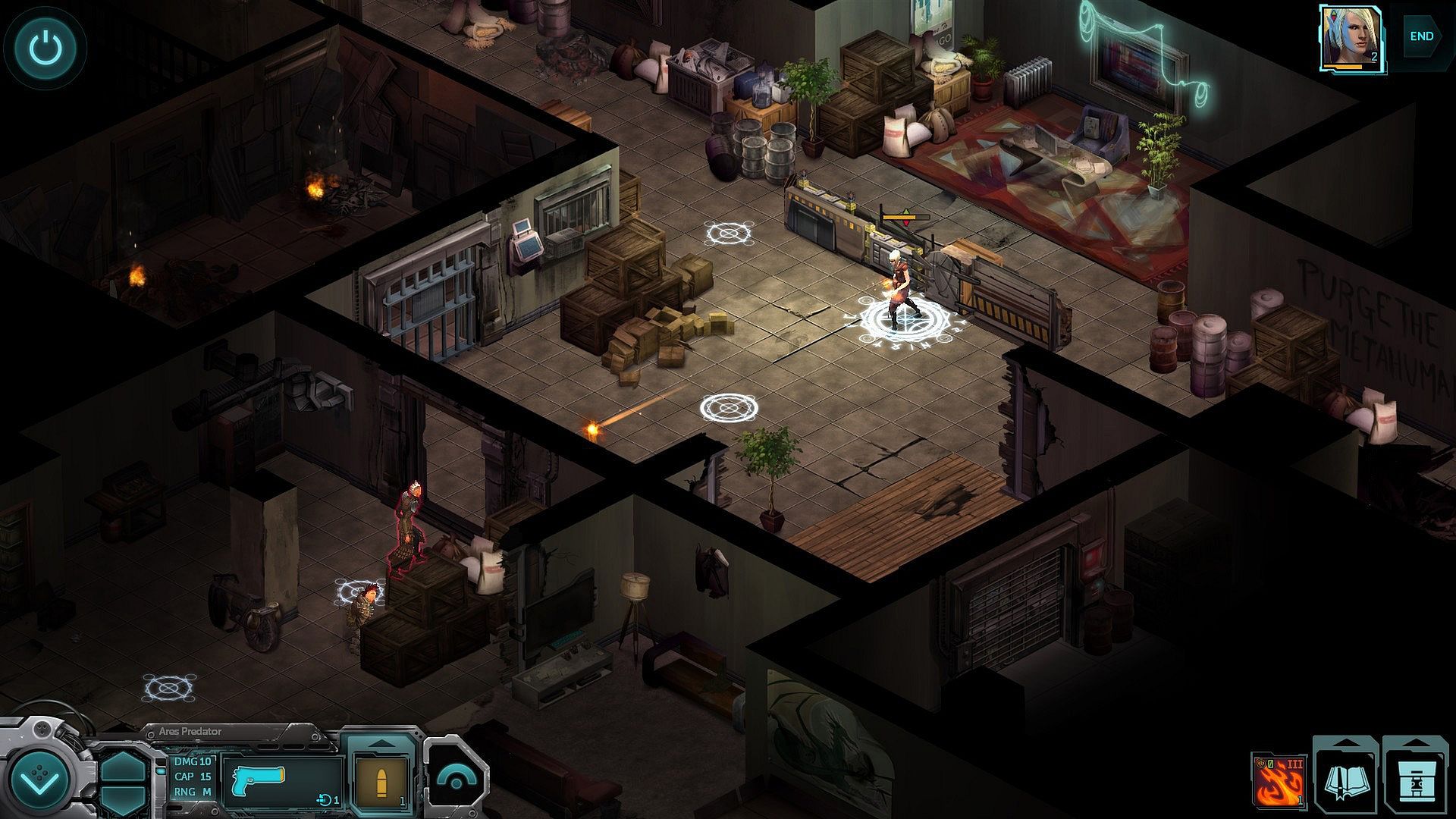
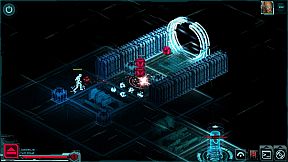
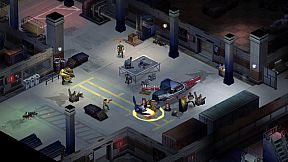
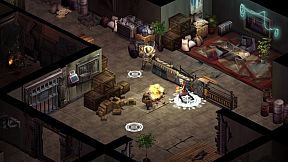
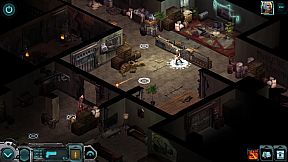
Combat unfolds in a grid-based system where positioning determines outcomes. Each turn allows actions such as moving into cover, engaging in melee, firing weapons, or casting spells that affect multiple targets. Success depends on assembling a balanced team of runners who combine combat prowess, technological hacking, and magical summoning. The system rewards careful planning over brute force, as enemies range from corporate security to awakened beasts.
Character development follows a classless skill system. Players begin with an archetype such as Street Samurai for physical combat dominance, Shaman for spirit summoning, or Decker for digital infiltration. Skills can be mixed freely, allowing an ork Shaman to later incorporate cybernetic enhancements and weapon expertise. This flexibility supports varied playstyles within the same run.
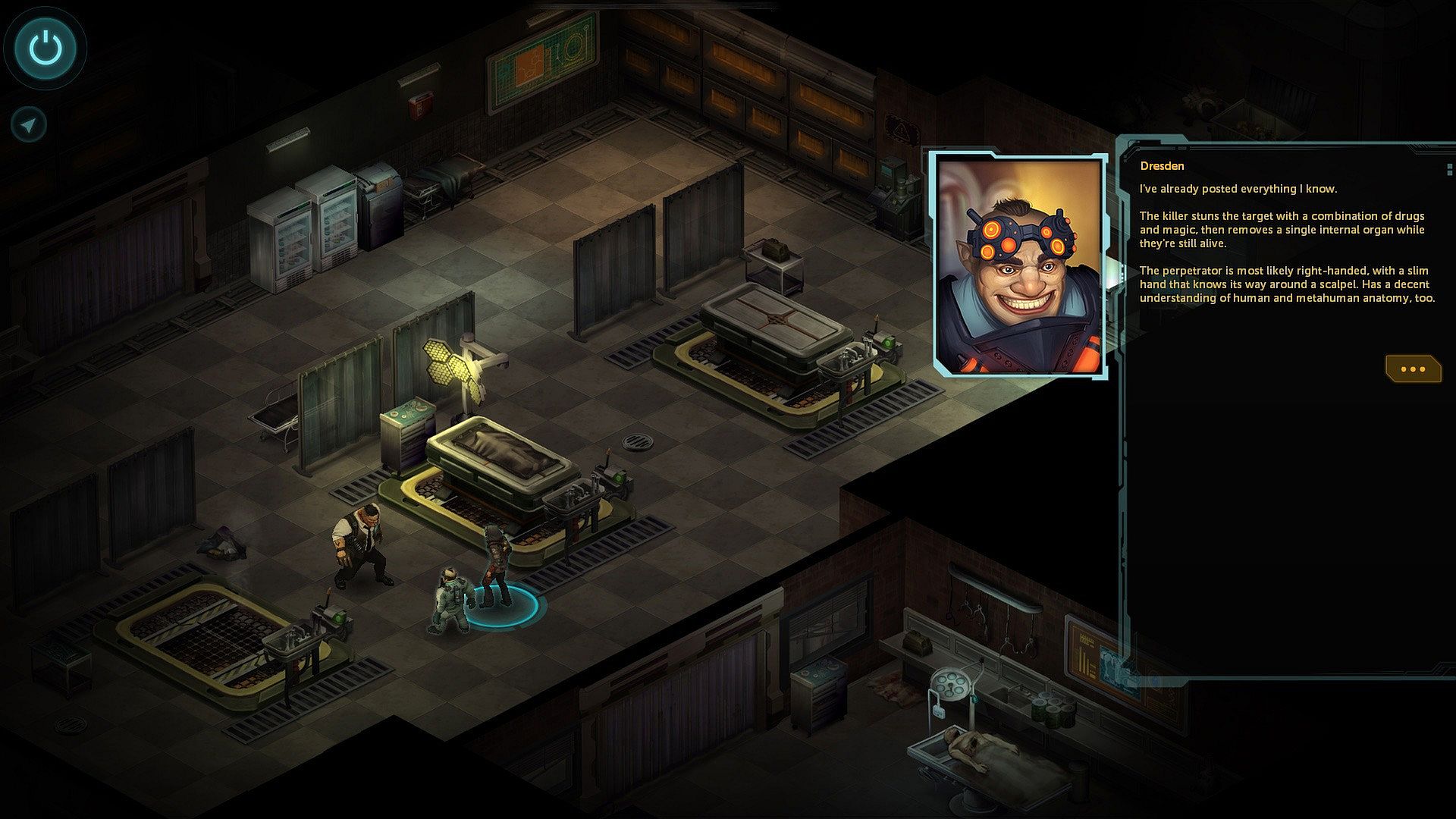
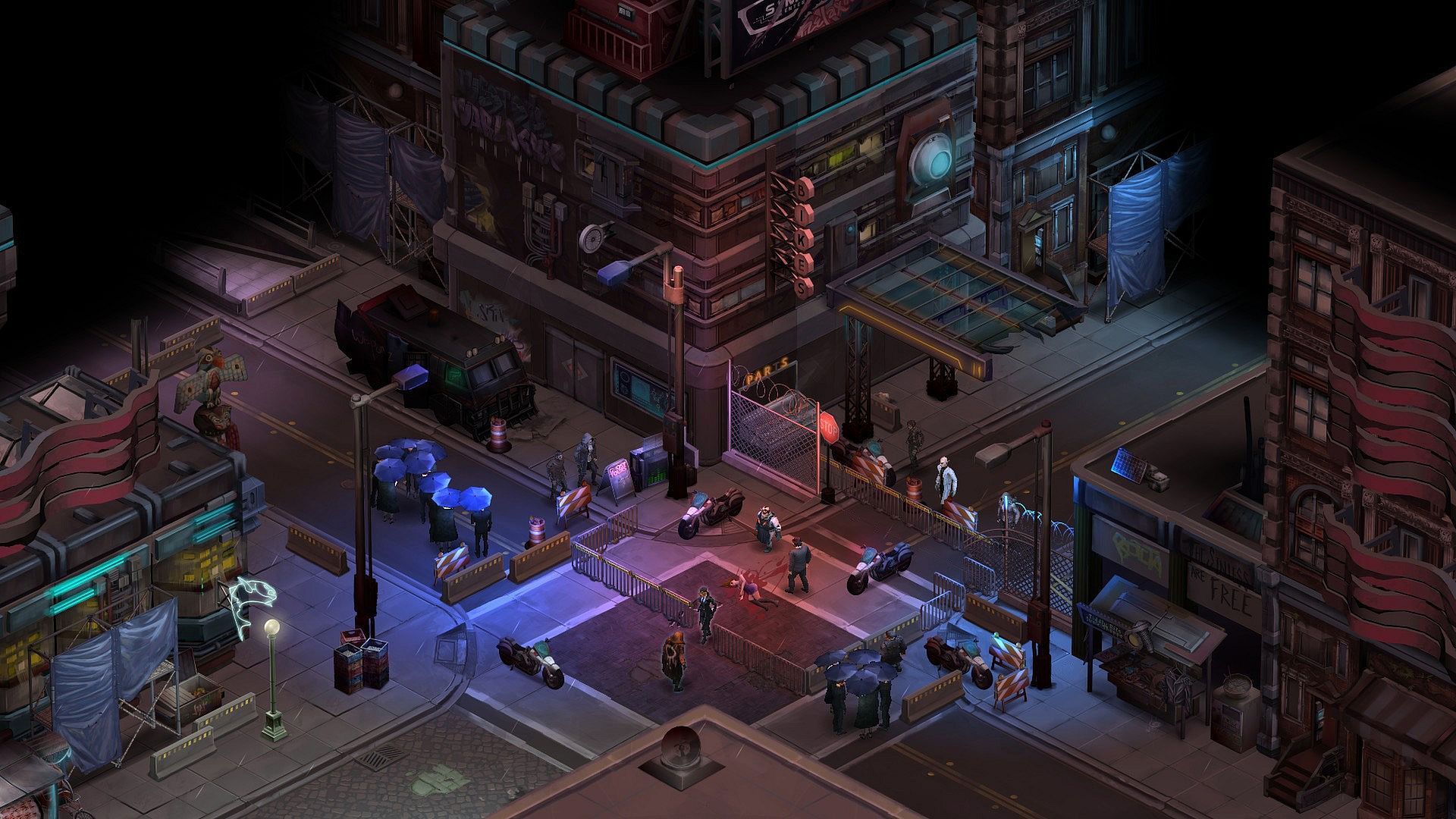
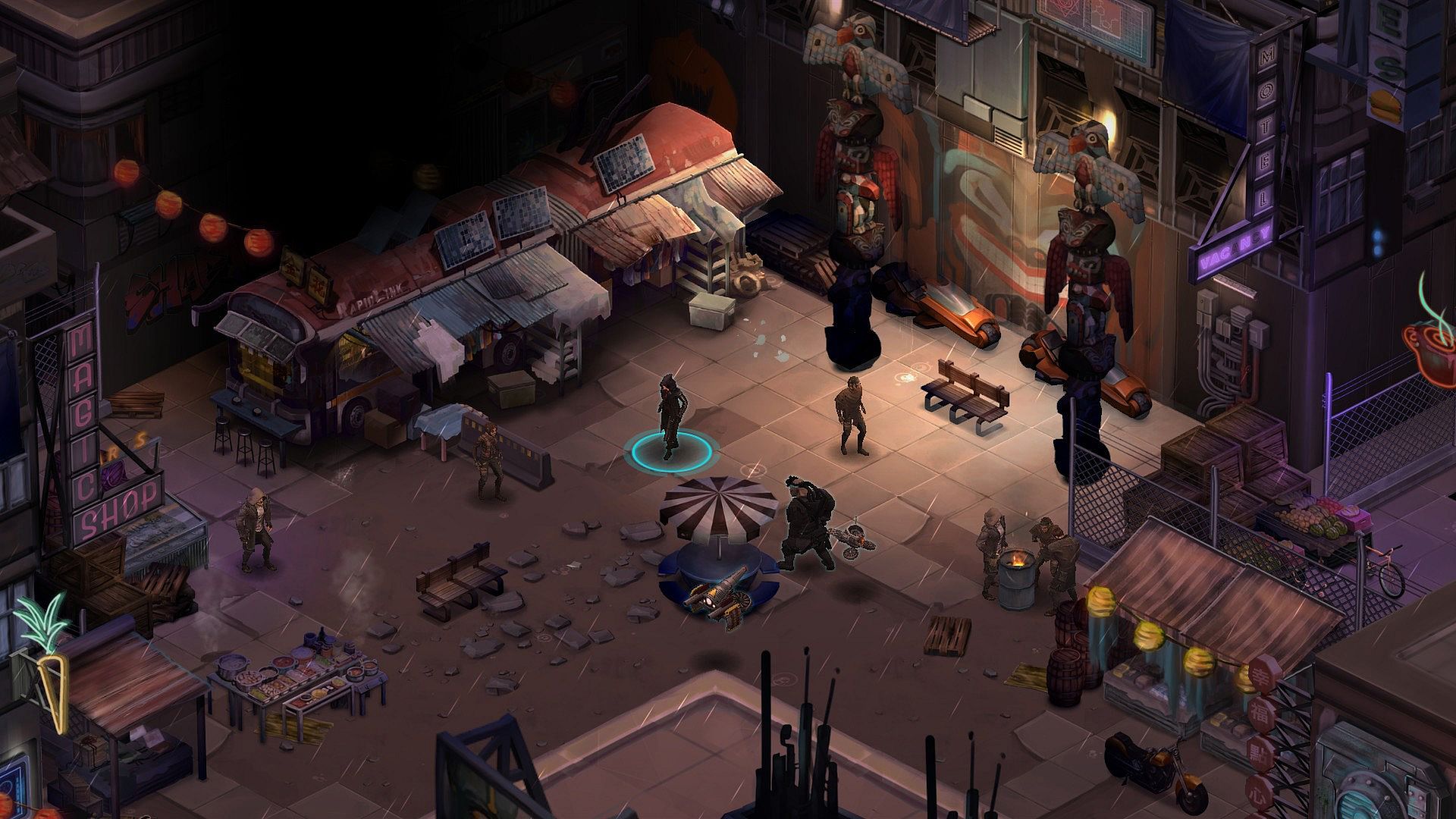
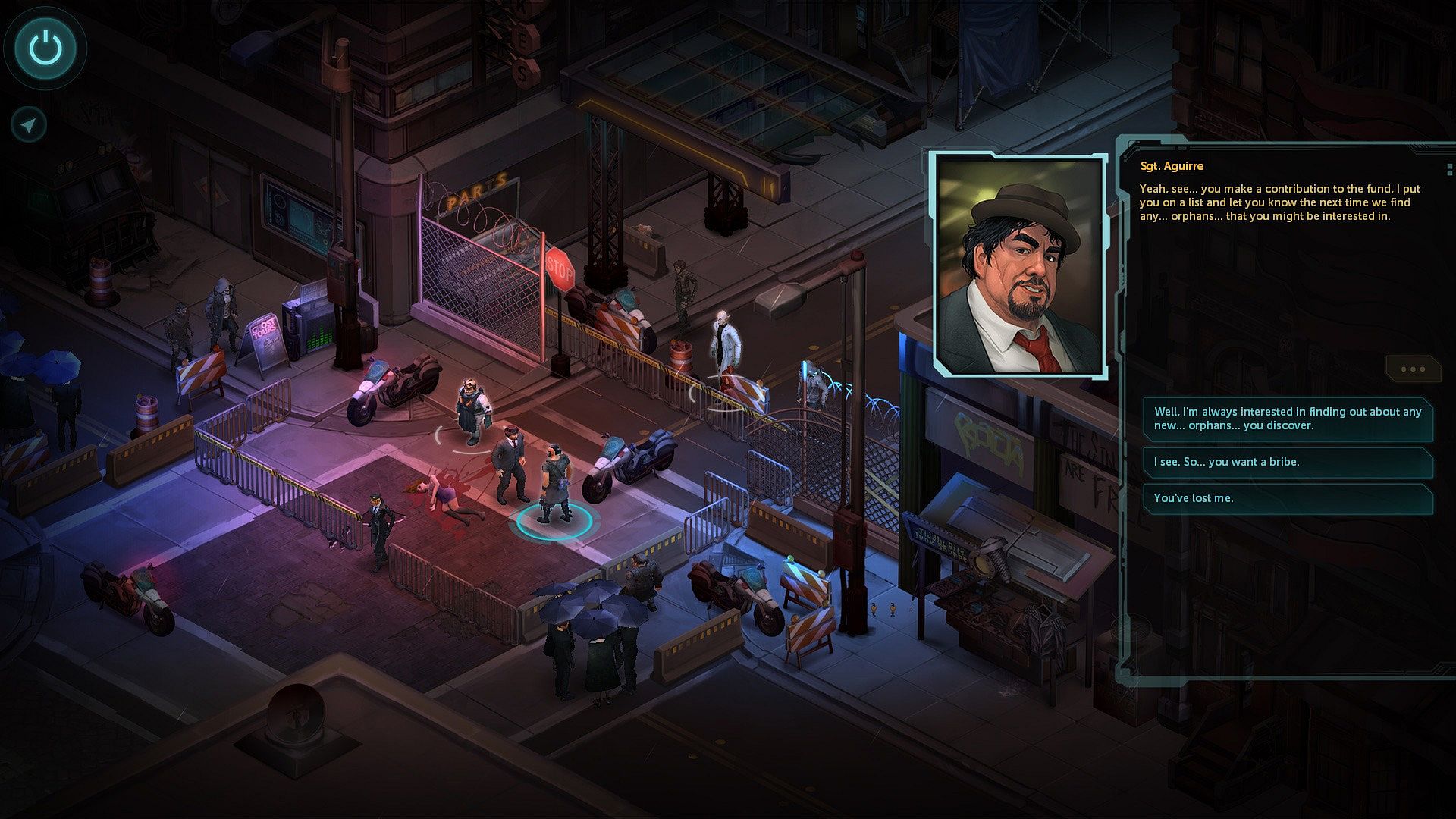
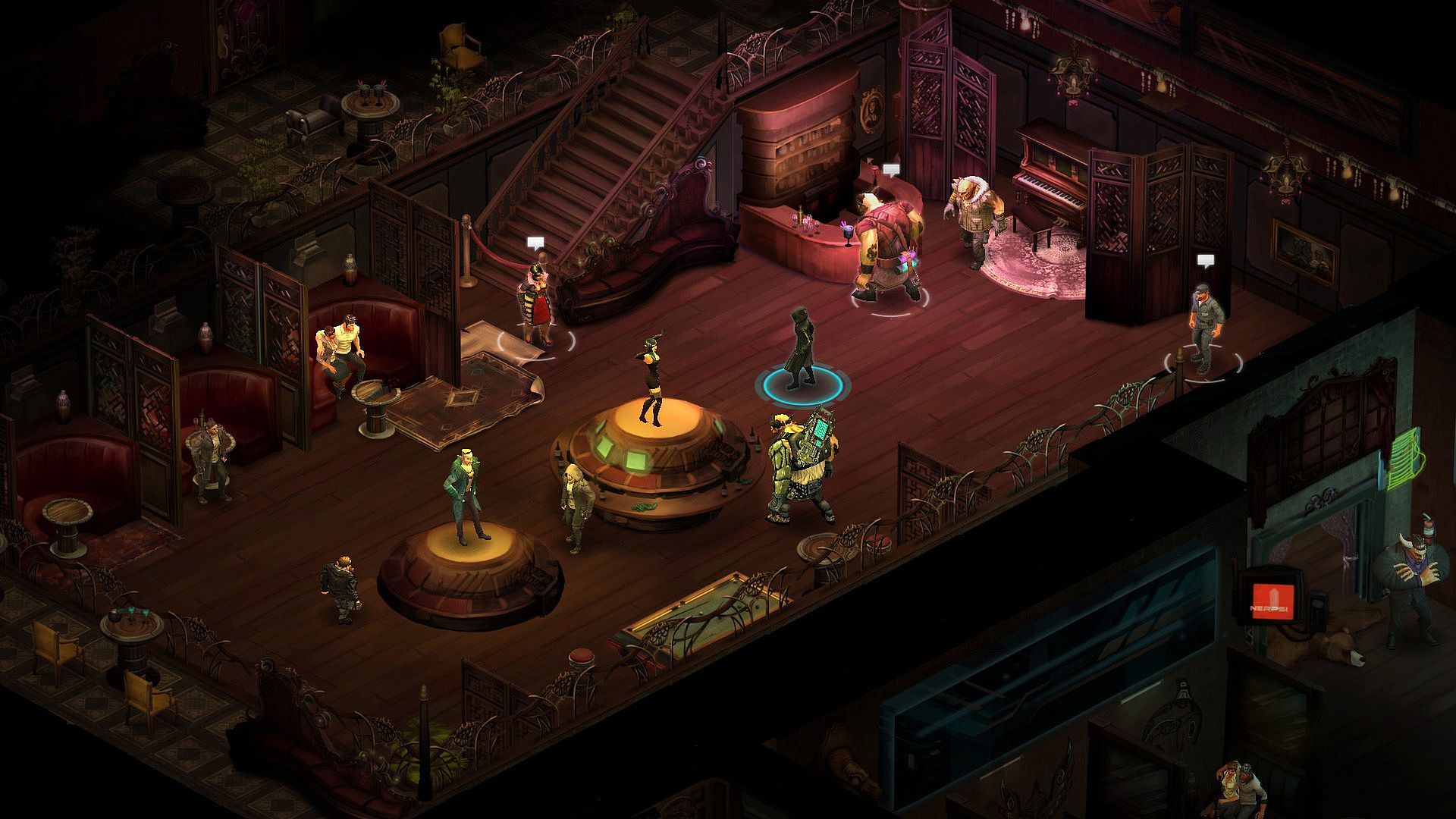
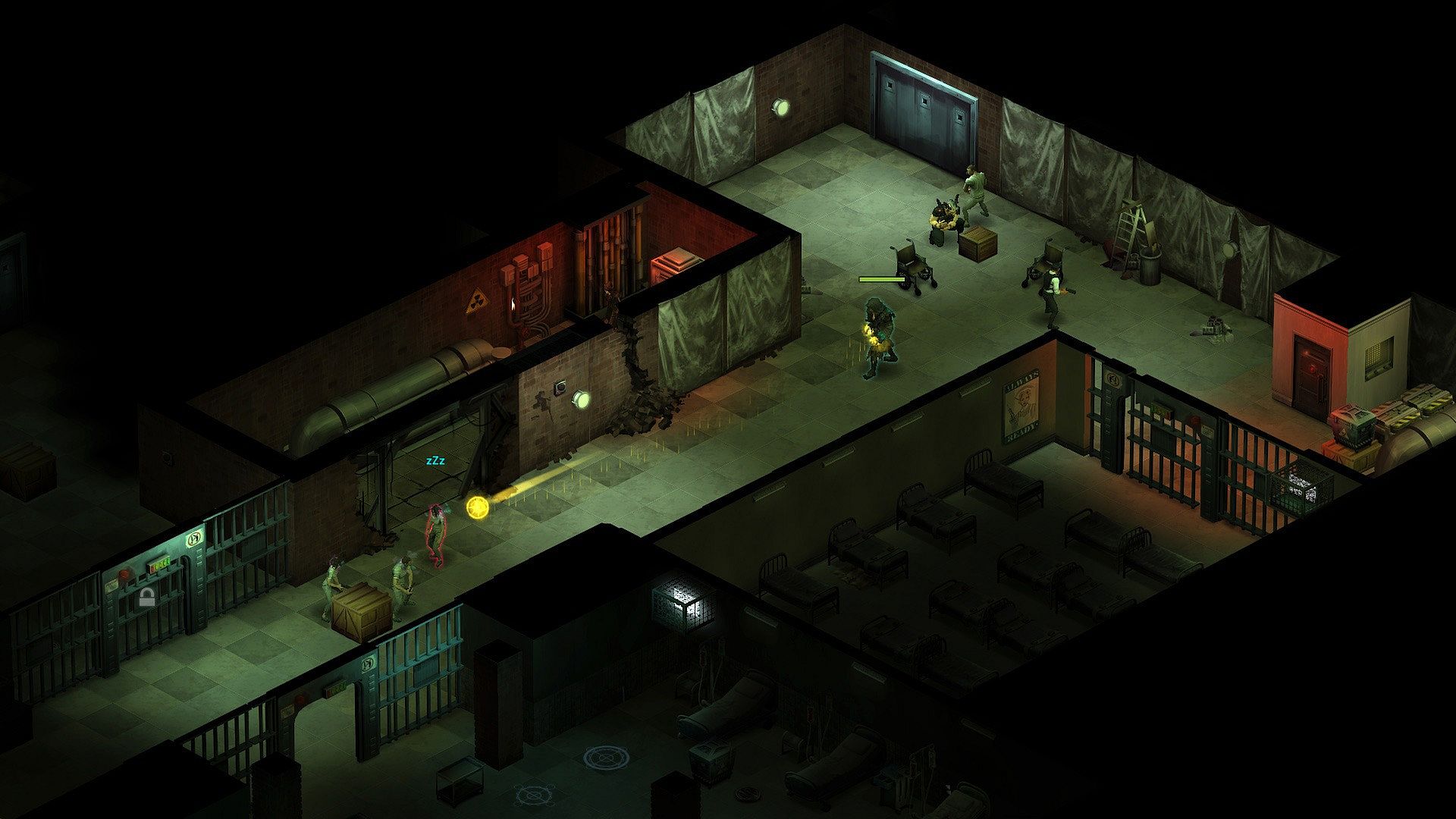
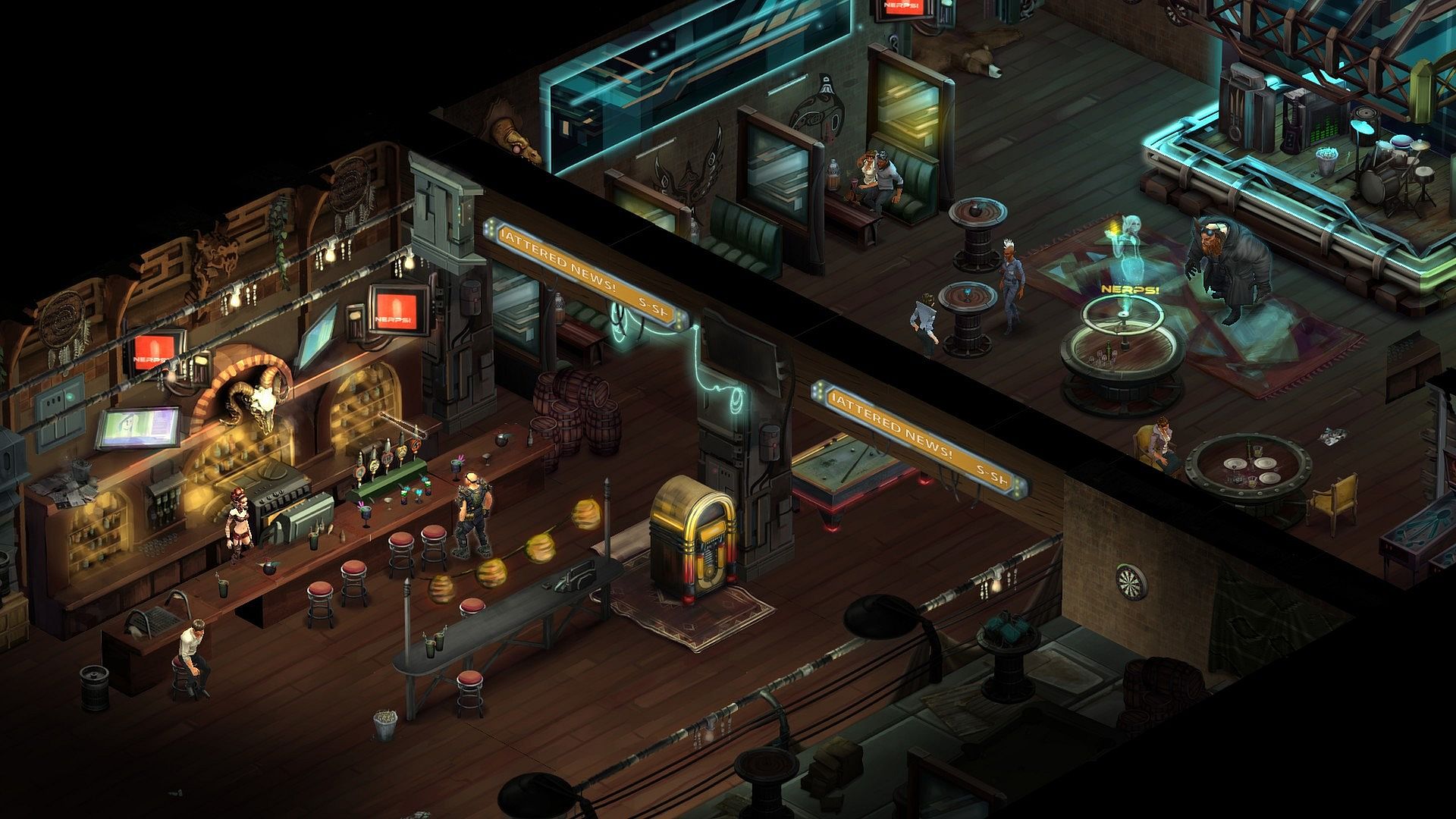
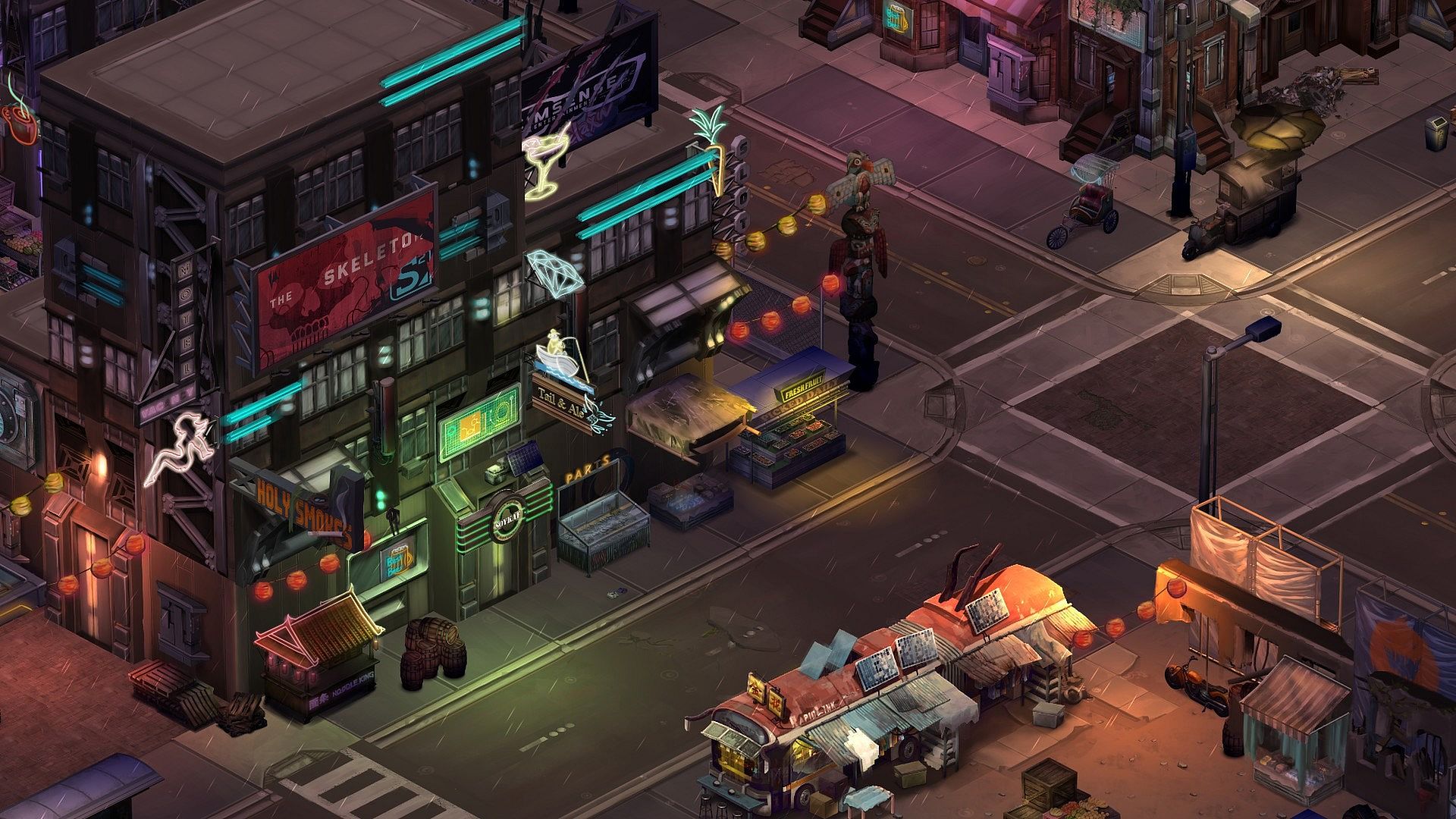
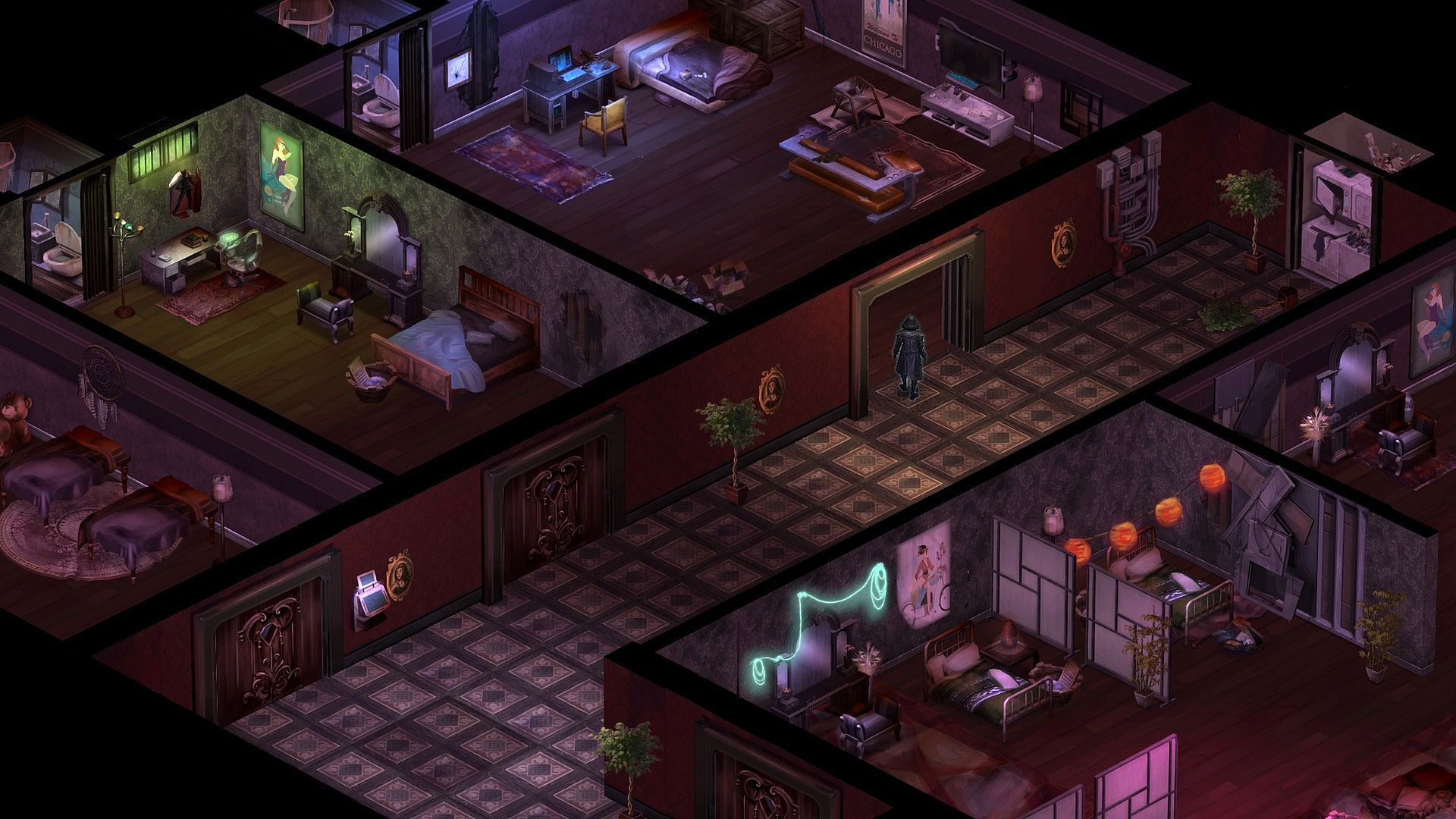
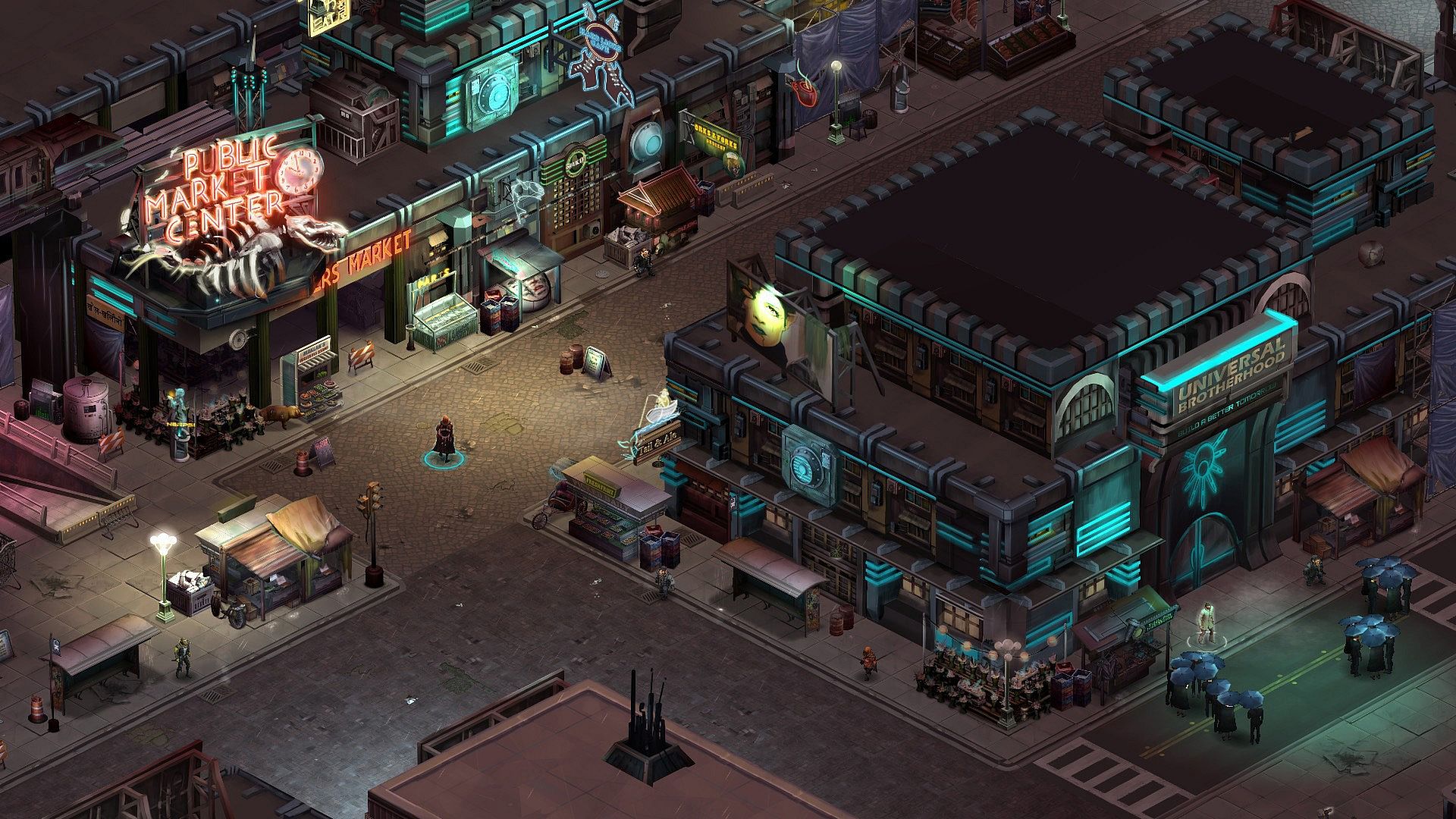
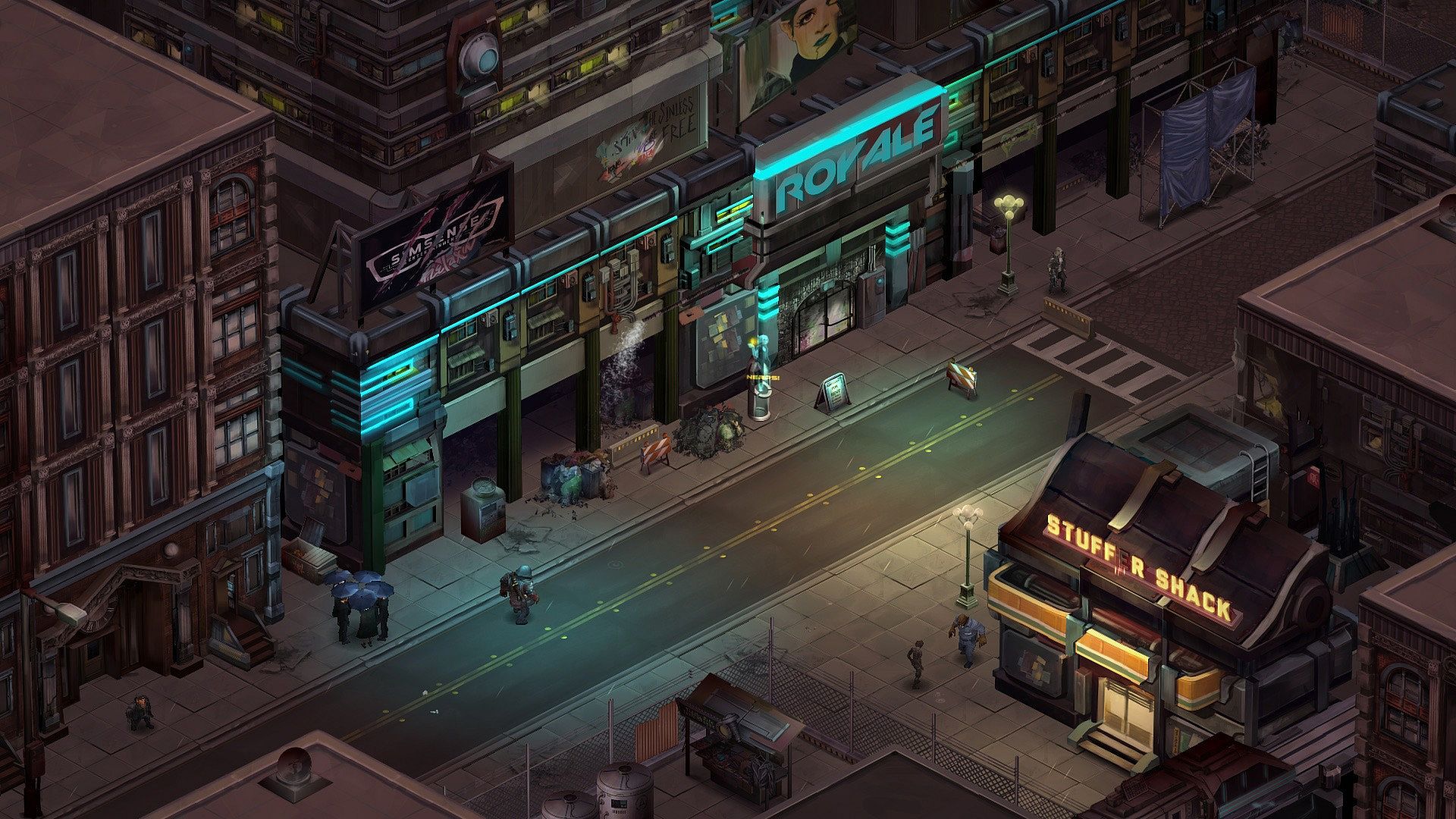
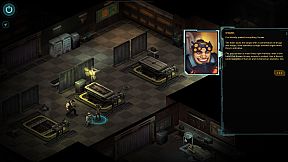
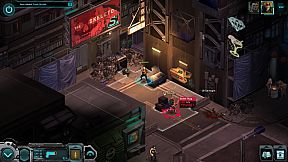
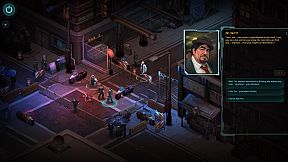
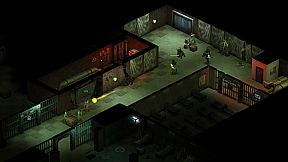
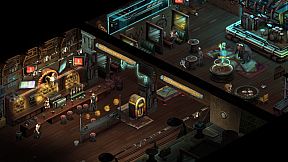
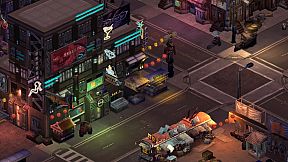
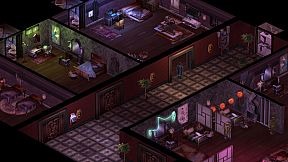
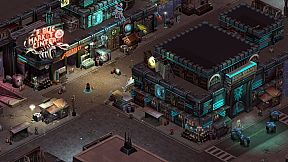
Exploration occurs through detailed environments rendered with hand-painted backgrounds and dynamic 3D character models. Conversations feature illustrated portraits that convey character expressions during key exchanges. Locations span from impoverished districts to corporate towers, each filled with interactive elements that advance the central investigation.
Game Modes
The experience centers on a single-player campaign titled The Dead Man's Switch. This narrative-driven mode follows the pursuit of a mysterious killer through Seattle's underbelly and corporate strongholds. Players recruit allies, gather intelligence, and resolve conflicts using a mix of stealth, negotiation, and force. The structure remains linear, guiding progression through a sequence of missions without branching side quests or alternative campaigns.
No additional modes such as multiplayer or endless challenges appear in the title. All activity stays confined to this core story path, where tactical encounters punctuate dialogue and exploration sequences.
Story and Setting
The year 2054 marks the return of magic to a world dominated by ruthless corporations. Elves, trolls, orks, and dwarves coexist with humans amid sprawling urban sprawls. Shadowrunners operate outside the law, accepting contracts that pit them against powerful entities. The plot weaves corporate intrigue with supernatural threats, requiring players to balance technological gadgets against spells and summoned entities.
Seattle serves as the primary backdrop, with districts reflecting economic disparity and technological excess. The narrative unfolds through investigation, revealing layers of conspiracy that connect street-level crime to high-level megacorporate schemes.
Is It Worth Playing?
Shadowrun Returns suits players who prefer tactical combat paired with a focused narrative in a cyberpunk-fantasy setting. Its concise structure delivers a complete story without unnecessary padding, appealing to those who value meaningful choices in team composition and battlefield tactics. The skill system encourages experimentation across multiple playthroughs for different character builds.
Reception from players and critics consistently praises the integration of story with combat encounters and the distinctive world-building. Some note the linear progression limits replay variety beyond character customization. The game remains available on PC and continues to attract fans of older isometric RPGs who appreciate its blend of genres over modern open-world scale.
Those drawn to strategy RPGs with cyberpunk themes and turn-based systems will find solid value in its targeted design. Newcomers to the setting benefit from the self-contained plot that introduces core concepts without requiring prior knowledge.