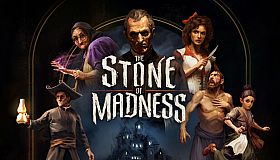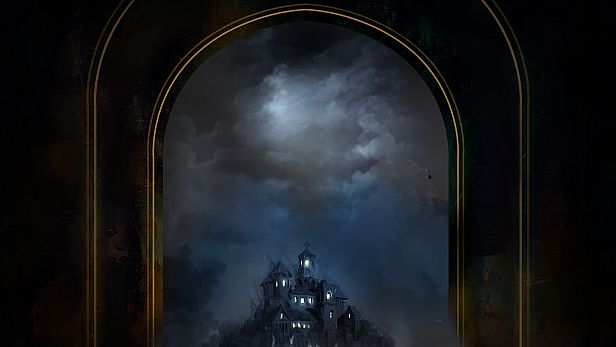



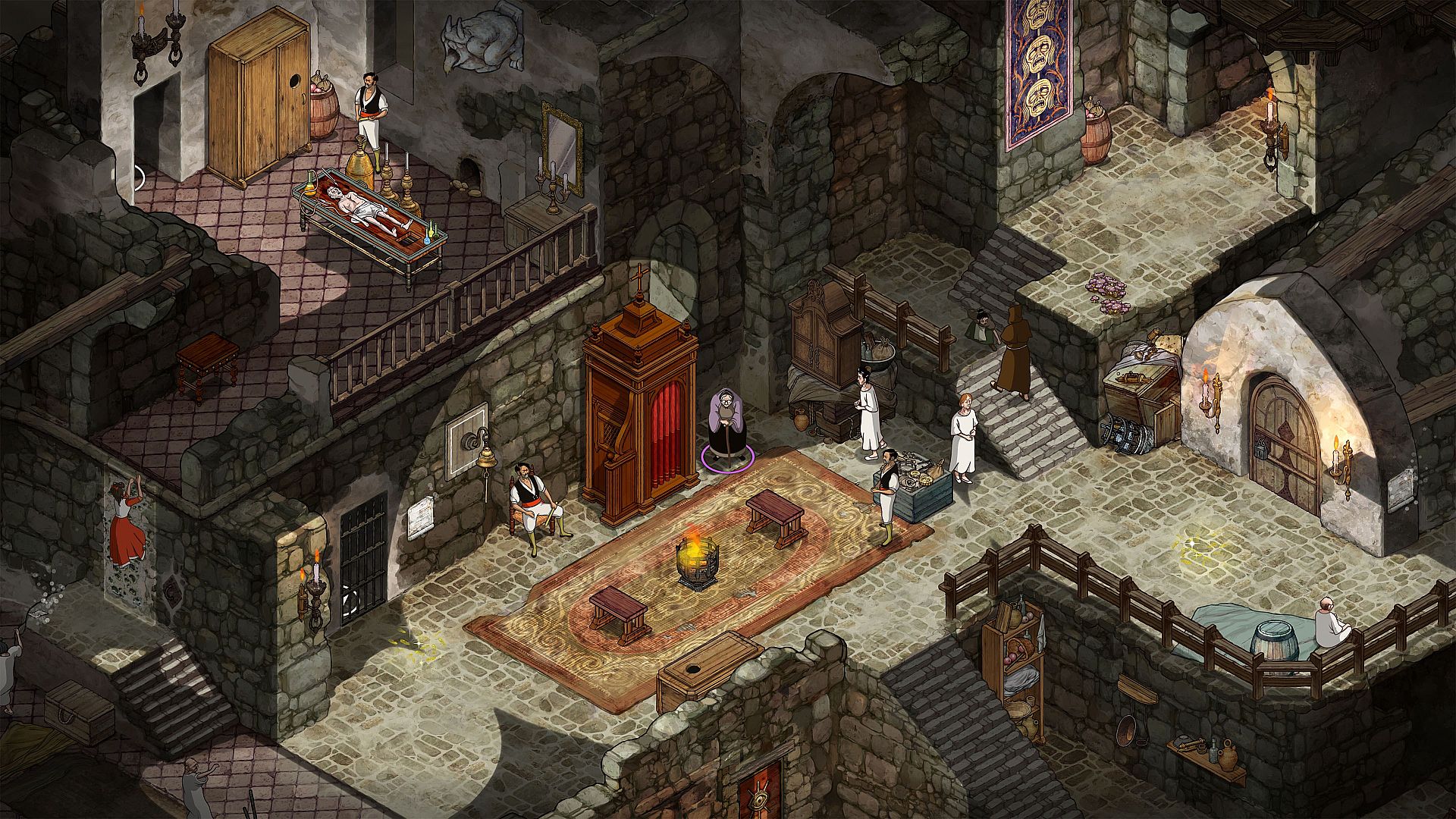
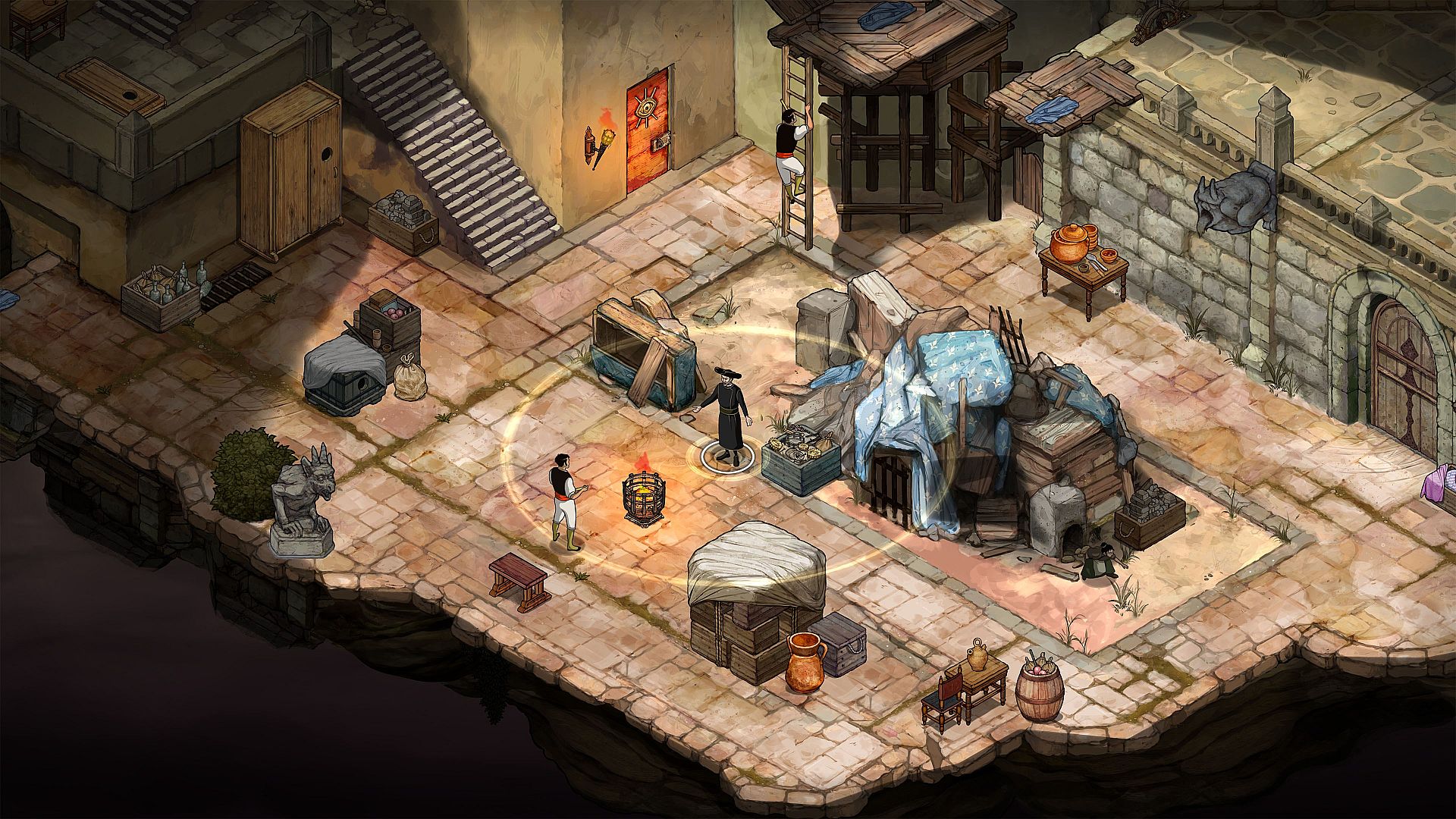
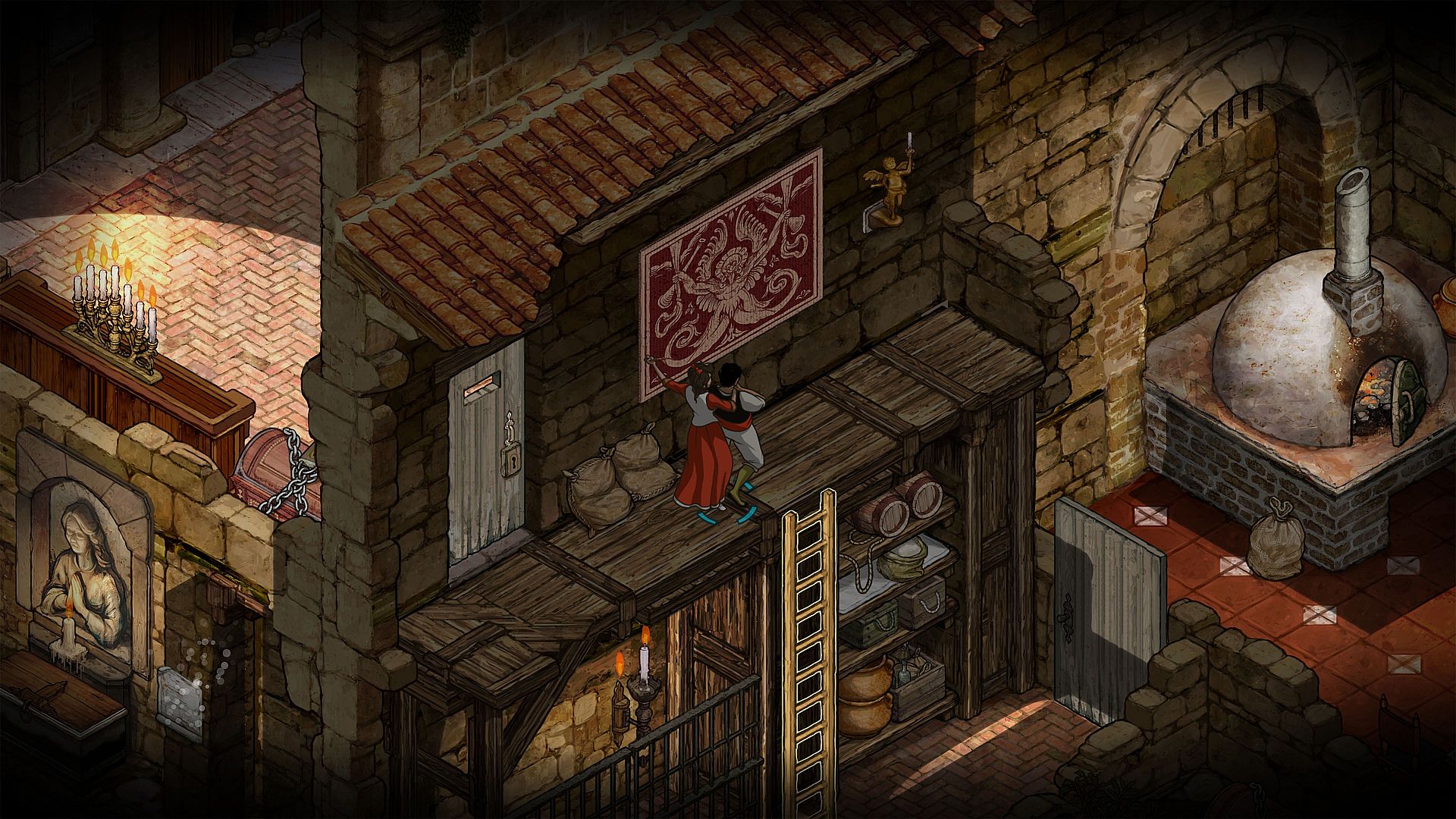
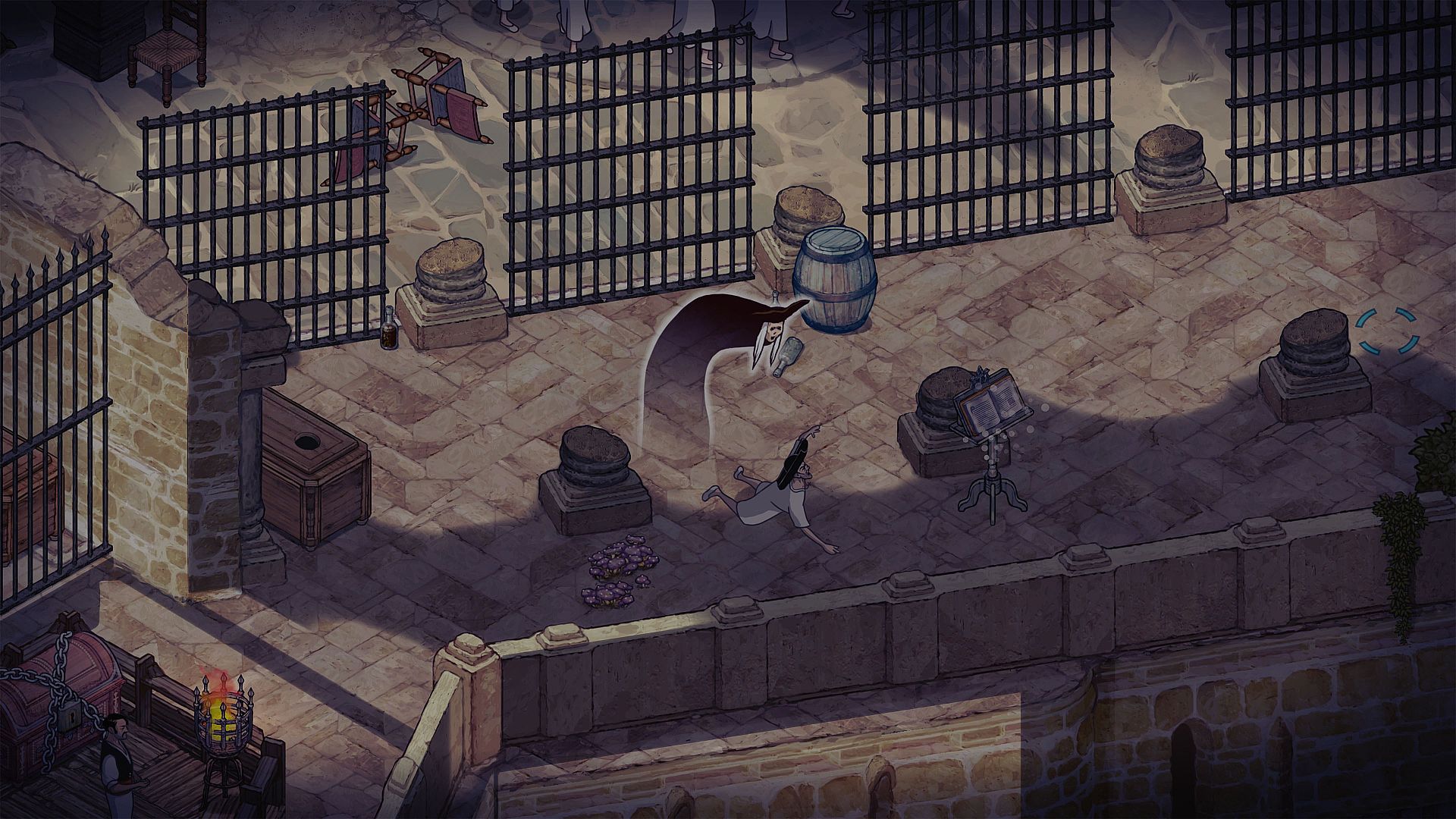
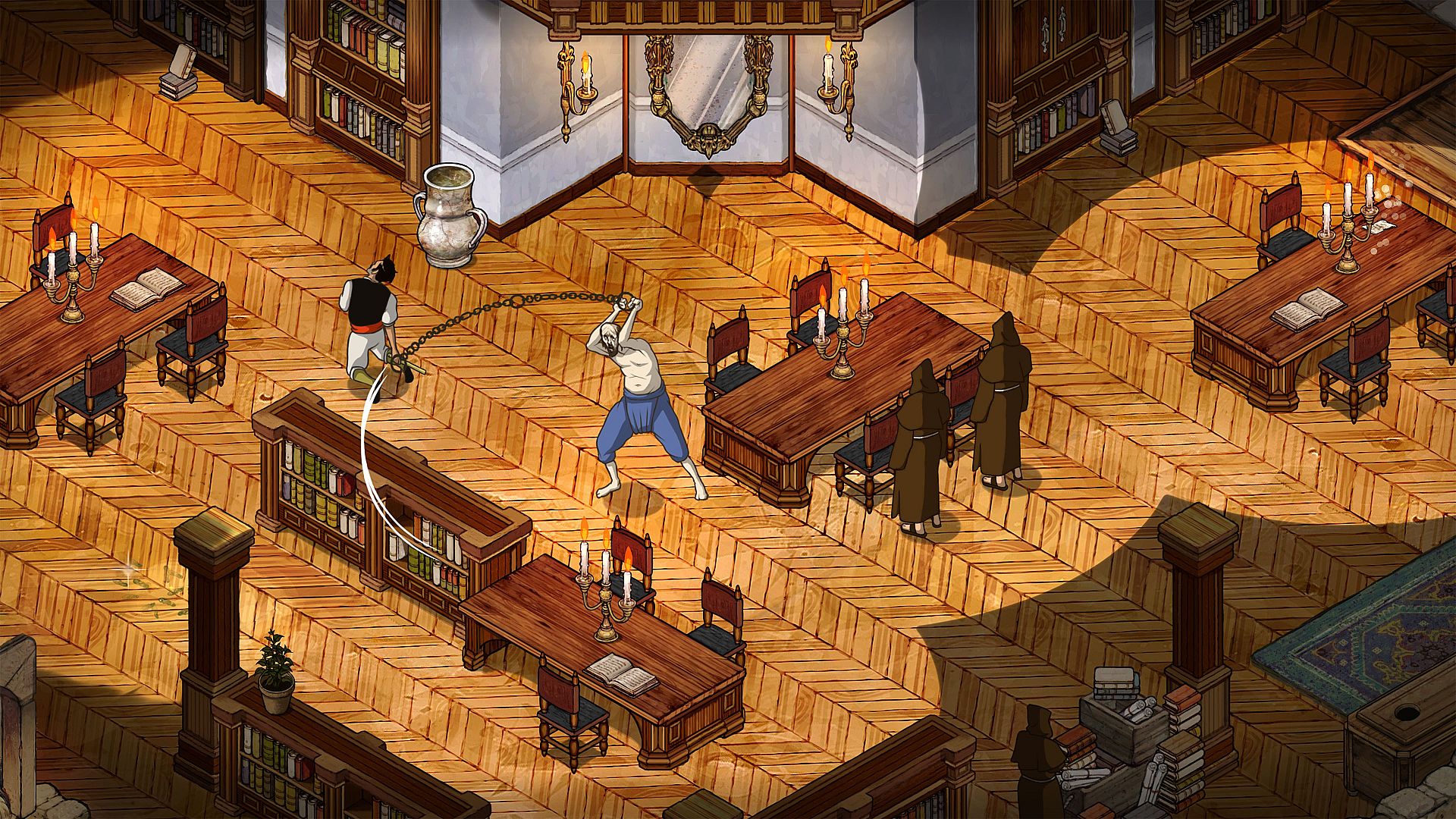
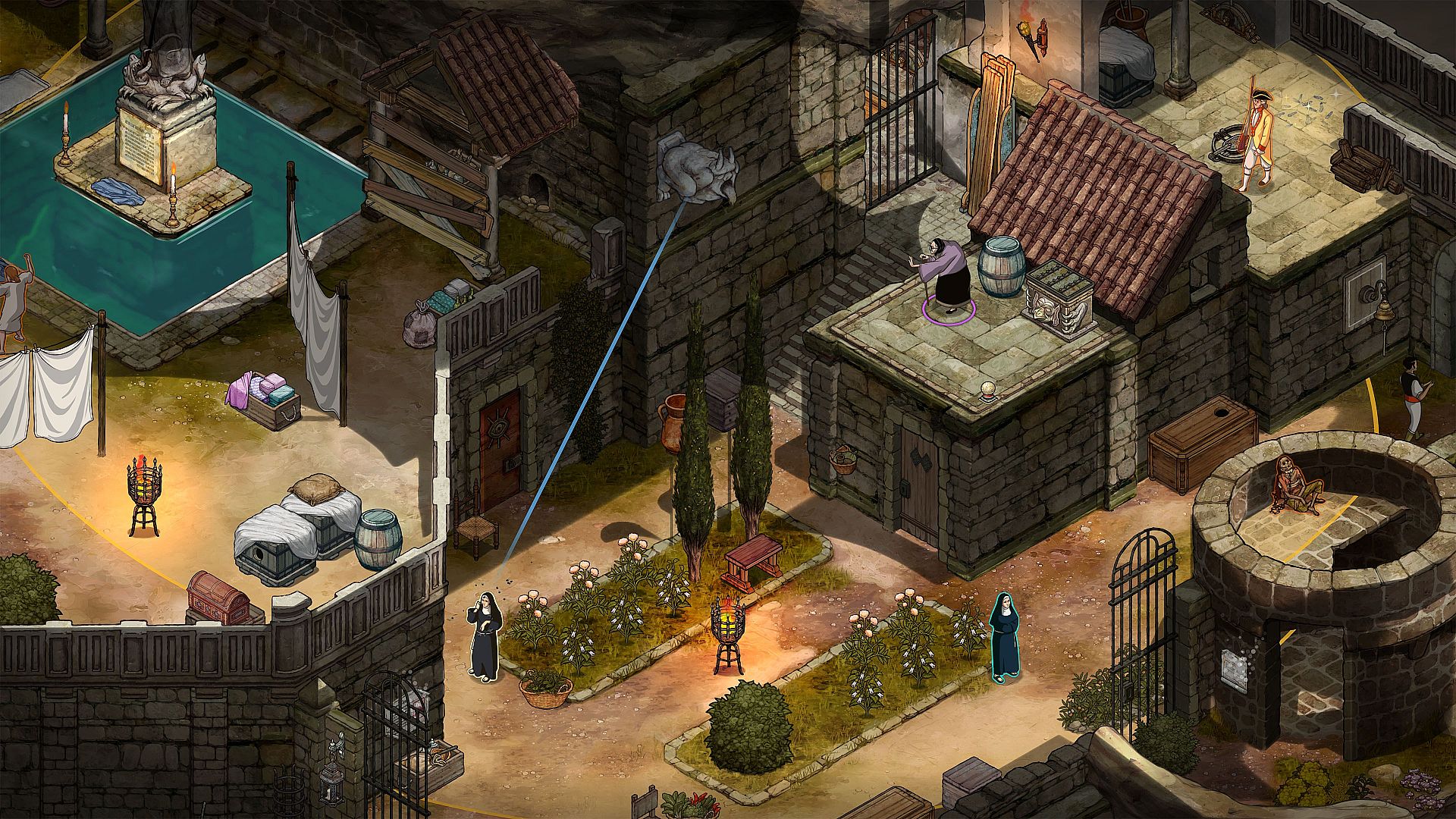
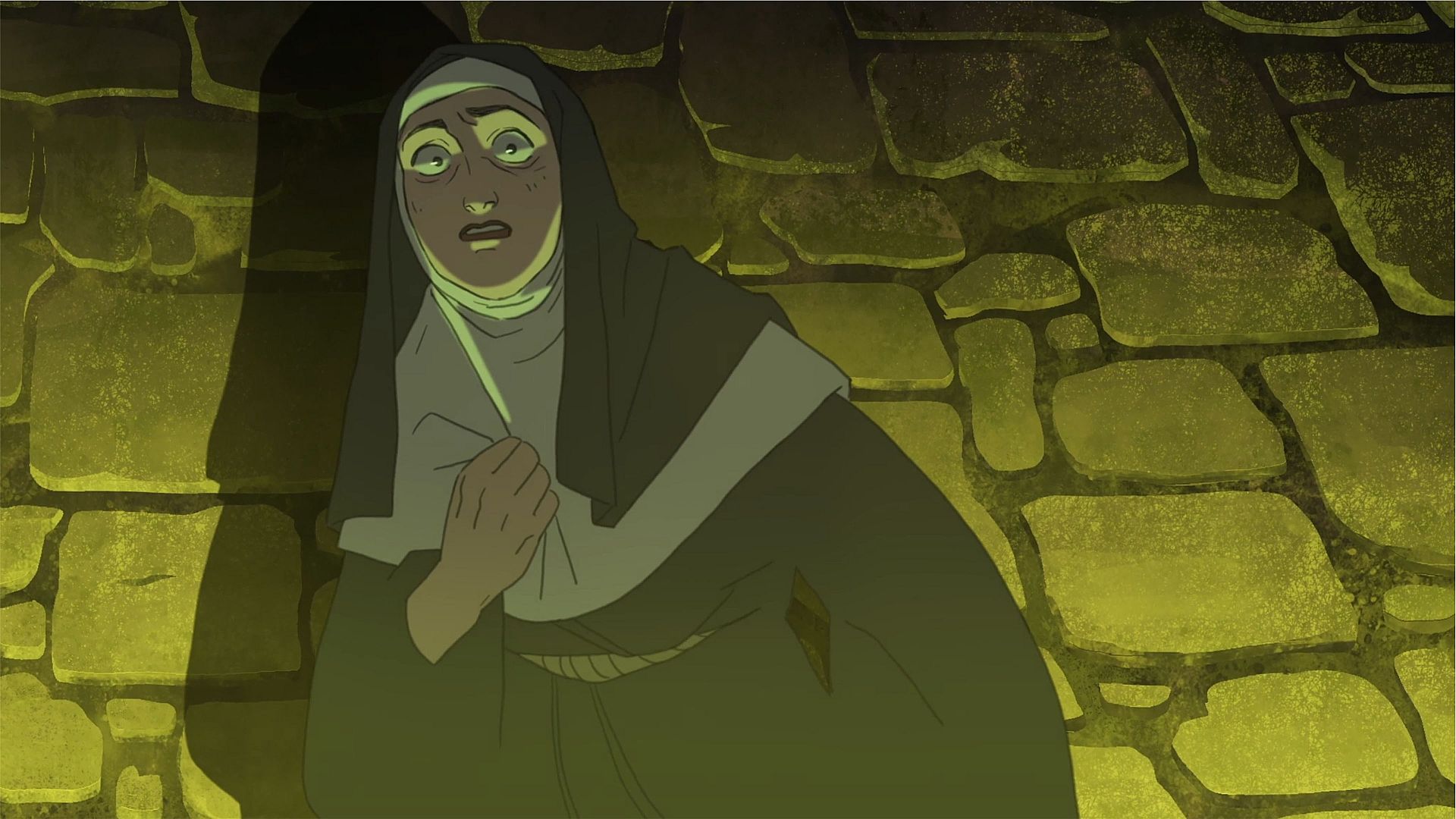
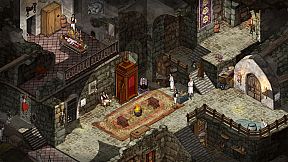
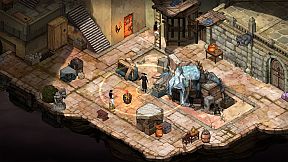
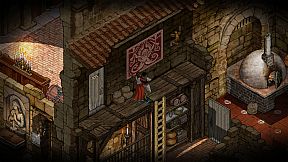
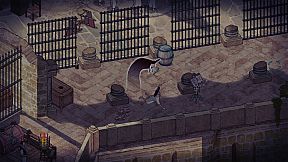
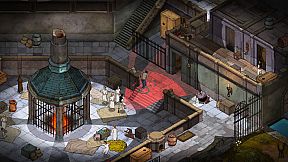
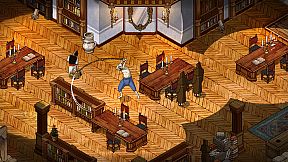
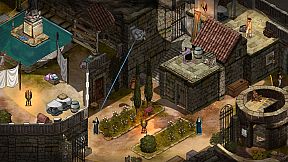
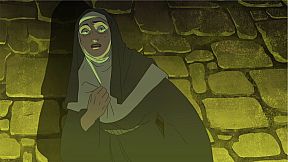
The Stone of Madness Special Edition delivers a single-player strategy experience centered on real-time tactical stealth in an 18th-century Spanish monastery that doubles as a madhouse and prison. Players guide a group of five inmates through a tense escape while managing resources, time, and mental stability amid patrolling guards and supernatural threats. The game combines precise character control with layered survival elements, all viewed from an isometric perspective that highlights the detailed, Goya-inspired environments.
Gameplay
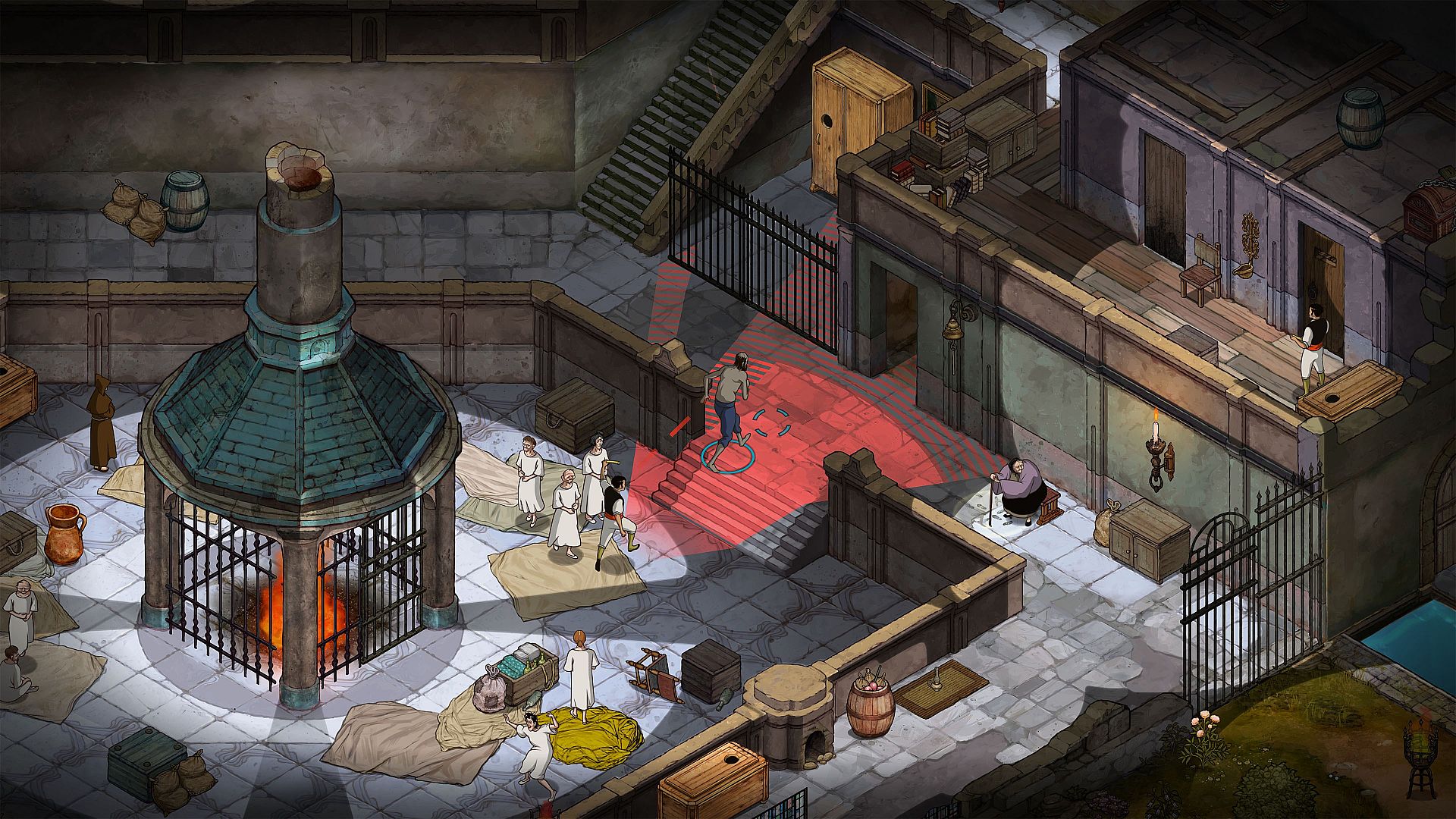
Core play revolves around a strict day and night cycle that structures every session. During daylight hours, the player selects three characters from the available five and sends them into the monastery grounds to complete objectives, gather tools and clues, and scout escape routes. Movement happens in real time, requiring careful observation of guard patrols, vision cones, and shifting routines that change as the day progresses. Time advances naturally, so lingering too long can trap the group in restricted areas or expose them to emerging spirits known as Animas that further strain mental health.
Each inmate brings distinct abilities that players combine to overcome obstacles. One character might distract guards with a sermon while another lifts heavy objects to create paths or slips through narrow gaps to reach hidden items. Skills can be upgraded over time, but every action carries risk because characters also carry personal fears and phobias. Exposure to triggers drains a sanity meter, which can trigger panic, hallucinations, or new limitations that complicate future attempts. Nighttime returns the group to their cell for recovery, where action points allow crafting items, trading on a black market, healing physical wounds, and comforting one another to restore sanity before the next day begins.
The monastery itself reacts to player choices. Repeated detections increase security, alter patrol patterns, and introduce more traps. Two branching campaigns emerge from an early decision, each presenting unique scenarios, additional characters, and separate story threads that encourage replay to experience both paths fully.
Game Modes
The experience centers on a single-player campaign structure with built-in replayability through its dual narrative branches. Players can tackle one shorter campaign or commit to both for a longer overall journey that spans roughly 20 to 25 hours depending on exploration depth and retries. No separate multiplayer or competitive modes exist; instead, the game emphasizes methodical planning across repeated daytime excursions and nighttime management phases. Daily objectives guide progress while leaving room for free-form scouting and resource collection, rewarding players who experiment with different character combinations and routes.
This loop creates a rhythm of exploration under pressure followed by deliberate preparation, with no manual saves or traditional fail states. Failed attempts simply reset the group to their cell at the end of the day, preserving overall progress and allowing immediate adjustment of the next outing. The structure suits players who enjoy iterative problem-solving rather than linear checkpoints.
Characters and Systems
Five distinct inmates form the playable cast, each defined by strengths, weaknesses, and backstories tied to the monastery setting. Selection limits missions to three at a time, forcing strategic choices about who to bring based on anticipated challenges. Abilities range from physical feats and stealth maneuvers to more unusual options like hexes or distractions that exploit enemy behavior. Sanity management adds another layer, as unchecked fears can render a character unreliable mid-mission.
Supporting systems include resource crafting, black-market dealings, and incremental upgrades that reward consistent play. The environment itself functions as a puzzle, with interactable objects, hidden passages, and changing conditions that demand observation and timing. These elements integrate into the core loop without overwhelming it, though they require patience to master fully.
Is It Worth Playing?
The Stone of Madness appeals most to fans of tactical stealth games who appreciate deliberate pacing and character-driven systems. Its art direction and atmospheric monastery setting stand out as consistent strengths across reviews, while the sanity and time mechanics provide a fresh twist on the genre. Reception has been mixed overall, with praise for the core loop and visual style offset by notes on occasional technical issues and demanding difficulty at launch.
Those who enjoy iterative planning, managing limited resources, and uncovering layered environments will find substantial depth here. The Special Edition adds a digital artbook and original soundtrack that enhance appreciation of the presentation for collectors. Availability on Xbox Series consoles and PC makes it accessible to a wide audience interested in single-player strategy with psychological elements. Players seeking fast-paced action or lighter experiences may find the deliberate structure and mental-health management less suited to their preferences.