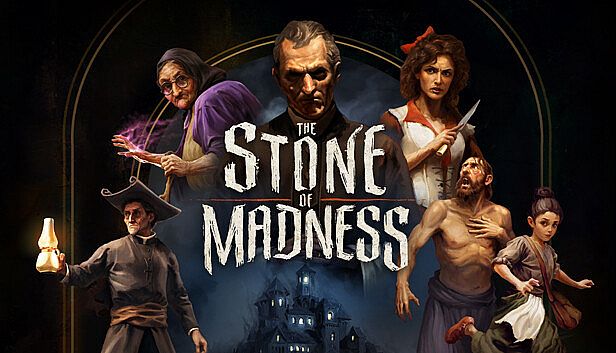























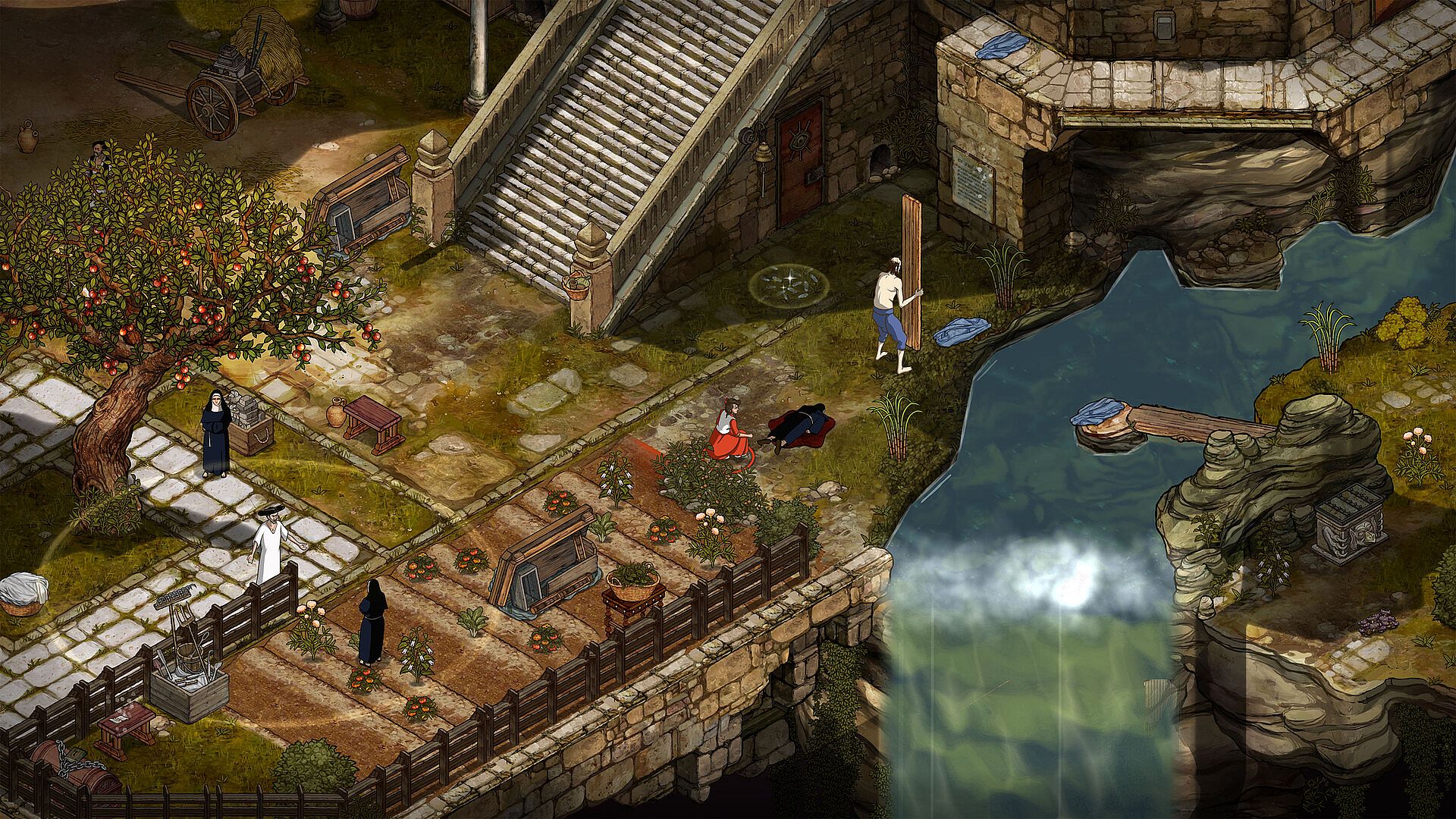
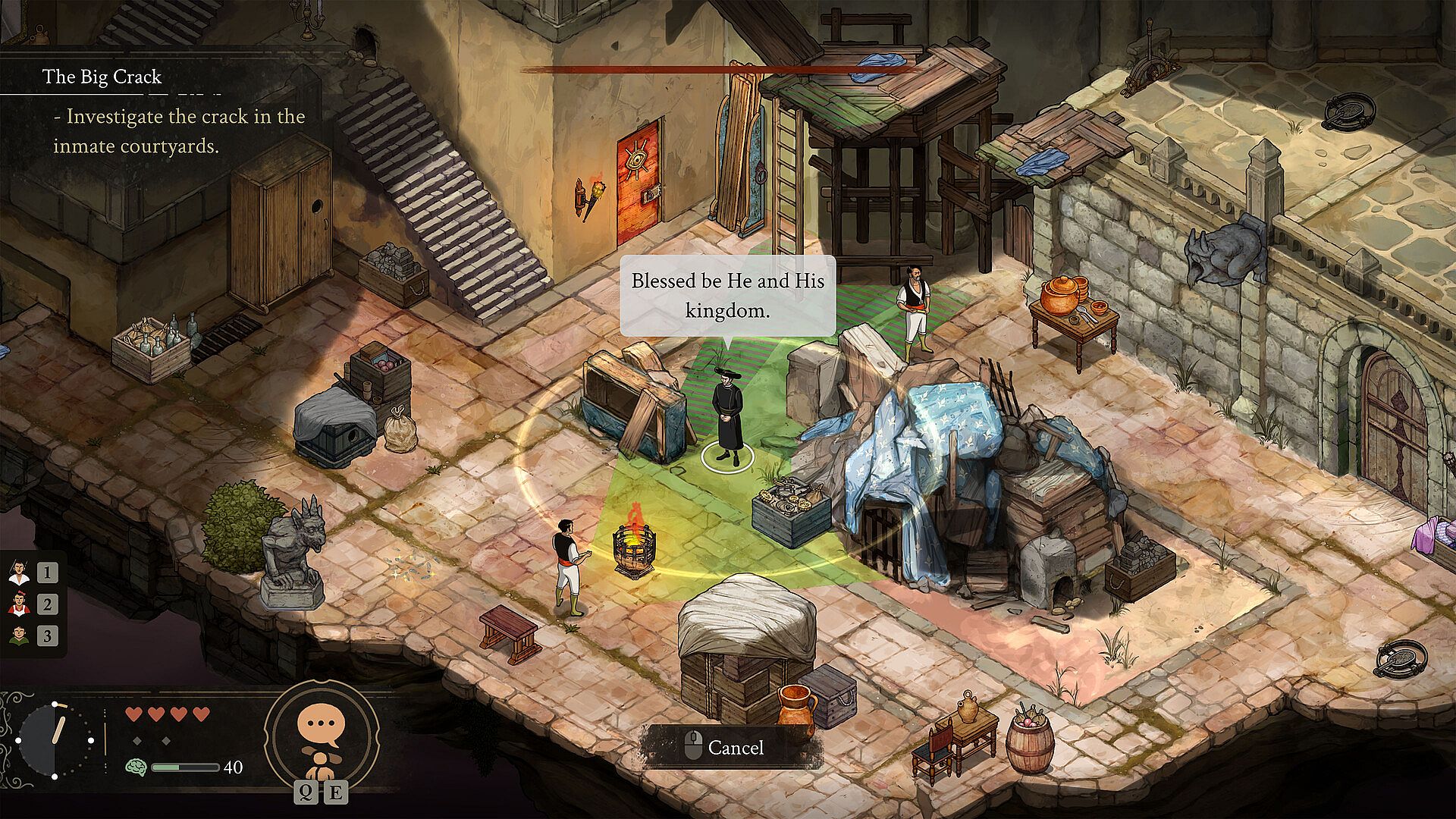
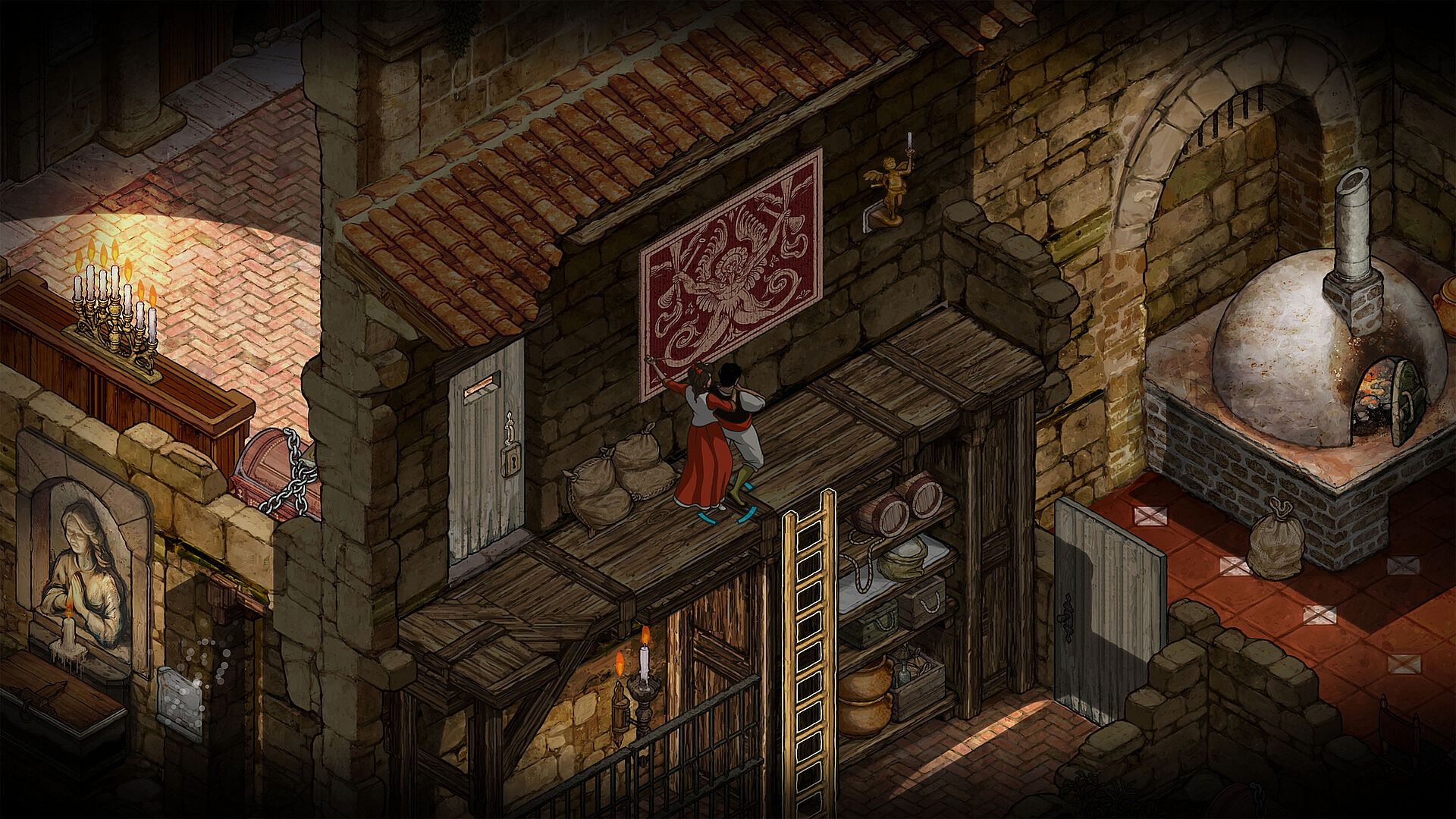
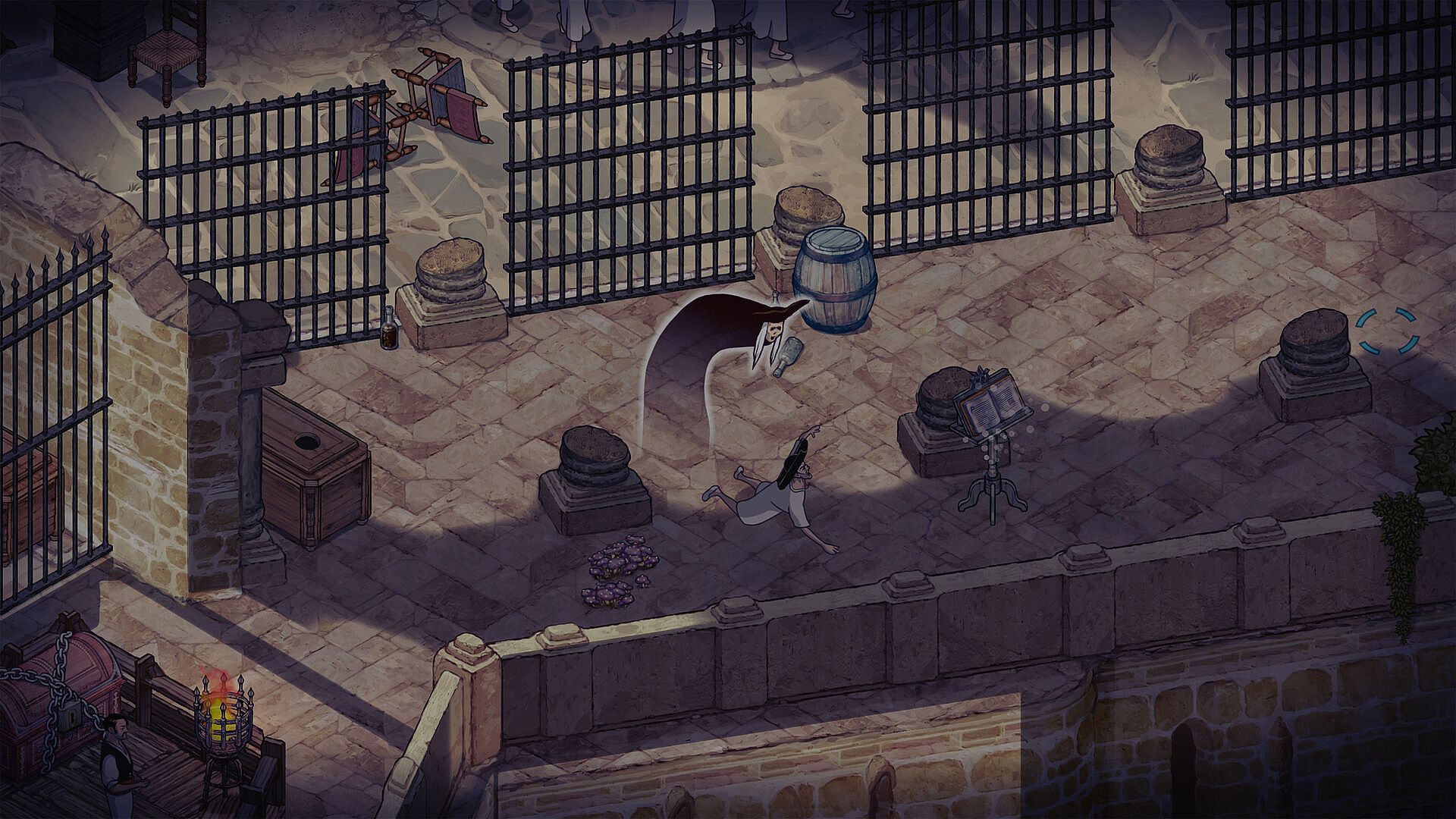
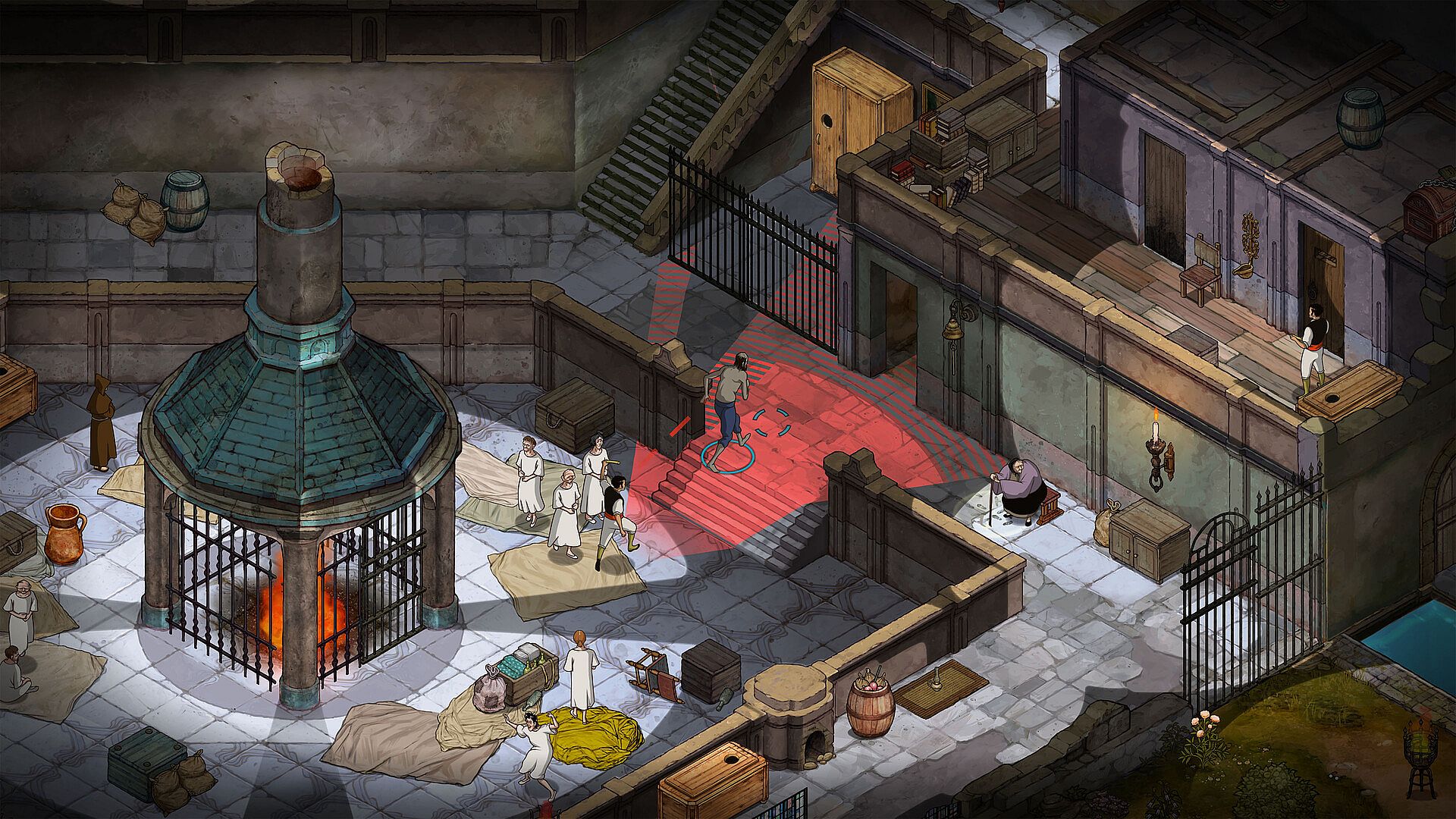
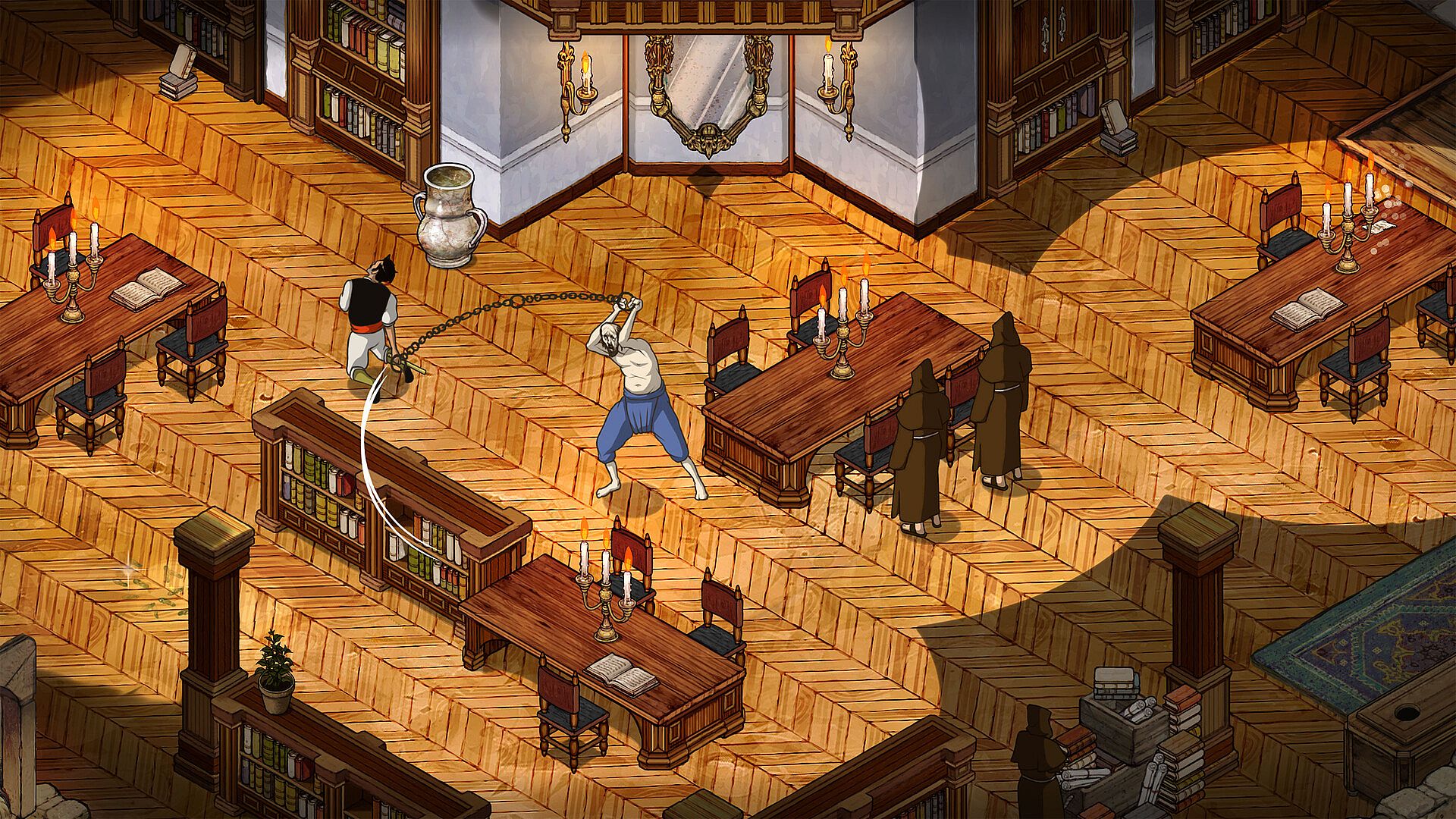
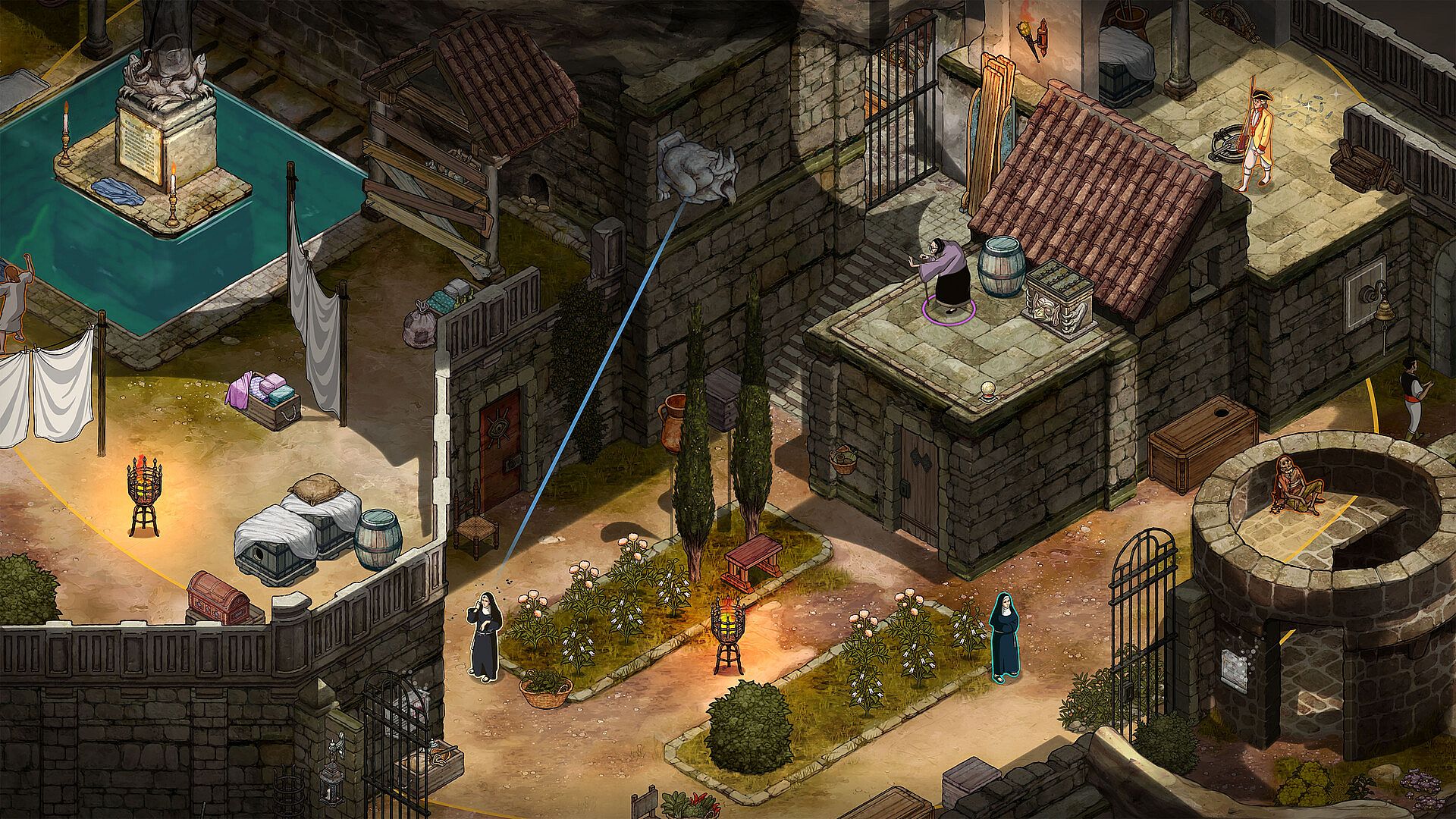
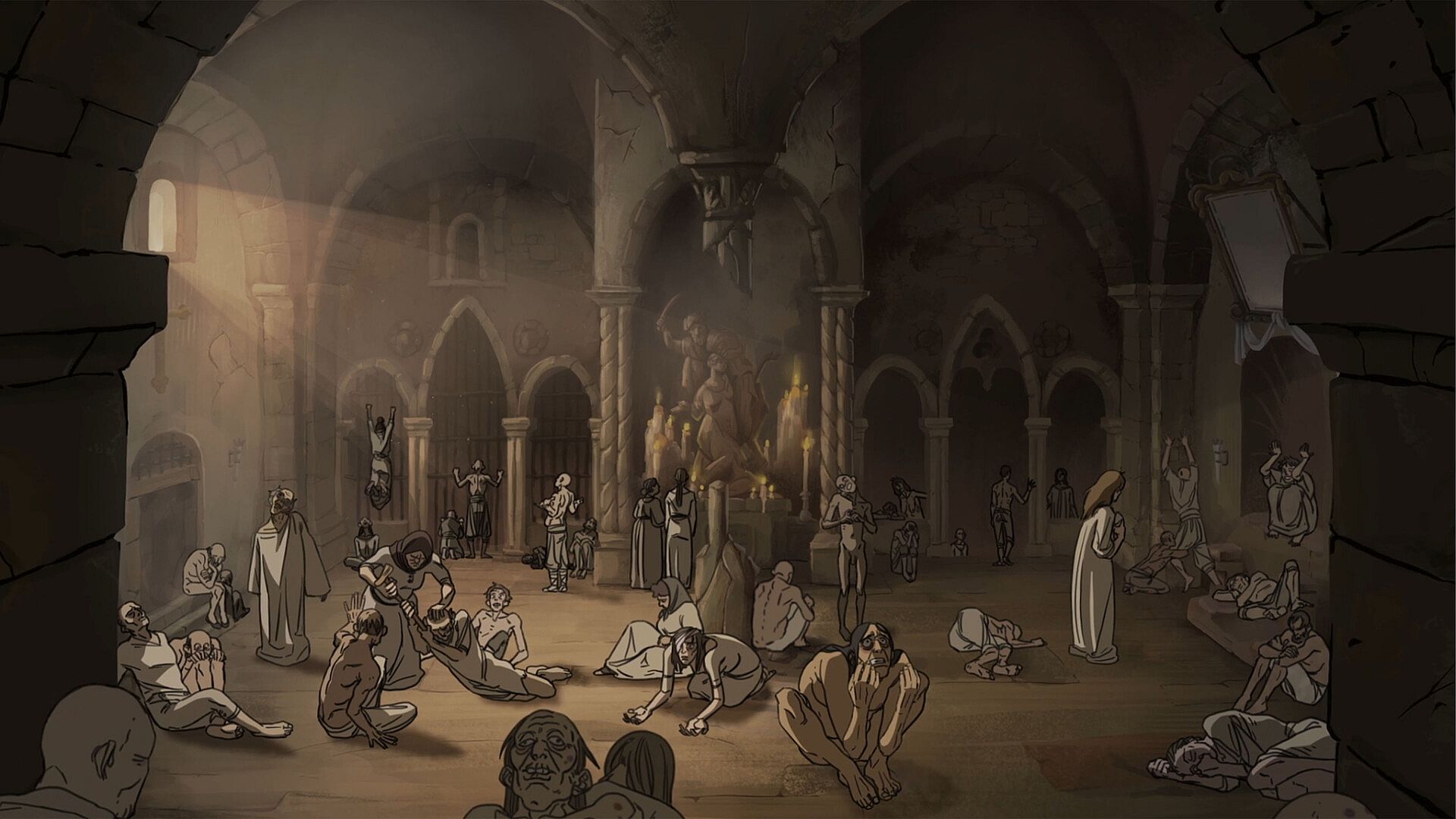
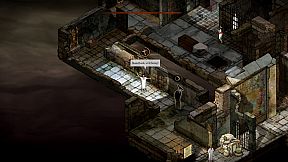
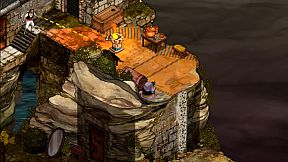
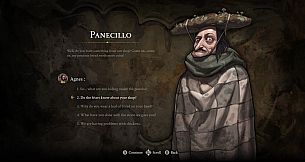
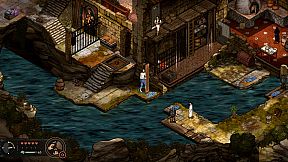
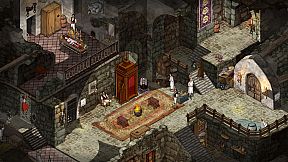
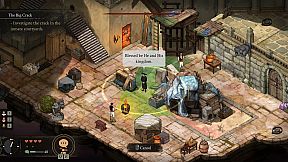
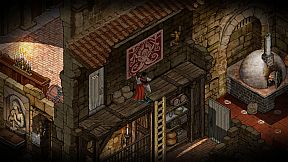
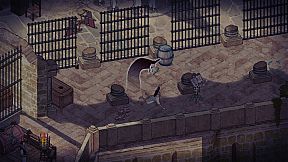
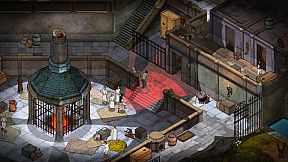
The Stone of Madness is a real-time tactical stealth game that blends strategy, RPG, and adventure elements into a single-player experience set in an 18th-century Spanish monastery. Players control five prisoners who must combine their skills to navigate guarded halls, manage mental health challenges, and plot an escape while uncovering hidden truths about the facility.
Gameplay
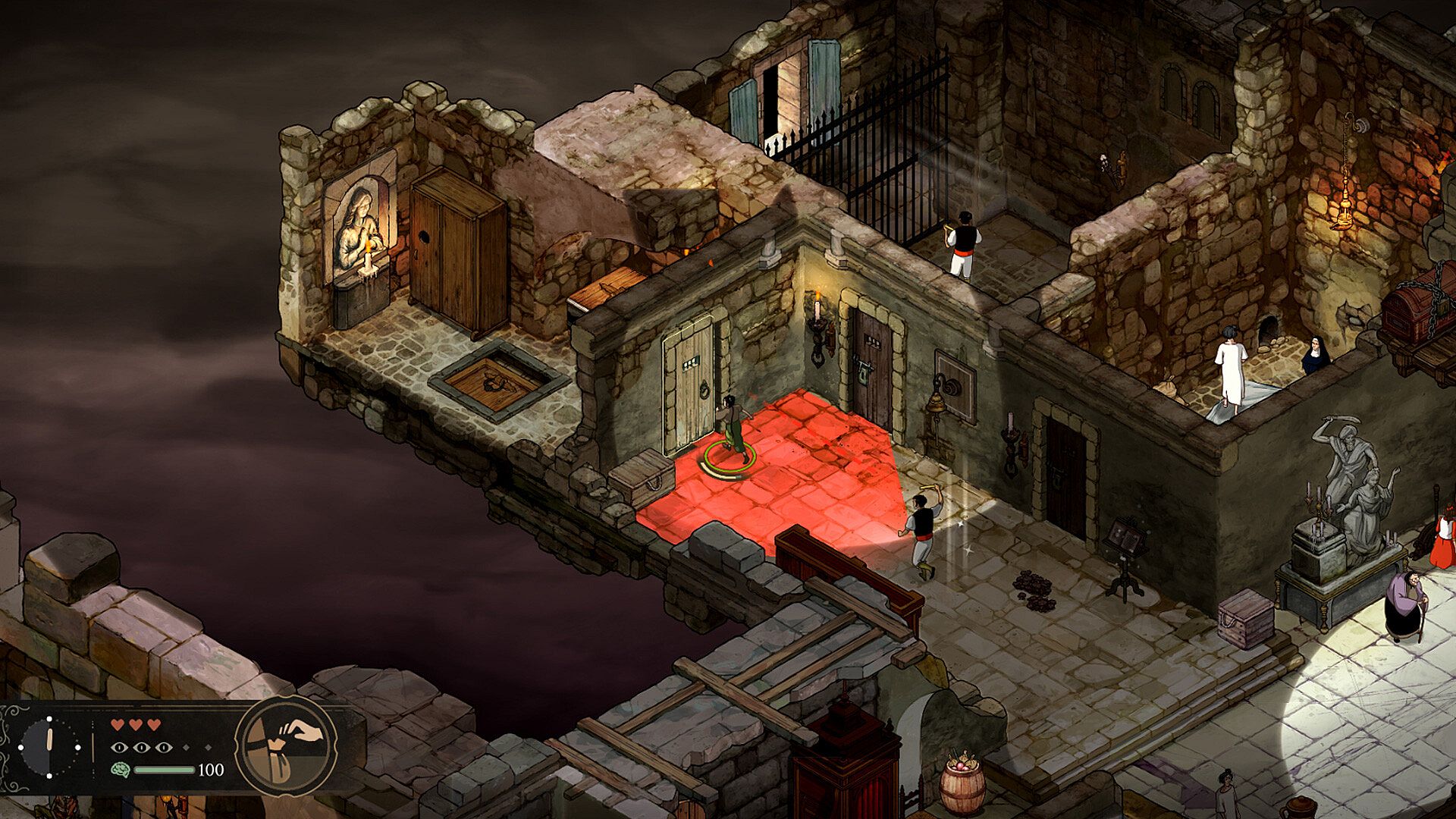
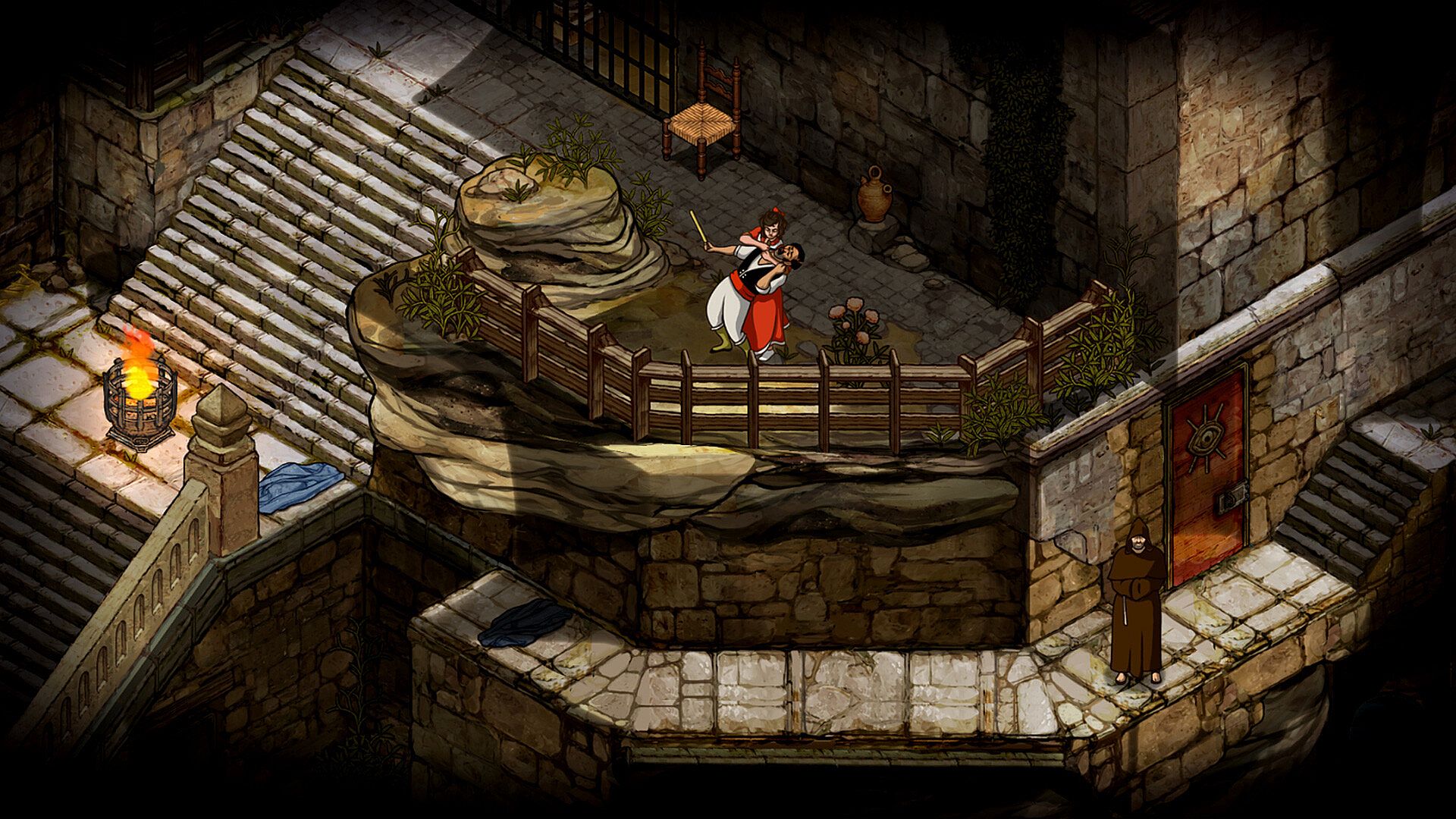
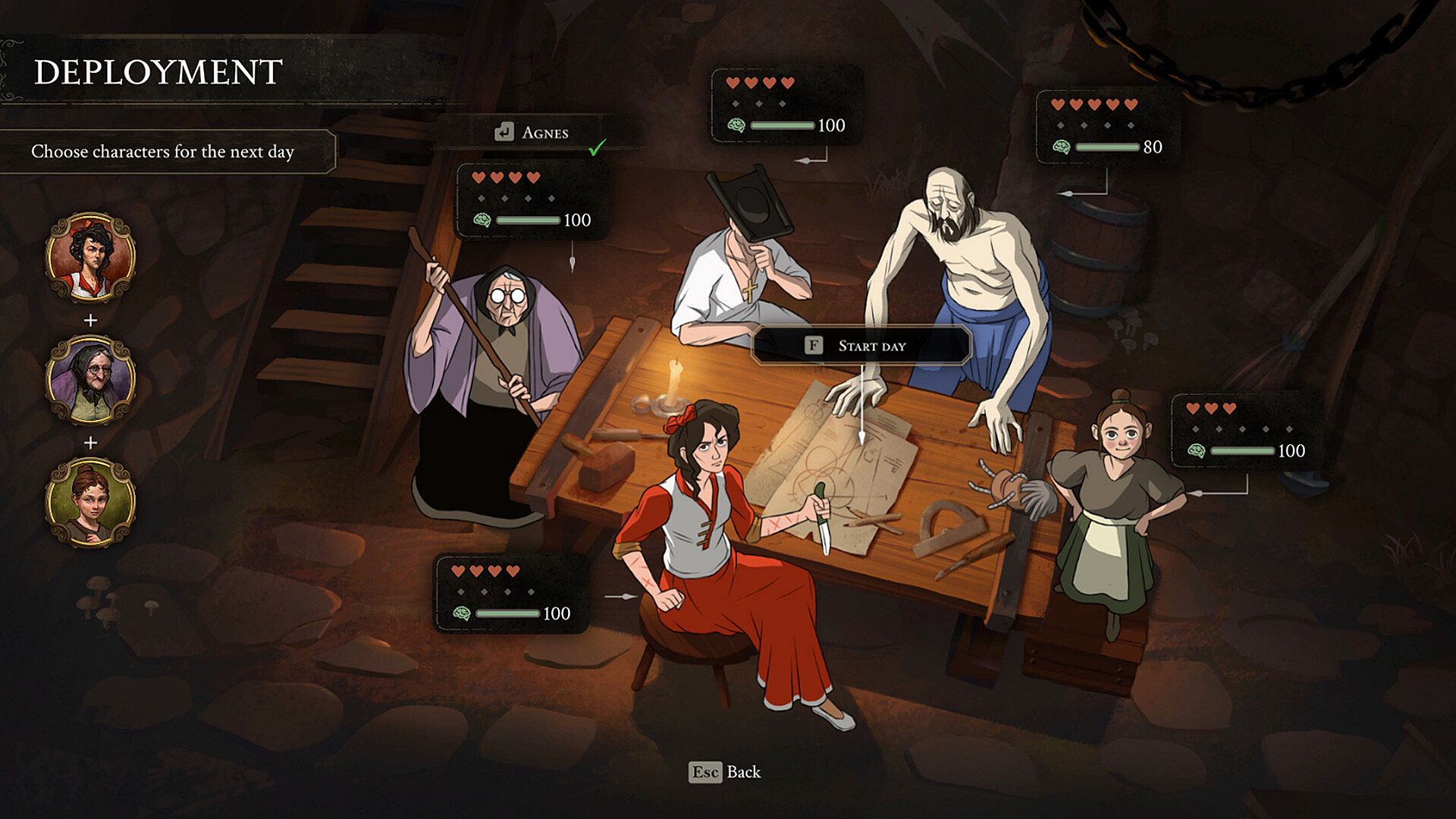
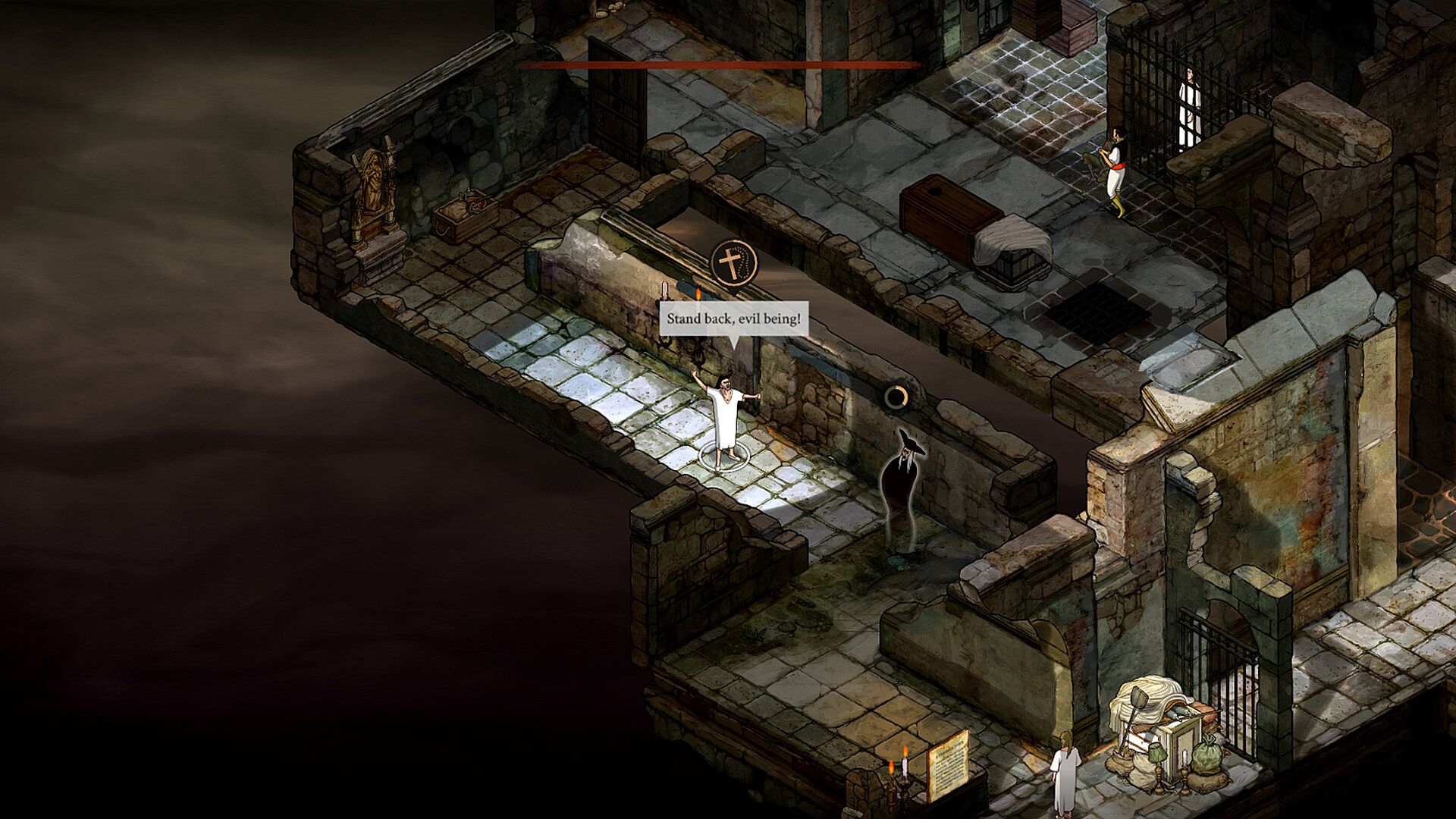
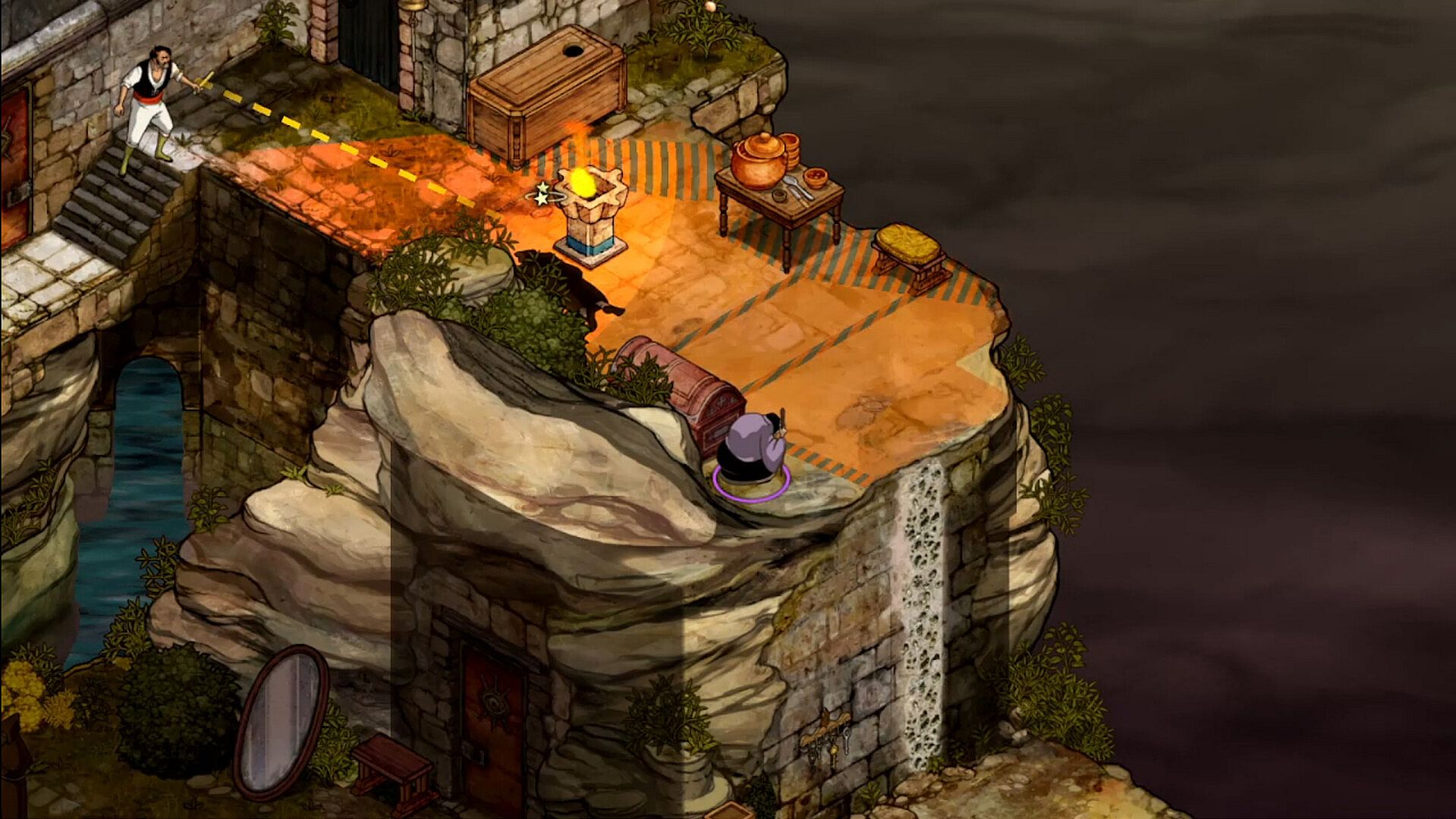
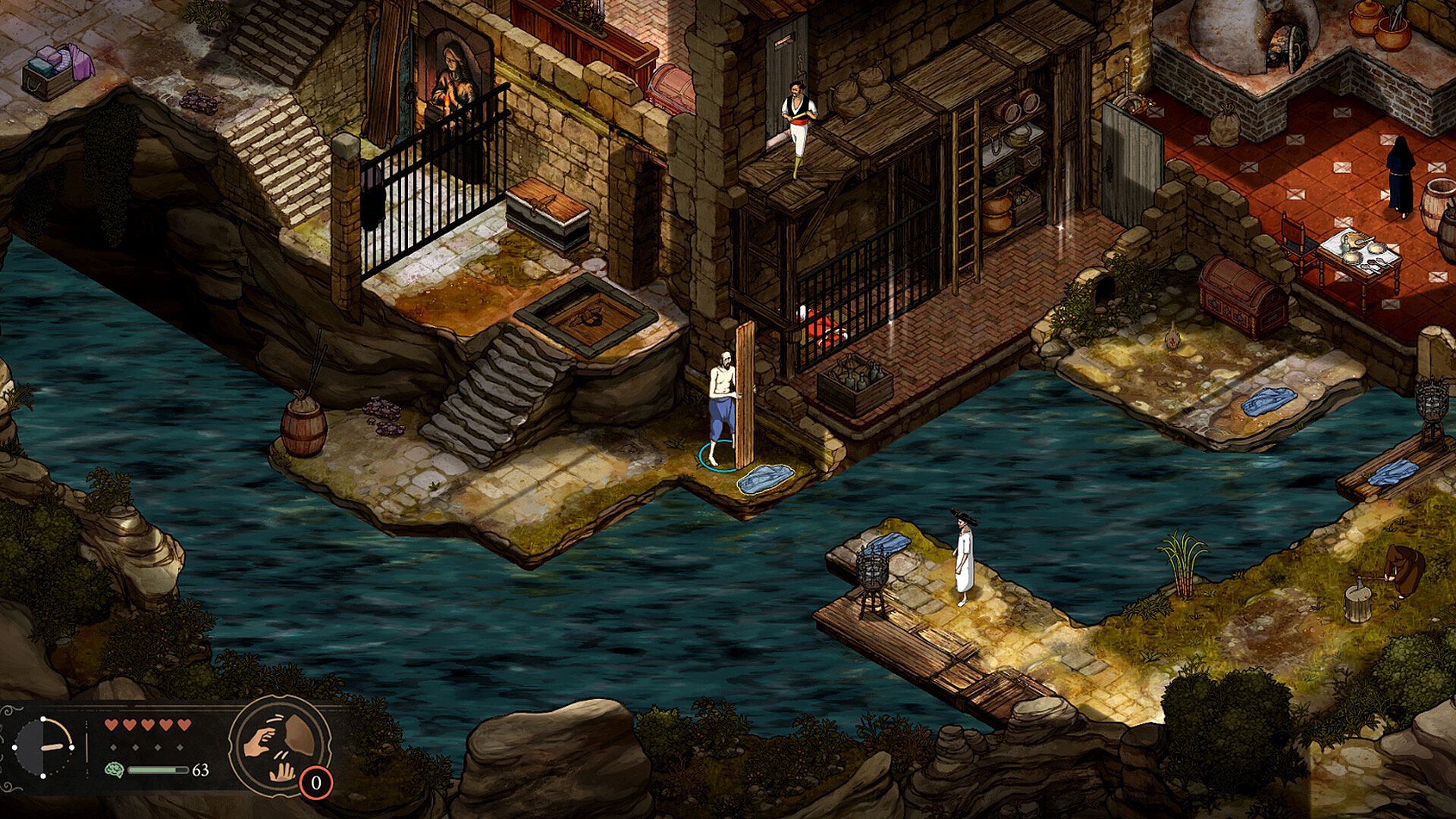
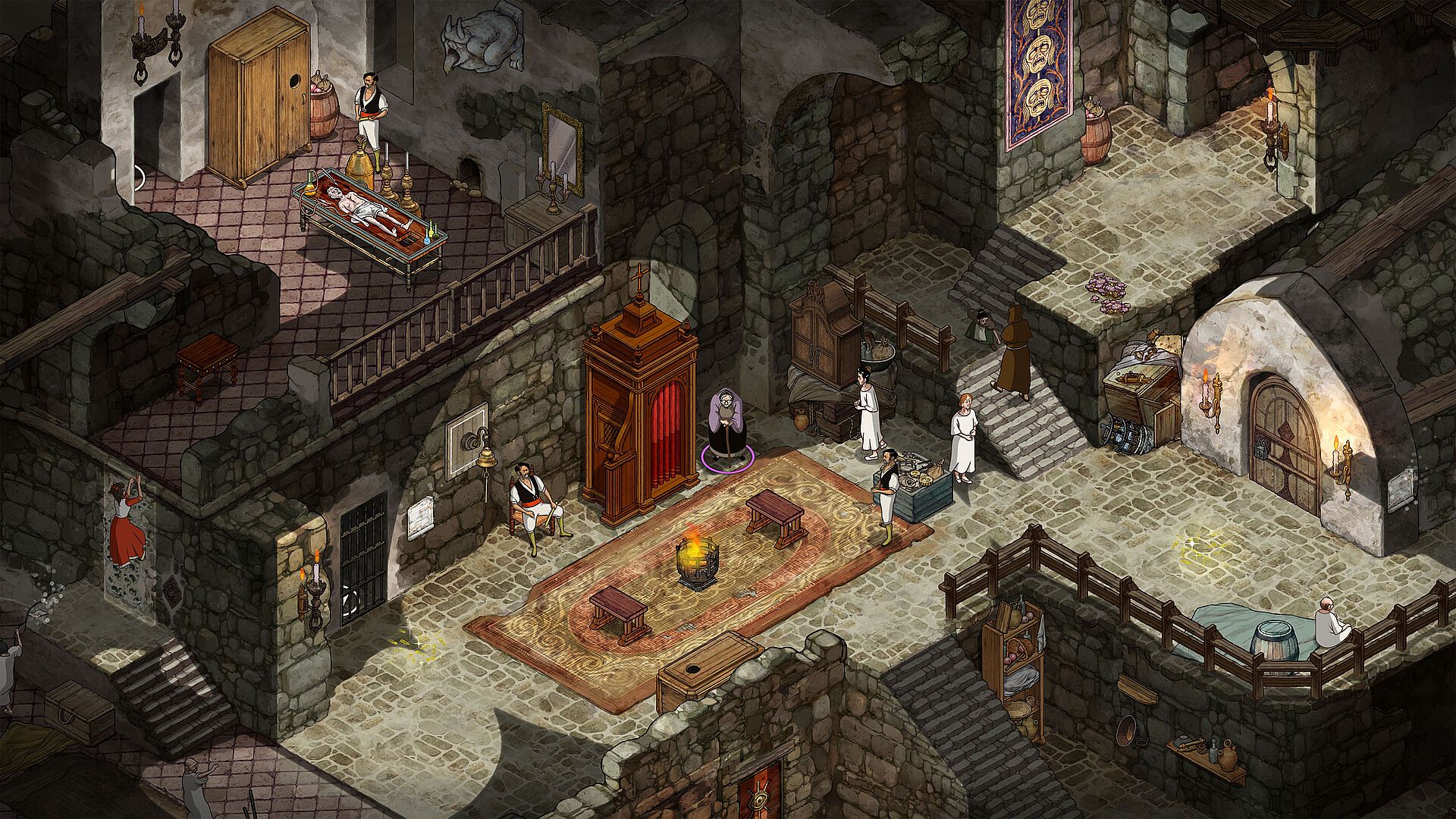
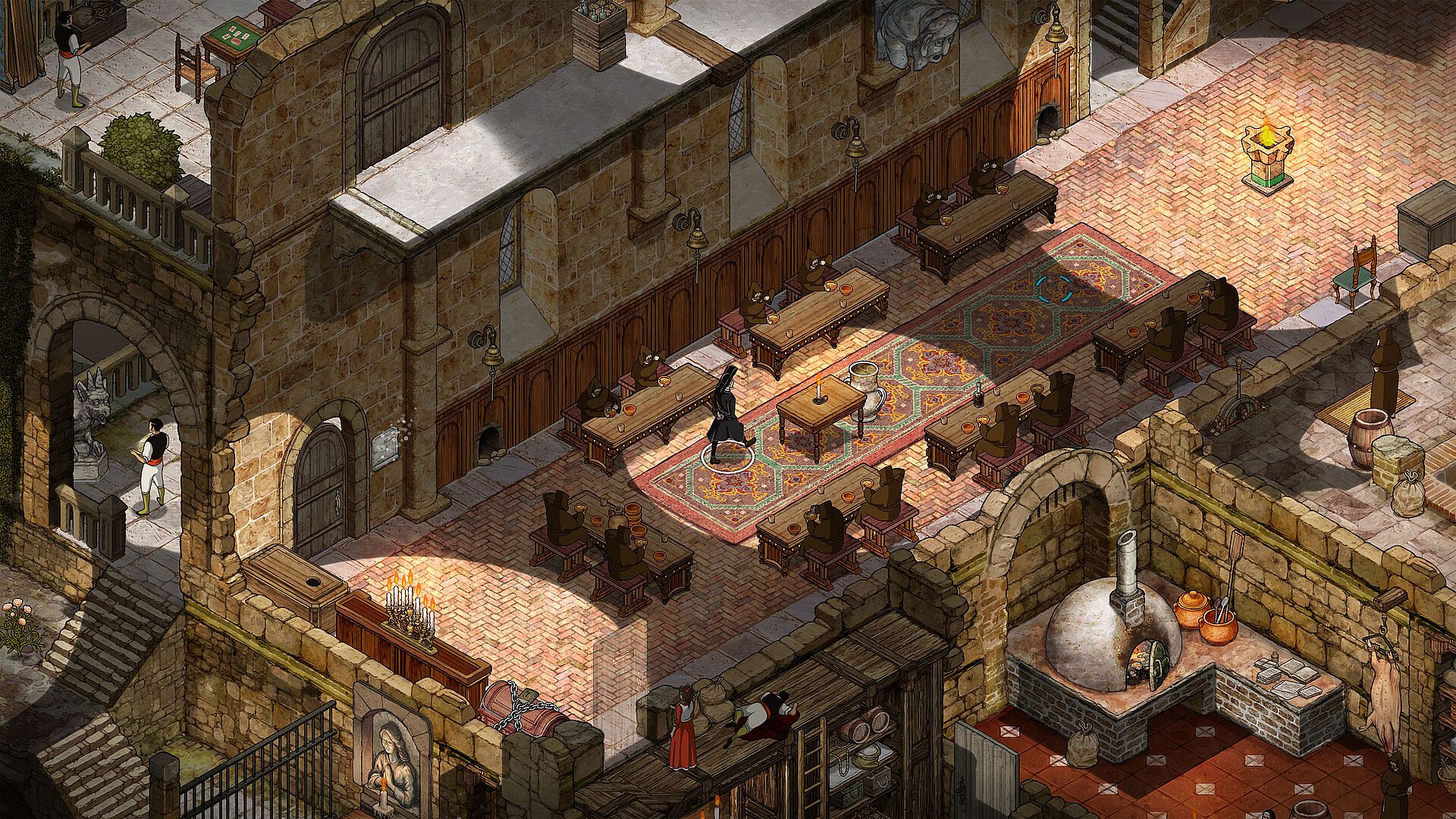
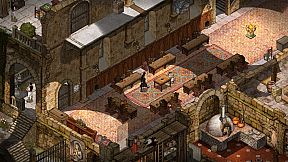
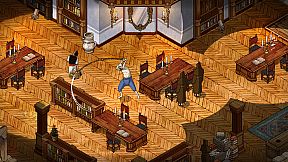
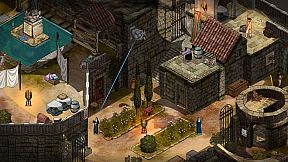
The core loop revolves around alternating between daytime exploration and nighttime preparation. During the day, players select three characters from the group to venture into the monastery. They sneak past guards, gather materials, investigate clues, move obstacles, and complete objectives using each prisoner's distinct abilities. These include casting spells, assassinating targets, distracting enemies, stunning spirits, and accessing restricted areas through creative combinations of skills.
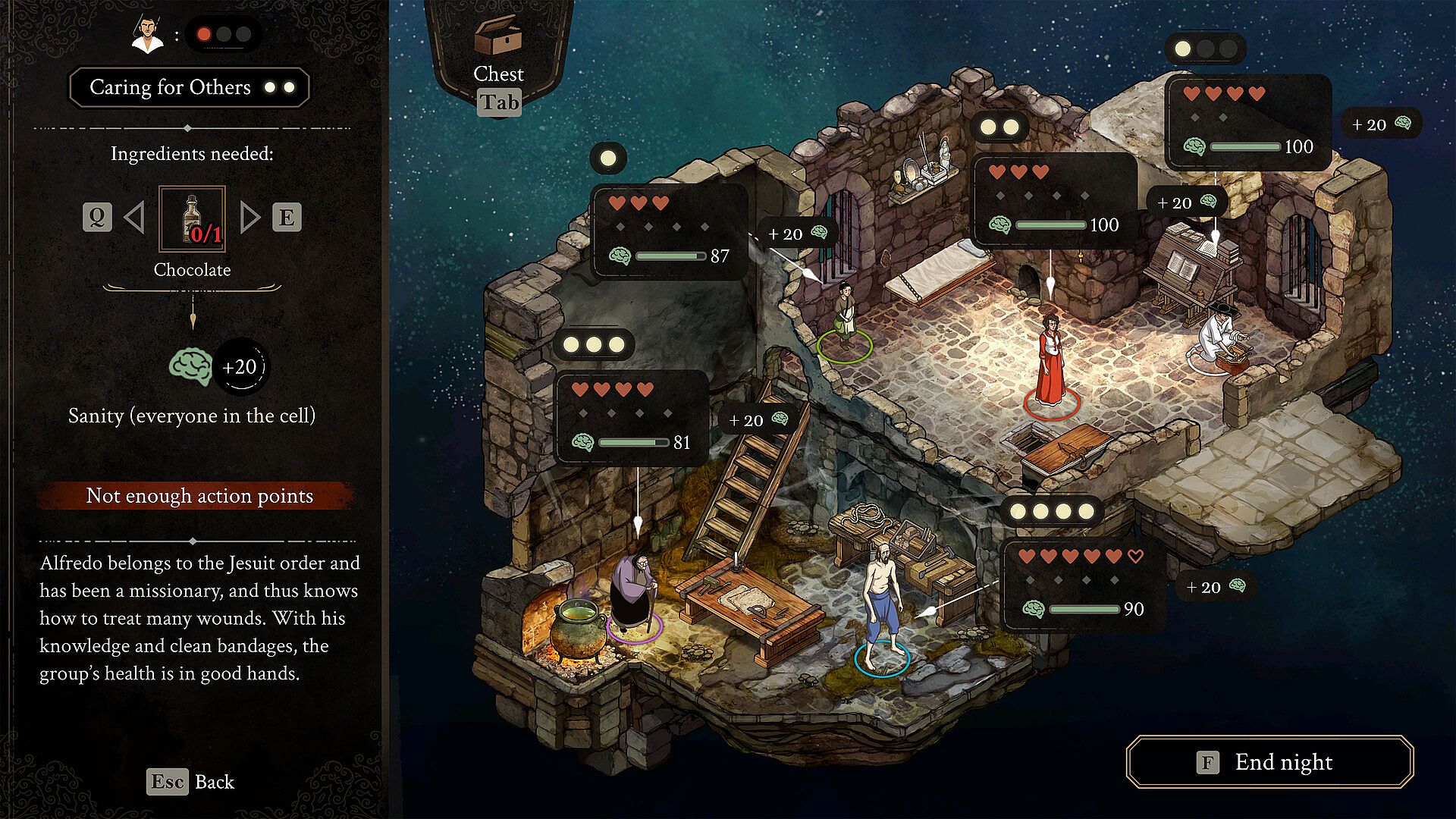
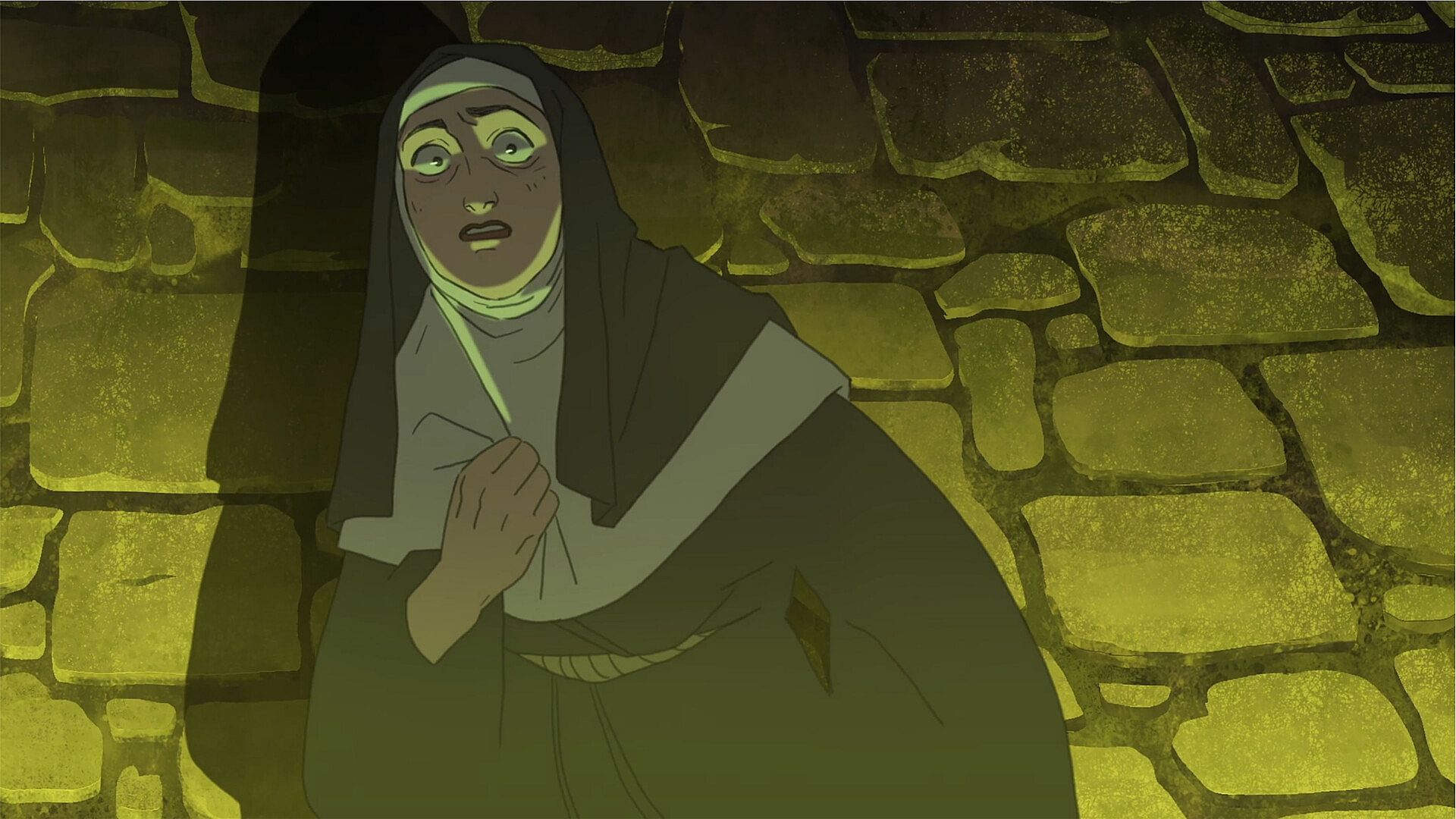
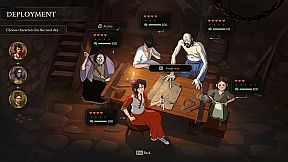
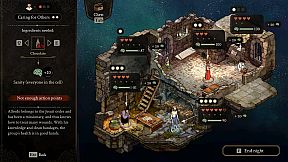
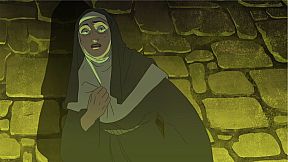
Each character carries personal traumas and phobias that directly influence gameplay. Triggering these traits drains sanity and can lead to events like paranoia or violent outbursts, which alter how that character functions until addressed. Nighttime returns the group to their shared cell, where players craft items, heal afflictions, study upgrades, and refine the escape strategy. Time advances continuously, so decisions about when to act carry lasting consequences, with tighter security and paranormal threats emerging after curfew.
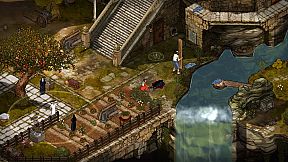
The isometric view supports precise observation of the environment, encouraging players to experiment with ability synergies while avoiding detection. Upgradable skills expand options over time, but mental health management remains a constant factor that can reshape strategies mid-mission.
Game Modes
The game features two full-fledged campaigns. Each campaign presents its own narrative thread, distinct objectives, additional characters, and unique surprises that alter the progression and challenges encountered.
Within these campaigns, the day and night cycle structures every session. Daytime focuses on active infiltration and resource collection across multiple floors and rooms of the monastery. Nighttime shifts emphasis to base management, allowing players to prepare tools and upgrades before returning to the field. This structure creates a consistent rhythm that ties exploration to planning without introducing separate multiplayer or competitive modes.
Character Dynamics and Progression
The five prisoners each bring specialized tools and limitations that demand careful team composition. One character excels at brute-force tasks like forcing open containers or shifting heavy objects but struggles in low-light conditions. Another handles stealth assassinations yet reacts poorly to fire. A third provides occult abilities limited by certain environmental factors, while others contribute support through distraction or exploration aids. Upgrades acquired through study and crafting allow gradual customization of these roles.
Sanity mechanics add depth to progression. Players must monitor and restore mental states between excursions, as unchecked deterioration changes character behavior and can derail plans. This system integrates with the broader escape effort, where clues and tools found during the day feed into nighttime improvements that unlock new paths or solutions.
Is It Worth Playing?
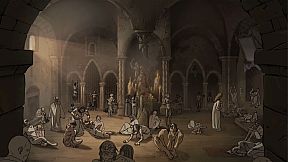
The Stone of Madness suits players who enjoy methodical tactical stealth games with layered resource and character management. Its hand-painted, frame-by-frame animated visuals create a distinctive atmosphere that complements the setting and mechanics. The two campaigns deliver varied stories and objectives that encourage multiple playthroughs focused on different character combinations and timing choices.
Reception on major platforms stands at mostly positive, reflecting appreciation for the concept and art direction alongside notes on occasional technical issues and steep difficulty. Those drawn to single-player experiences centered on puzzle-like stealth, sanity management, and incremental progression will find substantial depth here. The game remains available on PC with no reported seasonal content or major post-launch expansions altering the core structure.