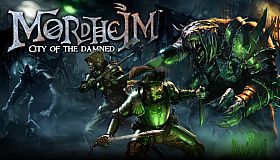






Mordheim: City of the Damned is a turn-based tactical strategy RPG set in the ruined Warhammer Fantasy city of Mordheim. Players lead small warbands through lethal skirmishes while managing resources, injuries, and progression in a harsh environment where every decision carries lasting consequences.
Gameplay
The core experience revolves around building and maintaining a warband of up to ten active fighters plus reserves. Units fall into categories such as leaders, heroes, and henchmen, each with distinct roles and abilities that shape tactical options. Between missions, players recruit new members, equip them with looted or purchased gear, and spend experience to unlock skills and improve stats.
Combat unfolds in third-person tactical encounters on detailed maps filled with ruins, streets, and buildings. Movement uses a flexible area-based system rather than strict grids, with separate pools of points for repositioning and actions. Positioning, line of sight, and environmental cover play major roles in setting up ambushes or denying enemy advances. Units can suffer permanent injuries, including lost limbs, which alter their effectiveness, and death removes them from the roster entirely.
Resource management adds depth outside of battles. Wyrdstone fragments collected during missions fuel upgrades and trade with local factions for bonuses or supplies. Upkeep costs and healing requirements force careful choices about which units to field and how aggressively to push objectives.
Game Modes
Single-player content centers on faction-specific campaigns consisting of structured missions divided into acts. These scenarios feature fixed maps but vary in objectives, enemy placements, and secondary goals such as gathering a set amount of Wyrdstone or eliminating key targets. Random skirmishes provide additional solo practice or variety.
Multiplayer supports direct head-to-head skirmishes against other players. Matches can be set as low-stakes friendly exhibitions or competitive encounters where losses affect warband progression. No major rule variations exist between modes, allowing seamless transition from campaign experience to online play.
Warband Customization and Factions
Four base factions offer distinct playstyles and unit rosters. Empire Mercenaries emphasize ranged firepower and versatile human troops. Sisters of Sigmar field disciplined, heavily armored fighters with strong melee presence. The Cult of the Possessed brings mutated and chaotic elements for aggressive, unpredictable tactics. Skaven rely on speed, numbers, and underhanded tricks suited to hit-and-run approaches.
Customization extends beyond faction choice. Multiple classes provide unique abilities, while gear and skill trees allow further specialization. Synergy between units becomes critical when facing tougher opponents or navigating complex map layouts.
Is It Worth Playing?
The game maintains a Mostly Positive rating on its primary platform, with roughly 70 percent approval across more than eight thousand reviews. A Metacritic score of 74 reflects similar sentiment. Players who enjoy deep tactical decision-making, warband management, and high-stakes consequences often praise the combat system and atmosphere. Critics frequently note the punishing nature of permanent losses, occasional reliance on random outcomes, and dated technical elements as potential drawbacks.
Current player counts remain modest yet stable years after release, indicating a dedicated audience rather than mass appeal. The title suits those seeking a challenging, methodical strategy experience with strong ties to its tabletop roots. Newcomers comfortable with permadeath mechanics and iterative learning will find the most satisfaction, while those preferring forgiving progression or frequent updates may want to sample it during a sale.