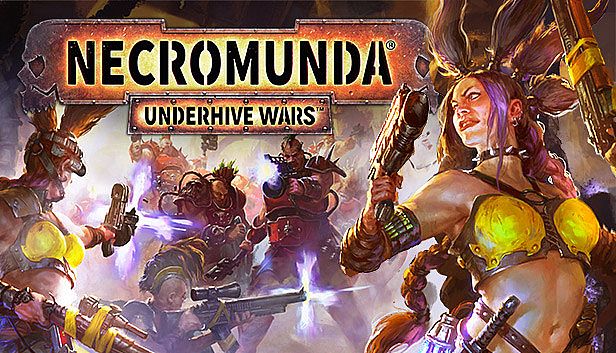





















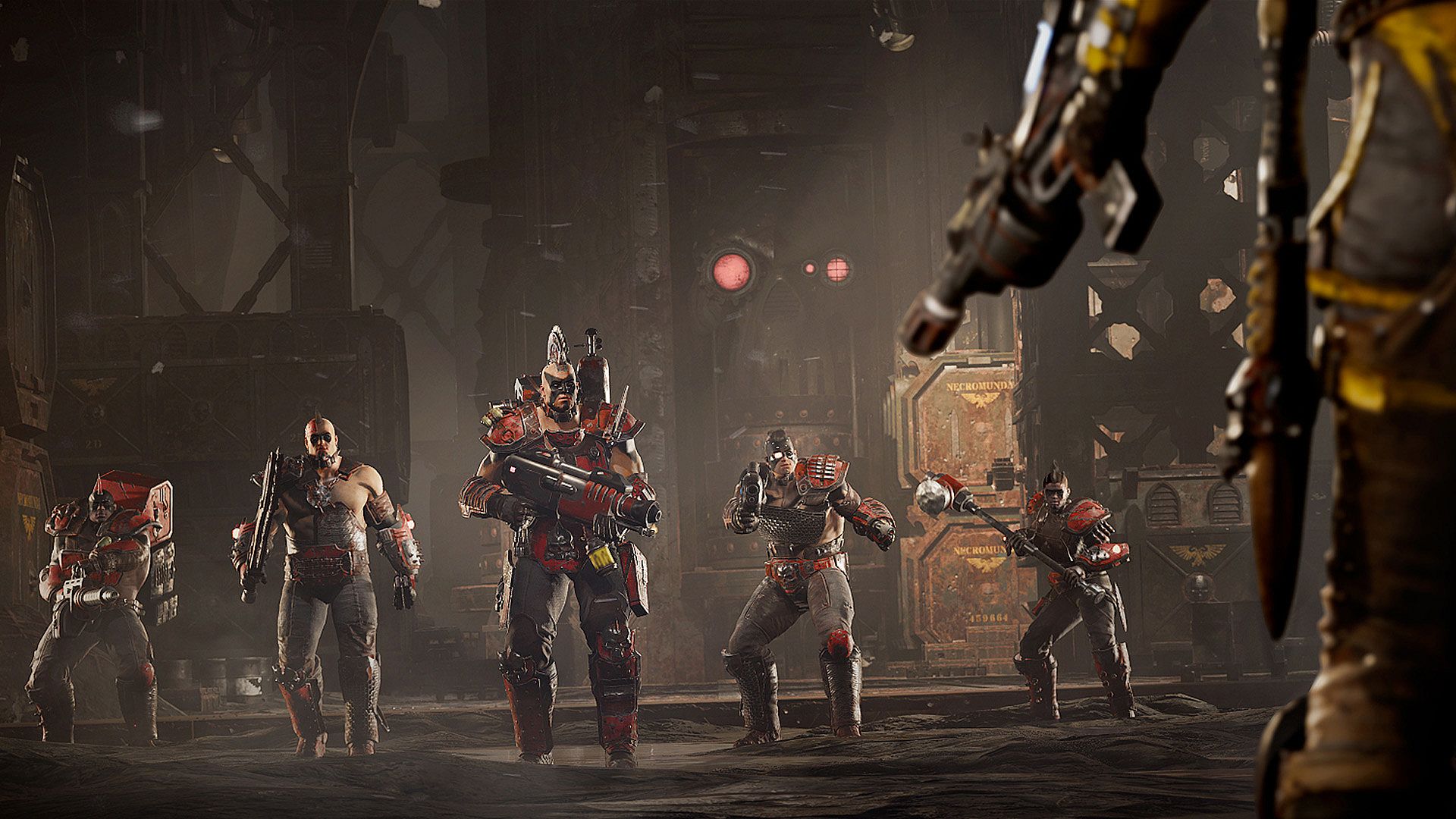
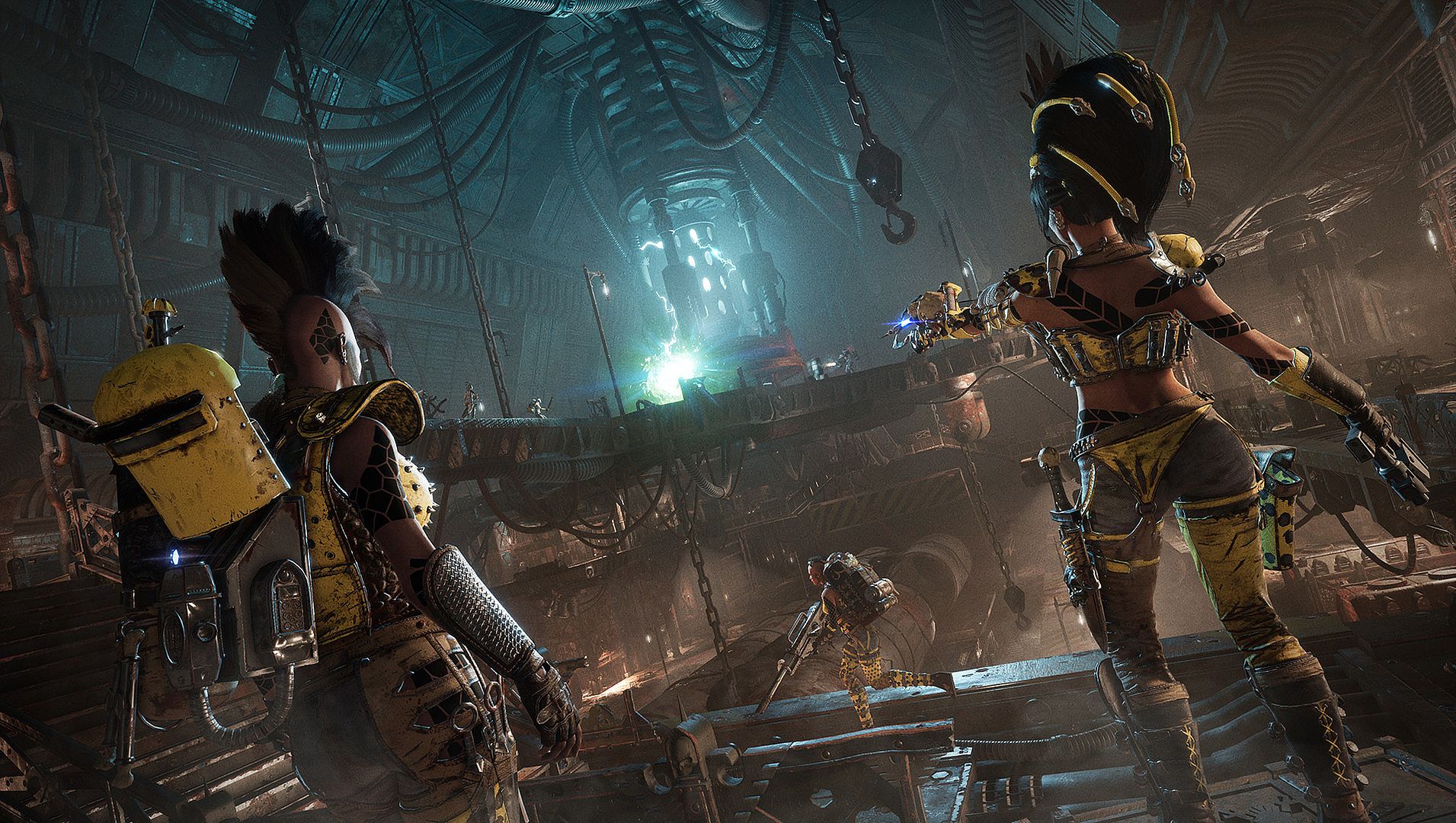
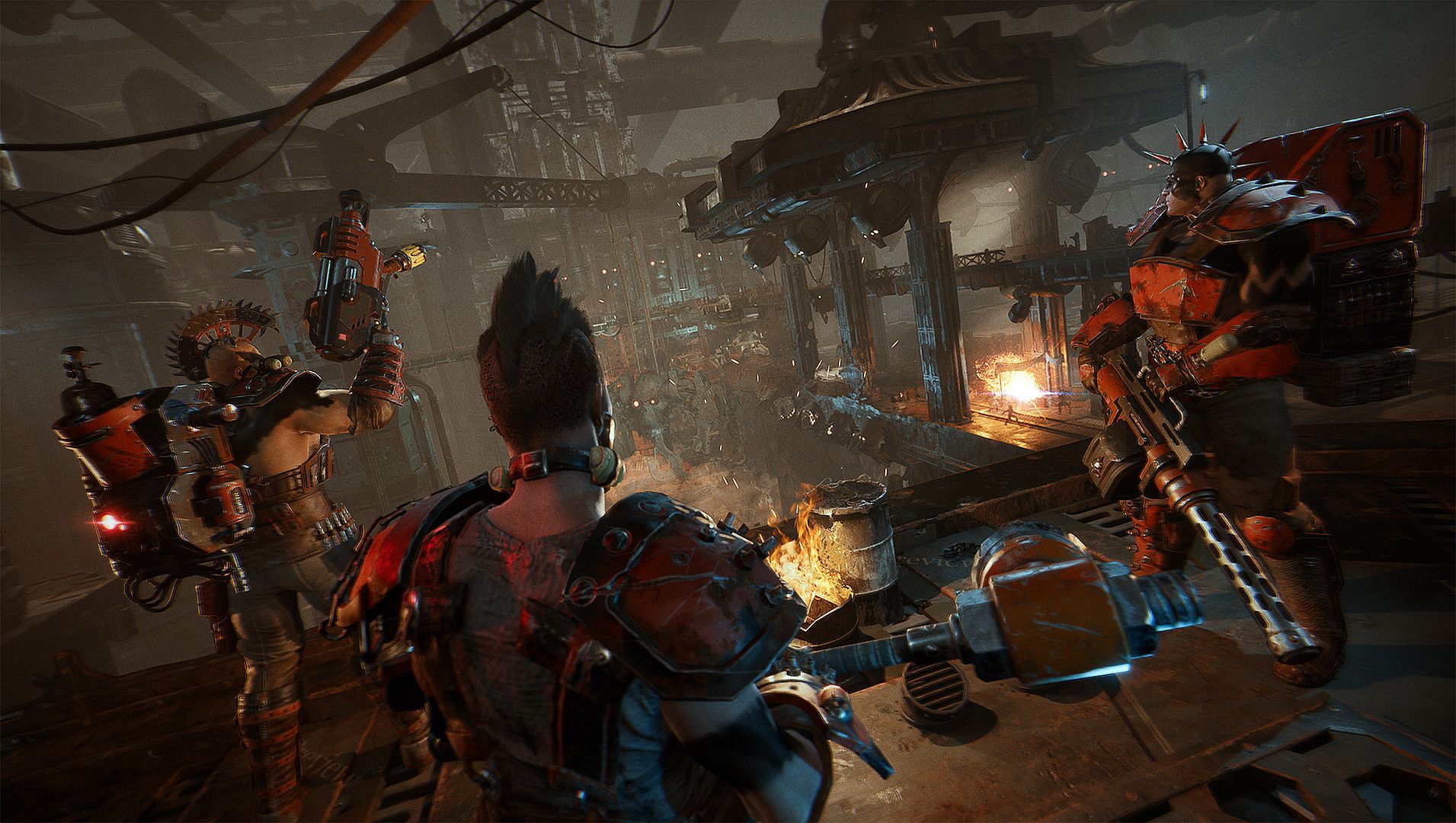
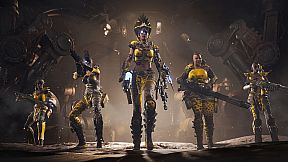
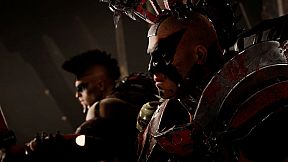
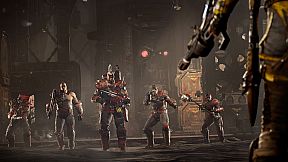
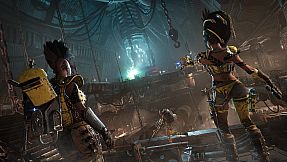
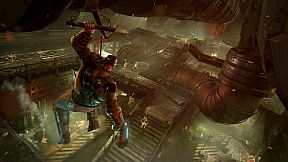
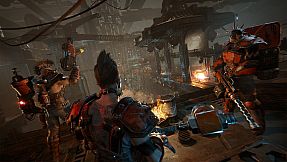
Necromunda: Underhive Wars is a tactical role-playing game set in the Warhammer 40,000 universe. Players lead rival gangs through the polluted tunnels and hazardous structures of the Underhive on the planet Necromunda. The core loop revolves around building and evolving a small squad of fighters, then deploying them in turn-based skirmishes that emphasize positioning, resource management, and adaptation to the environment.
Gameplay
The game places heavy emphasis on squad customization and progression. Players begin by selecting one of three core gangs and then recruit members who can be specialized through skill trees and equipment choices. Each fighter gains experience across multiple battles, unlocking new abilities while also carrying forward persistent injuries that affect future performance. Loot collected from fallen enemies or mission rewards feeds directly into upgrades, allowing gangs to shift focus between ranged firepower, close-quarters brutality, or support roles.
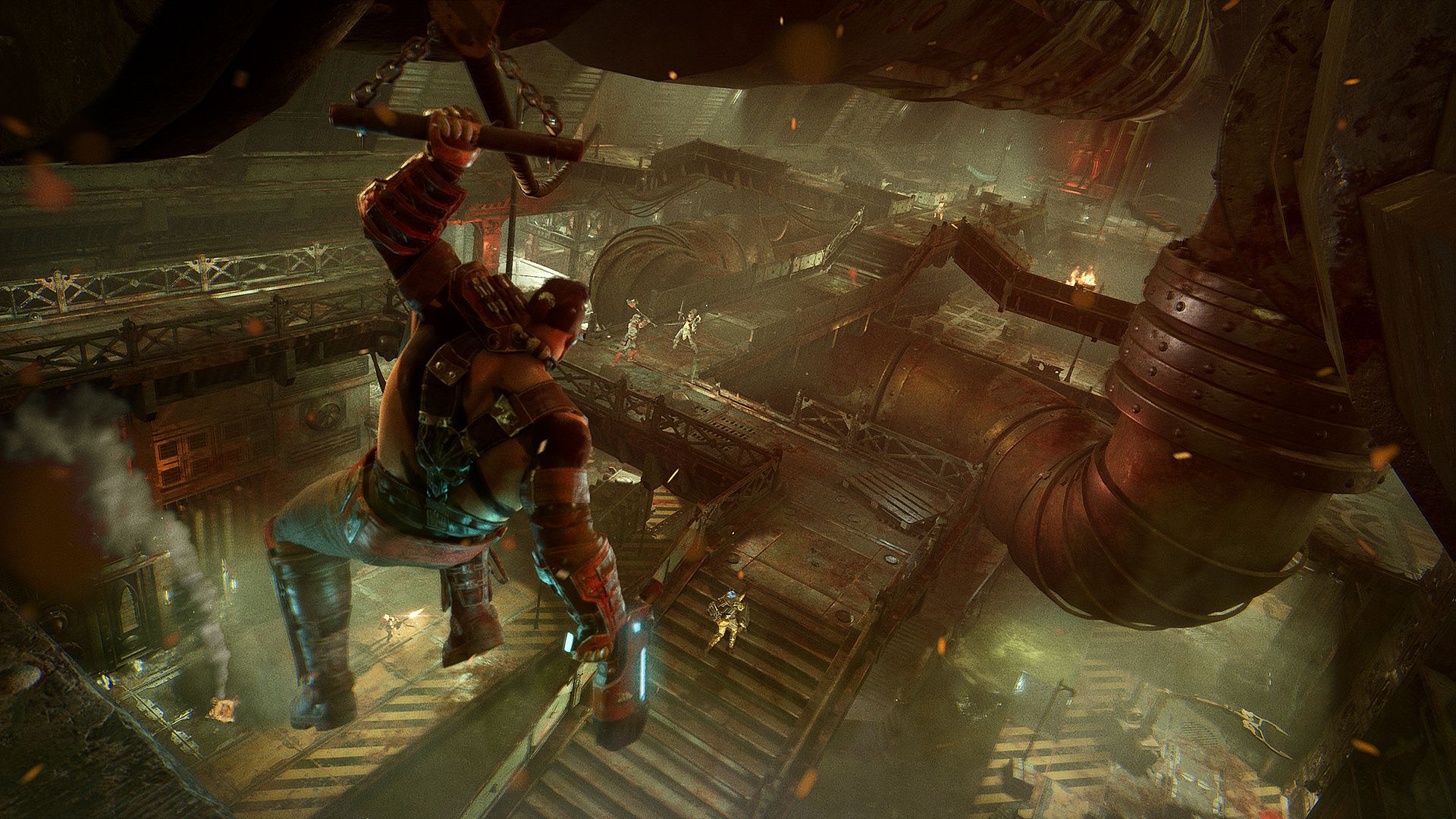
Combat occurs on multi-level maps filled with walkways, cover, and vertical space. Fighters spend action points and movement points each turn to reposition, fire weapons, set traps, or interact with the surroundings. Terrain plays a decisive role: elevated positions grant better lines of sight, while narrow corridors can funnel opponents into melee range. Objective-based scenarios add variety by requiring control of key points or completion of secondary goals alongside eliminating threats. The system rewards careful planning over brute force, as overextending often leads to costly losses that carry over between fights.
Game Modes
Three distinct modes structure the experience. The narrative campaign follows a structured story across fifteen chapters, guiding players through preset missions that introduce core mechanics while advancing a tale of gang rivalries. Operations serves as the primary progression hub, where players build and maintain a persistent gang, manage injuries, and undertake repeatable battles against AI opponents to earn resources and improve fighters over time.
Multiplayer and skirmish options allow direct competition or practice against other players and the AI. Gangs developed in Operations can be brought into these matches, creating a bridge between solo advancement and competitive play. All modes incorporate the same objective scenarios, ensuring each engagement presents fresh tactical challenges rather than simple elimination contests. Up to four participants can join online gang fights, with matches emphasizing coordination and exploitation of the dystopian environments.
Factions and Progression
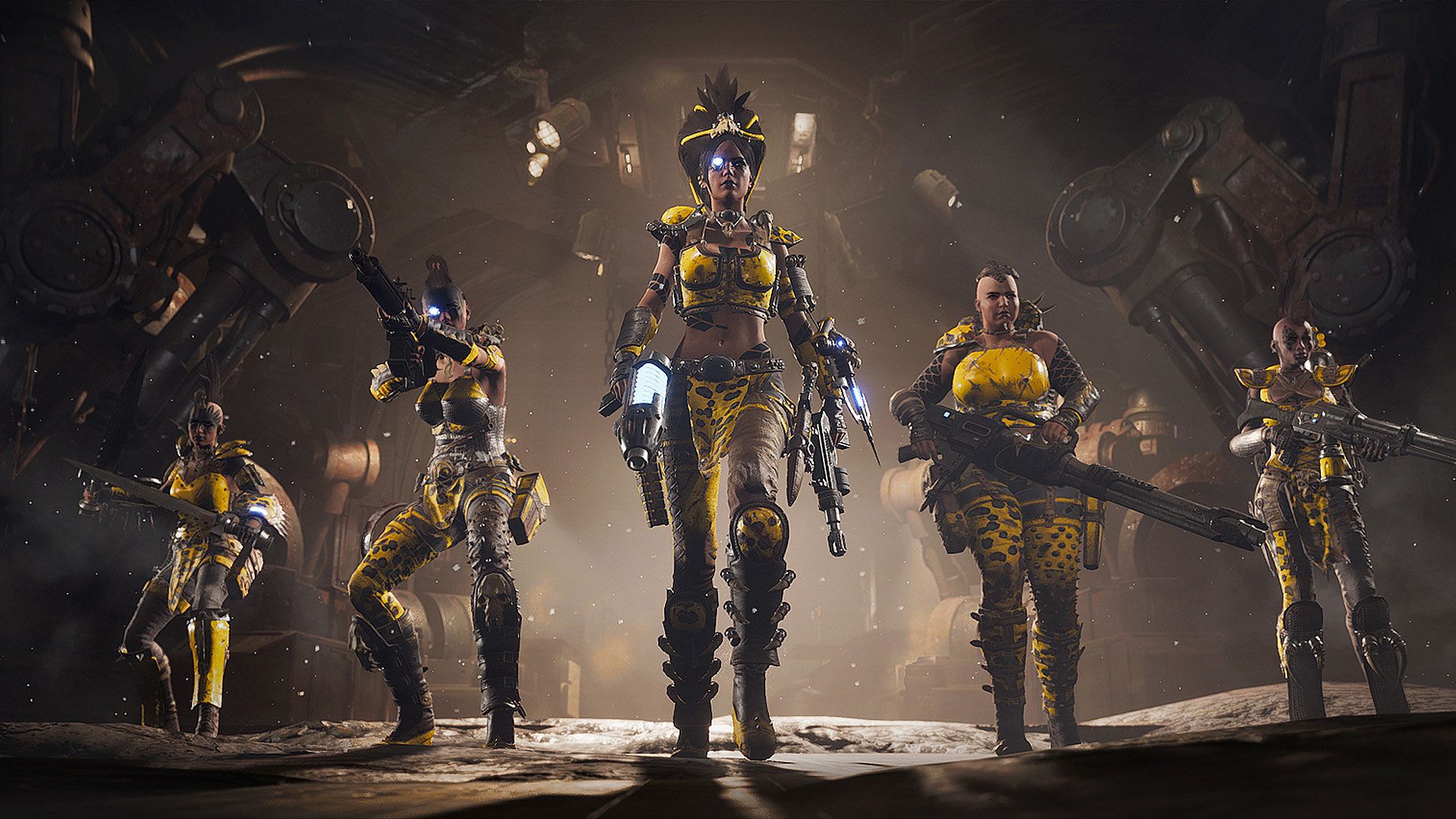
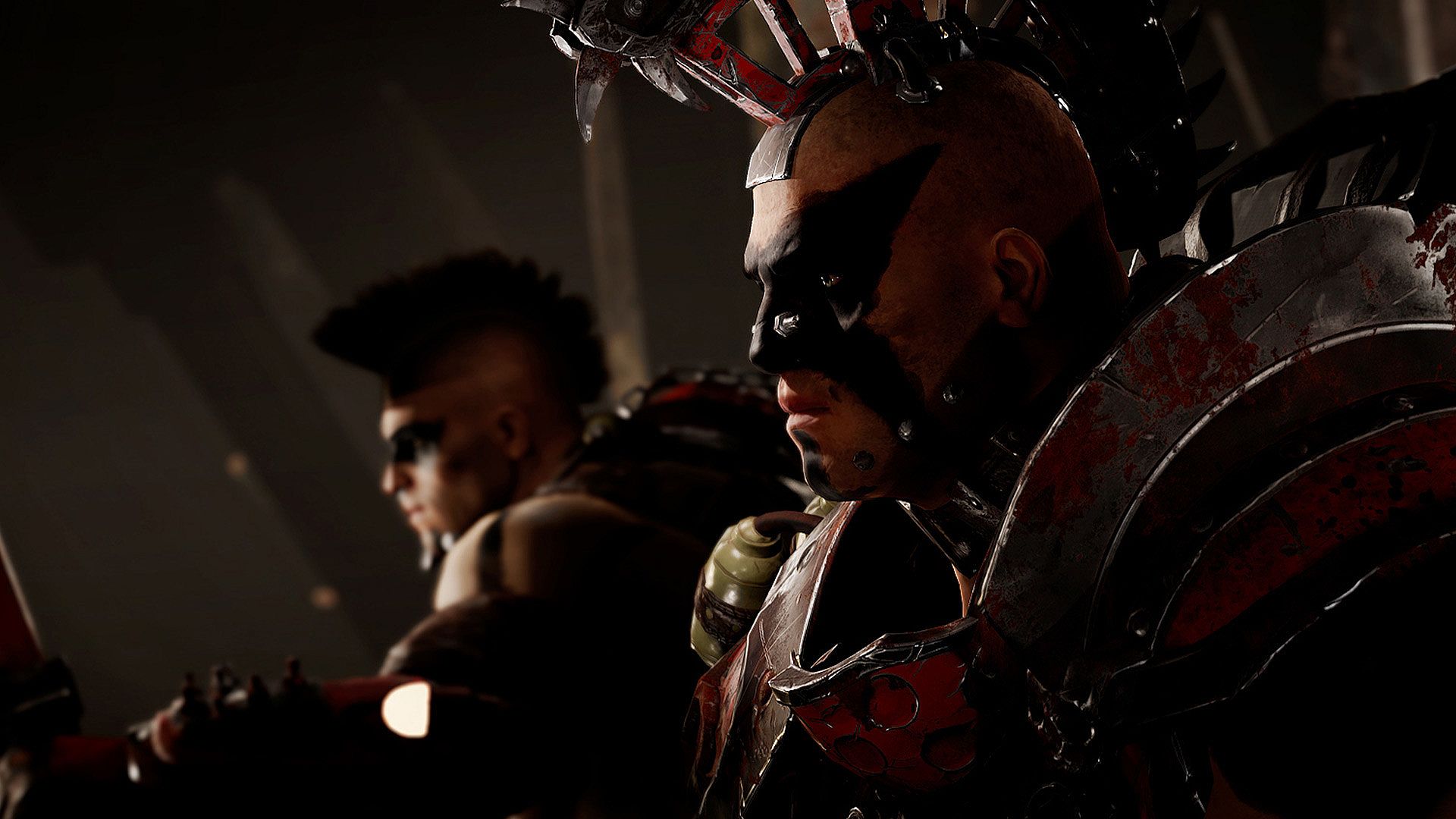
The three available gangs each bring distinct visual styles and playstyle tendencies. Escher fighters lean toward agility and specialized weaponry, Goliath emphasize raw strength and durability, and Orlock focus on versatile firepower and resilience. Five base classes provide further specialization options, letting players tailor roles such as leaders, gunners, or melee specialists within each gang.
Progression extends beyond individual missions through skill acquisition and equipment looting. Fighters improve across repeated deployments, but the risk of permanent setbacks from injuries forces ongoing roster management. This loop encourages experimentation with different loadouts and strategies as the gang grows stronger over multiple sessions.
Is It Worth Playing?
Necromunda: Underhive Wars launched in 2020 and continues to be available on PC. User reviews on its primary distribution platform sit at mixed levels, with roughly 55 percent positive ratings from over two thousand submissions. The title appeals most to players who enjoy turn-based tactical combat combined with gang-building elements similar to other squad-management strategy games.
Those seeking deep customization, persistent progression, and skirmish-focused gameplay in a grim science-fiction setting will find the systems rewarding. The campaign provides a guided entry point, while Operations and multiplayer extend playtime through repeatable content. Individuals less interested in deliberate pacing or who prefer faster action may find the turn structure and injury management less engaging. The game remains a solid option for fans of the Necromunda tabletop origins or Warhammer 40,000 lore who want a digital adaptation centered on small-scale gang warfare.