




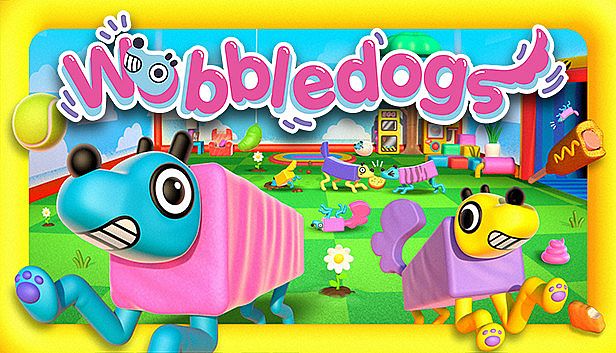


























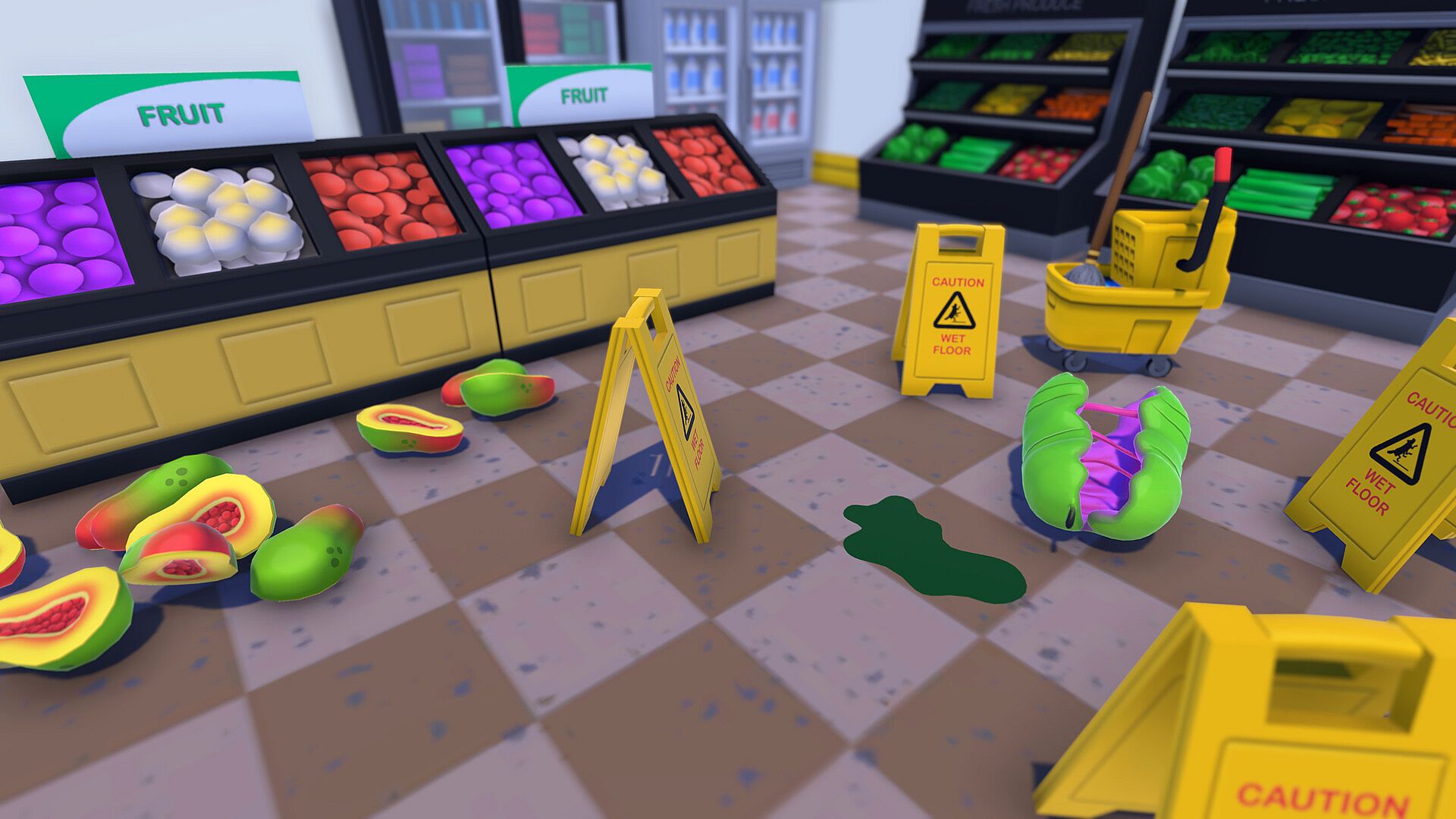
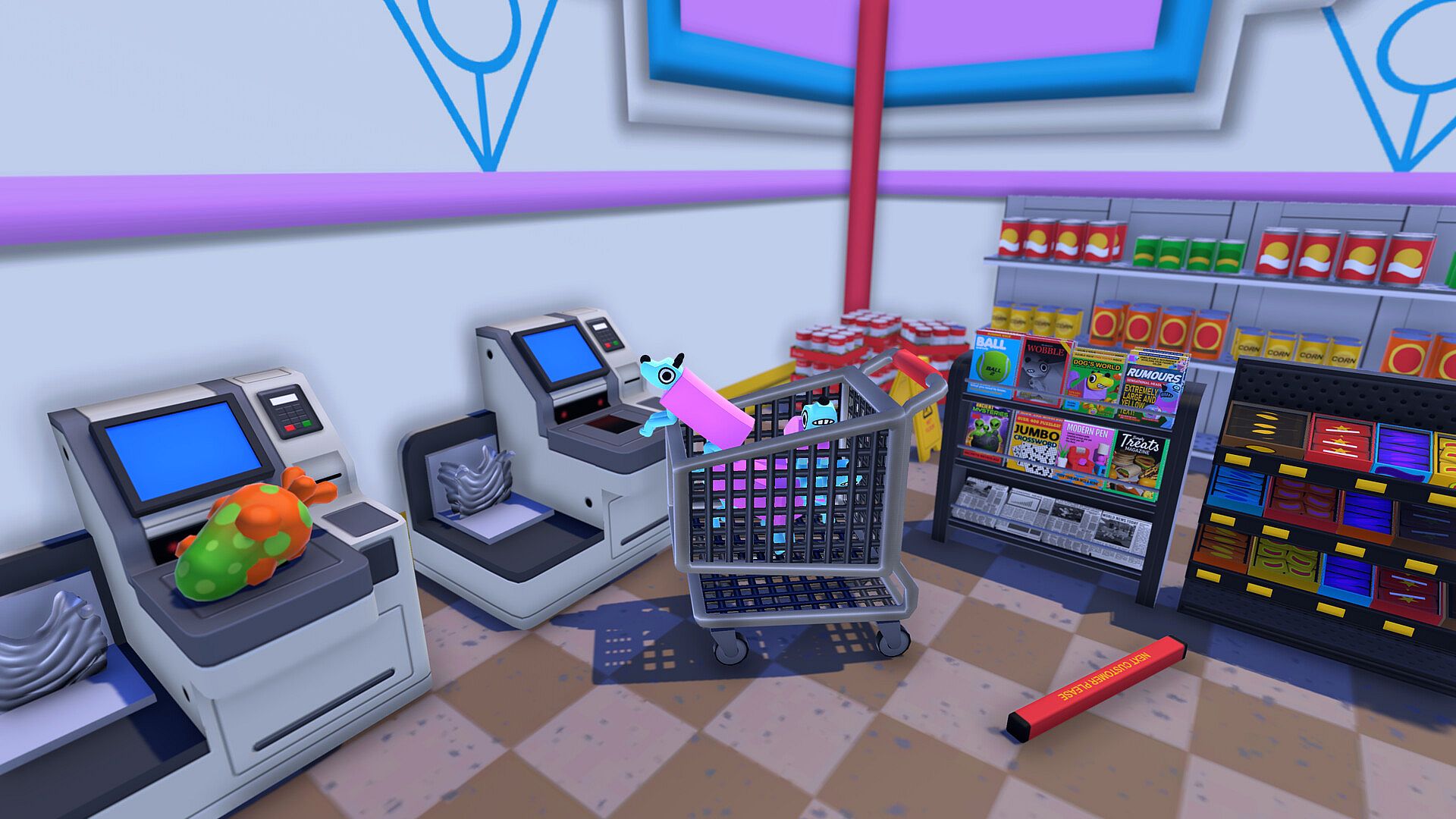
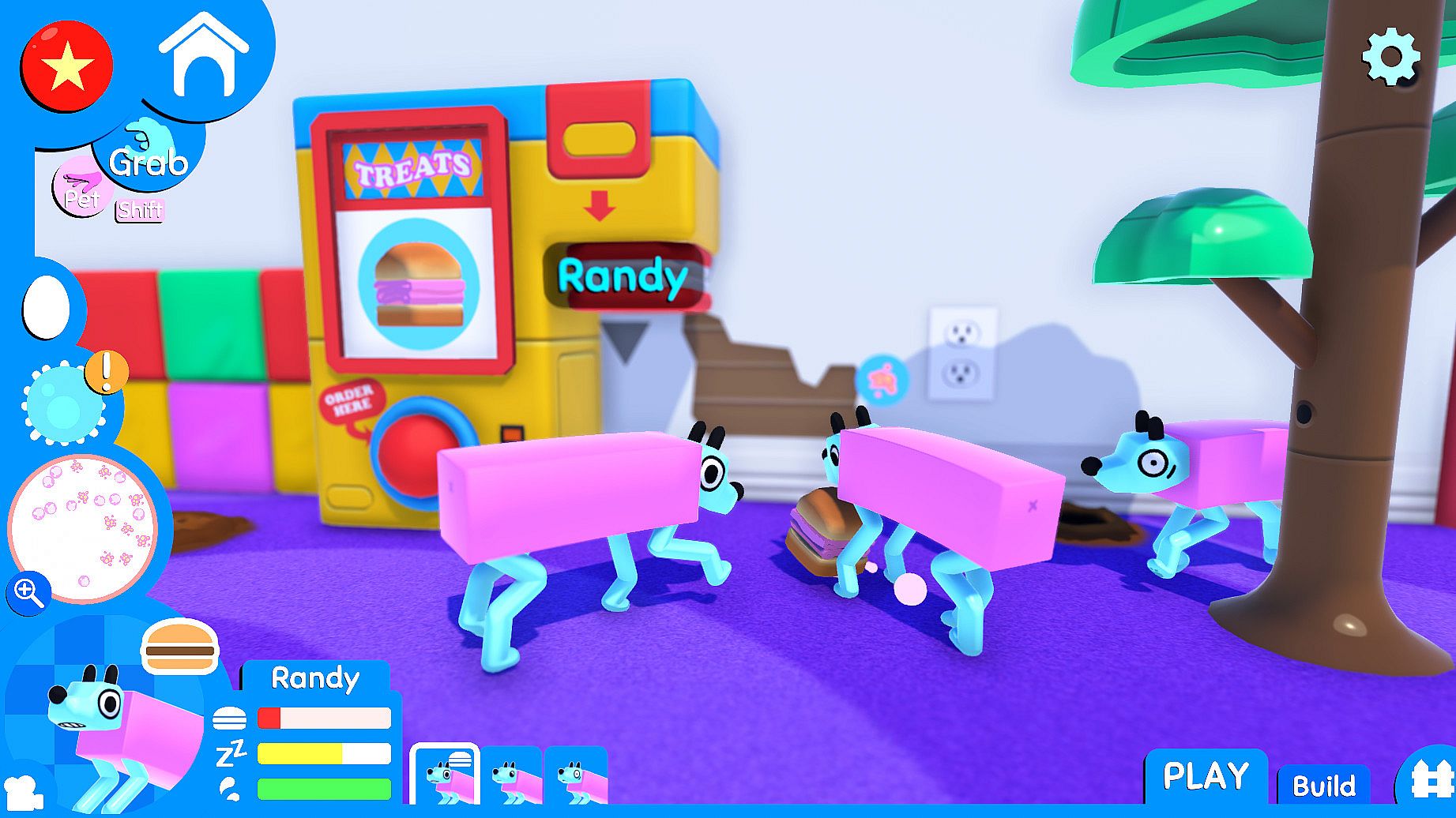
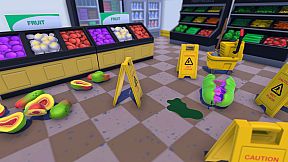
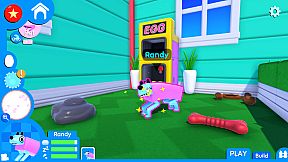
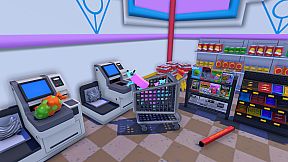
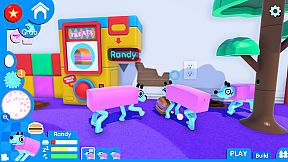
Wobbledogs is a singleplayer 3D pet simulation sandbox that puts players in charge of raising a colony of physically simulated dogs with highly variable bodies and genetics. The experience centers on feeding, breeding, and observing these creatures as they mutate in unexpected ways, all within customizable living spaces built from unlocked objects and decorations. Developed as an indie title, it emphasizes a relaxed pace where players can focus on whatever aspects appeal most, from genetics experimentation to habitat design.
Gameplay
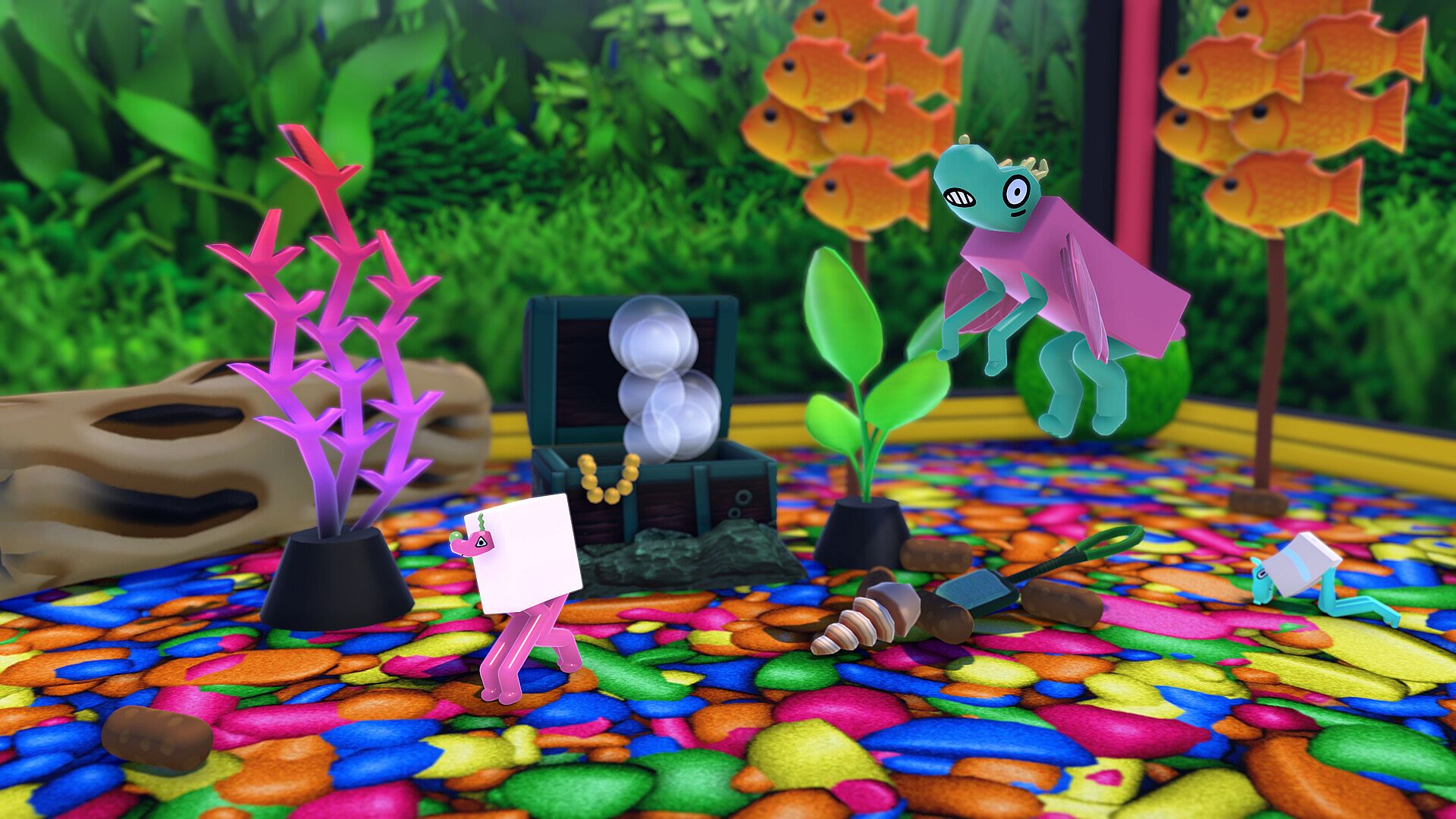
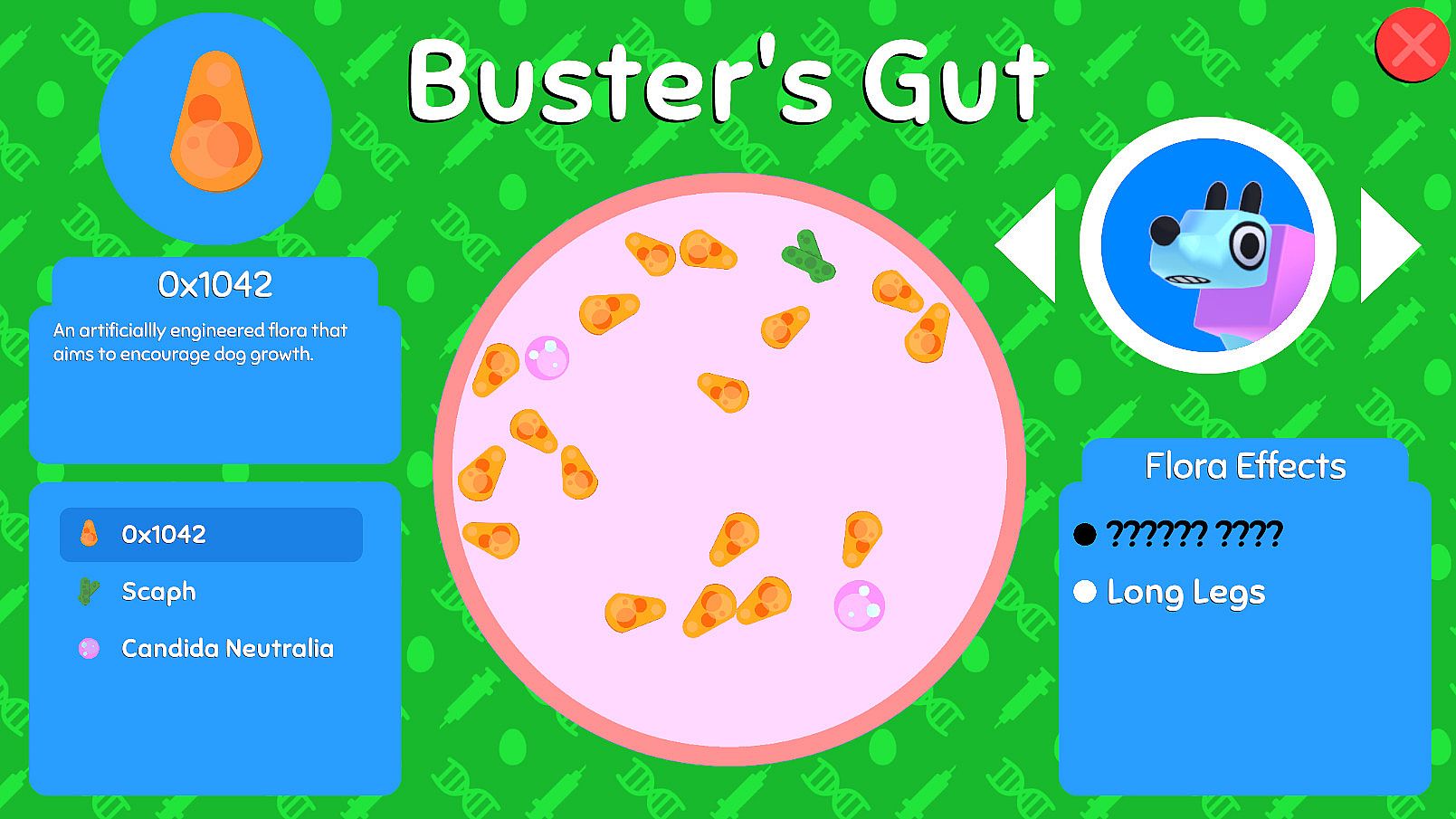
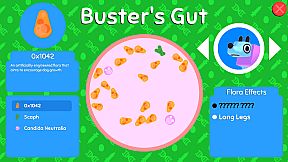
The core loop revolves around starting with relatively standard dogs and guiding their development through a simulated genetics system. Dogs age and periodically enter a pupal state that triggers physical changes, while the foods they consume introduce different flora into their digestive systems. These flora directly shape future mutations, allowing players to influence traits like body structure, number of eyes, or other features over successive generations.
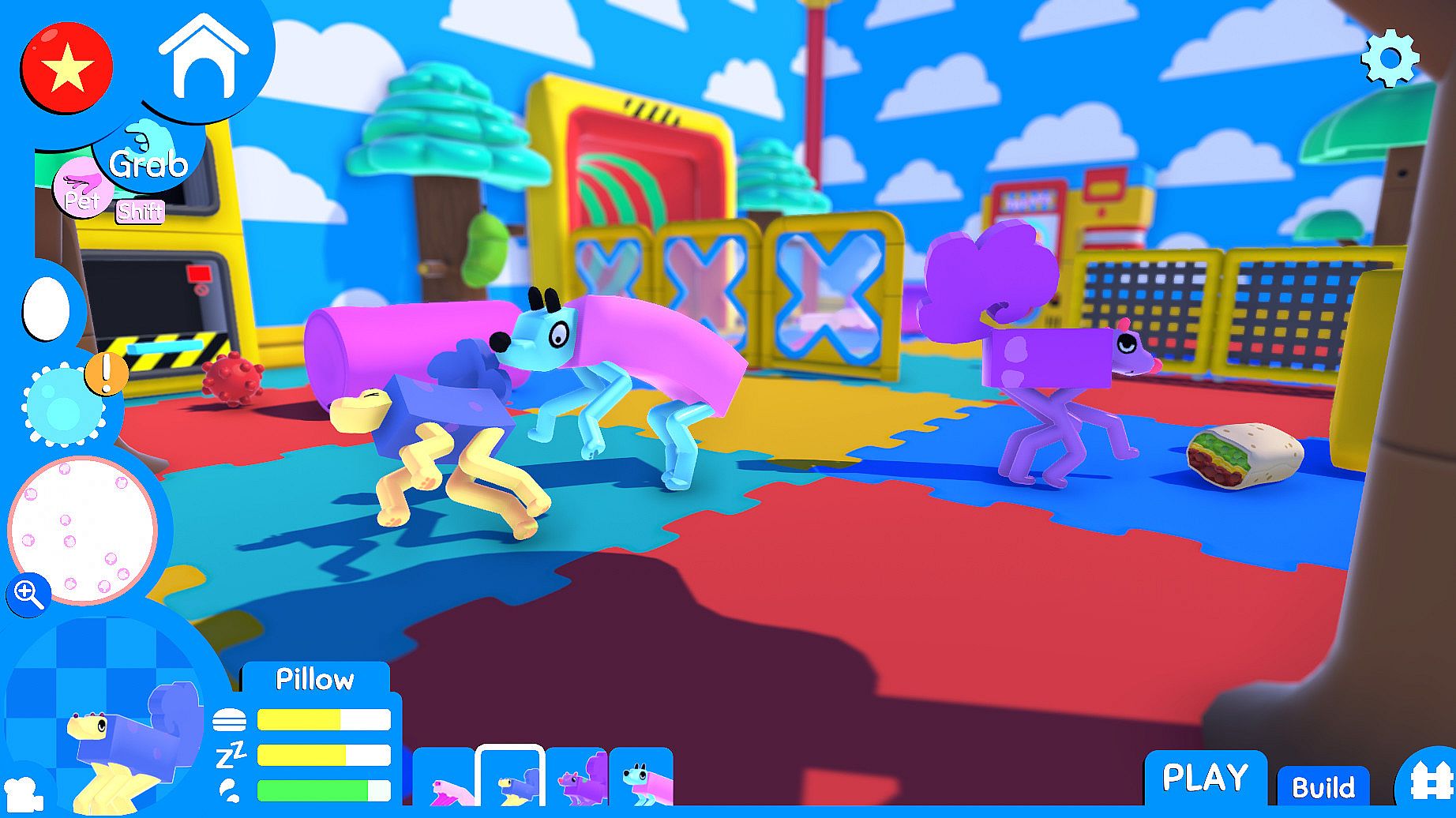
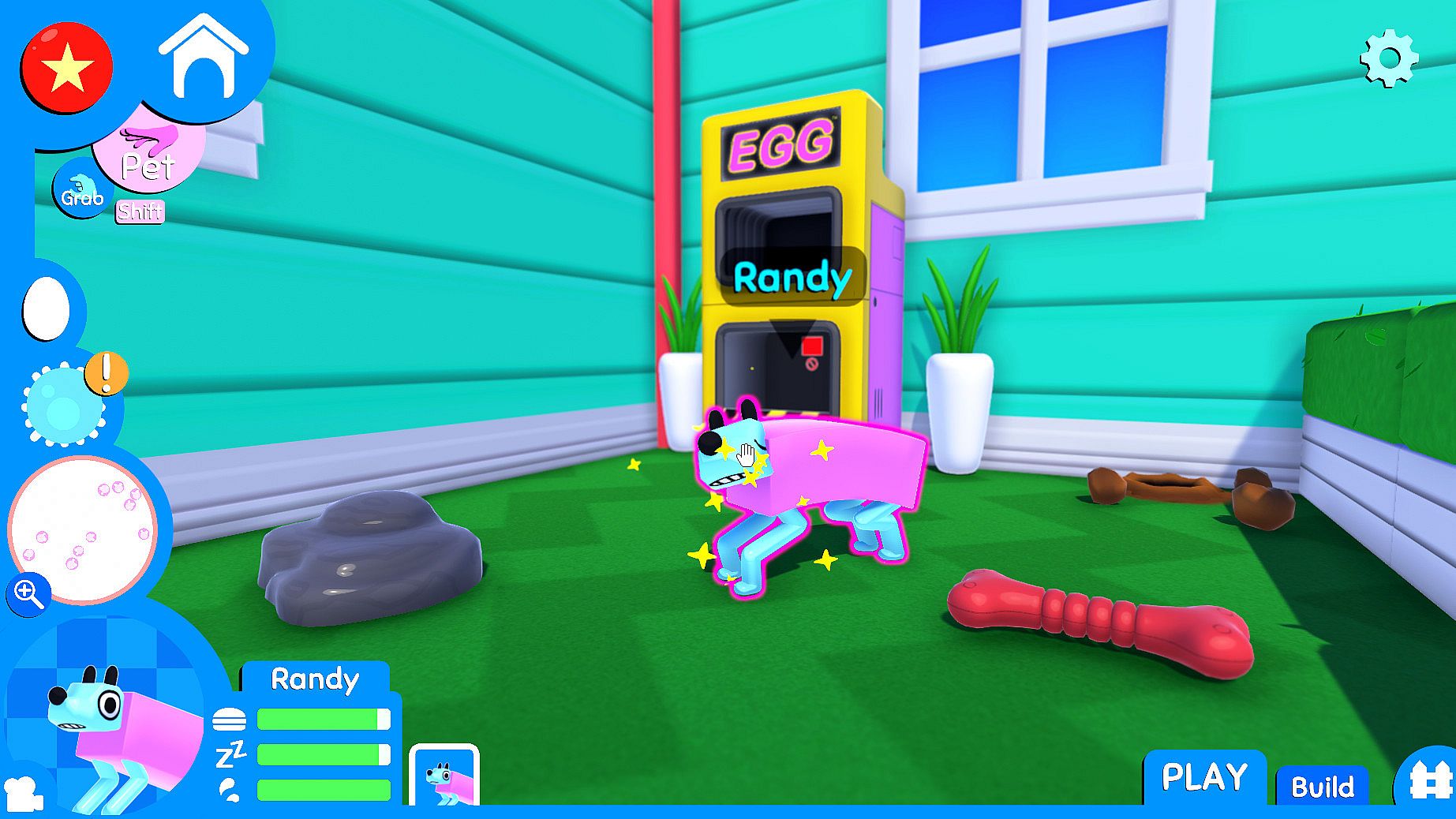
Physical simulation governs nearly every interaction. Dogs with differing builds move and respond to the environment in distinct ways, and personality traits further dictate their behaviors and social dynamics with other dogs or objects. Players can intervene directly by petting dogs to reduce stress, tossing them to observe tumbling, or assisting when they become stuck. Habitat building expands alongside progress, with new rooms, decorations, and functional items becoming available to create sleeping areas, mazes, or gardens.
Breeding involves collecting eggs and using an incubator, where cross-breeding and selective feeding help craft specific outcomes. The system rewards experimentation, as each generation can produce increasingly unusual results that still retain core canine behaviors amid the changes.
Game Modes
Wobbledogs features two primary modes that structure the singleplayer experience. Play Mode serves as the main environment for direct interaction, where players observe and engage with the dogs in real time, manage their needs, and handle daily activities like feeding and play.
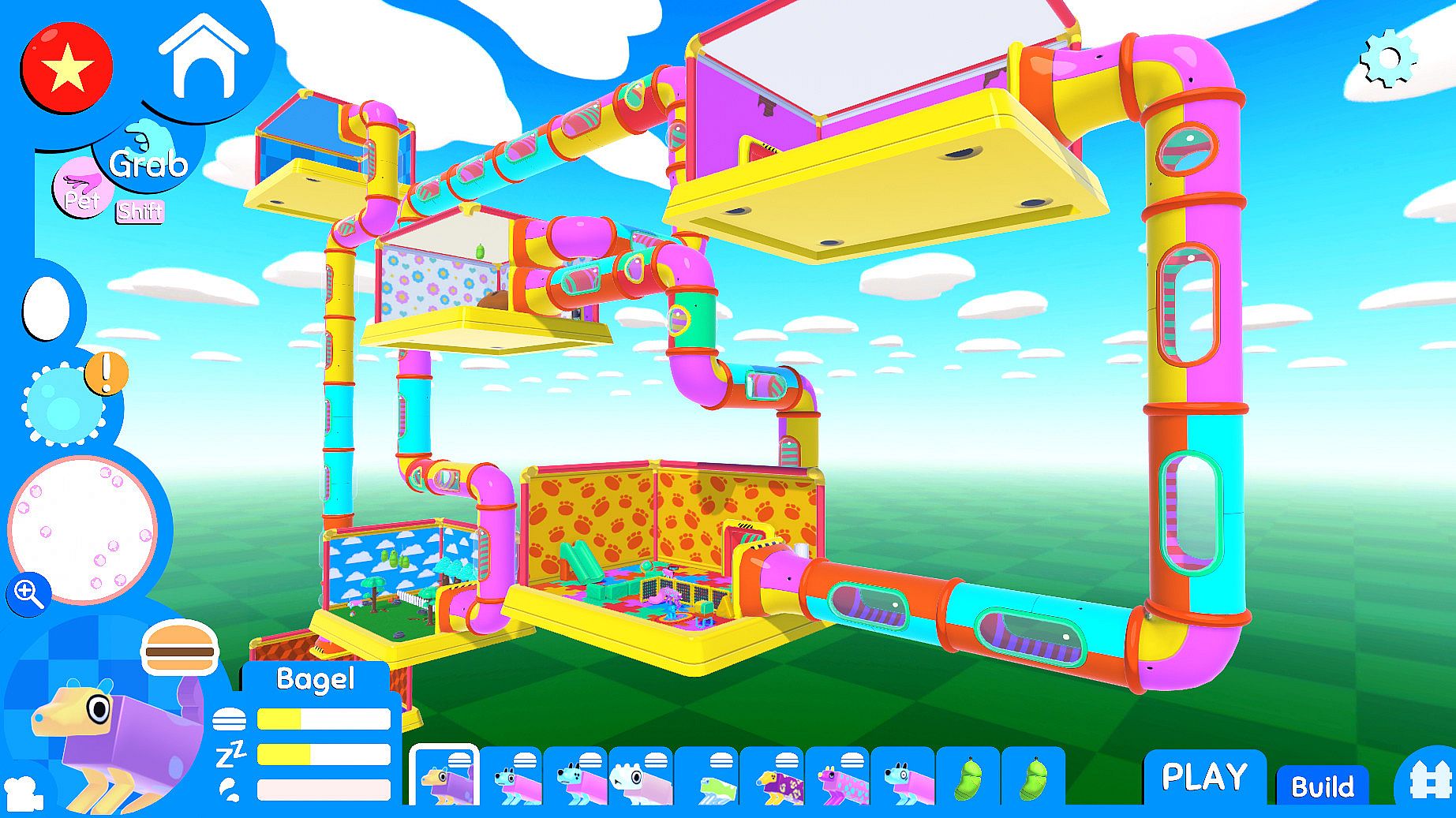
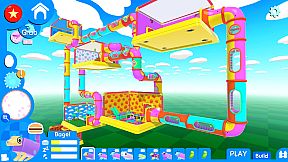
Build Mode focuses on habitat customization. Here, players connect rooms, place decorations, and arrange objects to support the dogs' thriving without any enforced objectives. A goals system exists alongside these modes, with achievements that unlock additional items, cosmetics, and features as players complete various tasks related to care, breeding, and exploration.
The overall structure remains open-ended, with no narrative or competitive elements. An automatic mode option allows passive progression for players who want the simulation to advance while they step away, handling aging, pupation, and breeding runs independently.
Habitat and Interaction Systems
Creating appealing environments plays a central role in supporting the dogs' well-being. Players gain access to an expanding catalog of items through play, enabling setups that range from simple resting spots to complex layouts with interactive elements. The physical simulation ensures that different dog body types navigate these spaces uniquely, adding variety to everyday observations.
Direct interactions extend beyond basic care. Players can experiment with tossing dogs or helping them navigate tight spots, which highlights the physics-driven nature of their movements. These actions integrate with the genetics system, as stressed or well-cared-for dogs may influence mutation paths indirectly through their behaviors and feeding habits.
Is It Worth Playing?
Wobbledogs suits players seeking a low-pressure sandbox focused on pet simulation and emergent surprises from its genetics and physics systems. Reviews consistently highlight the charm of watching mutated dogs interact with their surroundings and the satisfaction of molding evolutionary lines through feeding and breeding choices.
The game maintains active support, with updates continuing into 2025 that added new content such as wings and horns to console versions. It holds an Overwhelmingly Positive rating on Steam based on more than 10,000 reviews, reflecting appreciation for its unique take on the genre despite a deliberate slow pace and limited structured activities.
Those who enjoy passive observation, creative habitat building, and iterative experimentation with virtual pets will find the most value here. The absence of traditional goals or multiplayer means it appeals primarily to solo players comfortable directing their own experience in a stress-free setting.















